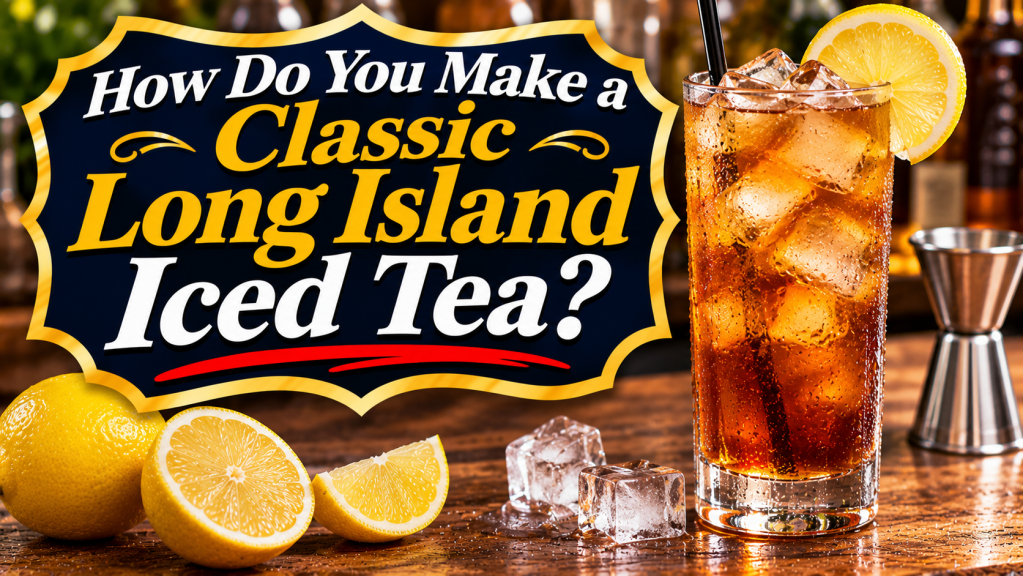
A classic Long Island iced tea combines vodka, gin, white rum, blanco tequila, orange liqueur, lemon juice, simple syrup and a splash of cola. Despite its name, the traditional cocktail contains no brewed tea. Its amber color comes from the cola, while fresh lemon and sugar create the familiar sweet-tart flavor. The drink is easy to prepare at home once you understand the measurements and the importance of dilution. Because it combines several spirits, it is stronger than its refreshing appearance might suggest, and careful portioning is especially important.
Classic Long Island Iced Tea Recipe at a Glance
Yield: one tall cocktail. Preparation time: approximately five minutes. Cooking time: none. Equipment: highball or Collins glass, measuring jigger, cocktail shaker and strainer, or a long stirring spoon. Serve over fresh ice with a lemon wedge. This recipe is intended for adults of legal drinking age.
Ingredients
For one cocktail, gather ½ ounce vodka, ½ ounce London dry gin, ½ ounce white rum, ½ ounce blanco tequila, ½ ounce triple sec, ¾ ounce freshly squeezed lemon juice, ½ ounce simple syrup, 1–2 ounces chilled cola, plenty of ice and a lemon wedge. These proportions are a practical home-bar interpretation of the classic drink. Recipes differ slightly in their ratios, particularly the amount of citrus and sweetener. For a less alcoholic variation, halve the quantities of all five alcoholic ingredients and add more sparkling water or cola to taste.
Why the Cocktail Contains Five Alcoholic Ingredients
The Long Island iced tea is unusual because it combines several different spirits in one glass. Vodka supplies a relatively neutral base, while gin brings botanical aromas. White rum adds a subtle sugarcane character, tequila contributes agave notes and triple sec provides orange flavor and sweetness. The goal is not to make each one stand out individually, but to create a balanced sour-style mixture that works with the cola. Use modest, measured portions of each rather than full shots. Doubling the spirit quantities would substantially increase the alcohol content and change the intended balance.
Step 1: Prepare the Glass and Ice
Choose a tall glass with enough room for the ingredients and plenty of ice. A Collins or highball glass of roughly 12 to 16 ounces works well. If desired, chill the glass briefly in the refrigerator before mixing. Fresh, firm ice is preferable to partially melted cubes because it chills the cocktail predictably. Cut a lemon wedge or wheel for garnish and keep the cola refrigerated until the final step. Preparing everything first makes the actual mixing process quick and straightforward.
Step 2: Measure the Spirits
Measure the vodka, gin, rum, tequila and triple sec into a cocktail shaker. Use a half-ounce measure for each one. If you do not own a jigger, a standard US tablespoon equals half a fluid ounce, so one tablespoon of each alcoholic ingredient is sufficient. Avoid free-pouring from the bottles. Accurate measurements are particularly valuable in a drink with multiple spirits because even a small excess from each bottle can add up to a substantially larger alcohol serving.
Step 3: Add Lemon Juice and Simple Syrup
Squeeze a fresh lemon and measure three-quarters of an ounce of juice into the shaker. Add half an ounce of simple syrup. Fresh citrus gives the cocktail a brighter character than many commercial sour mixes. If you use sweetened bottled sour mix instead, it should replace both the lemon juice and simple syrup rather than being added on top of them. Taste the balance carefully because prepared mixes vary widely in acidity and sweetness.
Step 4: Shake and Strain
Fill the shaker with fresh ice, secure the lid and shake for about 10–12 seconds, or until the outside becomes cold. Shaking combines the still ingredients and provides some dilution. Fill the serving glass with fresh ice and strain the mixture into it. If you do not have a shaker, you can build the measured ingredients directly in the serving glass and stir thoroughly with ice. Do not add cola to a sealed shaker, because carbonated liquids can build pressure and cause the container to open unexpectedly.
Step 5: Add Cola and Garnish
Top the drink with one to two ounces of chilled cola. Stir gently once or twice to combine without losing too much carbonation. The cola should supply a light amber color and a familiar caramel-like finish rather than completely overpowering the lemon and spirits. Add a lemon wedge or wheel and serve immediately. If the glass is particularly large, use sparkling water to lengthen the drink instead of adding extra spirits.
How to Make Homemade Simple Syrup
Combine half a cup of granulated sugar with half a cup of water in a small saucepan. Heat gently, stirring until the sugar completely dissolves. Remove from the heat and allow the syrup to cool. Transfer it to a clean, covered container and refrigerate for up to about two weeks, discarding it earlier if it becomes cloudy or develops an unusual smell. Equal parts sugar and water make a standard simple syrup that is easy to measure and mixes readily into cold cocktails.
How Strong Is a Long Island Iced Tea?
With four half-ounce portions of 80-proof spirits and half an ounce of 80-proof orange liqueur, this recipe contains about one fluid ounce of pure alcohol, equivalent to roughly 1.7 US standard drinks. A lower-proof orange liqueur reduces that amount somewhat. The final alcohol concentration depends on cola, citrus and dilution from ice. Its sweet flavor does not indicate that it contains less alcohol. Serve responsibly, enjoy slowly, provide water and never drive after drinking.
Does a Long Island Iced Tea Actually Contain Tea?
The classic version does not contain tea. The name refers to its visual resemblance to a glass of iced tea. Cola provides the amber color, and lemon helps create a familiar refreshing flavor. You can make a tea-based variation using chilled unsweetened black tea, but it is a different recipe. For people who prefer the flavor of real iced tea without alcohol, a mixture of brewed black tea, lemon, sparkling water and a small amount of syrup makes a refreshing alternative.
Choosing the Best Ingredients
You do not need expensive premium bottles for this cocktail. Choose clean-tasting, unflavored spirits whose flavors work together. London dry gin provides a recognizable botanical character, while white rum keeps the mixture lighter in flavor than dark or heavily spiced rum. Blanco tequila works well with lemon and orange. Triple sec is a conventional orange liqueur choice, although other orange liqueurs can be substituted. Regular cola adds both sweetness and caramel notes; diet cola may be used if preferred, but its sweetener profile can change the final taste.
Common Mistakes to Avoid
One common mistake is using a full ounce or full shot of each spirit instead of the smaller measured portions. Another is relying on too much sour mix, which can create a harsh or excessively sweet cocktail. Warm cola and insufficient ice can make the drink flat and poorly chilled. Add the cola last rather than shaking it. Use a tall glass with enough ice to maintain a cold serving temperature. If the cocktail tastes out of balance, adjust the lemon, syrup or nonalcoholic mixer instead of automatically adding more alcohol.
Popular Variations
A Tennessee-style variation may substitute whiskey for one of the base spirits. A Tokyo tea commonly uses melon liqueur and a lemon-lime soda in place of the cola, producing a green drink. A blue variation uses blue curaçao to provide orange flavor and color, often with lemon-lime soda. These variations are not identical to the classic recipe and their proportions vary among bartenders. A lower-alcohol version can be made by reducing all the spirits proportionally and increasing the nonalcoholic mixer.
How to Prepare a Small Batch
For four servings, measure two ounces each of vodka, gin, white rum, tequila and triple sec, then add three ounces of fresh lemon juice and two ounces of simple syrup. Refrigerate the covered mixture until ready to serve. Divide it into four equal portions, shake or stir each with ice and top each glass with one to two ounces of cola. Avoid adding ice and carbonated soda to the pitcher long before serving. Label alcoholic mixtures clearly and keep a separate nonalcoholic option available for guests.
What Foods Pair Well With This Cocktail?
The sweet, citrusy profile pairs well with casual savory dishes such as grilled chicken, burgers, tacos, fries or vegetable skewers. Salty appetizers and fresh salsa can complement the lemon and cola. Food and water are worthwhile additions to a gathering, but neither eliminates the effects of alcohol. Offer guests nonalcoholic choices and avoid encouraging anyone to consume a drink more quickly than they prefer.
Frequently Asked Questions
Can I make it without a cocktail shaker?
Yes. Build the ingredients directly in a tall glass filled with ice, stir thoroughly and add the cola last.
Can I use lime instead of lemon?
Yes, although the flavor will be somewhat different. Fresh lemon is the familiar choice for this version, while lime provides a slightly sharper citrus profile.
Can I leave out the tequila or gin?
Yes. Leaving out an ingredient changes the traditional combination but can produce a drink more suited to your preferences. There is no need to replace the omitted spirit with additional alcohol.
Can I make it ahead of time?
Mix the still ingredients and keep them covered in the refrigerator for up to a day. Add ice and cola shortly before serving for the freshest flavor and carbonation.
How do I make a nonalcoholic version?
Combine chilled black tea or water with lemon juice, a little simple syrup and a splash of cola. Serve over ice with a lemon wedge. Although it differs from the classic alcoholic recipe, it captures the amber appearance and refreshing citrus flavor.
Final Tips
A classic Long Island iced tea is best approached as a carefully measured mixed drink rather than an opportunity to combine large pours of liquor. Fresh lemon, chilled cola, plenty of ice and modest portions of each spirit create a balanced result. Keep the recipe simple, adjust the nonalcoholic ingredients to suit your taste and serve it responsibly.
Leave a Reply