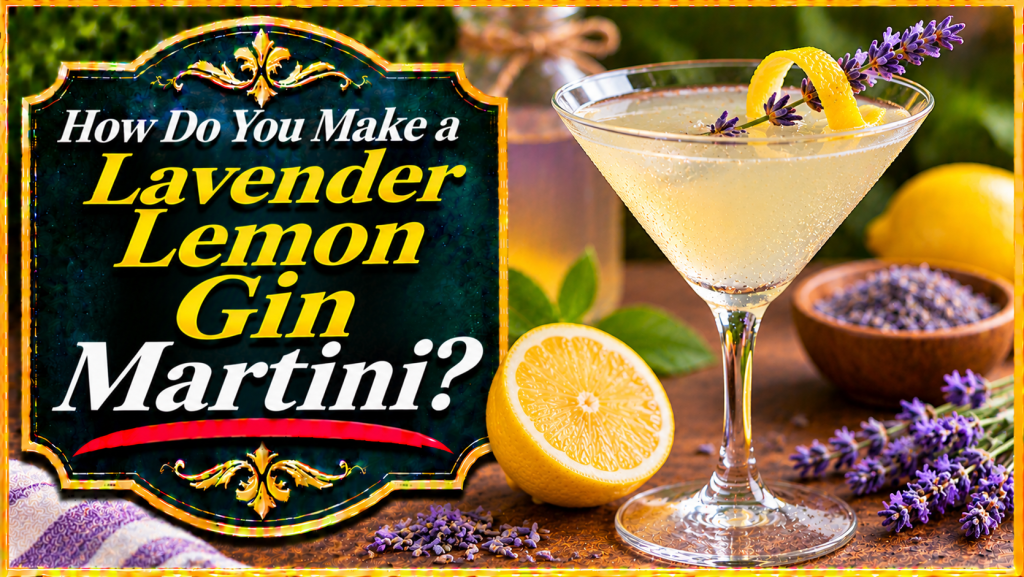
A lavender lemon gin martini combines botanical gin, freshly squeezed lemon juice and a small amount of lavender-infused simple syrup in a chilled cocktail glass. The lemon supplies a bright citrus flavor, while lavender offers a delicate floral aroma that complements the juniper and other botanicals in gin. This contemporary martini-style drink is shaken rather than stirred because it contains citrus juice. It is not a traditional dry martini, but it offers an elegant alternative for those who enjoy a light, floral sour served without ice in the glass.
Recipe at a Glance
Yield: one cocktail. Preparation time: approximately ten minutes once the lavender syrup has cooled. Syrup preparation and cooling time: approximately thirty minutes. Equipment: small saucepan, fine mesh strainer, measuring jigger, citrus juicer, cocktail shaker and chilled martini or coupe glass. This recipe is intended for adults of legal drinking age.
Ingredients for a Lavender Lemon Gin Martini
Gather 1½ ounces gin, ¾ ounce freshly squeezed lemon juice and ½ ounce homemade lavender simple syrup. Have fresh ice available for shaking. For an optional garnish, prepare a thin strip of lemon peel or a small sprig of food-grade culinary lavender. If the syrup has a particularly pronounced floral flavor, start with a quarter ounce and add ordinary simple syrup as needed. The recipe contains no vermouth or additional spirit.
Ingredients for Homemade Lavender Simple Syrup
Use half a cup of water, half a cup of granulated sugar and one teaspoon dried culinary lavender buds. This quantity produces several servings, depending on evaporation. Choose lavender specifically labeled for food preparation rather than flowers intended for decoration, fragrance or crafts. Do not substitute essential oils or concentrated aromatherapy products. Culinary lavender can have a strong flavor, so begin with a modest amount and adjust future batches according to your preference.
Choosing the Best Gin
A London dry-style gin provides a recognizable juniper flavor that balances the fresh lemon and floral syrup. A citrus-forward gin is another suitable option if you prefer a brighter character. Strongly floral gins can amplify the lavender considerably, so consider using a smaller amount of infused syrup with those products. There is no need to purchase an expensive spirit for this cocktail. Choose a gin you enjoy, read the label to determine its alcohol by volume and measure the serving accurately with a jigger.
Step 1: Prepare the Lavender Syrup
Combine the water and granulated sugar in a small saucepan. Warm over medium-low heat, stirring until the sugar dissolves completely. Remove the saucepan from the heat, add the dried culinary lavender and allow it to steep for approximately five minutes. Strain out the buds using a fine mesh sieve. If the flavor is too subtle, steep a little longer in your next batch rather than boiling the lavender vigorously. Let the syrup cool completely before using it. Refrigerate the remaining syrup in a clean covered container and use within about one week for best quality.
Step 2: Chill the Cocktail Glass
Place a clean martini or coupe glass in the refrigerator while you prepare the other ingredients. Alternatively, fill the glass with ice and cold water for a few minutes, then empty it before serving. A chilled glass helps keep a cocktail served without ice cool for longer. Handle thin-stemmed glassware carefully, especially when it is cold and wet. A small stemless glass can also be used if martini glassware is unavailable.
Step 3: Squeeze the Lemon
Wash a fresh lemon under running water before cutting it. If using a lemon twist as a garnish, remove a thin strip of the yellow peel before squeezing. Avoid cutting away excessive white pith, which can contribute bitterness. Squeeze enough juice to measure three-quarters of an ounce and remove any visible seeds. Freshly squeezed juice provides a lively aroma that works especially well with lavender. Unsweetened bottled lemon juice can be substituted when necessary, but sweetened lemon cordial may alter the balance considerably.
Step 4: Measure and Shake the Ingredients
Pour the gin, lemon juice and cooled lavender simple syrup into a clean cocktail shaker. Add several firm ice cubes and secure the lid, leaving enough room for the ice to move. Shake firmly for approximately ten to fifteen seconds, until the outside of the shaker feels cold. This process chills the ingredients and adds a modest amount of water from melting ice, which helps soften the concentrated sweet and sour flavors. If you do not have a shaker, stir the ingredients thoroughly with ice in a sturdy mixing glass instead.
Step 5: Strain Into the Chilled Glass
Discard any ice and water used to chill the serving glass. Strain the cocktail into the empty glass. If you prefer a smoother texture, hold a fine mesh sieve beneath the cocktail strainer to catch small pieces of ice or lemon pulp. The drink may appear slightly cloudy because of the freshly squeezed citrus. Lavender syrup does not necessarily produce a purple color; depending on the buds used, its appearance may range from almost clear to pale amber or pinkish. Artificial coloring is unnecessary.
Step 6: Garnish and Serve
Gently twist the lemon peel over the glass to release its fragrant oils, then place it on the rim or in the drink. If using a lavender garnish, choose a small sprig specifically sold for culinary use and wash fresh edible flowers as appropriate. Remove any tough stems before drinking. A simple lemon twist is sufficient if culinary flowers are unavailable. Serve immediately while the cocktail remains cold. The floral aroma should remain subtle rather than dominating the drink.
How to Balance Lavender and Lemon
Taste a small amount with a clean spoon. If the cocktail is too tart, add a teaspoon of plain or lavender simple syrup. If it is too sweet, add a little fresh lemon juice or chilled water. If the floral aroma is overpowering, reduce the lavender syrup in the next serving and replace some of it with plain syrup. Overly concentrated lavender can taste perfumed or bitter. Adjust one ingredient at a time rather than adding additional gin to correct sweetness. Using mild syrup and fresh citrus allows the botanical flavors to remain recognizable.
How to Make Four Servings
Combine six ounces gin, three ounces freshly squeezed lemon juice and two ounces lavender simple syrup in a clean covered container. Stir and refrigerate until serving, preferably on the same day. Divide evenly into four portions. Shake each portion separately with fresh ice and strain into chilled glasses. Garnish individually with lemon twists. This method helps control dilution and avoids overfilling the shaker. Clearly label alcoholic mixtures and offer water and alcohol-free drinks to guests.
Easy Flavor Variations
For a honey lavender version, use a mild honey syrup infused with culinary lavender instead of the sugar syrup. A small quantity of fresh orange juice can replace part of the lemon juice for a softer citrus character. For a sparkling version, serve the shaken mixture over ice in a tall glass and finish with plain club soda. Never shake carbonated liquids in a sealed shaker. Try each variation individually to preserve a clear floral and citrus balance.
Alcohol-Free Lavender Lemon Cooler
Combine three-quarters of an ounce fresh lemon juice, half an ounce lavender syrup and one and a half ounces chilled plain water. Shake with ice, strain into a chilled glass and garnish with lemon. Add a little more water or sparkling water if desired. The alcoholic recipe contains approximately one US standard drink when the gin is 40 percent alcohol by volume; actual strength depends on the bottle and serving size. Never drive after drinking.
Storage and Make-Ahead Tips
Keep the lavender syrup and prepared lemon juice covered and refrigerated at 40°F or below. Prepare the citrus cocktail base on the same day for the freshest flavor. Discard perishable juice mixtures left unrefrigerated for more than two hours, or one hour above 90°F. Shake with fresh ice immediately before serving.
Frequently Asked Questions
Can I use fresh lavender instead of dried buds?
Yes. Use food-grade culinary lavender and adjust its quantity and steeping time gradually because fresh and dried flowers differ in strength.
Does this martini need vermouth?
No. This is a lemon sour-style cocktail served in a martini glass, rather than a classic gin and vermouth martini.
Why is my lavender cocktail not purple?
Natural lavender syrup does not always impart a purple color. Its appearance depends on the variety and preparation, and the color does not indicate the quality of the flavor.
Final Tips
Use fresh lemon juice, a gently infused culinary lavender syrup and carefully measured gin. Shake with fresh ice and strain into a chilled glass for a balanced floral citrus cocktail.
Leave a Reply