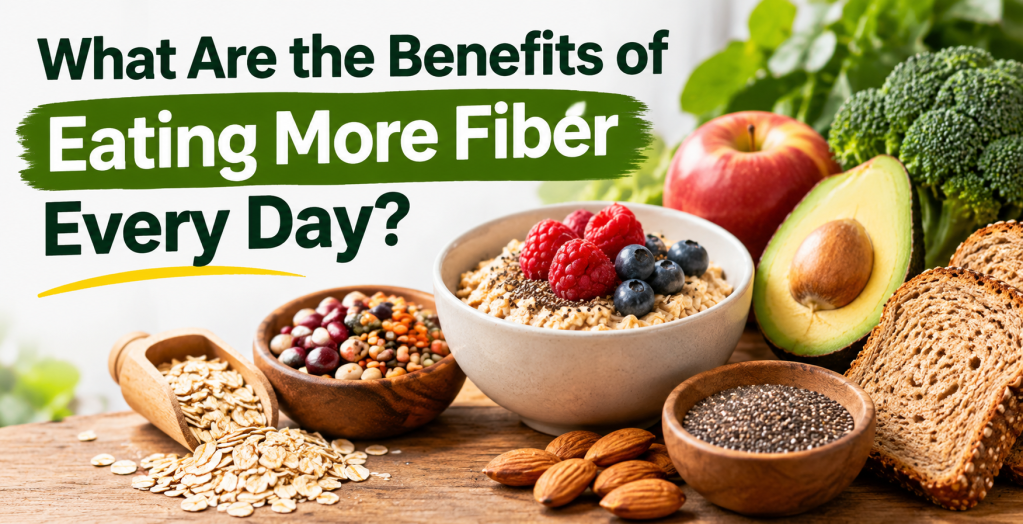
Fiber is one of the most important nutrients for maintaining good health, yet many people do not consume enough of it. While protein, vitamins, and healthy fats often receive the most attention, dietary fiber plays an essential role in digestion, heart health, blood sugar management, weight control, and overall wellness.
Eating more fiber every day can help your body function more efficiently, improve digestive comfort, and potentially reduce your risk of developing certain chronic diseases.
The best part is that increasing your fiber intake does not require expensive supplements, complicated diets, or dramatic changes to your eating habits. Simple foods such as fruits, vegetables, beans, oats, nuts, and whole grains can make a significant difference.
Understanding how fiber works and why your body needs it can help you make healthier food choices that benefit you for years to come.
What Is Dietary Fiber?
Dietary fiber is a type of carbohydrate found primarily in plant-based foods. Unlike sugars and starches, most dietary fiber cannot be completely broken down by the body’s digestive enzymes.
Instead, fiber travels through the digestive system, helping regulate digestion and supporting several important bodily functions.
There are two main types of dietary fiber.
Soluble Fiber
Soluble fiber dissolves in water and forms a gel-like substance during digestion.
This type of fiber can help lower LDL cholesterol, slow the absorption of carbohydrates, and support healthy blood sugar levels.
Common sources of soluble fiber include:
-
Oatmeal and oat bran
-
Apples and citrus fruits
-
Beans and lentils
-
Barley
-
Chia seeds
-
Psyllium husk
Insoluble Fiber
Insoluble fiber does not dissolve in water. Instead, it adds bulk to stool and helps food move through the digestive tract.
This type of fiber is particularly beneficial for maintaining regular bowel movements and preventing constipation.
Common sources include:
-
Whole wheat bread
-
Brown rice
-
Wheat bran
-
Nuts and seeds
-
Vegetables
-
Fruit skins
Both types of fiber contribute to good health, and many plant foods naturally contain a combination of soluble and insoluble fiber.
1. Fiber Improves Digestive Health
One of the most recognized benefits of eating more fiber is improved digestion.
Fiber helps maintain regular bowel movements by increasing stool bulk and, depending on the type of fiber, helping retain water in the stool.
This makes waste easier to pass and can reduce occasional constipation.
A fiber-rich diet may also help support overall colon health.
When you consume adequate fiber, your digestive system generally functions more consistently, which can reduce discomfort associated with irregular bowel movements.
However, increasing fiber too quickly may temporarily cause bloating or gas. Gradually increasing your intake allows your digestive system to adjust.
2. Fiber Helps You Feel Full Longer
Fiber can play an important role in controlling hunger and managing appetite.
Many high-fiber foods take longer to chew and digest than highly processed foods.
Certain soluble fibers also slow stomach emptying, helping you feel satisfied after meals.
For example, eating a bowl of oatmeal with berries may keep you feeling full longer than eating a sugary breakfast pastry.
Feeling satisfied between meals can make it easier to avoid unnecessary snacking.
This does not mean fiber automatically causes weight loss, but it can support healthier eating habits by making meals more filling.
3. Fiber Supports Healthy Weight Management
Maintaining a healthy weight often involves balancing calorie intake, physical activity, and long-term eating habits.
Fiber can make this process easier.
Many naturally fiber-rich foods contain substantial amounts of water and nutrients while providing relatively fewer calories per serving.
Vegetables, fruits, beans, and whole grains can help create satisfying meals without relying on large portions of calorie-dense foods.
For example, adding black beans and vegetables to a meal can increase its volume and nutritional value.
Fiber may support weight management by:
-
Increasing feelings of fullness
-
Helping regulate appetite
-
Reducing the likelihood of overeating
-
Supporting balanced meals
-
Replacing some highly processed, low-fiber foods
Research suggests that higher-fiber eating patterns are associated with healthier body weights, although results depend on overall dietary habits and lifestyle.
4. Fiber Can Help Lower Cholesterol
Heart health is another important reason to eat more fiber.
Certain soluble fibers, especially those found in oats, barley, beans, and psyllium, can help reduce LDL cholesterol.
LDL is commonly referred to as bad cholesterol because elevated levels contribute to plaque buildup in the arteries.
Soluble fiber can bind to bile acids in the digestive tract, increasing their removal from the body.
The liver then uses cholesterol to produce additional bile acids, which can help lower circulating LDL cholesterol.
Regularly eating foods such as oatmeal, lentils, and beans may therefore support healthier cholesterol levels.
However, fiber should complement rather than replace prescribed cholesterol-lowering treatment.
5. Fiber Helps Maintain Healthy Blood Sugar Levels
Blood sugar management is important for everyone, especially people living with diabetes or prediabetes.
Soluble fiber can slow carbohydrate digestion and glucose absorption.
This may help reduce rapid increases in blood sugar after eating.
For example, eating whole fruit generally provides more fiber than drinking fruit juice.
The fiber in whole fruit can slow digestion, while the fruit’s water content and structure also influence how quickly it is consumed and absorbed.
Fiber-rich foods that may support blood sugar management include:
-
Lentils
-
Chickpeas
-
Black beans
-
Oatmeal
-
Barley
-
Non-starchy vegetables
-
Whole fruits
Choosing high-fiber carbohydrates more often can be an effective part of a balanced eating plan.
People managing diabetes should still consider total carbohydrate intake, medications, and individual blood sugar responses.
6. Fiber Supports a Healthier Gut Microbiome
Your digestive system contains trillions of microorganisms, collectively known as the gut microbiome.
Many of these microorganisms help support digestion and other important bodily processes.
Certain dietary fibers act as prebiotics, providing nourishment for beneficial gut bacteria.
When these bacteria ferment fiber, they produce compounds called short-chain fatty acids.
One of these compounds, butyrate, helps nourish cells lining the colon.
Short-chain fatty acids also play roles in maintaining the intestinal barrier and regulating inflammation.
Foods that contain fermentable fibers include onions, garlic, oats, beans, bananas, and asparagus.
Eating a variety of plant foods can help provide different fibers that support a diverse gut microbiome.
Not all fibers are fermented in the same way, which is why dietary variety matters.
7. Fiber May Reduce the Risk of Heart Disease
Eating more fiber may benefit the cardiovascular system beyond lowering cholesterol.
Studies consistently associate higher dietary fiber intake with a lower risk of cardiovascular disease.
Several factors may contribute to this relationship.
Fiber-rich diets often support healthier cholesterol levels, better blood sugar regulation, and improved weight management.
Additionally, foods naturally rich in fiber frequently contain potassium, antioxidants, and other beneficial nutrients.
For example, replacing refined grains with whole grains can increase fiber intake while improving overall dietary quality.
Although fiber alone cannot prevent heart disease, it is an important component of a heart-healthy eating pattern.
8. Fiber May Lower the Risk of Type 2 Diabetes
Consuming adequate dietary fiber, particularly from whole grains, is associated with a reduced risk of developing type 2 diabetes.
Fiber may help by slowing glucose absorption, improving overall dietary quality, and supporting healthier body weight.
Whole grains also contain additional nutrients that may contribute to metabolic health.
Foods such as oats, whole wheat, barley, and brown rice can be useful alternatives to highly refined grains.
Replacing white bread with whole grain bread or choosing oatmeal instead of sugary cereal are simple ways to increase fiber intake.
However, preventing type 2 diabetes involves several factors, including physical activity, weight management, sleep, and genetics.
Fiber is one helpful part of a broader prevention strategy.
9. Fiber May Reduce the Risk of Colorectal Cancer
Colorectal cancer affects the colon and rectum and is one of the most common cancers worldwide.
Research suggests that eating more dietary fiber, particularly from whole grains, is associated with a lower risk of colorectal cancer.
Several mechanisms may help explain this association.
Fiber increases stool bulk and can help move waste through the digestive system.
Fermentation of certain fibers also produces short-chain fatty acids, including butyrate, which support colon cell health.
Additionally, fiber-rich foods often provide vitamins, minerals, and plant compounds that contribute to a healthy diet.
While fiber cannot guarantee cancer prevention, consuming adequate amounts is a practical step toward supporting long-term digestive health.
Regular colorectal cancer screening remains essential for eligible adults, regardless of diet.
10. Fiber Can Help Prevent Constipation
Constipation can cause discomfort, bloating, and difficulty passing stool.
For many people, consuming insufficient dietary fiber contributes to irregular bowel movements.
Fiber can help improve stool consistency and support regularity.
Insoluble fiber increases stool bulk, while certain soluble fibers help retain water and soften stool.
However, the effects vary depending on the type of fiber and the underlying cause of constipation.
Drinking adequate fluids is also important, especially when increasing fiber intake.
For people with persistent constipation, certain digestive disorders, or bowel narrowing, adding large amounts of fiber may not be appropriate without medical guidance.
11. Fiber May Help Support Healthy Blood Pressure
Higher-fiber eating patterns are associated with modest improvements in blood pressure.
Some clinical studies suggest that increasing certain types of fiber may produce small reductions in blood pressure, particularly among people with hypertension.
The benefits may be related to improvements in vascular health, metabolism, and the gut microbiome.
Many fiber-rich foods also contain potassium and magnesium, nutrients involved in blood pressure regulation.
For example, beans, vegetables, and whole grains are common components of heart-healthy eating patterns.
Fiber is not a substitute for blood pressure medication, but it can support a comprehensive approach to cardiovascular health.
12. Fiber Encourages Better Overall Nutrition
One often overlooked benefit of eating more fiber is that it encourages healthier food choices.
Foods naturally rich in fiber frequently contain other essential nutrients.
For example:
-
Spinach provides fiber, folate, and vitamin K.
-
Beans provide fiber, plant protein, iron, and potassium.
-
Berries provide fiber, vitamin C, and antioxidants.
-
Oats provide fiber, magnesium, and other nutrients.
-
Nuts provide fiber, healthy fats, and minerals.
When you prioritize fiber-rich foods, you often improve the nutritional quality of your entire diet.
This can help your body receive a wider variety of nutrients without requiring complicated meal plans.
How Much Fiber Should You Eat Every Day?
The amount of fiber you need depends on factors such as age, sex, and calorie intake.
A general guideline is approximately 14 grams of fiber for every 1,000 calories consumed.
Common daily recommendations for adults include:
| Age group | Daily fiber goal |
|---|---|
| Men ages 19–50 | 38 grams |
| Men ages 51 and older | 30 grams |
| Women ages 19–50 | 25 grams |
| Women ages 51 and older | 21 grams |
These are general dietary reference values, and individual needs may vary.
Many American adults consume only about 15 grams of fiber daily, substantially below recommended amounts.
The goal should be to gradually increase fiber intake through a variety of foods rather than attempting to reach the full recommendation overnight.
What Are the Best High-Fiber Foods to Eat?
Increasing fiber does not have to be difficult.
Many affordable, everyday foods contain meaningful amounts of dietary fiber.
The following examples provide approximate fiber content for common serving sizes.
| Food | Serving size | Fiber |
|---|---|---|
| Cooked lentils | 1 cup | 15.6 g |
| Cooked black beans | 1 cup | 15 g |
| Chia seeds | 2 tablespoons | 9.8 g |
| Raspberries | 1 cup | 8 g |
| Cooked green peas | 1 cup | 8.8 g |
| Medium avocado | 1 whole | 10 g |
| Cooked oatmeal | 1 cup | 4 g |
| Medium pear with skin | 1 | 5.5 g |
| Medium apple with skin | 1 | 4.4 g |
| Cooked broccoli | 1 cup | 5 g |
| Almonds | 1 ounce | 3.5 g |
| Cooked quinoa | 1 cup | 5.2 g |
Actual fiber amounts vary depending on the variety, serving size, and preparation method.
Beans, lentils, berries, seeds, and whole grains are particularly useful because they provide substantial fiber alongside other beneficial nutrients.
How Can You Eat More Fiber Without Changing Your Entire Diet?
You do not need to completely redesign your meals to increase your fiber intake.
Small substitutions and additions can make a noticeable difference.
Start With Breakfast
Replace low-fiber breakfast cereals with oatmeal or a higher-fiber whole grain cereal.
Add berries, sliced pears, or chia seeds for additional fiber.
Add Vegetables to Lunch
Include spinach, tomatoes, cucumbers, or other vegetables in sandwiches and wraps.
Choose whole grain bread when possible.
Include Beans in Dinner
Add black beans to tacos, kidney beans to chili, or lentils to soups.
Beans are inexpensive, versatile, and rich in both fiber and plant protein.
Choose Whole Fruits
Eat apples, oranges, berries, and pears instead of relying primarily on fruit juice.
Whole fruits generally provide more fiber and are more filling.
Replace Refined Grains
Choose brown rice, whole wheat pasta, barley, or quinoa more often.
These foods can increase your fiber intake while adding variety to meals.
Snack on Nuts and Seeds
Almonds, pistachios, pumpkin seeds, and chia seeds can contribute fiber to your daily diet.
Because nuts and seeds are calorie-dense, moderate portions are usually appropriate.
What Happens When You Start Eating More Fiber?
Your body may need time to adjust to increased fiber consumption.
During the first several days, some people experience temporary digestive changes.
These may include:
-
Increased gas
-
Mild bloating
-
Changes in bowel movement frequency
-
A greater feeling of fullness
-
Changes in stool consistency
These symptoms are often temporary, particularly when fiber is increased gradually.
For example, someone consuming 12 grams of fiber daily might initially aim for 17 grams before gradually increasing further.
Adding approximately 3–5 grams every few days is a reasonable starting approach, although individual tolerance varies.
Drinking adequate water can help certain fibers function effectively.
Persistent pain, significant bloating, vomiting, or worsening constipation should not simply be dismissed as normal adjustment symptoms.
Is It Better to Get Fiber From Food or Supplements?
For most people, whole foods should be the primary source of dietary fiber.
Fiber-rich foods provide additional nutrients that supplements may lack, including vitamins, minerals, protein, and beneficial plant compounds.
However, fiber supplements can be helpful in certain situations.
Psyllium, for example, has evidence supporting its use for improving bowel regularity and lowering LDL cholesterol.
Other supplements contain different types of fiber with varying effects.
Fiber supplements should be taken according to product instructions, usually with adequate water.
Some supplements can also interfere with the absorption of certain medications, making appropriate timing important.
If you have a digestive condition or take regular medications, discuss fiber supplements with a healthcare professional before using them.
Can You Eat Too Much Fiber?
Although fiber provides numerous health benefits, consuming excessive amounts, particularly when increasing intake suddenly, can cause digestive discomfort.
Potential symptoms include bloating, abdominal cramps, excessive gas, and changes in bowel movements.
In some situations, excessive fiber intake combined with inadequate fluid consumption may worsen constipation.
People with certain gastrointestinal conditions may also require individualized fiber recommendations.
There is no established universal upper intake limit for dietary fiber in healthy adults, but tolerance differs considerably.
The most practical approach is to increase fiber gradually and pay attention to how your body responds.
A Simple High-Fiber Daily Meal Plan
Eating enough fiber becomes easier when it is distributed throughout the day.
Here is an example of a balanced daily menu that provides approximately 35 grams of fiber.
Breakfast
-
1 cup cooked oatmeal
-
½ cup raspberries
-
1 tablespoon chia seeds
Approximate fiber: 13 grams
Lunch
-
Whole wheat turkey sandwich
-
Lettuce and tomato
-
1 medium apple with skin
Approximate fiber: 9 grams
Dinner
-
Grilled chicken breast
-
½ cup black beans
-
1 cup cooked broccoli
Approximate fiber: 12 grams
Snack
– Small handful of almonds
Approximate fiber: 2 grams
Total daily fiber: approximately 36 grams
The exact amount depends on the ingredients and portions used.
This meal plan is only an example. Fiber goals and total calorie needs should be adjusted to individual circumstances.
Frequently Asked Questions About Eating More Fiber
What Happens if You Eat Fiber Every Day?
Eating adequate fiber every day can support regular bowel movements, healthy cholesterol levels, blood sugar management, and long-term digestive health.
Consistent fiber intake is also associated with a lower risk of certain chronic diseases.
Does Fiber Help Reduce Belly Fat?
Fiber does not specifically target belly fat.
However, high-fiber foods can increase fullness and support weight management, which may contribute to reductions in overall body fat when combined with appropriate calorie intake and physical activity.
How Long Does It Take for Fiber to Improve Digestion?
Some people notice improvements in bowel regularity within several days, while others may need a few weeks.
Results depend on the type of fiber, the amount consumed, hydration, and individual digestive health.
Is It Good to Eat Fiber Before Bed?
Eating fiber in the evening is generally fine.
However, consuming a large amount immediately before bedtime may cause bloating or discomfort in sensitive individuals.
Overall daily fiber intake matters more than the specific time it is consumed.
Can Fiber Help Lower Cholesterol Naturally?
Yes. Certain soluble fibers, particularly those found in oats, barley, and psyllium, can help lower LDL cholesterol.
The effect is generally modest and depends on the type and amount of fiber consumed.
Is Fiber Good for Your Gut Bacteria?
Yes. Certain fermentable fibers serve as food for beneficial gut bacteria.
These bacteria produce short-chain fatty acids that help support intestinal health.
Should You Eat More Fiber if You Are Trying to Lose Weight?
Increasing fiber can be helpful because fiber-rich foods often promote fullness and make meals more satisfying.
However, successful weight management also depends on overall calorie intake, dietary quality, physical activity, and sustainable habits.
Final Thoughts: Why Eating More Fiber Every Day Matters
Eating more fiber is one of the simplest dietary changes you can make to support better long-term health.
From improving digestion and helping control appetite to supporting heart health, blood sugar regulation, and a healthy gut microbiome, fiber contributes to several essential functions throughout the body.
You do not need expensive health products or restrictive diets to benefit from it.
Adding oatmeal to breakfast, including beans with dinner, choosing whole fruits, and eating more vegetables can gradually increase your daily fiber intake.
The key is consistency.
Rather than trying to make dramatic changes overnight, focus on building sustainable eating habits that include a variety of naturally fiber-rich foods.
A healthier diet does not always require eating less. Sometimes, it begins with eating more of the foods your body needs.
Leave a Reply