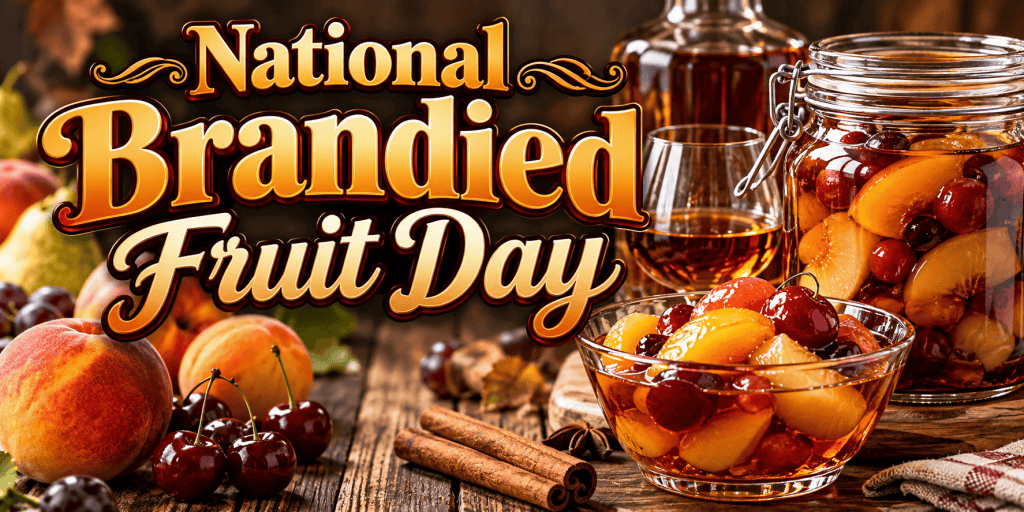
Every year on October 20, National Brandied Fruit Day celebrates a delicious old-fashioned tradition that combines ripe fruit, sugar, and brandy into something rich, sweet, and full of flavor.
Long before refrigerators and freezers made preserving food simple, people had to find creative ways to keep seasonal fruits from spoiling. Drying, canning, fermenting, and preserving fruit in alcohol were all practical solutions. Brandied fruit became one particularly flavorful way to extend the enjoyment of the harvest.
Today, brandied fruit may not be something most people keep regularly in their kitchen, but National Brandied Fruit Day offers the perfect excuse to rediscover this classic treat.
Whether served over ice cream, spooned onto pound cake, added to a holiday dessert, or enjoyed as part of a special recipe, brandied fruit brings together sweetness, warmth, and tradition.
What Is Brandied Fruit?
Brandied fruit is exactly what its name suggests: fruit preserved or infused with brandy, usually along with sugar.
Fresh or dried fruits can be used, depending on the recipe. Popular choices include peaches, cherries, apricots, pears, plums, pineapple, and berries.
The fruit is combined with brandy and sugar and then allowed to sit while the flavors develop. Depending on the preparation method, this can take anywhere from several days to weeks or longer.
Over time, the fruit absorbs some of the brandy’s flavor while releasing its own juices into the surrounding liquid.
The result is a sweet, intensely flavored fruit mixture that can be used in numerous desserts and dishes.
Because it contains alcohol, brandied fruit is intended for adults unless the alcohol is fully cooked off in a particular recipe.
Why Was Fruit Preserved in Alcohol?
For most of human history, keeping food fresh was a challenge.
Today, we can purchase strawberries in winter, frozen peaches in spring, or canned pineapple whenever we want. Refrigerators, freezers, commercial canning, and worldwide transportation have changed how we think about seasonal foods.
People in earlier generations didn’t have those conveniences.
When fruit ripened, there was often a relatively short period in which it could be eaten fresh. Families therefore developed ways to preserve what they couldn’t immediately consume.
Alcohol was one method.
Strong alcoholic beverages could help create an environment less favorable to many spoilage organisms, while sugar was also widely used in traditional fruit preservation.
The combination created something that was both practical and enjoyable.
What began partly as preservation eventually became a culinary tradition of its own.
The Flavor of Brandied Fruit
Brandied fruit has a distinctive flavor.
The fruit provides sweetness and acidity, while the brandy contributes warmth, depth, and complexity. Sugar ties everything together and creates a syrup-like liquid around the fruit.
Different fruits produce completely different results.
Cherries can create a rich, deep fruit flavor.
Peaches offer sweetness and a softer texture.
Pears provide a delicate flavor that works particularly well with warm spices.
Apricots contribute a combination of sweetness and tartness.
Plums can develop an especially rich flavor after soaking.
You can also combine several fruits to create your own mixture.
A Simple Brandied Fruit Recipe
If National Brandied Fruit Day has you curious, you can make a simple version at home.
Ingredients
- 4 cups prepared fruit
- 1 to 1½ cups granulated sugar
- Approximately 2 cups brandy, or enough to adequately cover the fruit
- 1 cinnamon stick, optional
- 1 teaspoon vanilla extract, optional
- A few strips of orange or lemon peel, optional
Good fruit choices include peaches, cherries, pears, plums, apricots, pineapple, or a combination.
Directions
Wash the fruit thoroughly and remove any stems, pits, cores, or damaged areas.
Cut larger fruits into bite-sized pieces.
Place the fruit into a very clean glass container.
Add the sugar and gently mix.
Pour the brandy over the fruit, making sure the fruit is submerged as completely as practical.
Add cinnamon, vanilla, or citrus peel if desired.
Cover the container and refrigerate it while the flavors develop.
Give the mixture occasional gentle stirs with a clean utensil.
The flavor will continue to develop with time.
Because home preservation involving alcohol can vary significantly depending on the fruit, sugar concentration, alcohol strength, storage temperature, and recipe, refrigeration and a tested recipe are the safer approach rather than assuming an old-fashioned preparation is shelf-stable.
How to Serve Brandied Fruit
One of the best things about brandied fruit is its versatility.
You don’t necessarily eat a large bowl of it by itself. Instead, a small amount can transform an ordinary dessert into something special.
Try spooning brandied fruit over vanilla ice cream. The contrast between cold, creamy ice cream and intensely flavored fruit makes a simple dessert feel much more sophisticated.
It is also excellent over pound cake.
Place a slice of pound cake on a plate, spoon some fruit and syrup over the top, and finish it with whipped cream.
Cheesecake is another great option.
The richness of cheesecake works beautifully with fruit, particularly cherries, peaches, or berries.
Brandied fruit can also accompany pancakes, waffles, French toast, bread pudding, custard, or other desserts.
For holiday entertaining, it can become part of a dessert board alongside cakes, chocolates, cookies, cheeses, and nuts.
Brandied Cherries
Cherries may be one of the most recognizable fruits to pair with spirits.
Their naturally rich flavor complements brandy especially well.
Brandied cherries can be used as a dessert topping or incorporated into certain cocktails. They also pair nicely with chocolate desserts.
Imagine warm chocolate cake topped with vanilla ice cream and a spoonful of brandied cherries.
That’s a dessert worthy of a celebration.
Brandied Peaches
Peaches are another wonderful choice.
Their natural sweetness and juicy texture allow them to absorb plenty of flavor.
Brandied peaches work beautifully with vanilla desserts, pound cake, pancakes, waffles, and ice cream.
For an especially comforting dessert, warm the peaches gently and serve them over vanilla ice cream.
The warm fruit and cold ice cream create a fantastic contrast.
Brandied Pears
Pears have a delicate flavor that pairs wonderfully with warming spices.
Cinnamon, cloves, nutmeg, vanilla, and citrus can all complement pears.
Brandied pears can be served alongside cake or ice cream, or used as part of a holiday dessert.
They also pair well with certain cheeses, making them an interesting addition to an adult cheese board.
Add Warm Autumn Spices
Because National Brandied Fruit Day arrives on October 20, it falls at a perfect time for fall flavors.
You can give your brandied fruit an autumn twist by incorporating spices such as cinnamon, cloves, nutmeg, star anise, or ginger.
Orange peel can provide a bright citrus note.
Vanilla can soften the stronger flavors and add sweetness to the aroma.
You don’t need to use every spice at once. Sometimes one cinnamon stick and a little orange peel are enough.
The goal should be to complement the fruit rather than overwhelm it.
Turn It Into a Holiday Tradition
National Brandied Fruit Day also arrives shortly before the holiday season.
That makes October a fitting time to explore recipes you may want to serve later in the year.
Food traditions have a way of connecting generations.
A recipe prepared year after year eventually becomes more than food.
People remember who made it.
They remember where it sat on the holiday table.
They remember sneaking into the kitchen for another bite.
They remember conversations around the table.
Eventually, younger members of the family may begin preparing the same recipe.
That’s how traditions survive.
Brandied fruit is the kind of old-fashioned recipe that can become part of those memories.
A Homemade Gift Idea
A carefully prepared fruit preserve can also inspire a homemade holiday gift, but alcohol-containing foods require some extra thought.
If giving brandied fruit to someone else, clearly label that it contains alcohol. Keep storage requirements in mind and avoid giving it to anyone who does not drink alcohol or for whom alcohol would be inappropriate.
Presentation can make it special.
A decorative jar, ribbon, handwritten label, and serving suggestion can turn a simple homemade treat into something personal.
You could even attach a small card suggesting ways to use it:
Serve over vanilla ice cream.
Spoon over pound cake.
Add to cheesecake.
Serve with waffles.
Pair with chocolate desserts.
Sometimes homemade gifts are memorable precisely because someone took the time to make them.
Celebrate the Fruit Harvest
National Brandied Fruit Day is also a reminder of how closely food traditions were once connected to the seasons.
Today, grocery stores make it easy to forget when many foods naturally grow.
Historically, the arrival of ripe fruit was an event.
Peaches, cherries, pears, plums, and berries had seasons.
When they were ready, people harvested them, ate what they could, and preserved the rest.
Preserving fruit wasn’t simply about creating something tasty.
It was about avoiding waste and making the harvest last.
That philosophy still has value today.
Using seasonal produce, preserving extra food, and finding creative uses for ingredients can help us appreciate food instead of treating it as disposable.
Make Your Own Combination
One fun way to celebrate National Brandied Fruit Day is to experiment with your own fruit combination.
Try peaches and cherries.
Combine pears and apricots.
Mix cherries and plums.
Create a tropical-inspired version with pineapple and citrus.
You can also experiment with spices.
Try cinnamon with pears.
Vanilla with peaches.
Orange peel with cherries.
Ginger with pineapple.
Small changes can completely transform the final flavor.
Write down what you use so you can recreate your favorite version later.
A Taste of the Past
There is something fascinating about preparing foods that generations before us would recognize.
Modern cooking constantly introduces new techniques, appliances, and ingredients, but some recipes survive because they remain enjoyable.
Brandied fruit connects today’s kitchen with a much older style of cooking.
It reminds us of a time when preserving food wasn’t a hobby—it was part of everyday life.
Families had to think ahead.
The summer harvest might need to provide food months later.
Nothing could simply be replaced with a quick trip to a modern supermarket.
Those preservation techniques eventually became culinary traditions.
Even though we may no longer need brandied fruit for survival, we can still appreciate the creativity behind it.
How to Celebrate National Brandied Fruit Day
There are plenty of ways to enjoy October 20.
Make a small batch of brandied fruit using a reliable recipe. If you already have some, serve it over your favorite dessert.
Try a fruit you’ve never used before.
Ask older family members whether they remember parents or grandparents making preserved fruit.
Research traditional fruit-preserving recipes from different regions.
Bake a pound cake and top it with brandied peaches or cherries.
Invite a few friends over for dessert and introduce them to something they may never have tried.
You could even begin experimenting with a recipe you might serve during Thanksgiving or Christmas.
The celebration doesn’t have to be complicated.
Sometimes discovering an old recipe is enough.
Remember to Enjoy Responsibly
Because brandied fruit contains alcohol, it should be treated differently from ordinary preserved fruit.
Keep it away from children and anyone who should avoid alcohol. Clearly identify homemade containers so nobody mistakes them for regular fruit preserves.
Also remember that soaking fruit in alcohol doesn’t automatically make every homemade recipe safely shelf-stable. Follow a reputable recipe and its storage instructions rather than relying on appearance or smell to determine safety.
If you’re serving it to guests, let them know it contains alcohol.
A little awareness allows everyone to enjoy the tradition responsibly.
National Brandied Fruit Day Is About More Than Dessert
Food holidays can sometimes sound silly.
But behind many of them is an opportunity to discover something interesting about our culinary history.
National Brandied Fruit Day celebrates a food that represents ingenuity, preservation, tradition, and the desire to make something delicious from the harvest.
Generations before us found ways to take seasonal fruit and preserve its flavor long after harvest time ended.
Today, we can enjoy those traditions simply because they taste good.
On October 20, consider giving brandied fruit a try.
Spoon some over ice cream.
Serve it with pound cake.
Experiment with peaches, pears, cherries, or plums.
Share a dessert with friends or family.
And perhaps start a new tradition inspired by a very old one.
Have you ever tried brandied fruit, and which fruit would you choose to make your own batch?
[…] National Brandied Fruit Day: A Sweet Tradition Worth Celebrating […]