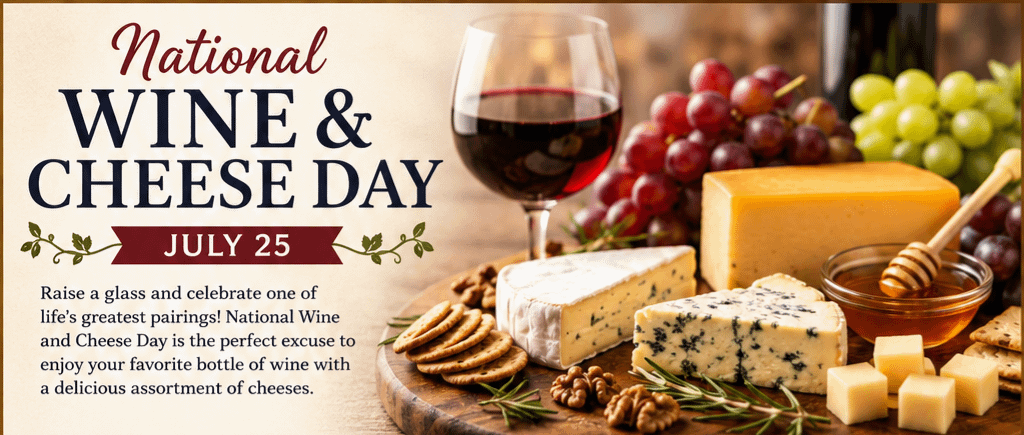
Category: Holidays & National Days

  • National Wine and Cheese Day: A Perfect Pairing Worth Celebrating

    National Wine and Cheese Day: A Perfect Pairing Worth Celebrating

    Advertisements

    Every year on July 25, food lovers across the country celebrate National Wine and Cheese Day, a delicious holiday dedicated to one of the world’s most timeless culinary pairings. Whether you’re hosting an elegant gathering, enjoying a quiet evening at home, or exploring new flavors, this day is the perfect excuse to uncork your favorite bottle of wine and pair it with an assortment of delicious cheeses.

    Wine and cheese have complemented one another for centuries, bringing together flavors, textures, and aromas that create an unforgettable tasting experience. National Wine and Cheese Day reminds us that some of life’s greatest pleasures are often the simplest.


    The History of Wine and Cheese

    Wine and cheese have been enjoyed together for thousands of years. Archaeological discoveries show that both wine production and cheesemaking date back over 7,000 years, making them among humanity’s oldest crafted foods.

    Throughout Europe, especially in countries like France, Italy, and Spain, local wines were traditionally paired with locally produced cheeses. Over generations, these regional pairings became culinary traditions that continue today.

    While the exact origins of National Wine and Cheese Day remain unknown, the celebration has become increasingly popular as wine tasting and artisan cheesemaking have grown throughout the United States.


    Why Wine and Cheese Work So Well Together

    The magic lies in balance.

    Cheese contains fats and proteins that soften the acidity and tannins found in many wines. At the same time, wine cleanses the palate between bites, allowing each new taste to feel fresh.

    A successful pairing creates harmony where neither the wine nor the cheese overpowers the other.


    Popular Wine and Cheese Pairings

    Cabernet Sauvignon & Aged Cheddar

    The bold tannins of Cabernet Sauvignon complement the sharp, nutty flavor of aged cheddar.

    Chardonnay & Brie

    A creamy Brie pairs beautifully with the buttery notes often found in Chardonnay.

    Pinot Noir & Gruyère

    Pinot Noir’s light fruit flavors enhance the sweet, nutty taste of Gruyère.

    Sauvignon Blanc & Goat Cheese

    The crisp acidity of Sauvignon Blanc perfectly balances the tangy freshness of goat cheese.

    Merlot & Gouda

    Soft, fruity Merlot works wonderfully with the caramel-like richness of aged Gouda.

    Sparkling Wine & Parmesan

    The bubbles and acidity cut through the salty intensity of Parmesan, creating an exciting contrast.


    Build the Perfect Wine and Cheese Board

    Creating an attractive board is easier than many people think.

    Include:

    • 3–5 varieties of cheese
    • One or two bottles of wine
    • Fresh grapes
    • Strawberries
    • Apple slices
    • Dried apricots
    • Mixed nuts
    • Olives
    • Crackers
    • Sliced baguette
    • Honey
    • Fig jam
    • Dark chocolate

    The combination of sweet, salty, creamy, crunchy, and savory elements creates an enjoyable tasting experience for every guest.


    Tips for Serving Wine and Cheese

    For the best flavor:

    • Allow cheese to sit at room temperature for 30–60 minutes before serving.
    • Chill white wines and sparkling wines properly.
    • Serve red wines slightly below room temperature.
    • Taste the cheese first, followed by the wine.
    • Experiment with unexpected combinations—you may discover a new favorite.

    Fun Facts About Wine and Cheese

    • There are more than 2,000 varieties of cheese made around the world.
    • France produces over 1,000 distinct cheese varieties.
    • Wine contains hundreds of aromatic compounds that influence flavor.
    • Some cheeses improve with aging for several years.
    • Many wineries host wine and cheese tasting events throughout the year.

    Ways to Celebrate National Wine and Cheese Day

    Looking for ideas?

    • Visit a local winery.
    • Explore an artisan cheese shop.
    • Host a wine and cheese tasting party.
    • Learn about regional wine pairings.
    • Try a cheese you’ve never tasted before.
    • Support local vineyards and cheesemakers.
    • Enjoy a relaxing picnic with friends or family.

    Whether your budget is modest or extravagant, there are delicious combinations available for everyone.


    Health Benefits in Moderation

    When enjoyed responsibly, wine and cheese can be part of a balanced lifestyle.

    Cheese provides:

    • Calcium
    • Protein
    • Vitamin B12
    • Healthy fats

    Red wine contains antioxidants such as resveratrol, while many white wines offer refreshing acidity with lower tannin levels.

    As always, moderation is key, and wine should only be enjoyed by adults of legal drinking age.


    Final Thoughts

    National Wine and Cheese Day celebrates more than food—it celebrates slowing down and savoring life’s simple pleasures. Whether you prefer a bold Cabernet with aged cheddar, a crisp Sauvignon Blanc with goat cheese, or sparkling wine alongside Parmesan, there is no wrong way to enjoy this classic pairing.

    So this July 25, gather your favorite cheeses, pour a glass of wine, invite family or friends, and raise a toast to one of the most delicious traditions in culinary history.

    Happy National Wine and Cheese Day! 🍷🧀

    Read More Holidays & National Days

  • National Hot Fudge Sundae Day: Celebrate America’s Favorite Ice Cream Treat

    Advertisements

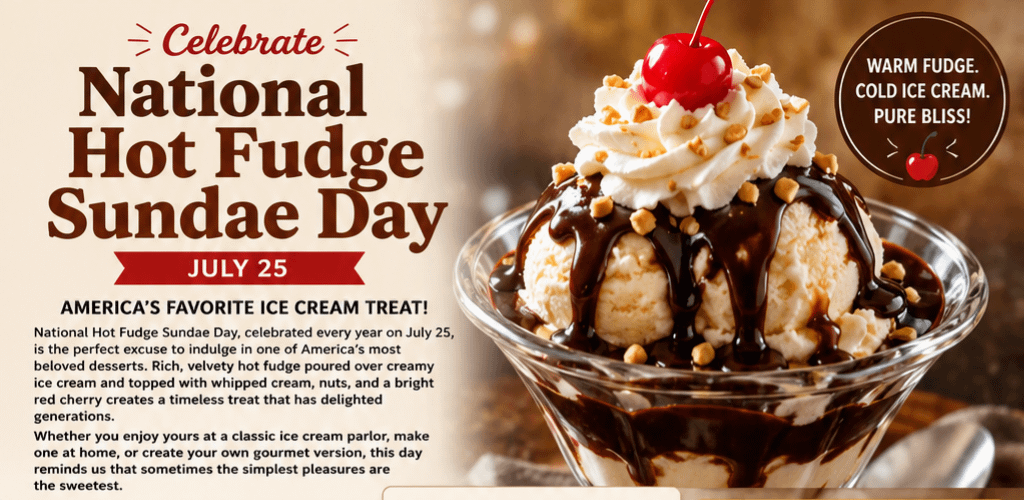
    National Hot Fudge Sundae Day, celebrated every year on July 25, is the perfect excuse to indulge in one of America’s most beloved desserts. Rich, velvety hot fudge poured over creamy ice cream and topped with whipped cream, nuts, and a bright red cherry creates a timeless treat that has delighted generations.

    Whether you enjoy yours at a classic ice cream parlor, make one at home, or create your own gourmet version, National Hot Fudge Sundae Day reminds us that sometimes the simplest pleasures are the sweetest.


    The Sweet History of the Hot Fudge Sundae

    The exact origin of the ice cream sundae has long been debated, with several American towns claiming to have invented it in the late 1800s. While the original sundae featured flavored syrups, the hot fudge sundae emerged in the early 20th century after chocolate fudge sauce became widely available.

    Unlike regular chocolate syrup, hot fudge is thicker, richer, and served warm, creating an irresistible contrast against cold vanilla ice cream. That warm-and-cold combination quickly made it one of the most popular desserts in diners, soda fountains, and ice cream shops across America.

    Today, the hot fudge sundae remains a menu staple and a nostalgic reminder of family outings, summer vacations, and celebrations.


    Why We Love Hot Fudge Sundaes

    There is something magical about the combination of temperatures and textures.

    A classic hot fudge sundae offers:

    • Creamy vanilla ice cream
    • Warm, rich chocolate fudge
    • Fresh whipped cream
    • Crunchy chopped nuts
    • A maraschino cherry
    • Optional sprinkles or cookie crumbles

    Every bite combines smooth, warm, cold, crunchy, and sweet flavors into one unforgettable dessert.


    Build the Perfect Hot Fudge Sundae

    Want to make one at home? Start with quality ingredients.

    Ingredients

    • 2-3 scoops premium vanilla ice cream
    • Warm hot fudge sauce
    • Whipped cream
    • Chopped peanuts or almonds
    • Maraschino cherry

    Optional toppings:

    • Brownie pieces
    • Crushed Oreos
    • Chocolate chips
    • Caramel drizzle
    • Peanut butter sauce
    • Fresh strawberries
    • Bananas
    • Rainbow sprinkles

    Homemade Hot Fudge Sauce

    Ingredients

    • 1 cup semi-sweet chocolate chips
    • ½ cup heavy cream
    • 2 tablespoons butter
    • 2 tablespoons cocoa powder
    • ¼ cup sugar
    • 1 teaspoon vanilla extract
    • Pinch of salt

    Directions

    1. Heat the cream until warm but not boiling.
    2. Stir in butter and chocolate chips.
    3. Add cocoa powder, sugar, vanilla, and salt.
    4. Stir until smooth and glossy.
    5. Serve immediately over ice cream.

    Store leftovers in the refrigerator and gently reheat before serving.


    Fun Ways to Celebrate

    National Hot Fudge Sundae Day is easy to enjoy.

    Visit Your Favorite Ice Cream Shop

    Support a local business by ordering their signature sundae.

    Host a Sundae Bar

    Invite friends or family over and set out:

    • Different ice cream flavors
    • Hot fudge
    • Caramel sauce
    • Fresh fruit
    • Cookies
    • Candies
    • Nuts
    • Sprinkles

    Let everyone build their dream dessert.

    Create a Gourmet Version

    Try unique flavor combinations like:

    • Salted caramel hot fudge
    • Espresso fudge
    • Dark chocolate raspberry
    • Peanut butter fudge
    • Mexican chocolate with cinnamon

    Make It a Family Tradition

    Children love decorating their own sundaes, making this holiday perfect for family fun.


    Did You Know?

    • Americans consume billions of servings of ice cream every year.
    • Vanilla remains the most popular ice cream flavor.
    • Hot fudge is thicker than chocolate syrup because it contains chocolate, cream, butter, and sugar.
    • The cherry on top has become one of the most recognizable dessert symbols in the world.
    • July is National Ice Cream Month, making National Hot Fudge Sundae Day a perfect summertime celebration.

    Pair Your Sundae

    A hot fudge sundae goes perfectly with:

    • Fresh coffee
    • Cold milk
    • Root beer
    • Iced mocha
    • Frozen hot chocolate
    • Vanilla milkshake

    Make It Your Own

    While the traditional vanilla-and-fudge combination remains iconic, don’t be afraid to experiment.

    Try:

    • Chocolate ice cream with peanut butter fudge
    • Coffee ice cream with dark chocolate sauce
    • Strawberry ice cream with chocolate fudge
    • Mint chocolate chip with brownie pieces
    • Cookies and cream with caramel drizzle

    There are no wrong answers when it comes to building your perfect sundae.


    More Than Just Dessert

    Food has a unique way of bringing people together, and a hot fudge sundae often becomes part of life’s happiest memories. Birthday celebrations, first dates, family vacations, little league victories, or simply cooling off on a hot summer day—this classic dessert has a way of turning ordinary moments into lasting memories.

    National Hot Fudge Sundae Day isn’t just about satisfying a sweet tooth. It’s about slowing down, sharing laughter, and enjoying life’s simple pleasures with the people who matter most.

    So on July 25, grab a spoon, pour on the warm fudge, add a mountain of whipped cream, and don’t forget the cherry on top. Celebrate one of America’s sweetest traditions—one delicious bite at a time.

    Read More Holidays & National Days

  • National Day of the Cowboy: Honoring the Spirit That Helped Build America

    Advertisements

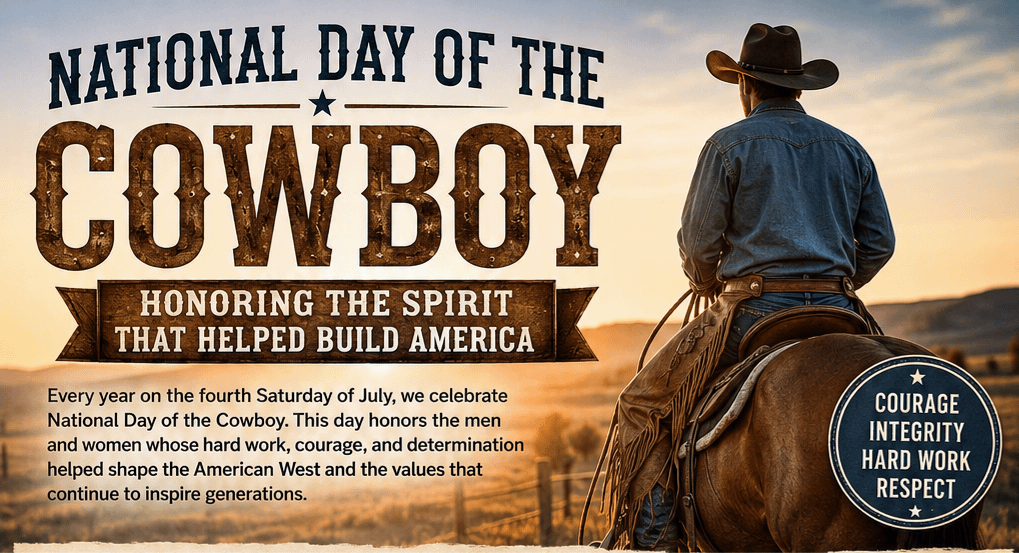
    Every year on the fourth Saturday of July, Americans celebrate National Day of the Cowboy, a day dedicated to recognizing the men and women whose hard work, courage, and determination helped shape the American West. More than a celebration of cowboys on horseback, this day honors the enduring values of integrity, resilience, faith, responsibility, and community that continue to inspire generations.

    Whether you’re a rancher, a rodeo fan, a lover of Western history, or simply someone who admires the cowboy way of life, National Day of the Cowboy is an opportunity to reflect on one of America’s most recognizable and respected traditions.


    The History of National Day of the Cowboy

    National Day of the Cowboy was established in 2005 through the efforts of the National Day of the Cowboy Organization, whose mission is to preserve the history, heritage, and culture of the American cowboy.

    Although Hollywood often portrayed cowboys as lone gunslingers riding into the sunset, the reality was quite different. Cowboys were hardworking individuals responsible for managing cattle, repairing fences, branding livestock, protecting herds, and surviving some of the harshest environments imaginable.

    Following the Civil War, the cattle industry expanded rapidly. Millions of cattle roamed Texas, and demand for beef grew throughout the country. Cowboys drove massive herds hundreds of miles along famous cattle trails like:

    • The Chisholm Trail
    • The Goodnight-Loving Trail
    • The Western Trail

    These dangerous cattle drives required incredible endurance. Cowboys faced:

    • Extreme weather
    • Flash floods
    • Stampedes
    • River crossings
    • Long weeks away from home
    • Limited food and supplies

    Their determination became a symbol of perseverance that still resonates today.


    The Real Cowboy Was More Diverse Than Many Realize

    One of the greatest misconceptions about the American cowboy is that they all looked alike.

    History tells a different story.

    Cowboys came from many backgrounds, including:

    • African Americans
    • Mexican vaqueros
    • Native Americans
    • European immigrants
    • Women who worked ranches alongside men

    In fact, historians estimate that nearly one in four cowboys was African American, while Mexican vaqueros introduced many of the riding techniques, equipment, and ranching traditions still used today.

    The cowboy story is truly one of diversity, cooperation, and shared determination.


    Cowboy Values That Still Matter Today

    Although most people no longer spend their days herding cattle across open plains, the cowboy code continues to influence modern life.

    Hard Work

    Cowboys understood that success came through consistent effort—not shortcuts.

    Showing up every day and doing the job well remains one of life’s greatest lessons.


    Responsibility

    A cowboy cared for livestock, horses, equipment, and fellow riders.

    Others depended on them.

    Responsibility meant doing what needed to be done, even when nobody was watching.


    Integrity

    A handshake often served as a contract.

    Keeping your word was everything.

    The cowboy reputation was built upon honesty and trust.


    Courage

    Life on the frontier was dangerous.

    Cowboys regularly faced situations where courage wasn’t optional.

    Real courage wasn’t the absence of fear—it was doing the right thing despite fear.


    Respect

    Cowboys respected:

    • Nature
    • Animals
    • Fellow workers
    • Family
    • Their communities

    Respect was earned through actions rather than words.


    Famous Cowboys in American History

    Many real-life cowboys became legendary figures.

    Some of the best-known include:

    • Wyatt Earp
    • Charles Goodnight
    • Bill Pickett
    • Annie Oakley
    • Buffalo Bill Cody
    • Tom Threepersons

    These individuals helped shape both Western history and American folklore, though many legends have grown larger than life over time.


    Cowboys in American Culture

    The cowboy became one of America’s most recognizable symbols thanks to:

    • Western novels
    • Rodeos
    • Country music
    • Television shows
    • Hollywood films

    Actors such as John Wayne, Clint Eastwood, and Sam Elliott helped popularize the cowboy image around the world.

    Yet beyond entertainment, the cowboy remains a symbol of freedom, independence, grit, and perseverance.


    How to Celebrate National Day of the Cowboy

    There are many meaningful ways to observe the day.

    Visit a Local Rodeo

    Experience barrel racing, bull riding, team roping, bronc riding, and steer wrestling while supporting local competitors.

    Support Local Ranchers

    Purchase beef, leather goods, or handmade Western products from local producers.

    Visit a Western Museum

    Learn about frontier life, cattle drives, Native American history, and ranching traditions.

    Read Western History

    Explore biographies of famous cowboys or books about the settlement of the American West.

    Watch a Classic Western

    Some favorites include:

    • True Grit
    • The Searchers
    • Tombstone
    • Open Range
    • Lonesome Dove

    Wear Western Attire

    Dust off your cowboy hat, boots, belt buckle, or denim and celebrate Western heritage with pride.


    The Cowboy Spirit Lives On

    Today’s cowboys and cowgirls continue to work on ranches across America.

    Long before sunrise, they feed livestock, mend fences, care for horses, and work tirelessly to provide food for families nationwide.

    Modern ranching may include GPS technology, trucks, and advanced equipment, but the values remain remarkably unchanged.

    Hard work still matters.

    Character still matters.

    Keeping your word still matters.


    Why National Day of the Cowboy Matters

    In a fast-paced digital world, National Day of the Cowboy reminds us that some values never go out of style.

    The cowboy represents:

    • Faith in difficult times
    • Commitment to family
    • Pride in honest work
    • Respect for the land
    • Service to others
    • Perseverance through hardship

    These timeless principles continue to inspire people far beyond the ranch.


    Final Thoughts

    National Day of the Cowboy is more than a tribute to the Old West—it’s a celebration of the enduring spirit that helped build America. The cowboy legacy reminds us that strength is found in humility, courage is shown through action, and true character is revealed by how we treat others and fulfill our responsibilities.

    Whether you spend the day at a rodeo, visit a local ranch, enjoy a classic Western, or simply reflect on the values that cowboys embodied, take a moment to appreciate those whose grit and determination left an unforgettable mark on American history.

    The cowboy’s trail may stretch into the past, but the lessons of honesty, resilience, and hard work continue to guide the way forward.

    Read More Holidays & National Days
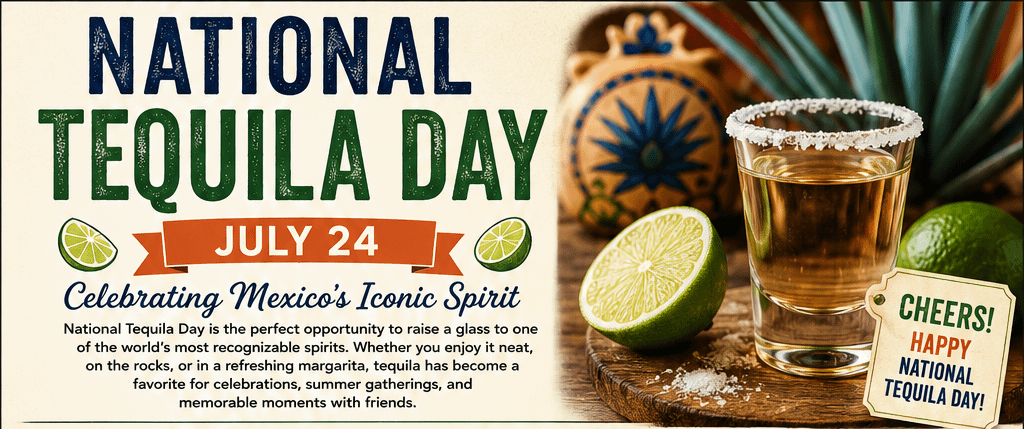
  • National Tequila Day – Celebrating Mexico’s Iconic Spirit

    Advertisements

    National Tequila Day, celebrated each year on July 24, is the perfect opportunity to raise a glass to one of the world’s most recognizable spirits. Whether you enjoy it neat, on the rocks, or in a refreshing margarita, tequila has become a favorite for celebrations, summer gatherings, and memorable moments with friends.

    More than just a party drink, tequila represents centuries of tradition, craftsmanship, and Mexican culture. National Tequila Day honors the rich history behind every bottle while encouraging people to enjoy this iconic spirit responsibly.

    The History of Tequila

    Tequila traces its roots back to the blue agave plant, which grows primarily in the Mexican state of Jalisco. Long before tequila existed, the indigenous peoples of Mexico produced a fermented beverage called pulque from agave.

    When Spanish settlers arrived in the 16th century, they introduced distillation techniques. Over time, these methods evolved into the production of tequila, creating the spirit we know today.

    Modern tequila is protected by a Denomination of Origin, meaning authentic tequila can only be produced in specific regions of Mexico, much like Champagne in France or Scotch whisky in Scotland.

    What Makes Tequila Unique?

    Unlike many spirits made from grains or fruits, tequila is produced from the Blue Weber Agave plant. The agave takes approximately 6 to 10 years to mature before it is harvested.

    The heart of the agave, called the piña, is roasted, crushed, fermented, and distilled to produce tequila. The quality of the agave and the craftsmanship involved give each tequila its own distinct flavor profile.

    Types of Tequila

    Understanding the different styles can help you appreciate tequila even more.

    Blanco (Silver)

    • Bottled immediately after distillation or aged for less than two months.
    • Crisp, bright, and full of fresh agave flavor.
    • Excellent for cocktails.

    Reposado

    • Aged between two months and one year in oak barrels.
    • Smooth with hints of vanilla, caramel, and oak.

    Añejo

    • Aged one to three years.
    • Rich, complex, and ideal for sipping.

    Extra Añejo

    • Aged more than three years.
    • Luxurious flavors with exceptional depth and smoothness.

    Popular Tequila Cocktails

    National Tequila Day is a great excuse to mix up some classic drinks.

    Margarita

    The world’s most famous tequila cocktail combines tequila, lime juice, and orange liqueur with a salted rim.

    Paloma

    A refreshing mix of tequila, grapefruit soda, and lime that’s perfect for warm weather.

    Tequila Sunrise

    Known for its beautiful layered appearance, this cocktail blends tequila, orange juice, and grenadine.

    Ranch Water

    A simple Texas favorite made with tequila, lime juice, and sparkling mineral water.

    Fun Tequila Facts

    • Tequila can only be legally called “tequila” if it is produced in approved regions of Mexico.
    • The blue agave plant belongs to the succulent family, not the cactus family.
    • Some premium tequilas are meant to be sipped like fine whiskey.
    • Hundreds of different flavor notes can be found in tequila, including citrus, pepper, herbs, vanilla, caramel, and chocolate.
    • Mexico exports millions of liters of tequila each year to countries around the world.

    Ways to Celebrate National Tequila Day

    There are plenty of enjoyable ways to celebrate:

    • Try a premium sipping tequila you’ve never tasted before.
    • Host a margarita night with family and friends.
    • Experiment with new tequila cocktail recipes.
    • Pair tequila with authentic Mexican cuisine like tacos, enchiladas, or grilled carne asada.
    • Learn about the tequila-making process and the traditions behind it.
    • Visit a local Mexican restaurant and support small businesses.
    • Share your favorite tequila cocktail on social media using #NationalTequilaDay.

    Food Pairings

    Tequila pairs surprisingly well with many foods.

    Great choices include:

    • Grilled shrimp
    • Fish tacos
    • Street corn (Elote)
    • Fresh guacamole
    • Salsa and tortilla chips
    • Citrus-marinated chicken
    • Steak fajitas
    • Dark chocolate desserts

    Drink Responsibly

    National Tequila Day is about appreciating craftsmanship and culture just as much as enjoying great cocktails. Celebrate responsibly by drinking in moderation, staying hydrated, and never driving after consuming alcohol. A designated driver or rideshare service helps ensure everyone gets home safely.

    Final Thoughts

    National Tequila Day is more than a celebration of a popular spirit—it’s a tribute to centuries of tradition, skilled craftsmanship, and the rich cultural heritage of Mexico. Whether you enjoy a handcrafted margarita, a refreshing Paloma, or a smooth añejo served neat, this holiday offers the perfect reason to slow down, savor quality tequila, and share good times with family and friends.

    So on July 24, raise a glass, appreciate the artistry behind every bottle, and toast to one of the world’s most beloved spirits.

    Cheers, and Happy National Tequila Day!

    Read More Holidays & National Days

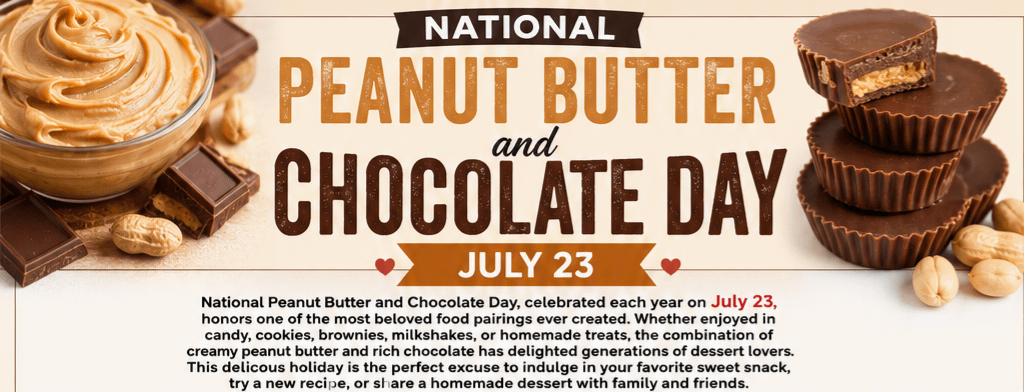
  • National Peanut Butter and Chocolate Day: Celebrating One of the World’s Favorite Flavor Combinations

    Advertisements

    National Peanut Butter and Chocolate Day, celebrated each year on July 23, honors one of the most beloved food pairings ever created. Whether enjoyed in candy, cookies, brownies, milkshakes, or homemade treats, the combination of creamy peanut butter and rich chocolate has delighted generations of dessert lovers.

    This delicious holiday is the perfect excuse to indulge in your favorite sweet snack, try a new recipe, or share a homemade dessert with family and friends.

    Why Peanut Butter and Chocolate Are the Perfect Match

    Some flavor combinations simply belong together, and peanut butter with chocolate is one of them. The creamy, salty richness of peanut butter perfectly balances the sweet, smooth taste of chocolate, creating a contrast that’s hard to resist.

    The pairing appeals to nearly every palate because it combines:

    • Sweet and salty flavors
    • Creamy and smooth textures
    • Rich, satisfying taste
    • Endless recipe possibilities

    From classic candy cups to gourmet desserts, this combination continues to inspire bakers and chocolatiers around the world.

    A Brief History of the Flavor Duo

    While peanut butter became popular in the late 1800s and early 1900s, it wasn’t long before creative candy makers began pairing it with chocolate.

    The combination gained widespread popularity during the early 20th century, especially after peanut butter-filled chocolate candies became household favorites. Since then, peanut butter and chocolate have become staples in bakeries, candy aisles, ice cream shops, and home kitchens alike.

    Today, the pairing is enjoyed in countless forms across the globe.

    Popular Peanut Butter and Chocolate Treats

    There are countless ways to enjoy this classic combination, including:

    • Peanut butter cups
    • Chocolate peanut butter brownies
    • Peanut butter cookies dipped in chocolate
    • Chocolate peanut butter cheesecake
    • Peanut butter fudge
    • Chocolate peanut butter pie
    • Ice cream sundaes
    • Milkshakes
    • Protein smoothies
    • Cake, cupcakes, and donuts

    No matter your favorite dessert, chances are there’s a peanut butter and chocolate version waiting to be enjoyed.

    Fun Ways to Celebrate National Peanut Butter and Chocolate Day

    Bake Something Homemade

    Spend the afternoon making cookies, brownies, bars, or cupcakes featuring peanut butter and chocolate.

    Host a Dessert Party

    Invite friends or family to bring their favorite peanut butter and chocolate desserts for everyone to sample.

    Create Your Own Milkshake

    Blend vanilla ice cream, chocolate syrup, peanut butter, and milk for an indulgent homemade shake.

    Try a New Recipe

    Experiment with recipes you’ve never made before, such as peanut butter lava cakes or chocolate peanut butter mousse.

    Visit Your Favorite Bakery

    Many local bakeries offer delicious peanut butter and chocolate treats that are perfect for celebrating.

    Easy No-Bake Peanut Butter Chocolate Bites

    Ingredients

    • 1 cup creamy peanut butter
    • ¼ cup honey
    • 2 cups rolled oats
    • ½ teaspoon vanilla extract
    • 1 cup semi-sweet chocolate chips
    • 1 teaspoon coconut oil

    Directions

    1. Mix peanut butter, honey, vanilla, and oats until combined.
    2. Roll into bite-sized balls.
    3. Melt the chocolate with the coconut oil.
    4. Dip each ball halfway into the melted chocolate.
    5. Place on parchment paper and refrigerate until firm.
    6. Enjoy chilled.

    These make an excellent snack, dessert, or party treat.

    Fun Peanut Butter and Chocolate Facts

    • Americans consume hundreds of millions of pounds of peanut butter every year.
    • Chocolate comes from cacao beans, which have been enjoyed for thousands of years.
    • Peanut butter is a good source of protein and healthy fats.
    • Dark chocolate contains antioxidants that may offer health benefits when enjoyed in moderation.
    • Peanut butter and chocolate appear together in thousands of recipes worldwide.

    Perfect Drink Pairings

    Complement your peanut butter and chocolate dessert with:

    • Cold milk
    • Fresh coffee
    • Hot chocolate
    • Espresso
    • Chocolate milk
    • Vanilla milkshake
    • Peanut butter banana smoothie

    Why We Love This Food Holiday

    National Peanut Butter and Chocolate Day reminds us that life’s greatest pleasures are often the simplest. A timeless combination of sweet and salty flavors has created memories at birthday parties, holidays, bake sales, and family gatherings for generations.

    Whether you’re enjoying a classic peanut butter cup, baking homemade brownies, or sharing dessert with loved ones, today is the perfect opportunity to celebrate one of the most iconic flavor combinations ever created.

    So grab your favorite peanut butter and chocolate treat, share it with someone you love, and enjoy every delicious bite. Happy National Peanut Butter and Chocolate Day!

    Read More Holidays & National Days
  • National Sprinkle Day – Celebrate Life One Colorful Bite at a Time

    Advertisements

    National Sprinkle Day is a joyful celebration dedicated to one of the smallest yet happiest ingredients in the kitchen—sprinkles. Whether they’re decorating cupcakes, brightening ice cream, topping cookies, or adding a festive touch to pancakes, sprinkles remind us that sometimes it’s the little things that bring the biggest smiles.

    Observed each year on July 23, National Sprinkle Day encourages everyone to embrace creativity, celebrate with colorful treats, and add a little extra sweetness to everyday life.

    What Are Sprinkles?

    Sprinkles are tiny decorative pieces of sugar used to enhance desserts and baked goods. Available in countless shapes, sizes, and colors, they’ve become a staple at birthday parties, weddings, holidays, and celebrations around the world.

    Popular varieties include:

    • Rainbow jimmies
    • Nonpareils
    • Sugar crystals
    • Confetti quins
    • Holiday-themed shapes
    • Metallic dragees (primarily decorative)

    No matter the style, sprinkles instantly transform ordinary desserts into festive creations.

    A Colorful History

    The exact origin of sprinkles isn’t entirely clear, but decorative sugar toppings have been used in baking for centuries. As commercial baking ingredients became widely available during the 20th century, colorful sprinkles gained popularity in bakeries and home kitchens alike.

    Today, they’re found on everything from gourmet donuts and artisan cupcakes to frozen yogurt, milkshakes, cookies, cakes, and even specialty coffee drinks.

    Why We Love Sprinkles

    Sprinkles are more than colorful sugar—they create memories.

    Think about childhood birthday cakes, holiday cookies with family, or stopping for an ice cream cone on a hot summer afternoon. Those tiny bursts of color often become part of life’s happiest moments.

    Sprinkles represent:

    • Celebration
    • Creativity
    • Joy
    • Childhood nostalgia
    • Sharing special moments with family and friends

    Sometimes happiness really does come in small packages.

    Fun Ways to Celebrate National Sprinkle Day

    Bake Something Colorful

    Whip up cupcakes, cookies, brownies, or sugar cookies and decorate them with your favorite sprinkle combinations.

    Build an Ice Cream Sundae Bar

    Invite family and friends to create their own sundaes featuring:

    • Rainbow sprinkles
    • Chocolate sprinkles
    • Cookie crumbles
    • Chopped nuts
    • Fresh fruit
    • Whipped cream
    • Chocolate syrup

    Decorate Together

    Spend time with children decorating cookies or cupcakes. It’s an easy activity that encourages creativity while making lasting memories.

    Try Something New

    Add sprinkles to unexpected treats like:

    • Pancakes
    • Waffles
    • Milkshakes
    • Popcorn
    • Chocolate-covered pretzels
    • Rice cereal treats

    Support a Local Bakery

    Visit your neighborhood bakery and pick up a sprinkle-covered donut, cupcake, cookie, or cake while supporting a local business.

    Sprinkle-Inspired Dessert Ideas

    Need inspiration? Try making:

    • Funfetti cupcakes
    • Birthday cake cookies
    • Sprinkle sugar cookies
    • Rainbow cake pops
    • Homemade ice cream sandwiches
    • Chocolate bark with rainbow sprinkles
    • Sprinkle-covered cheesecake bites
    • Celebration brownies

    These colorful desserts are perfect for birthdays, parties, or simply brightening someone’s day.

    Sprinkle Facts You May Not Know

    • Rainbow sprinkles remain one of the world’s most popular dessert toppings.
    • Different countries have their own names for sprinkles, including “hundreds and thousands.”
    • Sprinkles come in hundreds of themed designs for holidays, sports, weddings, and seasonal celebrations.
    • Professional bakers often use sprinkles to add texture as well as color.
    • Funfetti-style cakes became a baking sensation thanks to colorful sprinkles baked directly into the batter.

    More Than Just Dessert

    National Sprinkle Day is also a reminder to bring more color into everyday life. Just as sprinkles make desserts more enjoyable, simple acts of kindness can brighten someone else’s day.

    A smile, a compliment, helping a neighbor, or sharing a homemade treat can make an ordinary day feel like a celebration.

    Final Thoughts

    National Sprinkle Day proves that happiness doesn’t have to be complicated. A handful of colorful sprinkles can turn an ordinary dessert into something memorable and bring smiles to people of all ages.

    Whether you’re baking with family, enjoying your favorite ice cream, visiting a local bakery, or simply looking for an excuse to celebrate, take a moment on July 23 to add a little color to your day.

    Because life is always sweeter with sprinkles.

    Happy National Sprinkle Day!

    Celebrate with color, creativity, and your favorite sweet treat—and don’t forget to share a sprinkle-covered dessert with someone who could use a little extra joy today.

    Read More Holidays & National Days

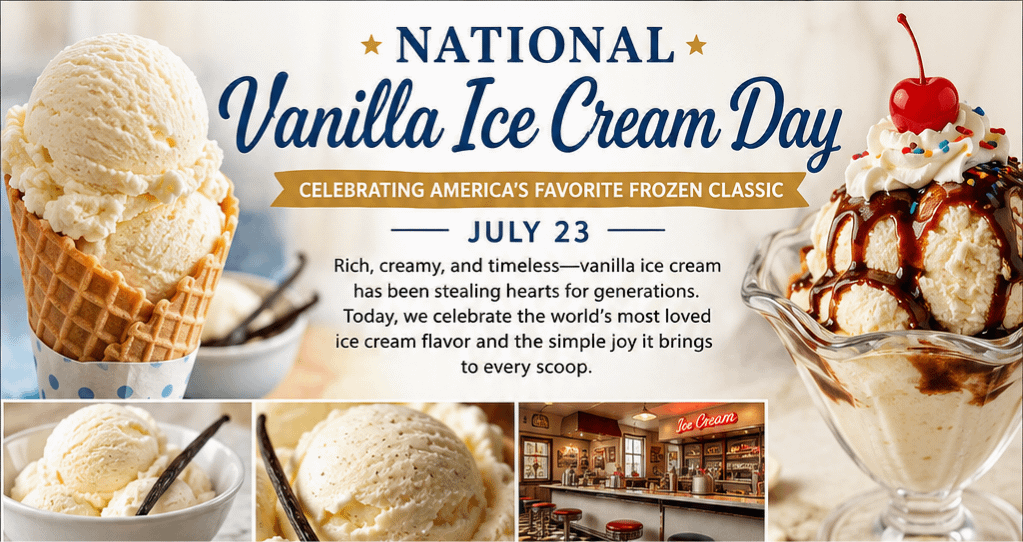
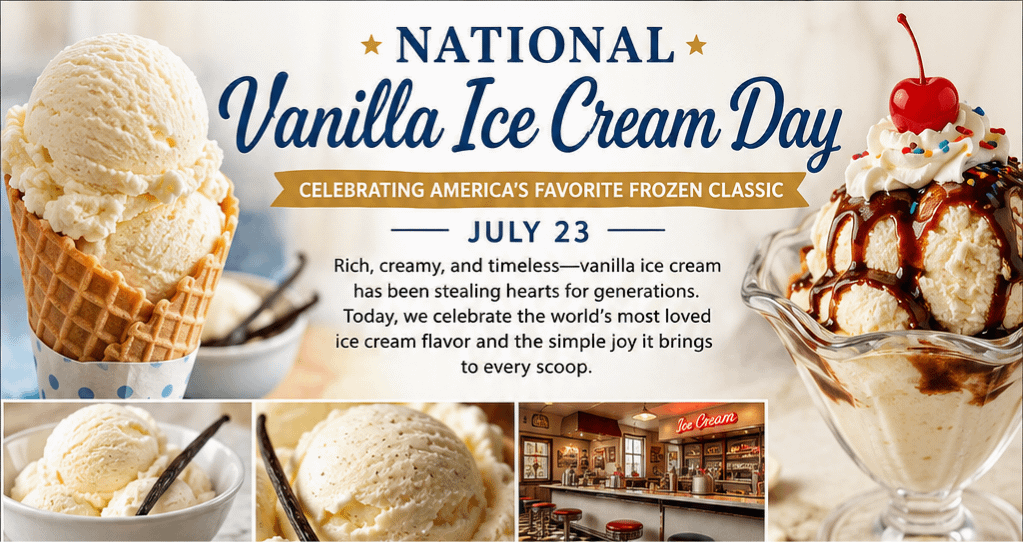
  • National Vanilla Ice Cream Day – Celebrating America’s Favorite Frozen Classic

    Advertisements

    National Vanilla Ice Cream Day is celebrated each year on July 23, honoring the timeless dessert that has delighted generations with its rich, creamy flavor. While chocolate, cookies and cream, and countless other varieties have their fans, vanilla remains the world’s most popular ice cream flavor, proving that sometimes simplicity truly is perfection.

    Whether enjoyed in a cone on a hot summer afternoon, served alongside a slice of warm pie, or topped with colorful sprinkles, vanilla ice cream continues to be a comforting treat that brings people together.


    The History of Vanilla Ice Cream

    The story of vanilla ice cream begins centuries ago. Ice-based desserts date back to ancient civilizations in China, Persia, and Rome, where snow and ice were mixed with fruits and sweeteners.

    The creamy frozen dessert we know today began taking shape in Europe during the 17th century after dairy-based frozen treats became popular among royalty.

    Vanilla itself comes from the orchid Vanilla planifolia, native to Mexico. Indigenous peoples, including the Totonac and later the Aztecs, prized vanilla long before Europeans discovered it. Spanish explorers brought vanilla beans back to Europe, where they quickly became one of the world’s most valuable spices.

    As ice cream recipes spread to America in the 1700s, vanilla became a favorite because its smooth flavor paired well with milk, cream, and sugar. Advances in refrigeration during the 19th century made ice cream affordable for everyone, and vanilla soon became the standard against which all other flavors were measured.

    Today, vanilla accounts for a significant share of all ice cream sold worldwide.


    Why Vanilla Is So Popular

    Despite often being used to describe something “ordinary,” vanilla is anything but boring.

    Real vanilla contains hundreds of naturally occurring flavor compounds that create a rich, warm, floral taste with subtle notes of caramel and spice. Premium vanilla bean ice cream showcases these complex flavors, often featuring tiny black vanilla bean specks throughout each scoop.

    Vanilla’s versatility also makes it unmatched. It complements nearly every dessert imaginable while being delicious enough to enjoy completely on its own.


    Fun Facts About Vanilla Ice Cream

    • 🍦 Vanilla is consistently the best-selling ice cream flavor in the United States.
    • 🌿 Vanilla orchids bloom for only one day and must often be hand-pollinated.
    • 🍨 Pure vanilla extract comes from cured vanilla beans.
    • 🥧 Vanilla ice cream is the traditional topping for apple pie, brownies, cobblers, and many other desserts.
    • 🌎 Most of the world’s vanilla is grown in Madagascar, making it one of the most valuable spices after saffron.

    Ways to Celebrate National Vanilla Ice Cream Day

    There are plenty of delicious ways to celebrate this sweet holiday.

    Enjoy a Classic Cone

    Sometimes the simplest choice is the best. Grab a scoop in a waffle cone and savor the creamy flavor.

    Make Homemade Vanilla Ice Cream

    Fresh homemade ice cream offers an incredibly rich taste and allows you to use real vanilla beans for maximum flavor.

    Create an Ice Cream Sundae

    Top vanilla ice cream with:

    • Hot fudge
    • Caramel sauce
    • Fresh strawberries
    • Chopped nuts
    • Whipped cream
    • Maraschino cherries
    • Sprinkles

    Pair It With Fresh Desserts

    Vanilla ice cream perfectly complements:

    • Apple pie
    • Peach cobbler
    • Brownies
    • Chocolate cake
    • Warm cookies
    • Fruit crisps

    Host an Ice Cream Bar

    Invite family and friends to build their own sundaes using a variety of toppings.


    Simple Homemade Vanilla Ice Cream Recipe

    Ingredients

    • 2 cups heavy cream
    • 1 cup whole milk
    • ¾ cup sugar
    • 1 tablespoon pure vanilla extract
    • Pinch of salt

    Directions

    1. Whisk together the milk, sugar, and salt until the sugar dissolves.
    2. Stir in the heavy cream and vanilla extract.
    3. Chill the mixture for several hours.
    4. Churn according to your ice cream maker’s instructions.
    5. Freeze for 2–4 hours before serving.

    Healthier Ways to Enjoy Vanilla Ice Cream

    You can still indulge while keeping portions balanced:

    • Choose smaller serving sizes.
    • Add fresh berries for natural sweetness.
    • Use frozen yogurt or light vanilla ice cream.
    • Pair with fresh fruit instead of heavy syrups.

    Everything in moderation can be part of a balanced lifestyle.


    Why We Love Vanilla

    Vanilla ice cream evokes childhood memories, family gatherings, birthday parties, summer vacations, and celebrations. Its comforting flavor crosses generations and cultures, making it one of the most beloved desserts ever created.

    Whether enjoyed alone or as the perfect companion to another dessert, vanilla ice cream continues to prove that classics never go out of style.

    Final Scoop

    National Vanilla Ice Cream Day is a celebration of one of the world’s most iconic frozen treats. Rich, creamy, and endlessly versatile, vanilla ice cream has earned its place as America’s favorite flavor. On July 23, treat yourself to a scoop, share one with someone you love, or create your own delicious sundae to celebrate this timeless dessert.

    Read More Holidays & National Days
  • National Hammock Day – July 22: Celebrate the Art of Relaxation

    Advertisements

    Every year on July 22, people across the United States celebrate National Hammock Day, a day dedicated to slowing down, unwinding, and enjoying one of life’s simplest pleasures—relaxing in a hammock. Whether it’s strung between two towering trees, overlooking a peaceful lake, or hanging on a backyard patio, a hammock invites us to escape the hustle of everyday life and embrace a few moments of tranquility.

    In a world that constantly demands our attention, National Hammock Day serves as a gentle reminder that rest is not laziness—it’s essential for our physical, mental, and emotional well-being.

    The History of Hammocks

    Hammocks have been around for thousands of years. Historians believe they originated with the indigenous peoples of Central and South America, who crafted them from the bark of the Hamack tree, giving the hammock its name.

    When Christopher Columbus explored the Americas, he observed the practicality and comfort of hammocks and introduced them to Europe. Sailors quickly adopted hammocks aboard ships because they conserved space and swayed with the movement of the ocean, making them more comfortable than rigid beds.

    Over time, hammocks became symbols of relaxation, outdoor living, and tropical vacations.

    Why We Celebrate National Hammock Day

    National Hammock Day isn’t just about taking a nap. It’s about intentionally slowing down and appreciating the importance of rest.

    Modern life often leaves little room for relaxation. Between work, family responsibilities, social commitments, and technology, many people struggle to disconnect.

    This holiday encourages us to:

    • Take a break from daily stress.
    • Spend time outdoors.
    • Recharge mentally and physically.
    • Practice mindfulness.
    • Enjoy the beauty of nature.

    Sometimes the best productivity comes after allowing yourself time to rest.

    Benefits of Relaxing in a Hammock

    Better Sleep

    The gentle rocking motion of a hammock can help many people fall asleep faster and experience deeper relaxation.

    Reduced Stress

    Being outdoors while resting in a hammock helps lower stress levels and promotes a sense of calm.

    Improved Mood

    Fresh air, sunshine, and quiet moments can boost your mood and reduce feelings of anxiety.

    Time to Reflect

    A hammock offers the perfect setting for prayer, meditation, reading, journaling, or simply enjoying silence.

    A Digital Detox

    Leave your phone inside for an hour and enjoy uninterrupted peace. Your mind will thank you.

    Ways to Celebrate National Hammock Day

    Spend the Afternoon Relaxing

    Find your favorite hammock, grab a cool drink, and enjoy doing absolutely nothing.

    Read a Good Book

    There’s no better place to lose yourself in a great novel than while gently swaying beneath the trees.

    Take a Nap

    Sometimes the healthiest thing you can do is close your eyes and rest.

    Enjoy Nature

    Hang your hammock at a park, campground, lakeside, or in your backyard and listen to birds, rustling leaves, and the breeze.

    Share Time with Family

    Set up multiple hammocks and enjoy quality time with loved ones outdoors.

    Watch the Sunset

    Few experiences are more peaceful than ending the day in a hammock while watching the sky change colors.

    Fun Hammock Facts

    • Some hammocks can support over 400 pounds.
    • Brazil remains one of the world’s largest hammock producers.
    • Hammocks are used around the globe, from tropical beaches to mountain campsites.
    • Camping hammocks have become increasingly popular because they’re lightweight and easy to pack.
    • Specialty hammocks now include built-in mosquito nets, rain covers, and insulated designs for year-round use.

    Hammock Safety Tips

    While hammocks are relaxing, proper setup is important.

    • Secure straps around strong trees or sturdy posts.
    • Inspect ropes and fabric before use.
    • Hang the hammock low enough to avoid injury if you fall.
    • Follow the manufacturer’s recommended weight limits.
    • Avoid roughhousing or jumping into a hammock.

    A properly installed hammock provides both comfort and safety.

    The Importance of Rest

    Many people feel guilty for taking time to relax, but rest is an important part of living a healthy life. When we pause to recharge, we often return with greater focus, creativity, patience, and energy.

    National Hammock Day reminds us that life doesn’t always have to move at full speed. Sometimes the most productive thing we can do is simply slow down and enjoy the present moment.

    Whether you spend five minutes or five hours in a hammock, give yourself permission to breathe deeply, appreciate nature, and let your worries drift away.

    Final Thoughts

    National Hammock Day is more than a quirky summer holiday—it’s an invitation to embrace balance. Amid the noise of everyday life, a hammock symbolizes peace, simplicity, and the value of taking care of yourself.

    So on July 22, find a shady spot, climb into your favorite hammock, and let the gentle sway remind you that rest is one of life’s greatest gifts.

    Happy National Hammock Day!

    Read More Holidays & National Days
  • National Mango Day: Celebrating the King of Tropical Fruits

    Advertisements

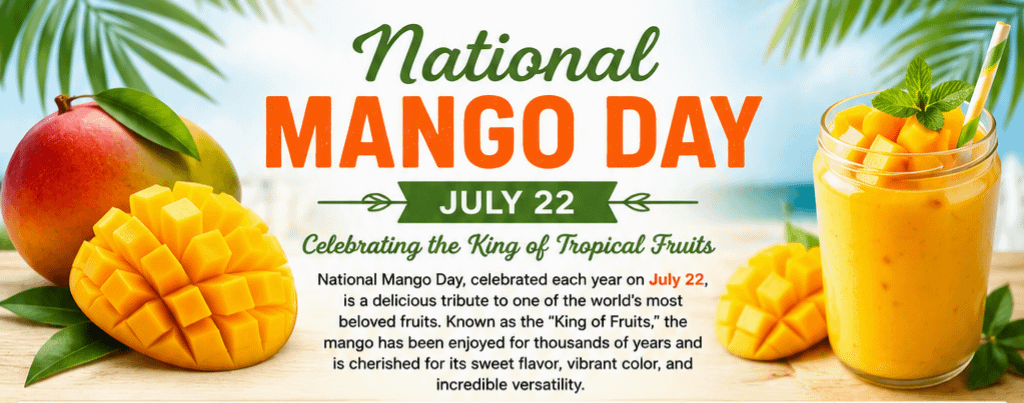
    National Mango Day, celebrated each year on July 22, is a delicious tribute to one of the world’s most beloved fruits. Known as the “King of Fruits,” the mango has been enjoyed for thousands of years and is cherished for its sweet flavor, vibrant color, and incredible versatility. Whether you enjoy it fresh, blended into smoothies, grilled, dried, or incorporated into savory dishes, National Mango Day is the perfect excuse to savor this tropical favorite.

    The History of Mangoes

    Mangoes originated in South Asia, particularly in India, where they have been cultivated for more than 4,000 years. Throughout history, the fruit has symbolized prosperity, friendship, and love. Ancient traders introduced mangoes to Africa and the Middle East, and later Portuguese explorers helped spread them to South America and other tropical regions.

    Today, mangoes are grown across the globe in warm climates, including Mexico, Brazil, Peru, the Caribbean, Florida, California, and many parts of Southeast Asia.

    Why Mangoes Are So Popular

    Few fruits can match the mango’s combination of sweetness, aroma, and versatility. Their juicy flesh can be eaten on its own or transformed into countless recipes.

    Popular ways to enjoy mangoes include:

    • Fresh slices
    • Fruit salads
    • Smoothies
    • Salsa
    • Ice cream
    • Sorbet
    • Sticky rice desserts
    • Chutneys
    • Cocktails and mocktails
    • Grilled alongside seafood or chicken

    With hundreds of mango varieties worldwide, each offers its own unique balance of sweetness, texture, and color.

    Health Benefits of Mangoes

    Mangoes aren’t just delicious—they’re packed with nutrients that support overall health.

    Rich in Vitamin C

    One serving provides a significant amount of your daily Vitamin C, helping support your immune system and healthy skin.

    Excellent Source of Vitamin A

    Vitamin A promotes healthy vision and supports your body’s natural defenses.

    High in Antioxidants

    Mangoes contain antioxidants like mangiferin, quercetin, and beta-carotene, which help protect cells from oxidative stress.

    Good Source of Fiber

    Dietary fiber supports digestion and helps you feel full longer.

    Heart-Friendly Nutrients

    Potassium and magnesium contribute to maintaining healthy blood pressure and proper muscle function.

    Fun Facts About Mangoes

    • There are over 1,000 varieties of mangoes worldwide.
    • India produces nearly half of the world’s mango supply.
    • Mango trees can live and produce fruit for more than 100 years.
    • The largest mangoes can weigh over five pounds.
    • Mangoes belong to the same plant family as pistachios and cashews.
    • Some mango trees reach heights of more than 100 feet.

    Popular Mango Varieties

    Some of the most popular mango varieties include:

    • Ataulfo – Sweet, buttery, and nearly fiber-free.
    • Kent – Rich, juicy, and ideal for smoothies.
    • Tommy Atkins – One of the most common grocery store varieties.
    • Honey Mango – Small but exceptionally sweet.
    • Keitt – Large, juicy, and excellent for slicing.
    • Haden – Aromatic with vibrant tropical flavor.

    Ways to Celebrate National Mango Day

    Celebrate by adding a little tropical sunshine to your day.

    Make a Mango Smoothie

    Blend fresh mango with yogurt, banana, and orange juice for a refreshing breakfast or snack.

    Prepare Fresh Mango Salsa

    Mix diced mango with tomatoes, onions, cilantro, jalapeños, and lime juice. Serve with grilled fish, chicken, or tortilla chips.

    Try a New Recipe

    Experiment with mango curry, mango chicken, mango cheesecake, or grilled mango skewers.

    Visit a Local Farmers Market

    During summer, many farmers markets offer locally grown mangoes or tropical fruit selections.

    Host a Tropical-Themed Gathering

    Invite friends over for mango-inspired dishes, refreshing drinks, and tropical desserts.

    Simple Fresh Mango Salsa Recipe

    Ingredients

    • 2 ripe mangoes, diced
    • 1 small red bell pepper, diced
    • ¼ cup red onion, finely chopped
    • 1 jalapeño, minced
    • Juice of 1 lime
    • 2 tablespoons chopped cilantro
    • Salt to taste

    Directions

    1. Combine all ingredients in a bowl.
    2. Stir gently until evenly mixed.
    3. Chill for 15 minutes.
    4. Serve with chips, tacos, grilled chicken, shrimp, or fish.

    Choosing the Perfect Mango

    A ripe mango should:

    • Give slightly when gently squeezed.
    • Have a fruity aroma near the stem.
    • Show vibrant coloring depending on the variety.
    • Feel heavy for its size.

    Don’t judge ripeness by color alone, as different varieties ripen with different appearances.

    The Global Love for Mangoes

    From Indian lassis and Thai sticky rice to Mexican mango with chili powder and Caribbean mango desserts, cultures around the world have embraced this incredible fruit. Its universal appeal makes National Mango Day a celebration shared across continents.

    Final Thoughts

    National Mango Day is more than just an opportunity to enjoy a delicious fruit—it’s a celebration of a food that has connected cultures for thousands of years. Whether you’re sipping a mango smoothie, preparing homemade salsa, baking a tropical dessert, or simply biting into a perfectly ripe mango, take a moment to appreciate one of nature’s sweetest gifts.

    So this July 22, grab a fresh mango, share it with friends and family, and enjoy the tropical flavors that have delighted people around the world for generations.

    Happy National Mango Day!

    Read More Holidays & National Days

  • National Lamington Day – Celebrating Australia’s Beloved Sponge Cake

    Advertisements

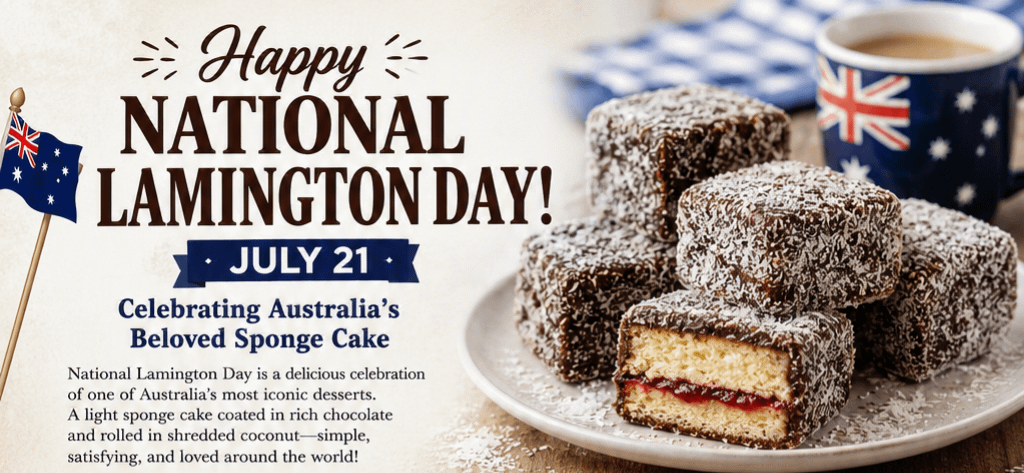
    National Lamington Day is a delicious celebration of one of Australia’s most iconic desserts. Observed each year on July 21, this food holiday honors the classic lamington—a light sponge cake coated in rich chocolate icing and rolled in shredded coconut. Often filled with whipped cream or fruit jam, the lamington has become a treasured dessert enjoyed around the world.

    Whether you’re discovering this sweet treat for the first time or have loved it for years, National Lamington Day is the perfect excuse to bake a batch, visit a local bakery, or share this classic dessert with family and friends.


    What Is a Lamington?

    A traditional lamington begins with a soft vanilla sponge cake cut into squares. Each piece is dipped into a chocolate glaze before being coated with finely shredded coconut. While the classic version is delicious on its own, many modern recipes include a layer of raspberry or strawberry jam, fresh whipped cream, or even flavored sponge cakes.

    The combination of fluffy cake, rich chocolate, and coconut creates a dessert that is simple yet incredibly satisfying.


    The History of the Lamington

    The origins of the lamington date back to the late 19th century in Australia. Most historians believe it was named after Lord Lamington, who served as Governor of Queensland from 1896 to 1901.

    According to the most popular story, a chef accidentally dropped pieces of sponge cake into chocolate icing. Rather than throwing them away, the cake was rolled in coconut to make it easier to handle. The result was an instant success and eventually became one of Australia’s signature desserts.

    Although several stories compete for the true origin, the lamington remains deeply rooted in Australian culinary history.


    Why People Love Lamingtons

    Lamingtons have remained popular for generations because they are:

    • Light and fluffy
    • Rich without being overly sweet
    • Easy to customize
    • Perfect for afternoon tea
    • Great for birthdays, bake sales, and celebrations

    Many families have their own treasured recipes that have been passed down through generations.


    Popular Lamington Variations

    Today’s bakers have created countless twists on the original recipe, including:

    • Raspberry jam-filled lamingtons
    • Fresh cream lamingtons
    • Lemon curd lamingtons
    • Coffee-flavored lamingtons
    • Chocolate mud cake lamingtons
    • Red velvet lamingtons
    • Caramel-filled lamingtons
    • White chocolate and coconut lamingtons

    No matter the variation, the signature chocolate-and-coconut coating remains the star of the dessert.


    How to Celebrate National Lamington Day

    There are plenty of fun ways to enjoy this sweet holiday:

    Bake Homemade Lamingtons

    Making lamingtons from scratch is a rewarding project. Fresh sponge cake, homemade chocolate icing, and coconut create an unforgettable dessert.

    Visit a Local Bakery

    Many bakeries prepare their own versions of lamingtons, offering traditional recipes alongside creative new flavors.

    Host an Afternoon Tea

    Serve lamingtons with coffee, tea, or hot chocolate for a relaxing afternoon gathering with friends and family.

    Share with Others

    Bake an extra batch and surprise neighbors, coworkers, or loved ones with this classic Australian favorite.

    Try a New Recipe

    Experiment with fillings, flavored cakes, or different types of chocolate to create your own signature lamington.


    Fun Facts About Lamingtons

    • Lamingtons are considered one of Australia’s national desserts.
    • Traditional recipes use sponge cake rather than butter cake.
    • Coconut helps prevent the chocolate icing from sticking to your fingers.
    • They are popular at school fundraisers, community events, and holiday celebrations.
    • Some bakeries produce giant lamingtons for special occasions and charity events.

    Tips for Perfect Homemade Lamingtons

    If you’re making them yourself, keep these tips in mind:

    • Use day-old sponge cake for easier handling.
    • Chill the cake before dipping it into the icing.
    • Allow excess chocolate to drip off before rolling in coconut.
    • Let the finished lamingtons rest so the coating can set properly.
    • Store them in an airtight container to maintain freshness.

    Why National Lamington Day Matters

    Food holidays are about more than satisfying a sweet tooth—they celebrate culture, tradition, and the recipes that bring people together. The lamington has become a symbol of Australian baking and continues to delight people of all ages with its simple ingredients and timeless flavor.

    Whether enjoyed with afternoon tea, served at a celebration, or baked for someone special, lamingtons remind us that some of the world’s best desserts are also the simplest.

    Happy National Lamington Day!

    On July 21, treat yourself to this iconic Australian dessert. Bake a homemade batch, support a local bakery, or introduce someone new to the irresistible combination of sponge cake, chocolate, and coconut.

    Sometimes the sweetest celebrations come from the simplest recipes—and the lamington is delicious proof.

    Read More Holidays & National Days

Exit mobile version