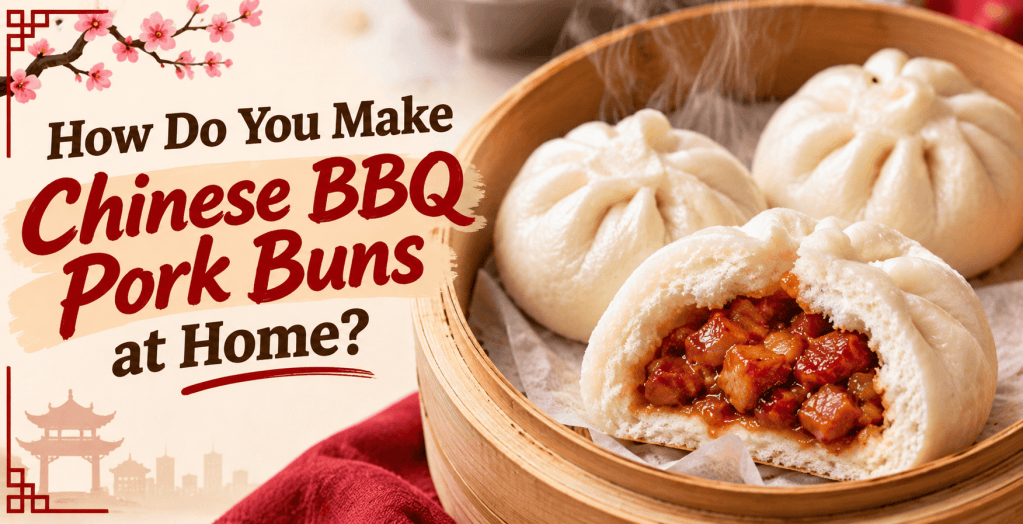
Chinese BBQ pork buns are one of the most popular dishes served at dim sum restaurants and Chinese bakeries. Known as char siu bao, these soft, fluffy buns are filled with tender pieces of Chinese barbecue pork coated in a rich, sweet, and savory sauce. Whether steamed until pillowy and delicate or baked until golden brown, Chinese BBQ pork buns offer a delicious combination of flavors and textures.
Although they may look complicated, homemade Chinese BBQ pork buns are surprisingly manageable with the right ingredients and a little patience. You do not need professional baking equipment or years of experience making Chinese food to prepare them in your own kitchen.
The secret is creating a soft dough, preparing a flavorful pork filling, and allowing enough time for the buns to rise before cooking.
This guide explains how to make authentic-style Chinese BBQ pork buns at home, including the ingredients, preparation methods, cooking techniques, and helpful tips for getting delicious results.
What Are Chinese BBQ Pork Buns?
Chinese BBQ pork buns, commonly called char siu bao, are traditional Chinese buns filled with chopped or diced char siu, a Cantonese-style barbecue pork.
The name comes from two Cantonese terms:
-
Char siu: Chinese barbecue pork, traditionally roasted with a sweet and savory glaze.
-
Bao: A filled bun made from a soft wheat-flour dough.
Together, char siu bao refers to buns filled with Chinese barbecue pork.
These buns are especially associated with Cantonese cuisine and are commonly found in dim sum restaurants throughout Hong Kong, Guangdong, and Chinese communities around the world.
In San Francisco Chinatown, Chinese BBQ pork buns have long been a favorite at bakeries, takeout counters, and dim sum restaurants.
There are two main varieties: steamed and baked.
Steamed BBQ pork buns have a soft, white, fluffy exterior. Baked BBQ pork buns have a golden, lightly sweet bread exterior, often finished with an egg wash or glaze.
Both versions contain a similar savory-sweet pork filling.
What Ingredients Do You Need to Make Chinese BBQ Pork Buns?
Making Chinese BBQ pork buns requires two main components: the dough and the pork filling.
The dough creates the soft exterior, while the filling provides the distinctive barbecue flavor.
Ingredients for the Bun Dough
This recipe makes approximately 12 medium-sized steamed pork buns.
-
3 cups all-purpose flour
-
2 teaspoons instant yeast
-
3 tablespoons granulated sugar
-
1 teaspoon baking powder
-
¼ teaspoon salt
-
1 cup warm milk or water
-
2 tablespoons neutral vegetable oil
Using milk creates a slightly richer dough, while water produces a more traditional, lighter texture.
For particularly soft buns, some cooks substitute a portion of the all-purpose flour with low-protein flour.
Ingredients for the Chinese BBQ Pork Filling
-
1½ cups cooked char siu pork, finely diced
-
1 tablespoon vegetable oil
-
½ small onion, finely chopped
-
2 tablespoons hoisin sauce
-
1 tablespoon oyster sauce
-
1 tablespoon light soy sauce
-
2 tablespoons sugar
-
½ cup chicken broth or water
-
1 teaspoon sesame oil
-
1 tablespoon cornstarch
-
2 tablespoons water for the cornstarch slurry
The combination of hoisin sauce, oyster sauce, soy sauce, and sugar gives the filling its characteristic sweet and savory flavor.
The cornstarch thickens the sauce so it stays inside the buns instead of leaking during cooking.
How Do You Make Chinese BBQ Pork Filling?
The filling is one of the most important parts of homemade char siu bao.
A good filling should be moist, flavorful, slightly sticky, and thick enough to remain inside the dough.
Step 1: Prepare the BBQ Pork
Start with cooked Chinese barbecue pork.
You can use homemade char siu, purchase prepared char siu from a Chinese barbecue restaurant, or use leftover roasted pork seasoned with Chinese barbecue flavors.
Cut the pork into small, evenly sized pieces.
Avoid large chunks because they make the buns more difficult to fill and seal.
Small pieces also help distribute the sauce evenly throughout each bun.
Step 2: Cook the Onion
Heat one tablespoon of vegetable oil in a skillet over medium heat.
Add the finely chopped onion and cook for approximately three to four minutes, stirring occasionally.
The onion should become soft and translucent without developing too much color.
This creates a mild sweetness that complements the barbecue pork.
Step 3: Add the Sauce Ingredients
Add the hoisin sauce, oyster sauce, soy sauce, sugar, and chicken broth.
Stir until the ingredients are completely combined.
Allow the mixture to simmer gently for approximately two minutes.
The sauce should develop a rich, glossy appearance.
Step 4: Add the Pork
Stir the diced char siu into the sauce.
Cook for another two to three minutes, allowing the pork to absorb the flavors.
The filling should smell sweet, savory, and slightly smoky.
Step 5: Thicken the Filling
Mix one tablespoon of cornstarch with two tablespoons of cold water.
Slowly pour the mixture into the skillet while stirring.
Continue cooking until the sauce thickens and coats the pork.
The finished filling should be thick and glossy, not watery.
Remove the skillet from the heat and stir in the sesame oil.
Step 6: Cool the Filling
Transfer the pork filling to a bowl and allow it to cool completely.
Refrigerating it for approximately 30 minutes makes the filling easier to handle.
Important: Never place hot filling directly into the dough. Excess heat can soften the dough, interfere with shaping, and make the buns difficult to seal.
How Do You Make Soft and Fluffy Chinese Bao Dough?
The dough determines whether your Chinese BBQ pork buns turn out light and fluffy or heavy and dense.
Proper mixing, kneading, and rising are essential.
Step 1: Combine the Dry Ingredients
In a large mixing bowl, combine the flour, instant yeast, sugar, baking powder, and salt.
Stir until evenly distributed.
The sugar provides mild sweetness and supports yeast activity, while the baking powder helps create a lighter texture.
Step 2: Add the Liquid Ingredients
Gradually pour in the warm milk or water.
Add the vegetable oil.
Mix with a wooden spoon or your hands until a rough dough forms.
The liquid should feel comfortably warm, not hot.
Excessively hot liquid can damage the yeast and prevent the dough from rising properly.
Step 3: Knead the Dough
Transfer the dough to a lightly floured work surface.
Knead for approximately eight to ten minutes.
The dough should become smooth, soft, and elastic.
If it feels excessively sticky, add small amounts of flour.
Avoid adding too much extra flour because dry dough produces dense buns.
A properly kneaded dough should feel soft and slightly tacky without sticking heavily to your hands.
Step 4: Allow the Dough to Rise
Place the dough in a lightly oiled bowl.
Cover with plastic wrap or a clean kitchen towel.
Let it rise in a warm location for approximately 60 to 90 minutes, or until nearly doubled in size.
Rising time depends on room temperature and yeast activity.
The dough should look noticeably larger and feel airy.
How Do You Fill and Shape Chinese BBQ Pork Buns?
Shaping Chinese BBQ pork buns takes practice, but the process becomes easier after making a few.
The goal is to surround the filling with dough and create a secure seal.
Step 1: Divide the Dough
Once the dough has risen, gently press it down to release large air bubbles.
Transfer it to a clean work surface.
Divide the dough into 12 equal portions.
Roll each portion into a smooth ball.
Cover the dough balls with a towel to prevent drying while you work.
Step 2: Roll Out Each Piece
Using a rolling pin, flatten one dough ball into a circle approximately four to five inches wide.
Keep the center slightly thicker than the edges.
A thicker center supports the filling, while thinner edges make pleating and sealing easier.
Step 3: Add the Pork Filling
Place approximately one to two tablespoons of cooled BBQ pork filling in the center of the dough.
Avoid overfilling.
Too much filling can cause the dough to tear or the seams to open during steaming.
Step 4: Pleat and Seal the Bun
Gather the edges of the dough around the filling.
Pinch small sections together to create pleats, working around the top until the filling is enclosed.
Twist and pinch the gathered dough to seal the bun.
For beginners, a simple gathered closure works just as well as decorative pleating.
The most important part is ensuring the filling stays enclosed.
Step 5: Prepare for Steaming
Place each bun on a small square of parchment paper.
Arrange the buns on a tray with space between them.
Cover loosely and allow them to rest for approximately 20 to 30 minutes.
They should become slightly puffier before steaming.
This second rise helps create the soft texture associated with traditional steamed pork buns.
How Do You Steam Chinese BBQ Pork Buns at Home?
Steaming is the traditional cooking method for soft, white char siu bao.
You can use a bamboo steamer, stainless steel steamer, or a covered pot fitted with a steaming basket.
Step 1: Prepare the Steamer
Add water to the bottom of your steamer.
Make sure the water level stays below the steaming basket.
Bring the water to a gentle boil.
Step 2: Arrange the Buns
Place the buns inside the steamer on their parchment squares.
Leave approximately two inches between them because they expand during cooking.
Steam in batches if necessary.
Crowding can cause the buns to stick together.
Step 3: Steam the Buns
Cover the steamer and cook over medium heat for approximately 12 to 15 minutes.
Maintain steady steam without allowing the pot to boil dry.
Avoid repeatedly lifting the lid because sudden temperature changes can affect the buns’ texture.
Step 4: Allow the Buns to Rest
Turn off the heat.
Let the buns rest in the covered steamer for approximately three minutes before carefully opening the lid.
This gradual cooling helps reduce the chance of the buns shrinking or wrinkling.
The finished buns should feel soft and springy, with fully cooked dough and a hot pork filling.
How Do You Make Baked Chinese BBQ Pork Buns Instead?
Baked Chinese BBQ pork buns are another popular variation, especially in Chinese bakeries.
Unlike steamed buns, baked char siu bao have a golden exterior and a slightly richer bread-like texture.
You can use the same pork filling, but a softer enriched bread dough generally produces better bakery-style results.
For a simple baked variation, the dough can be modified by replacing the water with milk, adding one egg, and using three tablespoons of softened butter instead of the vegetable oil. Reduce the milk slightly at first to account for the liquid in the egg, then adjust as needed.
After the first rise, divide, fill, and seal the buns.
Place them seam-side down on a parchment-lined baking sheet.
Allow them to rise again until visibly puffy, approximately 30 to 45 minutes.
Brush the tops with beaten egg.
Bake in a preheated 350°F oven for approximately 18 to 22 minutes, or until golden brown and fully baked.
For a shiny bakery-style finish, brush the warm buns with a little honey diluted with warm water.
The result is a soft, golden bun with a sweet and savory barbecue pork center.
What Is the Difference Between Steamed and Baked Chinese BBQ Pork Buns?
Although both varieties contain char siu pork, their textures and preparation methods are noticeably different.
| Feature | Steamed BBQ Pork Buns | Baked BBQ Pork Buns |
|---|---|---|
| Exterior | Soft, white, fluffy | Golden brown, lightly glossy |
| Texture | Pillowy and delicate | Soft, bread-like |
| Cooking method | Steaming | Baking |
| Dough | Light steamed dough | Usually enriched bread dough |
| Flavor | Mildly sweet | Richer and slightly buttery |
| Commonly served | Dim sum restaurants | Chinese bakeries |
Neither version is necessarily better.
Steamed buns are ideal for people who enjoy delicate, fluffy textures, while baked buns are excellent for those who prefer a slightly sweet bread exterior.
Can You Make Chinese BBQ Pork Buns Without Homemade Char Siu?
Yes. You can make delicious Chinese BBQ pork buns without roasting your own char siu.
Prepared Chinese barbecue pork from a restaurant or Asian grocery store is often the easiest option.
You can also use leftover cooked pork shoulder or pork tenderloin.
For a convenient substitute, dice approximately 1½ cups of cooked pork and combine it with the same sauce ingredients used in the filling recipe.
If the pork is not already seasoned with Chinese barbecue flavors, add a little extra hoisin sauce and a small amount of Chinese five-spice powder.
This will not produce exactly the same flavor as traditional char siu, but it creates a satisfying homemade alternative.
Avoid using heavily smoked American barbecue pork unless you specifically want a fusion-style filling, since its flavor can overpower the Cantonese sauce.
What Makes Chinese BBQ Pork Buns Taste Like Restaurant-Style Char Siu Bao?
Restaurant-style Chinese BBQ pork buns are known for their balance of sweetness, savory richness, and soft texture.
Several details make a noticeable difference.
Use Authentic Chinese BBQ Pork
Char siu provides the distinctive flavor.
Its combination of sweet glaze, savory seasonings, and roasted pork creates a filling that ordinary cooked pork cannot fully duplicate.
Make the Filling Thick and Glossy
A watery filling can soak into the dough and cause the buns to become soggy.
The sauce should cling to the pork without running.
Keep the Dough Soft
Too much flour makes buns dry and dense.
The dough should remain soft throughout mixing and shaping.
Allow Proper Rising Time
Rushing the rising process can produce heavy buns.
The dough needs enough time to develop a light, airy structure.
Avoid Oversteaming
Steaming longer than necessary can affect the texture and moisture balance.
Medium-sized buns generally cook in approximately 12 to 15 minutes, although larger buns may require additional time.
Why Are My Homemade Chinese BBQ Pork Buns Dense?
Dense buns are one of the most common problems when making char siu bao at home.
Several factors can cause this.
Inactive yeast: Old or damaged yeast may not produce enough gas to raise the dough.
Too much flour: Adding excessive flour during kneading makes the dough stiff.
Insufficient rising: Dough that has not risen enough will usually produce heavy buns.
Overproofing: Dough that rises too long may weaken and collapse during steaming.
Poor steaming conditions: Insufficient steam or repeated opening of the lid can interfere with cooking.
To prevent dense buns, use fresh yeast, measure flour carefully, knead until smooth, and allow the dough to rise until visibly expanded.
Why Do Chinese BBQ Pork Buns Sometimes Collapse After Steaming?
Homemade steamed buns occasionally shrink, wrinkle, or collapse after cooking.
This often happens when the dough has been overproofed or when the steamer lid is opened too quickly.
Overproofed dough may not have enough structure to hold its shape.
Rapid cooling can also contribute to wrinkling.
To reduce these problems, avoid allowing the shaped buns to rise excessively, maintain steady steam, and let the buns rest briefly before opening the steamer.
A few wrinkles do not mean the buns are ruined.
As long as the dough is fully cooked and the filling is properly heated, slightly wrinkled buns can still taste delicious.
Can You Make Chinese BBQ Pork Buns Ahead of Time?
Yes. Chinese BBQ pork buns are excellent for preparing in advance.
One of the easiest methods is making the pork filling a day before assembling the buns.
Prepare the filling, allow it to cool, and store it in an airtight container in the refrigerator.
The next day, prepare the dough and assemble the buns.
You can also cook the buns completely and refrigerate them for later.
Properly stored cooked pork buns generally keep for three to four days in the refrigerator.
For the best texture, reheat them with steam rather than allowing them to dry out in the oven.
Can You Freeze Homemade Chinese BBQ Pork Buns?
Chinese BBQ pork buns freeze very well, making them convenient for meal preparation.
Freezing is especially useful when preparing a large batch.
How to Freeze Cooked Pork Buns
-
Allow the cooked buns to cool completely.
-
Arrange them on a baking sheet without touching.
-
Freeze until firm.
-
Transfer them to freezer-safe bags or airtight containers.
-
Label the containers with the freezing date.
For the best quality, use frozen buns within approximately two to three months.
Keep them frozen at 0°F or below.
How to Reheat Frozen BBQ Pork Buns
Steaming is one of the best reheating methods.
Place frozen buns in a steamer over simmering water.
Cover and steam for approximately 10 to 15 minutes, depending on their size.
Make sure the centers are thoroughly heated.
For food safety, previously cooked and refrigerated or frozen pork buns should be reheated to 165°F.
You can also microwave individual buns under a slightly damp paper towel, although the texture may be less consistent.
What Do You Serve With Chinese BBQ Pork Buns?
Chinese BBQ pork buns can be served as a snack, appetizer, or part of a larger Chinese-inspired meal.
They are particularly popular alongside other dim sum dishes.
Some excellent accompaniments include:
-
Pork and shrimp shumai
-
Shrimp dumplings, also called har gow
-
Chinese spring rolls
-
Scallion pancakes
-
Stir-fried Chinese broccoli
-
Vegetable fried rice
-
Wonton soup
-
Hot Chinese tea
For a homemade dim sum meal, serve steamed pork buns with a combination of dumplings, vegetables, and tea.
The variety of textures and flavors makes the meal feel similar to a traditional dim sum experience.
Are Chinese BBQ Pork Buns Sweet or Savory?
Chinese BBQ pork buns contain both sweet and savory flavors.
The dough is usually mildly sweet, while the filling combines roasted pork with a sauce made from ingredients such as hoisin sauce, soy sauce, oyster sauce, and sugar.
The pork provides savory richness, while the sauce adds sweetness and umami.
The result is a balanced flavor rather than an overwhelmingly sweet dish.
Baked pork buns often taste slightly sweeter because their enriched dough and glossy topping contribute additional sweetness.
How Many Calories Are in Homemade Chinese BBQ Pork Buns?
The calorie content depends on bun size, dough ingredients, and the amount of filling.
A medium homemade steamed Chinese BBQ pork bun may contain approximately 200 to 300 calories.
Baked buns can contain more calories because they often include butter, eggs, milk, and sweet glazes.
These figures are estimates rather than calculated nutrition values for this specific recipe.
Smaller buns with modest portions of filling will generally contain fewer calories than large bakery-style buns.
Frequently Asked Questions About Chinese BBQ Pork Buns
Can I Use All-Purpose Flour for Chinese BBQ Pork Buns?
Yes. All-purpose flour works well for homemade Chinese BBQ pork buns. Specialized bao flour can produce a softer, whiter appearance, but it is not necessary for a successful recipe.
Do I Need a Bamboo Steamer to Make Pork Buns?
No. A stainless steel steamer or a covered pot with a steaming basket works well. The important thing is keeping the buns above the water while allowing steam to circulate.
Can I Make Chinese BBQ Pork Buns Without Yeast?
Yes, although the texture will be different. Baking powder-based dough can produce soft buns, but yeast generally creates a lighter, more traditional texture.
Can I Use Store-Bought Pizza Dough?
You can use pizza dough as a shortcut, but the finished buns will be chewier and less fluffy than traditional char siu bao. A slightly sweet, soft yeast dough produces better results.
What Is the Best Cut of Pork for Char Siu Bao?
Pork shoulder is an excellent choice because it contains enough fat to remain juicy after roasting. Pork tenderloin or other lean cuts can work, but they may produce a drier filling.
Why Is My BBQ Pork Filling Too Runny?
The filling may contain too much liquid or insufficient thickener. Simmer it briefly and add a small amount of cornstarch slurry until the sauce becomes thick enough to coat the pork.
Can I Make Chinese BBQ Pork Buns in an Air Fryer?
An air fryer can cook certain baked-style pork buns, but it does not reproduce the moist cooking environment needed for traditional steamed buns. Use a steamer for the classic fluffy texture.
How Long Does It Take to Make Chinese BBQ Pork Buns From Scratch?
Expect approximately two and a half to three hours when starting with cooked char siu pork. This includes preparing the filling, mixing the dough, rising, shaping, and steaming. Making the barbecue pork itself adds additional time.
Final Thoughts: Making Chinese BBQ Pork Buns at Home
Making Chinese BBQ pork buns at home is a rewarding way to enjoy one of the most recognizable dishes in Cantonese cuisine.
The combination of fluffy dough, tender barbecue pork, and rich, sweet-savory sauce creates a comforting food that works equally well as a snack, appetizer, or part of a homemade dim sum meal.
Although the recipe involves several steps, none requires particularly advanced cooking skills. Preparing the filling ahead of time, allowing the dough to rise properly, and carefully sealing the buns can make the process much easier.
Steamed char siu bao offer the classic soft, pillowy texture associated with dim sum restaurants, while baked BBQ pork buns provide a golden, slightly sweeter alternative commonly found in Chinese bakeries.
With a little practice, you can create homemade Chinese BBQ pork buns that capture the familiar flavors of San Francisco Chinatown and traditional Cantonese cooking without leaving your kitchen.
The key is simple: flavorful pork, a thick sauce, soft dough, and patient preparation.
Leave a Reply