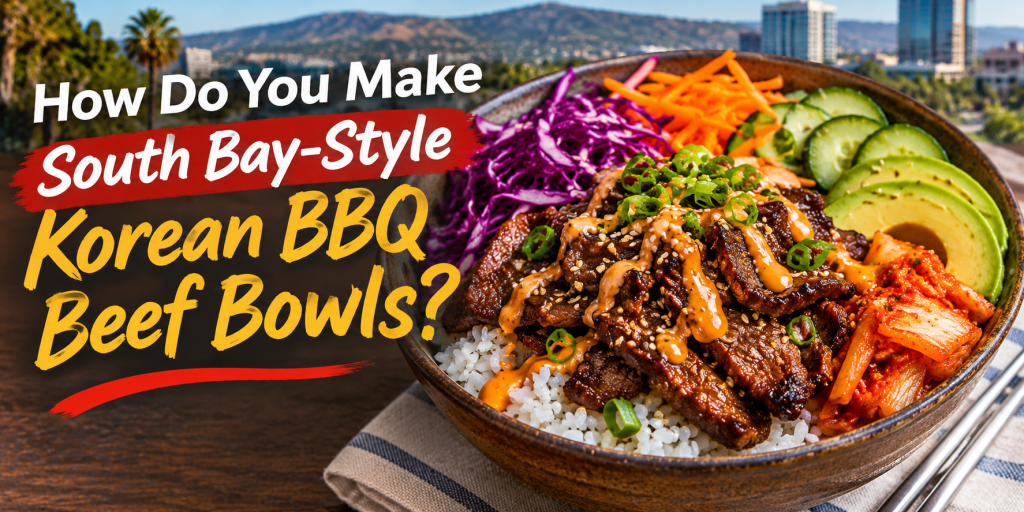
The South Bay area of California is known for its incredible food diversity, and Korean-inspired barbecue bowls have become a popular choice for anyone craving a flavorful, satisfying meal. From San Jose and Santa Clara to Sunnyvale, Cupertino, and Milpitas, the region’s Korean restaurants and Asian fusion eateries have helped introduce diners to delicious combinations of marinated beef, steamed rice, fresh vegetables, and bold sauces.
One of the easiest ways to bring those flavors into your own kitchen is by making South Bay-style Korean BBQ beef bowls.
These bowls combine tender beef coated in a sweet and savory Korean-inspired marinade with fluffy rice, crisp vegetables, and a creamy, spicy sauce. The result is a restaurant-inspired meal that is surprisingly simple to prepare at home.
Whether you are looking for an easy weeknight dinner, a meal-prep recipe, or something different to serve your family, Korean BBQ beef bowls deliver plenty of flavor without requiring complicated cooking techniques.
What Are South Bay-Style Korean BBQ Beef Bowls?
South Bay-style Korean BBQ beef bowls are a California-inspired interpretation of traditional Korean barbecue flavors, particularly bulgogi.
Bulgogi is a Korean dish made with thinly sliced beef marinated in ingredients such as soy sauce, sugar, garlic, sesame oil, and fruit before being grilled or cooked over high heat.
In South Bay-inspired rice bowls, that flavorful beef is served over steamed rice with colorful vegetables, fresh toppings, and sometimes a spicy or creamy sauce.
Although there is no single officially defined South Bay-style Korean BBQ beef bowl, this version reflects the Korean-American and Asian fusion influences found throughout Silicon Valley.
What makes these bowls especially appealing is their combination of flavors and textures.
The beef is savory and slightly sweet. The rice provides a soft, comforting base. Fresh vegetables add crunch, while spicy sauces and fermented toppings introduce additional layers of flavor.
Every bite offers something different.
Why Are Korean BBQ Beef Bowls Popular in the South Bay?
The South Bay has a diverse dining scene shaped by Korean, Vietnamese, Chinese, Japanese, Filipino, Indian, Mexican, and many other culinary traditions.
Cities such as Santa Clara and San Jose have established Korean dining communities, while the broader Silicon Valley food scene has embraced customizable rice bowls and Asian fusion cooking.
Korean BBQ beef bowls fit naturally into this environment because they are flavorful, convenient, and easy to personalize.
They also work well for busy households.
Instead of preparing an elaborate Korean barbecue dinner with multiple side dishes, you can combine the essential flavors into one satisfying bowl.
Another reason for their popularity is versatility.
You can make them with traditional thinly sliced beef, affordable ground beef, or even chicken and tofu.
The toppings can also change depending on what is available in your refrigerator.
Ingredients for South Bay-Style Korean BBQ Beef Bowls
This recipe makes approximately four servings and takes about 35–45 minutes, including a short marinating period.
For the Korean BBQ Beef
-
1½ pounds thinly sliced ribeye, sirloin, or flank steak
-
¼ cup low-sodium soy sauce
-
2 tablespoons brown sugar
-
1 tablespoon honey
-
2 tablespoons sesame oil
-
4 cloves garlic, minced
-
1 tablespoon freshly grated ginger
-
2 tablespoons rice vinegar
-
1 tablespoon gochujang (Korean chili paste)
-
½ teaspoon freshly ground black pepper
-
¼ cup grated Asian pear or apple
-
1 tablespoon neutral cooking oil
For the Rice Bowls
-
2 cups uncooked jasmine rice or short-grain white rice
-
1 large cucumber, thinly sliced
-
2 medium carrots, shredded
-
1 cup shredded red cabbage
-
1 avocado, sliced
-
½ cup kimchi
-
3 green onions, thinly sliced
-
1 tablespoon toasted sesame seeds
-
1 cup steamed broccoli, optional
For the Spicy Korean-Inspired Sauce
-
¼ cup mayonnaise
-
1 tablespoon gochujang
-
1 teaspoon honey
-
1 teaspoon rice vinegar
-
1 teaspoon sesame oil
-
1–2 teaspoons water, as needed
The ingredients are easy to adjust depending on your preferences.
For a milder bowl, reduce the gochujang. For more heat, increase it slightly or add Korean red pepper flakes.
How Do You Make South Bay-Style Korean BBQ Beef Bowls?
The secret to a delicious Korean BBQ beef bowl is balancing the marinade, cooking the beef quickly, and assembling the ingredients while everything is fresh.
Step 1: Prepare the Korean BBQ Marinade
In a medium mixing bowl, combine the soy sauce, brown sugar, honey, sesame oil, minced garlic, grated ginger, rice vinegar, gochujang, black pepper, and grated Asian pear or apple.
Whisk until the sugar dissolves and the ingredients are thoroughly combined.
The soy sauce provides saltiness and umami, while the brown sugar and honey create the slightly sweet flavor associated with Korean barbecue.
Garlic and ginger add aromatic depth.
The Asian pear or apple contributes sweetness and can help tenderize the beef.
Gochujang adds a gentle heat and fermented savory flavor.
Step 2: Marinate the Beef
Place the thinly sliced beef into a large bowl or resealable food-safe bag.
Pour the marinade over the meat and toss until every piece is coated.
Cover and refrigerate for at least 20–30 minutes.
For a more developed flavor, marinate the beef for two to four hours.
If using very thinly sliced beef, avoid leaving it in a fruit-based marinade for an excessively long period because the texture can become too soft.
Helpful tip: Place the beef in the freezer for approximately 20–30 minutes before slicing. Slightly firm meat is easier to cut into thin, even pieces.
Always marinate raw beef in the refrigerator rather than at room temperature.
Step 3: Cook the Rice
While the beef marinates, rinse the rice under cool running water until the water becomes noticeably clearer.
Cook according to the package directions using a rice cooker or covered saucepan.
For jasmine rice, a common starting ratio is approximately 1 cup of rice to 1¼ cups of water, although the exact amount depends on the brand and cooking method.
Once the rice finishes cooking, let it rest covered for approximately five minutes.
Fluff gently with a fork or rice paddle.
Short-grain rice creates a slightly sticky texture that works particularly well with Korean-inspired bowls.
Jasmine rice produces a lighter, fragrant base.
Both are excellent options.
Step 4: Prepare the Fresh Vegetables
While the rice cooks, prepare the vegetables.
Thinly slice the cucumber, shred the carrots, and cut the red cabbage into narrow strips.
Slice the avocado shortly before serving to help prevent browning.
Chop the green onions and set aside the kimchi.
If using broccoli, steam it until tender but still slightly crisp.
Keeping the vegetables separate allows everyone to customize their bowl.
For additional flavor, toss the cucumber slices with a small amount of rice vinegar and sesame seeds.
This creates a quick, refreshing topping that balances the rich beef.
Step 5: Make the Spicy Sauce
In a small bowl, combine the mayonnaise, gochujang, honey, rice vinegar, and sesame oil.
Whisk until smooth.
Add water a teaspoon at a time until the sauce reaches a consistency suitable for drizzling.
Taste and adjust as needed.
For a sweeter sauce, add a little more honey.
For a spicier sauce, add more gochujang.
For additional tanginess, increase the rice vinegar slightly.
Refrigerate the sauce until you are ready to assemble the bowls.
Step 6: Cook the Korean BBQ Beef
Heat a large cast-iron skillet, wok, or heavy frying pan over medium-high to high heat.
Add the neutral cooking oil.
Remove the beef from the marinade, allowing excess liquid to drip off.
Cook the beef in small batches to avoid overcrowding the pan.
Spread the slices into a single layer and let them sear briefly before stirring.
Because the beef is thinly sliced, it generally cooks quickly, often within three to five minutes per batch depending on thickness.
The goal is to develop browned edges while keeping the meat tender.
Avoid pouring all the leftover marinade into the skillet because excessive liquid will cause the beef to steam rather than sear.
If you want to use leftover marinade as a sauce, bring it to a full boil first because it has contacted raw meat.
For food safety, cook whole-cut beef to 145°F followed by a three-minute rest. Ground beef, if substituted, should reach 160°F.
Step 7: Assemble the Korean BBQ Beef Bowls
Divide the cooked rice evenly among four serving bowls.
Arrange the Korean BBQ beef over one section of the rice.
Add the cucumber, shredded carrots, red cabbage, avocado, and broccoli.
Place a small portion of kimchi along the side.
Drizzle the spicy sauce over the beef and vegetables.
Finish with sliced green onions and toasted sesame seeds.
Serve immediately while the beef and rice are warm.
The contrast between the warm, savory beef and cool, crunchy vegetables makes these bowls especially enjoyable.
What Is the Best Cut of Beef for Korean BBQ Bowls?
Choosing the right beef can make a noticeable difference in the finished dish.
Several cuts work well, depending on your budget and preferred texture.
Ribeye
Ribeye is one of the best options for Korean BBQ bowls because of its marbling.
The fat helps keep the meat tender and flavorful during high-heat cooking.
Thinly sliced ribeye is particularly well suited for bulgogi-inspired recipes.
Sirloin
Sirloin offers a good balance between tenderness, flavor, and affordability.
It is generally leaner than ribeye but still works well when sliced thinly against the grain.
Flank Steak
Flank steak has a pronounced beef flavor and works well with marinades.
Because it contains longer muscle fibers, slicing against the grain is especially important.
Ground Beef
Ground beef is an affordable alternative for busy weeknights.
Although the texture is different from traditional bulgogi, ground beef absorbs the same sweet and savory seasonings.
It also eliminates the need to slice steak.
For a quick family dinner, ground beef Korean BBQ bowls can be ready in approximately 20–25 minutes.
How Do You Make Korean BBQ Beef Bowls With Ground Beef?
Ground beef is one of the easiest ways to create a budget-friendly version of this recipe.
Start by heating a large skillet over medium-high heat.
Add one pound of ground beef and cook until browned, breaking it into small pieces with a wooden spoon.
Drain excess grease if necessary.
In a separate bowl, mix:
-
¼ cup soy sauce
-
2 tablespoons brown sugar
-
1 tablespoon sesame oil
-
3 minced garlic cloves
-
1 teaspoon grated ginger
-
1 tablespoon gochujang
-
1 tablespoon rice vinegar
Pour the sauce over the cooked beef.
Simmer for two to three minutes, stirring frequently, until the meat is coated and the sauce slightly thickens.
Serve over rice with your favorite vegetables and toppings.
This version is particularly convenient for meal preparation because ground beef reheats easily.
What Vegetables Go Best With Korean BBQ Beef Bowls?
One of the advantages of Korean BBQ beef bowls is that nearly any vegetable can complement the dish.
However, certain vegetables work especially well with the sweet and savory beef.
Cucumbers provide a cool, refreshing crunch that contrasts with the rich marinade.
Carrots add natural sweetness and bright color.
Red cabbage offers a crisp texture and slightly peppery flavor.
Broccoli absorbs the savory juices and adds substance.
Spinach can be lightly sautéed with garlic and sesame oil for a Korean-inspired vegetable topping.
Mushrooms provide additional umami and work particularly well when cooked in the same skillet after the beef.
Bean sprouts add a light, crunchy texture.
Kimchi introduces acidity, spice, and fermented flavor that helps balance the sweetness of the beef.
For a California-inspired variation, sliced avocado adds creaminess and richness.
Combining two or three vegetables with one fermented or pickled topping creates a well-balanced bowl without making preparation complicated.
What Sauce Goes Best With Korean BBQ Beef Bowls?
The best sauce depends on whether you prefer sweet, spicy, tangy, or creamy flavors.
A gochujang-based sauce is an excellent choice because it complements the traditional flavors of Korean barbecue.
However, several other options work well.
Sweet Soy Glaze
Combine soy sauce, honey, garlic, and a small amount of water.
Simmer briefly until slightly thickened.
This sauce works well for anyone who prefers a sweeter bowl without much heat.
Sesame Ginger Sauce
Mix sesame oil, rice vinegar, soy sauce, grated ginger, and a small amount of honey.
The result is lighter and more tangy than a creamy sauce.
Spicy Gochujang Mayo
Combine mayonnaise, gochujang, honey, and rice vinegar.
This creates a creamy, mildly spicy drizzle commonly associated with Korean-inspired fusion bowls.
Sriracha Mayo
Mix mayonnaise with sriracha and a squeeze of lime juice.
Although not a traditional Korean sauce, it provides a familiar Asian fusion flavor.
For the most balanced result, avoid adding too much sauce initially.
The beef marinade already contains plenty of seasoning.
How Do You Make Korean BBQ Beef Bowls Taste Like a Restaurant?
A few simple techniques can improve the flavor and texture of homemade Korean BBQ bowls.
Use Thinly Sliced Beef
Thin slices absorb the marinade quickly and cook evenly.
They also produce the tender texture associated with bulgogi.
Cook Over High Heat
A properly heated skillet helps develop browned edges.
Cooking at too low a temperature causes the meat to release moisture and simmer in its own juices.
Avoid Overcrowding the Pan
Cooking too much beef at once lowers the skillet temperature.
Prepare the meat in batches for better browning.
Balance Sweet and Savory Flavors
Korean barbecue relies on a balance of salty, sweet, aromatic, and sometimes spicy ingredients.
Too much sugar can overpower the beef.
Too much soy sauce can make the finished dish excessively salty.
Taste the marinade before adding the raw beef and adjust it to your preference.
Add Fresh Toppings
Fresh cucumber, cabbage, and green onions brighten the finished bowl.
They also prevent the dish from feeling too heavy.
Include Something Tangy
Kimchi, pickled cucumbers, or quick-pickled carrots add acidity that balances the sweetness of the marinade.
Toast the Sesame Seeds
Lightly toasting sesame seeds in a dry skillet enhances their nutty aroma.
Sprinkle them over the bowls immediately before serving.
Can You Make Korean BBQ Beef Bowls Ahead of Time?
Yes. Korean BBQ beef bowls are excellent for meal preparation.
The ingredients can be cooked and stored separately, allowing you to assemble fresh bowls throughout the week.
For best results, prepare the rice and beef first.
Allow both to cool promptly before refrigerating them in shallow, airtight containers.
Store the fresh vegetables separately to preserve their crunch.
Keep the sauce in a small covered container.
Refrigerated cooked beef and rice should generally be eaten within three to four days when properly handled and stored at 40°F or below.
Reheat the beef and rice thoroughly to 165°F before serving.
Add the cucumber, avocado, kimchi, and sauce after reheating.
This keeps the vegetables fresh and prevents the sauce from separating.
For longer storage, freeze the cooked beef in individual portions.
The beef can generally maintain good quality for approximately two to three months in the freezer.
Fresh cucumber, avocado, and cabbage are best added after thawing rather than frozen with the meat.
How Do You Make Healthier Korean BBQ Beef Bowls?
Korean BBQ beef bowls can be adjusted to suit different nutritional preferences.
Start by choosing a leaner cut of beef, such as sirloin.
You can also reduce the amount of added sugar in the marinade.
For a lower-sodium version, use reduced-sodium soy sauce and moderate the amount of kimchi and prepared sauces.
Replace some or all of the white rice with brown rice for additional fiber.
Cauliflower rice is another option for anyone looking to reduce carbohydrates.
Adding extra vegetables increases the bowl’s volume while providing vitamins, minerals, and fiber.
You can also replace the mayonnaise-based sauce with a lighter mixture of gochujang, rice vinegar, water, and a small amount of sesame oil.
For a balanced meal, consider dividing the bowl between rice, vegetables, and protein rather than filling most of it with rice.
The goal is to preserve the bold flavors while adjusting the ingredients to your needs.
Can You Make Korean BBQ Beef Bowls Without Gochujang?
Yes. Although gochujang adds a distinctive fermented flavor and mild-to-moderate heat, you can make a flavorful Korean-inspired beef bowl without it.
For a mild version, simply omit the gochujang from the marinade.
The soy sauce, garlic, ginger, sesame oil, and sweetener will still create a delicious combination.
If you want some heat, add a small amount of sriracha or crushed red pepper.
However, these substitutes will not reproduce the exact fermented flavor of gochujang.
For families with children or people who prefer mild foods, preparing the beef without gochujang and serving spicy sauce separately is a practical solution.
Everyone can customize their bowl without changing the main recipe.
What Are Some Popular Variations of Korean BBQ Beef Bowls?
The versatility of Korean BBQ beef bowls makes them especially suitable for California-inspired cooking.
Korean BBQ Beef and Avocado Bowls
Add extra avocado, cucumber, shredded cabbage, and a drizzle of spicy mayonnaise.
This version emphasizes the fresh ingredients commonly used in California fusion cooking.
Spicy Korean BBQ Beef Bowls
Increase the gochujang and add Korean red pepper flakes.
Finish with spicy kimchi and additional green onions.
Korean BBQ Beef and Vegetable Bowls
Use a smaller portion of rice and add extra broccoli, mushrooms, spinach, and carrots.
This version creates a vegetable-forward meal without sacrificing flavor.
Korean BBQ Beef Burrito Bowls
Replace the traditional toppings with a combination of rice, shredded lettuce, avocado, pickled onions, and spicy sauce.
This variation reflects the broader Korean-Mexican fusion influences found in California cuisine.
Korean BBQ Beef Cauliflower Rice Bowls
Replace white rice with cauliflower rice sautéed in a little sesame oil.
Top with beef, cucumbers, mushrooms, and cabbage.
Korean BBQ Beef Bowls With Fried Eggs
Add a fried egg to each bowl.
The rich yolk blends with the beef marinade and rice, creating a satisfying combination.
What Should You Serve With Korean BBQ Beef Bowls?
Although these bowls are filling enough to serve as a complete meal, a few simple side dishes can make dinner feel more special.
Kimchi is one of the most natural accompaniments.
Quick-pickled cucumbers provide a refreshing contrast to the rich beef.
Steamed or sautéed spinach seasoned with sesame oil and garlic is another excellent choice.
You can also serve Korean-inspired bean sprouts, roasted mushrooms, or a light cucumber salad.
For a larger family dinner, consider adding vegetable dumplings or a simple soup.
The best sides are those that complement the beef rather than compete with its strong flavors.
Frequently Asked Questions About Korean BBQ Beef Bowls
What Is the Difference Between Bulgogi and Korean BBQ Beef Bowls?
Bulgogi is a Korean dish traditionally made with marinated, thinly sliced meat, often beef, that is grilled or pan-cooked.
Korean BBQ beef bowls are a serving format that combines Korean barbecue-flavored meat with rice, vegetables, and toppings.
Many Korean BBQ beef bowls use bulgogi as their main protein, but some versions use ground beef or other preparations.
Can You Use Frozen Beef for Korean BBQ Bowls?
Yes. Frozen beef works well once it has been safely thawed.
Thaw the meat in the refrigerator before slicing and marinating.
Avoid thawing beef on the kitchen counter.
Is Korean BBQ Beef Sweet or Spicy?
Traditional bulgogi is generally more sweet and savory than spicy.
However, Korean-inspired beef bowls can include gochujang, chili flakes, or spicy sauces for additional heat.
The spice level is easy to adjust.
What Rice Is Best for Korean BBQ Beef Bowls?
Short-grain white rice is an excellent choice because of its slightly sticky texture.
Jasmine rice also works well and provides a lighter, fragrant alternative.
Brown rice and cauliflower rice can be used depending on personal preference.
Can You Make Korean BBQ Beef Bowls in an Air Fryer?
Yes, although a hot skillet is generally better for achieving the browned edges associated with Korean barbecue.
For an air fryer, arrange marinated beef in a single layer in an appropriate basket or tray and cook in batches.
Cooking time depends on the thickness of the beef and the appliance.
Use a food thermometer to verify safe doneness.
How Long Should You Marinate Korean BBQ Beef?
Thinly sliced beef can develop good flavor after approximately 20–30 minutes.
For deeper flavor, two to four hours in the refrigerator is a useful range.
The exact time depends on the thickness of the meat and the ingredients in the marinade.
Can You Make Korean BBQ Beef Bowls Gluten-Free?
Yes, with appropriate ingredient substitutions.
Use certified gluten-free tamari instead of regular soy sauce.
Check that the gochujang, kimchi, and other prepared sauces are labeled gluten-free because some varieties contain wheat or other gluten-containing ingredients.
Rice, fresh vegetables, and unseasoned beef are naturally gluten-free.
Why South Bay-Style Korean BBQ Beef Bowls Are Worth Making at Home
The South Bay’s food culture is built around diversity, creativity, and the combination of culinary traditions.
Korean-inspired barbecue bowls capture that spirit by bringing together the savory sweetness of Korean-style marinated beef, the comfort of steamed rice, and the freshness of California produce.
They are also practical.
You do not need an outdoor grill, expensive equipment, or advanced cooking experience to make a satisfying bowl.
A skillet, a saucepan or rice cooker, and a handful of everyday ingredients are enough.
The recipe is easy to customize, making it suitable for families with different tastes.
You can make it spicy or mild, serve it with traditional Korean-inspired toppings, or add fresh California ingredients such as avocado.
It also works equally well as a quick weeknight dinner or a make-ahead lunch.
Final Thoughts
Making South Bay-style Korean BBQ beef bowls at home is an easy way to enjoy the flavors of Korean-inspired California cuisine without visiting a restaurant.
The key is starting with tender, thinly sliced beef, using a balanced sweet and savory marinade, and cooking the meat over high heat to develop flavorful browned edges.
Pair the beef with fluffy rice, crunchy vegetables, kimchi, and a drizzle of spicy sauce for a meal that combines comfort and freshness.
Whether you prefer classic bulgogi-inspired beef, a budget-friendly ground beef version, or a vegetable-packed California fusion bowl, this recipe offers plenty of possibilities.
The best part is that once you learn the basic marinade and cooking method, you can create your own Korean BBQ beef bowls using whatever fresh ingredients you have available.
Leave a Reply