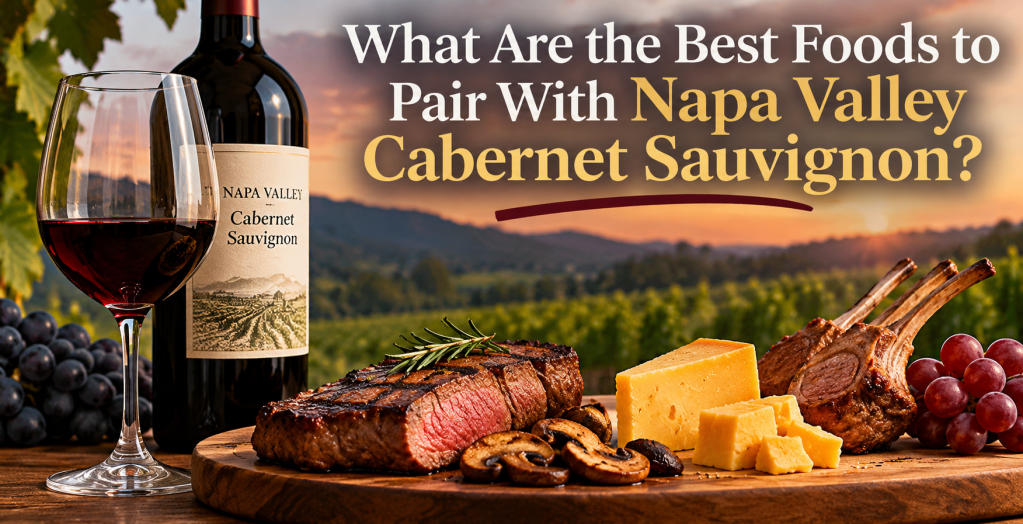
Napa Valley Cabernet Sauvignon is one of California’s most celebrated red wines, known for its bold flavors, rich texture, and ability to complement a wide variety of foods. Whether you are planning a special dinner, hosting a wine-tasting party, or simply enjoying a glass with your favorite meal, choosing the right food can make the experience even better.
The best foods to pair with Napa Valley Cabernet Sauvignon include grilled ribeye steak, prime rib, braised short ribs, roasted lamb, aged cheddar cheese, mushrooms, and hearty Italian dishes. These foods complement the wine’s full body, structured tannins, and dark fruit flavors.
Understanding why certain foods work so well with Cabernet Sauvignon can help you create delicious combinations at home without needing to be a wine expert.
What Makes Napa Valley Cabernet Sauvignon Special?
Napa Valley, located in Northern California, is internationally recognized for producing exceptional Cabernet Sauvignon wines. The region’s Mediterranean climate, varied soils, and diverse growing conditions help produce grapes with concentrated flavors and complex characteristics.
Cabernet Sauvignon from Napa Valley commonly features flavors and aromas such as:
-
Blackberry and black cherry
-
Blackcurrant
-
Plum
-
Vanilla
-
Dark chocolate
-
Cedar
-
Tobacco
-
Baking spices
-
Toasted oak
Some wines also develop earthy, herbal, and savory characteristics as they age.
One of the most important features of Cabernet Sauvignon is its tannin structure. Tannins create a drying sensation in the mouth and help give the wine its firm texture.
Foods containing fat and protein can soften the perception of these tannins, creating a smoother and more balanced tasting experience.
This is why Napa Valley Cabernet Sauvignon is especially popular with steak, roasted meats, and rich savory dishes.
1. Grilled Ribeye Steak
Grilled ribeye steak is one of the best food pairings for Napa Valley Cabernet Sauvignon.
Ribeye contains generous marbling, which gives the steak its rich flavor and tender texture. The fat helps balance the wine’s tannins, while the grilled exterior complements its smoky and toasted oak characteristics.
A Cabernet Sauvignon with blackberry, black cherry, and spice notes can taste particularly delicious alongside a properly grilled ribeye.
Best preparation:
Season the steak with kosher salt, freshly ground black pepper, and a little garlic powder. Grill over high heat until the outside develops a flavorful crust.
Allow the steak to rest before slicing.
For an even better pairing, serve it with roasted garlic potatoes or sautéed mushrooms.
2. Prime Rib With Garlic and Herbs
Prime rib is another outstanding match for Napa Valley Cabernet Sauvignon.
This classic beef roast offers rich flavor, tender texture, and enough fat to complement a bold red wine.
The wine’s dark fruit flavors contrast beautifully with the savory beef, while its acidity helps refresh the palate between bites.
Garlic, rosemary, and thyme can add additional layers of flavor that work well with Cabernet Sauvignon’s herbal and oak-influenced characteristics.
Best side dishes:
-
Garlic mashed potatoes
-
Roasted asparagus
-
Creamed spinach
-
Yorkshire pudding
-
Sautéed mushrooms
Prime rib and Cabernet Sauvignon make an especially good combination for holiday dinners, anniversaries, and special celebrations.
3. Braised Beef Short Ribs
Slow-braised beef short ribs are among the most satisfying foods to serve with Napa Valley Cabernet Sauvignon.
Short ribs become incredibly tender when cooked slowly in broth, aromatics, and wine.
Their rich texture and deep savory flavors complement the wine’s body and structure.
A Cabernet Sauvignon with blackcurrant, plum, cedar, and spice notes works especially well with this dish.
For the best results, braise the short ribs with onions, garlic, carrots, thyme, and beef stock.
Serve over creamy mashed potatoes, polenta, or buttered noodles.
The combination of tender beef, rich sauce, and full-bodied red wine creates a restaurant-quality meal.
4. Roasted Rack of Lamb
Lamb is an excellent alternative to beef when pairing food with Napa Valley Cabernet Sauvignon.
Roasted rack of lamb has a distinctive savory flavor that complements the wine’s dark fruit and herbal characteristics.
Rosemary, garlic, thyme, and black pepper are especially good seasonings for this combination.
The wine’s tannins help balance the richness of the lamb, while its acidity keeps the pairing from feeling overly heavy.
A particularly enjoyable dinner includes herb-crusted rack of lamb, roasted fingerling potatoes, and grilled vegetables.
Cabernet Sauvignon with slightly softer tannins or some bottle age can be especially enjoyable with lamb.
5. Grilled New York Strip Steak
New York strip steak offers a slightly leaner alternative to ribeye while still providing enough richness to pair beautifully with Cabernet Sauvignon.
Its firm texture and pronounced beef flavor stand up well to the wine’s intensity.
A simple preparation is often best.
Season the steak with salt and pepper, grill until it develops a flavorful crust, and finish with a small amount of garlic herb butter.
The butter adds richness, helping soften the wine’s tannic impression.
For a classic Napa Valley-inspired steakhouse dinner, serve New York strip with roasted potatoes and grilled broccolini.
6. Aged Cheddar Cheese
You do not need to prepare an elaborate dinner to enjoy Napa Valley Cabernet Sauvignon.
Aged cheddar cheese is one of the easiest and most satisfying pairings.
As cheddar ages, it develops a firmer texture and more concentrated savory flavors.
These characteristics work well with the bold fruit and structured tannins of Cabernet Sauvignon.
Sharp aged cheddar also provides a pleasant contrast to the wine’s blackberry and blackcurrant notes.
For a simple wine-tasting appetizer, arrange aged cheddar with toasted walnuts, crackers, and sliced pears.
Choose a cheddar with enough maturity and intensity to complement the wine without being overwhelmed.
7. Aged Gouda Cheese
Aged Gouda is another excellent cheese pairing.
Unlike young Gouda, which is mild and creamy, aged Gouda develops deeper caramel, nutty, and savory flavors.
These flavors complement Cabernet Sauvignon’s oak-influenced notes of vanilla, cedar, and baking spice.
The cheese’s concentrated flavor also stands up well to the wine’s richness.
Serve aged Gouda in small cubes with roasted almonds or crusty bread.
This combination works particularly well when entertaining guests or preparing a wine-and-cheese board.
8. Sautéed Wild Mushrooms
Mushrooms are one of the best vegetarian-friendly foods to pair with Napa Valley Cabernet Sauvignon.
Their earthy, savory flavor complements the wine’s deeper characteristics.
Wild mushrooms such as cremini, shiitake, oyster, and porcini can be especially delicious.
Sautéing mushrooms in olive oil or butter with garlic and thyme enhances their natural richness.
For a more substantial meal, serve the mushrooms over creamy polenta or alongside roasted potatoes.
A mushroom risotto made with Parmesan cheese is another excellent option, particularly with a Cabernet Sauvignon that has moderate tannins or some age.
9. Beef Tenderloin With Red Wine Sauce
Beef tenderloin is a classic choice for an elegant Cabernet Sauvignon dinner.
Although tenderloin is leaner than ribeye, its delicate texture and savory flavor work well with a balanced Napa Valley Cabernet.
A rich red wine reduction can help bridge the flavors between the meat and the wine.
Prepare the tenderloin with salt, pepper, and fresh herbs.
Serve with a sauce made from reduced red wine, beef stock, shallots, and a little butter.
For the best pairing, choose a Cabernet Sauvignon with polished tannins rather than an especially young, aggressively tannic bottle.
10. Grilled Burgers With Aged Cheddar
Cabernet Sauvignon is not limited to expensive steakhouse meals.
A juicy grilled cheeseburger can be an excellent pairing.
Ground beef provides savory richness, while melted aged cheddar adds fat and concentrated flavor.
The grilled exterior of the burger complements the wine’s toasted and smoky characteristics.
For a Cabernet-friendly burger, consider toppings such as caramelized onions, sautéed mushrooms, and sharp cheddar.
Avoid loading the burger with overly sweet sauces, which can make a dry Cabernet Sauvignon taste more bitter or astringent.
A well-seasoned burger with simple toppings can be just as satisfying as a more elaborate dinner.
11. Slow-Cooked Beef Pot Roast
Traditional beef pot roast is another comforting food that pairs beautifully with Napa Valley Cabernet Sauvignon.
Slow cooking creates tender beef and a deeply flavorful broth.
Carrots, onions, garlic, and herbs contribute sweetness and savory complexity.
The wine’s structure complements the richness of the meat, while its fruit flavors provide contrast.
Chuck roast is particularly well suited to this preparation because its connective tissue breaks down during slow cooking.
Serve with mashed potatoes or roasted root vegetables for a hearty family dinner.
12. Grilled Portobello Mushrooms
Grilled portobello mushrooms offer a satisfying meat-free alternative to steak.
Their dense texture and savory flavor make them an excellent match for many Cabernet Sauvignon wines.
Brush the mushrooms with olive oil and season with garlic, black pepper, and thyme.
Grill until tender and lightly charred.
For additional richness, finish with a little Parmesan cheese or serve with a creamy mushroom sauce.
Because Cabernet Sauvignon can have powerful tannins, adding fat or protein through cheese, beans, or a creamy side dish can improve the balance of a vegetarian pairing.
13. Rosemary Roasted Lamb Chops
Lamb chops are a wonderful choice when you want a meal that feels special but does not require hours of preparation.
Their savory richness pairs naturally with Cabernet Sauvignon’s dark fruit and herbal notes.
Rosemary is particularly effective because its aromatic character can complement the wine’s subtle herbal qualities.
Season the lamb chops with garlic, rosemary, olive oil, salt, and black pepper.
Sear or grill until cooked to your preferred doneness.
Serve with roasted potatoes, green beans, or a simple mushroom side dish.
14. Mushroom and Beef Ragù With Pasta
Rich pasta dishes can pair exceptionally well with Napa Valley Cabernet Sauvignon.
A slow-cooked beef ragù combines tender meat, tomatoes, herbs, and savory depth.
The beef provides richness, while the sauce adds complexity.
Pappardelle, rigatoni, and tagliatelle are all excellent pasta choices because they hold hearty sauces well.
For the most balanced pairing, avoid making the tomato sauce excessively acidic.
A long-simmered ragù with beef, mushrooms, and Parmesan cheese is particularly well suited to a fruit-forward Cabernet Sauvignon.
15. Dark Chocolate
Dark chocolate can sometimes pair with Napa Valley Cabernet Sauvignon, although it is more challenging than many people expect.
Both dark chocolate and Cabernet Sauvignon contain compounds that create bitterness and astringency.
When combined, these characteristics can become more noticeable.
If you want to try this pairing, choose a dark chocolate with moderate bitterness and relatively restrained sweetness.
A smoother, fruit-forward Cabernet Sauvignon with softer tannins is generally a better choice than a very young, highly tannic wine.
Dark chocolate desserts containing nuts or cream may also create a more balanced experience.
For many traditional dry Cabernets, however, savory foods remain the more reliable pairing.
What Vegetables Pair Best With Napa Valley Cabernet Sauvignon?
Vegetables can complement Cabernet Sauvignon when prepared with enough savory flavor and richness.
Some of the best options include:
-
Roasted mushrooms with garlic
-
Grilled eggplant with olive oil
-
Roasted Brussels sprouts with Parmesan
-
Caramelized onions
-
Roasted potatoes with rosemary
-
Grilled portobello mushrooms
-
Creamed spinach
-
Roasted cauliflower with herbs
Roasting and grilling create deeper flavors through browning, helping vegetables stand up to the intensity of the wine.
Adding olive oil, butter, cheese, or a savory sauce can also improve the pairing.
What Foods Should You Avoid Pairing With Cabernet Sauvignon?
Although Napa Valley Cabernet Sauvignon is versatile, certain foods can clash with its tannins and bold flavors.
Extremely spicy foods
Very spicy dishes can make the alcohol and tannins in Cabernet Sauvignon seem more intense.
A highly spicy curry or hot-pepper-heavy dish may overpower the wine’s fruit flavors.
Delicate white fish
Mild fish such as sole or cod generally lacks the richness needed to balance a powerful Cabernet Sauvignon.
The wine can overwhelm the delicate flavors, and some red wine and fish combinations may produce an unpleasant metallic impression.
Very sweet desserts
Sweet desserts can make dry Cabernet Sauvignon taste more acidic, bitter, or astringent.
Desserts that are noticeably sweeter than the wine are usually better served with dessert wines.
Strongly acidic dishes
Foods dominated by vinegar, lemon juice, or sharp acidic sauces can make some Cabernet Sauvignon wines seem less balanced.
This does not mean all tomato-based dishes are unsuitable. Rich meat sauces with moderate acidity can work very well.
How Does the Age of Napa Valley Cabernet Sauvignon Affect Food Pairing?
The age and style of the wine can influence which foods pair best.
Young Cabernet Sauvignon often has powerful fruit flavors and firm tannins.
These wines generally work best with rich foods such as grilled steak, burgers, and braised beef.
As Cabernet Sauvignon ages, its tannins may become more integrated, and its flavors can develop additional earthy, savory, and aromatic complexity.
Older bottles may pair particularly well with roasted lamb, mushrooms, herb-roasted meats, and more delicately prepared beef dishes.
However, aging does not automatically improve every bottle. The wine’s quality, storage conditions, and intended drinking window all matter.
How Do You Build a Napa Valley Cabernet Sauvignon Cheese Board?
A well-designed cheese board is one of the easiest ways to enjoy Cabernet Sauvignon with friends.
Start with two or three flavorful cheeses.
Aged cheddar, aged Gouda, and firm Parmesan are excellent options.
Add savory accompaniments such as roasted almonds, walnuts, and sliced cured meats.
Include crackers or rustic bread to provide a neutral contrast between bites.
Fresh pears or blackberries can add variety, although very sweet fruit preserves may be less compatible with a dry Cabernet.
For a more substantial appetizer board, add grilled mushrooms, roast beef slices, or small steak crostini.
The goal is to create a balance of richness, saltiness, and savory flavor.
What Is the Best Napa Valley Cabernet Sauvignon Dinner Menu?
If you want to plan an entire meal around a bottle of Napa Valley Cabernet Sauvignon, a classic steakhouse-inspired menu is an excellent choice.
Appetizer
Sautéed wild mushrooms with garlic, thyme, and toasted bread.
Main course
Grilled ribeye steak finished with garlic herb butter.
Side dishes
Rosemary roasted potatoes and creamed spinach.
Cheese course
Aged cheddar and aged Gouda with toasted walnuts.
Dessert
A lightly sweetened berry dessert or a small portion of dark chocolate mousse, preferably enjoyed after the Cabernet rather than as a direct wine pairing.
This menu combines several flavors that naturally complement the wine without becoming overly complicated.
What Temperature Should Napa Valley Cabernet Sauvignon Be Served At?
Serving temperature can make a noticeable difference in how Cabernet Sauvignon tastes with food.
A useful serving range for many full-bodied Napa Valley Cabernet Sauvignon wines is approximately 60–65°F.
When served too warm, the alcohol may become more noticeable.
When served too cold, the tannins can feel firmer, and the wine’s aromas may seem muted.
If the bottle has been sitting in a warm room, placing it in the refrigerator for approximately 15–25 minutes before serving may help bring it closer to the desired temperature.
Young, structured Cabernet Sauvignon may also benefit from some time in a decanter, although the ideal amount depends on the wine.
Frequently Asked Questions About Napa Valley Cabernet Sauvignon Food Pairings
What meat goes best with Napa Valley Cabernet Sauvignon?
Ribeye steak, prime rib, beef short ribs, and roasted lamb are among the best choices. Their richness and savory flavors balance the wine’s tannins and complement its dark fruit characteristics.
Does Cabernet Sauvignon pair well with chicken?
Yes, particularly with richly prepared chicken dishes. Roasted chicken with mushrooms, herbs, and a savory pan sauce can work with a softer Cabernet Sauvignon. Delicate chicken dishes with lemon-heavy sauces are generally less suitable.
What cheese is best with Napa Valley Cabernet Sauvignon?
Aged cheddar and aged Gouda are two excellent choices. Their concentrated savory flavors and rich textures complement the wine’s bold character.
Can you drink Cabernet Sauvignon with pizza?
Yes. Cabernet Sauvignon can pair well with meat-heavy pizzas featuring sausage, beef, mushrooms, and aged cheeses. A rich, savory pizza generally works better than one dominated by highly acidic tomato sauce.
Does Napa Valley Cabernet Sauvignon pair with barbecue?
Yes. Smoked brisket, grilled beef ribs, and savory barbecue dishes can be excellent matches. Barbecue sauces that are extremely sweet or spicy may create less balanced pairings.
What vegetarian foods pair with Cabernet Sauvignon?
Mushroom risotto, grilled portobello mushrooms, eggplant Parmesan, roasted vegetables with aged cheese, and hearty lentil dishes can work well. Richness and savory depth are especially helpful.
Is Cabernet Sauvignon better with steak or seafood?
Steak is generally the more reliable pairing because its fat and protein help balance the wine’s tannins. Some rich seafood preparations may work with lighter red wines, but bold Cabernet Sauvignon is usually better suited to beef and lamb.
Final Thoughts: What Are the Best Foods to Pair With Napa Valley Cabernet Sauvignon?
Napa Valley Cabernet Sauvignon is a bold, flavorful wine that shines when served with foods offering richness, savory depth, and satisfying texture.
Grilled ribeye steak, prime rib, braised short ribs, roasted lamb, aged cheeses, and mushrooms are among the most dependable pairings.
The secret is understanding how the wine’s tannins, acidity, fruit flavors, and oak characteristics interact with food.
Rich meats can soften the impression of tannins, while earthy vegetables and aged cheeses complement the wine’s deeper flavors.
You do not need an expensive restaurant meal to enjoy a great pairing. A homemade cheeseburger, slow-cooked pot roast, or plate of garlic mushrooms can be just as enjoyable when prepared thoughtfully.
Whether you are exploring Napa Valley wines for the first time or planning a special Northern California-inspired dinner, choosing the right food can transform a simple glass of Cabernet Sauvignon into a memorable dining experience.
Leave a Reply