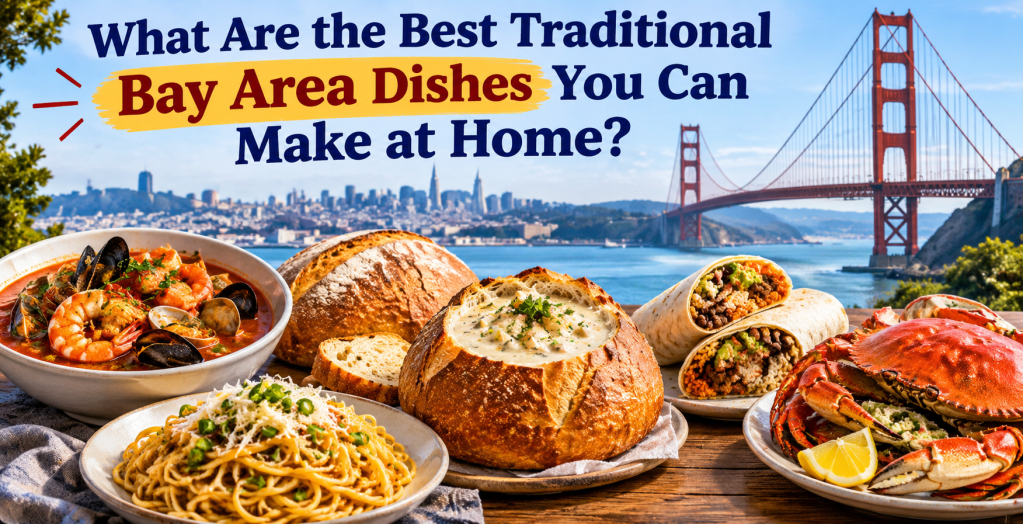
The San Francisco Bay Area is known for its incredible food culture, rich culinary history, and unique combination of flavors influenced by generations of immigrants, fishermen, farmers, and local communities. From San Francisco’s famous sourdough bread to seafood dishes developed along the waterfront, traditional Bay Area cooking represents some of California’s most recognizable comfort foods.
One of the best things about Bay Area cuisine is that you do not have to visit an expensive restaurant to enjoy it. Many of the region’s most beloved dishes can be recreated in your own kitchen using fresh ingredients, simple cooking techniques, and recipes that have been enjoyed for generations.
Whether you grew up in San Francisco, Oakland, Berkeley, Richmond, or another Bay Area community, these traditional dishes offer a delicious connection to Northern California’s culinary heritage.
Here are some of the best traditional Bay Area dishes you can make at home, along with the ingredients and techniques that make each one special.
1. San Francisco Cioppino
Cioppino is one of the most famous traditional dishes associated with San Francisco.
This hearty seafood stew developed within San Francisco’s Italian immigrant fishing community during the late 1800s. It became especially associated with the fishermen working along the city’s waterfront.
Cioppino combines fresh seafood with a flavorful tomato-based broth seasoned with garlic, onions, herbs, and wine.
Ingredients
-
1 pound firm white fish, cut into chunks
-
1 pound shrimp, peeled and deveined
-
1 pound mussels, cleaned
-
1 pound clams, cleaned
-
1 can (28 ounces) crushed tomatoes
-
1 cup dry white wine
-
2 cups seafood stock
-
1 onion, chopped
-
4 garlic cloves, minced
-
2 tablespoons olive oil
-
1 teaspoon dried oregano
-
½ teaspoon red pepper flakes
-
Salt and black pepper to taste
-
Fresh parsley for garnish
How to Make It
-
Heat olive oil in a large pot over medium heat.
-
Add onions and cook until softened.
-
Stir in garlic, oregano, and red pepper flakes.
-
Add crushed tomatoes, white wine, and seafood stock.
-
Simmer for approximately 20 minutes.
-
Add clams and mussels, cover, and cook until they begin opening.
-
Add fish and shrimp and simmer until fully cooked.
-
Discard any shellfish that remain closed after cooking.
-
Garnish with fresh parsley and serve immediately.
Why It’s a Bay Area Classic: Cioppino reflects San Francisco’s fishing heritage and Italian-American culinary traditions.
Serve it with crusty sourdough bread to soak up the rich tomato broth.
2. San Francisco Sourdough Bread
Few foods are more closely associated with San Francisco than sourdough bread.
The city’s sourdough tradition dates back to the California Gold Rush era, when naturally fermented bread became a staple among miners and residents.
San Francisco sourdough is especially famous for its tangy flavor, chewy interior, and crisp crust.
Ingredients
-
500 grams bread flour
-
350 grams water
-
100 grams active sourdough starter
-
10 grams salt
How to Make It
-
Combine flour, water, and sourdough starter in a large bowl.
-
Allow the mixture to rest for 30 minutes.
-
Add salt and mix thoroughly.
-
Let the dough ferment for approximately 4–6 hours, performing several sets of stretches and folds.
-
Shape the dough into a round loaf.
-
Refrigerate overnight for additional fermentation.
-
Preheat a Dutch oven to 450°F.
-
Place the dough inside and bake covered for 20 minutes.
-
Remove the lid and bake another 20–25 minutes until golden brown.
Why It’s a Bay Area Classic: San Francisco’s longstanding sourdough baking tradition helped make naturally fermented bread one of the city’s signature foods.
Homemade sourdough works especially well with seafood stews, sandwiches, and clam chowder.
3. Clam Chowder in a Sourdough Bread Bowl
Clam chowder served inside a sourdough bread bowl is one of San Francisco’s most recognizable food experiences.
Although New England-style clam chowder originated on the East Coast, serving the creamy soup inside San Francisco sourdough became a popular local tradition.
The combination of warm chowder and tangy bread makes this dish especially comforting during cool Bay Area evenings.
Ingredients
-
2 cups chopped clams
-
2 cups diced potatoes
-
1 onion, diced
-
2 celery stalks, chopped
-
3 tablespoons butter
-
3 tablespoons flour
-
2 cups clam juice
-
2 cups half-and-half
-
Salt and black pepper
-
4 small sourdough bread bowls
How to Make It
-
Melt butter in a large saucepan.
-
Add onions and celery and cook until tender.
-
Stir in flour to create a thickening base.
-
Gradually add clam juice while stirring.
-
Add potatoes and simmer until tender.
-
Stir in half-and-half and chopped clams.
-
Heat gently until the clams are cooked and the chowder is creamy.
-
Cut the tops off the sourdough loaves and hollow out their centers.
-
Ladle the chowder into the bread bowls.
Why It’s a Bay Area Classic: The sourdough bread bowl combines two well-known San Francisco food traditions into one memorable meal.
4. Mission-Style Burritos
The Mission-style burrito is one of San Francisco’s most influential contributions to American Mexican food culture.
Developed and popularized in San Francisco’s Mission District during the 1960s, this oversized burrito became famous for its generous portions and tightly wrapped construction.
Unlike smaller traditional burritos, Mission-style burritos often contain rice, beans, meat, salsa, and additional toppings.
Ingredients
-
4 large flour tortillas
-
1 pound grilled steak or chicken
-
2 cups cooked Mexican rice
-
2 cups cooked pinto beans
-
1 cup shredded cheese
-
1 cup salsa
-
½ cup sour cream
-
1 avocado, sliced
-
Fresh cilantro
How to Make It
-
Season and grill the meat until fully cooked.
-
Prepare Mexican rice and warm the beans.
-
Heat tortillas until soft and flexible.
-
Place rice and beans in the center of each tortilla.
-
Add grilled meat, cheese, salsa, sour cream, and avocado.
-
Fold the sides inward and roll tightly.
-
Wrap in aluminum foil to help maintain the burrito’s shape.
Why It’s a Bay Area Classic: The Mission burrito became an important part of San Francisco’s Latino food culture and helped popularize the large, fully loaded burrito throughout the country.
5. Hangtown Fry
Hangtown Fry is a historic Northern California dish that became associated with the Gold Rush.
The dish originated in Placerville, formerly known as Hangtown, rather than San Francisco itself. However, it became part of the wider Northern California culinary tradition and was later served in San Francisco restaurants.
Hangtown Fry combines eggs, oysters, and bacon into a rich, savory breakfast.
Ingredients
-
6 eggs
-
8 shucked oysters
-
4 slices bacon
-
½ cup flour
-
½ cup breadcrumbs
-
2 tablespoons milk
-
Salt and black pepper
-
Butter for cooking
How to Make It
-
Cook bacon until crispy and set aside.
-
Pat the oysters dry.
-
Coat oysters lightly in flour, dip in a little beaten egg, and cover with breadcrumbs.
-
Fry oysters in butter until golden and cooked through.
-
Beat the remaining eggs with milk, salt, and pepper.
-
Pour the eggs into a skillet.
-
Add oysters and crumbled bacon.
-
Cook gently, folding the eggs into an omelet or scramble.
Why It’s a Northern California Classic: Hangtown Fry reflects the extravagant meals associated with Gold Rush prosperity, when ingredients such as oysters and eggs could be expensive.
6. Oakland-Style BBQ Ribs
Oakland has a longstanding barbecue culture shaped by Black Southern food traditions, neighborhood restaurants, and family cooking.
While there is no single standardized Oakland barbecue recipe, slow-cooked ribs with smoky seasoning and a flavorful sauce reflect the city’s barbecue heritage.
Ingredients
-
2 racks pork ribs
-
2 tablespoons brown sugar
-
1 tablespoon smoked paprika
-
1 tablespoon garlic powder
-
1 teaspoon onion powder
-
1 teaspoon black pepper
-
1 teaspoon salt
-
1 cup barbecue sauce
How to Make It
-
Remove the membrane from the back of the ribs.
-
Combine the dry seasonings.
-
Rub the seasoning mixture over the ribs.
-
Wrap in foil and bake at 275°F for approximately 2½–3½ hours, until tender.
-
Unwrap and brush with barbecue sauce.
-
Finish on a grill or under the broiler to caramelize the sauce.
Why It’s a Bay Area Favorite: Oakland’s barbecue restaurants and family traditions have long contributed to the East Bay’s distinctive food culture.
For a more traditional smoky flavor, cook the ribs slowly over charcoal or wood rather than relying entirely on the oven.
7. Dungeness Crab With Garlic Butter
Dungeness crab is one of the most iconic seafood ingredients associated with the San Francisco Bay Area.
For generations, crab fishing has been part of the region’s coastal economy and culinary traditions.
Fresh Dungeness crab is naturally sweet, tender, and flavorful, making it ideal for simple preparations.
Ingredients
-
2 cooked Dungeness crabs, cleaned and cracked
-
½ cup butter
-
5 garlic cloves, minced
-
2 tablespoons lemon juice
-
2 tablespoons chopped parsley
-
Black pepper to taste
How to Make It
-
Melt butter in a large skillet over medium-low heat.
-
Add garlic and cook until fragrant.
-
Stir in lemon juice and black pepper.
-
Add the cooked crab pieces.
-
Cover and warm gently until heated through.
-
Sprinkle with fresh parsley.
-
Serve with sourdough bread and lemon wedges.
Why It’s a Bay Area Classic: Dungeness crab has long been a centerpiece of San Francisco seafood markets, restaurants, and seasonal family meals.
8. San Francisco Joe’s Special
Joe’s Special is a traditional San Francisco dish commonly associated with the city’s Italian-American restaurant culture.
The dish combines ground beef, spinach, onions, and eggs into a satisfying skillet meal.
It became especially popular as a hearty breakfast or late-night meal.
Ingredients
-
1 pound ground beef
-
4 eggs
-
2 cups fresh spinach
-
1 onion, diced
-
2 garlic cloves, minced
-
2 tablespoons olive oil
-
Salt and black pepper
-
Grated Parmesan cheese
How to Make It
-
Heat olive oil in a large skillet.
-
Add onions and garlic and cook until softened.
-
Add ground beef and cook until browned.
-
Drain excess grease if necessary.
-
Stir in spinach until wilted.
-
Beat the eggs in a separate bowl.
-
Pour the eggs into the skillet.
-
Stir gently until the eggs are cooked.
-
Sprinkle with Parmesan cheese before serving.
Why It’s a Bay Area Classic: Joe’s Special represents the simple, hearty cooking that became popular in San Francisco’s old-school neighborhood restaurants.
9. Berkeley-Style Vegetarian Pizza
Berkeley has played an important role in the development of California’s vegetarian and farm-to-table food culture.
Restaurants and food cooperatives helped popularize fresh vegetables, seasonal ingredients, and creative meatless meals.
Vegetarian pizza topped with seasonal produce is a natural reflection of this tradition.
Ingredients
-
1 prepared pizza dough
-
1 cup shredded mozzarella
-
½ cup crumbled feta cheese
-
1 zucchini, thinly sliced
-
1 bell pepper, sliced
-
½ red onion, sliced
-
1 cup mushrooms
-
2 tablespoons olive oil
-
Fresh basil
-
Salt and pepper
How to Make It
-
Preheat the oven to 475°F.
-
Roll the pizza dough onto a baking sheet or pizza stone.
-
Brush lightly with olive oil.
-
Sprinkle mozzarella evenly over the dough.
-
Arrange the vegetables on top.
-
Add feta cheese and seasonings.
-
Bake for approximately 12–15 minutes until the crust is golden.
-
Finish with fresh basil.
Why It’s a Bay Area Favorite: Berkeley’s emphasis on seasonal produce and vegetarian cooking helped shape the wider Bay Area’s approach to fresh, vegetable-focused meals.
10. San Francisco Garlic Noodles
Garlic noodles are a modern San Francisco favorite strongly associated with the city’s Vietnamese-American culinary scene.
The dish is especially connected to the garlic noodles popularized by the An family and Thanh Long restaurant.
Rich butter, garlic, savory sauces, and Parmesan cheese create an unmistakable combination of flavors.
Ingredients
-
12 ounces spaghetti or egg noodles
-
4 tablespoons butter
-
6 garlic cloves, minced
-
1 tablespoon oyster sauce
-
1 tablespoon soy sauce
-
1 teaspoon fish sauce
-
¼ cup grated Parmesan cheese
-
Chopped green onions
How to Make It
-
Cook noodles according to package instructions.
-
Reserve a small amount of pasta water.
-
Melt butter in a large skillet.
-
Add minced garlic and cook gently until fragrant.
-
Stir in oyster sauce, soy sauce, and fish sauce.
-
Add cooked noodles and toss thoroughly.
-
Add a splash of pasta water if needed.
-
Sprinkle with Parmesan cheese.
-
Garnish with green onions.
Why It’s a Bay Area Classic: San Francisco garlic noodles represent the region’s ability to combine different culinary influences into dishes that become local favorites.
This homemade version is inspired by the restaurant tradition rather than being an official restaurant recipe.
11. Italian-American Crab Pasta
San Francisco’s Italian fishing heritage helped establish seafood pasta as a familiar part of the city’s restaurant culture.
Dungeness crab pasta combines local seafood with the simplicity of Italian cooking.
Ingredients
-
12 ounces linguine
-
1 pound cooked Dungeness crab meat
-
4 garlic cloves, minced
-
3 tablespoons olive oil
-
½ cup dry white wine
-
2 tablespoons butter
-
1 tablespoon lemon juice
-
Fresh parsley
-
Red pepper flakes
How to Make It
-
Cook linguine until al dente.
-
Heat olive oil in a large skillet.
-
Add garlic and red pepper flakes.
-
Pour in white wine and simmer briefly.
-
Stir in butter and lemon juice.
-
Add cooked crab meat and warm gently.
-
Toss with linguine and a little reserved pasta water.
-
Garnish with parsley.
Why It’s a Bay Area Favorite: This dish brings together two important influences on San Francisco cuisine: Italian-American cooking and locally harvested Dungeness crab.
12. Dutch Crunch Sandwiches
Dutch crunch bread is especially popular throughout the Bay Area.
Known for its crackly, slightly sweet crust, this bread is commonly used for deli sandwiches in San Francisco and surrounding communities.
The bread style has Dutch origins, but its widespread popularity in Bay Area sandwich shops has made it a regional favorite.
Ingredients
-
1 Dutch crunch sandwich roll
-
4 ounces sliced turkey
-
2 slices provolone cheese
-
Lettuce
-
Tomato slices
-
Red onion
-
Mayonnaise
-
Mustard
-
Sliced avocado
How to Make It
-
Slice the Dutch crunch roll horizontally.
-
Spread mayonnaise and mustard inside.
-
Layer turkey and provolone cheese.
-
Add lettuce, tomato, onion, and avocado.
-
Close the sandwich and press lightly.
-
Slice in half and serve.
Why It’s a Bay Area Classic: Dutch crunch sandwiches have become a familiar part of the region’s deli and sandwich-shop culture.
The distinctive crunchy bread is what makes this sandwich special.
13. San Francisco-Style Crab Louie Salad
Crab Louie is a classic West Coast seafood salad with longstanding connections to San Francisco restaurant menus.
Its exact origins remain debated, with several Pacific Coast cities claiming a role in its development.
The salad typically features crab, crisp lettuce, hard-boiled eggs, vegetables, and a creamy dressing.
Ingredients
-
1 pound cooked crab meat
-
1 head romaine lettuce
-
2 hard-boiled eggs
-
1 tomato, sliced
-
1 cucumber, sliced
-
½ cup mayonnaise
-
2 tablespoons chili sauce
-
1 tablespoon lemon juice
-
1 teaspoon Worcestershire sauce
How to Make It
-
Wash and chop the romaine lettuce.
-
Arrange lettuce on serving plates.
-
Add crab meat, sliced eggs, tomatoes, and cucumbers.
-
Combine mayonnaise, chili sauce, lemon juice, and Worcestershire sauce.
-
Drizzle the dressing over the salad or serve on the side.
Why It’s a Bay Area Classic: Crab Louie represents the elegant seafood salads that became popular in San Francisco’s historic dining establishments.
14. Bay Area-Style Artichokes With Garlic Aioli
Artichokes are closely associated with California agriculture, particularly the coastal growing regions around Castroville.
Although Castroville is outside the nine-county Bay Area, artichokes have long been popular throughout Northern California restaurants and home kitchens.
Steamed artichokes served with garlic aioli are a simple way to enjoy this regional ingredient.
Ingredients
-
2 large artichokes
-
½ cup mayonnaise
-
2 garlic cloves, minced
-
1 tablespoon lemon juice
-
1 teaspoon Dijon mustard
-
Salt and pepper
How to Make It
-
Trim the artichoke stems and remove the tough outer leaves near the base.
-
Cut off the top portion and trim sharp leaf tips.
-
Steam the artichokes for approximately 30–45 minutes until tender.
-
Combine mayonnaise, garlic, lemon juice, and mustard.
-
Season the aioli with salt and pepper.
-
Serve warm artichokes with the dipping sauce.
Why It’s a Northern California Favorite: Artichokes reflect the importance of coastal agriculture and fresh seasonal produce in regional cooking.
15. San Francisco-Style Irish Coffee
Irish coffee was created in Ireland, but San Francisco helped make the drink famous in the United States.
The Buena Vista Cafe began serving its celebrated version in 1952, and the drink became one of the city’s most recognizable specialties.
Ingredients
-
4 ounces hot brewed coffee
-
1½ ounces Irish whiskey
-
2 teaspoons sugar
-
Lightly whipped heavy cream
How to Make It
-
Warm a heatproof glass with hot water, then empty it.
-
Add sugar and hot coffee.
-
Stir until the sugar dissolves.
-
Add Irish whiskey.
-
Carefully float lightly whipped cream over the coffee.
-
Serve immediately.
Why It’s a San Francisco Classic: The Buena Vista Cafe helped establish Irish coffee as a lasting part of the city’s dining culture.
For a nonalcoholic variation, omit the whiskey and enjoy sweetened coffee topped with lightly whipped cream.
What Makes Traditional Bay Area Cooking Different?
Bay Area cuisine is distinctive because it combines several important culinary influences.
Fresh seafood: Dungeness crab, clams, oysters, and locally available fish have shaped waterfront cooking for generations.
Immigrant food traditions: Italian, Chinese, Mexican, Vietnamese, and many other communities have contributed to the region’s food identity.
Agricultural connections: Northern California’s produce-growing regions provide seasonal vegetables, fruit, herbs, and other ingredients.
Creative cooking: Bay Area chefs and home cooks frequently adapt traditional recipes by combining ingredients and techniques from different cultures.
Neighborhood food cultures: San Francisco’s Mission District, Oakland’s barbecue traditions, Berkeley’s vegetarian restaurants, and local delis throughout the region each contribute something different.
These influences make Bay Area cuisine more than one particular cooking style.
It is a collection of food traditions shaped by the people who live here.
What Are the Easiest Bay Area Dishes to Make at Home?
Some traditional Bay Area dishes require time, specialized ingredients, or advanced cooking techniques.
Others are surprisingly simple.
For beginners, Joe’s Special is one of the easiest recipes because it uses common ingredients and requires only one skillet.
Dutch crunch sandwiches are another excellent choice, particularly when using bread purchased from a local bakery.
Garlic noodles are quick to prepare and require relatively little cooking experience.
For seafood lovers, garlic butter Dungeness crab is simple when using already cooked crab.
Vegetarian pizza is also easy to customize with whatever seasonal vegetables are available.
More involved recipes, such as cioppino and homemade sourdough, are ideal for weekends when you have additional time to cook.
How Can You Make Bay Area Recipes Taste More Authentic?
Recreating traditional Bay Area food at home is not necessarily about using expensive ingredients.
Instead, focus on the cooking methods and flavors that define each dish.
For seafood recipes, choose fresh, properly handled fish and shellfish whenever possible.
When making cioppino, allow the tomato broth to develop flavor before adding delicate seafood.
For sourdough bread, give the dough enough fermentation time to develop its characteristic flavor and texture.
Mission-style burritos benefit from warm tortillas, well-seasoned fillings, and careful wrapping.
For garlic noodles, cook the garlic gently to prevent bitterness.
When preparing Dungeness crab, avoid overwhelming its natural sweetness with excessive seasoning.
Most importantly, respect the traditions behind each recipe while allowing room for personal preferences.
Frequently Asked Questions
What Is the Most Traditional Food From San Francisco?
Cioppino and sourdough bread are among San Francisco’s most recognizable traditional foods. Both have deep connections to the city’s history and culinary identity.
What Is the Most Famous Seafood Dish in the Bay Area?
Cioppino is one of the region’s most famous seafood dishes. Dungeness crab preparations are also strongly associated with San Francisco’s seafood traditions.
What Traditional Bay Area Food Is Best for Beginners?
Joe’s Special, garlic noodles, and Dutch crunch sandwiches are excellent beginner-friendly choices because they require relatively simple preparation.
Are Mission Burritos Originally From San Francisco?
Yes. The Mission-style burrito developed and became popular in San Francisco’s Mission District, building on Mexican and Mexican-American culinary traditions.
What Bay Area Foods Are Good for Family Dinners?
Cioppino, Mission-style burritos, vegetarian pizza, barbecue ribs, and garlic noodles are all excellent options for family meals.
Can You Make Traditional Bay Area Food on a Budget?
Absolutely. Dishes such as Joe’s Special, garlic noodles, homemade burritos, and vegetable pizza can be relatively affordable, especially when ingredients are purchased in bulk or are already available at home.
What Bay Area Dish Is Best for Special Occasions?
Cioppino, Dungeness crab, and crab linguine are excellent choices for celebrations, holiday dinners, and special family gatherings.
Final Thoughts
The San Francisco Bay Area has one of the most diverse and fascinating food cultures in the United States.
Its traditional dishes tell the stories of fishing communities, immigrant families, neighborhood restaurants, agricultural traditions, and generations of home cooks.
From a steaming bowl of San Francisco cioppino to a hearty Mission-style burrito, these foods represent the flavors that have helped define Northern California.
The best part is that many of these dishes can be made right in your own kitchen.
You do not need to live near Fisherman’s Wharf, visit a famous restaurant, or spend a fortune to experience the flavors of the Bay Area.
With fresh ingredients, a little patience, and an appreciation for local culinary history, you can bring some of the region’s most beloved food traditions to your own dinner table.
Whether you are recreating a childhood favorite, exploring Bay Area cuisine for the first time, or preparing a special meal for family and friends, these traditional dishes offer a delicious way to celebrate the food culture of the San Francisco Bay Area.
Leave a Reply