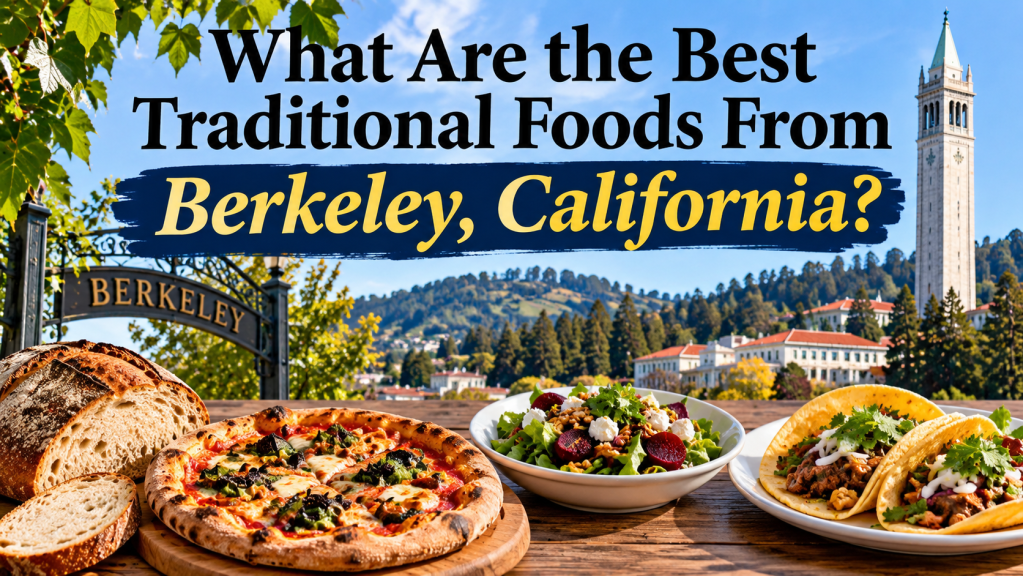
Berkeley, California, is known for its progressive culture, world-famous university, historic neighborhoods, and influential food scene. Located in the East Bay of the San Francisco Bay Area, Berkeley has developed a culinary identity that combines California’s agricultural abundance with international flavors, neighborhood traditions, and a strong commitment to fresh ingredients.
Unlike cities associated with one signature dish, Berkeley is famous for an entire approach to food. From artisan sourdough bread and wood-fired pizza to organic salads, gourmet sandwiches, Mexican specialties, and international street food, Berkeley has helped shape the way Americans think about eating.
The city’s food culture reflects generations of immigrants, students, farmers, chefs, and independent restaurant owners who have introduced new flavors while preserving traditional cooking methods.
Whether you are visiting Berkeley for the first time, exploring the East Bay’s culinary history, or looking for authentic Northern California dishes to prepare at home, understanding Berkeley’s traditional foods offers a delicious introduction to one of California’s most influential food communities.
What Makes Berkeley’s Food Culture Unique?
Berkeley’s culinary reputation grew significantly during the 1960s and 1970s, when interest in natural foods, vegetarian cooking, organic agriculture, and locally sourced ingredients began transforming American dining habits.
One of the most important developments was the emergence of California cuisine, a cooking philosophy emphasizing seasonal produce, straightforward preparation, and the natural flavors of high-quality ingredients.
Berkeley became an important center of this movement, particularly through the influence of Alice Waters and Chez Panisse, which opened in 1971.
Rather than relying exclusively on elaborate sauces or complicated preparations, this style of cooking focused on fresh vegetables, locally grown fruits, carefully raised meats, artisan breads, and simple techniques.
Berkeley’s food culture also reflects its diverse communities. Mexican, Japanese, Chinese, Indian, Mediterranean, Ethiopian, and other international cuisines have become essential parts of the city’s everyday dining experience.
The result is a distinctive combination of traditional California cooking, international influences, and modern culinary innovation.
1. Artisan Sourdough Bread
Sourdough bread is one of the most recognizable foods associated with Northern California, and Berkeley has played an important role in the region’s artisan bread movement.
Although sourdough is historically associated with San Francisco, Berkeley bakeries have developed their own reputation for naturally fermented loaves made with traditional techniques.
Authentic artisan sourdough typically features a crisp, deeply browned crust, a chewy interior, a slightly tangy flavor, and an irregular crumb structure.
The bread is produced using a naturally fermented starter rather than relying entirely on commercial yeast.
Traditional Berkeley-style artisan bread often emphasizes organic flour, long fermentation, minimal ingredients, and careful baking.
Popular ways to enjoy sourdough include toasted slices with butter, sandwiches filled with fresh vegetables, bread served alongside seasonal soups, and thick slices topped with avocado.
Acme Bread, founded in Berkeley in 1983, became one of the most influential bakeries associated with the Bay Area’s artisan bread movement.
Today, fresh sourdough remains an important part of Berkeley’s culinary identity.
2. California-Style Wood-Fired Pizza
Wood-fired pizza is another food closely connected with Berkeley’s restaurant history.
Berkeley helped popularize a California approach to pizza that combines traditional European baking techniques with fresh, seasonal ingredients.
Instead of focusing only on conventional toppings, California-style pizzas may feature locally grown vegetables, fresh herbs, specialty cheeses, and carefully selected meats.
Common ingredients include roasted mushrooms, caramelized onions, fresh tomatoes, arugula, goat cheese, mozzarella, and seasonal greens.
The pizzas are often baked at high temperatures, producing a thin crust with lightly charred edges and a tender center.
Chez Panisse Café helped establish this style as an important part of California cuisine.
Berkeley’s pizza tradition also includes the city’s famous vegetarian pizza culture, especially the creative combinations associated with the Cheese Board.
A traditional Berkeley pizza experience is less about heavy toppings and more about allowing a few excellent ingredients to create memorable flavor.
3. Fresh California Garden Salads
Few dishes represent Berkeley’s culinary philosophy better than a fresh garden salad made with seasonal California produce.
Berkeley helped popularize the idea that vegetables should be celebrated as the centerpiece of a meal rather than treated as an afterthought.
Traditional California-inspired salads often feature mixed greens, ripe tomatoes, cucumbers, fresh herbs, seasonal fruit, nuts, and simple homemade dressings.
Depending on the season, a salad might include spring asparagus, summer heirloom tomatoes, autumn persimmons, or winter citrus.
Olive oil, lemon juice, and vinegar are commonly used to enhance the natural flavors of the ingredients.
A Berkeley-style salad may also include toasted walnuts, goat cheese, roasted beets, or freshly baked croutons.
The emphasis is always on freshness, balance, and quality.
This approach helped influence restaurant menus throughout California and eventually across the United States.
4. Gourmet Vegetarian Pizza
Vegetarian pizza deserves special recognition because it has become one of Berkeley’s most distinctive local food traditions.
The Cheese Board Collective, established in 1971, became famous for its cooperative business model and innovative approach to vegetarian pizza.
The collective’s pizza operation began later, in 1985, and developed a loyal following by offering a changing vegetarian pizza selection.
Unlike conventional pizzerias with extensive topping menus, this approach focuses on thoughtfully combined ingredients.
Popular flavor combinations may include roasted potatoes, onions, fresh corn, mushrooms, zucchini, garlic, and specialty cheeses.
Fresh herbs and flavorful sauces help bring the ingredients together.
The result is a pizza that feels both comforting and creative.
For many Berkeley residents and visitors, vegetarian pizza is more than a meal. It represents the city’s appreciation for independent businesses, cooperative values, and inventive cooking.
5. Organic Farm-to-Table Dishes
Farm-to-table cooking is one of Berkeley’s most important contributions to American food culture.
The basic philosophy is straightforward: use fresh ingredients from nearby farms whenever possible and prepare them in ways that preserve their natural flavors.
Traditional Berkeley farm-to-table dishes often change with the seasons.
Spring menus might feature asparagus, peas, artichokes, and tender greens.
Summer brings tomatoes, peaches, berries, zucchini, and fresh herbs.
Autumn introduces squash, mushrooms, apples, and root vegetables.
Winter meals may feature citrus, cabbage, kale, and hearty roasted vegetables.
A typical farm-to-table entrée might include roasted chicken with seasonal vegetables, grilled fish with fresh herbs, or handmade pasta with locally grown produce.
The ingredients are often prepared simply, allowing their freshness to remain the main attraction.
Berkeley’s farm-to-table tradition helped change the expectations of American restaurant diners, encouraging greater attention to ingredient sourcing and seasonal menus.
6. Freshly Baked Artisan Pastries
Berkeley has a long-standing appreciation for independent bakeries and traditional pastry-making.
Artisan pastries are an important part of the city’s breakfast and café culture.
Popular selections include butter croissants, almond croissants, fruit tarts, morning buns, scones, and seasonal fruit pastries.
Many Berkeley bakeries draw inspiration from French and European baking traditions while incorporating California ingredients.
Fresh strawberries, apricots, peaches, apples, and citrus fruits frequently appear in seasonal baked goods.
A well-made croissant should have delicate, flaky layers, a rich buttery flavor, and a lightly crisp exterior.
Fruit pastries emphasize the natural sweetness of ripe produce rather than overwhelming the filling with sugar.
These baked goods are commonly enjoyed with coffee, tea, or espresso.
For many locals, visiting a neighborhood bakery remains a familiar part of Berkeley’s everyday food culture.
7. California-Style Gourmet Sandwiches
Sandwiches are a major part of Berkeley’s casual dining tradition.
Because the city has a strong artisan bread culture, sandwiches often begin with freshly baked sourdough, baguettes, focaccia, or other specialty breads.
Traditional California-style sandwiches emphasize fresh vegetables, flavorful spreads, and quality proteins.
Popular combinations include roasted turkey with avocado, grilled vegetables with goat cheese, chicken with fresh herbs, and mozzarella with tomatoes and basil.
Avocado is especially common because of its strong association with California cuisine.
Other ingredients may include sprouts, arugula, pickled onions, roasted peppers, and homemade aioli.
The bread is just as important as the filling.
A Berkeley-style sandwich often combines a crusty exterior with fresh, colorful ingredients and balanced flavors.
These sandwiches are especially popular for lunches, picnics, and casual meals near the university.
8. Mexican Tacos and Burritos
Mexican food has long been an important part of the East Bay’s culinary landscape, and Berkeley is no exception.
Tacos and burritos are everyday favorites throughout the city.
Traditional taco fillings may include carne asada, carnitas, grilled chicken, al pastor, and seasoned vegetables.
Street-style tacos are commonly served on small corn tortillas with chopped onions, cilantro, salsa, and lime.
Burritos often feature larger flour tortillas filled with rice, beans, meat, salsa, and other ingredients.
California influences may introduce avocado, fresh vegetables, or specialty sauces.
Berkeley’s Mexican food culture reflects both traditional Mexican cooking and the broader Bay Area taqueria tradition.
Fresh salsa, properly seasoned meats, and warm tortillas are essential to creating authentic flavors.
Although Mexican cuisine is not unique to Berkeley, it remains an important part of the city’s traditional neighborhood dining experience.
9. Indian Chaat and Street Food
Indian street food is another important part of Berkeley’s international culinary identity.
One of the city’s best-known destinations for this cuisine is Vik’s Chaat, which helped introduce generations of Bay Area diners to traditional Indian snacks and casual dishes.
Chaat refers to a broad category of savory Indian street foods that often combine crunchy textures, tangy sauces, spices, and fresh ingredients.
Popular dishes include samosas, pani puri, bhel puri, papdi chaat, and chole bhature.
Chole bhature features spicy chickpeas served with large pieces of fried bread.
These dishes often combine tamarind chutney, cilantro, yogurt, potatoes, chickpeas, and aromatic spices.
Indian street food has become a familiar part of Berkeley’s dining culture, particularly for residents looking for flavorful, affordable meals.
10. Traditional Jewish Deli Foods
Jewish delicatessen cooking is another established part of Berkeley’s food history.
Traditional deli favorites include pastrami sandwiches, corned beef sandwiches, matzo ball soup, potato latkes, and bagels with smoked salmon.
Saul’s Restaurant & Delicatessen is a longtime North Berkeley institution associated with this tradition.
Jewish deli cooking emphasizes slow-cooked meats, traditional soups, pickled vegetables, and hearty sandwiches.
A classic pastrami sandwich features thinly sliced, seasoned beef piled onto rye bread with mustard.
Matzo ball soup combines tender dumplings with flavorful chicken broth, while potato latkes are fried until golden and crisp.
Berkeley’s Jewish deli culture also reflects the city’s interest in adapting traditional recipes to contemporary tastes and ingredient preferences.
These foods remain an important reminder that Berkeley’s culinary identity includes more than modern California cuisine.
11. Mediterranean and Middle Eastern Foods
Mediterranean cuisine has a strong presence in Berkeley, with restaurants serving dishes inspired by Greece, Lebanon, Turkey, and neighboring regions.
Popular foods include hummus, falafel, shawarma, kebabs, tabbouleh, stuffed grape leaves, and fresh pita bread.
Falafel is especially popular among vegetarian diners.
These crispy chickpea or fava bean fritters are commonly served with tahini sauce, fresh vegetables, and warm pita.
Mediterranean cooking fits naturally with Berkeley’s preference for vegetables, legumes, olive oil, herbs, and fresh ingredients.
A traditional Mediterranean plate might include grilled chicken, rice, hummus, cucumber salad, and pita bread.
Although these dishes originated outside California, they have become an established part of Berkeley’s diverse neighborhood food culture.
12. Fresh California Seafood
Berkeley’s proximity to San Francisco Bay and Northern California’s coastal seafood industry makes seafood an important part of the regional dining experience.
Popular preparations include grilled salmon, Dungeness crab, fish tacos, seafood stews, and roasted seasonal fish.
California-style seafood dishes often emphasize fresh herbs, citrus, olive oil, and seasonal vegetables.
Grilled salmon might be served with lemon, roasted potatoes, and asparagus.
Dungeness crab is a particularly recognizable Northern California specialty, commonly enjoyed steamed, chilled, or incorporated into seafood dishes.
Berkeley’s farm-to-table philosophy encourages cooks to consider seasonal availability and responsible sourcing when selecting seafood.
While seafood is not uniquely Berkeley’s specialty, it remains part of the broader Northern California food tradition that influences the city’s restaurants.
13. Organic Vegetarian and Vegan Bowls
Berkeley has been associated with vegetarian and natural-food movements for decades.
Grain bowls and vegetable-based meals reflect that history.
Common ingredients include brown rice, quinoa, lentils, roasted sweet potatoes, leafy greens, avocado, and seasonal vegetables.
Flavorful sauces may include tahini dressing, lemon vinaigrette, herb sauce, or spicy peanut dressing.
These meals are popular because they combine convenience, nutrition, and flexibility.
A traditional Berkeley-inspired vegetarian bowl might include brown rice, roasted vegetables, chickpeas, fresh greens, and a homemade dressing.
Although contemporary grain bowls are not an ancient local tradition, they represent the continuation of Berkeley’s influential natural-food culture.
14. Artisan Cheese and Fresh Bread
Cheese and bread are central to Berkeley’s culinary heritage.
The Cheese Board Collective helped establish North Berkeley as a destination for artisan cheeses, specialty breads, and thoughtfully sourced ingredients.
Traditional cheese selections may include aged cheddar, chèvre, Brie, blue cheese, and other regional or imported varieties.
Fresh baguettes, sourdough loaves, and focaccia are natural accompaniments.
A simple Berkeley-inspired cheese plate might include several cheeses, fresh bread, seasonal fruit, nuts, and olives.
This style of eating reflects the influence of European food traditions on California cuisine.
It also demonstrates Berkeley’s appreciation for foods that require craftsmanship, patience, and high-quality ingredients.
15. Seasonal California Fruit Desserts
Berkeley’s dessert traditions frequently highlight fresh California fruit.
Rather than relying exclusively on elaborate decorations or extremely sweet fillings, many California-inspired desserts allow ripe fruit to provide the main flavor.
Popular examples include peach cobbler, apple galettes, berry crisps, plum tarts, and seasonal fruit shortcakes.
A fruit galette is particularly representative of Berkeley’s rustic baking style.
This free-form pastry features a buttery crust folded around fresh fruit, creating a dessert that is both simple and elegant.
Summer desserts might feature peaches, blackberries, or strawberries.
Autumn baking often includes apples, pears, and persimmons.
These desserts reflect the same seasonal philosophy that helped define Berkeley’s restaurant culture.
What Is Berkeley’s Most Famous Traditional Food?
If one dish best represents Berkeley’s distinctive culinary identity, vegetarian sourdough-crust pizza from the Cheese Board tradition is a particularly strong choice.
Its combination of artisan bread-making, seasonal vegetables, specialty cheeses, and cooperative food culture captures several of Berkeley’s defining characteristics.
However, Berkeley’s greatest culinary contribution may be its influence on California cuisine itself.
Chez Panisse helped establish a restaurant philosophy centered on seasonal ingredients, local agriculture, and simple cooking techniques.
That philosophy eventually influenced restaurants, grocery stores, farmers markets, and home kitchens throughout the country.
What Is Berkeley’s Historic Gourmet Ghetto?
North Berkeley’s Shattuck Avenue area became widely known as the Gourmet Ghetto because of its concentration of influential food businesses.
The neighborhood’s culinary transformation began during the 1960s and 1970s.
Important milestones included the opening of Peet’s Coffee in 1966, the Cheese Board in 1967, and Chez Panisse in 1971.
Together, these establishments helped create a neighborhood associated with artisan food, specialty ingredients, and innovative dining.
The Gourmet Ghetto became an important center for California’s farm-to-table movement.
Its influence extended far beyond Berkeley, helping establish new expectations for restaurant quality, coffee roasting, bread-making, and seasonal cooking.
What Traditional Berkeley Foods Should First-Time Visitors Try?
For someone exploring Berkeley’s food scene for the first time, several foods provide an especially good introduction.
-
Vegetarian pizza made with seasonal ingredients and a sourdough crust.
-
Fresh artisan sourdough bread from a local bakery.
-
A seasonal California salad with locally grown produce.
-
Traditional Indian chaat, especially chole bhature.
-
A classic Jewish deli sandwich or bowl of matzo ball soup.
-
A California-style sandwich with avocado and fresh vegetables.
-
Artisan cheese served with freshly baked bread.
-
A seasonal fruit tart or rustic galette.
Together, these foods demonstrate the variety of influences that have shaped Berkeley’s culinary history.
How Can You Make Traditional Berkeley-Style Food at Home?
You do not need to visit an expensive restaurant to enjoy Berkeley-inspired cooking.
Many of the city’s most recognizable food traditions can be recreated in a home kitchen.
Start by selecting fresh, seasonal ingredients. Visit a farmers market when possible and choose produce that is naturally ripe.
Use quality bread, preferably sourdough or another artisan loaf.
Prepare simple dressings using olive oil, vinegar, lemon juice, and fresh herbs.
Experiment with vegetarian pizzas topped with roasted vegetables and specialty cheeses.
Make sandwiches with avocado, fresh greens, tomatoes, and flavorful spreads.
For dessert, bake a rustic fruit galette using whatever fruit is in season.
The most important principle is to avoid unnecessarily complicated preparation.
Berkeley-style cooking often succeeds because it allows carefully chosen ingredients to speak for themselves.
Frequently Asked Questions About Traditional Berkeley Foods
What food is Berkeley, California, best known for?
Berkeley is especially known for vegetarian pizza, artisan sourdough bread, farm-to-table California cuisine, specialty cheeses, and international foods. The city’s food culture emphasizes fresh ingredients, seasonal produce, and independent culinary businesses.
Did Berkeley invent California cuisine?
Berkeley did not single-handedly invent California cuisine, but it played a major role in developing and popularizing the movement. Chez Panisse, founded by Alice Waters in 1971, became one of its most influential restaurants.
Why is vegetarian food so popular in Berkeley?
Berkeley’s vegetarian food culture developed alongside the city’s natural-food, environmental, and counterculture movements. Interest in plant-based cooking, fresh produce, and sustainable agriculture helped make vegetarian dining an established part of local food culture.
What is the most iconic pizza in Berkeley?
Cheese Board Pizza is among Berkeley’s most iconic pizza traditions. Its rotating vegetarian pizzas, sourdough crust, and creative seasonal toppings have made it a recognizable part of the city’s culinary identity.
Is Berkeley known for Mexican food?
Yes. Mexican restaurants and taquerias are an important part of Berkeley’s dining scene. Tacos, burritos, salsa, and other traditional Mexican dishes are popular throughout the city, reflecting the broader East Bay’s culinary diversity.
What makes Berkeley food different from San Francisco food?
Both cities share Northern California ingredients and international influences. Berkeley is particularly associated with the farm-to-table movement, vegetarian cooking, artisan food cooperatives, and natural-food traditions. San Francisco is especially associated with sourdough, seafood, and its own historic restaurant and immigrant food cultures.
Are Berkeley’s traditional foods mostly healthy?
Many Berkeley-associated dishes emphasize vegetables, whole grains, legumes, and fresh ingredients. However, the city’s food culture also includes pizza, pastries, cheese, fried foods, and hearty sandwiches. Berkeley cuisine is best understood as ingredient-focused rather than exclusively health-focused.
Final Thoughts
Berkeley, California, has one of the most distinctive food cultures in the Bay Area.
Its traditional foods reflect a remarkable combination of Northern California agriculture, European baking traditions, international cuisines, vegetarian innovation, and community-focused businesses.
From freshly baked sourdough and artisan cheese to vegetarian pizza, Mexican tacos, Indian street food, and seasonal California desserts, Berkeley offers an impressive variety of flavors.
What makes Berkeley especially important is not simply the dishes served in its restaurants, but the influence the city has had on American cooking.
Berkeley helped demonstrate that fresh ingredients, thoughtful preparation, independent businesses, and respect for agricultural traditions could transform everyday food into something memorable.
For anyone interested in the history of California cuisine, Berkeley remains an essential part of the story.
Leave a Reply