Author: Brett Murphy

  • National JoyGerm Day: Spreading Happiness, One Smile at a Time

    National JoyGerm Day: Spreading Happiness, One Smile at a Time

    Advertisements

    In a world that often feels rushed, overwhelming, and divided, National JoyGerm Day arrives as a gentle but powerful reminder: joy is contagious. Just like germs can spread from person to person, so can kindness, warmth, and hope. Today isn’t about forcing happiness or pretending everything is perfect—it’s about recognizing how even the smallest moments of goodness can ripple outward and touch lives in ways we may never fully see.

    National JoyGerm Day invites us to slow down and remember something deeply human: we affect one another. Our words, our tone, our patience, and our presence can either weigh people down or lift them up. This day encourages us to choose the latter.


    What Is a “JoyGerm”?

    A “JoyGerm” is someone who spreads joy simply through how they show up in the world. It might be the stranger who holds the door when your hands are full. The friend who sends a message at just the right moment. The coworker who brings humor and empathy into an otherwise stressful day. Or the family member who listens without judgment when you need to vent.

    Being a JoyGerm doesn’t require constant cheerfulness or a bubbly personality. Joy is not about perfection or endless positivity. It is about authenticity, compassion, and connection. Some of the most powerful JoyGerms are quiet people who make others feel seen, valued, and safe.


    Why Joy Matters More Than Ever

    Modern life is filled with pressure. We juggle work, family, finances, health, and the constant stream of news that can leave us feeling anxious or emotionally exhausted. Many people walk through their days carrying invisible burdens—grief, loneliness, stress, or uncertainty about the future.

    Joy, even in small doses, can be grounding. Research consistently shows that positive social interactions can lower stress levels, improve mental health, and strengthen resilience. But beyond science, we all know this truth in our hearts: one kind moment can change the emotional direction of an entire day.

    National JoyGerm Day reminds us that we don’t have to wait for circumstances to improve before choosing kindness. We can create better moments right now, in the ordinary spaces of our lives.


    Joy in the Small Things

    Joy doesn’t always come in dramatic, life-changing events. More often, it shows up quietly:

    • A smile exchanged in passing

    • A sincere “How are you, really?”

    • A message that says, “I was thinking of you today.”

    • A shared laugh over something simple

    These moments may feel small, but they matter. For someone who feels overlooked, they can be deeply affirming. For someone who is struggling silently, they can feel like a lifeline.

    On National JoyGerm Day, we are reminded that we all have the power to create these moments—no special talents, resources, or platforms required.


    Simple Ways to Be a JoyGerm

    You don’t need to make grand gestures to spread joy. In fact, the most meaningful acts are often the simplest:

    • Offer a genuine compliment. Let someone know what you admire or appreciate about them.

    • Practice true presence. Put down your phone, make eye contact, and really listen.

    • Perform a quiet good deed. Pay for someone’s coffee, hold the door, or help without being asked.

    • Express gratitude openly. Tell people why they matter to you.

    • Encourage without comparison. Celebrate others without diminishing yourself.

    • Share warmth through small habits. A kind note, a thoughtful text, or a warm smile can go a long way.

    None of these actions take much time, yet their emotional impact can be lasting.


    Joy Is Not the Absence of Pain

    Celebrating joy does not mean denying reality. Life includes loss, disappointment, illness, heartbreak, and uncertainty. Many people carry wounds that are invisible to those around them. Being a JoyGerm is not about telling others to “just be positive” or minimizing what they are going through.

    True joy grows best in empathy.

    Sometimes spreading joy looks like:

    • Sitting quietly with someone who is grieving

    • Letting a friend cry without trying to fix everything

    • Saying, “I don’t have the right words, but I’m here.”

    In these moments, joy is not loud or flashy—it is gentle, steady, and deeply human.


    The Ripple Effect of Kindness

    One of the most beautiful things about joy is how it multiplies. A kind gesture often inspires another. A thoughtful word can encourage someone to pass that warmth along. You may never know how far your small act traveled—who it helped, who it comforted, or who it inspired to be kinder in return.

    National JoyGerm Day celebrates this chain reaction. It reminds us that while we may not be able to change the entire world at once, we can change the world for someone—right now.


    Choosing to Be the Beginning

    Today, ask yourself:

    • Who could use encouragement from me?

    • Where can I slow down and be more present?

    • How can I bring light into a space that feels heavy?

    Being a JoyGerm is not about being louder, brighter, or more perfect than you truly are. It is about choosing compassion, patience, and connection in the ordinary moments of life.

    Because when joy spreads—even quietly—the world becomes a little softer, a little kinder, and a little more hopeful for all of us. 🌿

  • Invisible Pain Day: Honoring the Struggles We Cannot See

    Advertisements

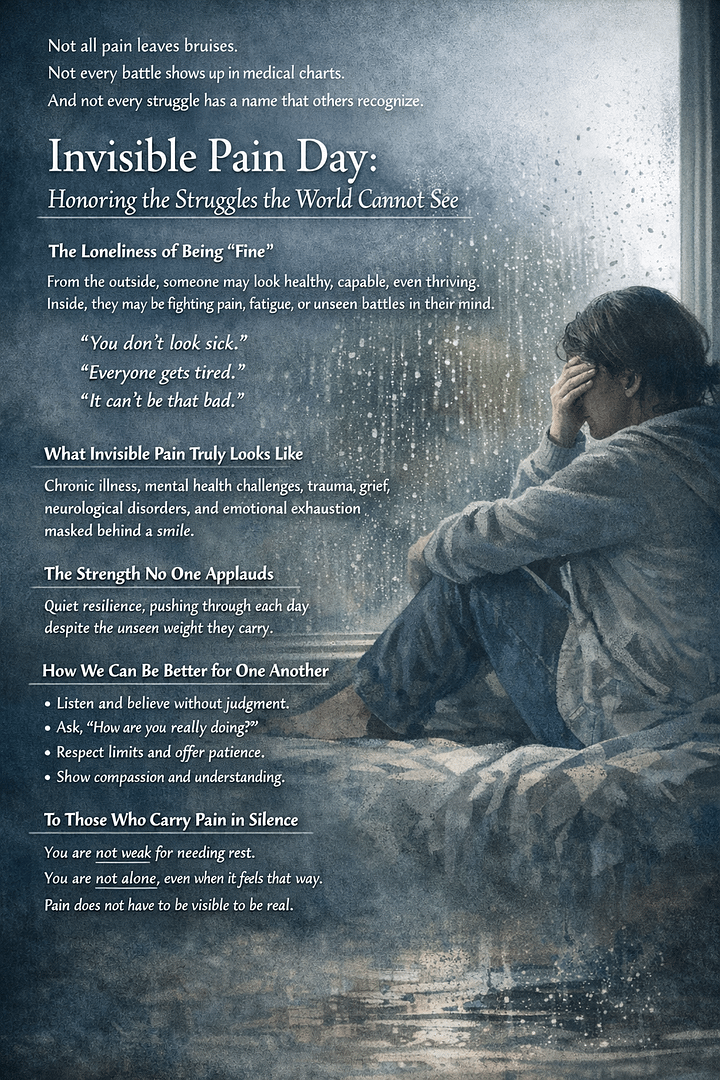
    Not all pain leaves bruises.
    Not every battle shows up in medical charts.
    And not every struggle has a name that others recognize.

    Invisible Pain Day exists to honor the millions of people who carry suffering that cannot be seen on the surface—those living with chronic illness, mental health challenges, trauma, grief, neurological conditions, autoimmune disorders, emotional wounds, and exhaustion that never truly lifts. These are the battles that don’t announce themselves, the hardships that don’t always receive sympathy, and the realities that are too often misunderstood or dismissed.

    The Loneliness of Being “Fine”

    One of the greatest burdens of invisible pain is the expectation to appear normal. From the outside, someone may look healthy, capable, even successful. Inside, they may be navigating constant pain, debilitating fatigue, anxiety that tightens the chest, or memories that resurface without warning.

    Because their struggle isn’t obvious, many people living with invisible pain hear phrases like:
    “You don’t look sick.”
    “Everyone gets tired.”
    “You were fine yesterday.”
    “It can’t be that bad.”

    Often these words are not meant to be cruel—but they can be deeply isolating. When pain isn’t visible, it becomes easier for the world to overlook it. And when someone feels unseen, they may stop trying to explain at all, choosing silence instead of repeatedly defending their reality.

    What Invisible Pain Truly Looks Like

    Invisible pain does not follow one shape or diagnosis. It lives in countless bodies and minds, in ways that rarely make headlines or receive long-term understanding.

    It can look like:

    • Chronic illnesses that fluctuate without warning

    • Mental health struggles hidden behind professionalism and smiles

    • Trauma that quietly shapes reactions, relationships, and trust

    • Grief that never fully leaves, even when life moves forward

    • Autoimmune conditions that attack from within

    • Neurological disorders that disrupt daily functioning

    • Emotional burnout from years of “pushing through”

    • Disabilities that do not match society’s expectations of what disability “looks like”

    Invisible pain may show up as canceled plans, long pauses before answering simple questions, or a person who seems “distant” when they are simply exhausted. It may sound like forced laughter or short replies when energy is gone. It may feel like surviving each day while carrying a weight that no one else can see.

    The Emotional Cost of Being Misunderstood

    Living with invisible pain often means navigating not only symptoms, but also doubt—from others and sometimes from oneself. Many people question their own experience when it is repeatedly minimized. They may wonder if they are being “too sensitive,” “too tired,” or “too weak,” even when their pain is real and ongoing.

    This constant invalidation can lead to:

    • Guilt for needing rest

    • Shame for canceling plans or asking for help

    • Anxiety about being perceived as unreliable

    • Fear of being judged or dismissed

    • Emotional withdrawal to avoid explanation

    When society measures health by appearance, those with invisible pain are often forced into a quiet performance—smiling through discomfort, showing up when they should be resting, and proving their worth through endurance rather than well-being.

    The Strength No One Applauds

    Those living with invisible pain develop a resilience that is rarely recognized. They manage medications, appointments, flare-ups, and emotional strain while continuing to fulfill roles as employees, parents, partners, friends, and caregivers. Their strength is not loud, but it is constant.

    They wake up each day unsure of how their body or mind will feel. They calculate energy before committing to tasks. They learn to adapt, to adjust expectations, to redefine what “success” looks like. They become experts in listening to their limits—often after years of being taught to ignore them.

    But strength should never be mistaken for ease.
    Just because someone continues doesn’t mean the journey is light.
    Just because they smile doesn’t mean they are not hurting.

    Why Invisible Pain Deserves Recognition

    Invisible Pain Day is about more than awareness—it is about validation. It is a reminder that pain does not require physical evidence to be real. That suffering is not less legitimate because it cannot be photographed, measured, or easily explained.

    It calls us to question a culture that praises productivity over well-being, that often asks, “What did you accomplish?” instead of “What did you survive?”

    Invisible pain deserves recognition because:

    • It affects daily functioning, relationships, and mental health

    • It shapes identity and self-worth

    • It requires emotional labor that few acknowledge

    • It demands resilience that often goes unseen

    When we honor invisible pain, we make space for honesty. We tell people they do not have to prove their suffering to deserve compassion.

    How We Can Be Better for One Another

    Invisible Pain Day also asks us to reflect on how we show up for others. Compassion does not require full understanding. We do not need to experience someone’s pain to respect it.

    Here are ways we can offer support:

    • Listen without minimizing. Avoid phrases that dismiss or compare pain.

    • Believe first. Trust people when they tell you they are struggling.

    • Be patient. Energy and ability can change from day to day.

    • Ask with care. “How are you really doing today?” can open space for honesty.

    • Respect boundaries. When someone says they need rest or space, honor it.

    • Offer flexibility. Understanding means allowing people to show up in the ways they can.

    Sometimes, the most meaningful support is not advice or solutions—but simply presence without judgment.

    To Those Who Carry Pain in Silence

    If you are living with invisible pain, know this: your experience is real. Your exhaustion is valid. Your need for rest is not weakness. Your limits do not define your worth.

    You are not dramatic for acknowledging your struggle.
    You are not broken for needing support.
    You are not alone—even when it feels that way.

    Invisible Pain Day is a reminder that you matter, even when your pain cannot be seen. That your strength counts, even when it goes unnoticed. And that your story deserves space, dignity, and compassion.

    Because pain does not have to be visible to be real.
    And healing begins when we choose to truly see one another.

    A Father’s Guide to Surviving the Loss of a Child

  • I’m Not Going to Take It Anymore Day: Reclaiming Your Voice, Boundaries, and Self-Respect

    Advertisements

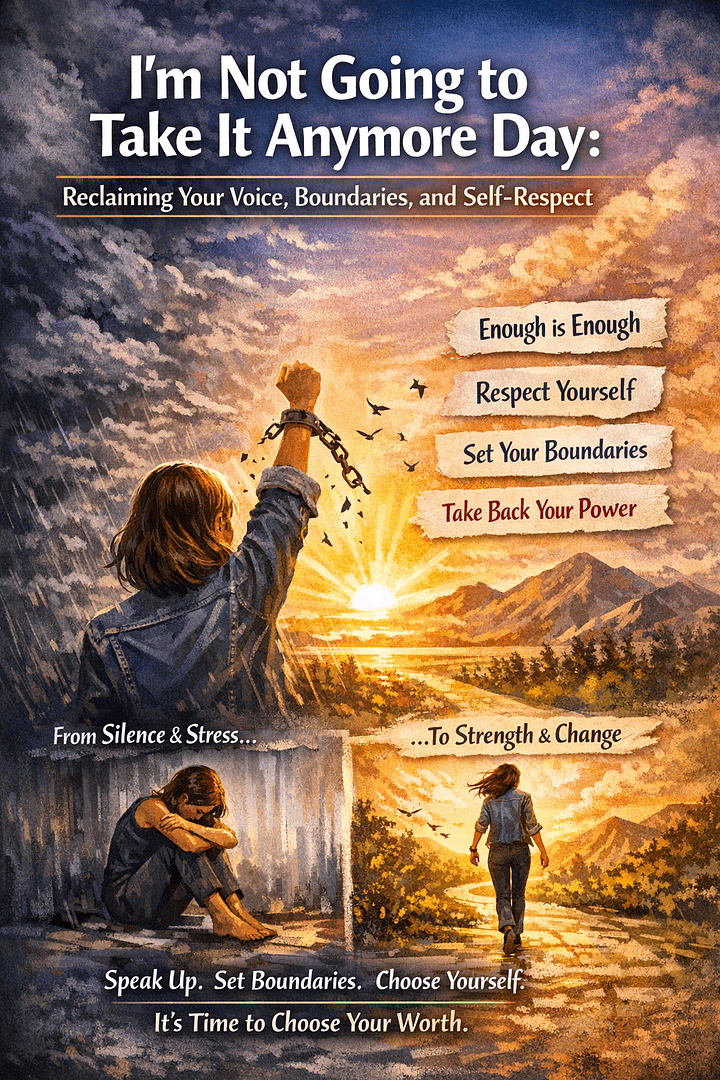
    There comes a moment in every life when endurance stops feeling noble and starts feeling harmful. When “just getting through it” costs more than it gives. I’m Not Going to Take It Anymore Day exists for that moment—the quiet, powerful turning point when you realize that something in your life is no longer sustainable, no longer healthy, and no longer worthy of your energy.

    This day is not about rage, rebellion, or dramatic ultimatums. It is about awareness. It is about finally listening to the voice inside that has been whispering—sometimes for years—that you deserve better. It is the day when survival is no longer enough, and self-respect begins to take its rightful place.


    When Endurance Turns into Self-Neglect

    We are often praised for how much we can handle. For staying strong, being patient, “keeping the peace,” and pushing through discomfort. Endurance is treated like a virtue, even when it costs us our mental health, our sense of identity, or our joy.

    But there is a difference between resilience and self-abandonment.

    Resilience helps you rise after hardship.
    Self-abandonment keeps you trapped inside it.

    Many people remain in situations that slowly erode them—unhealthy relationships, draining jobs, emotional neglect, or even harmful habits—because leaving feels scary, confrontational, or uncertain. We tell ourselves: It could be worse. I should be grateful. I don’t want to rock the boat. And so we stay, shrinking a little more each day.

    “I’m Not Going to Take It Anymore Day” reminds us that reaching your limit is not a failure. It is awareness. It is the moment you stop numbing yourself to what hurts and start honoring what matters.


    Naming What You’re Done Accepting

    This day invites honest reflection—without guilt, without judgment.

    What have you been tolerating that quietly drains you?

    • A relationship where your needs are consistently dismissed.

    • A workplace that values productivity over your well-being.

    • A cycle of people-pleasing that leaves you exhausted and unseen.

    • A pattern of negative self-talk that tells you to settle for less.

    Sometimes what we’re “not taking anymore” isn’t something outside of us—it’s something we’ve been carrying within. Old beliefs that say you must earn love by overgiving. Fear that tells you change is too risky. Guilt that convinces you to stay where you are uncomfortable so others can remain comfortable.

    Letting go of these patterns is not selfish. It is necessary.


    The Courage to Say “Enough”

    Saying “I’m not going to take it anymore” does not always mean confrontation or walking away. Sometimes it means making a quiet but firm decision inside yourself: I will no longer ignore my needs.

    It can look like:

    • Speaking up instead of staying silent.

    • Asking for respect instead of accepting disregard.

    • Creating space where you’ve always felt crowded.

    • Choosing rest where you once chose burnout.

    This kind of courage is often invisible to the outside world, but it changes everything on the inside. It shifts the way you see yourself—from someone who endures to someone who chooses.


    Boundaries: The Language of Self-Respect

    At the heart of this day is the concept of boundaries. Boundaries are not punishments. They are not walls built out of anger. They are expressions of clarity and self-worth.

    When you say:

    • “I will not tolerate being spoken to this way,”

    • “I need balance in my life,”

    • “This situation is no longer healthy for me,”

    you are not being difficult—you are being honest.

    Healthy boundaries teach others how to treat you, but more importantly, they teach you that your time, energy, and emotional well-being matter. Every boundary you set is a declaration that you value yourself enough to protect what is precious.


    Change Doesn’t Have to Be Loud to Be Real

    Not every turning point comes with dramatic exits or bold announcements. Sometimes change begins in quiet, steady ways:

    • Choosing not to respond to what drains you.

    • Taking one small step toward something better.

    • Releasing one obligation that no longer fits who you are becoming.

    You don’t need to have everything figured out to begin. You only need the willingness to stop betraying your own needs.

    “I’m Not Going to Take It Anymore Day” is not about perfection or instant transformation. It is about momentum. About choosing, again and again, not to return to what diminishes you.


    Choosing Peace Over Approval

    One of the hardest parts of change is the fear of disappointing others. We worry about being misunderstood. About being labeled “too sensitive,” “too much,” or “selfish.” But choosing yourself will always upset any system that benefits from your silence.

    And that is okay.

    You were never meant to live your life solely to meet expectations that cost you your peace. Growth often requires discomfort—both yours and others’. But the discomfort of change is temporary. The discomfort of staying where you are unhappy can last a lifetime.


    Your Turning Point

    “I’m Not Going to Take It Anymore Day” is an invitation. Not to fight the world—but to stand with yourself. To stop carrying what is not yours to bear. To choose dignity over endurance, clarity over fear, and self-respect over quiet suffering.

    Whatever you have been tolerating that no longer aligns with who you are becoming—today is a day to acknowledge it. To honor your limits. To remind yourself that you are allowed to change your mind, rewrite your story, and step away from what no longer serves you.

    Because the moment you decide you will not accept what diminishes you is the moment you begin to reclaim your life.

    Read More Health & Wellness

    Read More Of Inspiration & Motivation

  • 🥣 National Soup Month: A Bowl Full of Comfort, Culture, and Connection

    Advertisements

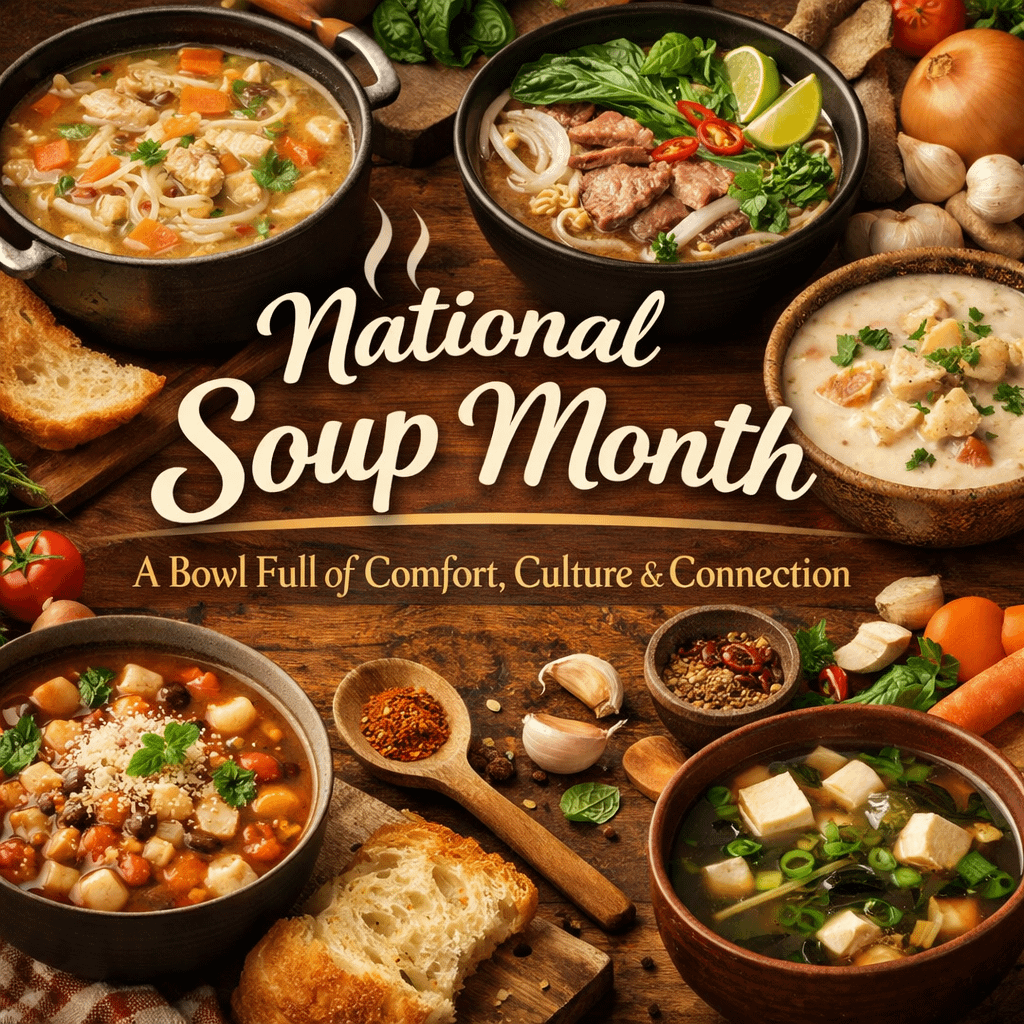
    January is National Soup Month, a celebration of one of the most timeless, comforting, and universal foods in the world. As winter settles in and temperatures drop, there is nothing quite like wrapping your hands around a warm bowl of soup. More than just a meal, soup represents nourishment, tradition, creativity, and care. It is food that feeds not only the body, but also the heart.

    A Dish Rooted in History

    Soup is one of humanity’s oldest forms of cooking. Long before modern kitchens and recipes, people were boiling ingredients in pots over open fires, creating simple broths from what was available. Across centuries and continents, soup became a cornerstone of survival and community. It was affordable, adaptable, and capable of feeding many with little waste.

    Today, that legacy lives on. From ancient stews to modern gourmet creations, soup continues to evolve while staying true to its roots: bringing people together through warmth and nourishment.

    A World of Flavor in Every Bowl

    Every culture has its own beloved soups, each telling a story about geography, history, and tradition:

    • Chicken noodle in the United States, the ultimate comfort food and a symbol of care during illness.

    • Minestrone from Italy, packed with vegetables, beans, and pasta—simple, hearty, and deeply satisfying.

    • Pho from Vietnam, a fragrant broth layered with herbs, spices, and thinly sliced meats.

    • Clam chowder from coastal regions, creamy and rich with seafood tradition.

    • Miso soup from Japan, light, savory, and rooted in balance and mindfulness.

    Soup reflects who we are, where we come from, and how we nourish one another.

    Why Soup Belongs to Winter

    National Soup Month falls in January for good reason. Cold weather calls for meals that warm us from the inside out, and soup answers that call beautifully. Beyond its comforting heat, soup offers practical benefits during the winter months:

    • Nourishment: Packed with vegetables, legumes, whole grains, and proteins, soup can be one of the most balanced meals you eat.

    • Hydration: Broth-based soups help maintain hydration when colder months make us forget to drink enough water.

    • Affordability: Soup stretches ingredients, making it budget-friendly without sacrificing flavor.

    • Convenience: A large pot can feed a family for days, making it ideal for meal prep and busy schedules.

    Whether it’s a slow-simmered stew or a quick vegetable broth, soup is as practical as it is comforting.

    Soup as Self-Care and Healing

    Few foods carry as much emotional meaning as soup. It is what we are offered when we are sick, grieving, tired, or simply in need of care. A warm bowl feels like a quiet gesture of love—a reminder that someone wants us to feel better.

    Cooking soup can also be therapeutic. The rhythm of chopping vegetables, stirring a pot, and letting flavors develop over time encourages us to slow down. In a world that often moves too fast, soup invites patience and presence.

    Creativity Without Rules

    One of soup’s greatest strengths is its flexibility. There are no rigid rules—only possibilities. Leftover vegetables become tomorrow’s minestrone. A handful of spices transforms a simple broth into something entirely new. You can make soup thick or light, smooth or chunky, mild or boldly spiced.

    Soup welcomes experimentation and reduces waste, allowing you to use what you already have while discovering new combinations of flavor.

    Building Community, One Bowl at a Time

    Throughout history, soup has been a symbol of community and generosity. From family kitchens to soup kitchens, it has long been associated with sharing and care. A pot of soup is easy to offer to a neighbor, bring to a friend in need, or serve at a gathering. It is food meant to be shared.

    In many homes, soup recipes are passed down through generations—each one carrying memories of loved ones, family traditions, and moments spent around the table.

    How to Celebrate National Soup Month

    There are countless ways to honor this cozy, nourishing month:

    • Try a soup from a culture you’ve never explored before.

    • Recreate a childhood favorite that brings back warm memories.

    • Host a soup night or potluck where everyone brings a different recipe.

    • Share a homemade batch with someone who could use comfort.

    • Experiment with your own signature soup using seasonal ingredients.

    A Simple Food with a Powerful Impact

    In a fast-paced world of convenience meals and takeout, soup reminds us of the beauty of simplicity. It teaches us that nourishment doesn’t have to be complicated, expensive, or rushed. Sometimes, all we need is a warm bowl, a quiet moment, and the reminder that comfort can be homemade.

    This National Soup Month, take time to slow down, savor the warmth, and appreciate the humble dish that has fed generations. One bowl at a time, soup continues to bring comfort, culture, and connection into our lives. 🥣✨

    Read More Holidays & National Days

  • National Take Down the Christmas Tree Day: Closing One Chapter, Welcoming the Next

    Advertisements

    After weeks of glowing lights, sparkling ornaments, and the comforting presence of evergreen in our living rooms, there comes a moment when the season must gently come to an end. National Take Down the Christmas Tree Day, observed each year on January 6th, is more than just a household task—it’s a symbolic transition from celebration to reflection, from festivity to forward motion.

    Why January 6th Matters

    Traditionally, January 6th marks Twelfth Night or Epiphany, the day commemorating the arrival of the Three Wise Men to visit the baby Jesus. In many cultures, this day signals the official close of the Christmas season. Taking down decorations on this date honors that tradition while creating space for a new chapter in the year.

    While some people prefer to pack everything away right after New Year’s, others hold onto the holiday warmth just a little longer. National Take Down the Christmas Tree Day offers a gentle, meaningful moment to say goodbye to the season—without rushing or regret.

    More Than Just Cleaning Up

    Putting away the tree isn’t only about tidying your home. It’s about emotional transition.

    As each ornament is carefully wrapped and each strand of lights is coiled away, we revisit moments from the past weeks—family gatherings, quiet nights by the glow of the tree, laughter, remembrance, and even the bittersweet feelings that often accompany the holidays. This simple ritual becomes a moment of closure, allowing us to honor what was while preparing for what’s ahead.

    Letting Go Without Losing the Magic

    The end of Christmas doesn’t mean the end of joy. In fact, clearing away decorations can be freeing. It opens up your space, refreshes your environment, and signals a mental reset. The calm that follows often mirrors the fresh-start energy of the New Year.

    You might even turn the process into something meaningful:

    • Play soft music or your favorite holiday songs one last time.

    • Reflect on what the season taught you—gratitude, connection, or rest.

    • Set a small intention for the months ahead as you pack away each ornament.

    A Symbolic Step Into the New Year

    National Take Down the Christmas Tree Day reminds us that every season has its purpose. While the holidays bring warmth and tradition, life also calls us forward—to goals, growth, and new possibilities.

    As the last decoration comes down, we aren’t erasing the magic. We’re carrying it with us—into routines, into ambitions, into the quiet days where purpose is built one step at a time.

    Because sometimes, taking down the tree isn’t the end of something beautiful—it’s the beginning of something new. 🌿

    Read More Holidays & National Days

  • Manuary: A Month for Men’s Health, Growth, and Well-Being

    Advertisements

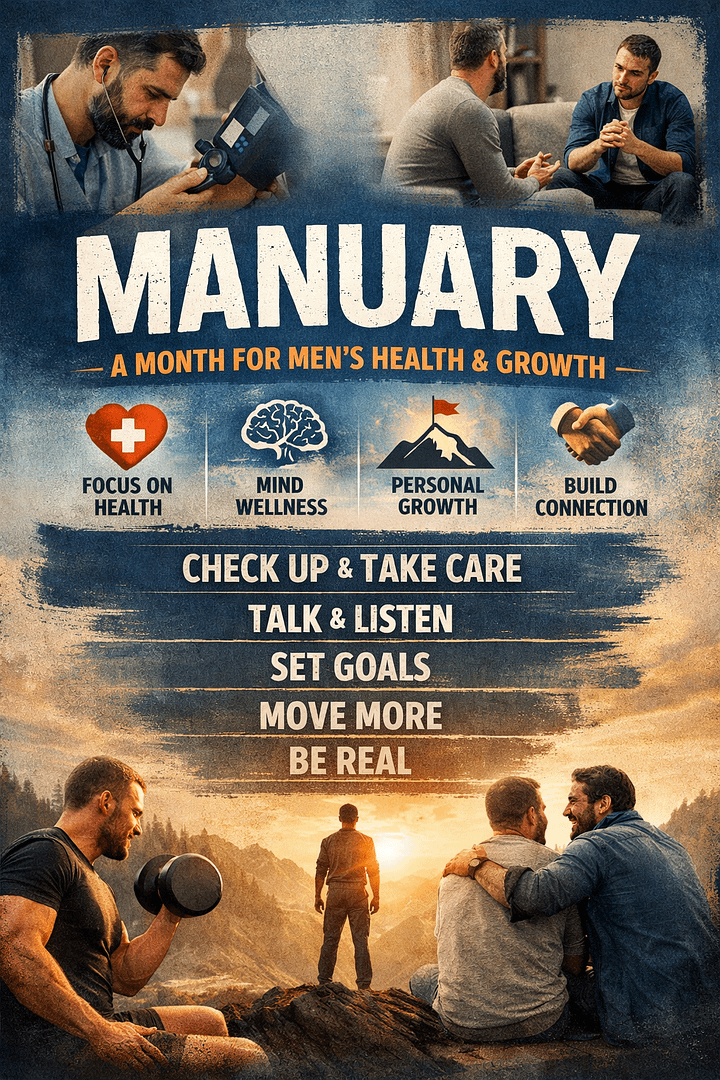
    January is often seen as a month of fresh starts, fitness goals, and self-improvement. But in recent years, a growing movement has added deeper meaning to the new year: Manuary—a time dedicated to men’s health, self-awareness, and personal development.

    Manuary is about more than just resolutions. It’s a call for men to pause, reflect, and invest in their physical, mental, and emotional well-being. In a world where men are often taught to “tough it out,” this month encourages something different: honesty, growth, and care.


    The Purpose Behind Manuary

    Men face unique challenges that often go unspoken. Statistically, men are less likely to seek medical care, talk openly about mental health, or build support networks. Manuary aims to change that narrative by creating a space for awareness, conversation, and action.

    At its heart, Manuary is about:

    • Health: Encouraging regular checkups, better nutrition, exercise, and sleep.

    • Mental Well-Being: Reducing stigma around stress, anxiety, depression, and emotional expression.

    • Personal Growth: Reflecting on goals, habits, relationships, and purpose.

    • Connection: Reminding men they are not alone in their struggles.

    It’s not about perfection—it’s about progress.


    Reframing Strength

    For generations, strength has been defined as silence, endurance, and independence. Manuary invites a broader definition: strength as self-awareness, vulnerability, and the courage to ask for help.

    Real strength looks like:

    • Making a doctor’s appointment instead of ignoring symptoms.

    • Talking openly about burnout, grief, or pressure.

    • Setting boundaries in work and relationships.

    • Choosing healthier habits, even when they’re uncomfortable.

    This reframing doesn’t take anything away from men—it gives them more room to grow.


    Practical Ways to Participate

    Manuary doesn’t require grand gestures. Small, intentional actions can create lasting change:

    1. Check in with Your Health
    Schedule that overdue physical, dental visit, or mental health check. Prevention is powerful.

    2. Move with Purpose
    Whether it’s walking, lifting, stretching, or simply being more active, movement supports both body and mind.

    3. Have One Honest Conversation
    Reach out to a friend, family member, or mentor. Ask how they’re really doing—and share how you are too.

    4. Reflect on Your Direction
    What do you want this year to stand for? Not just in achievements, but in character, relationships, and peace of mind.

    5. Practice Self-Respect
    Better sleep, healthier food choices, limiting harmful habits, and protecting your time are all acts of self-care.


    Why Manuary Matters

    Men often carry silent burdens—expectations to provide, to be strong, to never falter. Over time, that pressure can lead to stress, isolation, and declining health. Manuary challenges the idea that men must face life alone.

    By normalizing conversations about wellness, emotions, and self-improvement, this movement creates space for healthier lives and stronger communities. When men take care of themselves, they show up better for their families, their work, and the people who rely on them.


    A New Kind of New Year

    Manuary reminds us that growth isn’t just about productivity or physical transformation—it’s about becoming more whole. It’s a chance to redefine what it means to be strong, to choose progress over pride, and to step into the year with intention.

    This January, let Manuary be more than a moment. Let it be the beginning of a healthier, more honest, and more empowered version of yourself.

    Read More Holidays & National Days

  • NATIONAL CUDDLE UP DAY 🤍

    Advertisements

    In a world that moves faster every year—where deadlines, notifications, and expectations compete for our attention—there is something quietly powerful about slowing down and simply holding one another. National Cuddle Up Day is a gentle reminder that sometimes the most meaningful connection requires no words at all.

    Cuddling is one of the purest forms of human comfort. It doesn’t demand explanation, performance, or perfection. It is presence. It is safety. It is a shared moment that says, “You’re not alone.” Whether it’s an embrace at the end of a long day, sitting close on the couch, or wrapping your arms around someone who needs reassurance, these small acts of closeness carry enormous emotional weight.

    The Emotional Power of Touch

    Long before we learn to speak, we learn through touch. A parent’s arms, a comforting hug, a hand held during fear—these moments shape how we understand love, security, and belonging. As adults, we often underestimate how deeply we still need that same kind of reassurance.

    Touch is grounding. It calms the nervous system, lowers stress, and reminds us that we exist not just in our thoughts, but in our bodies and in our relationships. In times of grief, anxiety, or exhaustion, a cuddle can communicate what words cannot: “I’m here. You’re safe. You matter.”

    In a society where emotional struggles are often hidden and vulnerability can feel risky, National Cuddle Up Day invites us to choose gentleness instead. It gives us permission to lean in—to offer comfort without needing to fix anything.

    What Science Confirms About What the Heart Already Knows

    There’s a biological reason cuddling feels so good. Physical closeness releases oxytocin, sometimes called the “bonding hormone” or “love hormone.” This chemical helps reduce stress, lower blood pressure, strengthen emotional bonds, and promote feelings of trust and well-being. It also decreases cortisol, the hormone associated with stress and anxiety.

    Cuddling has been shown to:

    • Improve mood and reduce symptoms of anxiety and depression

    • Strengthen emotional connection in relationships

    • Encourage better sleep and relaxation

    • Increase feelings of safety and emotional stability

    But beyond the science is something even more meaningful: it reminds us that we are wired for connection. We are not meant to face life entirely on our own.

    Not Just for Romantic Relationships

    One of the most beautiful truths about cuddling is that it isn’t reserved for couples. Love exists in many forms, and so does closeness.

    It can be:

    • A parent holding a child who needs reassurance after a hard day

    • Two friends sitting close during a vulnerable conversation

    • Siblings leaning into each other during laughter or loss

    • Grandparents embracing family members they haven’t seen in too long

    • Or even curling up with a pet who offers unconditional comfort without a single word

    Cuddling is not about romance—it is about care. It is about showing up emotionally and physically for the people who matter to us.

    A Response to a Disconnected World

    We live in an age of constant digital communication. We text, scroll, and video call more than ever before, yet many people feel lonelier than ever. Screens connect us, but they cannot replace the warmth of human closeness.

    National Cuddle Up Day reminds us that connection is not only something we say—it is something we feel. It asks us to step away from the noise, to pause the endless motion of life, and to choose presence over productivity, closeness over convenience.

    It is a day that gently whispers: Slow down. Be human. Be here.

    When You Have No One to Cuddle

    For some, this day may feel bittersweet. Not everyone has someone nearby to hold, and that reality deserves compassion. If you find yourself alone today, this does not mean you are forgotten or unworthy of comfort.

    Cuddling can also be an act of self-care. Wrap yourself in a soft blanket. Hold a pillow. Sit in a warm, quiet space. Breathe deeply. Allow yourself to rest. Offering yourself gentleness is just as meaningful as receiving it from someone else.

    And remember: loneliness is not a reflection of your value—it is simply a moment in your story, not the whole of it.

    A Small Gesture That Leaves a Lasting Impact

    National Cuddle Up Day isn’t about grand romantic gestures or perfectly planned moments. It is about choosing kindness in a world that can feel overwhelming. It is about recognizing that sometimes the most healing thing we can give someone is not advice, solutions, or explanations—but our presence.

    A cuddle may last only a moment, but the feeling it leaves behind can linger long after. It can remind someone that they are loved. That they are safe. That they are not invisible in a busy, demanding world.

    So today, reach out. Hold someone you care about. Sit close. Share warmth, silence, laughter, or comfort. And if you can’t physically do that, hold space for yourself with the same compassion.

    Because sometimes, the safest place in the world isn’t a location—it’s the closeness of another heart. 🤍

    Read More Holidays & National Days

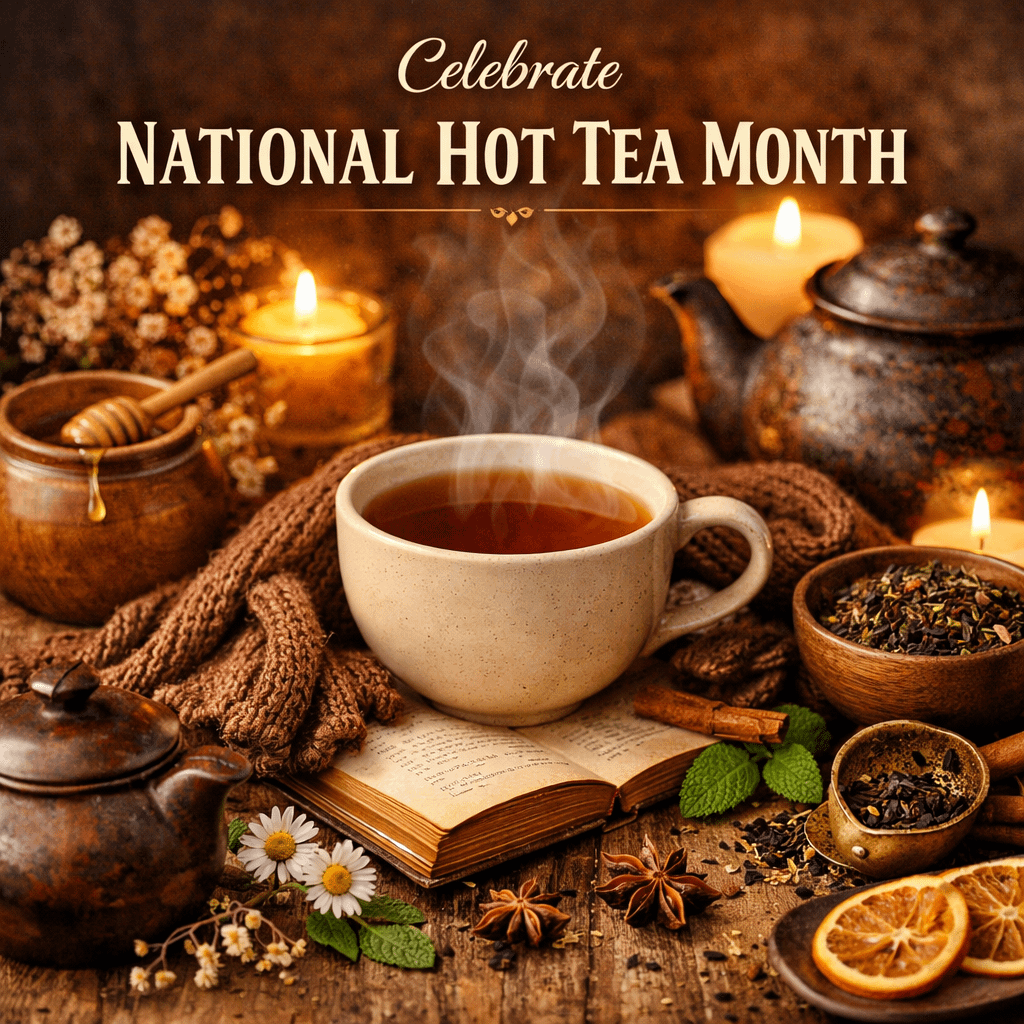
  • National Hot Tea Month: A Warm Cup of Comfort for Body and Soul

    Advertisements

    January may be one of the coldest months of the year, but it also brings one of the coziest celebrations—National Hot Tea Month. As winter settles in and the days grow shorter, there’s no better time to slow down, wrap your hands around a steaming mug, and savor the simple comfort of hot tea.

    Tea is more than just a beverage. It is a ritual, a moment of pause, and for many, a daily act of self-care. Across cultures and generations, tea has been used to bring warmth, healing, connection, and reflection. National Hot Tea Month invites us to rediscover the beauty of this timeless tradition.


    A Drink Steeped in History

    Tea has been enjoyed for thousands of years, with origins tracing back to ancient China. Over time, it traveled across continents, becoming a staple in homes, ceremonies, and social gatherings worldwide. From British afternoon tea to Japanese tea ceremonies, from spiced chai in India to herbal blends passed down through families, tea carries stories, heritage, and comfort in every cup.

    Celebrating National Hot Tea Month is also about honoring this rich history and the diverse cultures that have shaped the tea we enjoy today.


    More Than Warmth: The Benefits of Hot Tea

    One reason tea has remained beloved for centuries is its natural ability to nourish both body and mind.

    • Soothing and calming: Herbal teas like chamomile, peppermint, and lavender are known for promoting relaxation and easing stress.

    • Gentle energy: Black and green teas offer a mild caffeine boost without the crash that often follows coffee.

    • Wellness support: Many teas contain antioxidants and compounds that support digestion, hydration, and immune health.

    • Mindful moments: Preparing tea encourages slowing down—boiling water, steeping leaves, inhaling the aroma—turning an ordinary drink into a mindful ritual.

    During the coldest month of the year, these small benefits can make a big difference in how we feel.


    A Cup for Every Mood

    One of the joys of tea is its endless variety. National Hot Tea Month is the perfect excuse to explore new flavors or return to old favorites:

    • Black Tea: Bold, classic, and perfect for mornings.

    • Green Tea: Light, refreshing, and rich in antioxidants.

    • Herbal Tea: Naturally caffeine-free blends for relaxation and wellness.

    • Chai: Spiced and comforting, ideal for cold evenings.

    • Flavored or Specialty Teas: From vanilla to citrus to floral blends, there’s always something new to discover.

    Whether you enjoy it plain, with honey, lemon, milk, or spices, your perfect cup is uniquely yours.


    Turning Tea Into a Daily Ritual

    National Hot Tea Month isn’t just about drinking tea—it’s about embracing the pause that comes with it. In a fast-paced world, making time for tea can become a grounding habit:

    • Start your morning with intention instead of rushing.

    • Take a quiet break during the day to reset.

    • End your evening with a calming blend and reflection.

    These moments of stillness, however small, can bring balance, clarity, and comfort during the busy winter season.


    A Simple Celebration With a Lasting Impact

    National Hot Tea Month reminds us that joy doesn’t always come from big events or expensive experiences. Sometimes, it’s found in the warmth of a mug, the aroma rising with the steam, and the peace of a moment just for yourself.

    This January, brew a cup, slow down, and let hot tea be more than a drink—let it be your reminder to care for your body, your mind, and your spirit.

    Read More Holidays & National Days

  • National Slow Cooking Month: Finding Comfort, Patience, and Connection One Meal at a Time 🍲

    Advertisements

    January marks National Slow Cooking Month, a time to celebrate one of the most comforting and intentional ways to prepare food. In a world dominated by instant gratification, fast food, and packed schedules, slow cooking gently reminds us that some of the best things in life cannot be rushed. It encourages patience, mindfulness, and a return to simple pleasures—starting in the kitchen.

    The Heart of Slow Cooking

    At its core, slow cooking is about allowing ingredients the time they need to become something more. Cooking food at low temperatures over several hours enhances flavor, improves texture, and creates meals that feel deeply nourishing. It’s a method that turns affordable ingredients into rich, satisfying dishes, proving that time is often the most important ingredient.

    From hearty stews to tender roasts, slow cooking transforms ordinary meals into something special—without demanding constant attention. Once everything is prepared and placed in the pot, the magic unfolds quietly throughout the day.

    Why January and Slow Cooking Belong Together

    January can feel heavy. The excitement of the holidays has faded, the weather is often cold, and many people are easing into new routines or recovering from the emotional and financial stress of the season. Slow cooking offers comfort during this transitional time.

    It provides:

    • Warm meals that comfort both body and spirit

    • Cost-effective cooking using pantry staples and economical cuts of meat

    • Energy-saving convenience, especially on long or exhausting days

    • Healthier meals with fewer preservatives and more whole ingredients

    Slow cooking doesn’t ask for perfection—it simply asks for presence.

    A Kitchen That Feels Like Home

    One of the most beloved aspects of slow cooking is the way it fills a home with comforting aromas. The scent of simmering soup or spiced chili drifting through the house can instantly create a sense of calm and belonging. It welcomes you in after a long day and reminds you that nourishment is waiting.

    For many, slow cooking is tied to memories of family gatherings, childhood kitchens, and meals made with love. These dishes often become traditions, passed down and recreated across generations.

    Slow Cooking in a Fast-Paced World

    In today’s culture, everything moves quickly—emails, deadlines, notifications, and expectations. Slow cooking pushes back against that pace. It invites you to plan ahead, to trust the process, and to let time do the work instead of rushing results.

    There’s a quiet satisfaction in knowing dinner has been slowly cooking all day, allowing you to focus on other responsibilities without stress. It’s an act of self-care as much as it is a cooking technique.

    Versatility for Every Lifestyle

    Slow cooking is incredibly adaptable. It suits families, individuals, busy professionals, and anyone navigating limited time or energy. Whether you’re cooking for a household or meal-prepping for the week, slow cooking makes it easier to stay nourished.

    Popular slow-cooked meals include:

    • Comforting soups and stews

    • Chili, casseroles, and one-pot meals

    • Shredded meats for tacos, sandwiches, or salads

    • Plant-based dishes like lentils, beans, and vegetable curries

    Leftovers often taste even better the next day, making slow cooking ideal for stretching meals and reducing food waste.

    A Gentle Reminder to Slow Down

    National Slow Cooking Month isn’t just about what’s on the menu—it’s about the rhythm it brings into daily life. It encourages us to slow down, to be patient, and to appreciate the process instead of rushing toward the outcome.

    In a season that can feel overwhelming or quiet, slow cooking offers warmth, comfort, and a sense of grounding. It reminds us that taking our time can lead to deeper flavor, richer moments, and meals that truly satisfy.

    So this January, pull out your slow cooker, choose a favorite recipe, and let the hours unfold. Some things are worth waiting for.

    Read More Holidays & National Days

  • National Whipped Cream Day 🍰☁️

    Advertisements

    There’s something undeniably joyful about whipped cream. Light, airy, and perfectly sweet, it has a way of transforming even the simplest treat into something memorable. National Whipped Cream Day invites us to pause and celebrate this humble yet magical topping that adds comfort, nostalgia, and a little indulgence to our everyday lives.

    At its heart, whipped cream is a reminder that simplicity can be powerful. Made from just cream and air, it demonstrates how something so minimal can create such delight. Long before modern conveniences, whipped cream was prepared by hand, requiring patience, strength, and care. Those who whipped it knew that timing mattered—too little effort and it stayed liquid, too much and it turned to butter. That delicate balance reflects life itself, where the sweetest moments often come from care and attention.

    Over time, whipped cream found its place across cultures and cuisines. It became the finishing touch on elegant pastries, the creamy companion to fresh fruit, and the crowning glory of celebratory desserts. Today, it continues to bridge generations, showing up at birthday parties, holidays, cafés, and late-night kitchen indulgences. Whether served in a fine dessert or enjoyed straight from the spoon, whipped cream feels familiar and comforting.

    One of whipped cream’s greatest strengths is its versatility. It softens bold flavors like dark chocolate and coffee, complements the tartness of berries, and adds richness without overwhelming a dish. A simple slice of pie becomes extraordinary with a swirl on top. A warm mug of cocoa feels cozier with a melting layer of cream. Even ordinary moments—like an afternoon coffee break—feel more intentional when finished with whipped cream.

    Beyond taste, whipped cream holds emotional meaning. It often reminds us of childhood moments: standing on tiptoe to watch it being whipped, sneaking a taste when no one was looking, or laughing as it stuck to our noses. These small memories carry warmth and joy, reminding us that happiness is often found in simple, shared experiences.

    National Whipped Cream Day is also a celebration of creativity. From homemade whipped cream infused with vanilla, cinnamon, or cocoa to dairy-free alternatives and decorative piping, there are countless ways to make it your own. It can be elegant, playful, or comforting—whatever the moment calls for. Whipped cream adapts, just like we do.

    Most importantly, this day serves as a gentle reminder to slow down and enjoy life’s lighter moments. In a world that often feels heavy and demanding, whipped cream symbolizes softness, joy, and balance. It encourages us to add a little sweetness where we can and to savor the moments that make life feel special.

    So today, celebrate National Whipped Cream Day by indulging without guilt. Add that extra dollop, try something new, or share a dessert with someone you care about. Because sometimes, the smallest pleasures—light, fluffy, and sweet—are the ones that lift us the most. 🍨✨

    Read More Holidays & National Days

Exit mobile version