Author: Brett Murphy

  • Go With Your Gut Day: Trusting Your Instincts

    Go With Your Gut Day: Trusting Your Instincts

    Advertisements

    Every year, Go With Your Gut Day serves as a reminder that sometimes, the best guide we have is already within us—our instincts. Life is filled with endless decisions, from the small everyday choices to the major turning points that shape our future. While research, logic, and planning are all important, there are moments when trusting your gut feeling can make all the difference.

    The Meaning of Going With Your Gut

    “Gut instinct” refers to that deep, intuitive sense we get about a situation—whether it’s a person, a choice, or an opportunity. Science shows that intuition often comes from the brain processing information faster than we consciously realize. In many cases, our gut instincts are based on patterns we’ve experienced before, even if we can’t explain them right away.

    Why It Matters

    Confidence in Decision-Making – Trusting your instincts can boost your self-assurance, helping you avoid second-guessing.

    Time-Saver – Not every choice needs days of analysis. Sometimes, your first instinct is the right one.

    Personal Alignment – Gut feelings often reflect your values, emotions, and what matters most to you.

    Ways to Celebrate Go With Your Gut Day

    Listen to Yourself – Today, try following your first instinct in small choices, like what to eat, how to spend your time, or which task to tackle first.

    Reflect on Past Moments – Think about times when trusting your gut led to a positive outcome.

    Quiet the Noise – Meditation, journaling, or simply taking a walk can help you tune into your inner voice.

    Encourage Others – Share the importance of trusting intuition with friends or coworkers. Sometimes, they just need a reminder to believe in themselves.

    Final Thought

    Go With Your Gut Day isn’t about ignoring logic or reason—it’s about remembering that intuition has its own wisdom. Trusting yourself is one of the most powerful steps toward growth, confidence, and authenticity.

    Read More Holidays & National Days

  • National Family Day: Celebrating the Bonds That Hold Us Together

    Advertisements

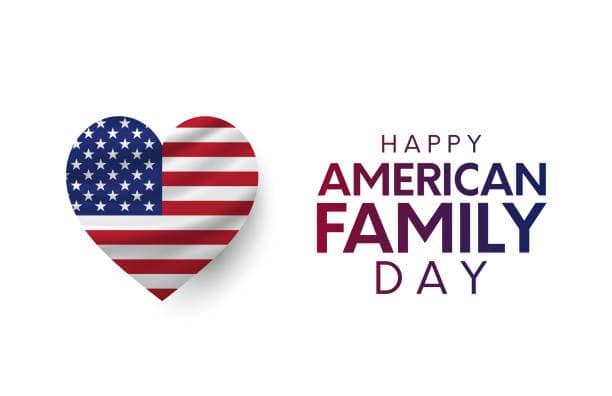
    Every year, National Family Day reminds us to pause and appreciate the people who stand by our side through life’s ups and downs—our families. Whether connected by blood, marriage, or chosen bonds, family plays an essential role in shaping who we are, offering us love, guidance, and support.

    The Purpose of National Family Day

    National Family Day was created to encourage families to set aside time for one another, especially in today’s fast-paced world where busy schedules, work, and technology can easily pull us apart. The holiday emphasizes the importance of strengthening family connections and cherishing the moments we have together.

    Why Family Matters

    Family provides a foundation of love, trust, and belonging. It’s where traditions are passed down, values are taught, and lifelong memories are made. Research consistently shows that strong family relationships lead to better emotional well-being, greater resilience, and healthier communities.

    Ways to Celebrate National Family Day

    There’s no single way to celebrate—what matters most is spending time together. Here are a few simple and meaningful ideas:

    Share a family meal: Cook at home or enjoy dinner out, but focus on being present with one another.

    Reconnect with tradition: Share old family stories, flip through photo albums, or revisit cultural traditions.

    Do something fun together: Play games, go for a walk, have a movie night, or plan a family outing.

    Reach out to extended family: Call or video chat with relatives you don’t see often to let them know you care.

    Give back together: Volunteering as a family strengthens bonds while making a positive impact on the community.

    A Day That Lasts Beyond the Calendar

    While National Family Day serves as a special reminder, the values it highlights should extend beyond one day. Making time for family—whether daily, weekly, or even through small gestures—helps keep relationships strong and enduring.

    In the end, family is not just about who we live with, but about the love, loyalty, and support that connect us. National Family Day is a chance to honor that connection and remind ourselves that no matter how busy life gets, family always deserves a place at the center.

    Read More Holidays & National Days

  • Remembering and Honoring Charlie Kirk

    Advertisements

    On September 10, 2025, Charlie Kirk was assassinated during a speaking event at Utah Valley University. His death shocked many in American political life and prompted a wave of mourning, memorials, and calls to preserve whatever legacy his supporters believe he left behind.

    Life, Work, and Influence

    Charlie Kirk (b. October 14, 1993) was a prominent conservative activist, author, and media figure. He co-founded Turning Point USA in 2012 and built it into a major force among younger conservatives, known for its campus chapters and political engagement.

    His work touched on free speech, limited government, cultural issues, Christian faith, and mobilizing young people in conservative causes. Through various media—podcasts, speeches, social media—he became a polarizing but central figure in the MAGA movement and broader conservative activism.

    How Supporters Are Mourning & Honoring Him

    Since his death, supporters have honored Kirk in many ways:

    The board of Turning Point USA unanimously appointed his widow, Erika Kirk, as the new CEO and Chair of the Board. This was reportedly in line with his expressed wishes, meant to ensure continuity of his mission.

    A major memorial service is planned in Glendale, Arizona, with Trump, Vice President J.D. Vance, and other conservative figures attending.

    The U.S. Senate passed unanimously a resolution to designate October 14, 2025 (his birthday) as a National Day of Remembrance for Charlie Kirk.

    There have been vigils, prayer services, and moments of tribute across the country. Local communities have gathered to share memories, express grief, and reflect on what he meant to them.

    Voices of Support: What People Are Saying

    Here are some representative quotes and reflections by those who supported or admired him, capturing how many view his life and message:

    Erika Kirk, his widow, speaking at a vigil:

    “Charlie always said that, when he was gone, he wanted to be remembered for his courage and his faith.”
    “One of the final conversations that he had on this earth, my husband witnesses for his Lord and Savior Jesus Christ.”
    “Now, and for all eternity, he will stand at his savior’s side wearing the glorious crown of the martyr.”

    Andrew Kolvet, TPUSA staffer and producer of The Charlie Kirk Show:

    “It’s been said that the blood of the martyrs is the seeds of the church and we’re going to see great faith rise up across the country from this — I believe it — and in the world.”
    “My request is, if you want to honor Charlie too, it is Sunday … Go back to church. Open your Bible. Pray. That’s what he wanted.”

    Community voices at a vigil in Florida:

    “He just was an amazing man. He spoke nothing but the truth.”
    “He worked really hard, and he believed in his faith. And he sat there and said that God comes first with everything. And he brought me back to my faith in Christ.”

    Senator Marsha Blackburn reflected on his influence:

    “He was a champion for freedom. He was a role model for millions of young people across our country. And he was a devoted husband and father who loved his family more than anything.”
    “Charlie believed in hard work and smart work, so honor him by working hard, by working smart, by looking for those opportunities to be a leader…”

    The Challenges & Controversies in His Legacy

    It’s important to note that Charlie Kirk was not without controversy. Critics point to divisive rhetoric, polarizing statements, and accusations that some of his arguments exacerbated cultural conflicts. These are parts of his public record that many remember as well. A full remembrance considers both his influence and these criticisms.

    What His Supporters See as His Legacy

    From the perspective of his supporters, these are the main themes they want his legacy to carry forward:

    Faith & conviction: Many emphasize that his Christian faith was central to his life and that he wanted to be remembered for that.

    Youth engagement and leadership: They see him as someone who inspired young people to get involved politically, think critically, and not feel like bystanders.

    Freedom of speech and public debate: Supporters often recall how he engaged in debates, campus events, social media, trying to challenge what he saw as groupthink or ideological conformism.

    Perseverance in adversity: Many remember his willingness to take risks, to speak in hostile environments, to stand for beliefs even when they were contested.

    Ways People Are Honoring Him—What Comes Next

    Continuing his work: With Erika Kirk now leading Turning Point USA, there is an expressed intention to expand and sustain the organization, following the direction Charlie was laying out.

    Institutional recognition: The National Day of Remembrance, flags flown at half-staff, and gatherings across campuses emphasize formal public memory.

    Personal actions: Some supporters say they will honor him by deepening their own faith, becoming more engaged locally, advocating for conservative causes, or simply holding more civil, bold conversations—as many quote as part of his model.

    Reflections: What It Means to Remember

    Remembering someone like Charlie Kirk means wrestling with complexity. His life elicited strong support, and critics as well. Honoring him doesn’t necessarily mean agreement with everything he said or did, but it does involve appreciating:

    The power of belief and conviction in shaping public life

    The role of young people in political movements

    How faith, identity, and ideology interact in America today

    The risks associated with big public voices—how they can uplift, polarize, and sometimes become targets

    Conclusion

    Charlie Kirk’s death has stirred deep emotions among those who saw in him a leader, a defender of conservative values, and a fighter for faith. His supporters remember him as courageous, outspoken, and someone who inspired many young people to step forward rather than stay silent. As the country engages with this loss, the memorials, remembrances, and the conversations around his life will shape how future generations understand not only Kirk, but the times he lived in—and what kind of political culture is to follow.

    May the story of his life serve not just as a memory, but as an invitation: to reflect on what we believe, how we speak, and how we live with conviction—and compassion.

    Read More History & Culture

  • Wife Appreciation Day

    Advertisements

    Every year, on the third Sunday in September, people around the world celebrate Wife Appreciation Day—a special occasion dedicated to honoring the women who stand beside their spouses through life’s ups and downs. While anniversaries often mark the milestones of a marriage, this day focuses entirely on recognizing the love, dedication, and countless contributions wives bring into a relationship and family.

    The Meaning Behind the Day

    Wife Appreciation Day is more than just flowers, cards, or a simple “thank you.” It’s about recognizing the unique role a wife plays—whether as a partner, a mother, a confidant, or a source of strength. Wives often pour themselves into caring for their families, balancing responsibilities, and providing support in ways that are sometimes overlooked. This day is a reminder to pause and show genuine gratitude.

    Ways to Celebrate

    Celebrating doesn’t have to be grand—it just has to be heartfelt. Here are a few meaningful ways to make the day special:

    Personal gestures: Write her a heartfelt letter, prepare her favorite meal, or plan a surprise outing.

    Quality time: Spend the day doing something she loves, whether it’s hiking, watching movies, or simply enjoying a quiet coffee together.

    Acts of kindness: Take care of the little things she usually handles, giving her space to relax and feel cared for.

    Gifts of appreciation: A bouquet, a piece of jewelry, or even something handmade can be a lasting reminder of your gratitude.

    Why It Matters

    Life gets busy, and sometimes appreciation goes unspoken. Wife Appreciation Day is an opportunity to reflect on the partnership, sacrifices, and love that wives bring into a marriage. It’s also a chance to strengthen bonds, nurture intimacy, and show that her presence is truly cherished.

    At its core, this day is about more than celebration—it’s about acknowledgment. It reminds couples that love should never be taken for granted and that appreciation, when expressed, has the power to deepen connection and joy in a marriage.

    Read More Holidays & National Days

  • PEPPERONI PIZZA DAY

    Advertisements

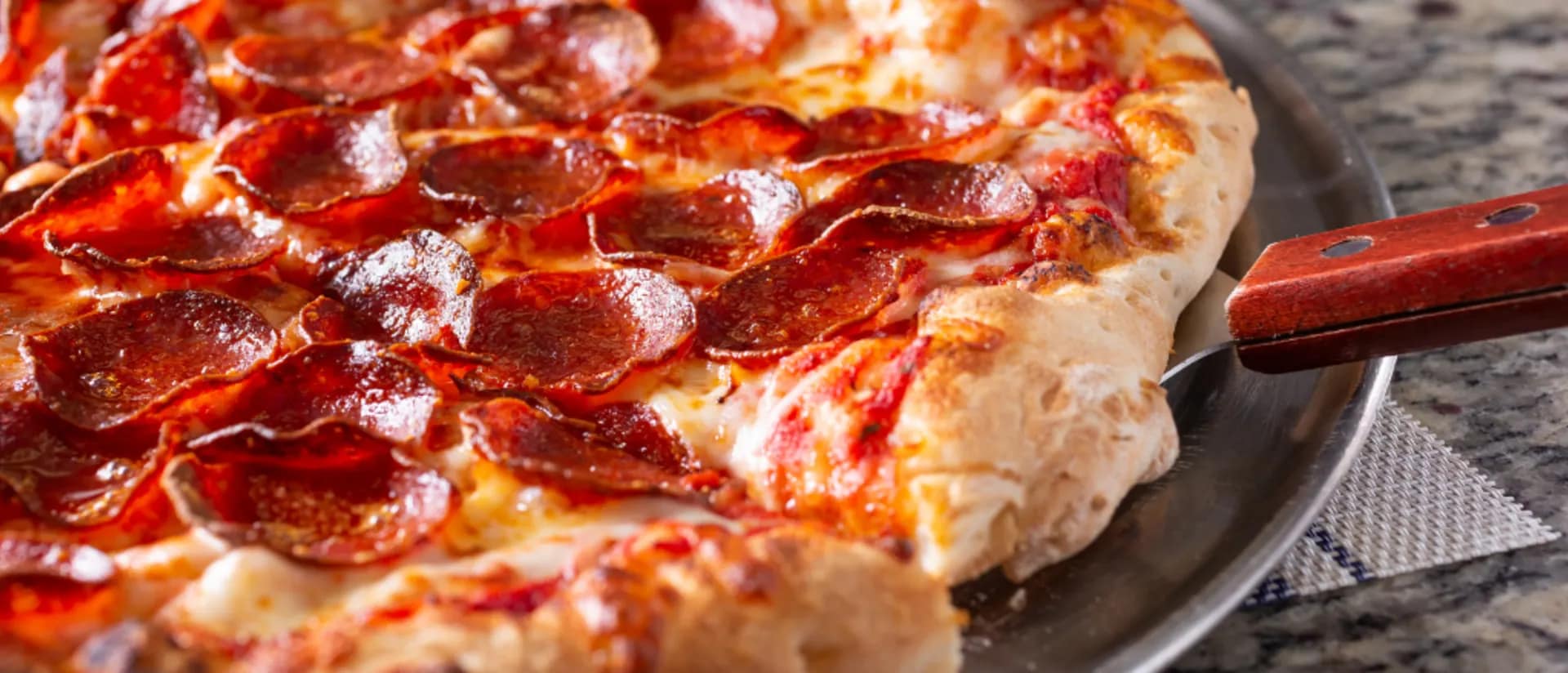
    Every year on September 20th, pizza lovers across the country unite to celebrate Pepperoni Pizza Day, a delicious holiday dedicated to America’s favorite pizza topping. Few foods are as universally loved as pizza, and when it comes to toppings, pepperoni has held the crown for decades.

    A Slice of History

    Pepperoni, which means “big pepper” in Italian, is an American creation inspired by traditional Italian cured meats. Immigrants in the early 20th century began experimenting with spiced, cured pork and beef to create the pepperoni we know today. By the 1950s, as pizza shops grew in popularity, pepperoni became the most popular topping—and it has never lost its spot at the top.

    Why We Love It

    Pepperoni brings a perfect balance of smoky, spicy, and savory flavors that blend seamlessly with melted cheese and tomato sauce. The edges curl up into crispy cups as they bake, adding texture and flavor to every bite. Whether enjoyed as a late-night snack, a family dinner, or at a game-day party, pepperoni pizza has a way of bringing people together.

    Fun Ways to Celebrate

    Order a slice from your favorite pizzeria and enjoy it hot out of the oven.

    Make your own pepperoni pizza at home with creative crusts, sauces, and cheese blends.

    Host a pizza party, letting everyone design their own mini pies with pepperoni and other toppings.

    Try something new like stuffed-crust pepperoni, double-layered pepperoni, or even pepperoni calzones.

    A Nationwide Favorite

    According to pizza industry reports, pepperoni tops more than 35% of all pizzas sold in the U.S. That’s billions of slices each year! It’s safe to say that when Americans think of pizza, pepperoni is often the first topping that comes to mind.

    So on Pepperoni Pizza Day, grab a slice (or two), share it with friends and family, and celebrate the classic topping that continues to win hearts one pizza at a time.

    Read More Holidays & National Days

  • Red Friday: Remembering Everyone Deployed

    Advertisements

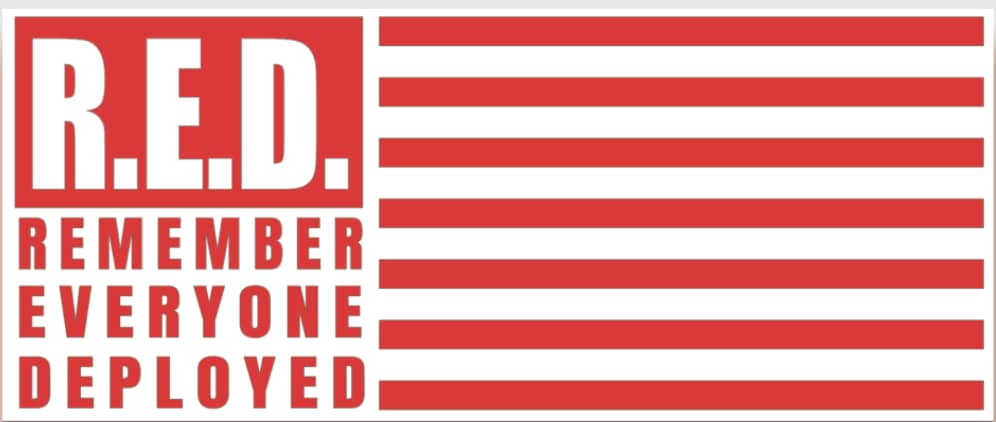
    Every Friday, across communities, workplaces, schools, and neighborhoods, you may notice people wearing red shirts, pins, or accessories. This simple gesture represents something much bigger than just a color choice—it’s part of Red Friday, a movement that stands for “Remember Everyone Deployed.”

    The Meaning Behind Red Friday

    Red Friday began as a grassroots campaign to show support for the men and women serving in the United States Armed Forces who are currently deployed around the world. While military families carry the weight of separation daily, Red Friday offers a way for communities at home to demonstrate solidarity and gratitude.

    Wearing red on Friday is not about politics or debates—it’s about people. It’s about acknowledging the sacrifices service members make, often missing birthdays, holidays, anniversaries, and milestones to fulfill their duty. It’s also about honoring the families who endure the waiting and the worry while their loved ones are away.

    A Simple Act, A Powerful Message

    The beauty of Red Friday lies in its simplicity. One doesn’t need to organize a large event or spend money. Simply putting on a red shirt before heading out the door sends a visible message of remembrance and respect. It unites communities in quiet but powerful support, reminding those deployed—and their families—that they are not forgotten.

    How You Can Participate

    Wear red every Friday. Whether it’s at work, school, or while running errands, your choice of color can spark conversation and awareness.

    Spread the word. Share the meaning of Red Friday with friends, coworkers, or social groups.

    Support military families. Go beyond the gesture by volunteering, donating to veteran and military family organizations, or simply checking in on families in your community who have a loved one deployed.

    Why It Matters

    For service members thousands of miles away, knowing that people back home remember them provides strength and encouragement. For families, seeing others participate in Red Friday reinforces that their sacrifice is acknowledged and appreciated.

    In a busy world, it’s easy to take freedom and security for granted. Red Friday is a gentle but powerful reminder to pause, reflect, and honor those who stand guard on our behalf.

    Read More Holidays & National Days

  • We Fight Monsters: Battling Darkness, Restoring Hope

    Advertisements

    What Is We Fight Monsters?

    We Fight Monsters is a U.S.-based non-profit organization founded by Ben and Jessica Owen. Headquartered in Memphis, Tennessee, its core work confronts and combats human trafficking, narcotics trafficking, addiction, and the ripple effects of violence and homelessness.

    Their mission combines intervention, rehabilitation, and community restoration. They aim not just to rescue individuals but to provide sustained support, reintegrate people into healthy living, and address systemic issues that enable exploitation and addiction.

    Who Are the Founders & Key People

    Ben and Jessica Owen are co-founders. Their backgrounds deeply inform the organization’s work: they both experienced addiction, homelessness, arrests, and in Jessica’s case childhood trauma. These experiences drive their empathy and understanding in working with people facing similar crises.

    The leadership draws in people with diverse experiences: former special operators, law enforcement professionals, ex-gang members, and people in recovery. This composition enables a mix of practical operational knowledge, outreach capability, and lived experience.

    What We Fight Monsters Does: Programs & Operations

    Here are the main pillars of their work:

    Rescue & Recovery Initiatives
    They locate and assist individuals trapped in sex trafficking, narcotics addiction, homelessness, or in perilous living situations. Those rescued are then moved into treatment, safe housing, or recovery programs.

    Safe & Transitional Housing
    Refuge is a priority: We Fight Monsters partners to build or renovate facilities like the “Hope House” in Memphis, which offer trauma-informed care, transitional housing, and longer-term support to survivors.

    Neighborhood & Community Revitalization
    They run operations aimed at reclaiming neighborhoods: shutting down harmful or exploitative houses, especially those used for drug dealing or trafficking, transforming them into recovery or safe living spaces. Community restoration efforts are part of their strategy.

    Advocacy & Collaboration
    They work with law enforcement, street gangs, and community agents to build trust, gather intelligence, and effect change from multiple fronts. Recently, they joined with other nonprofits in multi-state coordinated efforts to surge against trafficking networks.

    Support Services & Rehabilitation
    After rescue, there is care: shelters, sober-living, addiction recovery, psychological and trauma informed support. The aim is to help people not just survive but rebuild.

    Recent Collaborations & Highlights

    Interstate Justice Coalition: In 2025, We Fight Monsters partnered with other organizations to form this coalition. The purpose is to conduct surge operations across multiple U.S. states to disrupt trafficking networks, rescue victims, and amplify law enforcement and civic efforts.

    Hope House, Memphis: Alongside partners, they are renovating a facility in Memphis to provide safe housing and comprehensive care to survivors of sex trafficking.

    Quantifiable Impact: According to their public reporting, they have reclaimed a number of lives — people recovered from addiction, safe housing provided, homeless families rehoused, babies born into safer environments.

    Strengths & Challenges
    Strengths

    Lived Experience: Because many in leadership and operation have personal history with addiction, homelessness, or trafficking, there’s authenticity and empathy in their interventions. This often builds trust where purely institutional efforts might falter.

    Multi-Front Approach: Rescue + rehabilitation + community restoration + advocacy = more holistic impact.

    Collaborative Model: They partner with other nonprofits, law enforcement, and even groups often considered “outside the system” to reach places many organizations can’t or won’t.

    Community Engagement: Their operations aren’t just top-down rescues, but involve neighborhoods and volunteers. This helps in sustainability and broader awareness.

    Challenges

    Scale & Resources: To meet the level of need in human trafficking, addiction, and community decay, enormous resources—financial, personnel, logistical—are required. Nonprofits often run on limited budgets.

    Complexity of Trauma: Survivors of trafficking or addiction often have deep trauma. Healing is not linear; relapse, setbacks, legal and mental health challenges are common. Sustained, long-term support is demanding.

    Coordination & Risk: Working in dangerous or legally sensitive areas involves risks: safety, legal liability, confidentiality, and ensuring operations don’t re-traumatize survivors. Coordination with law enforcement and other agencies sometimes has bureaucratic or trust-barrier challenges.

    Public Awareness & Stigma: Topics like addiction, human trafficking, and former gang involvement still carry stigma. Raising awareness in a way that draws support and reduces stigma is always tough.

    Impact & Why It Matters

    We Fight Monsters represents a model of social change built from the ground up, motivated by personal stories of survival. Its impact is two-fold:

    For individuals: offering rescue, healing, and a path out of cycles of abuse, addiction, and exploitation.

    For communities: restoring safety, reclaiming neighborhoods, and reducing harm by addressing root causes rather than only symptoms.

    Moreover, by increasing awareness, forming coalitions, and setting up survivor-centered facilities, it contributes to systemic change. It demonstrates that interventions which are compassionate, operationally grounded, and coalition-based can make meaningful inroads into some of society’s most intractable problems.

    Looking Ahead

    Some of the opportunities and possible directions for growth:

    Expanding safe homes and recovery houses in more locations.

    Strengthening aftercare and reintegration programs, especially for survivors of trafficking and long-term addiction recovery.

    Building more robust partnerships with mental health services, legal support, and housing agencies.

    Increasing fundraising and resource mobilization to sustain and scale operations.

    Public education campaigns to reduce stigma, especially around addiction and trafficking, so communities are more informed, supportive, and engaged.

    Conclusion

    We Fight Monsters is more than a name—it’s a movement. It’s an organization that fights both visible and invisible battles: against trafficking, addiction, homelessness, and trauma. Born out of personal suffering, it channels hard-won insight into real change. While the obstacles are great, the combination of lived experience, operational capacity, community engagement, and collaboration gives We Fight Monsters the potential to make a deep, lasting difference.

    Read More Health & Wellness

  • NATIONAL POW/MIA RECOGNITION DAY

    Advertisements

    Each year, on the third Friday of September, the United States observes National POW/MIA Recognition Day, a solemn occasion dedicated to honoring American service members who were held as prisoners of war (POWs) and remembering those still missing in action (MIA). It is a day to recognize the courage, sacrifice, and resilience of these heroes, as well as to reaffirm the nation’s commitment to bringing every missing American home.

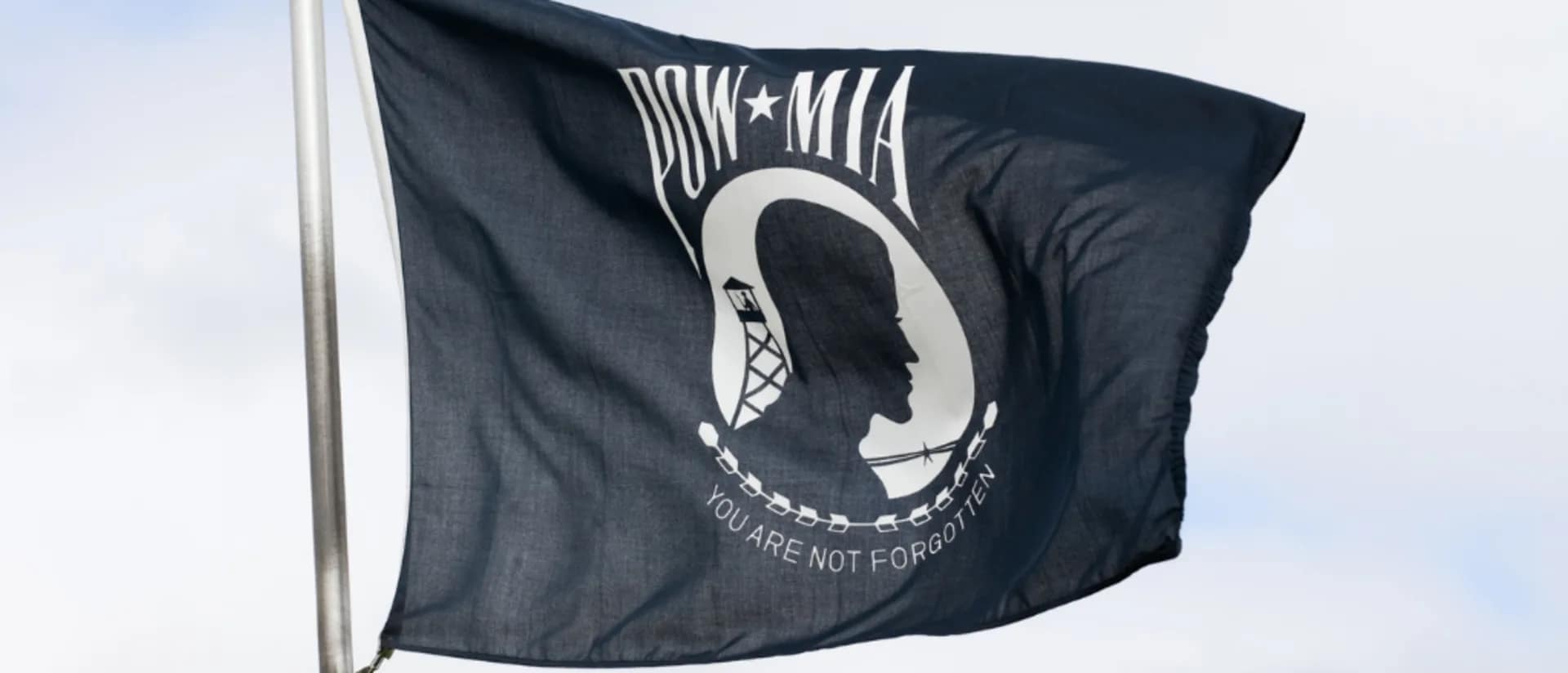
    The observance was first established in 1979 by President Jimmy Carter and has been recognized annually ever since. Ceremonies take place across the country, from the White House and military bases to veterans’ organizations, state capitols, and schools. The POW/MIA flag, with its stark black-and-white design and powerful words “You Are Not Forgotten,” is flown proudly alongside the American flag as a symbol of the nation’s enduring promise to account for every missing warrior.

    This day serves as a reminder of the extraordinary hardships endured by prisoners of war—men and women who faced unimaginable conditions yet held onto hope and honor. It also underscores the deep pain carried by families of the missing, who continue to wait for answers and closure.

    National POW/MIA Recognition Day is not only about memory, but also about action. The Department of Defense’s Defense POW/MIA Accounting Agency (DPAA) continues its critical mission of locating, identifying, and repatriating the remains of missing service members. Their work reflects America’s commitment to ensuring that no sacrifice is ever forgotten.

    On this day, Americans are encouraged to pause, reflect, and pay tribute—whether by attending a local ceremony, displaying the POW/MIA flag, or simply taking a moment of silence. By doing so, we honor the legacy of those who gave everything for freedom and ensure their memory lives on.

    Read More Holidays & National Days

  • National Day of Remembrance for Charlie Kirk – October 14, 2025

    Advertisements

    On October 14, 2025 — what would have been Charlie Kirk’s 32nd birthday — the United States Senate declared a National Day of Remembrance for Charlie Kirk.

    Who was Charlie Kirk / What happened

    Charlie Kirk was a conservative political activist, author, and media figure; he co-founded Turning Point USA.

    On September 10, 2025, he was fatally shot while speaking at Utah Valley University as part of his “American Comeback Tour.”

    His death has sparked widespread discussion about political violence, free speech, campus security, and how polarized political discourse has become.

    What the Resolution Declares

    The resolution was introduced by Senator Rick Scott (R-Florida) in the Senate, with Representative Jimmy Patronis (R-Florida) introducing a companion resolution in the House.

    It calls for October 14, 2025 to be designated as a “National Day of Remembrance for Charlie Kirk.”

    The resolution praises Kirk’s advocacy for individual liberty, open debate, civic engagement, and the defense of constitutional principles.

    It encourages educational institutions, civic organizations, and citizens to observe the day with appropriate programs, activities, prayers, and ceremonies that reflect the values Kirk championed.

    Significance & Reactions
    Support

    Among many Republicans, the resolution is seen as a tribute to Kirk’s life, recognizing his influence on young people, his strong conservative voice, and his frequent emphasis on debate and civic participation.

    It is also a symbolic stand against political violence, particularly in a time when incidents such as Kirk’s assassination are seen by supporters as symptoms of deeper divisions in U.S. political life.

    Criticism, Concerns, and Questions

    Some critics question whether Kirk’s past statements, policies, or controversies make him a unifying figure for national remembrance. There are concerns that declaring such a day may further polarize rather than heal, depending on how it is observed.

    Others have noted that since this resolution is symbolic (a simple resolution), it does not carry the full force of law — it does not mandate action in all places, nor does it require the President’s signature or funding.

    There is a debate about how public institutions (colleges, state offices, etc.) will or should acknowledge the day, and whether such observances can be truly neutral or will come across as partisan events.

    What It Means Moving Forward

    If the resolution becomes widely accepted, October 14 may become an annual observance for Kirk’s supporters, with memorials, speeches, and possibly policy proposals inspired by his legacy.

    The House of Representatives is expected to consider a similar resolution. For it to have broader recognition, both chambers passing it, and possibly recognition by the President, would help cement the day.

    It might also shift or intensify conversations about political violence, security at public speaking events, and the responsibilities of public figures in rhetoric and action.

    Broader Implications

    This move reinforces the trend of memorializing political figures soon after their deaths, sometimes before full historical perspective has been developed. How future generations view Charlie Kirk — including both his contributions and controversies — may affect how this remembrance day is seen in hindsight.

    The designation underscores how contentious political divisions in the U.S. are not just about policy but about identity, memory, and narrative — who is honored, how, and why.

    It also could set a precedent for how other public figures — particularly those involved in polarized politics — are memorialized at the national level.

    Conclusion

    The National Day of Remembrance for Charlie Kirk is now officially declared by the Senate for October 14, 2025 — a symbolic observance meant to honor his life, his beliefs, and his untimely death. While it has drawn support for its recognition of civic engagement and free speech, it also raises questions about political partisanship, how we choose heroes, and how we respond to political violence.

    Whether this day becomes a lasting part of national life — reaching beyond those who already admired Kirk — will depend in part on how broadly it is embraced, how inclusively it is observed, and how it fits into the broader national conversation about respect, remembrance, and civic values.

    Read More Holidays & National Days

  • National Cheeseburger Day

    Advertisements

    Every year on September 18, Americans come together to celebrate one of the most beloved comfort foods of all time: the cheeseburger. Juicy, flavorful, and endlessly customizable, the cheeseburger is more than just a meal—it’s a true culinary icon.

    A Slice of History

    The exact origin of the cheeseburger has been debated for decades, with several restaurants and chefs claiming to have added that first slice of cheese to a hamburger in the 1920s and 1930s. Regardless of who invented it, the cheeseburger quickly became a staple across diners, drive-ins, and backyard grills, capturing the spirit of American food culture.

    Why We Love It

    Part of the cheeseburger’s charm is its versatility. From the classic combination of beef, cheddar, lettuce, tomato, and pickles to more adventurous creations featuring blue cheese, fried eggs, or even gourmet toppings like truffle aioli, the cheeseburger can be as simple or as indulgent as you want it to be. It brings people together—whether at a summer cookout, a fast-food stop, or a family restaurant.

    Celebrating National Cheeseburger Day

    On this day, many restaurants and chains across the country offer special deals and discounts on cheeseburgers, making it the perfect excuse to enjoy one (or two). Some people celebrate by firing up the grill at home, experimenting with new toppings, or recreating their favorite restaurant-style burger.

    More Than Just a Burger

    The cheeseburger isn’t just about food—it’s a symbol of American tradition, creativity, and community. Sharing a cheeseburger with friends or family isn’t just about satisfying hunger; it’s about creating memories around a timeless favorite.

    So, whether you prefer yours with melty American cheese, sharp cheddar, or something a little more exotic, National Cheeseburger Day is the perfect time to sink your teeth into this delicious classic.

    Read More Holidays & National Days

Exit mobile version