
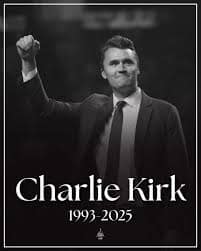
On September 10, 2025, Charlie Kirk was assassinated during a speaking event at Utah Valley University. His death shocked many in American political life and prompted a wave of mourning, memorials, and calls to preserve whatever legacy his supporters believe he left behind.
Life, Work, and Influence
Charlie Kirk (b. October 14, 1993) was a prominent conservative activist, author, and media figure. He co-founded Turning Point USA in 2012 and built it into a major force among younger conservatives, known for its campus chapters and political engagement.
His work touched on free speech, limited government, cultural issues, Christian faith, and mobilizing young people in conservative causes. Through various media—podcasts, speeches, social media—he became a polarizing but central figure in the MAGA movement and broader conservative activism.
How Supporters Are Mourning & Honoring Him
Since his death, supporters have honored Kirk in many ways:
The board of Turning Point USA unanimously appointed his widow, Erika Kirk, as the new CEO and Chair of the Board. This was reportedly in line with his expressed wishes, meant to ensure continuity of his mission.
A major memorial service is planned in Glendale, Arizona, with Trump, Vice President J.D. Vance, and other conservative figures attending.
The U.S. Senate passed unanimously a resolution to designate October 14, 2025 (his birthday) as a National Day of Remembrance for Charlie Kirk.
There have been vigils, prayer services, and moments of tribute across the country. Local communities have gathered to share memories, express grief, and reflect on what he meant to them.
Voices of Support: What People Are Saying
Here are some representative quotes and reflections by those who supported or admired him, capturing how many view his life and message:
Erika Kirk, his widow, speaking at a vigil:
“Charlie always said that, when he was gone, he wanted to be remembered for his courage and his faith.”
“One of the final conversations that he had on this earth, my husband witnesses for his Lord and Savior Jesus Christ.”
“Now, and for all eternity, he will stand at his savior’s side wearing the glorious crown of the martyr.”
Andrew Kolvet, TPUSA staffer and producer of The Charlie Kirk Show:
“It’s been said that the blood of the martyrs is the seeds of the church and we’re going to see great faith rise up across the country from this — I believe it — and in the world.”
“My request is, if you want to honor Charlie too, it is Sunday … Go back to church. Open your Bible. Pray. That’s what he wanted.”
Community voices at a vigil in Florida:
“He just was an amazing man. He spoke nothing but the truth.”
“He worked really hard, and he believed in his faith. And he sat there and said that God comes first with everything. And he brought me back to my faith in Christ.”
Senator Marsha Blackburn reflected on his influence:
“He was a champion for freedom. He was a role model for millions of young people across our country. And he was a devoted husband and father who loved his family more than anything.”
“Charlie believed in hard work and smart work, so honor him by working hard, by working smart, by looking for those opportunities to be a leader…”
The Challenges & Controversies in His Legacy
It’s important to note that Charlie Kirk was not without controversy. Critics point to divisive rhetoric, polarizing statements, and accusations that some of his arguments exacerbated cultural conflicts. These are parts of his public record that many remember as well. A full remembrance considers both his influence and these criticisms.
What His Supporters See as His Legacy
From the perspective of his supporters, these are the main themes they want his legacy to carry forward:
Faith & conviction: Many emphasize that his Christian faith was central to his life and that he wanted to be remembered for that.
Youth engagement and leadership: They see him as someone who inspired young people to get involved politically, think critically, and not feel like bystanders.
Freedom of speech and public debate: Supporters often recall how he engaged in debates, campus events, social media, trying to challenge what he saw as groupthink or ideological conformism.
Perseverance in adversity: Many remember his willingness to take risks, to speak in hostile environments, to stand for beliefs even when they were contested.
Ways People Are Honoring Him—What Comes Next
Continuing his work: With Erika Kirk now leading Turning Point USA, there is an expressed intention to expand and sustain the organization, following the direction Charlie was laying out.
Institutional recognition: The National Day of Remembrance, flags flown at half-staff, and gatherings across campuses emphasize formal public memory.
Personal actions: Some supporters say they will honor him by deepening their own faith, becoming more engaged locally, advocating for conservative causes, or simply holding more civil, bold conversations—as many quote as part of his model.
Reflections: What It Means to Remember
Remembering someone like Charlie Kirk means wrestling with complexity. His life elicited strong support, and critics as well. Honoring him doesn’t necessarily mean agreement with everything he said or did, but it does involve appreciating:
The power of belief and conviction in shaping public life
The role of young people in political movements
How faith, identity, and ideology interact in America today
The risks associated with big public voices—how they can uplift, polarize, and sometimes become targets
Conclusion
Charlie Kirk’s death has stirred deep emotions among those who saw in him a leader, a defender of conservative values, and a fighter for faith. His supporters remember him as courageous, outspoken, and someone who inspired many young people to step forward rather than stay silent. As the country engages with this loss, the memorials, remembrances, and the conversations around his life will shape how future generations understand not only Kirk, but the times he lived in—and what kind of political culture is to follow.
May the story of his life serve not just as a memory, but as an invitation: to reflect on what we believe, how we speak, and how we live with conviction—and compassion.
Leave a ReplyCancel reply