Author: Brett Murphy

  • History & Culture of the Day – September 15

    History & Culture of the Day – September 15

    Advertisements

    September 15 is a date filled with moments that have influenced nations, culture, science, entertainment, and the way people understand the world around them. From independence movements in Central America to the birth of an internationally celebrated writer, September 15 offers a fascinating look at how individual events can leave lasting marks on history.

    It is also a day that reminds us that history is more than wars, governments, and famous leaders. History is created through books, music, inventions, social movements, exploration, traditions, and ordinary people whose actions eventually become part of a much larger story.

    Here is a look back at some of the memorable events, cultural milestones, famous birthdays, and historical developments connected to September 15.


    1821 – Central American Nations Declare Independence

    One of the most important events associated with September 15 occurred in 1821, when much of Central America declared independence from Spanish rule.

    The Act of Independence of Central America was signed in Guatemala City, beginning a major political transformation for the region.

    Today, Costa Rica, El Salvador, Guatemala, Honduras, and Nicaragua all celebrate their independence on September 15.

    The independence movement was part of a much larger transformation taking place throughout Latin America during the early 19th century. For centuries, Spain had controlled enormous territories in the Americas. Political unrest in Europe, changing economic conditions, Enlightenment ideas, and successful independence movements elsewhere encouraged people throughout Latin America to challenge colonial rule.

    September 15 therefore represents much more than a historical date. Across Central America, it remains a celebration of national identity and heritage.

    Independence Day celebrations often include parades, music, traditional clothing, dancing, patriotic ceremonies, food, flags, and community gatherings.

    One particularly memorable tradition is the carrying of the Torch of Independence, which symbolizes the spread of the news of independence through Central America.

    More than two centuries later, September 15 remains one of the most culturally significant dates in the region.


    1830 – The Liverpool and Manchester Railway Opens

    September 15, 1830, marked an important moment in transportation history with the formal opening of the Liverpool and Manchester Railway in England.

    Railways existed before this event, but the Liverpool and Manchester line became an important milestone in the development of modern passenger and freight rail transportation.

    The railway connected two major industrial cities and demonstrated how steam-powered transportation could move people and goods efficiently over significant distances.

    The Industrial Revolution was already transforming Britain, and railroads accelerated those changes.

    Factories could receive raw materials faster. Finished products could reach markets more efficiently. People could travel farther and more quickly than previous generations had imagined.

    Railroads would eventually reshape entire countries.

    Cities expanded around railway stations. New communities developed along transportation routes. Commerce accelerated, and travel became accessible to growing numbers of people.

    The opening was also marked by tragedy. British politician William Huskisson was struck by George Stephenson’s locomotive Rocket during the opening ceremonies and later died from his injuries.

    Despite the tragedy, the railway demonstrated the enormous potential of steam transportation.

    Within decades, railroad networks would spread across Europe, North America, and other parts of the world.


    1857 – William Howard Taft Is Born

    William Howard Taft was born on September 15, 1857, in Cincinnati, Ohio.

    Taft would eventually become the 27th president of the United States, serving from 1909 to 1913.

    His place in history is particularly unusual because the presidency was not the only major national office he would hold.

    Years after leaving the White House, Taft became Chief Justice of the United States, serving from 1921 until 1930.

    He remains the only person in American history to have served both as president of the United States and as chief justice of the Supreme Court.

    Taft’s career demonstrates how public service can take many different forms. Although presidents often dominate historical discussions, Taft reportedly felt more comfortable in the legal world than in electoral politics.

    His life therefore connects two of America’s most powerful institutions: the presidency and the Supreme Court.


    1890 – Agatha Christie Is Born

    One of the world’s most famous mystery writers was born on September 15, 1890.

    Agatha Christie was born in Torquay, England, and would eventually become one of the most successful authors in literary history.

    Christie’s stories introduced readers to legendary fictional detectives including Hercule Poirot and Miss Marple.

    Her novels became famous for carefully constructed mysteries, unexpected clues, suspicious characters, and endings that often surprised readers.

    Among her best-known works are:

    • Murder on the Orient Express
    • Death on the Nile
    • The Murder of Roger Ackroyd
    • And Then There Were None
    • The ABC Murders

    Her influence extended beyond novels.

    Christie’s stage play The Mousetrap became famous for its extraordinarily long theatrical run in London’s West End.

    Her work has also inspired countless movies, television adaptations, radio productions, stage performances, and modern mystery writers.

    The popularity of Agatha Christie demonstrates something important about culture: a great story can survive long after the era in which it was written.

    Generations continue discovering her mysteries and trying to solve them before the final pages reveal the truth.


    1916 – Tanks Enter Battle

    September 15, 1916, became a significant date in military history when tanks were used in battle during the Battle of the Somme in World War I.

    The battlefield of World War I had become dominated by trenches, machine guns, barbed wire, and artillery.

    Military leaders searched for ways to break through heavily defended enemy positions.

    The tank represented a new approach.

    Early tanks were slow, mechanically unreliable, uncomfortable, and extremely difficult to operate. Many broke down or became stuck.

    Yet their appearance suggested how warfare was beginning to change.

    Over the following decades, armored vehicles became increasingly important to military strategy.

    By World War II, tanks had become central to major land campaigns.

    The first battlefield appearance of tanks on September 15 therefore represents an early stage in a technological transformation that would dramatically influence modern warfare.


    1928 – Alexander Fleming and the Discovery That Led to Penicillin

    September 1928 is closely associated with one of the most important medical discoveries of the modern era.

    Scottish scientist Alexander Fleming returned to his laboratory after time away and noticed something unusual in a dish containing bacteria.

    Mold had contaminated the dish.

    Instead of simply throwing it away, Fleming observed that bacteria surrounding the mold were being destroyed.

    The mold belonged to the Penicillium genus.

    Fleming’s observation eventually contributed to the development of penicillin, the world’s first widely effective antibiotic.

    The discovery would eventually transform medicine.

    Before antibiotics, bacterial infections that are routinely treated today could become deadly. Pneumonia, infected wounds, and many other infections posed enormous risks.

    Penicillin eventually saved countless lives, particularly after methods were developed to manufacture it on a large scale.

    The story has also become an enduring example of scientific curiosity.

    An unexpected observation became important because someone stopped to investigate it.


    1935 – The Nuremberg Laws Are Announced

    Not every historical anniversary represents progress.

    September 15, 1935, is associated with one of the darkest developments in Nazi Germany.

    During the Nazi Party rally in Nuremberg, the regime introduced laws that stripped German Jews of important citizenship rights and prohibited marriages and certain relationships between Jews and people classified as being of “German or related blood.”

    These measures became known as the Nuremberg Laws.

    They helped transform antisemitic ideology into government policy.

    The laws demonstrate how discrimination can become increasingly dangerous when prejudice is supported and enforced by institutions.

    In the years that followed, persecution intensified dramatically, eventually contributing to the systematic murder of six million Jews during the Holocaust.

    Remembering events like this is an essential part of studying history.

    History does not exist only to celebrate human achievement. It also provides warnings about what can happen when hatred, dehumanization, authoritarianism, and discrimination are allowed to grow unchecked.


    1940 – The Battle of Britain Reaches a Critical Day

    September 15, 1940, became one of the most famous days of the Battle of Britain during World War II.

    German forces launched major air attacks against Britain, and the Royal Air Force responded.

    The fighting that day became so significant that September 15 is now commemorated as Battle of Britain Day in the United Kingdom.

    The broader battle was crucial because Nazi Germany hoped to gain air superiority over Britain.

    British resistance prevented Germany from achieving that goal.

    The Battle of Britain became a powerful cultural symbol of endurance and national determination.

    It also highlighted the growing importance of aircraft, radar, intelligence, communications, and coordinated air defense in modern warfare.


    1949 – The Lone Ranger Comes to Television

    On September 15, 1949, The Lone Ranger premiered on American television.

    The masked Western hero had already become popular through radio, but television introduced the character to a new audience.

    With his horse Silver and his companion Tonto, the Lone Ranger became one of the recognizable heroes of early American television.

    The character’s famous cry of “Hi-Yo, Silver!” became part of popular culture.

    Western programs would become enormously popular during television’s early decades.

    Cowboys, frontier towns, sheriffs, outlaws, horses, and open landscapes filled American television screens.

    Although modern audiences often examine older Westerns more critically—particularly their portrayals of Native Americans and the mythology surrounding westward expansion—the genre remains an important part of American entertainment history.


    1963 – Birmingham Church Bombing

    September 15, 1963, became one of the most heartbreaking dates of the American Civil Rights Movement.

    A bomb exploded at the 16th Street Baptist Church in Birmingham, Alabama.

    Four Black girls were killed:

    Addie Mae Collins, Cynthia Wesley, Carole Robertson, and Denise McNair.

    The church had served as an important gathering place for civil rights activists.

    The bombing shocked the country and became a devastating example of the racist violence faced by Black Americans and those fighting segregation.

    Rather than stopping the movement, the tragedy increased national attention on racial injustice.

    The bombing remains an important part of American history because it reminds us that major social changes often come with enormous human costs.

    The four girls are remembered not simply as names in a history book, but as children whose lives were taken by hatred.

    Their memory became intertwined with the continuing struggle for equality and civil rights.


    1971 – Greenpeace Begins Its First Major Protest Voyage

    September 15, 1971, is closely associated with the beginnings of Greenpeace.

    A group of activists sailed from Vancouver aboard a vessel called the Phyllis Cormack, hoping to protest a planned U.S. nuclear test near Amchitka Island in Alaska.

    The group originally operated under the name “Don’t Make a Wave Committee,” but the idea of combining environmental concern with peace activism helped inspire the Greenpeace identity.

    The voyage helped create an organization that would later become internationally known for environmental activism.

    Over the decades, environmental movements have influenced public discussions about nuclear testing, pollution, wildlife conservation, climate change, forests, oceans, and energy.

    Whatever one’s views on individual environmental organizations or campaigns, the rise of environmental activism became a major cultural and political development during the second half of the 20th century.


    September 15 and Hispanic Heritage Month

    September 15 also holds major cultural importance in the United States because it marks the beginning of National Hispanic Heritage Month, which runs from September 15 through October 15.

    The starting date was deliberately chosen because September 15 is the independence anniversary of Costa Rica, El Salvador, Guatemala, Honduras, and Nicaragua.

    Mexico celebrates its independence on September 16, while Chile celebrates on September 18.

    Hispanic Heritage Month recognizes the history, cultures, achievements, and contributions of Americans whose families have roots in Spain, Mexico, the Caribbean, Central America, and South America.

    The month celebrates contributions in countless areas, including:

    music, art, literature, science, sports, military service, business, education, government, agriculture, entertainment, food, and community leadership.

    Hispanic and Latino cultures have profoundly influenced American life.

    You can hear that influence in music.

    You can taste it in food.

    You can see it in architecture and art.

    You can find it in language, festivals, neighborhoods, literature, family traditions, and everyday American culture.

    The observance is therefore not simply about looking backward at history.

    It is also about recognizing living cultures that continue shaping the United States.


    Famous People Born on September 15

    September 15 has also been the birthday of numerous influential figures from politics, literature, entertainment, sports, and other areas.

    William Howard Taft – 1857

    The 27th president of the United States and later Chief Justice of the United States.

    Agatha Christie – 1890

    Legendary British mystery writer and creator of Hercule Poirot and Miss Marple.

    Roy Acuff – 1903

    American country music performer who became one of the influential figures associated with the Grand Ole Opry.

    Fay Wray – 1907

    Actress remembered especially for her role in the 1933 film King Kong.

    Jackie Cooper – 1922

    Actor whose career stretched from childhood stardom into decades of film and television work.

    Cannonball Adderley – 1928

    Influential American jazz saxophonist known for his energetic performances and important contributions to jazz.

    Tommy Lee Jones – 1946

    Academy Award-winning American actor known for films including The Fugitive, Men in Black, No Country for Old Men, and Lincoln.

    Oliver Stone – 1946

    American filmmaker known for movies including Platoon, Wall Street, Born on the Fourth of July, and JFK.

    Dan Marino – 1961

    Legendary NFL quarterback best known for his career with the Miami Dolphins.

    Tom Hardy – 1977

    English actor known for roles in Inception, The Dark Knight Rises, Mad Max: Fury Road, The Revenant, and Venom.

    Prince Harry – 1984

    Born on September 15, 1984, the younger son of King Charles III and Diana, Princess of Wales.


    A Day of Independence, Discovery, Culture, and Remembrance

    Looking across the centuries, September 15 tells several very different stories.

    It is a story of independence, as Central American nations celebrate freedom from Spanish colonial rule.

    It is a story of innovation, represented by the development of rail transportation and the scientific observations that helped lead to penicillin.

    It is a story of culture, through writers such as Agatha Christie and entertainers who shaped literature, television, film, jazz, country music, and sports.

    It is a story of courage and resistance, from the Battle of Britain to the American Civil Rights Movement.

    And it is also a story of warning and remembrance, particularly when we look back at the Nuremberg Laws and the bombing of Birmingham’s 16th Street Baptist Church.

    History contains moments worth celebrating and moments that should never be forgotten.

    Both matter.

    The achievements of previous generations can inspire us, while their mistakes can warn us.

    That is one of the reasons learning about history remains so important.


    Why September 15 Still Matters

    A date on a calendar can appear ordinary until we begin exploring what happened on it.

    September 15 connects us with independence celebrations throughout Central America, the beginning of Hispanic Heritage Month in the United States, advances in transportation and medicine, unforgettable cultural figures, and defining moments in struggles for freedom and equality.

    These events happened in different countries, centuries, and circumstances, yet they share something important.

    Each became part of the world inherited by later generations.

    History is not simply a collection of old dates.

    It is the accumulated story of decisions, discoveries, struggles, creativity, courage, tragedy, and change.

    Every generation adds another chapter.

    And when we take a few minutes to look back, we gain a better understanding of how the world we know today came to be.

    Which September 15 moment do you think had the greatest impact on history or culture—and why?

  • This Day in American History – September 15

    Advertisements

    September 15 has witnessed moments in American history that shaped the federal government, introduced a future president, demonstrated American military power overseas, and exposed the terrible violence faced by Americans fighting for civil rights.

    From the earliest years of the United States to the Civil Rights Movement of the 20th century, September 15 reminds us that American history is a combination of progress, conflict, courage, tragedy, and change.

    Here is a look back at some of the most significant events connected to September 15 in American history.

    1789 – The Department of State Gets Its Name

    On September 15, 1789, during the first year of George Washington’s presidency, the young United States continued building the institutions necessary to operate its new federal government.

    Congress passed legislation changing the name of the Department of Foreign Affairs to the Department of State. The change reflected the department’s expanded responsibilities, which included several domestic duties in addition to handling foreign relations.

    Among its early responsibilities were preserving federal laws and important government records, handling presidential commissions, and maintaining custody of the Great Seal of the United States.

    The department had originally been established as the Department of Foreign Affairs in July 1789. The September legislation helped transform it into the institution we recognize today as the Department of State.

    Thomas Jefferson would become the nation’s first Secretary of State.

    More than two centuries later, the Department of State remains one of the most important departments in the federal government, representing the United States diplomatically around the world.

    September 15, therefore, marks an important milestone in the creation of America’s federal government.

    1857 – Future President William Howard Taft Is Born

    William Howard Taft was born in Cincinnati, Ohio, on September 15, 1857.

    Taft would eventually become one of the most unusual figures in American political history.

    He served as the 27th President of the United States from 1909 to 1913, succeeding Theodore Roosevelt.

    But the presidency was not the only major position Taft would hold.

    His career included service as a judge, U.S. Solicitor General, governor in the Philippines, Secretary of War, president, and eventually Chief Justice of the United States.

    That final position made Taft unique.

    He remains the only person in American history to have served as both President of the United States and Chief Justice of the United States Supreme Court.

    Taft became Chief Justice in 1921 and served until shortly before his death in 1930.

    His life demonstrated something rare in American history: reaching the highest levels of both the executive and judicial branches of government.

    1950 – The Inchon Landing During the Korean War

    September 15 also became an important date in American military history.

    On September 15, 1950, United Nations forces led by the United States launched the amphibious landing at Inchon, South Korea, during the Korean War.

    The operation was directed by General Douglas MacArthur and involved U.S. Navy and Marine forces.

    The landing was extremely risky.

    Inchon presented military planners with difficult tides, narrow waterways, fortified positions, and other geographic challenges. Despite those obstacles, American forces successfully landed and began securing the area.

    The operation dramatically changed the momentum of the war.

    North Korean forces had pushed South Korean and United Nations troops into a relatively small defensive area around Pusan. The Inchon landing placed forces behind North Korean lines and helped create an opportunity for UN troops to break out of their defensive positions.

    Seoul was subsequently recaptured.

    The Korean War would continue for nearly three more years, but the Inchon landing remains one of the most famous amphibious operations in U.S. military history.

    1963 – The 16th Street Baptist Church Bombing

    One of the darkest events associated with September 15 occurred in Birmingham, Alabama.

    On Sunday morning, September 15, 1963, a bomb exploded at the 16th Street Baptist Church, a prominent African American church and an important gathering place for Birmingham’s Civil Rights Movement.

    Members of the Ku Klux Klan had planted dynamite at the church.

    Four young girls were killed:

    Addie Mae Collins, age 14
    Denise McNair, age 11
    Carole Robertson, age 14
    Cynthia Wesley, age 14

    The girls were preparing for the church’s Youth Day activities when the explosion occurred.

    Many others were injured.

    The attack shocked Americans across the country.

    The bombing wasn’t simply an attack against a building. The church had become an important center for Birmingham’s African American community and the struggle against segregation.

    Civil rights leaders and community members frequently gathered there, making the church a symbol of the movement.

    The bombing demonstrated the extreme violence that could be directed against people challenging racial segregation.

    But the attackers failed to destroy the movement.

    Instead, the deaths of the four girls became another powerful symbol of why change was urgently needed.

    The National Park Service notes that the attack shocked the nation and helped galvanize the Civil Rights Movement. The struggle in Birmingham and events surrounding it contributed to growing public pressure for federal civil rights legislation.

    The Civil Rights Act would eventually be signed into law on July 2, 1964.

    Remembering Addie Mae, Denise, Carole, and Cynthia

    When discussing September 15, it is important that the four girls are remembered as more than names in a history book.

    They were children.

    They had families.

    They had friends, dreams, personalities, and futures that should have been theirs to experience.

    They had gone to church that Sunday morning expecting an ordinary day.

    Instead, they became victims of racial terrorism.

    Their deaths remain among the most heartbreaking reminders of the human cost of segregation and racial hatred in the United States.

    Remembering them keeps the focus where it belongs—not only on the political consequences of the bombing but also on the lives that were stolen.

    A Date That Shows Different Sides of the American Story

    September 15 offers a striking cross-section of American history.

    In 1789, Americans were building the institutions of their new constitutional government.

    In 1857, William Howard Taft was born, a man who would eventually lead two of America’s three branches of government at different points in his career.

    In 1950, American troops participated in the daring Inchon landing during the Korean War.

    And in 1963, four young girls were murdered while attending church because racial hatred and resistance to integration had turned Birmingham into a battleground in the struggle for civil rights.

    These events are very different, but together they reveal something important about studying history.

    History isn’t simply a collection of dates.

    It is the story of decisions and their consequences.

    It is about institutions being created, wars being fought, people seeking power, ordinary citizens demanding equality, and families experiencing moments that permanently change their lives.

    Why September 15 Still Matters

    Studying American history requires us to remember achievements without ignoring failures.

    There are moments worth celebrating.

    There are moments worth honoring.

    And there are moments that should make us uncomfortable because they reveal how badly Americans have sometimes failed to live up to the nation’s ideals.

    All of them belong in the story.

    The creation of the Department of State demonstrates the work required to build a functioning republic.

    William Howard Taft’s life shows the many ways individuals can influence America’s institutions.

    The Inchon landing reminds us of the sacrifices made by American service members during the Korean War—a conflict sometimes overshadowed by World War II and Vietnam.

    And the bombing of the 16th Street Baptist Church reminds us that progress toward equality has often come at an enormous human cost.

    History becomes valuable when we do more than memorize it.

    We should ask what happened, why it happened, who was affected, and what lessons can still be carried forward.

    Final Thoughts

    September 15 is a day containing both achievement and tragedy in American history.

    It reminds us of a young nation creating its government, a future president and Chief Justice beginning his life, American troops undertaking a daring military operation, and four innocent girls whose deaths became forever connected to America’s struggle for civil rights.

    Some historical moments inspire pride.

    Others demand reflection.

    Both deserve to be remembered.

    Because understanding America’s history means looking at the entire story—the victories, the sacrifices, the injustice, the courage, and the people whose lives helped shape the country we know today.

    Which September 15 event do you believe had the greatest impact on American history, and why?

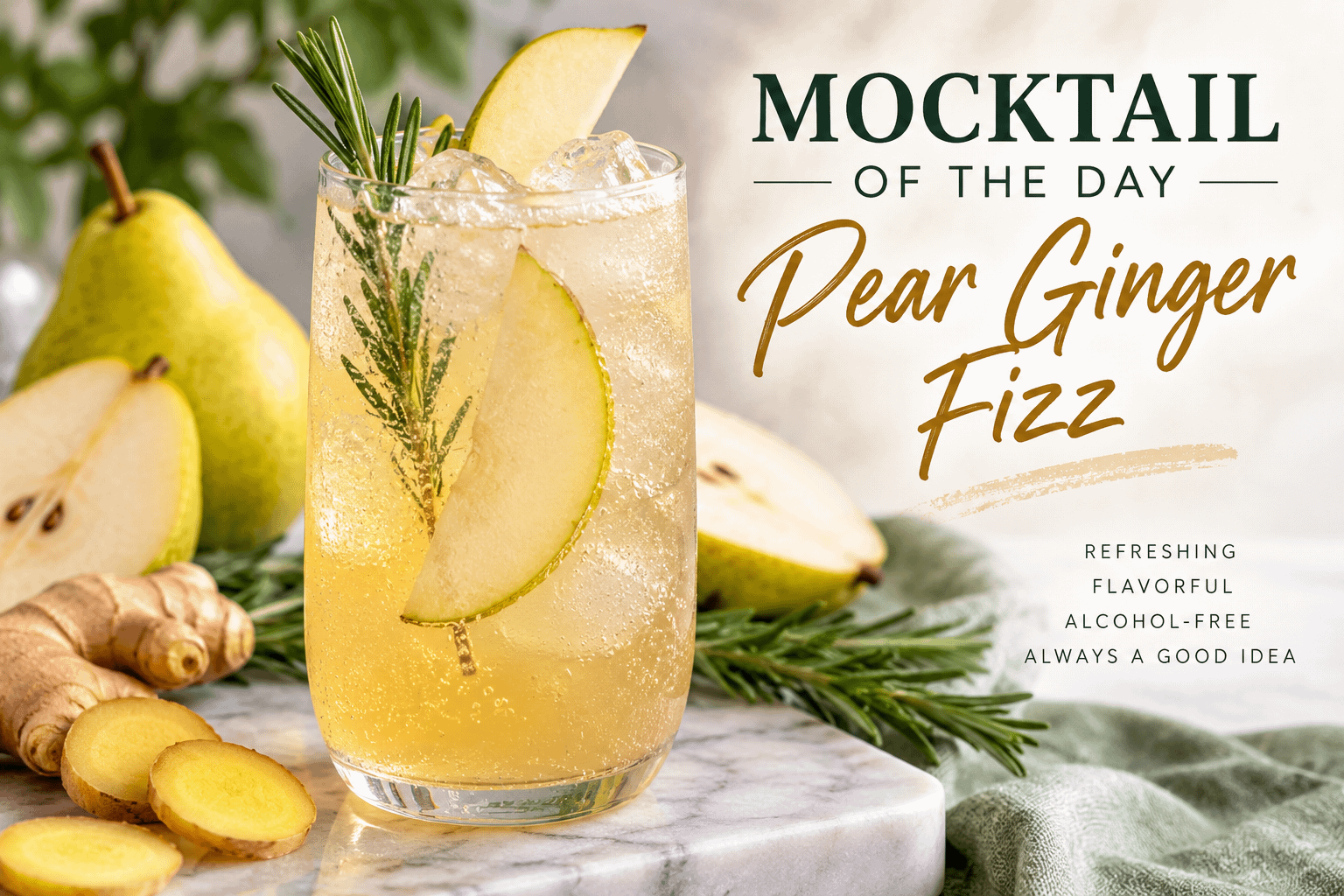
  • Mocktail of the Day: Pear Ginger Fizz

    Advertisements

    Some mocktails are sweet and fruity. Others are crisp and refreshing. Then there are drinks that manage to bring several flavors together while still tasting light, balanced, and incredibly easy to enjoy.

    Today’s Mocktail of the Day: Pear Ginger Fizz does exactly that.

    Juicy pear brings a naturally mellow sweetness, fresh lemon adds brightness, ginger provides a warm little kick, and sparkling water finishes everything with a refreshing burst of bubbles.

    The result is an alcohol-free drink that feels sophisticated without requiring complicated ingredients or bartending techniques.

    Whether you’re looking for something refreshing after a long day, putting together drinks for a dinner party, hosting friends who don’t drink alcohol, or simply trying something new, the Pear Ginger Fizz deserves a spot on your mocktail list.

    🍐 Mocktail of the Day: Pear Ginger Fizz

    Pear doesn’t always get the attention it deserves when it comes to drinks.

    Lemon, lime, strawberry, pineapple, peach, and watermelon tend to dominate mocktail recipes. Pear, however, has a naturally delicate sweetness that works beautifully with stronger flavors.

    That’s where ginger comes in.

    Ginger gives the drink a warm, slightly spicy character that keeps the pear from becoming overly sweet.

    Add fresh lemon juice for acidity and sparkling water for bubbles, and you’ve got a drink that’s crisp, refreshing, slightly spicy, and wonderfully balanced.

    Ingredients

    For one Pear Ginger Fizz, you’ll need:

    • 2 ounces pear nectar or pear juice
    • ¾ ounce fresh lemon juice
    • ½ ounce ginger syrup
    • 3–4 ounces sparkling water or club soda
    • Ice
    • Fresh pear slice for garnish
    • Thin slice of fresh ginger for garnish, optional
    • Rosemary sprig for garnish, optional

    For Homemade Ginger Syrup

    If you’d like to make your own ginger syrup, you’ll need:

    • ½ cup water
    • ½ cup granulated sugar
    • About 2 inches fresh ginger, peeled and sliced

    How to Make Homemade Ginger Syrup

    Making ginger syrup at home is surprisingly easy.

    Add the water, sugar, and sliced ginger to a small saucepan.

    Heat over medium heat while stirring until the sugar completely dissolves.

    Once the mixture begins to simmer, reduce the heat and allow it to gently simmer for about five minutes.

    Remove it from the heat and let the ginger steep for another 15–20 minutes.

    The longer it sits, the stronger the ginger flavor becomes.

    Strain out the ginger pieces and allow the syrup to cool completely.

    Store the finished syrup in a covered container in the refrigerator.

    Now you’ve got ginger syrup ready for today’s Pear Ginger Fizz and plenty of other mocktails.

    How to Make a Pear Ginger Fizz

    Step 1: Fill Your Glass

    Fill a tall glass or stemless wine glass with ice.

    Large cubes work especially well because they melt more slowly and keep the drink cold without quickly watering it down.

    Step 2: Add the Pear

    Pour approximately 2 ounces of pear nectar or pear juice over the ice.

    Pear nectar tends to produce a richer and slightly sweeter drink, while pear juice creates something lighter.

    Either works.

    Step 3: Add Lemon

    Pour in ¾ ounce of freshly squeezed lemon juice.

    Fresh lemon makes a noticeable difference here.

    Its bright acidity balances the sweetness of the pear and ginger syrup.

    Step 4: Add Ginger Syrup

    Add approximately ½ ounce ginger syrup.

    If you love ginger, increase it slightly.

    If you’re unsure about the spice, start with less. You can always add more after tasting.

    Step 5: Add the Fizz

    Top the drink with sparkling water or club soda.

    Gently stir everything together.

    You don’t want to stir aggressively because you’ll lose some of those refreshing bubbles.

    Step 6: Garnish

    Finish with a thin pear slice.

    For additional aroma and presentation, add a small piece of fresh ginger or a rosemary sprig.

    Serve immediately.

    What Does a Pear Ginger Fizz Taste Like?

    The first sip is bright and refreshing.

    Pear provides a soft, almost floral sweetness.

    Then the lemon arrives with enough tartness to keep everything balanced.

    Ginger follows with a subtle warming sensation.

    Finally, the carbonation gives the entire drink a clean, refreshing finish.

    It’s not overwhelmingly sweet.

    It’s not aggressively spicy.

    And it doesn’t taste like you’re simply drinking fruit juice with ice.

    Instead, the flavors work together to create something that feels much more like a carefully crafted cocktail—without the alcohol.

    Why Pear and Ginger Work So Well Together

    Pear has a subtle flavor.

    That’s actually one of its greatest strengths.

    Because pear isn’t extremely acidic or overpoweringly sweet, it pairs well with ingredients that have stronger personalities.

    Ginger is almost the opposite.

    It’s aromatic, spicy, warm, and instantly recognizable.

    Put the two together and each ingredient helps the other.

    Pear softens ginger’s sharpness.

    Ginger gives pear additional depth.

    Lemon ties the flavors together by introducing acidity.

    Sparkling water keeps everything light.

    It’s a simple combination, but that’s often where the best drinks begin.

    Choosing Your Pear Juice

    You have several options when making this mocktail.

    Pear nectar usually produces the richest flavor.

    Because nectar can be thicker and sweeter than regular juice, it creates a fuller-bodied mocktail.

    Regular pear juice produces a lighter version.

    Fresh pear purée is another possibility.

    If you have ripe pears available, peel and core one, then blend it until smooth.

    You can add a spoonful or two of the purée directly to the drink.

    Just remember that fresh pear purée will give your mocktail a thicker texture.

    For an especially smooth drink, strain the purée before using it.

    Use Ripe Pears for Garnish

    The garnish might seem like a small detail, but a beautiful pear slice makes this mocktail look much more impressive.

    Choose a pear that’s ripe but still firm enough to slice cleanly.

    Bartlett, Anjou, Bosc, and Comice pears can all work.

    Cut a thin slice and place it against the inside of the glass or attach it to the rim.

    If you’re preparing garnishes ahead of time, lightly coat the pear slices with lemon juice.

    This helps slow down browning.

    Make the Ginger Stronger

    Ginger lovers can easily turn up the heat.

    One option is simply increasing the amount of ginger syrup.

    Another is muddling a thin piece of fresh ginger in the bottom of your shaker or glass before adding the other ingredients.

    For an even stronger ginger experience, replace the sparkling water with alcohol-free ginger beer.

    That changes the personality of the drink considerably.

    Instead of being delicately fizzy with a mild ginger background, it becomes bold, spicy, and intensely refreshing.

    Try both versions and see which one you prefer.

    Pear Ginger Beer Fizz

    For the bolder variation, combine:

    • 2 ounces pear nectar
    • ¾ ounce fresh lemon juice
    • ¼ ounce ginger syrup
    • 4 ounces ginger beer
    • Ice

    Build everything over ice and gently stir.

    Because ginger beer already contains plenty of ginger flavor and sweetness, you’ll probably want less ginger syrup.

    Taste before adding more.

    Garnish with pear and lime or lemon.

    Add Rosemary

    Pear, ginger, and rosemary make a surprisingly elegant combination.

    Rosemary contributes a piney, herbal aroma that immediately makes the drink feel more sophisticated.

    You don’t need much.

    Simply place a rosemary sprig between your palms and gently clap once.

    This releases some of the aromatic oils.

    Place the sprig in the finished drink alongside the pear garnish.

    Every time you bring the glass toward your face, you’ll smell the rosemary before tasting the pear and ginger.

    That little detail can dramatically change the drinking experience.

    Try Cinnamon for Fall

    The Pear Ginger Fizz works year-round, but it can easily become an autumn mocktail.

    Add a tiny pinch of cinnamon or garnish the glass with a cinnamon stick.

    Pear, ginger, and cinnamon naturally create flavors associated with cooler weather.

    You could even make a spiced ginger syrup using ginger, cinnamon, and a small piece of star anise.

    Serve it at Thanksgiving, autumn gatherings, Halloween parties, or any chilly evening when you want something festive without alcohol.

    Turn It Into a Holiday Mocktail

    Want something elegant enough for Thanksgiving, Christmas, or New Year’s Eve?

    The Pear Ginger Fizz is an excellent starting point.

    Use pear nectar, lemon juice, ginger syrup, and sparkling water as usual.

    Then add:

    • Rosemary
    • Fresh cranberries
    • Pear slices
    • Cinnamon stick
    • Star anise

    You don’t need to use all of them.

    Even a rosemary sprig with a few floating cranberries can transform the presentation.

    Serve the drink in a wine glass or champagne flute for an even more festive appearance.

    Make It Sweeter

    If you prefer sweeter mocktails, there are several ways to adjust the Pear Ginger Fizz.

    Increase the ginger syrup slightly.

    You can also add simple syrup, honey syrup, or maple syrup.

    Maple syrup works particularly well with pear during autumn.

    Just remember that a little goes a long way.

    Start with about a teaspoon, stir, taste, and adjust.

    You want to enhance the pear rather than completely cover it.

    Make It Less Sweet

    Maybe you prefer something crisp and dry.

    That’s easy too.

    Use regular pear juice instead of nectar.

    Reduce the ginger syrup.

    Increase the lemon juice slightly.

    Then add plenty of club soda.

    You’ll end up with a lighter, more refreshing drink where pear becomes a subtle background flavor instead of the dominant sweetness.

    This version is especially enjoyable with dinner.

    Make a Frozen Pear Ginger Mocktail

    When the weather is hot, turn this recipe into a frozen drink.

    Add to a blender:

    • 3 ounces pear nectar
    • ¾ ounce lemon juice
    • ½ ounce ginger syrup
    • 1 cup ice

    Blend until smooth.

    Pour into a chilled glass and add just a small splash of sparkling water on top.

    Garnish with pear.

    You’ll get a completely different texture while keeping the same pear-ginger flavor combination.

    Add Fresh Mint

    Mint provides another simple variation.

    Gently muddle four or five mint leaves in the bottom of your glass before adding the pear juice.

    Don’t pulverize them.

    A gentle press is enough to release the oils.

    Add ice, pear nectar, lemon, ginger syrup, and sparkling water.

    The mint makes the drink even more refreshing and creates a version that’s particularly good during spring and summer.

    Try Pear and Cucumber

    For an ultra-refreshing version, add cucumber.

    Muddle two or three thin cucumber slices with the lemon juice.

    Add pear nectar, ginger syrup, and ice.

    Top with sparkling water.

    Cucumber adds freshness without competing heavily with the pear.

    Garnish with alternating cucumber and pear slices for a beautiful presentation.

    Make a Pear Ginger Punch

    Hosting a party?

    There’s no reason to make every glass individually.

    You can turn this recipe into a pitcher.

    For approximately eight servings, combine:

    • 2 cups pear nectar
    • ¾ cup fresh lemon juice
    • ½ cup ginger syrup

    Mix these ingredients in a pitcher and refrigerate until cold.

    When you’re ready to serve, add approximately 3 cups of chilled sparkling water.

    Add pear slices and lemon wheels.

    Serve over ice.

    The important part is waiting until close to serving time before adding the sparkling water.

    If you add it hours beforehand, the punch will lose much of its carbonation.

    Perfect for Baby Showers and Family Celebrations

    Mocktails are especially useful when you’re entertaining a mixed crowd.

    Not everyone drinks alcohol.

    Some people are driving.

    Others simply prefer alcohol-free beverages.

    Instead of giving those guests only water or soda, a thoughtfully prepared mocktail makes everyone feel included in the celebration.

    The Pear Ginger Fizz works beautifully for:

    • Baby showers
    • Bridal showers
    • Birthday parties
    • Family dinners
    • Holiday gatherings
    • Brunches
    • Backyard parties
    • Graduation celebrations
    • New Year’s Eve
    • Dinner parties

    Its elegant appearance makes it suitable for special occasions, but the recipe is easy enough for an ordinary afternoon.

    Create a Mocktail Station

    For larger gatherings, consider creating a build-your-own mocktail station.

    Set out pear nectar, ginger syrup, lemon juice, sparkling water, ginger beer, and plenty of ice.

    Then provide garnishes such as:

    • Pear slices
    • Lemon wheels
    • Lime wedges
    • Mint
    • Rosemary
    • Cucumber
    • Fresh berries
    • Cinnamon sticks

    Guests can adjust their drinks according to their own preferences.

    Someone who loves ginger can use ginger beer.

    Someone who wants something lighter can add extra sparkling water.

    Someone who enjoys tart drinks can squeeze in more lemon.

    It’s interactive, easy, and gives everyone control over their own drink.

    What to Serve With a Pear Ginger Fizz

    Because this mocktail is refreshing rather than extremely sweet, it works with a wide variety of foods.

    Try serving it with:

    • Grilled chicken
    • Charcuterie boards
    • Soft cheeses
    • Salads
    • Turkey sandwiches
    • Pork dishes
    • Roasted vegetables
    • Seafood
    • Light pasta dishes
    • Brunch foods

    Pear also pairs particularly well with cheese.

    A Pear Ginger Fizz alongside a cheese board featuring brie, goat cheese, cheddar, walnuts, crackers, and fresh fruit makes an easy but impressive appetizer combination.

    Make the Presentation Special

    You don’t need professional bartending equipment to make a beautiful mocktail.

    Start with a clear glass.

    Add plenty of fresh ice.

    Pour the drink slowly so you can see the bubbles rising through the pear mixture.

    Add a thin pear slice.

    Finish with rosemary, mint, or ginger.

    For parties, you can even use dehydrated pear slices as garnishes.

    The goal isn’t perfection.

    It’s simply making the drink look as enjoyable as it tastes.

    Why Mocktails Deserve More Attention

    For a long time, alcohol-free drink choices at gatherings were fairly predictable.

    Water.

    Soda.

    Juice.

    Maybe lemonade.

    Today’s mocktails prove that choosing not to drink alcohol doesn’t mean choosing a boring beverage.

    You can still experiment with fresh fruit, herbs, spices, syrups, citrus, carbonation, teas, and creative garnishes.

    The Pear Ginger Fizz is a perfect example.

    There’s no alcohol missing from this drink.

    Pear, ginger, lemon, and bubbles provide plenty of flavor on their own.

    Make It Your Own

    One of the best things about mocktails is how easy they are to customize.

    Think of this recipe as your starting point.

    Want it sweeter?

    Add more pear nectar.

    Want it spicier?

    Increase the ginger.

    Want more tartness?

    Squeeze in additional lemon.

    Want something herbal?

    Add rosemary.

    Want maximum refreshment?

    Add cucumber and mint.

    Want a holiday version?

    Bring in cranberries and cinnamon.

    Want something tropical?

    Try a small splash of pineapple juice.

    Experiment until you find the version that tastes best to you.

    Mocktail of the Day

    Today’s Mocktail of the Day: Pear Ginger Fizz proves that a great alcohol-free drink doesn’t need dozens of ingredients.

    Pear brings mellow fruit sweetness.

    Ginger adds warmth and spice.

    Fresh lemon delivers brightness.

    Sparkling water gives the drink its refreshing finish.

    Together, they create a mocktail that’s easy enough to make at home but elegant enough to serve at a celebration.

    Make the classic version, turn up the ginger with ginger beer, add rosemary for an herbal touch, introduce cinnamon for autumn, or create an entire pitcher for your next gathering.

    No matter how you customize it, don’t forget that final pear slice.

    Sometimes a simple garnish is all it takes to turn an everyday drink into something that feels special.

    Would you make your Pear Ginger Fizz extra spicy with ginger beer, sweet and fruity, or crisp with lots of sparkling water?

  • Shot of the Day: Midnight Reckoning

    Advertisements

    Some shots are sweet and playful. Some are fiery enough to make you think twice before ordering another. And then there are those dark, mysterious shots that seem made for late nights, dim lights, good music, and stories that get better as the evening goes on.

    Midnight Reckoning belongs in that last category.

    Dark, smooth, slightly sweet, and carrying a warming whiskey finish, this shot is designed for the moment when the night has officially begun. Blackberry liqueur provides a deep berry flavor and dramatic color, bourbon adds warmth and character, and a touch of coffee liqueur gives the drink a rich finish that makes it taste much more sophisticated than the average party shot.

    It looks mysterious in the glass, tastes surprisingly smooth, and has a name people are going to remember.

    If you’re ready for something darker for today’s Shot of the Day, it’s time for a Midnight Reckoning.

    🥃 Shot of the Day: Midnight Reckoning

    Midnight Reckoning combines the warmth of bourbon with dark blackberry and coffee flavors. The result falls somewhere between a fruity whiskey shot and an after-dinner drink.

    It’s strong without tasting like straight liquor, sweet without becoming syrupy, and bold enough to live up to its name.

    Ingredients

    • ½ ounce bourbon
    • ½ ounce blackberry liqueur
    • ¼ ounce coffee liqueur
    • ¼ ounce fresh lemon juice
    • Ice
    • Fresh blackberry for garnish, optional
    • Black or purple cocktail sugar for the rim, optional

    How to Make a Midnight Reckoning

    1. Chill the shot glass.

    Put your shot glass in the freezer for about 15 minutes before preparing the drink.

    A properly chilled glass makes a big difference with this shot because Midnight Reckoning is at its best when served extremely cold.

    2. Prepare the rim if desired.

    For a more dramatic presentation, lightly run a lemon wedge around part of the rim.

    Dip the moistened portion into black or dark-purple cocktail sugar.

    You don’t need to rim the entire glass. A half-rim can look even more impressive and allows the person drinking it to decide whether they want the added sweetness.

    3. Add the ingredients.

    Fill a cocktail shaker with ice.

    Add the bourbon, blackberry liqueur, coffee liqueur, and fresh lemon juice.

    4. Shake.

    Secure the shaker and shake vigorously for approximately 10–15 seconds.

    The goal is to make the mixture very cold while adding just enough dilution to soften the bourbon.

    5. Strain and serve.

    Strain into your chilled shot glass.

    Add a fresh blackberry to the rim if you want an easy garnish.

    Serve immediately.

    What Does Midnight Reckoning Taste Like?

    The first thing you’ll notice is blackberry.

    Blackberry liqueur gives the shot a deep berry sweetness that’s richer than many of the bright fruit flavors commonly used in party shots.

    Then the bourbon begins to appear.

    Its caramel, vanilla, oak, and warming whiskey notes prevent the blackberry from turning the drink into something that tastes like candy.

    Coffee liqueur adds another darker flavor underneath everything.

    Finally, the lemon juice provides a little acidity.

    That small amount of lemon is important.

    Without it, the combination of blackberry and coffee liqueurs can become too sweet and heavy. Lemon brightens everything and helps bring the bourbon back into focus.

    The result is fruity, rich, slightly tart, and warming.

    It’s the kind of shot where you taste several flavors instead of simply tasting alcohol.

    Why Bourbon Is the Heart of Midnight Reckoning

    Bourbon gives this shot its personality.

    You could make something similar with vodka, but it wouldn’t have the same depth.

    Bourbon naturally brings flavors such as vanilla, caramel, oak, baking spice, and sometimes fruit. Those characteristics pair beautifully with blackberry.

    The whiskey also stands up to coffee liqueur instead of disappearing behind it.

    You don’t need your most expensive bottle of bourbon for this recipe.

    Choose a bourbon you already enjoy drinking. A smooth, moderately priced bourbon is perfect because you’re combining it with several other strong flavors.

    The better you like the bourbon on its own, the better you’re likely to enjoy the finished shot.

    Blackberry Brings the Darkness

    Blackberry liqueur is what gives Midnight Reckoning its deep fruit flavor and much of its dark appearance.

    Blackberries have a different personality from sweeter fruits such as peach or strawberry.

    They’re sweet, but they can also be tart, earthy, and rich.

    That makes blackberry an excellent companion for whiskey.

    If you can’t find blackberry liqueur, crème de mûre is an excellent choice.

    You can also experiment with black raspberry liqueur. It will change the flavor somewhat, but you’ll still get that dark berry character that makes the shot special.

    The Secret Ingredient: Coffee Liqueur

    Coffee and blackberry might sound like an unusual combination.

    That’s exactly why it works.

    You aren’t adding enough coffee liqueur to turn Midnight Reckoning into a coffee shot.

    Instead, the coffee sits quietly in the background.

    It adds roasted sweetness and depth while making the bourbon taste richer.

    Take the shot quickly and you might initially notice berry and whiskey.

    Pay attention to the finish and that’s where the coffee becomes more noticeable.

    It’s a small ingredient with a big job.

    Why Lemon Juice Matters

    When making sweet shots, acidity is often overlooked.

    That’s a mistake.

    A little citrus can completely transform a drink.

    Midnight Reckoning contains two sweet liqueurs. Without something tart to balance them, the drink could easily become overly sweet.

    Fresh lemon juice cuts through that richness.

    It also complements blackberry naturally.

    Use fresh lemon juice whenever possible. Bottled lemon juice can work in an emergency, but fresh citrus provides a brighter flavor.

    We’re only talking about ¼ ounce, but that little splash makes a noticeable difference.

    Make It Sweeter

    If you enjoy sweeter party shots, Midnight Reckoning is easy to adjust.

    Reduce the lemon juice slightly and increase the blackberry liqueur.

    Try:

    • ½ ounce bourbon
    • ¾ ounce blackberry liqueur
    • ¼ ounce coffee liqueur
    • Small squeeze of lemon

    You’ll get a fruitier, sweeter drink with less whiskey intensity.

    A sugared rim can take it even further.

    Make It Stronger

    Want the bourbon to take center stage?

    Try:

    • ¾ ounce bourbon
    • ½ ounce blackberry liqueur
    • ¼ ounce coffee liqueur
    • Small squeeze of lemon

    This version has significantly more whiskey character.

    The berry and coffee flavors are still present, but they’re supporting the bourbon rather than competing with it.

    It’s a good variation for whiskey drinkers who want their shot to taste like whiskey.

    Make It Darker

    Presentation is a major part of the Midnight Reckoning experience.

    If you want an even darker appearance, use a particularly deep-colored blackberry liqueur and serve the shot in clear glassware.

    You can also rim the glass with dark cocktail sugar.

    Avoid adding random food coloring simply to make the drink black. The natural deep purple, brown, and ruby shades from the ingredients create a much more attractive drink.

    Hold the finished shot against low lighting and you’ll often see dark red and purple highlights.

    That’s exactly the look you want.

    Turn Midnight Reckoning Into a Layered Shot

    Want to challenge your bartending skills?

    Experiment with a layered version.

    Because different brands of liqueur have different sugar contents and densities, the exact layering order may vary.

    Start with blackberry liqueur.

    Slowly pour coffee liqueur over the back of a bar spoon.

    Then carefully add bourbon.

    The result may create visible dark layers rather than one uniform color.

    Layered shots take practice, so don’t worry if the first attempt mixes together.

    It still tastes good.

    Midnight Reckoning Party Batch

    This is an excellent shot for parties because the basic mixture can be prepared ahead of time.

    For approximately eight servings, combine:

    • 4 ounces bourbon
    • 4 ounces blackberry liqueur
    • 2 ounces coffee liqueur
    • 2 ounces fresh lemon juice

    Pour everything into a sealable bottle or pitcher.

    Refrigerate until thoroughly chilled.

    Before serving, shake portions with ice and strain into shot glasses.

    If you’re serving a large crowd and don’t want to shake every individual round, add a small amount of cold water to the batch to approximate the dilution normally created by shaking.

    Keep the mixture refrigerated until you’re ready to pour.

    Perfect for Halloween

    Midnight Reckoning would be right at home at a Halloween party.

    The name already sounds like something that belongs on a spooky drink menu.

    Add dark cocktail sugar to the rim and arrange the glasses on a black tray.

    Use dim lighting, purple lights, or battery-operated candles around the serving area.

    You could create an entire Halloween shot menu featuring drinks with dark, fiery, or mysterious themes.

    Midnight Reckoning would be the smooth, dark whiskey option.

    Perfect for New Year’s Eve

    There’s another occasion where this name works surprisingly well.

    New Year’s Eve.

    As midnight approaches, people naturally reflect on the year they’re leaving behind.

    The successes.

    The mistakes.

    The people they’ve met.

    The people they’ve lost.

    The things they accomplished.

    The things they wish they’d done differently.

    That makes “Midnight Reckoning” an interesting name for a final toast before the clock strikes twelve.

    Make a batch shortly before midnight and raise the glasses together.

    Then leave the old year behind.

    A Great Late-Night Shot

    Not every shot needs to be served at the beginning of a party.

    Midnight Reckoning feels more appropriate later in the evening.

    Its coffee, berry, and bourbon flavors make it especially suitable as an after-dinner shot.

    Think of it almost like a miniature dessert cocktail.

    Serve it after steak, barbecue, burgers, or a rich dinner.

    It also pairs nicely with desserts involving chocolate, berries, coffee, or caramel.

    Food Pairings

    If you’re serving Midnight Reckoning alongside food, try:

    • Dark chocolate
    • Chocolate-covered strawberries
    • Blackberry cheesecake
    • Brownies
    • Chocolate cake
    • Bread pudding
    • Caramel desserts
    • Cheesecake bites
    • Barbecue sliders
    • Smoked meats
    • Bacon-wrapped appetizers
    • Charcuterie
    • Aged cheeses

    Dark chocolate is particularly good.

    Chocolate, blackberry, coffee, and bourbon naturally complement one another.

    A small piece of dark chocolate after the shot can almost turn the experience into dessert.

    Garnish Ideas

    Shots don’t need elaborate garnishes, but Midnight Reckoning gives you plenty of possibilities.

    Fresh Blackberry

    The simplest and probably best choice.

    Place one blackberry on a cocktail pick and rest it across the top of the glass.

    Lemon Twist

    A thin lemon twist creates bright contrast against the dark drink.

    Dark Sugar Rim

    Perfect when presentation matters.

    Blackberry and Lemon

    Place a blackberry and tiny piece of lemon peel together on a cocktail pick.

    Chocolate

    For an after-dinner version, serve the shot with a small square of dark chocolate on the side.

    Sometimes the garnish doesn’t need to go into the glass.

    Turn It Into a Full Cocktail

    Love the flavors but don’t want to take a shot?

    Midnight Reckoning can easily become a sipping cocktail.

    Midnight Reckoning Cocktail

    • 1½ ounces bourbon
    • 1 ounce blackberry liqueur
    • ½ ounce coffee liqueur
    • ½ ounce fresh lemon juice
    • Ice
    • Fresh blackberry

    Add everything to a cocktail shaker filled with ice.

    Shake well and strain over fresh ice in a rocks glass.

    Garnish with a blackberry and lemon twist.

    Now you have a full-sized drink that retains the personality of the original shot.

    Make It Sparkling

    There’s also a lighter variation.

    Prepare the shot mixture, but instead of serving it in a shot glass, pour it into a small cocktail glass and top with sparkling water.

    The bubbles lighten the drink and bring more attention to the blackberry and lemon.

    It’s less intense and easier to sip.

    Frozen Midnight Reckoning

    Hosting a summer party?

    Freeze fresh blackberries and use them to chill your serving glasses.

    You can also blend bourbon, blackberry liqueur, coffee liqueur, lemon juice, and crushed ice to create a frozen version.

    It becomes less of a traditional shot and more of a tiny frozen cocktail, but that’s part of the fun of experimenting.

    Why This Shot Works

    A memorable shot doesn’t necessarily need ten ingredients.

    It needs balance.

    Midnight Reckoning has four main components, and each one serves a purpose.

    Bourbon brings strength and warmth.

    Blackberry liqueur brings fruit and sweetness.

    Coffee liqueur brings richness and depth.

    Lemon brings brightness and acidity.

    Take one of those components away and the drink changes significantly.

    Together, they create something that’s easy to prepare but tastes more complex than the recipe suggests.

    That’s exactly what you want from a good Shot of the Day.

    Give It Your Own Twist

    One of the best things about homemade drink recipes is that nothing says you have to make them exactly the same way forever.

    Use the Midnight Reckoning recipe as your starting point.

    Try another bourbon.

    Increase the blackberry.

    Reduce the coffee.

    Add more lemon.

    Experiment with black raspberry.

    Try an espresso-flavored liqueur.

    Give the glass a sugar rim.

    Serve it alongside chocolate.

    Once you discover the combination you love, make that your house version.

    The best drink recipes often evolve through experimentation.

    A Shot Made for Midnight

    Names matter.

    You could call this a bourbon-blackberry-coffee shot, but that doesn’t create much excitement.

    Midnight Reckoning tells you something about the drink before you even taste it.

    It’s dark.

    It’s bold.

    It’s mysterious.

    And it feels like something you should drink when the evening is getting late and nobody is quite ready to go home.

    Then you taste it.

    Sweet blackberry arrives first.

    Bourbon follows with warmth.

    Coffee appears in the background.

    Lemon cuts through everything just enough to bring the flavors together.

    Suddenly the name makes sense.

    Final Sip

    Today’s Shot of the Day: Midnight Reckoning proves that a party shot can be dark, sophisticated, and flavorful without becoming complicated.

    Bourbon provides the strength and warming whiskey character. Blackberry liqueur gives the drink its deep fruitiness and dramatic appearance. Coffee liqueur adds a rich roasted undertone, while fresh lemon keeps everything balanced.

    Serve it ice cold with a fresh blackberry for a simple presentation, dress it up with dark cocktail sugar for Halloween, or save it for a memorable midnight toast on New Year’s Eve.

    However you serve it, Midnight Reckoning is the kind of shot that deserves dim lights, good company, and a night worth remembering.

    As always, enjoy responsibly. This recipe is intended only for adults of legal drinking age. Never drink and drive, and make sure everyone has a safe way home.

    When midnight arrives, what are you raising a glass to—the past you’re leaving behind or the future waiting ahead?

  • Cocktail of the Day: Maple Rosemary Bourbon Fizz

    Advertisements

    Some cocktails are made for hot summer afternoons. Others belong beside a warm fire on a cool evening. Today’s Cocktail of the Day — the Maple Rosemary Bourbon Fizz — falls perfectly into that second category.

    This cocktail combines the rich warmth of bourbon with real maple syrup, fresh lemon juice, aromatic rosemary, and sparkling club soda. The result is refreshing without losing the deeper flavors that make bourbon cocktails so satisfying.

    The Maple Rosemary Bourbon Fizz is especially fitting as summer begins giving way to fall. It has enough citrus and carbonation to remain light and refreshing while introducing the maple and herbal flavors we associate with cooler weather.

    Whether you’re relaxing after a long day, entertaining friends, or simply looking for something different to add to your home cocktail collection, this is an easy drink worth trying.

    Why You’ll Love the Maple Rosemary Bourbon Fizz

    Bourbon and maple syrup are natural partners.

    Bourbon often carries notes of vanilla, caramel, oak, and warm spice. Maple syrup complements those characteristics without completely covering them.

    Then comes rosemary.

    Rosemary gives the cocktail an herbal aroma that immediately makes the drink more interesting. You don’t need much. A small amount can transform the cocktail from a simple bourbon-and-lemon drink into something that tastes and smells much more sophisticated.

    Fresh lemon juice provides acidity to balance the sweetness, while club soda gives everything a crisp, bubbly finish.

    You end up with a cocktail that is:

    • Slightly sweet
    • Bright and citrusy
    • Herbal and aromatic
    • Smooth
    • Refreshing
    • Easy to prepare

    Best of all, you don’t need an extensive home bar to make it.

    Ingredients

    To make one Maple Rosemary Bourbon Fizz, you’ll need:

    2 ounces bourbon

    ¾ ounce fresh lemon juice

    ½ ounce pure maple syrup

    1 small rosemary sprig

    2–3 ounces club soda

    Ice

    Garnish

    Fresh rosemary sprig and lemon wheel or lemon peel.

    How to Make a Maple Rosemary Bourbon Fizz

    Step 1: Release the Rosemary

    Place a small rosemary sprig in the bottom of a cocktail shaker.

    Gently press it with a muddler or the back of a spoon.

    Don’t completely pulverize the rosemary. You’re simply trying to release some of its aromatic oils.

    Step 2: Add the Main Ingredients

    Pour the bourbon, fresh lemon juice, and maple syrup into the shaker.

    Add a generous amount of ice.

    Step 3: Shake

    Shake vigorously for approximately 10–15 seconds.

    This chills the cocktail while thoroughly combining the maple syrup with the bourbon and lemon juice.

    Step 4: Strain

    Fill a rocks glass or tall cocktail glass with fresh ice.

    Strain the cocktail into the glass.

    If you don’t want small pieces of rosemary in your drink, double-strain it through a fine mesh strainer.

    Step 5: Add the Fizz

    Top with approximately 2–3 ounces of club soda.

    Give the drink one gentle stir.

    Step 6: Garnish

    Add a fresh rosemary sprig and a lemon wheel or twist.

    Your Maple Rosemary Bourbon Fizz is ready.

    What Does It Taste Like?

    Your first impression will probably come from the rosemary.

    Before you even taste the cocktail, the garnish provides a fresh herbal aroma.

    Then you’ll notice the bourbon.

    Its caramel, vanilla, and oak characteristics form the foundation of the drink. Maple syrup follows with a mellow sweetness that feels richer than ordinary simple syrup.

    The lemon cuts through that richness with a bright burst of acidity.

    Finally, the club soda lightens everything.

    Instead of becoming a heavy bourbon cocktail, the drink finishes crisp and refreshing.

    That’s what makes this combination work so well.

    No single ingredient needs to dominate the glass.

    Why Use Real Maple Syrup?

    If you’re making this cocktail, use pure maple syrup whenever possible.

    Pancake-style syrups are often primarily corn syrup or other sweeteners with maple flavoring. They’ll sweeten the drink, but they won’t provide the same depth.

    Real maple syrup brings natural caramelized and slightly woody flavors that pair exceptionally well with whiskey.

    And because maple syrup is sweeter and richer than traditional simple syrup, you don’t need very much.

    Start with about half an ounce.

    If you prefer sweeter cocktails, you can increase it slightly.

    Choosing Your Bourbon

    You don’t need to reach for the most expensive bottle on the shelf.

    This is a mixed drink, so a good everyday bourbon is usually the better choice.

    Look for a bourbon with noticeable vanilla, caramel, oak, or baking-spice characteristics.

    A slightly higher-proof bourbon can also work particularly well because the spirit needs to stand up against lemon juice, maple syrup, melting ice, and club soda.

    The most important rule is simple:

    Use a bourbon you already enjoy drinking.

    Fresh Lemon Juice Makes a Difference

    Bottled lemon juice might be convenient, but fresh lemon juice can dramatically improve a cocktail like this.

    Lemon plays an important role here.

    Without enough acidity, bourbon and maple syrup could make the cocktail taste overly sweet and heavy.

    Fresh lemon provides the necessary balance.

    Squeeze your lemon immediately before preparing the drink whenever possible.

    That little extra step is worth it.

    Don’t Overdo the Rosemary

    Rosemary is powerful.

    That’s exactly why it works so well in cocktails — but it’s also why restraint matters.

    You want rosemary to provide an herbal background and enticing aroma rather than make the drink taste like you’re drinking a Christmas tree.

    Gently muddle a small sprig.

    You can always add another rosemary sprig as garnish for additional aroma without introducing excessive herbal flavor into the liquid itself.

    Make It Smoky

    Want to give this cocktail another layer of flavor?

    Try adding a subtle smoky element.

    You could briefly smoke the glass with rosemary before pouring the cocktail.

    Carefully ignite the end of a rosemary sprig, extinguish the flame, and allow the aromatic smoke to fill an inverted heat-safe glass.

    Then turn the glass upright and prepare the cocktail.

    The smoke can complement bourbon’s oak characteristics beautifully.

    Always use appropriate fire safety precautions when using an open flame.

    Make It Spicier

    Fall flavors and baking spices naturally complement maple and bourbon.

    Try adding a small pinch of cinnamon to the shaker.

    You could also garnish the drink with a cinnamon stick.

    Another option is adding one dash of aromatic bitters.

    Bitters introduce spice and complexity without substantially changing the cocktail’s sweetness.

    Make It Less Sweet

    Prefer cocktails on the drier side?

    Reduce the maple syrup to approximately ¼ ounce.

    You can also increase the club soda slightly.

    This produces a lighter, more bourbon-forward cocktail while retaining a hint of maple flavor.

    Make It Sweeter

    If you prefer a sweeter drink, increase the maple syrup from ½ ounce to approximately ¾ ounce.

    Don’t add too much immediately.

    Maple syrup can quickly overpower the lemon and bourbon.

    It’s easier to add sweetness than remove it.

    Turn It Into a Maple Rosemary Whiskey Sour

    There’s another easy variation hiding inside this recipe.

    Simply leave out the club soda.

    Shake:

    • 2 ounces bourbon
    • ¾ ounce lemon juice
    • ½ ounce maple syrup
    • Rosemary

    Strain over fresh ice.

    Now you’ve essentially created a maple-rosemary variation of a whiskey sour.

    For a silky traditional sour-style texture, experienced home bartenders can also use pasteurized egg white or an appropriate cocktail foamer.

    Batch It for a Small Gathering

    The Maple Rosemary Bourbon Fizz can also work as a party cocktail.

    For approximately six servings, combine:

    12 ounces bourbon

    4½ ounces fresh lemon juice

    3 ounces pure maple syrup

    Several rosemary sprigs

    Mix the bourbon, lemon, maple syrup, and rosemary ahead of time and refrigerate.

    Don’t add the club soda until you’re ready to serve.

    Pour individual portions over ice and top each glass with club soda.

    Garnish with rosemary and lemon.

    Waiting to add the carbonation keeps every drink fresh and bubbly.

    When to Serve It

    This cocktail fits especially well during the transition from summer into fall.

    Try serving it for:

    • Backyard gatherings
    • Football weekends
    • Fall dinners
    • Thanksgiving celebrations
    • Cocktail parties
    • Date nights at home
    • Relaxing evenings on the patio
    • Holiday gatherings

    It’s sophisticated enough for entertaining but simple enough to make when you’re sitting at home and want one good cocktail.

    Food Pairings

    The combination of bourbon, maple, rosemary, and lemon gives you plenty of food-pairing possibilities.

    Try it alongside grilled pork chops, barbecue chicken, smoked meats, roasted vegetables, charcuterie, aged cheddar, glazed ham, or roasted nuts.

    For dessert, consider apple crisp, pecan pie, maple cheesecake, bread pudding, or cinnamon-spiced desserts.

    The cocktail’s lemon and carbonation can help cut through richer foods, while the bourbon and maple complement caramelized and smoky flavors.

    Presentation Matters

    You don’t need professional bartending equipment to make a cocktail look impressive.

    Use a clear rocks glass filled with fresh ice.

    Add a bright lemon wheel.

    Finish with a tall rosemary sprig extending above the rim.

    For an extra aromatic touch, lightly clap the rosemary between your hands before adding it to the glass. This helps release some of its natural oils.

    The combination of golden bourbon, green rosemary, and bright yellow lemon creates a simple but attractive presentation.

    Cocktail of the Day Final Sip

    The Maple Rosemary Bourbon Fizz proves that a great cocktail doesn’t have to involve a long list of ingredients.

    Bourbon brings warmth.

    Maple syrup adds rich sweetness.

    Lemon provides brightness.

    Rosemary contributes a fresh herbal aroma.

    Club soda ties everything together with a crisp sparkling finish.

    It’s familiar enough for bourbon drinkers but different enough to feel like you’re trying something new.

    As the evenings gradually get cooler and fall approaches, this is exactly the kind of cocktail that deserves a place in your glass.

    Maple Rosemary Bourbon Fizz

    2 oz bourbon + ¾ oz fresh lemon juice + ½ oz pure maple syrup + rosemary + club soda.

    Shake everything except the soda with ice, strain over fresh ice, top with club soda, garnish with rosemary and lemon, and enjoy responsibly.

    Would you try the Maple Rosemary Bourbon Fizz, or what ingredient would you add to make it your own?

  • Drink of the Day: Cinnamon Pear Whiskey Cooler

    Advertisements

    As summer slowly gives way to cooler evenings and the first hints of fall begin to appear, the drinks we reach for often start changing too. Bright tropical flavors make room for apples, pears, cinnamon, maple, ginger, and the warm character of whiskey.

    Today’s Drink of the Day: Cinnamon Pear Whiskey Cooler brings those worlds together.

    This refreshing cocktail combines juicy pear, smooth whiskey, fresh lemon, a touch of cinnamon, and sparkling ginger ale for a drink that is crisp enough to enjoy on a warm afternoon but cozy enough to welcome the beginning of fall.

    It is a cocktail built around contrast.

    The pear is naturally sweet and delicate. Lemon adds brightness. Cinnamon introduces warmth. Whiskey brings vanilla, oak, caramel, and spice, while ginger ale finishes everything with refreshing bubbles.

    The result is a drink that feels seasonal without being heavy.

    Whether you’re sitting outside after a long day, having friends over for dinner, watching football, firing up the grill, or simply looking for a new whiskey drink to try, the Cinnamon Pear Whiskey Cooler deserves a place on your drink list.

    Why Pear and Whiskey Work So Well Together

    Pear doesn’t always receive the attention that apple, peach, strawberry, and citrus get in cocktails.

    That’s a shame because pear works exceptionally well with whiskey.

    A ripe pear has a gentle sweetness that doesn’t overpower the spirit. Instead, it allows the whiskey’s natural flavors to remain noticeable.

    Depending on the whiskey you choose, you may detect notes of:

    • Vanilla
    • Caramel
    • Oak
    • Honey
    • Baking spices
    • Toasted sugar
    • Dried fruit
    • Cinnamon

    Those flavors naturally complement pear.

    Cinnamon strengthens that relationship even more.

    Add a little lemon to keep everything from becoming too sweet and some ginger ale for carbonation, and suddenly you have a cocktail with several layers of flavor without requiring a complicated list of ingredients.

    Cinnamon Pear Whiskey Cooler Recipe

    Ingredients

    For one cocktail, you’ll need:

    • 2 ounces whiskey or bourbon
    • ½ ripe pear, diced
    • ¾ ounce fresh lemon juice
    • ½ ounce cinnamon simple syrup
    • 3 ounces ginger ale
    • Ice
    • Thin pear slices for garnish
    • Cinnamon stick for garnish
    • Light sprinkle of ground cinnamon, optional

    Instructions

    1. Muddle the pear

    Place the diced pear into the bottom of a cocktail shaker.

    Add the cinnamon syrup and fresh lemon juice.

    Gently muddle until the pear releases its juice.

    You don’t need to completely pulverize the fruit. You’re trying to extract the pear flavor rather than turn it into applesauce.

    2. Add the whiskey

    Pour 2 ounces of your favorite whiskey or bourbon into the shaker.

    Fill the shaker with ice.

    3. Shake

    Shake for approximately 10–15 seconds until everything is thoroughly chilled.

    4. Strain

    Fill a rocks or highball glass with fresh ice.

    Strain the whiskey and pear mixture over the ice.

    Fine-strain it if you prefer a smoother drink without pieces of pear.

    5. Add the bubbles

    Top with approximately 3 ounces of ginger ale.

    Stir gently.

    6. Garnish

    Add several thin pear slices and a cinnamon stick.

    For an extra touch, lightly dust the pear garnish with cinnamon.

    Serve immediately.

    Making Cinnamon Simple Syrup

    Cinnamon syrup sounds fancy, but it’s incredibly easy to make at home.

    You’ll need:

    • 1 cup water
    • 1 cup granulated sugar
    • 2–3 cinnamon sticks

    Combine the water and sugar in a small saucepan.

    Warm the mixture over medium heat while stirring until the sugar completely dissolves.

    Add the cinnamon sticks.

    Reduce the heat and allow the syrup to gently simmer for approximately five minutes.

    Remove it from the heat and let the cinnamon sticks steep while the syrup cools.

    The longer they remain in the syrup, the stronger the cinnamon flavor will become.

    Once cooled, remove the cinnamon sticks and transfer the syrup to a clean container.

    Store it covered in the refrigerator.

    You can use cinnamon syrup for much more than this cocktail. Try adding it to coffee, iced tea, hot chocolate, apple cider, lemonade, or other fall-inspired drinks.

    Choosing the Right Pear

    The pear is one of the stars of this cocktail, so choosing a good one makes a difference.

    You want a pear that is ripe enough to provide plenty of juice and sweetness but not so soft that it has become mushy.

    Bartlett pears are an excellent choice because they become juicy and fragrant when ripe.

    Anjou pears also work nicely and generally maintain a slightly firmer texture.

    Bosc pears offer a more aromatic, somewhat spiced flavor that can be especially good with whiskey and cinnamon.

    Whichever variety you choose, taste a piece before making the cocktail.

    If your pear is particularly sweet, you may want to reduce the cinnamon syrup slightly.

    If it isn’t very sweet yet, the full ½ ounce of syrup will help balance the drink.

    What Whiskey Should You Use?

    One of the best things about the Cinnamon Pear Whiskey Cooler is that you have several options.

    Bourbon

    Bourbon is probably my first choice.

    Its vanilla, caramel, oak, and sometimes cinnamon-like characteristics work naturally with pear.

    A bourbon-forward version will taste slightly richer and sweeter.

    Rye Whiskey

    Want more spice?

    Use rye.

    Rye whiskey generally has a spicier personality that can bring additional pepper and baking-spice characteristics to the cocktail.

    That spice contrasts beautifully with sweet pear.

    Irish Whiskey

    Irish whiskey can create a lighter and exceptionally smooth version.

    If you aren’t normally a big whiskey drinker, this may be a good place to start.

    Tennessee Whiskey

    Tennessee whiskey works too.

    Its smooth, slightly sweet character fits comfortably alongside cinnamon, pear, lemon, and ginger.

    The best whiskey is ultimately one you already enjoy.

    You don’t need to reach for your most expensive bottle. A reliable everyday whiskey is perfect for a mixed drink like this.

    Why Fresh Lemon Juice Matters

    Lemon may seem like a supporting ingredient, but it performs an important job.

    Pear, cinnamon syrup, ginger ale, and whiskey can all contribute sweetness or richness.

    Without acidity, the cocktail could become too sweet.

    Fresh lemon juice cuts through those flavors and provides balance.

    It also makes the pear taste brighter.

    Freshly squeezed lemon juice is worth the small amount of extra effort. Bottled lemon juice often tastes flatter and more processed.

    Because this cocktail uses only about ¾ ounce, one fresh lemon can provide enough juice for more than one drink.

    Ginger Ale Brings Everything Together

    Once the whiskey, pear, lemon, and cinnamon are combined, ginger ale finishes the cocktail.

    It provides three things:

    Sweetness. Ginger ale adds just enough additional sweetness to soften the whiskey and lemon.

    Spice. Ginger naturally complements both cinnamon and whiskey.

    Carbonation. The bubbles make the drink lighter and more refreshing.

    This is what turns the cocktail into a true cooler.

    Instead of drinking like a heavy fall whiskey cocktail, it remains crisp and easy to sip.

    Try Ginger Beer for More Spice

    If you prefer stronger ginger flavor, substitute ginger beer for ginger ale.

    Ginger beer usually provides a sharper, more noticeable ginger kick.

    The combination becomes:

    Pear + cinnamon + whiskey + lemon + ginger.

    It’s a fantastic combination for anyone who enjoys Moscow Mule-style drinks.

    Use the same amount—approximately 3 ounces—and adjust according to taste.

    Make It Less Sweet

    Not everyone enjoys sweet cocktails.

    That’s easy to fix.

    Reduce the cinnamon syrup to ¼ ounce and replace some or all of the ginger ale with club soda.

    Try:

    • 2 ounces whiskey
    • ½ pear
    • ¾ ounce lemon juice
    • ¼ ounce cinnamon syrup
    • 2 ounces club soda
    • 1 ounce ginger ale

    You’ll still get the pear, cinnamon, ginger, and whiskey flavors, but the finished cocktail will be considerably drier.

    Add Maple for an Even More Autumn-Inspired Version

    Want to push this cocktail further into fall?

    Add maple syrup.

    Instead of ½ ounce cinnamon syrup, try:

    • ¼ ounce cinnamon syrup
    • ¼ ounce pure maple syrup

    Maple and whiskey are already excellent partners.

    Add pear and cinnamon and you have a drink that tastes like early autumn in a glass.

    Be careful not to add too much maple syrup, though.

    Its flavor is strong, and you still want the pear to remain noticeable.

    Cinnamon Pear Bourbon Cooler

    Bourbon lovers can make a dedicated variation.

    Use:

    • 2 ounces bourbon
    • ½ ripe pear
    • ¾ ounce lemon juice
    • ½ ounce cinnamon syrup
    • 3 ounces ginger ale

    Garnish with pear and cinnamon.

    The bourbon’s vanilla and caramel characteristics make this version slightly richer than one prepared with lighter whiskey.

    Sparkling Cinnamon Pear Whiskey Cooler

    For extra bubbles, replace ginger ale with sparkling water and add a small splash of ginger syrup.

    Another option is using pear-flavored sparkling water.

    Try:

    • 2 ounces whiskey
    • 1 ounce pear juice
    • ¾ ounce lemon
    • ½ ounce cinnamon syrup
    • 3–4 ounces pear sparkling water

    This creates a lighter, highly refreshing version.

    Apple-Pear Whiskey Cooler

    Apples and pears naturally belong together.

    For this variation, muddle a few small pieces of both apple and pear.

    Then prepare the cocktail normally.

    You can also replace one ounce of ginger ale with fresh apple cider.

    Now you’ve got pear, apple, cinnamon, ginger, and whiskey all working together.

    It’s an excellent cocktail for September and October.

    Honey Pear Whiskey Cooler

    Replace cinnamon syrup with honey syrup.

    To make honey syrup, mix approximately two parts honey with one part warm water until smooth.

    Use ½ ounce in the cocktail.

    You can still add a small pinch of cinnamon or use a cinnamon stick as the garnish.

    Honey creates a softer, richer sweetness that pairs beautifully with pear and whiskey.

    Smoked Cinnamon Pear Whiskey Cooler

    If you enjoy smoky cocktails, try adding a subtle smoky element.

    You could use a lightly smoky whiskey or briefly smoke the cinnamon stick before using it as garnish.

    The goal isn’t to make the entire cocktail taste like smoke.

    A little goes a long way.

    Smoke adds another layer of aroma that works particularly well with whiskey, cinnamon, and pear.

    Make It a Pitcher

    This drink is easy to scale for gatherings.

    For approximately six servings, use:

    • 12 ounces whiskey
    • 3 ripe pears
    • 4½ ounces fresh lemon juice
    • 3 ounces cinnamon syrup
    • 18 ounces ginger ale
    • Pear slices
    • Cinnamon sticks
    • Ice

    Muddle the pears with the lemon juice and cinnamon syrup in the bottom of a large pitcher.

    Add the whiskey.

    Stir thoroughly.

    Refrigerate until you’re ready to serve.

    Don’t add the ginger ale until shortly before serving.

    This helps preserve the carbonation.

    You should also avoid filling the pitcher with ice too early. Melting ice will slowly dilute your cocktail.

    Instead, fill individual glasses with ice and pour the cocktail over them.

    Turn It Into a Fall Party Drink

    The Cinnamon Pear Whiskey Cooler makes a great signature drink for a fall gathering.

    Prepare the whiskey, pear, lemon, and cinnamon mixture ahead of time.

    Then set out:

    • Ginger ale
    • Ginger beer
    • Club soda
    • Pear slices
    • Apple slices
    • Cinnamon sticks
    • Fresh lemon
    • Ice

    Guests can choose how sweet, spicy, or sparkling they want their drink.

    Someone who likes sweeter cocktails can use ginger ale.

    Someone who likes bold ginger can choose ginger beer.

    Someone who wants something lighter can top theirs with club soda.

    One base cocktail suddenly becomes several different drinks.

    What to Serve With a Cinnamon Pear Whiskey Cooler

    The flavors in this cocktail make it extremely food-friendly.

    Try it with:

    • Grilled pork chops
    • Barbecue chicken
    • Smoked ribs
    • Pulled pork
    • Roast chicken
    • Burgers
    • Grilled sausages
    • Baked ham
    • Sharp cheddar cheese
    • Brie
    • Smoked gouda
    • Roasted nuts
    • Charcuterie

    Pear is especially good with cheese, which makes this cocktail a natural choice for a cheese or charcuterie board.

    The whiskey also pairs well with smoked and grilled foods.

    Dessert Pairings

    Don’t forget dessert.

    Cinnamon Pear Whiskey Cooler works beautifully with:

    • Apple pie
    • Pear crisp
    • Apple crisp
    • Bread pudding
    • Cinnamon rolls
    • Cheesecake
    • Vanilla pound cake
    • Caramel cake
    • Pecan pie
    • Vanilla ice cream
    • Snickerdoodle cookies

    A warm pear or apple crisp served with vanilla ice cream alongside this cocktail would make an especially good fall combination.

    Perfect for the Transition From Summer to Fall

    September can be a strange month when it comes to drinks.

    The calendar begins to say fall, but many afternoons still feel like summer.

    That’s one reason this cocktail works so well.

    Serve it over plenty of ice with ginger ale and lemon, and it is refreshing enough for a warm afternoon.

    But pear, cinnamon, and whiskey bring the flavors we begin craving as cooler weather approaches.

    You don’t have to decide between a refreshing summer cocktail and a cozy fall whiskey drink.

    This gives you a little of both.

    Garnishing Your Cinnamon Pear Whiskey Cooler

    Presentation can turn a simple homemade cocktail into something that looks like it came from a restaurant or cocktail bar.

    Try garnishing with:

    • Thin pear fan
    • Cinnamon stick
    • Lemon wheel
    • Fresh rosemary
    • Star anise
    • Apple slice
    • Candied ginger

    One of the easiest presentations is simply three thin pear slices placed together along the side of the glass with a cinnamon stick.

    You can also lightly sprinkle cinnamon over the top.

    Just don’t use too much ground cinnamon. It doesn’t dissolve easily and can float on the surface.

    Adjust the Drink to Make It Your Own

    Cocktail recipes should be starting points rather than strict rules.

    Taste your drink.

    If it’s too sweet, add more lemon or club soda.

    If it’s too tart, add a little more cinnamon syrup.

    If you want stronger pear flavor, muddle additional pear or add a splash of pear nectar.

    If you want more whiskey character, reduce the amount of ginger ale.

    If you want something lighter, increase the ginger ale or sparkling water.

    The goal is to create the version that tastes best to you.

    A Simple Cocktail With Big Seasonal Flavor

    One reason I like drinks like the Cinnamon Pear Whiskey Cooler is that you don’t need a cabinet filled with specialty bottles to make something interesting.

    The basic ingredients are simple:

    Whiskey.

    Pear.

    Lemon.

    Cinnamon.

    Ginger ale.

    Ice.

    Yet together they create a cocktail with sweetness, acidity, spice, fruit, warmth, and carbonation.

    That’s a lot happening in one glass.

    It also gives you plenty of ways to experiment.

    Use bourbon.

    Try rye.

    Add maple.

    Use ginger beer.

    Add apple cider.

    Make it sparkling.

    Turn it into a pitcher.

    The basic recipe can become something completely different with only one or two small changes.

    Drink of the Day: Cinnamon Pear Whiskey Cooler

    The Cinnamon Pear Whiskey Cooler is the kind of cocktail that arrives at exactly the right time of year.

    Pear provides delicate sweetness.

    Fresh lemon brings brightness.

    Cinnamon introduces warm spice.

    Ginger ale makes everything crisp and bubbly.

    And whiskey gives the drink its smooth, warming foundation.

    Together, those flavors create a cocktail that feels like summer and fall meeting in the same glass.

    Pour it over plenty of ice, garnish it with fresh pear and a cinnamon stick, find a comfortable place to relax, and enjoy the transition into another season.

    Just remember to enjoy responsibly.

    Would you make your Cinnamon Pear Whiskey Cooler with bourbon, rye whiskey, or smooth Irish whiskey?

  • Health Tip of the Day: Add More Fiber to Your Diet

    Advertisements

    When people think about improving their diet, they often focus on calories, protein, sugar, carbohydrates, or fat. Those things can certainly matter, but there is another important part of nutrition that is easy to overlook:

    Fiber.

    Fiber may not receive the same attention as protein or the latest diet trend, but getting enough fiber can be an important part of a balanced eating pattern.

    The good news is that adding more fiber doesn’t require buying expensive foods, following a complicated diet, or completely changing everything you eat.

    You can start with simple foods you may already enjoy—beans, berries, apples, pears, oatmeal, vegetables, nuts, seeds, and whole grains.

    Today’s health tip is simple:

    Look for small opportunities to add more fiber-rich foods to your meals.

    Those little choices can add up.

    What Is Fiber?

    Dietary fiber is a type of carbohydrate found mainly in plant foods.

    Unlike many other carbohydrates, fiber isn’t completely broken down and absorbed by the body. Instead, it moves through the digestive system and plays several useful roles along the way.

    Fiber is generally discussed in two categories: soluble and insoluble fiber.

    Soluble fiber dissolves in water and forms a gel-like material during digestion. Foods containing soluble fiber include oats, beans, apples, citrus fruits and certain other plant foods.

    Insoluble fiber adds bulk and helps material move through the digestive system. Whole grains, vegetables and other plant foods can provide insoluble fiber.

    You don’t necessarily need to memorize which food contains which type.

    A much easier approach is to eat a variety of fiber-rich plant foods.

    Fiber Supports Healthy Digestion

    One of fiber’s best-known benefits is supporting digestive regularity.

    Nobody particularly enjoys talking about bowel movements, but digestive health is part of overall health.

    Not eating enough fiber can contribute to constipation for some people.

    Fiber adds bulk to stool and can help food and waste move through the digestive system.

    However, there is an important detail:

    When increasing fiber, increase it gradually.

    Suddenly eating much more fiber than your body is accustomed to may cause bloating, gas or digestive discomfort.

    Give your digestive system time to adjust.

    It is also important to drink adequate fluids as you increase fiber.

    Think of improving your fiber intake as a gradual lifestyle change rather than something you need to accomplish overnight.

    Fiber Can Help You Feel Satisfied

    Have you ever eaten something and felt hungry again surprisingly quickly?

    The composition of a meal can affect how satisfying it feels.

    Fiber-rich foods can help make meals more filling.

    Consider the difference between drinking apple juice and eating a whole apple.

    Both come from apples, but the whole fruit contains fiber that juice may have much less of depending on how it was processed.

    The same principle applies to many foods.

    Whole fruits, vegetables, beans, lentils and whole grains can add both volume and fiber to meals.

    That can make them useful additions when you’re trying to build meals that leave you feeling satisfied.

    Fiber Is Found in Everyday Foods

    You don’t need specialty products to get more fiber.

    Many common foods naturally contain it.

    Examples include:

    • Beans
    • Lentils
    • Chickpeas
    • Oatmeal
    • Whole-grain breads and cereals
    • Brown rice
    • Barley
    • Apples
    • Pears
    • Raspberries
    • Blackberries
    • Oranges
    • Broccoli
    • Brussels sprouts
    • Carrots
    • Peas
    • Sweet potatoes
    • Avocados
    • Almonds
    • Chia seeds
    • Flaxseeds

    Instead of asking yourself, “How am I going to completely change my diet?” ask a much easier question:

    What is one fiber-rich food I can add to this meal?

    That question makes healthy eating feel much more manageable.

    Start With Breakfast

    Breakfast can be an easy opportunity to increase your fiber intake.

    If you normally eat eggs, consider adding whole-grain toast and fruit.

    If you enjoy oatmeal, top it with berries, chopped fruit, nuts or seeds.

    If you eat cereal, compare nutrition labels and look for whole-grain options that contain more fiber.

    If you make smoothies, consider using whole fruits and adding ingredients such as berries or chia seeds when appropriate for you.

    You don’t need to turn breakfast into a complicated nutritional project.

    One simple addition can make a difference.

    For example:

    Instead of: Eggs and bacon.

    Try: Eggs, whole-grain toast and berries.

    Or:

    Instead of: Sweetened cereal.

    Try: Oatmeal topped with blueberries and nuts.

    Small changes are often easier to maintain than dramatic ones.

    Add Beans to More Meals

    Beans are one of the most versatile fiber-rich foods.

    They can be added to:

    Chili.

    Soups.

    Salads.

    Tacos.

    Burritos.

    Rice bowls.

    Casseroles.

    Pasta dishes.

    Even scrambled eggs.

    Black beans, kidney beans, chickpeas, pinto beans and lentils can all provide fiber along with other nutrients.

    You don’t have to become vegetarian to eat more beans.

    You could simply use beans alongside meat or replace a portion of the meat in certain dishes.

    For example, instead of making chili entirely with ground beef, try using some ground beef and additional beans.

    You’ve increased the amount of plant food in the meal without completely changing a dish you already enjoy.

    Eat the Whole Fruit More Often

    Fruit can be an easy and enjoyable way to increase fiber.

    Whenever practical, choose whole fruit rather than relying exclusively on fruit juice.

    Try:

    An apple with lunch.

    A pear for an afternoon snack.

    Berries with breakfast.

    An orange after dinner.

    Blackberries in yogurt.

    Fruit can also help satisfy a desire for something naturally sweet.

    Keep fruit where you can see it.

    If apples or oranges are sitting on the counter, you’re more likely to remember them than if they’re hidden in the back of the refrigerator.

    Sometimes healthier eating isn’t about willpower.

    It’s about making the healthier option convenient.

    Add Vegetables Instead of Trying to Create Perfect Meals

    People sometimes make nutrition unnecessarily complicated.

    They imagine that eating healthier means every meal must suddenly look like something from a nutrition textbook.

    It doesn’t.

    Start with the meals you’re already eating and add something.

    Making pizza?

    Add vegetables.

    Making scrambled eggs?

    Add spinach, peppers, onions or mushrooms.

    Making pasta?

    Add broccoli or another vegetable.

    Making tacos?

    Add beans, lettuce, tomatoes and avocado.

    Making a sandwich?

    Add lettuce, tomato or other vegetables you enjoy.

    Making soup?

    Add additional vegetables or beans.

    Instead of thinking about everything you should remove from your diet, sometimes it is easier to think about what nutritious foods you can add.

    Try the Half-and-Half Approach With Grains

    If you’re accustomed to white rice, white pasta or refined grains, you don’t necessarily have to switch everything immediately.

    Experiment.

    Try mixing brown rice with white rice.

    Try a whole-grain pasta and see whether you enjoy it.

    Use whole-grain bread for some sandwiches.

    Try oatmeal instead of a heavily refined breakfast option.

    Your taste preferences can change gradually.

    A food you aren’t sure about the first time may become something you enjoy after you’ve prepared it differently.

    Healthy eating doesn’t need to feel like punishment.

    Find nutritious foods that you genuinely enjoy.

    Read Nutrition Labels

    Food labels can help you compare similar products.

    Two breads may look almost identical but contain different amounts of fiber.

    The same can be true for cereal, tortillas, crackers and other packaged foods.

    Take a few seconds to compare the Nutrition Facts labels.

    Look at the fiber amount per serving and examine the ingredient list.

    When choosing grain products, look for options that list a whole grain prominently among the ingredients.

    You don’t have to obsess over every number.

    Simply becoming more aware of what you’re buying can help you make more informed decisions.

    Don’t Increase Fiber Too Quickly

    If your current diet is relatively low in fiber, don’t suddenly attempt to dramatically increase it overnight.

    Your digestive system may not appreciate that.

    Instead, increase fiber gradually.

    For example:

    During the first few days, add a piece of fruit.

    Then add a vegetable serving to another meal.

    Later, switch one refined grain to a whole-grain option.

    Then experiment with adding beans to a few meals each week.

    Give your body time to adjust.

    Healthy habits don’t have to happen all at once.

    Remember Your Fluids

    Fiber and hydration work together as part of healthy digestion.

    As you add more fiber-rich foods, make sure you’re also drinking fluids throughout the day according to your individual needs.

    Keep water nearby.

    Drink with meals.

    Take a reusable water bottle when you’re away from home.

    If plain water becomes boring, you can add lemon, lime, cucumber or another flavor you enjoy.

    The goal isn’t perfection.

    It’s simply paying attention to your body’s needs.

    Don’t Depend Entirely on Fiber Supplements

    Fiber supplements can be useful in certain situations, but whole foods provide more than fiber.

    An apple provides fiber along with vitamins and other plant compounds.

    Beans provide fiber along with protein and minerals.

    Vegetables provide fiber along with a variety of nutrients.

    Whole grains can provide fiber, vitamins and minerals.

    That’s why getting fiber from a variety of foods is generally a useful foundation.

    If you’re considering supplements because of a medical issue or persistent digestive problem, discussing your situation with a healthcare professional can help you determine what’s appropriate.

    Make Your Snacks Work Harder

    Snacks are another opportunity to add fiber.

    Instead of automatically reaching for cookies, candy or chips every time you’re hungry between meals, occasionally try something containing more fiber.

    For example:

    Apple slices with peanut butter.

    Berries with yogurt.

    Vegetables with hummus.

    Pear slices.

    Air-popped popcorn.

    Whole-grain crackers.

    Nuts and fruit.

    You don’t have to eliminate every snack you enjoy.

    A sustainable diet should leave room for enjoyment.

    The goal is simply to make nutritious choices more often.

    Build a Better Lunch

    Lunch is another meal where small improvements can add up.

    If you’re having a sandwich, choose a whole-grain bread and add vegetables.

    If you’re eating soup, choose one containing beans or vegetables.

    If you’re making a salad, add chickpeas, beans, vegetables, seeds or fruit.

    If you’re eating leftovers, add a vegetable on the side.

    If you’re having a rice bowl, include beans and vegetables.

    Notice the pattern?

    You don’t necessarily need completely different meals.

    You can improve the nutritional value of meals you’re already eating.

    Make Dinner More Colorful

    Look at your dinner plate.

    How many plant foods do you see?

    If the answer is none, consider adding one.

    Start with vegetables you actually enjoy.

    You don’t have to eat kale simply because somebody on the internet says you should.

    Maybe you prefer:

    Roasted broccoli.

    Corn.

    Carrots.

    Green beans.

    Peas.

    A baked sweet potato.

    A side salad.

    Brussels sprouts.

    Mixed vegetables.

    Find preparation methods that make vegetables taste good to you.

    Roasting vegetables can produce a completely different flavor and texture than boiling them.

    Season them.

    Experiment with herbs and spices.

    Healthy food doesn’t need to be bland.

    Your Gut Benefits From Variety

    Instead of eating the exact same fiber source every day, try eating a variety of plant foods over time.

    Different fruits, vegetables, beans, nuts, seeds and whole grains provide different nutrients and types of fiber.

    One week you might buy blueberries.

    The next week, raspberries.

    You might eat broccoli one night and carrots the next.

    Try black beans in tacos and chickpeas in a salad.

    Healthy eating becomes much more interesting when you explore different foods instead of forcing yourself to eat the same “healthy meal” repeatedly.

    Healthy Eating Doesn’t Have to Be Expensive

    There’s a common belief that eating healthier always costs significantly more.

    Some specialty health products can certainly be expensive.

    But many traditional fiber-rich foods are relatively simple staples.

    Dried beans.

    Lentils.

    Oats.

    Brown rice.

    Frozen vegetables.

    Seasonal fruit.

    Potatoes with the skin.

    Popcorn kernels.

    Whole grains.

    You don’t need foods labeled “superfood” to improve your diet.

    Some of the healthiest changes can begin with basic ingredients that have been eaten for generations.

    Frozen and Canned Foods Can Count

    Fresh produce is wonderful, but it isn’t your only option.

    Frozen vegetables and fruits can be convenient because they last longer and can reduce food waste.

    Canned beans are especially useful.

    Open the can, drain and rinse when appropriate, and they’re ready to add to many meals.

    Canned vegetables and fruits can also be options; compare labels when you want to watch added sodium or added sugars.

    Convenience matters.

    A nutritious food that is easy enough for you to actually eat is more useful than fresh produce that repeatedly gets forgotten until it spoils.

    Don’t Chase Perfection

    One of the fastest ways to abandon a healthy lifestyle is believing you have to do everything perfectly.

    You don’t.

    You might eat oatmeal and berries for breakfast and pizza for dinner.

    That’s okay.

    You might eat plenty of vegetables one day and very few the next.

    That’s okay too.

    Health is built over time.

    What matters is the overall pattern of your choices.

    If you’re consistently adding more fruits, vegetables, beans, whole grains, nuts and seeds to your diet, you’re moving in a positive direction.

    There is no prize for having a perfect diet.

    The goal is to create eating habits you can realistically maintain.

    A Simple Fiber Challenge

    Try this simple challenge for the next seven days.

    Each day, add one additional fiber-rich food to something you’re already eating.

    Monday: Add berries to breakfast.

    Tuesday: Add beans to lunch.

    Wednesday: Add broccoli to dinner.

    Thursday: Eat an apple for a snack.

    Friday: Choose whole-grain bread.

    Saturday: Add avocado or vegetables to your meal.

    Sunday: Have oatmeal topped with fruit and nuts.

    That’s it.

    No extreme diet.

    No complicated rules.

    No forbidden foods.

    You’re simply practicing the habit of adding nutritious foods to your routine.

    After a week, continue with the foods you enjoyed most.

    Small Changes Become Habits

    One healthy meal won’t transform your health overnight.

    Neither will one unhealthy meal destroy it.

    The real power comes from what you do repeatedly.

    One apple becomes a regular afternoon snack.

    One bowl of oatmeal becomes your weekday breakfast.

    One serving of vegetables becomes part of dinner.

    Beans become a regular addition to tacos.

    Whole-grain bread becomes the bread you automatically buy.

    Eventually, you don’t have to think as much about those choices.

    They become normal.

    That’s how sustainable habits are often built—not through dramatic transformations, but through small decisions repeated often enough that they become part of everyday life.

    Health Tip of the Day: Add One Fiber-Rich Food Today

    Don’t worry about completely rebuilding your diet today.

    Just add one fiber-rich food.

    Have an apple.

    Eat some berries.

    Add beans to your tacos.

    Put vegetables in your eggs.

    Choose oatmeal for breakfast.

    Add broccoli to dinner.

    Try whole-grain bread.

    Snack on some nuts.

    Then tomorrow, look for another opportunity.

    Better health doesn’t always require dramatic changes.

    Sometimes it begins with something as simple as putting one more nutritious food on your plate.

    What is one fiber-rich food you could add to your meals today?

  • Love Tip of the Day: Learn How Your Partner Needs to Be Comforted

    Advertisements

    Love is easy to recognize during the good moments.

    It is there in the laughter, the dates, the celebrations, the inside jokes, and the quiet evenings when everything seems right.

    But some of the most meaningful expressions of love happen when life isn’t going well.

    When your partner is stressed.

    When they are disappointed.

    When they have had a terrible day.

    When they are grieving something.

    When they are worried about the future.

    When they feel overwhelmed and don’t even know how to explain what is happening inside them.

    Those are the moments when love becomes more than simply saying, “I love you.”

    It becomes learning how to comfort the person you love in the way they actually need to be comforted.

    That distinction matters.

    Because sometimes we give people the kind of comfort that would help us, rather than the comfort that would help them.

    Today’s love tip is simple:

    Learn how your partner needs to be comforted, not just how you naturally try to comfort them.

    That small change can create a much deeper sense of emotional safety in a relationship.

    Everyone Handles Difficult Moments Differently

    Imagine your partner comes home after an incredibly difficult day.

    You immediately start asking questions.

    “What happened?”

    “What did they say?”

    “Why didn’t you do this?”

    “Have you thought about doing that?”

    You are trying to help.

    But instead of feeling better, your partner becomes quieter.

    You might wonder why they are shutting you out when you’re only trying to be supportive.

    The problem may not be your intentions.

    The problem may simply be that they don’t need advice at that moment.

    Maybe they need twenty minutes of silence.

    Maybe they need a hug.

    Maybe they need to vent without hearing a solution.

    Maybe they need reassurance.

    Maybe they want you to distract them and make them laugh.

    Maybe they simply need to hear:

    “I’m here. You don’t have to figure everything out tonight.”

    There isn’t one correct way to comfort someone.

    The important thing is discovering what makes your partner feel supported.

    Stop Assuming—Start Asking

    One of the easiest ways to improve emotional communication in a relationship is also one of the simplest.

    Ask.

    When your partner is upset, try asking:

    “Do you want me to listen, help you figure it out, or just be here with you?”

    That question can prevent so many misunderstandings.

    It gives your partner permission to tell you what they need instead of expecting you to read their mind.

    Sometimes they may say:

    “I just need to vent.”

    Other times:

    “What do you think I should do?”

    And sometimes:

    “I don’t really want to talk about it right now.”

    All three answers are okay.

    Healthy love doesn’t require someone to immediately explain every emotion they experience.

    Sometimes loving someone means giving them room while making sure they know they aren’t alone.

    Listening Can Be More Powerful Than Fixing

    When we love someone, there is a natural desire to make their problems disappear.

    Someone hurts them, and we want to defend them.

    Something goes wrong, and we want to fix it.

    They are struggling, and we want to provide an answer.

    But not every painful situation has an immediate solution.

    And sometimes trying to solve the problem too quickly can unintentionally make your partner feel unheard.

    Imagine your partner says:

    “My job has been overwhelming lately. I feel like I can’t keep up.”

    You immediately respond:

    “Then you should find another job.”

    That might eventually be a reasonable conversation.

    But right now your partner may simply need someone to understand.

    A different response might be:

    “That sounds exhausting. You’ve been carrying a lot lately.”

    Now they feel heard.

    You aren’t dismissing the problem.

    You aren’t trying to control their decision.

    You’re standing beside them while they process it.

    Sometimes the greatest comfort isn’t an answer.

    It’s knowing someone understands that you’re hurting.

    Learn the Difference Between Space and Abandonment

    Some people need space when they are overwhelmed.

    That doesn’t necessarily mean they are angry with you.

    It doesn’t always mean something is wrong with the relationship.

    And it doesn’t mean you should completely disappear.

    There is a healthy middle ground.

    You can say:

    “I’ll give you some space. I’m here whenever you’re ready.”

    That sentence communicates two important things.

    I respect your need for space.

    And:

    I’m not leaving you alone emotionally.

    This is especially important in relationships where one person wants immediate conversation while the other needs time to process emotions.

    Without understanding that difference, a painful cycle can develop.

    One partner pulls away.

    The other becomes worried and moves closer.

    The first feels pressured and pulls away further.

    The second becomes even more anxious.

    Eventually both people feel misunderstood.

    Learning each other’s emotional rhythms can help break that cycle.

    Pay Attention to What Calms Them

    You can learn a lot about your partner simply by paying attention.

    What seems to help them when life becomes difficult?

    Maybe physical affection helps.

    A long hug.

    Holding hands.

    Sitting close together.

    Maybe words help.

    “You’re going to get through this.”

    “I’m proud of you.”

    “You don’t have to handle this alone.”

    Maybe practical help matters most.

    Making dinner.

    Handling an errand.

    Taking something off their plate.

    Maybe they need quiet companionship.

    Sitting together without forcing conversation.

    Maybe they need humor.

    A funny movie.

    A ridiculous joke.

    A spontaneous drive.

    None of these approaches are automatically better than another.

    The best comfort is the comfort that makes the person you love feel safe, understood, and supported.

    Remember the Little Things They Tell You

    One of the most powerful ways to show love is remembering what someone has told you about themselves.

    Suppose your partner once says:

    “When I’m upset, I hate being asked a million questions.”

    Remember that.

    Or:

    “When I’m stressed, sometimes I just need you to hug me.”

    Remember that too.

    Or:

    “If I’m quiet, please don’t assume I’m mad at you. Sometimes I just need time to think.”

    Those statements are pieces of an emotional instruction manual.

    Pay attention to them.

    When someone has told you what they need and you remember it months later, they feel known.

    There is something deeply comforting about realizing:

    This person has been listening to me.

    Don’t Make Their Pain About You

    This can be difficult.

    Your partner is unusually quiet.

    They seem distant.

    Their mood changes.

    Immediately your mind starts wondering:

    “Did I do something?”

    “Are they mad at me?”

    “Is something wrong between us?”

    Sometimes those questions are reasonable.

    But sometimes your partner is simply struggling with something that has nothing to do with you.

    If every difficult emotion they experience becomes a conversation about whether they still love you, they may eventually become afraid to show vulnerability.

    Instead, give them room to have emotions.

    You can gently ask:

    “Is there anything you need from me right now?”

    That keeps the focus on support rather than turning their difficult moment into reassurance for you.

    Comfort Doesn’t Always Require Words

    There are moments when words aren’t enough.

    Sometimes there isn’t anything useful to say.

    A person can experience disappointment, grief, heartbreak, fear, exhaustion, or sadness that cannot be solved with a motivational sentence.

    In those moments, presence matters.

    Sit beside them.

    Hold their hand.

    Put your arm around them.

    Make them something warm to drink.

    Turn off the distractions.

    Let the silence exist.

    There are times in life when someone doesn’t need you to make the darkness disappear.

    They simply need someone willing to sit beside them until it becomes a little easier to see again.

    That is love too.

    Don’t Use Vulnerability Against Them Later

    If your partner trusts you enough to show you their weakest moments, protect that trust.

    Don’t bring those moments up during arguments to hurt them.

    Don’t mock something they cried about.

    Don’t share their private struggles with other people without permission.

    Don’t use something they confessed against them months later.

    Vulnerability requires safety.

    When someone opens their heart to you, they are handing you something fragile.

    Handle it carefully.

    The goal should be for your partner to know:

    “I can tell this person what I’m going through without worrying that it will someday become ammunition against me.”

    That kind of emotional security strengthens relationships in ways that romantic gestures alone never can.

    Check In After the Difficult Moment Passes

    Support shouldn’t always end when the immediate crisis ends.

    Check in later.

    “How are you feeling about everything today?”

    “Did things get any better?”

    “Is there anything I can do?”

    Those small follow-ups show that you didn’t just listen because the situation was happening in front of you.

    You remembered.

    And you still care.

    Sometimes the follow-up conversation is actually when someone is ready to talk.

    They may have needed time to understand their own emotions first.

    Learn Each Other Before the Hard Days Come

    You don’t have to wait until something goes wrong to have these conversations.

    During a calm moment, ask your partner:

    “When you’re having a really difficult day, what helps you the most?”

    You might be surprised by the answer.

    Then tell them what helps you.

    Maybe you need reassurance.

    Maybe you need physical affection.

    Maybe you need someone to listen without interrupting.

    Maybe you need a little time alone before you’re ready to talk.

    These conversations help couples understand each other before emotions are running high.

    Think of it as learning how to take care of each other’s hearts.

    Love Is Learning Someone Over and Over Again

    People change.

    What comforted someone five years ago might not be what they need today.

    Life experiences change us.

    Loss changes us.

    Success changes us.

    Failure changes us.

    Parenthood changes us.

    Age changes us.

    Stress changes us.

    Healing changes us.

    That means loving someone requires continuing to learn who they are becoming.

    Don’t assume that because you’ve been together for years you automatically know everything about them.

    Stay curious.

    Keep asking.

    Keep listening.

    Keep paying attention.

    Some of the strongest relationships aren’t built by two people who magically understand each other all the time.

    They are built by two people who continue making the effort to understand.

    Today’s Love Tip

    When the person you love is struggling, don’t immediately assume you know what they need.

    Ask.

    Listen.

    Pay attention.

    Maybe they need advice.

    Maybe they need encouragement.

    Maybe they need space.

    Maybe they need a hug.

    Maybe they need you to sit beside them without saying anything at all.

    Learning how your partner needs to be comforted sends a powerful message:

    “Your feelings matter to me. I want to understand you, not just respond to you.”

    Anyone can love someone when everything is going perfectly.

    A deeper kind of love reveals itself when life becomes difficult and you can look at the person beside you and communicate—through your words, your actions, or simply your presence:

    You don’t have to face this moment alone. I’m here.

    When you’re having a difficult day, what is one thing your partner can do that instantly makes you feel loved and supported?

  • Grief of the Day: When You Have Something to Tell Them but They’re Not Here

    Advertisements

    One of the strangest parts of grief is how often your mind still reaches for the person you lost.

    Something happens, and for a split second, your first thought is:

    I need to tell them.

    Maybe something good happened.

    Maybe you received news you had been waiting for.

    Maybe someone said something funny.

    Maybe you accomplished something you never thought you could.

    Maybe you had a terrible day and just want to hear the voice of the person who always knew what to say.

    Maybe you saw something that reminded you of an inside joke.

    Your instinct is immediate.

    You want to call them.

    Text them.

    Walk into the other room.

    Send them a picture.

    Tell them what happened.

    Then reality catches up.

    They aren’t here.

    And suddenly, something as simple as wanting to share a moment becomes another reminder of everything you lost.

    That is one of the quieter heartbreaks of grief.

    We don’t only miss people during funerals, anniversaries, birthdays, and holidays.

    Sometimes we miss them most when we simply have something to tell them.

    Your Heart Still Includes Them in Your Life

    When someone has been an important part of your life, your mind doesn’t immediately learn how to live without them.

    For years, they may have been part of your normal routine.

    You knew what would make them laugh.

    You knew what stories they would want to hear.

    You knew what would make them proud.

    You knew what would annoy them.

    You knew when they would give advice and when they would simply listen.

    They weren’t someone you had to consciously remember to include.

    They were naturally part of your life.

    Then they die.

    The physical relationship ends, but all those emotional habits remain.

    That is why you can reach for your phone before remembering there is no longer a number you can call that will result in hearing their voice.

    Your heart is still following a routine that life suddenly interrupted.

    Good News Can Hurt Too

    People often associate grief with sad moments.

    But sometimes happiness creates incredibly painful grief.

    You finally get the promotion.

    You accomplish something difficult.

    You buy a home.

    You reach a personal goal.

    You experience something beautiful.

    You meet someone special.

    You receive wonderful news.

    Everyone around you may be celebrating.

    You may genuinely be happy too.

    Yet somewhere inside that happiness is a thought:

    I wish they were here to see this.

    Sometimes you can almost imagine what they would say.

    You picture their reaction.

    You hear their voice in your mind.

    You know exactly how proud or excited they would have been.

    That can make a beautiful moment bittersweet.

    You are grateful for what is happening while simultaneously grieving the person who should have been there to experience it with you.

    Both emotions can exist at once.

    You don’t have to choose between happiness and grief.

    The Phone Can Become a Symbol of Loss

    There are objects that take on entirely different meanings after someone dies.

    A phone can become one of them.

    Before loss, a phone is ordinary.

    You call people.

    You send texts.

    You exchange pictures.

    You complain about your day.

    You send jokes.

    You make plans.

    You check in.

    Then someone dies, and suddenly their name in your contacts becomes something completely different.

    Their old messages become precious.

    Their voicemails become priceless.

    Their photographs become treasures.

    You may find yourself scrolling through conversations you once barely thought about.

    Ordinary words suddenly carry enormous meaning.

    “Love you.”

    “See you later.”

    “Call me.”

    “Be careful.”

    “What do you want for dinner?”

    Messages that once seemed completely normal can become pieces of a life you desperately wish you could return to.

    Sometimes grief teaches us the value of ordinary moments only after they are gone.

    You May Still Talk to Them

    Some grieving people continue talking to the person they lost.

    Maybe you speak out loud while driving.

    Maybe you talk to their photograph.

    Maybe you speak to them while visiting their resting place.

    Maybe you look toward the sky and tell them about your day.

    Maybe you say good morning.

    Maybe you say goodnight.

    Maybe when something happens, you quietly say:

    “You wouldn’t believe what happened today.”

    There is nothing strange about wanting to continue a connection with someone who mattered deeply to you.

    Death changed how you communicate with them.

    It did not erase your love for them.

    Sometimes speaking the words you wish you could tell them can bring comfort, even when you know there won’t be an audible response.

    The Advice You Miss

    There are moments when you don’t simply want to tell them something.

    You want their answer.

    This can be one of the hardest parts.

    Maybe they were the person you called when life became confusing.

    Maybe they could calm you down.

    Maybe they told you the truth even when you didn’t want to hear it.

    Maybe they made difficult situations seem manageable.

    After they die, you may face decisions and think:

    What would they tell me to do?

    Sometimes you know immediately.

    You knew them well enough that you can almost hear their answer.

    Their lessons remain inside you.

    Their advice may continue influencing your decisions years after they are gone.

    That is one of the remarkable things about love.

    People can continue guiding us through what they taught us while they were here.

    When You’re Having a Bad Day

    There are days when you don’t want advice.

    You simply want them.

    Life becomes overwhelming.

    Everything seems to go wrong.

    You’re exhausted.

    You’re disappointed.

    You’re lonely.

    And you think about the person who once made things feel a little easier.

    Maybe they didn’t solve your problems.

    Maybe they simply listened.

    Sometimes knowing that one particular person was there was enough.

    After they are gone, bad days can feel heavier because the person you once turned to isn’t available.

    You may have wonderful friends and family around you.

    You may have people who genuinely care.

    But relationships aren’t interchangeable.

    Someone else can support you without replacing the person you lost.

    There are certain conversations you will always wish you could have with them.

    You Imagine Their Reaction

    Sometimes you don’t need to hear their response because you already know exactly what it would be.

    You see something ridiculous and know they would laugh.

    You hear a song and know they would start singing.

    You watch their favorite team and know exactly what they would be yelling at the television.

    You see something they would have loved at a store.

    You hear someone say something and immediately think of the comment your loved one would have made.

    For a moment, they feel close.

    Then comes that familiar ache.

    They should be here.

    Those moments hurt because they remind you how well you knew them.

    But they can also become a beautiful reminder of the relationship you shared.

    You knew their personality.

    Their humor.

    Their habits.

    Their opinions.

    Their quirks.

    Their reactions.

    Those memories exist because you shared a life with someone who mattered.

    Grief Lives in Ordinary Conversations

    We often imagine the things we would say if we had one more conversation.

    We might imagine saying something profound.

    “I love you.”

    “Thank you.”

    “I’m sorry.”

    “I’m proud of you.”

    “I miss you.”

    But if we truly had another day with someone we lost, we might discover that what we miss most isn’t necessarily a profound conversation.

    Maybe we would just talk.

    About dinner.

    About work.

    About the weather.

    About something stupid someone posted online.

    About plans for the weekend.

    About what happened yesterday.

    That’s because love is built through ordinary moments.

    And after someone dies, those ordinary conversations become extraordinary memories.

    There Will Always Be Things You Wish You Could Tell Them

    Life continues producing new stories.

    That can be difficult after loss.

    Years can pass, and you continue experiencing things your loved one never got to see.

    You change.

    Your family changes.

    The world changes.

    You may sometimes wonder what they would think about the person you’ve become.

    You may wish you could sit down with them and explain everything that has happened.

    “So much has changed since you’ve been gone.”

    There could be hours of stories.

    Accomplishments.

    Mistakes.

    Heartbreaks.

    New relationships.

    Lost relationships.

    Lessons learned.

    Places visited.

    People met.

    Challenges survived.

    And countless moments when you wished they had been standing beside you.

    That list keeps growing because your life keeps moving.

    You Can Still Write to Them

    Sometimes it helps to write down what you wish you could say.

    You can write a letter.

    Keep a journal.

    Write a note on your phone.

    It doesn’t have to be polished.

    It doesn’t have to be shared with anyone.

    Simply begin:

    “I wish I could tell you…”

    Then write whatever comes.

    Tell them about your day.

    Tell them what you’re struggling with.

    Tell them what made you laugh.

    Tell them what you’re afraid of.

    Tell them what you’ve accomplished.

    Tell them what you regret.

    Tell them how much you miss them.

    Tell them what has changed.

    Tell them what hasn’t.

    Sometimes grief leaves us carrying conversations with nowhere to go.

    Writing can give those words somewhere to land.

    Keep Their Voice Alive Through Stories

    You may not be able to tell your loved one new stories, but you can continue telling stories about them.

    Say their name.

    Tell people what they were like.

    Share the funny memories.

    Talk about their personality.

    Tell younger family members about them.

    Share photographs.

    Remember the things they taught you.

    Tell the stories you’ve told a hundred times before.

    Those stories matter.

    Every time someone’s name is spoken with love, their influence continues.

    You aren’t refusing to move forward by remembering them.

    You are acknowledging that they were part of your life and remain part of your story.

    Moving Forward Creates New Things You Wish You Could Share

    There can be a strange fear associated with rebuilding life after loss.

    The more life changes, the more experiences occur that your loved one wasn’t physically here to witness.

    Sometimes that creates guilt.

    You might think:

    They should have been part of this.

    And you’re right.

    You wanted them there.

    But continuing to live doesn’t mean you’re leaving them behind.

    Think about everything they gave you while they were alive.

    Lessons.

    Love.

    Memories.

    Encouragement.

    Strength.

    Laughter.

    Maybe even some stubbornness.

    Those things travel forward with you.

    Your loved one may not be physically standing beside you, but the influence they had on you can remain present in the way you live.

    Sometimes You Already Know What They Would Say

    There may be moments when you’re struggling and suddenly remember something they once told you.

    Keep going.

    Don’t give up.

    I’m proud of you.

    Take care of yourself.

    Everything will work out.

    I love you.

    Maybe you heard those words hundreds of times.

    Maybe only once.

    But they stayed.

    And years later, when you need them most, they return.

    That is one reason the love we receive from someone can outlive their physical presence.

    Words can stay.

    Lessons can stay.

    Memories can stay.

    Love can stay.

    The Conversation Changes, but Love Doesn’t

    Grief forces us to accept something our hearts never wanted:

    There will be conversations we cannot have in the way we once did.

    There will be phone calls we cannot make.

    There will be texts we cannot send and receive.

    There will be news we cannot share face-to-face.

    There will be questions we cannot hear them answer.

    But that doesn’t mean the relationship becomes meaningless.

    It changes.

    You carry them differently.

    You talk about them.

    You remember them.

    You imagine their reaction.

    You follow their advice.

    You live by things they taught you.

    You tell their stories.

    You honor their memory.

    And sometimes you simply talk to them because your heart still has something to say.

    Grief of the Day Reminder

    If something happens today and your first thought is, “I wish I could tell them,” don’t judge yourself for it.

    That instinct comes from love.

    You spent part of your life sharing experiences with someone who became deeply woven into your heart.

    Of course you still want to include them.

    Of course you want to hear their reaction.

    Of course you want another conversation.

    Of course you miss them.

    So tell them anyway if that brings you comfort.

    Say it quietly.

    Write it down.

    Visit a meaningful place.

    Look at their photograph.

    Share the story with someone who knew them.

    Or simply close your eyes and imagine what they would have said.

    There may always be moments when something wonderful happens and happiness is immediately followed by:

    I wish you were here.

    There may always be difficult days when you think:

    I need to talk to you.

    There may always be funny moments when you think:

    You would have loved this.

    That doesn’t mean you’re stuck in grief.

    It means someone mattered enough that even after death, your heart still wants to share life with them.

    And perhaps that is one of the deepest truths about grief:

    The conversations may stop, but the love that made you want to have those conversations never does.

    What is something that has happened since your loved one passed away that you wish more than anything you could tell them about?

  • Inspiration of the Day: You Are Still Becoming Who You Were Meant to Be

    Advertisements

    Sometimes we look at our lives and wonder why we aren’t further along.

    We think about the dreams we once had.

    The plans we made.

    The person we thought we would become.

    Maybe life didn’t happen the way you expected.

    Maybe you took a few wrong turns.

    Maybe circumstances beyond your control completely changed your direction.

    Maybe you experienced disappointment, heartbreak, loss, failure, or seasons when simply making it through the day required nearly everything you had.

    And now you look around and wonder:

    Am I too late?

    The answer is no.

    You are still becoming who you were meant to be.

    Your story isn’t finished simply because it didn’t follow the timeline you originally imagined.

    Sometimes the person we’re becoming can only be created through the things we’ve experienced along the way.

    Life Rarely Follows the Plan

    Most of us begin adulthood believing we have some idea of how life will unfold.

    We imagine careers.

    Relationships.

    Families.

    Homes.

    Financial stability.

    Travel.

    Success.

    Happiness.

    We create timelines without realizing how unpredictable life can be.

    Then something happens.

    A relationship ends.

    A job disappears.

    Someone we love dies.

    A dream falls apart.

    Financial problems appear.

    Our health changes.

    Someone disappoints us.

    We make a decision we regret.

    Suddenly, the life we planned looks completely different.

    That doesn’t mean your life has lost its purpose.

    It means you’re traveling a road you didn’t expect.

    And sometimes unexpected roads teach us things the easy roads never could.

    Stop Judging Yourself by an Old Timeline

    One of the easiest ways to become discouraged is to measure your current life against expectations you created years ago.

    You thought you’d have everything figured out by now.

    You thought you’d be financially secure.

    You thought you’d have found the perfect relationship.

    You thought you’d own the house.

    You thought you’d have the career.

    You thought you’d finally feel confident.

    But who decided there was a deadline?

    Life isn’t a race where everyone is supposed to reach the same milestones at the same age.

    Some people discover their purpose at 25.

    Others discover it at 45.

    Others at 65.

    Some people build successful careers early and later decide they want something completely different.

    Some people find love young.

    Others find it much later.

    Some people experience their greatest opportunities after years of disappointment.

    There isn’t one correct timeline for becoming the person you’re supposed to be.

    Your journey is yours.

    You Are Not the Same Person You Were Years Ago

    Think about who you were five or ten years ago.

    You’ve changed.

    You’ve learned things.

    You’ve experienced things.

    You’ve survived things.

    You’ve probably made mistakes you wouldn’t make today.

    You’ve probably learned lessons you couldn’t have understood back then.

    Maybe you’re more patient.

    Maybe you’re more careful about who you trust.

    Maybe you understand the importance of time differently.

    Maybe you appreciate people more.

    Maybe you’ve learned that peace is more valuable than proving yourself.

    Maybe you’ve discovered what truly matters.

    Growth doesn’t always announce itself.

    Sometimes you don’t recognize how much you’ve changed until you look backward.

    Difficult Chapters Can Shape Us

    Nobody wants painful experiences.

    We shouldn’t pretend every difficult experience happens for some wonderful reason.

    Sometimes terrible things happen.

    Sometimes life is unfair.

    Sometimes people hurt us.

    Sometimes we lose people we would give anything to have back.

    But even when we cannot change what happened, we can decide what happens next.

    Pain can make us more compassionate.

    Failure can make us wiser.

    Disappointment can clarify what we truly want.

    Loss can remind us how valuable time is.

    Starting over can reveal strength we didn’t know we possessed.

    The experience itself doesn’t have to be good for something meaningful to eventually grow from the person we become afterward.

    You Don’t Need to Have Everything Figured Out

    There is enormous pressure to know exactly what we’re doing.

    We see people announcing achievements online.

    New businesses.

    Promotions.

    Relationships.

    Homes.

    Vacations.

    Accomplishments.

    Everyone seems to be moving forward.

    Meanwhile, we may be sitting there wondering what we’re doing with our lives.

    Remember something important:

    You are seeing pieces of their journey.

    You aren’t seeing every doubt, failure, fear, argument, financial struggle, lonely night, rejection, or setback behind the scenes.

    Most people are figuring life out as they go.

    You don’t need a perfect plan.

    You need a direction.

    Then take the next step.

    Your Next Step Matters More Than Your Entire Plan

    Sometimes we become overwhelmed because we’re trying to solve the next ten years today.

    We ask:

    What if this doesn’t work?

    What if I choose the wrong path?

    What if I fail?

    What if I’m wasting my time?

    What if people don’t understand?

    You don’t have to know exactly how everything will turn out.

    Ask a smaller question:

    What is one good step I can take today?

    Make the phone call.

    Write the first page.

    Submit the application.

    Take the walk.

    Save a few dollars.

    Learn something new.

    Have the conversation.

    Make the appointment.

    Start the project.

    Say the prayer.

    Apply for the opportunity.

    One step won’t reveal the entire road.

    But it moves you forward.

    And sometimes movement creates clarity.

    Starting Again Doesn’t Mean You Failed

    There is a strange belief that starting over means everything before it was wasted.

    It wasn’t.

    You’re not starting from zero.

    You’re starting with experience.

    You’re bringing everything you’ve learned with you.

    You know more now.

    You’ve lived more.

    You’ve survived more.

    You’ve made mistakes.

    You’ve gained perspective.

    You’ve discovered things about yourself.

    Starting again at 40 isn’t the same as starting at 20.

    Starting again at 50 isn’t the same as starting at 30.

    You’re carrying decades of lessons with you.

    That isn’t failure.

    That’s experience.

    Give Yourself Permission to Change

    Maybe the person you wanted to become ten years ago isn’t the person you want to become anymore.

    That’s okay.

    You’re allowed to change your mind.

    You’re allowed to develop new dreams.

    You’re allowed to change careers.

    You’re allowed to change priorities.

    You’re allowed to walk away from goals that no longer matter to you.

    You’re allowed to want a quieter life.

    You’re allowed to want a bigger life.

    You’re allowed to redefine success.

    Growth sometimes means realizing that the dream you were chasing isn’t actually your dream anymore.

    Don’t spend your life trying to impress an earlier version of yourself.

    Build a life that matters to the person you are becoming today.

    Don’t Let Your Mistakes Become Your Identity

    Everyone has moments they wish they could change.

    Things we said.

    Things we did.

    People we trusted.

    Opportunities we missed.

    Chances we didn’t take.

    Times we stayed too long.

    Times we walked away too quickly.

    Maybe you’ve replayed those moments hundreds of times.

    But regret isn’t supposed to become a permanent home.

    Learn from your mistakes.

    Take responsibility when necessary.

    Make things right when possible.

    Then grow.

    You are not required to remain the person who made yesterday’s mistakes.

    One of the most beautiful things about being human is our ability to change.

    Quiet Growth Is Still Growth

    Not every season of your life will look impressive.

    Sometimes growth looks like accomplishing something huge.

    Other times it looks like getting through a difficult week.

    Sometimes growth means launching the business.

    Sometimes it means rebuilding your confidence enough to believe you can try again.

    Sometimes growth means reaching a major goal.

    Sometimes it means finally saying no to something that has been draining you.

    Sometimes growth means becoming more productive.

    Sometimes it means realizing you desperately need rest.

    Don’t dismiss quiet progress simply because nobody else can see it.

    You know what it took.

    That matters.

    The Person You’re Becoming Is Built Through Daily Choices

    Transformation rarely happens overnight.

    It’s usually built through ordinary decisions repeated consistently.

    Choosing patience instead of anger.

    Choosing discipline instead of excuses.

    Choosing forgiveness instead of bitterness.

    Choosing courage instead of allowing fear to decide.

    Choosing kindness when nobody is watching.

    Choosing to try again after disappointment.

    Choosing to learn instead of pretending you know everything.

    Choosing to keep going when progress feels painfully slow.

    Those decisions may seem small.

    But small decisions repeated over time become character.

    Character becomes direction.

    And direction eventually shapes your life.

    Don’t Compare Your Beginning to Someone Else’s Middle

    Comparison can make you feel behind even when you’re making real progress.

    Someone will always have more.

    More money.

    More followers.

    More experience.

    More opportunities.

    More recognition.

    But their success doesn’t reduce your potential.

    Someone else’s chapter doesn’t determine yours.

    Instead of asking:

    “Why am I not where they are?”

    Ask:

    “Am I becoming better than I was?”

    That’s the comparison that matters.

    Maybe you’re stronger than last year.

    Maybe you’re wiser.

    Maybe you’re more compassionate.

    Maybe you’re more disciplined.

    Maybe you’ve learned how to protect your peace.

    Maybe you’ve finally started believing in yourself.

    Those victories count.

    Your Past Does Not Get the Final Vote

    Your past influences you.

    But it doesn’t have to control you.

    You may have experienced failure.

    That doesn’t mean you’ll always fail.

    You may have trusted the wrong person.

    That doesn’t mean everyone will betray you.

    You may have abandoned a dream.

    That doesn’t mean you can’t dream again.

    You may have lost your confidence.

    That doesn’t mean it cannot be rebuilt.

    You may have gone through something that completely changed you.

    That doesn’t mean there isn’t still a meaningful life ahead.

    Your past is part of your story.

    It isn’t the author of everything that comes next.

    You still get to make choices.

    You still get to grow.

    You still get to begin again.

    There Is Strength in Not Giving Up on Yourself

    Sometimes the greatest promise you can make is:

    I will not give up on myself.

    You might need rest.

    Rest.

    You might need help.

    Ask.

    You might need to change direction.

    Change it.

    You might need to start over.

    Begin again.

    But don’t decide your future is hopeless simply because today is difficult.

    There are possibilities ahead that you cannot see yet.

    Think about how many unexpected things have already happened in your life.

    Some were painful.

    Others were beautiful.

    There will be more unexpected moments ahead.

    New people.

    New opportunities.

    New ideas.

    New experiences.

    New reasons to laugh.

    New memories.

    New beginnings.

    You haven’t met everyone who will matter to your future yet.

    You haven’t experienced every beautiful moment your life can still contain.

    Becoming Takes Time

    We live in a world obsessed with instant results.

    Fast success.

    Quick transformations.

    Immediate answers.

    But meaningful growth takes time.

    Trees don’t become enormous overnight.

    Relationships aren’t built in one conversation.

    Wisdom doesn’t come from reading one book.

    Confidence isn’t created by one accomplishment.

    Healing doesn’t happen according to a calendar.

    Becoming the person you’re capable of being is a lifelong process.

    You don’t have to rush it.

    Keep learning.

    Keep adjusting.

    Keep becoming.

    Look at How Far You’ve Already Come

    Before criticizing yourself for how far you still have to go, look behind you.

    Think about everything you’ve already made it through.

    There were situations you weren’t sure you could handle.

    You handled them.

    There were days you didn’t know how you’d get through.

    You did.

    There were disappointments you thought would define you forever.

    They didn’t.

    There were moments when the future looked completely different from what you’d planned.

    Yet you’re still here.

    Still learning.

    Still trying.

    Still becoming.

    Give yourself credit for that.

    You Are Allowed to Believe in Your Future Again

    Maybe you’ve been disappointed so many times that believing feels dangerous.

    You don’t want to get your hopes up.

    You don’t want another dream to fall apart.

    You don’t want another disappointment.

    That’s understandable.

    But protecting yourself from disappointment by refusing to hope also prevents you from fully embracing possibility.

    Hope doesn’t guarantee everything will happen exactly the way you want.

    Hope simply says:

    Something meaningful may still be ahead.

    And there is nothing foolish about believing that.

    Today Is Another Opportunity

    You woke up today with another opportunity.

    Not necessarily to completely transform your life.

    Just to move it slightly in the direction you want.

    Maybe today you make one better decision.

    Maybe today you forgive yourself.

    Maybe today you stop comparing.

    Maybe today you restart something you abandoned.

    Maybe today you tell someone you love them.

    Maybe today you take care of yourself.

    Maybe today you decide you’re no longer going to allow one painful chapter to define your entire story.

    Whatever it is, today matters.

    Because the person you’ll become tomorrow is being shaped by the decisions you’re making today.

    Inspiration of the Day

    You don’t have to be who you were yesterday.

    You don’t have to have everything figured out.

    You don’t have to meet someone else’s timeline.

    You don’t have to explain every change in direction.

    You don’t have to pretend the road has been easy.

    You simply have to keep becoming.

    Keep learning.

    Keep growing.

    Keep loving.

    Keep believing.

    Keep trying.

    Keep discovering who you are now rather than desperately trying to become who you thought you were supposed to be years ago.

    Some of the greatest parts of your story may still be unwritten.

    The person you are becoming may be stronger, wiser, kinder, more courageous, and more compassionate than the person you once imagined becoming.

    So don’t rush your journey.

    Don’t compare your timeline.

    And don’t give up because life took you somewhere unexpected.

    You are still becoming.

    And as long as you’re still here, there is still time to grow, change, rebuild, dream, love, help others, discover new possibilities, and create meaningful chapters in your life.

    Your story isn’t finished.

    Neither are you.

    Keep becoming.

    What is one part of yourself or your life that you are working on becoming better at right now?

Exit mobile version