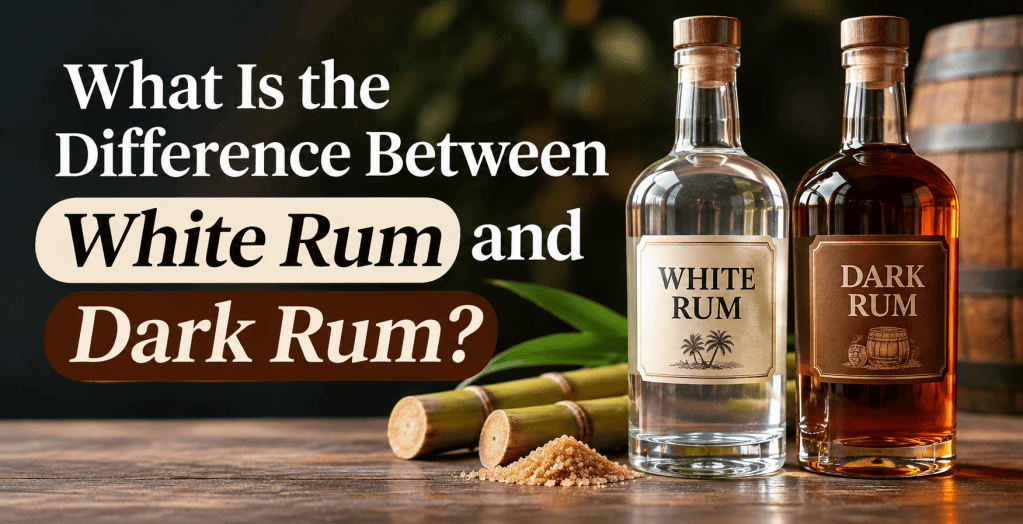
Rum is one of the most versatile spirits in the world, appearing in everything from refreshing tropical cocktails to rich, warming drinks. Whether you enjoy a classic Mojito, a Rum and Coke, or a traditional Dark ‘n’ Stormy, the type of rum you choose can make a noticeable difference in the flavor of your drink.
Two of the most common varieties are white rum and dark rum. Although both are made from sugarcane products, they can differ in appearance, flavor, aging, production methods, and how they are used in cocktails.
The main difference between white rum and dark rum is their color and typical flavor profile. White rum is generally lighter, cleaner, and more subtle, while dark rum often has richer flavors associated with caramel, molasses, vanilla, oak, and warm spices.
However, the distinction is not always as simple as color. Some white rums are aged and then filtered, while some dark rums get much of their color from added caramel rather than extended barrel aging.
Understanding these differences can help you choose the right rum for cocktails, cooking, sipping, and entertaining.
What Is White Rum?
White rum, sometimes called light rum or silver rum, is a clear or nearly colorless spirit made from sugarcane juice, molasses, or other sugarcane-derived ingredients.
It is especially popular in cocktails because its relatively subtle flavor allows fruit juices, citrus, mint, and other mixers to stand out.
White rum can be unaged, briefly aged, or matured for several years before being filtered to remove much of its color.
What Does White Rum Taste Like?
White rum typically has a lighter and cleaner flavor than many dark rums.
Common tasting notes include:
-
Light sugarcane sweetness
-
Subtle vanilla
-
Citrus
-
Tropical fruit
-
Mild floral notes
-
A clean, sometimes slightly peppery finish
The exact flavor depends on the ingredients, fermentation process, distillation method, and aging.
Some white rums are extremely mild, while others have distinctive grassy, fruity, or funky characteristics.
What Is White Rum Best Used For?
White rum is especially useful in refreshing cocktails that rely on bright flavors.
Popular white rum cocktails include:
Mojito: A refreshing combination of white rum, fresh mint, lime juice, sugar, and soda water.
Classic Daiquiri: A simple cocktail made with white rum, fresh lime juice, and sugar syrup.
Piña Colada: A tropical combination of rum, pineapple juice, and cream of coconut.
Cuba Libre: White rum mixed with cola and fresh lime juice.
Rum Punch: A fruity drink combining rum with tropical juices and other ingredients.
White rum is often a good choice when you want the cocktail’s fruit, herbs, or citrus flavors to remain prominent.
What Is Dark Rum?
Dark rum is a broad category of rum characterized by its deeper amber, brown, or nearly black appearance.
Many dark rums are aged in wooden barrels, which can contribute flavors such as vanilla, toasted oak, caramel, and baking spices.
However, dark color does not necessarily mean a rum has been aged for a long time.
Some dark rums obtain much of their appearance from added caramel coloring, and certain varieties may also contain sweeteners or flavoring ingredients.
What Does Dark Rum Taste Like?
Dark rum often has a richer and more pronounced flavor than lighter rum styles.
Depending on the brand and production process, common tasting notes include:
-
Caramel
-
Molasses
-
Brown sugar
-
Vanilla
-
Toasted oak
-
Toffee
-
Dried fruit
-
Cinnamon
-
Nutmeg
-
Coffee or chocolate
Some dark rums are sweet and smooth, while others are dry, intense, smoky, or earthy.
Because the category is so broad, two bottles labeled dark rum can taste very different.
What Is Dark Rum Best Used For?
Dark rum works particularly well in cocktails where deeper flavors complement the other ingredients.
Popular examples include:
Dark ‘n’ Stormy: A combination of dark rum, ginger beer, and lime.
Rum Old Fashioned: Dark or aged rum combined with bitters and a small amount of sweetener.
Dark Rum Punch: A tropical punch with a richer rum flavor.
Hot Buttered Rum: A warm drink combining rum with butter, sugar, and spices.
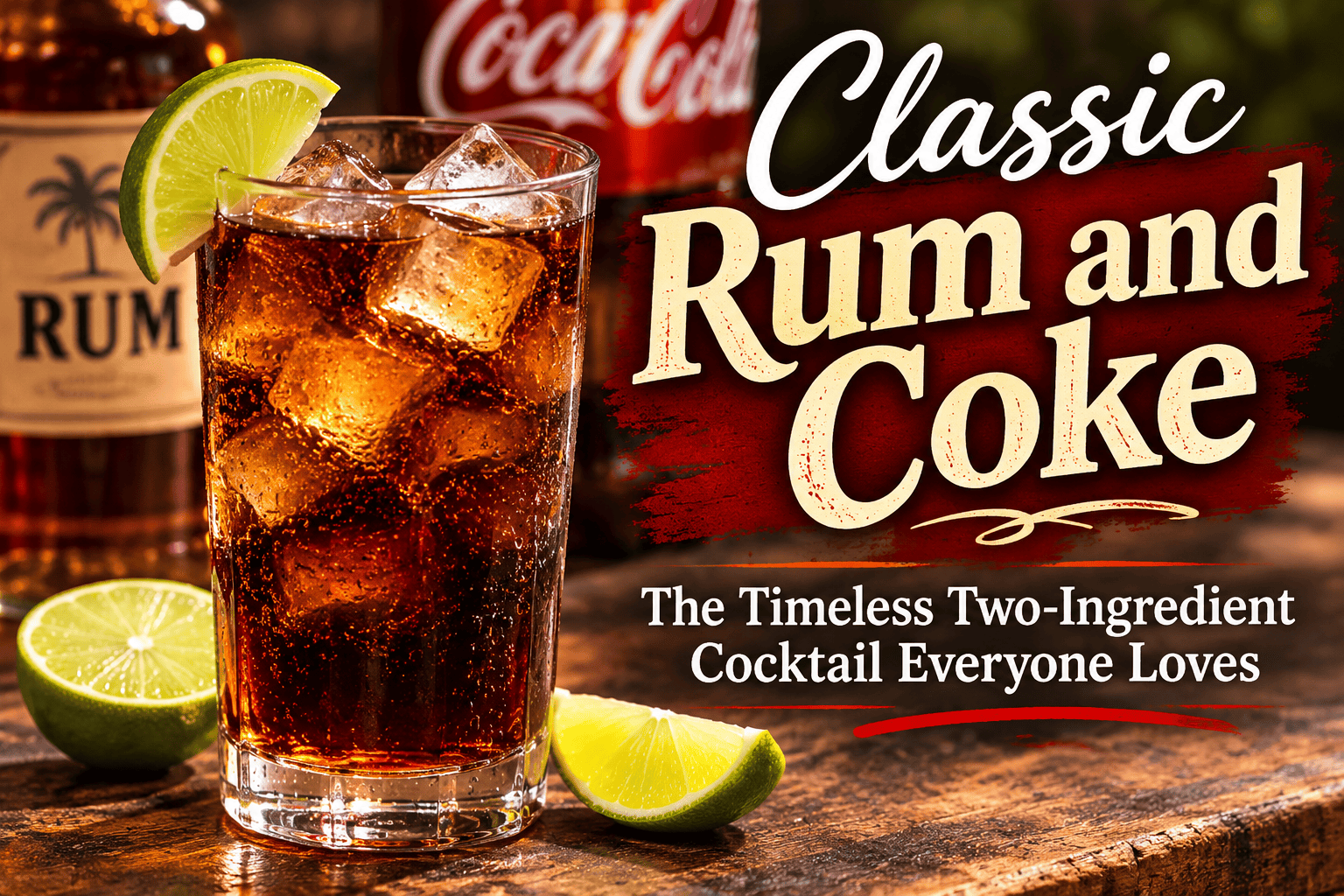
Rum and Coke: Dark rum mixed with cola for a richer, caramel-forward flavor.
Dark rum is also frequently used in desserts, baking, marinades, and sauces.
White Rum vs. Dark Rum: Key Differences
Although both types of rum share a common sugarcane origin, their typical characteristics make them suitable for different purposes.
| Feature | White Rum | Dark Rum |
|---|---|---|
| Color | Clear or nearly clear | Amber to dark brown |
| Flavor | Often light and crisp | Often rich and robust |
| Aging | Unaged or aged and filtered | May be aged or colored |
| Common notes | Sugarcane, citrus, light vanilla | Caramel, molasses, oak, spices |
| Cocktail use | Refreshing and citrus-forward drinks | Rich and warming cocktails |
| Sipping | Depends on quality and style | Many aged varieties suit sipping |
| Sweetness | Varies by product | Varies by product |
| Alcohol content | Often around 40% ABV | Often around 40% ABV, sometimes higher |
These are general tendencies rather than strict rules. Color alone cannot reliably tell you how old, sweet, strong, or flavorful a rum will be.
Is Dark Rum Stronger Than White Rum?
One of the most common misconceptions about rum is that dark rum contains more alcohol than white rum.
Dark rum is not automatically stronger than white rum.
Both types commonly contain approximately 40% alcohol by volume (ABV), although their strengths vary.
For example, a bottle of white rum might contain 40% ABV, while a bottle of dark rum from another producer could also contain 40% ABV.
Some dark rums are bottled at higher strengths, but high-proof white rums also exist.
The richer flavor of dark rum can sometimes make it seem stronger, even when the alcohol content is identical.
The most reliable way to compare strength is to check the ABV printed on the bottle.
Is Dark Rum Sweeter Than White Rum?
Dark rum often tastes sweeter because it may contain flavors associated with caramel, vanilla, molasses, and brown sugar.
However, this does not necessarily mean it contains more sugar.
Barrel aging can introduce sweet-smelling compounds without adding significant sugar to the finished spirit.
Some producers also add sugar or other sweetening ingredients after distillation.
White rum can also contain added sugar, depending on the producer and local regulations.
Therefore, neither color guarantees a particular sweetness level.
If you prefer a drier rum, look for detailed production information rather than relying entirely on the words white or dark.
Does Dark Rum Have More Flavor Than White Rum?
Dark rum often has more noticeable caramel, oak, and spice flavors, but it is not necessarily more flavorful overall.
Some white rums have bold grassy, fruity, or fermented characteristics that can be more intense than those of certain dark rums.
Rum flavor develops through several factors, including fermentation, distillation, barrel aging, blending, and any ingredients added after distillation.
For example, a pot-distilled white rum from Jamaica may have a strong tropical fruit character, while a heavily filtered or lightly flavored dark rum might taste relatively mild.
The better question is not which rum has more flavor, but which flavor profile works best for your drink.
Is White Rum or Dark Rum Better for Cocktails?
The best rum depends on the cocktail you want to prepare.
White rum is generally preferred for light, refreshing drinks, while dark rum often works better in cocktails that benefit from caramel, spice, or oak flavors.
When to Choose White Rum
White rum is a useful choice when preparing drinks with fresh lime, lemon, mint, soda water, coconut, or tropical fruit.
Its lighter character helps keep the cocktail refreshing without overwhelming delicate ingredients.
For example, a traditional Mojito is usually made with white rum because its flavor complements fresh mint and lime.
When to Choose Dark Rum
Dark rum is a good choice when mixing drinks with cola, ginger beer, coffee, chocolate, warm spices, or rich fruit flavors.
A dark rum can add complexity to a Rum and Coke by emphasizing the cola’s caramel and vanilla notes.
It can also give tropical punch a deeper flavor.
Can You Mix White Rum and Dark Rum Together?
Yes. Combining different styles of rum is common in tropical cocktails.
A blend of white and dark rum can create a balance between lighter sugarcane flavors and richer notes.
For example, a tropical rum punch might use white rum for a cleaner foundation and dark rum for additional depth.
When combining rums, remember that the alcohol from both contributes to the drink’s total strength.
Can You Substitute Dark Rum for White Rum?
Yes, you can substitute dark rum for white rum in many cocktail recipes.
However, the finished drink may taste noticeably different.
Replacing white rum with dark rum in a Daiquiri, for example, can introduce caramel, vanilla, or oak flavors that change the cocktail’s traditional bright character.
Similarly, using white rum instead of dark rum in a rich cocktail may produce a lighter, less complex result.
For many casual mixed drinks, these substitutions work perfectly well.
For cocktails where the rum’s flavor is central to the recipe, choosing the intended style generally provides a more predictable result.
Is White Rum or Dark Rum Better for a Rum and Coke?
Both white rum and dark rum work well with cola.
The choice depends on your flavor preferences.
White rum creates a lighter-tasting Rum and Coke that allows the cola’s sweetness and carbonation to dominate.
Dark rum usually creates a richer drink, especially when the rum contains notes of caramel, vanilla, or baking spices.
If you prefer a classic, easy-drinking combination, white rum is a reliable option.
If you enjoy deeper flavors, dark rum may be more appealing.
Fresh lime juice can brighten either version and balance some of the sweetness.
Which Rum Is Better for a Mojito?
White rum is generally the preferred choice for a traditional Mojito.
A Mojito combines fresh mint, lime juice, sugar, rum, and soda water.
White rum’s typically clean flavor allows the mint and lime to remain the main attractions.
Dark rum can be used to create a variation, but its caramel and oak characteristics may compete with the cocktail’s refreshing ingredients.
For the classic Mojito experience, choose a quality white rum.
Which Rum Is Better for a Piña Colada?
White rum is commonly used in a traditional Piña Colada because its lighter character complements pineapple and coconut.
However, dark or aged rum can also be used.
A dark rum may add notes of caramel, vanilla, and spice, creating a richer tropical drink.
Some recipes combine white rum with a small amount of aged or dark rum to add complexity.
For a bright, creamy, pineapple-forward Piña Colada, white rum is usually the easiest starting point.
Is Dark Rum Better for Sipping?
Many aged dark rums are well suited for sipping because barrel maturation can create complex flavors and aromas.
These may include vanilla, oak, dried fruit, caramel, and spice.
However, not every dark rum is intended for sipping.
Some dark rums are designed primarily for mixing and may rely heavily on coloring or added flavors.
Likewise, some premium white rums are excellent for sipping, particularly those with distinctive fermentation or distillation characteristics.
If you want a rum to enjoy neat or over ice, consider its production methods, aging information, and tasting profile rather than choosing based on color alone.
What Is the Difference Between Dark Rum and Spiced Rum?
Dark rum and spiced rum are not the same thing.
Dark rum refers primarily to a rum’s appearance and often its general flavor style.
Spiced rum contains added spices or flavorings, which may include cinnamon, vanilla, cloves, nutmeg, or other botanicals.
A spiced rum can be light or dark in appearance.
Some dark rums naturally develop spice-like notes from barrel aging without having actual spices added.
If you want a cocktail with a natural oak and caramel character, an aged dark rum may be a good option.
If you want pronounced cinnamon or vanilla flavoring, a spiced rum may be more suitable.
Is Gold Rum the Same as Dark Rum?
Gold rum, also called amber rum, generally falls between clear white rum and darker rum styles in appearance.
Gold rum often has a golden or amber color that may come from barrel aging, caramel coloring, or both.
It may offer a balance of light sugarcane characteristics and richer notes such as vanilla, caramel, and oak.
However, there is no universal classification system that makes every gold rum lighter or younger than every dark rum.
Different producers use these labels in different ways.
Gold rum can be a versatile option for someone who wants a richer flavor than a typical light rum without choosing an especially intense dark rum.
Is White Rum or Dark Rum Better for Cooking and Baking?
Both types of rum can be useful in the kitchen.
The best choice depends on the dish and the flavor you want to achieve.
Cooking With White Rum
White rum works well in recipes where you want a subtle rum flavor without adding much color or strong caramel notes.
It can complement tropical fruit sauces, citrus marinades, pineapple desserts, and certain light glazes.
Cooking With Dark Rum
Dark rum is often preferred for richer desserts and sauces.
It can complement ingredients such as brown sugar, chocolate, bananas, raisins, pecans, and warm baking spices.
Popular uses include rum cake, bananas Foster, rum-raisin desserts, caramel sauces, and holiday fruitcakes.
Keep in mind that cooking does not necessarily remove all the alcohol from a recipe. The amount remaining depends on the cooking method and duration.
Does White Rum Age Differently Than Dark Rum?
Rum aging is more complicated than its color suggests.
Some white rums are bottled without barrel aging, while others spend time in oak barrels before being filtered to remove much of the color.
Dark rums may be aged in wooden barrels for varying lengths of time.
During barrel aging, rum can develop flavors from interactions with the wood and the surrounding environment.
These may include vanilla, toasted oak, caramel-like notes, and spice.
The climate also affects maturation. Rum aged in warm tropical conditions can experience relatively rapid interaction with the barrel and greater evaporation.
However, a rum’s dark appearance is not proof of extensive aging.
For this reason, age statements and producer information are more useful than color when comparing maturity.
How Should You Store White Rum and Dark Rum?
White rum and dark rum should generally be stored in the same way.
Keep bottles upright, tightly sealed, and away from direct sunlight and excessive heat.
A cool, stable storage location is preferable to a sunny shelf or a spot near the stove.
Unlike wine, bottled rum does not continue maturing in the same way after it leaves the barrel.
An unopened bottle of rum can maintain its quality for many years when stored properly.
After opening, gradual oxidation and evaporation may eventually affect the flavor, particularly if the bottle is nearly empty or the cap is not tightly secured.
Refrigeration is generally unnecessary.
Frequently Asked Questions About White Rum and Dark Rum
Is white rum healthier than dark rum?
Neither type is inherently healthier. Both contain alcohol, and their calorie content depends largely on alcohol strength and any added sugar. Alcohol consumption carries health risks regardless of rum color.
Does dark rum cause worse hangovers?
Some darker spirits may contain higher levels of certain congeners, which can contribute to hangover severity. However, rum color alone does not predict the outcome. The amount consumed, alcohol strength, and individual factors are more important.
Can you drink white rum straight?
Yes. White rum can be consumed neat, although some varieties are designed primarily for cocktails. Quality and personal preference determine whether a particular white rum is enjoyable for sipping.
Why is dark rum brown?
Dark rum may obtain its brown color from barrel aging, added caramel coloring, or a combination of both.
Is dark rum always more expensive?
No. Prices depend on brand, production methods, aging, quality, and market positioning. Some premium white rums cost more than inexpensive dark rums.
Is Bacardi white rum or dark rum?
Bacardí produces multiple styles of rum, including white, gold, and darker aged varieties. Bacardí Superior is a well-known white rum.
Can you use dark rum in a Daiquiri?
Yes. Dark rum can create a richer variation of a Daiquiri, although the traditional version generally uses white rum.
Which rum is best for beginners?
A relatively mild white rum is often an approachable choice for simple cocktails. Someone who prefers caramel, vanilla, or oak flavors may enjoy a mellow aged rum instead.
Final Thoughts: Should You Choose White Rum or Dark Rum?
White rum and dark rum both offer distinct advantages, and neither is universally better.
White rum is often the best choice for refreshing cocktails that feature citrus, mint, soda water, or tropical fruit. Its typically lighter character makes it especially versatile for Mojitos, Daiquiris, and Piña Coladas.
Dark rum is often better suited to richer cocktails, warming drinks, and desserts where caramel, molasses, vanilla, and spice flavors can enhance the recipe.
The most important thing to remember is that rum color does not automatically determine age, strength, sweetness, or quality.
A well-made white rum can be complex and flavorful, while a dark rum may be relatively young or obtain its appearance from coloring.
Whether you prefer the crisp character of white rum or the deeper flavors of dark rum, understanding their differences makes it easier to select the right bottle for your favorite recipes and cocktails.
For anyone building a home bar, having both styles available provides greater flexibility and allows you to experiment with a wide variety of classic and modern rum drinks.



Leave a Reply