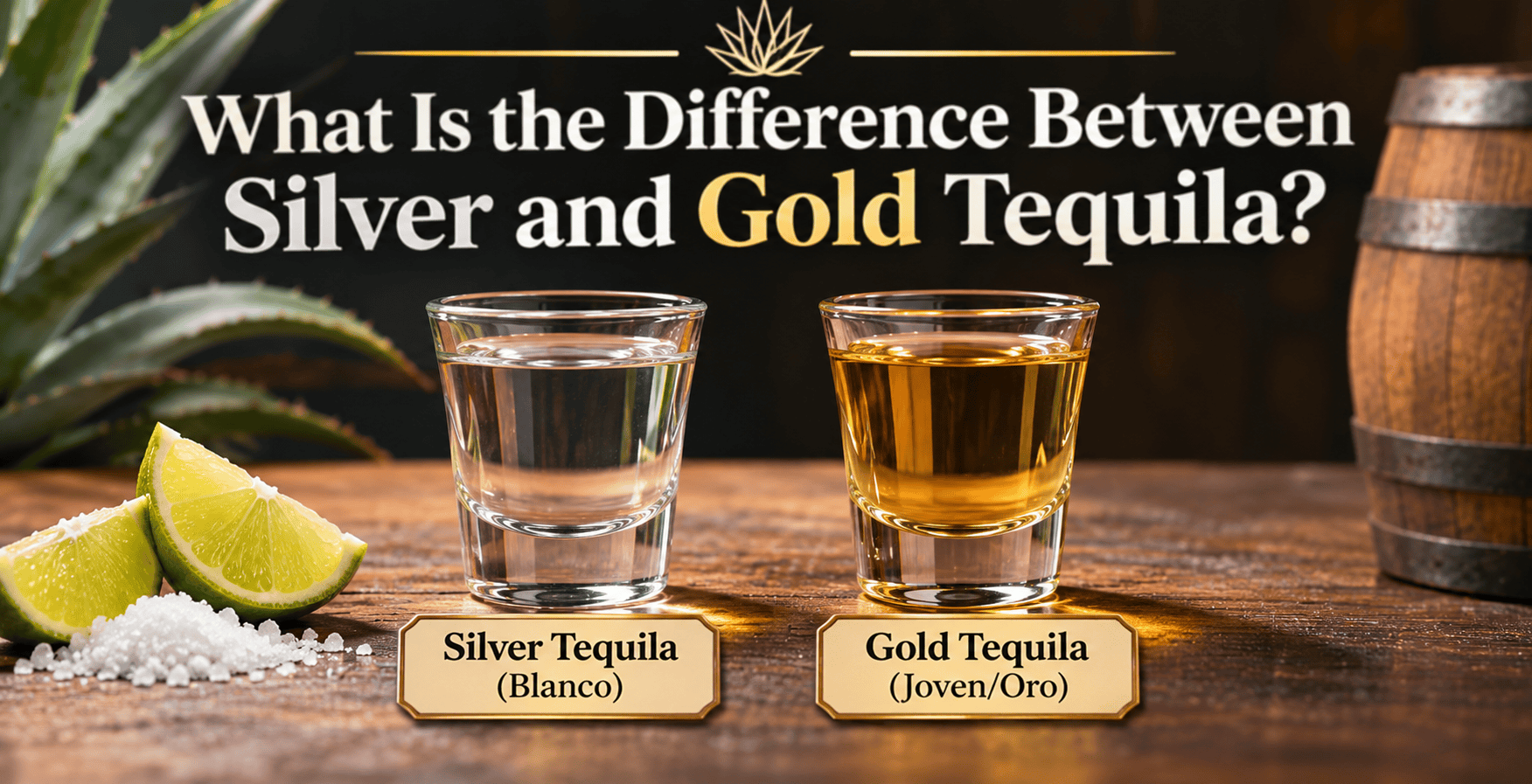
Tequila is one of the most recognizable spirits in the world, known for its bold flavor, versatility, and deep connection to Mexican culture. Whether you enjoy tequila in a classic margarita, mixed with soda, or served straight, you have probably noticed two popular varieties sitting on liquor store shelves: silver tequila and gold tequila.
At first glance, the difference seems obvious. Silver tequila is clear, while gold tequila has a golden or amber appearance. However, the differences between these two varieties go far beyond their color.
From production methods and aging to flavor profiles, prices, and cocktail recommendations, understanding silver and gold tequila can help you make better decisions when choosing a bottle.
The biggest difference between silver and gold tequila is that silver tequila is generally unaged or briefly rested, while gold tequila may be either aged tequila or a blend containing coloring and flavoring additives.
This distinction matters because not every gold tequila is aged, and not every silver tequila is necessarily lower in quality.
In this guide, we will explore what makes silver and gold tequila different, which tastes smoother, which works best in cocktails, and how to choose the right tequila for your preferences.
What Is Silver Tequila?
Silver tequila, also called blanco, plata, or white tequila, is the clearest and often the purest expression of the blue Weber agave plant.
Unlike aged tequila varieties, silver tequila is generally bottled shortly after distillation. Under Mexican tequila regulations, blanco tequila may also be rested in oak or holm oak for less than two months.
Because it spends little or no time aging in wood, silver tequila maintains much of the natural character of the agave used to produce it.
What Does Silver Tequila Taste Like?
Silver tequila typically has a bright, fresh, and noticeable agave flavor.
Common tasting notes include:
-
Fresh agave with natural sweetness
-
Citrus, especially lime and grapefruit
-
Black pepper and mild spice
-
Herbal and grassy flavors
-
Earthy or mineral undertones
-
A clean, sometimes sharp finish
The exact flavor depends on the producer, growing conditions, fermentation process, and distillation techniques.
Some silver tequilas are peppery and intense, while others are smooth, slightly sweet, and easy to sip.
How Is Silver Tequila Made?
Silver tequila begins with blue Weber agave grown in designated tequila-producing regions of Mexico.
Once the agave reaches maturity, producers harvest the plant and remove its leaves, leaving behind the heart, known as the piña.
The piñas are cooked to convert complex carbohydrates into fermentable sugars. The cooked agave is then crushed to extract its juices.
After fermentation, the liquid is distilled to produce tequila.
For silver tequila, the finished spirit is generally bottled without extended barrel aging.
This process preserves the fresh agave characteristics that make silver tequila popular among tequila enthusiasts.
What Is Gold Tequila?
Gold tequila, sometimes called joven or oro tequila, is a tequila category that can have a golden, yellow, or amber appearance.
However, its color does not automatically mean it has spent time aging in wooden barrels.
Gold tequila can be produced in different ways.
One method involves blending blanco tequila with aged tequila, such as reposado, añejo, or extra añejo.
Another method involves adding permitted ingredients, such as caramel coloring or certain flavoring agents, to create a golden appearance and adjust the flavor.
This means two bottles labeled gold tequila may have very different production methods, flavors, and overall quality.
What Does Gold Tequila Taste Like?
Gold tequila often has a softer or sweeter flavor profile than a bold silver tequila, although this is not always the case.
Depending on how it is made, gold tequila may feature:
-
Sweet agave flavors
-
Caramel or vanilla notes
-
Mild oak characteristics
-
Butterscotch or honey-like sweetness
-
Subtle spice
-
A rounded finish
A gold tequila made with aged tequila may develop more complex flavors from its time in oak barrels.
A gold tequila colored or softened with additives may taste sweeter without having the depth associated with barrel aging.
For this reason, it is important to look beyond the color when evaluating quality.
Silver vs. Gold Tequila: Key Differences
Although both varieties come from blue Weber agave, they can differ significantly in appearance, production, taste, and intended use.
| Feature | Silver Tequila | Gold Tequila |
|---|---|---|
| Color | Clear | Golden or amber |
| Aging | Usually unaged or rested less than two months | May contain aged tequila or permitted additives |
| Flavor | Fresh agave, citrus, pepper | Often sweeter, softer, or more rounded |
| Agave character | Usually prominent | May be softened by blending or additives |
| Best for | Margaritas, Palomas, citrus cocktails | Mixed drinks, some cocktails, casual sipping |
| Price | Budget to premium | Budget to premium |
| Quality | Depends on production | Depends on production |
| Appearance | Transparent | Yellow to golden amber |
The most important takeaway is that color alone cannot tell you whether tequila is aged, smoother, more expensive, or higher quality.
Is Silver Tequila Stronger Than Gold Tequila?
One of the most common misconceptions about tequila is that silver tequila contains more alcohol than gold tequila.
In reality, silver and gold tequila can have exactly the same alcohol content.
Many tequilas sold in the United States contain 40% alcohol by volume (ABV), which equals 80 proof.
For example, a 1.5-ounce serving of silver tequila at 40% ABV contains the same amount of alcohol as a 1.5-ounce serving of gold tequila at 40% ABV.
The difference in flavor can make one variety seem stronger than the other.
Silver tequila often has a sharper, more pronounced agave flavor, which some drinkers associate with greater strength.
Gold tequila may taste sweeter or softer, especially when additives or aged components are involved.
However, a smoother taste does not mean the tequila contains less alcohol.
Bottom line: Check the ABV printed on the bottle rather than relying on color or taste to determine strength.
Which Is Smoother: Silver or Gold Tequila?
Gold tequila is often perceived as smoother than silver tequila, but the answer depends on the specific bottles being compared.
Some gold tequilas contain aged components that introduce vanilla, caramel, and oak flavors. These characteristics can soften the perception of alcohol.
Other gold tequilas contain permitted additives that create a sweeter taste.
Silver tequila, on the other hand, often delivers a more direct agave flavor.
That does not necessarily mean it is harsh.
A well-made silver tequila can be remarkably smooth, balanced, and enjoyable without any barrel aging.
Why Aging Can Change Smoothness
When tequila rests in oak barrels, several changes may occur.
The spirit can extract compounds from the wood, developing flavors associated with vanilla, spice, and toasted oak.
Limited oxidation and other chemical reactions may also influence aroma and mouthfeel.
These changes can make aged tequila taste rounder and more complex.
However, aging does not automatically make tequila better.
Some people prefer the fresh, lively characteristics of blanco tequila over the richer flavors of aged expressions.
Ultimately, smoothness is subjective, and personal preference plays an important role.
Is Gold Tequila Better Quality Than Silver Tequila?
Gold tequila is not automatically better than silver tequila.
In fact, some of the highest-quality tequilas available are clear, unaged blanco expressions.
The quality of tequila depends on several factors, including the agave used, production techniques, fermentation, distillation, and overall balance.
One of the most useful things to examine is whether the tequila is labeled 100% agave.
100% Agave vs. Mixto Tequila
Tequila can be produced entirely from blue Weber agave sugars or from a mixture of agave sugars and other permitted sugars.
A tequila labeled 100% agave must use blue Weber agave as its fermentable sugar source.
Mixto tequila must derive at least 51% of its fermentable sugars from blue Weber agave, with the remainder coming from other permitted sugars.
Both silver and gold tequila can be made as 100% agave products.
Both can also be made as mixtos.
This means the silver or gold designation does not determine whether a tequila is made entirely from agave.
For shoppers seeking a stronger expression of traditional agave flavor, choosing a reputable 100% agave tequila is often a useful starting point.
However, the label alone does not guarantee excellent taste or craftsmanship.
What Is the Difference Between Gold Tequila and Reposado Tequila?
Gold tequila and reposado tequila are sometimes confused because both can have a yellow or golden appearance.
However, they are not the same category.
Reposado tequila must be aged in oak or holm oak containers for at least two months.
During this aging period, the tequila develops some of the flavors and aromas associated with wood contact.
These may include vanilla, spice, caramel, and light oak.
Gold tequila, officially classified as joven or oro, does not have the same minimum aging requirement.
It may contain a blend of blanco and aged tequila, or it may obtain its color through permitted additives.
This distinction is important when shopping.
If you want tequila that has definitely spent time aging in wood, reposado is generally a more reliable choice than a bottle simply labeled gold.
What About Añejo Tequila?
Añejo tequila must be aged for at least one year in qualifying oak or holm oak containers, with barrels limited to a maximum capacity of 600 liters.
Extra añejo tequila must be aged for at least three years under applicable aging requirements.
These aged categories typically offer deeper wood-derived flavors than blanco tequila.
However, aging duration does not automatically establish overall quality.
Which Tequila Is Better for Margaritas?
Silver tequila is generally the preferred choice for a traditional margarita.
Its fresh agave flavor combines naturally with lime juice and orange liqueur, creating a bright and refreshing cocktail.
Silver tequila also allows the citrus ingredients to remain prominent without introducing too much oak flavor.
Why Silver Tequila Works Well in Margaritas
Silver tequila offers several advantages when making margaritas.
Its citrus and herbal characteristics complement fresh lime juice.
Its clean flavor provides a balanced foundation for sweetness and acidity.
It also works well in frozen margaritas and fruit-flavored variations.
A classic margarita made with silver tequila typically tastes crisp, lively, and refreshing.
Can You Make Margaritas With Gold Tequila?
Absolutely.
Gold tequila can be used in margaritas, especially when you prefer a sweeter or more rounded flavor.
Some gold tequilas produce a softer-tasting margarita, while others may contribute caramel or vanilla notes.
However, a heavily sweetened gold tequila can make an already sweet margarita taste unbalanced.
For the best results, adjust the amount of sweetener based on the tequila you choose.
Which Tequila Is Better for Shots?
Both silver and gold tequila can be enjoyed as shots, but they offer different experiences.
Silver tequila delivers a fresh and direct agave flavor.
Gold tequila may taste sweeter or softer, depending on how it was produced.
Silver Tequila Shots
Silver tequila is often associated with the traditional salt-and-lime serving method.
Its bright flavor pairs naturally with citrus.
However, high-quality silver tequila can also be enjoyed neat without salt or lime.
Gold Tequila Shots
Gold tequila may appeal to people who prefer a less peppery or more rounded taste.
Some drinkers find it easier to consume because of its sweetness.
Nevertheless, neither variety is inherently safer or less intoxicating.
Drinking tequila quickly can increase the risk of consuming more alcohol than intended, regardless of color.
For appreciating the differences in flavor, sipping a small serving slowly is generally more informative than taking a shot.
Which Tequila Is Better for Mixing With Soda?
Silver tequila is usually the more versatile choice for mixing with soda.
Its clean, bright flavor pairs well with carbonated beverages without overwhelming them.
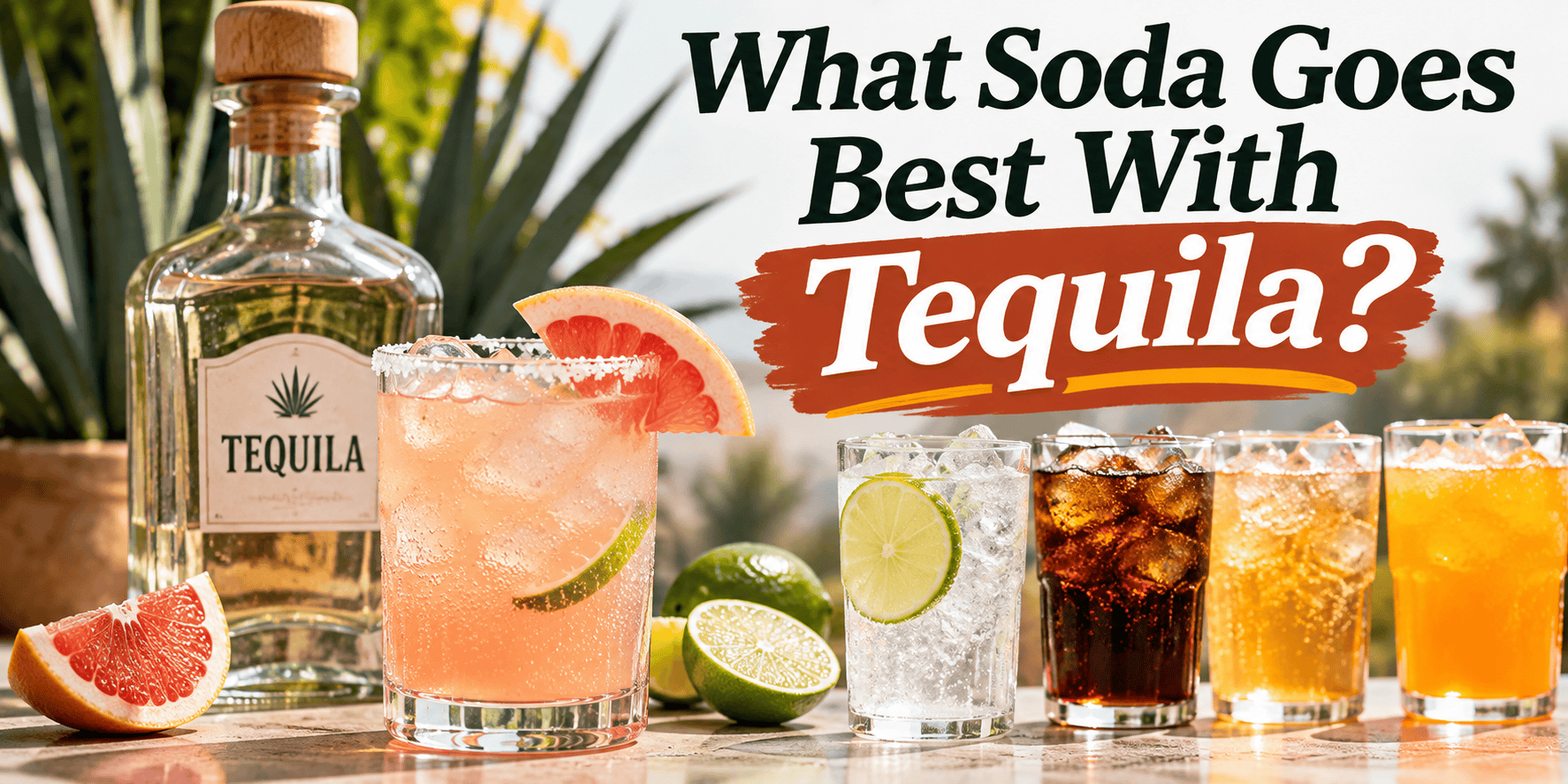
Popular silver tequila mixers include club soda, grapefruit soda, lemon-lime soda, and sparkling mineral water.
Gold tequila can also work well with soda, particularly mixers that complement its sweeter or richer characteristics.
Cola, ginger ale, and ginger beer are common choices.
Best Soda Pairings
| Soda | Silver Tequila | Gold Tequila |
|---|---|---|
| Club soda | Excellent | Good |
| Grapefruit soda | Excellent | Good |
| Lemon-lime soda | Excellent | Good |
| Cola | Good | Excellent |
| Ginger ale | Good | Excellent |
| Ginger beer | Excellent | Excellent |
The best combination ultimately depends on whether you prefer a crisp citrus-forward drink or a sweeter, richer cocktail.
Is Silver or Gold Tequila Better for Beginners?
For someone new to tequila, either variety can be a good introduction.
The most important factor is choosing a well-made tequila with a flavor profile that matches your preferences.
Silver tequila is a good starting point for people who enjoy fresh, citrusy, or herbal flavors.
It is also an excellent option for learning what blue agave naturally tastes like.
Gold tequila may appeal to beginners who prefer sweeter drinks or softer flavors.
However, beginners should understand that gold tequila is not necessarily aged or higher quality.
A quality reposado tequila is another option worth considering, especially for someone interested in a balance between fresh agave and gentle oak characteristics.
Tips for Trying Tequila for the First Time
Start with a small tasting portion rather than a large serving.
Notice the aroma before taking a sip.
Allow the tequila to move slowly across your palate.
Pay attention to sweetness, spice, citrus, and the finish.
Trying silver and gold tequila side by side can help you discover which characteristics you enjoy most.
Why Is Some Tequila Gold Without Being Aged?
The golden color of tequila is often associated with oak barrels, but this association can be misleading.
Under Mexican tequila regulations, certain permitted ingredients may be used to adjust the color or flavor of tequila.
Caramel coloring, for example, can give an otherwise clear tequila a golden appearance.
Other permitted ingredients may influence sweetness, aroma, or mouthfeel.
As a result, an unaged tequila can appear similar to a tequila that has spent months resting in wood.
This is one reason tequila shoppers should not judge quality or age based solely on appearance.
Reading the official class designation on the label provides more useful information.
Does Gold Tequila Cost More Than Silver Tequila?
Not necessarily.
Silver tequila and gold tequila are available across a wide range of prices.
An inexpensive gold tequila may cost less than a premium silver tequila.
Likewise, a carefully produced blanco tequila made from 100% blue Weber agave can be more expensive than a mass-market gold tequila.
Several factors influence tequila prices.
These include the cost of agave, production methods, distillation techniques, aging expenses, brand positioning, packaging, and distribution.
Aging can increase production costs because barrels require storage space, time, and ongoing management.
However, gold tequila does not necessarily undergo barrel aging.
Therefore, a golden appearance should never be interpreted as proof that a tequila is more expensive to produce.
Does Silver or Gold Tequila Give You a Worse Hangover?
Neither silver nor gold tequila guarantees a better or worse hangover.
The amount of alcohol consumed is a major factor in hangover severity.
Other factors may include drinking speed, sleep disruption, hydration, food intake, and individual differences in alcohol metabolism.
Some darker alcoholic beverages contain higher levels of certain congeners, which are compounds produced during fermentation and aging.
Congeners can contribute to hangover symptoms in some circumstances.
However, the color of a tequila bottle’s contents is not a reliable way to predict how someone will feel the following day.
Gold tequila can obtain its color through additives rather than aging, and different products have different chemical compositions.
Choosing silver tequila does not prevent hangovers.
The most reliable way to avoid an alcohol-related hangover is not to drink alcohol. If you choose to drink, consuming less alcohol reduces your risk.
How Do You Choose Between Silver and Gold Tequila?
Choosing between silver and gold tequila becomes easier when you consider how you plan to enjoy it.
Choose Silver Tequila If You:
-
Enjoy fresh, bright agave flavors.
-
Prefer citrus-forward cocktails.
-
Frequently make margaritas or Palomas.
-
Like tequila mixed with sparkling water.
-
Want to explore the natural flavor of blue agave.
-
Prefer a clean, peppery, or herbal taste.
Choose Gold Tequila If You:
-
Prefer sweeter or more rounded flavors.
-
Enjoy cocktails made with cola or ginger ale.
-
Want to experiment with different tequila blends.
-
Like vanilla, caramel, or mild oak characteristics.
-
Find certain blanco tequilas too sharp for your taste.
If your primary interest is genuine barrel-aged flavor, consider exploring reposado or añejo tequila rather than relying on the word gold.
Common Myths About Silver and Gold Tequila
Several misconceptions continue to influence how people choose tequila.
Myth 1: Gold Tequila Is Always Aged
False.
Gold tequila may contain aged tequila, but it can also obtain its color from permitted additives.
Myth 2: Silver Tequila Is Lower Quality
False.
Many premium tequilas are silver or blanco expressions.
Quality depends on ingredients and production methods, not color.
Myth 3: Gold Tequila Contains More Alcohol
False.
Both varieties can have the same alcohol by volume.
Myth 4: Silver Tequila Is Only Good for Cocktails
False.
High-quality silver tequila can be excellent for sipping neat.
Myth 5: Gold Tequila Is Always Smoother
False.
Smoothness depends on the particular tequila, its production, and individual taste preferences.
Myth 6: All Gold Tequila Is Made With Additives
False.
Some gold tequilas are made by blending blanco tequila with aged tequila.
Others may use permitted additives.
The production method varies by brand.
Frequently Asked Questions About Silver and Gold Tequila
Is silver tequila the same as blanco tequila?
Yes. Silver, blanco, plata, and white are commonly used names for the clear tequila class. It is generally unaged, although it may be rested in oak or holm oak for less than two months.
Is gold tequila the same as añejo?
No. Gold tequila generally refers to the joven or oro class, while añejo is a separate aged category that requires at least one year of aging.
Can you drink silver tequila straight?
Yes. Silver tequila can be enjoyed neat, particularly when it is well-made and balanced. Many enthusiasts appreciate blanco tequila because its fresh agave character remains prominent.
Is gold tequila sweeter than silver tequila?
Gold tequila may taste sweeter, especially when it contains certain permitted flavoring ingredients or aged components. However, not every gold tequila is sweeter than every silver tequila.
Which tequila is best for a Tequila Sunrise?
Silver tequila is commonly used because it provides a clean foundation for orange juice and grenadine. Gold tequila can also work, particularly if you prefer a richer flavor.
Is silver tequila healthier than gold tequila?
There is no meaningful basis for calling one variety healthier simply because of its color. Both contain alcohol, and alcohol consumption carries health risks. Differences in sugar, calories, and other ingredients depend on the specific product.
Does expensive tequila taste better?
Not always. Higher prices may reflect production costs, aging, branding, or limited availability. Personal taste matters more than price alone.
Can you substitute gold tequila for silver tequila in a recipe?
Yes. In most tequila cocktails, you can substitute one for the other. However, the flavor may change, especially if the gold tequila is sweeter or contains noticeable oak characteristics.
Final Thoughts: Is Silver or Gold Tequila Better?
The difference between silver and gold tequila involves much more than appearance.
Silver tequila is generally unaged or briefly rested, preserving the fresh, bold characteristics of blue Weber agave. It is especially popular in margaritas, Palomas, and other refreshing cocktails.
Gold tequila can be produced by blending blanco tequila with aged tequila or by using permitted ingredients that create a golden appearance and modify its flavor.
As a result, gold tequila may taste sweeter or more rounded, but it is not automatically older, smoother, or better quality.
For those who enjoy bright citrus flavors and the natural taste of agave, silver tequila is often the better choice.
For those who prefer sweeter mixed drinks or softer flavor profiles, certain gold tequilas may be more appealing.
And for anyone specifically seeking the complexity that comes from oak aging, reposado or añejo tequila may offer a more dependable experience.
Ultimately, the best tequila is not determined by whether it is silver or gold. It is determined by how it is made, how it tastes, and how well it matches your personal preferences.
Understanding these differences allows you to look beyond the color, choose tequila more confidently, and appreciate the craftsmanship behind one of Mexico’s most famous spirits.
Leave a Reply