
Brighten Your Plate, Strengthen Your Health One Color at a Time
When it comes to improving your health, you don’t always need to follow a complicated diet or eliminate all of your favorite foods. Sometimes, one of the most effective changes you can make is also one of the simplest: eat more colorful fruits and vegetables.
Nature provides an incredible variety of produce in every color imaginable, and each color offers its own unique combination of vitamins, minerals, antioxidants, and plant compounds that help your body thrive. By filling your plate with a rainbow of fruits and vegetables, you’re giving your body the nutrients it needs to support your heart, brain, immune system, digestive system, bones, skin, and overall well-being.
The phrase “eat the rainbow” isn’t just a catchy slogan—it’s backed by nutrition science. Different pigments in fruits and vegetables represent different phytonutrients, and those natural compounds play important roles in protecting your health.
Whether your goal is to lose weight, increase your energy, strengthen your immune system, or simply feel better every day, adding more colorful produce is one of the easiest habits you can build.
Why Colors Matter
The bright colors in fruits and vegetables come from naturally occurring compounds called phytonutrients. These nutrients help plants grow and protect themselves from disease, insects, and harsh environmental conditions. When we eat these foods, many of those same compounds help protect our bodies from illness and chronic disease.
Research has shown that diets rich in fruits and vegetables are associated with a lower risk of:
- Heart disease
- Stroke
- High blood pressure
- Type 2 diabetes
- Certain cancers
- Obesity
- Digestive disorders
- Memory decline
- Vision problems
Every color contributes something different, which is why variety is so important.
The Health Benefits Behind Every Color
❤️ Red Foods: Protect Your Heart
Red fruits and vegetables contain powerful antioxidants like lycopene and anthocyanins.
Examples include:
- Tomatoes
- Strawberries
- Watermelon
- Cherries
- Red grapes
- Cranberries
- Raspberries
- Red bell peppers
Health benefits:
- Supports cardiovascular health
- Helps reduce inflammation
- Protects cells from damage
- May lower the risk of certain cancers
- Promotes healthy skin
- Supports healthy blood circulation
Tomatoes are especially rich in lycopene, an antioxidant linked to heart health and prostate health.
🧡 Orange and Yellow Foods: Boost Immunity and Vision
These colorful foods are packed with beta-carotene, which your body converts into vitamin A.
Examples:
- Carrots
- Sweet potatoes
- Pumpkin
- Butternut squash
- Oranges
- Mangoes
- Apricots
- Pineapple
- Yellow peppers
- Corn
Benefits include:
- Better eye health
- Stronger immune function
- Healthy skin
- Improved wound healing
- Reduced inflammation
- Healthy cell growth
Carrots have earned their reputation for supporting healthy vision because they’re rich in beta-carotene.
💚 Green Foods: The Nutrition Powerhouses
Green vegetables are often among the most nutrient-dense foods available.
Examples include:
- Spinach
- Kale
- Broccoli
- Brussels sprouts
- Green beans
- Cucumbers
- Avocados
- Zucchini
- Asparagus
- Kiwi
They’re rich in:
- Vitamin K
- Vitamin C
- Folate
- Iron
- Calcium
- Magnesium
- Fiber
Health benefits include:
- Stronger bones
- Improved digestion
- Better heart health
- Healthy blood pressure
- Natural detoxification
- Reduced inflammation
Leafy greens are some of the healthiest foods you can include in your daily meals.
💙 Purple and Blue Foods: Brain Protection
Dark blue and purple fruits contain anthocyanins, powerful antioxidants that protect the brain and cells.
Examples include:
- Blueberries
- Blackberries
- Purple cabbage
- Eggplant
- Purple grapes
- Plums
- Black currants
Benefits:
- Improved memory
- Better brain function
- Healthy aging
- Reduced oxidative stress
- Heart protection
- Healthier blood vessels
Blueberries are often called a “superfood” because of their impressive antioxidant content.
🤍 White Foods: Often Overlooked but Highly Nutritious
White fruits and vegetables deserve a place on your plate too.
Examples:
- Garlic
- Onions
- Cauliflower
- Mushrooms
- Parsnips
- Potatoes
- Bananas
Benefits:
- Supports immune health
- Promotes digestive health
- Helps regulate cholesterol
- Supports healthy blood pressure
- Contains important minerals like potassium
Garlic and onions are especially valued for their natural compounds that support heart health and immunity.
Fiber: One of Nature’s Best Medicines
Colorful fruits and vegetables are excellent sources of dietary fiber.
Fiber helps:
- Improve digestion
- Prevent constipation
- Feed healthy gut bacteria
- Lower cholesterol
- Stabilize blood sugar
- Help you feel full longer
- Support healthy weight management
Most adults don’t consume enough fiber. Adding more fruits and vegetables is one of the easiest ways to increase your daily intake.
Antioxidants Help Fight Free Radicals
Throughout the day, your body produces unstable molecules called free radicals. These molecules can damage healthy cells through a process known as oxidative stress.
Over time, oxidative stress contributes to:
- Aging
- Heart disease
- Diabetes
- Arthritis
- Cancer
- Cognitive decline
The antioxidants found in colorful fruits and vegetables help neutralize free radicals before they cause damage.
Think of antioxidants as your body’s natural defense system.
Fruits and Vegetables Support Healthy Weight Loss
Many people think healthy eating means constantly feeling hungry.
In reality, fruits and vegetables help you feel satisfied because they’re naturally:
- High in water
- High in fiber
- Low in calories
- Nutrient-dense
A large salad filled with colorful vegetables can be incredibly filling while containing far fewer calories than many processed meals.
Adding vegetables to meals also naturally reduces room for less nutritious foods without making you feel deprived.
Strengthening Your Immune System Naturally
Your immune system depends on proper nutrition.
Colorful produce provides nutrients like:
- Vitamin C
- Vitamin A
- Zinc
- Folate
- Vitamin E
These nutrients help your body:
- Produce immune cells
- Fight infections
- Heal wounds
- Reduce inflammation
- Recover from illness more efficiently
During cold and flu season, increasing fruits and vegetables is one of the simplest ways to support your body’s defenses.
Better Skin Starts from Within
Healthy skin isn’t only about lotions and creams.
Nutrients found in colorful fruits and vegetables help:
- Build collagen
- Protect skin from sun damage
- Reduce inflammation
- Improve hydration
- Promote faster healing
- Slow visible signs of aging
Vitamin C-rich fruits like oranges, strawberries, and kiwi are especially important for collagen production.
Fresh, Frozen, or Canned?
Many people assume fresh produce is always the healthiest option.
Fortunately, that’s not true.
Fresh
Excellent when in season and eaten soon after purchase.
Frozen
Often picked and frozen at peak ripeness, preserving many nutrients.
Canned
Can still be healthy when choosing:
- No added salt vegetables
- Fruit packed in water or 100% juice
Having frozen vegetables on hand can make healthy eating easier on busy days.
Practical Ways to Eat More Color Every Day
Making healthier choices doesn’t have to feel overwhelming.
At Breakfast
- Add berries to oatmeal.
- Blend spinach into smoothies.
- Top yogurt with kiwi, strawberries, and blueberries.
- Add sliced bananas to whole-grain cereal.
At Lunch
- Build colorful salads.
- Add tomato, lettuce, avocado, and peppers to sandwiches.
- Include raw vegetables with hummus.
- Add vegetable soup alongside your meal.
At Dinner
- Roast broccoli, carrots, and cauliflower.
- Add spinach to pasta dishes.
- Include colorful stir-fried vegetables.
- Serve a side salad with dinner.
Healthy Snacks
- Apple slices
- Grapes
- Baby carrots
- Bell pepper strips
- Celery
- Cucumbers
- Orange slices
- Cherry tomatoes
Shop the Rainbow
When grocery shopping, challenge yourself to purchase produce from every color category.
Your cart might include:
❤️ Tomatoes
🧡 Carrots
💛 Yellow squash
💚 Spinach
💙 Blueberries
🤍 Cauliflower
This simple habit naturally encourages a balanced variety of nutrients throughout the week.
Seasonal Produce Often Tastes Better
Buying fruits and vegetables that are in season often means:
- Better flavor
- Lower prices
- Higher quality
- More freshness
Visit your local farmers market or grocery store and choose what’s currently in season for the best value and taste.
Small Changes Lead to Big Results
Healthy eating isn’t about perfection.
If you currently eat one serving of vegetables each day, aim for two.
If you rarely eat fruit, begin with one piece every morning.
Small improvements are easier to maintain than drastic changes.
Over weeks, months, and years, these choices add up to meaningful improvements in your health.
Teach Your Family Healthy Habits
Children often learn by watching adults.
Ways to encourage healthier eating include:
- Let kids help choose produce at the grocery store.
- Cook colorful meals together.
- Grow vegetables or herbs at home.
- Serve fruits instead of sugary desserts more often.
- Keep healthy snacks visible and easy to grab.
Healthy habits developed early can last a lifetime.
Eating Healthy Doesn’t Have to Be Expensive
Many nutritious options are affordable.
Budget-friendly choices include:
- Bananas
- Apples
- Carrots
- Frozen mixed vegetables
- Cabbage
- Sweet potatoes
- Seasonal produce
- Frozen berries
- Canned tomatoes
- Beans
Buying produce in season or choosing frozen varieties can help stretch your grocery budget without sacrificing nutrition.
Your Plate Is One of Your Greatest Health Tools
Every meal is an opportunity to nourish your body.
You don’t need a perfect diet to experience the benefits of healthy eating. Simply making colorful fruits and vegetables a larger part of your daily routine can improve your energy, strengthen your immune system, support your heart, aid digestion, and help protect against chronic disease.
Rather than focusing on restrictions, focus on abundance. Add another vegetable to dinner. Choose fruit instead of a sugary snack. Try a new produce item each week. These small, consistent decisions can transform your health over time.
Remember, the goal isn’t perfection—it’s progress. Every colorful bite is a step toward a healthier, stronger, and more vibrant life.
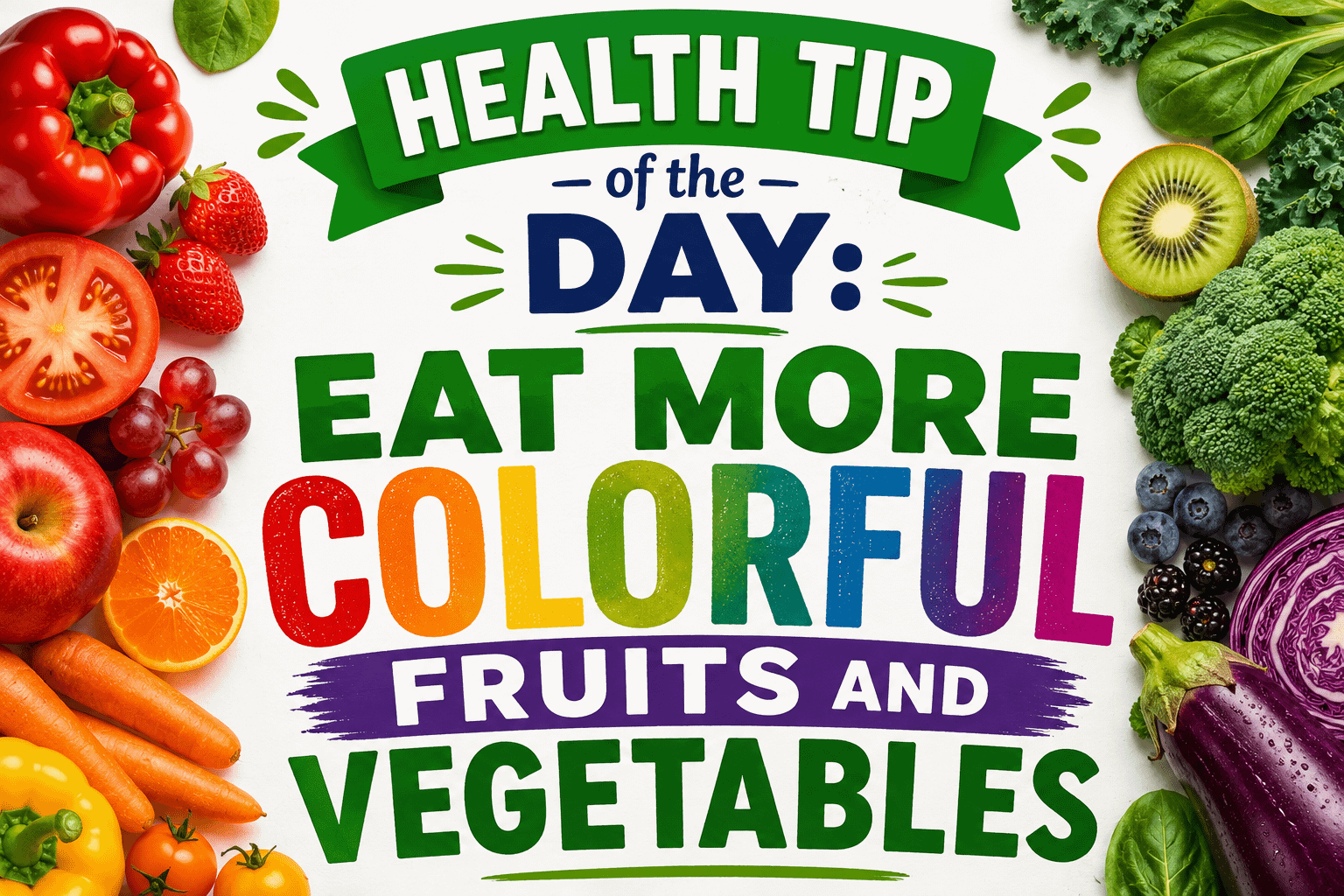
Health Tip of the Day
Eat More Colorful Fruits and Vegetables. Every color brings its own unique blend of nutrients, antioxidants, and health benefits. Fill your plate with a rainbow of produce and give your body the fuel it needs to thrive.
Leave a ReplyCancel reply