
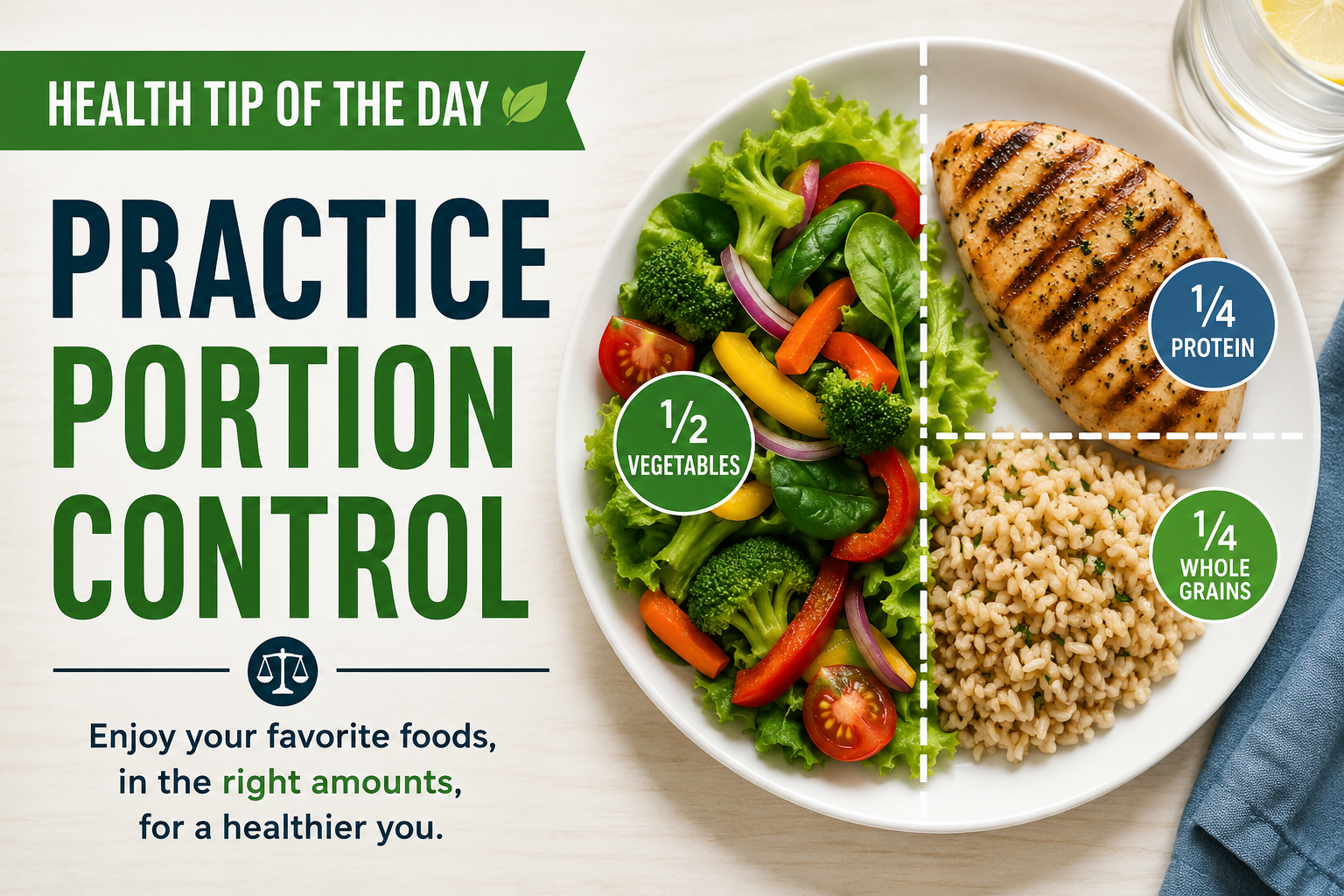
When people decide they want to eat healthier, they often immediately start thinking about everything they need to stop eating.
No more desserts. No more pizza. No more chips. No more pasta. No more eating out.
But developing healthier eating habits doesn’t always require eliminating the foods you enjoy. Sometimes, one of the most useful changes you can make is much simpler:
Pay attention to how much you’re eating.
Today’s Health Tip of the Day is: Practice portion control.
Portion control is about becoming more aware of the amount of food you’re eating at meals and snacks. Instead of automatically filling your plate, eating directly from packages, or continuing until you’re uncomfortably full, you learn to serve reasonable amounts and pay attention to your body’s hunger and fullness signals.
It isn’t about starving yourself.
It isn’t about obsessively measuring every bite.
And it doesn’t mean you can never enjoy a larger meal or special treat.
It’s about creating awareness, balance, and healthier habits that you can realistically maintain.
What Is Portion Control?
Portion control simply means being intentional about the amount of food you choose to eat.
A portion is the amount of food you decide to put on your plate, pour into your glass, or eat as a snack. Portions can be larger or smaller than the serving size listed on a food package.
For example, you might pour yourself a bowl of cereal without thinking about how much you’re actually eating. What looks like “one bowl” could contain multiple labeled servings depending on the size of your bowl and how much cereal you pour.
The same thing can happen with pasta, chips, crackers, salad dressing, beverages, desserts, and countless other foods.
Portion control helps bring awareness back into the equation.
Instead of asking only, “What am I eating?”
You also begin asking, “How much am I eating?”
Both questions matter.
Why Portion Control Is Important
Your body needs energy and nutrients from food. But consistently eating more energy than your body uses can contribute to weight gain over time.
Portion control can make it easier to manage your overall food intake without making every meal feel restrictive.
It may also help you become more mindful about your eating habits.
You may begin noticing things you previously overlooked.
Maybe your dinner portions have gradually become larger.
Maybe you’re eating snacks directly from family-size packages.
Maybe you’re finishing restaurant meals simply because the food is there.
Maybe you’re having seconds before you’ve given yourself enough time to determine whether you’re actually still hungry.
None of these habits makes you a failure.
They’re simply habits.
And habits can be changed.
Serving Size vs. Portion Size
Understanding the difference between a serving and a portion can be extremely helpful.
A serving size is a standardized amount used on food labels to provide nutrition information.
A portion size is the amount you actually choose to eat.
Suppose a snack package lists a serving size of 10 crackers. If you eat 20 crackers, your portion is approximately two labeled servings.
That doesn’t automatically mean you’ve done something wrong. It simply means the nutrition information needs to be considered based on the amount you actually consumed.
This is why reading Nutrition Facts labels can be helpful.
Pay attention to:
- Serving size
- Servings per container
- Calories per serving
- Added sugars
- Sodium
- Saturated fat
- Dietary fiber
- Protein
You don’t have to obsess over every number. The goal is simply to become better informed about what you’re eating.
Portion Distortion Can Happen Easily
One reason portion control can be challenging is that we become accustomed to whatever amount we’re regularly served.
Large restaurant meals can begin to look normal.
Oversized drinks can begin to look normal.
Huge bowls of pasta can begin to look normal.
Extra-large snacks can begin to look normal.
Eventually, a reasonable portion can look unusually small simply because our expectations have changed.
This is sometimes described as portion distortion.
Becoming aware of portion sizes can help reset those expectations.
Start With a Little Less
One simple strategy is to serve yourself slightly less than you normally would.
You don’t have to dramatically reduce your meal.
Just start with a reasonable amount.
Then eat slowly.
If you’re still genuinely hungry afterward, you can always have more.
This approach can work better than automatically loading your plate with a large amount and feeling obligated to finish everything.
Remember:
You can always get seconds.
You don’t have to start with them.
Try Using Smaller Plates and Bowls
The dishes you use can influence how you perceive portions.
A moderate amount of food can look small when placed in the middle of an oversized dinner plate. The same amount can look much more substantial on a smaller plate.
Consider experimenting with smaller plates, bowls, and glasses when appropriate.
This doesn’t mean you need to purchase special “diet dishes.”
It’s simply a visual strategy that may help you become more comfortable with reasonable portions.
Don’t Eat Straight From the Package
This is one of the easiest portion-control habits to implement.
Instead of sitting down with an entire bag of chips, crackers, cookies, popcorn, or nuts, place a portion into a bowl.
Then put the package away.
When you’re eating directly from a large container, there isn’t always a clear stopping point. You may continue reaching into the package without realizing how much you’ve eaten.
A bowl creates a visual boundary.
When the bowl is empty, you have an opportunity to pause and decide whether you’re actually still hungry.
Slow Down and Taste Your Food
Eating slowly can be an important part of portion control.
When you’re extremely hungry or distracted, it’s easy to eat quickly. Before you know it, your plate is empty and you’re already reaching for more.
Try slowing the meal down.
Take a bite.
Chew thoroughly.
Taste the food.
Put your fork down occasionally.
Drink some water.
Talk with the people around you.
Give your body time to register what’s happening.
Eating should be an experience, not simply something you rush through.
Remove Distractions When Possible
Think about how often you eat while doing something else.
Watching television.
Scrolling through your phone.
Working at your computer.
Driving.
Playing video games.
Reading.
When your attention is somewhere else, it can become harder to notice how much you’re eating.
You might reach the bottom of a snack bag and barely remember eating it.
When possible, try giving your meal your attention.
Sit down.
Look at your food.
Taste it.
Notice when you’re beginning to feel satisfied.
You don’t need every meal to become a formal dining experience, but being more present can help you become more aware of your portions.
Learn Your Hunger Signals
Portion control becomes easier when you learn to recognize physical hunger.
Physical hunger may develop gradually and can include sensations such as an empty stomach, stomach growling, reduced energy, or difficulty concentrating.
But sometimes the desire to eat comes from something completely different.
You may want food because you’re:
- Bored
- Stressed
- Lonely
- Tired
- Anxious
- Celebrating
- Socializing
- Watching television
- Procrastinating
- Following a routine
Before automatically eating, ask yourself:
“What am I feeling right now?”
If you’re physically hungry, eat.
If you’re eating for another reason, simply recognizing that pattern can be valuable.
Stop Before You Feel Stuffed
There’s a difference between feeling satisfied and feeling stuffed.
You don’t have to eat until you’re uncomfortable.
During your meal, periodically check in with yourself.
Ask:
“Am I still hungry?”
If the answer is yes, continue eating.
A little later, ask again.
Eventually, you may notice the transition from hungry to satisfied.
That’s an important signal.
You don’t necessarily have to finish everything on your plate simply because it’s there.
Let Go of the “Clean Your Plate” Rule
Many people grew up hearing:
“Finish everything on your plate.”
That message may have been taught with good intentions, particularly because wasting food isn’t ideal.
But forcing yourself to continue eating after you’re comfortably full isn’t necessarily the best solution either.
Instead, consider serving smaller portions initially.
If you prepare too much food, save the leftovers.
Tomorrow’s lunch is better than eating beyond comfortable fullness simply because you don’t want food left on the plate.
Build a Balanced Plate
Portion control isn’t only about making portions smaller.
It’s also about creating balance.
A nutritious meal can include a variety of foods such as vegetables, fruits, protein foods, grains or other carbohydrate sources, and healthy fats according to your individual nutritional needs.
Instead of filling most of your plate with one food, try creating variety.
For example, dinner might include:
Grilled chicken, roasted vegetables, brown rice, and fruit.
Or:
Fish, potatoes, a large salad, and vegetables.
Or:
Beans, vegetables, rice, salsa, and avocado.
There isn’t one perfect plate that works for everyone. Individual nutritional needs vary.
The larger lesson is to think about balance rather than simply quantity.
Vegetables Can Help Add Volume
One way to make meals feel satisfying without relying entirely on oversized portions of calorie-dense foods is to include plenty of vegetables.
Vegetables can add:
Color.
Texture.
Flavor.
Fiber.
Nutrients.
Volume.
For example, instead of eating an enormous bowl consisting almost entirely of pasta, you might have a moderate portion of pasta accompanied by vegetables and a source of protein.
You’re not eliminating the pasta.
You’re creating a more balanced meal around it.
Include Protein With Your Meals
Protein is another important component of balanced eating.
Protein-containing foods may include poultry, fish, eggs, beans, lentils, dairy foods, soy foods, nuts, seeds, and lean meats, depending on your preferences and dietary needs.
Including protein as part of a balanced meal can contribute to fullness and provides nutrients your body needs.
Again, portion control isn’t about removing entire categories of food.
It’s about finding reasonable balance.
Be Mindful of Liquid Calories
Portion control doesn’t stop with what’s on your plate.
Drinks matter too.
Depending on the beverage, a large drink can contribute a significant amount of calories and added sugar.
Examples may include:
Sweetened coffee drinks.
Regular soda.
Sweet tea.
Energy drinks.
Milkshakes.
Fruit drinks.
Certain specialty beverages.
You don’t necessarily have to eliminate these beverages completely, but consider their portion sizes too.
Water is a convenient calorie-free option for staying hydrated.
Be Careful With Sauces and Dressings
Some foods are easy to underestimate because we don’t think about them as part of the main meal.
Salad dressing is a good example.
So are sauces, spreads, dips, butter, mayonnaise, syrups, and oils.
A salad can contain nutritious vegetables, protein, and other wholesome ingredients, but pouring a large amount of dressing over it can significantly change the meal.
You don’t need to eat everything dry.
Just be mindful of how much you’re using.
Sometimes a smaller amount provides plenty of flavor.
Portion Snacks Before Sitting Down
Snacking is one area where portion control can make a noticeable difference.
If you buy large packages, consider dividing some foods into individual containers or bags.
For example:
Instead of grabbing a large bag of nuts, portion some into a small container.
Instead of bringing an entire box of crackers to your desk, put some on a plate.
Instead of taking the ice cream container to the couch, serve some in a bowl.
Small barriers can help interrupt automatic eating.
Restaurant Portions Can Be Huge
Eating at restaurants presents a different challenge because you don’t control how much food arrives on your plate.
Some restaurant meals may provide more food than you need at one sitting.
Remember:
You don’t have to finish everything.
You can ask for a takeout container and save some for later.
You might even decide before eating that part of the meal will become tomorrow’s lunch.
You can also consider sharing an entrée or choosing smaller menu options when available.
The goal isn’t to avoid restaurants.
It’s to recognize that the portion served by a restaurant doesn’t automatically determine how much you need to eat.
Buffets Require Extra Awareness
Buffets can make portion control especially challenging because there are so many choices and unlimited opportunities to return for more.
If you’re at a buffet, consider walking around and looking at the options before filling your plate.
Choose foods you genuinely want rather than taking everything simply because it’s available.
Start with a reasonable amount.
Eat slowly.
Then wait before deciding whether you want more.
You can still enjoy the experience without treating it like a challenge to eat as much as possible.
Holidays and Celebrations Are Different
Thanksgiving dinner doesn’t have to look exactly like Tuesday’s lunch.
Birthdays happen.
Holidays happen.
Vacations happen.
Weddings happen.
Family celebrations happen.
There will be occasions when you eat more than you normally would.
That’s part of life.
A healthy lifestyle needs enough flexibility to include celebrations.
Instead of feeling guilty afterward, simply return to your normal routine.
One meal doesn’t define your eating habits.
Your overall pattern matters much more.
Portion Control and Dessert
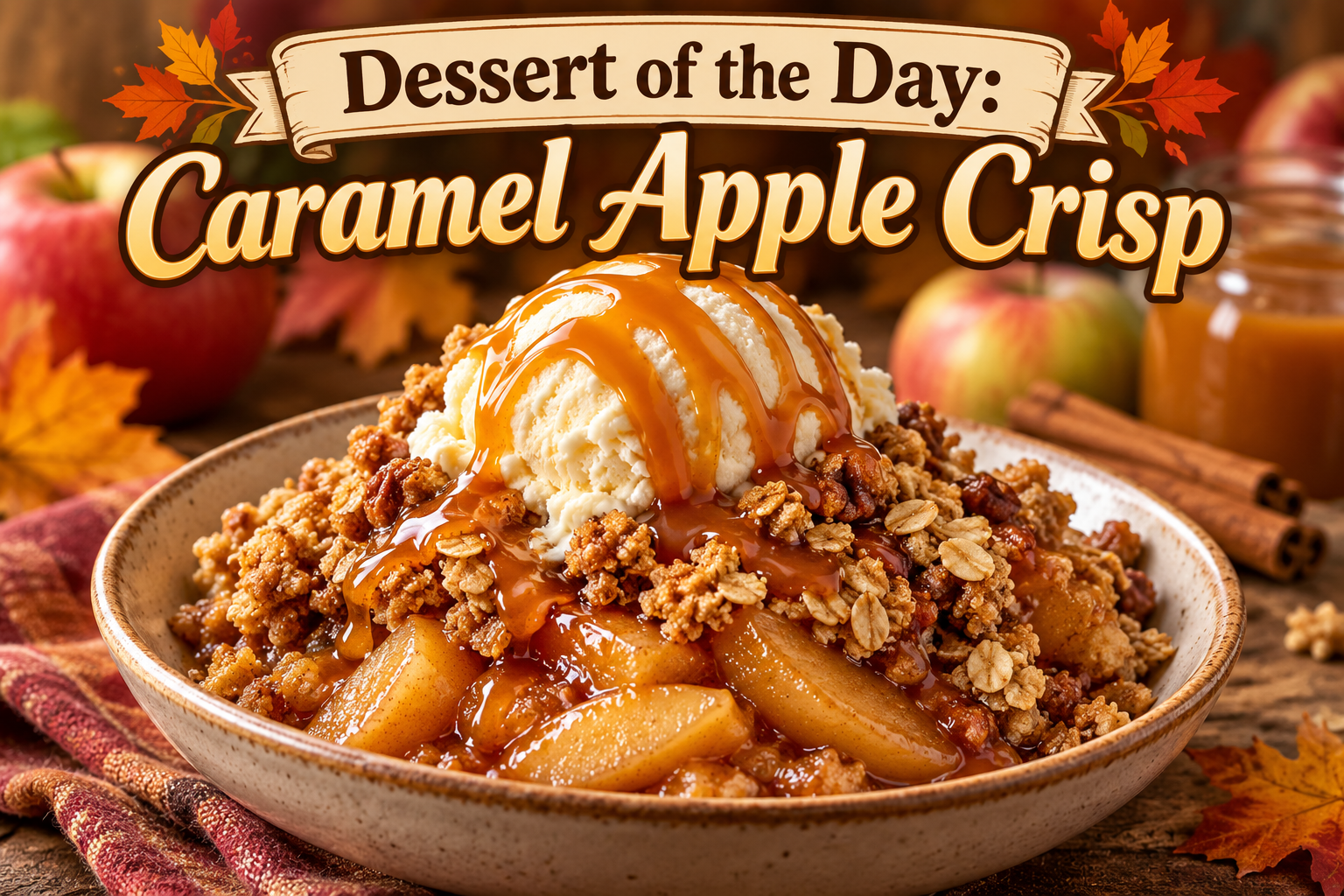
Yes, you can still have dessert.
Portion control can actually help make favorite foods easier to include in an overall balanced lifestyle.
Instead of thinking:
“I can never eat cake again.”
You might think:
“I’m going to enjoy a piece of cake.”
Then actually enjoy it.
Eat slowly.
Taste it.
Appreciate it.
You don’t necessarily need a massive portion to enjoy the experience.
Sometimes a smaller amount of something you truly enjoy can be more satisfying than a large amount eaten quickly and distractedly.
Don’t Punish Yourself for Overeating
Everyone overeats occasionally.
Maybe dinner tasted amazing.
Maybe it was Thanksgiving.
Maybe you were extremely hungry.
Maybe you weren’t paying attention.
Whatever happened, don’t turn one meal into a reason to abandon your healthy habits.
Avoid the mentality:
“I already messed up, so it doesn’t matter anymore.”
It does matter.
Your next decision still matters.
Simply acknowledge what happened and return to your normal eating pattern.
Healthy habits are built through consistency, not perfection.
Portion Control Doesn’t Mean Starvation
This point is extremely important.
Portion control is not about trying to eat the smallest possible amount.
Your body needs adequate nutrition.
If you’re hungry, you should not ignore persistent hunger simply because you’re trying to control portions.
Your individual energy and nutrition needs depend on many factors, including age, body size, activity level, health conditions, medications, pregnancy status, and other considerations.
Someone who is highly active may need different portions than someone who is less active.
Children have different needs from adults.
Older adults may have different nutritional concerns.
There is no single portion size that is perfect for everyone.
If you have specific nutritional needs or health conditions, consider talking with a physician or registered dietitian for personalized guidance.
Try the Pause Before Seconds
Here’s an easy habit you can practice today.
After finishing your first plate, wait several minutes before getting another serving.
Drink some water.
Talk with someone.
Clean up part of the kitchen.
Give yourself a moment.
Then ask:
“Am I still physically hungry?”
If you are, have more.
If you aren’t, you may realize the first portion was enough.
That short pause can interrupt automatic eating.
Plan Before You Become Extremely Hungry
Portion control can become much harder when you’re starving.
If you’ve gone most of the day without eating and suddenly find yourself standing in front of the refrigerator, carefully considering portions may be the last thing on your mind.
Planning regular meals and appropriate snacks can help some people avoid becoming excessively hungry.
Preparation matters.
Having nutritious options available makes healthier decisions easier.
Keep Healthy Foods Visible
Your environment can influence your eating habits.
Consider keeping foods you want to eat more frequently in convenient places.
For example:
Keep fruit somewhere visible.
Prepare vegetables ahead of time.
Place yogurt where it’s easy to grab.
Keep water nearby.
Store portioned snacks where they’re convenient.
At the same time, foods you tend to overeat don’t necessarily need to sit directly in front of you all day.
Sometimes changing the environment is easier than relying entirely on willpower.
Measure Occasionally to Learn Portions
You don’t necessarily need to weigh and measure everything you eat forever.
However, occasionally measuring common foods can help you understand what portions actually look like.
You might measure cereal once to see how much fits into your usual bowl.
You could measure rice, pasta, nuts, dressing, or another commonly eaten food.
Once you’ve seen the amount, estimating it in the future may become easier.
Think of measuring as an educational exercise rather than something you must obsess over.
Eat From a Plate Whenever Possible
Eating while standing at the refrigerator, leaning over the kitchen counter, or walking around the house makes it easy to lose track of how much you’ve consumed.
Try putting your food on a plate or in a bowl and sitting down.
This simple habit creates a beginning and an end to the eating experience.
You’re consciously choosing:
“This is what I’m eating.”
That awareness is at the heart of portion control.
Give Yourself Permission to Enjoy Food
Food is more than fuel.
Food is part of:
Family.
Culture.
Celebration.
Tradition.
Comfort.
Community.
Memories.
Enjoyment.
A healthy relationship with food shouldn’t require you to be afraid of everything you eat.
Portion control gives you another option.
Instead of banning every favorite food, you can learn how to enjoy many foods in amounts that fit into your overall eating pattern.
Small Changes Can Become Big Habits
You don’t have to completely overhaul your diet today.
Choose one small portion-control habit.
Maybe you:
Use a smaller dinner plate.
Put snacks into a bowl.
Wait before getting seconds.
Take half your restaurant meal home.
Eat without your phone.
Slow down at dinner.
Add vegetables to your plate.
Check the serving size on packaged foods.
Choose a smaller beverage.
Any one of these is progress.
Once that habit becomes easier, add another.
Healthy living is often built one small decision at a time.
Today’s Portion-Control Challenge
For your next meal, try this simple exercise.
Before eating, look at your plate.
Ask yourself:
“Did I choose this amount intentionally, or did I simply serve what I normally serve?”
Then sit down and eat slowly.
Halfway through the meal, pause.
Ask:
“How hungry am I right now?”
Continue eating if you’re hungry.
When you begin feeling comfortably satisfied, notice that feeling.
You don’t have to immediately change anything.
Simply becoming more aware is progress.
A Healthier Relationship With Food
Ultimately, portion control isn’t simply about controlling calories.
It’s about developing awareness.
You’re learning to recognize hunger.
You’re learning to recognize fullness.
You’re learning how different foods affect how you feel.
You’re learning that you don’t necessarily need to clean your plate.
You’re learning that you can enjoy your favorite foods without automatically eating large amounts.
You’re learning that healthy eating doesn’t have to be all or nothing.
Those lessons can help create a healthier and more sustainable relationship with food.
Final Thoughts
Practicing portion control doesn’t mean depriving yourself. It means becoming more intentional about the amount of food you eat.
You don’t need to fear your favorite foods.
You don’t need to make every meal perfect.
You don’t need to completely change your diet overnight.
Start small.
Use a smaller plate.
Serve snacks instead of eating from the package.
Slow down.
Pause before getting seconds.
Listen to your body’s hunger and fullness signals.
Pay attention to restaurant portions.
Build balanced meals.
Most importantly, give yourself patience while you’re developing new habits.
Healthy living isn’t created by one perfect meal. It’s built through the choices you make repeatedly over time.
Health Tip of the Day: Practice portion control—not because you should eat as little as possible, but because learning how much your body needs can help you make more mindful, balanced choices.
Your health journey doesn’t have to begin with a dramatic change.
Sometimes it can begin with something as simple as putting a little less on your plate, slowing down, and asking yourself:
“Am I still hungry?”
That small moment of awareness can be the beginning of a healthier habit.


Leave a ReplyCancel reply