
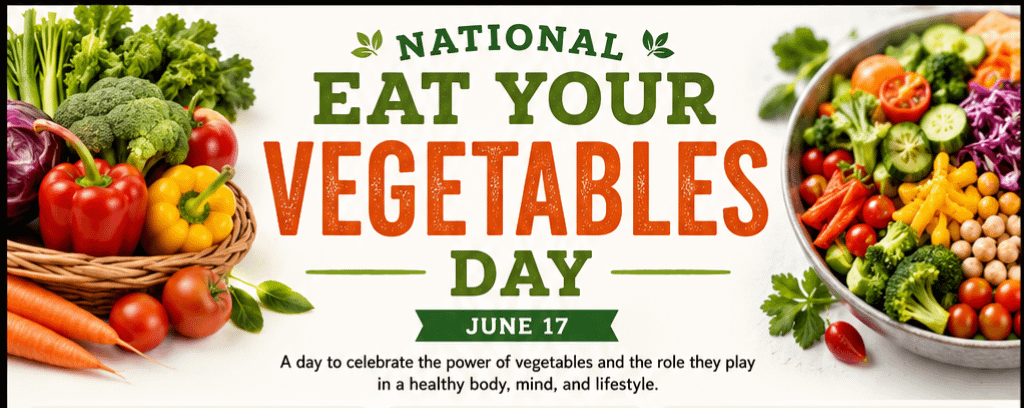
Every year on June 17, people across the United States celebrate National Eat Your Vegetables Day—a day dedicated to one of the simplest yet most powerful habits for improving health and well-being. While many of us heard the phrase “eat your vegetables” countless times as children, this special day serves as a reminder that those words carried wisdom that lasts a lifetime.
Vegetables are among nature’s greatest gifts. Packed with vitamins, minerals, antioxidants, and fiber, they help our bodies function at their best while reducing the risk of numerous health problems. National Eat Your Vegetables Day encourages everyone to make healthier choices, explore new flavors, and appreciate the incredible variety of vegetables available.
The Importance of Vegetables
Vegetables play a crucial role in maintaining good health. They provide essential nutrients that support nearly every system in the body. From leafy greens and colorful peppers to carrots, broccoli, and squash, vegetables offer benefits that go far beyond simply filling a plate.
Some key benefits of eating vegetables include:
Improved Heart Health
Many vegetables contain nutrients that support cardiovascular health. Potassium helps regulate blood pressure, while fiber can help lower cholesterol levels. Diets rich in vegetables are associated with a reduced risk of heart disease and stroke.
Better Digestive Health
Fiber found in vegetables promotes healthy digestion and helps prevent constipation. A fiber-rich diet also supports beneficial gut bacteria, which contribute to overall wellness.
Weight Management
Vegetables are naturally low in calories and high in nutrients, making them an excellent choice for those looking to maintain or lose weight. They help create a feeling of fullness without excessive calorie intake.
Stronger Immune System
Many vegetables contain vitamins A, C, and E, along with antioxidants that help strengthen the immune system and protect the body from illness.
Reduced Risk of Chronic Diseases
Research consistently shows that diets rich in vegetables can lower the risk of diabetes, certain cancers, and other chronic health conditions.
Why So Many People Struggle to Eat Vegetables
Despite their benefits, many adults still struggle to eat enough vegetables. Busy schedules, convenience foods, and personal taste preferences often get in the way.
Some common reasons include:
- Lack of time for meal preparation
- Limited exposure to different vegetables growing up
- Preference for processed foods
- Not knowing how to prepare vegetables in appealing ways
- Believing healthy eating is expensive
The good news is that eating more vegetables doesn’t require a complete lifestyle overhaul. Small changes can make a big difference over time.
Fun Ways to Celebrate National Eat Your Vegetables Day
Try a New Vegetable
Challenge yourself to try something you’ve never eaten before. Whether it’s bok choy, Brussels sprouts, parsnips, or spaghetti squash, exploring new vegetables can expand your palate and make healthy eating more exciting.
Visit a Farmers Market
Local farmers markets offer fresh, seasonal produce while supporting local growers. Shopping for colorful vegetables can inspire new recipes and healthy meals.
Make a Rainbow Plate
Different colored vegetables contain different nutrients. Create a meal filled with red, orange, yellow, green, blue, and purple vegetables to maximize nutritional benefits.
Start a Vegetable Garden
Growing your own vegetables can be rewarding and educational. Even a small container garden can produce fresh herbs, tomatoes, peppers, or lettuce.
Cook Together as a Family
Get children involved in selecting, preparing, and cooking vegetables. Kids are often more willing to eat foods they helped create.
Easy Ways to Add More Vegetables to Your Diet
If you’re looking to improve your eating habits, consider these simple strategies:
Add Vegetables to Breakfast
- Spinach in omelets
- Tomatoes on toast
- Bell peppers in breakfast burritos
- Kale in smoothies
Upgrade Your Lunch
- Add lettuce and tomatoes to sandwiches
- Include a side salad
- Add extra vegetables to soups
Make Dinner More Colorful
- Roast mixed vegetables
- Add vegetables to pasta dishes
- Stir-fry a variety of colorful produce
- Replace part of your rice or pasta with vegetables
Snack Smarter
- Carrot sticks
- Celery with hummus
- Sliced cucumbers
- Cherry tomatoes
- Bell pepper strips
The Connection Between Nutrition and Mental Well-Being
What we eat affects more than just our physical health. Studies continue to show strong connections between nutrition and mental well-being. Diets rich in vegetables may contribute to improved mood, increased energy, and better overall mental health.
When we fuel our bodies with nutrient-dense foods, we often experience greater vitality and resilience. Eating vegetables regularly can become part of a broader commitment to self-care and healthy living.
Making Healthy Habits Last
National Eat Your Vegetables Day is not just about one day of healthy eating—it’s about creating habits that can benefit you throughout the year.
Start small if necessary. Add one extra serving of vegetables each day. Experiment with new recipes. Focus on progress rather than perfection. Over time, these small choices can lead to significant improvements in your health and quality of life.
Final Thoughts
National Eat Your Vegetables Day reminds us that good health often begins with simple choices. While vegetables may not always be the most exciting item on the menu, their benefits are undeniable. They nourish our bodies, support our health, and provide the foundation for a healthier future.
Whether you’re already a vegetable lover or someone trying to improve your eating habits, take a moment today to celebrate the power of nutritious foods. Fill your plate with color, explore new flavors, and remember that every healthy choice is an investment in yourself.
After all, eating your vegetables isn’t just good advice—it’s one of the easiest ways to build a healthier, stronger, and more vibrant life.
Read More Holidays & National Days
Leave a ReplyCancel reply