
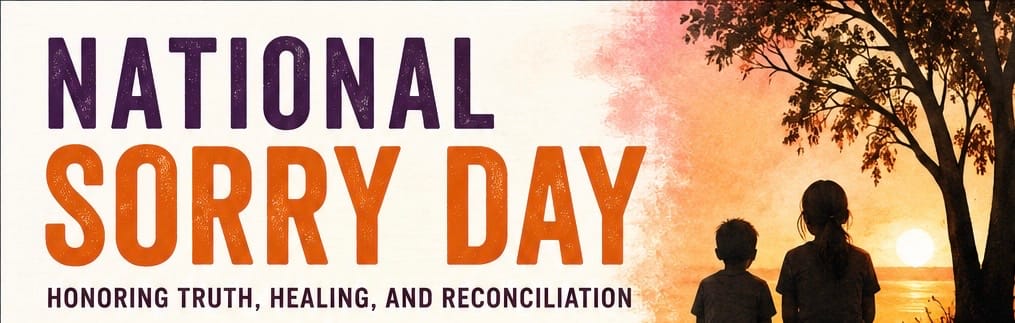
very year on May 26, Australia observes National Sorry Day — a day dedicated to acknowledging the pain and suffering experienced by Aboriginal and Torres Strait Islander peoples, particularly the Stolen Generations. It is a day of remembrance, reflection, and reconciliation, encouraging people to learn from history while supporting healing for the future.
National Sorry Day stands as one of the most emotionally significant observances in Australia’s modern history because it recognizes the lasting impact of policies that forcibly removed Indigenous children from their families, communities, and cultures for generations.
The Meaning Behind National Sorry Day
National Sorry Day was first held in 1998 following the release of the landmark “Bringing Them Home” report in 1997. The report documented the heartbreaking experiences of Indigenous children who were taken from their families under government policies that lasted for much of the 20th century.
These children, now known as the Stolen Generations, often lost:
* Their connection to family
* Their cultural identity
* Their language and traditions
* A sense of belonging and emotional security
For many survivors, the trauma carried into adulthood and affected future generations through grief, disconnection, and emotional pain.
National Sorry Day exists to acknowledge these truths openly and respectfully.
A Day of Reflection and Compassion
National Sorry Day is not about guilt — it is about recognition, empathy, and understanding. It encourages people to listen to the stories of survivors and recognize the resilience of Indigenous communities who endured tremendous hardship.
Across Australia, people observe the day by:
* Attending memorial services and community gatherings
* Participating in educational events
* Wearing “Sorry Day” symbols such as native flowers
* Sharing stories and conversations about reconciliation
* Taking time to reflect on the importance of unity and healing
Schools, workplaces, organizations, and local communities often use the day to educate others about Indigenous history and culture while promoting respect and inclusion.
The Importance of Saying “Sorry”
The word “sorry” carries deep emotional meaning. In the context of National Sorry Day, it represents acknowledgment of past wrongs and a commitment to building a better future.
One of the most historic moments connected to the movement came in 2008, when former Australian Prime Minister Kevin Rudd formally apologized to the Stolen Generations on behalf of the Australian government.
For many people, that apology marked an important step toward healing and national reconciliation.
Yet National Sorry Day also reminds us that reconciliation is not a single moment — it is an ongoing journey requiring honesty, education, compassion, and action.
Why National Sorry Day Still Matters Today
The effects of historical trauma do not disappear overnight. Many Indigenous families and communities continue to experience social, emotional, and cultural challenges connected to the past.
National Sorry Day encourages people to:
* Learn the truth about history
* Respect Indigenous voices and experiences
* Support reconciliation efforts
* Promote equality and understanding
* Build stronger relationships between communities
It is also a reminder that healing grows when people are willing to listen, acknowledge pain, and stand together with compassion and respect.
Moving Forward Together
National Sorry Day is ultimately about humanity — recognizing suffering, honoring resilience, and choosing understanding over silence. It reminds us that healing begins when truth is acknowledged and when people are willing to walk together toward reconciliation.
As communities gather to remember the past and hope for the future, National Sorry Day continues to serve as a powerful reminder that compassion, respect, and unity can help create a more inclusive and understanding world for generations to come.
Read More Holidays & National Days
Leave a ReplyCancel reply