Blog

  • International Podcast Day: Celebrating the Power of Voice and Storytelling

    International Podcast Day: Celebrating the Power of Voice and Storytelling

    Advertisements

    Every year on September 30th, people around the globe celebrate International Podcast Day, a time dedicated to recognizing the impact of podcasts on entertainment, education, and community building. What started as a niche medium has grown into a worldwide phenomenon, transforming the way we consume content and connect with others.

    The Rise of Podcasting

    Podcasts began in the early 2000s as downloadable audio shows, but over the past two decades, the medium has exploded. Today, millions of podcasts cover topics ranging from true crime and business to comedy, wellness, history, and storytelling. Unlike traditional radio, podcasts offer a flexible, on-demand format that allows listeners to dive into subjects they care about—anytime and anywhere.

    Why International Podcast Day Matters

    This day isn’t just about entertainment. It’s about recognizing how podcasts give a voice to individuals and communities who might not otherwise have a platform. They allow creators to share ideas, challenge perspectives, and build connections without the barriers of traditional media. Whether you’re a seasoned podcaster or a casual listener, International Podcast Day is a chance to appreciate the accessibility and creativity the medium brings.

    How to Celebrate

    Discover a New Show: Use the day to explore podcasts outside your usual genre. You might find a new favorite.

    Support Podcasters: Share your favorite episodes on social media, leave positive reviews, and recommend shows to friends.

    Start Your Own Podcast: If you’ve been considering launching one, International Podcast Day is the perfect excuse to begin. With simple tools and platforms available, it’s never been easier to record and share your voice.

    Join the Conversation: Many podcast communities host live streams, virtual events, and discussions on September 30th, bringing together creators and fans worldwide.

    Looking Ahead

    Podcasting continues to evolve with new technologies, from video podcasts to interactive features. As the medium grows, its role in shaping culture, spreading knowledge, and amplifying voices will only deepen. International Podcast Day is a reminder of how far podcasting has come—and the limitless potential it holds for the future.

    Read More Holidays & National Days

  • National VFW Day: Honoring Veterans of Foreign Wars

    Advertisements

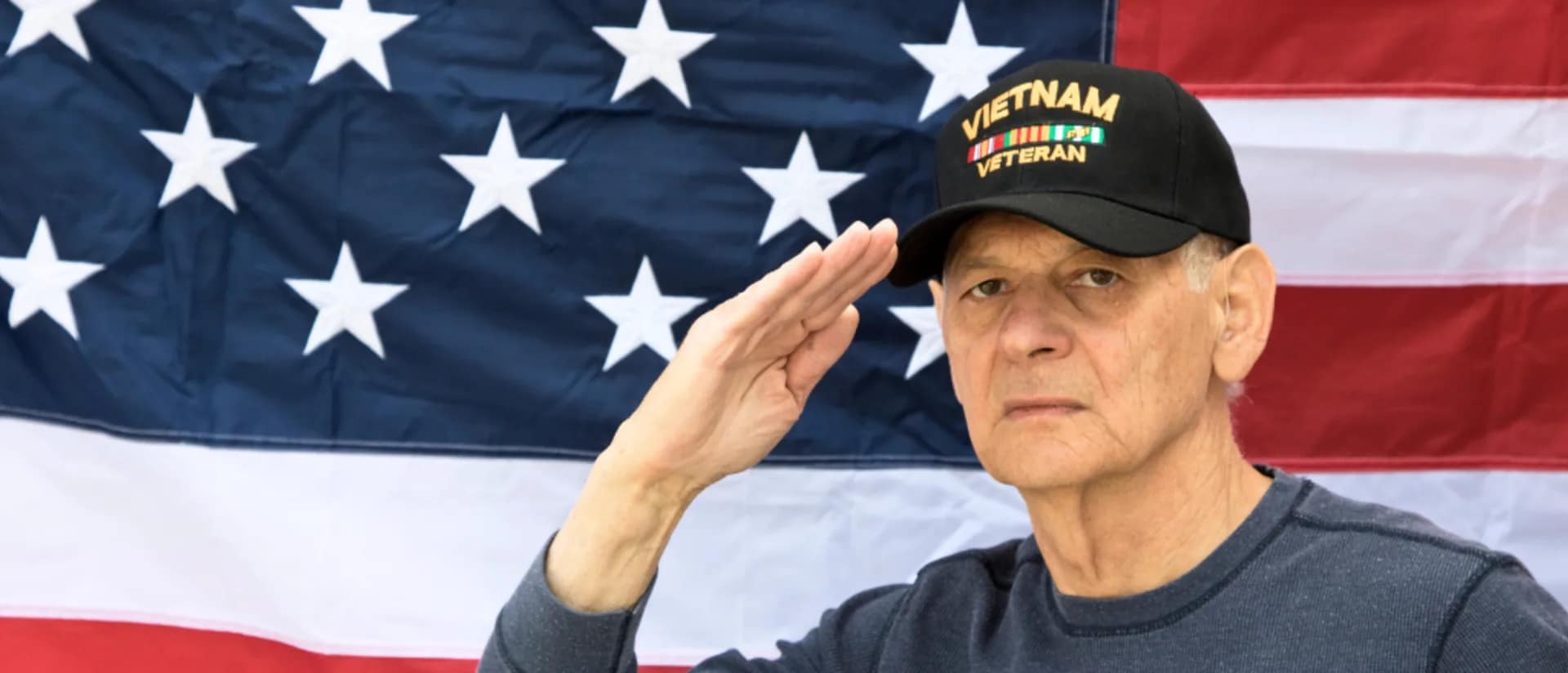
    Every year on September 29, Americans pause to recognize National VFW Day, a day dedicated to honoring the Veterans of Foreign Wars of the United States (VFW). This organization, founded in 1899, has stood as a pillar of support, advocacy, and community for veterans who served in overseas conflicts.

    The Origins of the VFW

    The VFW was established by a group of veterans returning from the Spanish-American War and the Philippine Insurrection, who recognized the urgent need for comradeship and assistance. Many soldiers came home wounded, sick, or in need of financial help, and the government at that time had limited support systems in place. Banding together, they formed the VFW to ensure that no veteran would be left behind.

    What the VFW Represents

    The Veterans of Foreign Wars has grown into one of the largest and most respected veterans’ organizations in the country, with over 1.5 million members across thousands of local posts. The group advocates for veterans’ rights, works to secure benefits like the GI Bill, supports military families, and provides a network of fellowship.

    Some of the VFW’s most notable contributions include:

    Leading the fight for veterans’ healthcare and improved services at VA hospitals.

    Championing the GI Bill of Rights, which expanded educational opportunities for millions of returning service members.

    Organizing community service programs, youth scholarships, and patriotic initiatives.

    Why National VFW Day Matters

    National VFW Day is not just about remembering the history of the organization; it’s about recognizing the ongoing contributions veterans make to their communities and the nation. It’s a day to thank those who have worn the uniform in times of war and to acknowledge the sacrifices they and their families have made.

    For many veterans, their local VFW post serves as more than just a hall—it is a second home, a place to share stories, heal together, and continue serving by supporting others.

    How to Observe National VFW Day

    Visit a local VFW Post and learn about the services they provide.

    Thank a veteran for their service and sacrifice.

    Donate or volunteer to support veterans’ programs.

    Share the history of the VFW on social media to spread awareness.

    A Legacy of Service

    National VFW Day stands as a reminder that freedom comes at a cost and that those who served abroad deserve enduring gratitude and support. The Veterans of Foreign Wars has carried forward a mission of advocacy and compassion for over 120 years—and their work continues to shape the lives of veterans and communities across the nation.

    Read More Holidays & National Days

  • National Sons Day

    Advertisements

    Every year, families across the country celebrate National Sons Day, a time to recognize and honor the boys and young men who bring joy, challenges, and inspiration into our lives. Observed on September 28th, this day is all about showing appreciation for sons of all ages and strengthening the bond between parents and children.

    The Meaning Behind the Day

    National Sons Day serves as a reminder that raising sons is both a responsibility and a privilege. It encourages parents to take an active role in teaching their sons values such as respect, integrity, kindness, and perseverance. In a world where boys face unique pressures and expectations, this day also highlights the importance of providing guidance, encouragement, and open communication.

    Celebrating Sons

    Families mark National Sons Day in many ways—some by simply spending quality time together, others by sharing heartfelt messages or planning fun activities. Common traditions include:

    Family Dinners: Gathering around the table to enjoy a meal and conversation.

    Words of Affirmation: Writing letters, sharing stories, or giving encouragement.

    Adventures Together: Going on a hike, playing sports, or engaging in a favorite hobby.

    Photos and Memories: Posting tributes on social media to celebrate the bond between parents and sons.

    Building Stronger Relationships

    This day isn’t just about celebrating—it’s also about reflection. Parents are encouraged to think about how they can support their sons in becoming confident, compassionate men. That could mean teaching life skills, modeling positive behavior, or simply listening without judgment.

    Why It Matters

    National Sons Day reminds us that family bonds are worth celebrating and nurturing. It’s an opportunity to pause, express gratitude, and invest in the relationships that matter most. By recognizing the importance of raising and supporting sons, we contribute to building a stronger, kinder, and more connected future.

    Read More Holidays & National Days
  • Ted Williams Becomes the Last MLB Player to Hit .400

    Advertisements

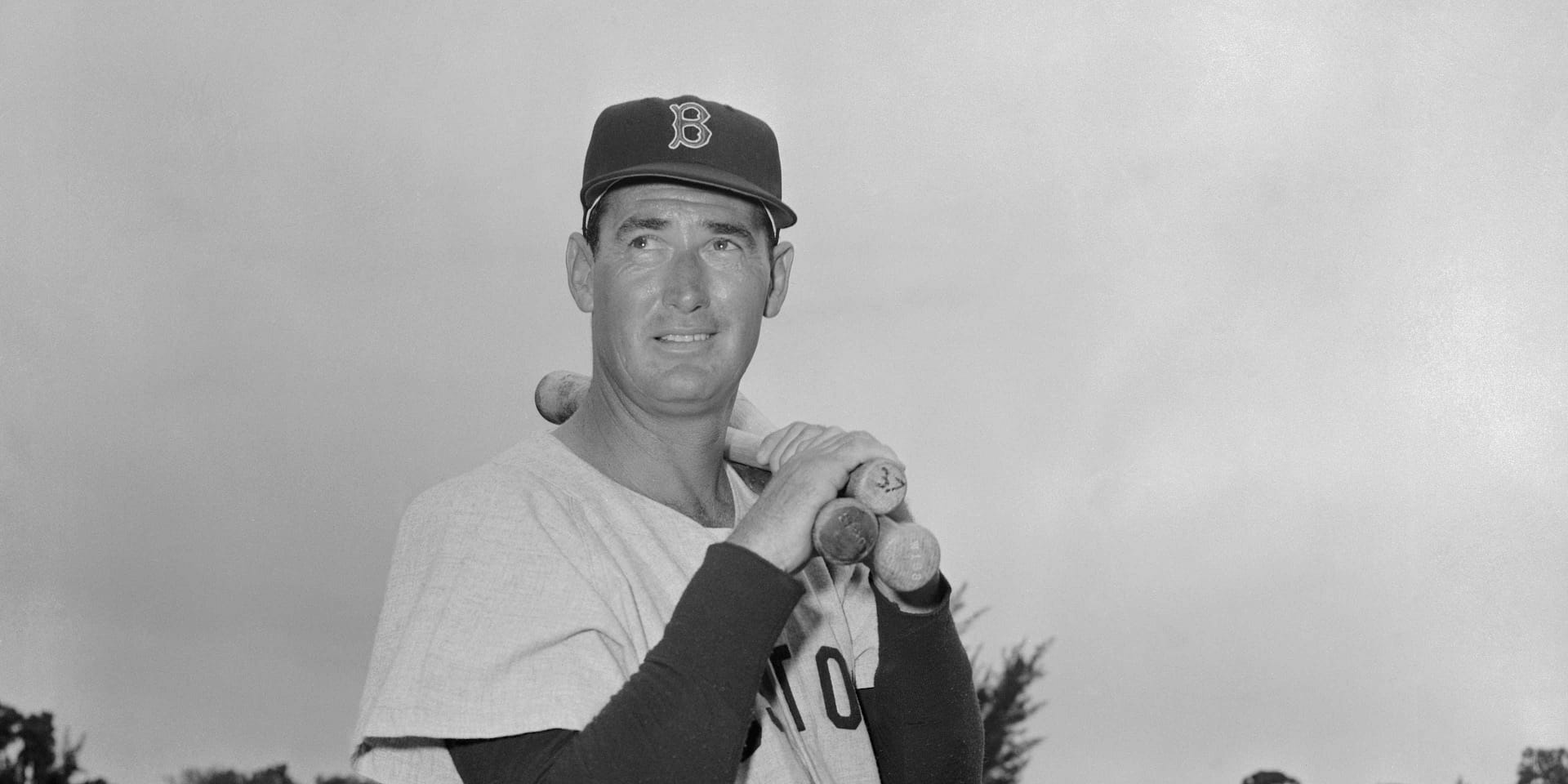
    On September 28, 1941, Ted Williams of the Boston Red Sox stepped into baseball history by achieving something that no player has accomplished since: finishing the season with a batting average above .400. Williams, just 23 years old at the time, closed the year with a .406 average, cementing his legacy as one of the greatest hitters in Major League Baseball history.

    The Pressure of the Final Day

    Heading into the last day of the season, Williams’ batting average stood at .39955—close enough that it would have rounded up to .400. Many advised him to sit out the final doubleheader against the Philadelphia Athletics to protect the milestone. But Williams, known for his competitive spirit, refused. He later explained his decision simply: “If I’m going to be a .400 hitter, I want more than my toenails on the line.”

    A Day for the Ages

    That Sunday, Williams went to the plate six times in the opener, collecting four hits. In the nightcap, he added two more. By the end of the day, he went 6-for-8, raising his average to an untouchable .406. His performance stunned both teammates and opponents, and sportswriters hailed it as one of the purest demonstrations of determination and skill in the game’s history.

    The Meaning of .400

    Since Williams’ achievement, no player has managed to reach the same mark. Stars like Tony Gwynn, George Brett, and Rod Carew have come close, but the ever-increasing difficulty of facing specialized pitching and the grind of a 162-game season have kept the barrier intact. Hitting .400 is now regarded as one of the most unbreakable records in sports.

    Williams’ Legacy

    Ted Williams went on to have a Hall of Fame career, interrupted by military service in both World War II and the Korean War. Despite losing nearly five full seasons to service, he still finished with 521 home runs, six batting titles, and two MVP awards. Yet, his 1941 season remains the crown jewel of his career.

    To this day, fans and historians look back on that September afternoon as the closing chapter in one of baseball’s greatest eras. Ted Williams didn’t just become the last man to hit .400—he became a symbol of what it means to play the game with integrity, courage, and a relentless desire to be the best.

    Read More Holidays & National Days

  • National Drink Beer Day: A Toast to Tradition and Good Company

    Advertisements

    Every year on September 28, beer enthusiasts across the United States raise a glass in celebration of National Drink Beer Day. This fun holiday honors one of the world’s oldest and most beloved beverages—beer. From backyard barbecues to local pubs, the day is all about enjoying a cold pint, sharing laughs with friends, and appreciating the centuries of craftsmanship behind every sip.

    A Brew with Ancient Roots

    Beer has been around for thousands of years, with its earliest traces dating back to ancient Mesopotamia. Over time, brewing spread across cultures and continents, eventually becoming a staple of community gatherings and celebrations. Today, beer remains one of the most popular drinks worldwide, with countless styles—from crisp lagers and hoppy IPAs to dark stouts and smooth porters.

    Why Celebrate Beer?

    National Drink Beer Day isn’t just about indulging—it’s about recognizing beer’s cultural role. Breweries, both big and small, fuel local economies, support farmers, and bring people together. Craft brewing, in particular, has exploded in recent decades, offering unique flavors and innovative twists on classic recipes.

    Celebrating also provides a chance to support local taprooms and breweries, many of which have become community hubs where friendships are forged over shared flights and tasting events.

    How to Celebrate

    There are countless ways to enjoy National Drink Beer Day:

    Visit a brewery – Explore local craft brewers and try seasonal releases.

    Host a tasting party – Invite friends to sample different beer styles.

    Pair beer with food – From pizza to gourmet cheese, discover how beer enhances flavors.

    Learn the history – Take a moment to read about your favorite brew’s origins.

    And of course, the best way to celebrate is simple: responsibly enjoy a cold one with good company.

    A Reminder of Responsibility

    As with any alcohol-centered celebration, moderation is key. National Drink Beer Day is about enjoyment and connection, not excess. Celebrate smartly, and always plan for safe transportation if you’re heading out.

    Cheers to National Drink Beer Day

    Beer has stood the test of time, evolving with human history while never losing its role as a drink that brings people together. On September 28, let’s raise a glass to tradition, innovation, and the joy of community.

    Cheers! 🍺

    Read More Holidays & National Days

  • National No Excuses Day: A Call to Accountability

    Advertisements

    Every year, National No Excuses Day serves as a powerful reminder that personal growth begins with responsibility. While excuses can feel like a safety net, they often hold us back from progress, achievement, and authenticity. This observance is not about harsh self-criticism, but about embracing accountability and reclaiming the power to shape our own lives.

    The Purpose of No Excuses Day

    National No Excuses Day encourages individuals to stop rationalizing failures, delays, or missed opportunities. Instead, it invites us to acknowledge the role we play in our choices and outcomes. By replacing excuses with action, people often discover newfound confidence, resilience, and motivation.

    Excuses can come in many forms:

    “I don’t have enough time.”

    “I’m not ready yet.”

    “What if I fail?”
    While they may feel valid in the moment, these justifications often block us from starting new projects, chasing goals, or making necessary changes in our lives.

    A Day of Empowerment

    On National No Excuses Day, people are encouraged to:

    Set clear intentions – Write down what you want to accomplish today without room for excuses.

    Take one bold step – Whether it’s starting a fitness routine, applying for a new job, or tackling a long-postponed task, action is more powerful than hesitation.

    Own your decisions – Recognize where excuses have been holding you back and replace them with accountability.

    Why It Matters

    Excuses can feel comfortable, but they leave us stagnant. By challenging ourselves to live “excuse-free,” even for one day, we practice resilience and discipline. Over time, this mindset can lead to healthier habits, stronger relationships, and greater success.

    Final Thought

    National No Excuses Day is more than a date on the calendar—it’s a mindset. It asks each of us to be honest, to step forward without hesitation, and to take responsibility for our path. When we stop making excuses, we start making progress.

    Read More Holidays & National Days
  • Kennedy and Nixon Square Off in First Televised Presidential Debate

    Advertisements

    On September 26, 1960, Americans witnessed a political turning point that forever changed the way campaigns were run. For the first time in history, a presidential debate was broadcast live on television, pitting Democratic Senator John F. Kennedy against Republican Vice President Richard Nixon. What unfolded that night in Chicago’s CBS studios was more than just a clash of policy ideas—it was a demonstration of the growing power of television to shape public perception.

    The debate reached an estimated 70 million viewers, a record-breaking audience at the time. Kennedy, youthful and confident, arrived tanned and well-prepared, exuding calmness under the studio lights. Nixon, recovering from a recent hospital stay and having refused professional makeup, appeared pale, tired, and visibly uncomfortable. On radio, listeners believed Nixon held his own, but on television, Kennedy’s poise and polished image resonated more strongly.

    The topics ranged from the Cold War and relations with the Soviet Union to domestic economic growth and civil rights. Kennedy pressed for stronger leadership, presenting himself as the energetic candidate ready to take America into a new decade. Nixon, with years of foreign policy experience, emphasized his background and close work with President Dwight D. Eisenhower, but his delivery lacked the vitality that Kennedy projected.

    In the aftermath, analysts noted that the debate underscored the growing influence of television as a political tool. Those who watched on TV overwhelmingly thought Kennedy had won, while radio listeners were more likely to give Nixon the edge. This contrast demonstrated how much appearance, presentation, and stage presence could matter in the television age.

    The Kennedy-Nixon debate not only shifted momentum in the 1960 election—helping propel Kennedy to a narrow victory—but also set the precedent for how modern presidential campaigns would be conducted. From that moment forward, candidates recognized that debates were no longer just about substance, but about style, image, and the ability to connect with Americans through the lens of a camera.

    Read More Holidays & National Days

  • National Food Service Workers Day: Honoring the Hands That Feed America

    Advertisements

    Every year on September 25th, National Food Service Workers Day shines a light on the hardworking individuals who keep America fed. From the cooks and dishwashers in local diners to the baristas, servers, cafeteria staff, and food delivery drivers, this day recognizes the vital contributions of food service workers in our communities.

    The Unsung Heroes of Daily Life

    Food service is often fast-paced, demanding, and physically exhausting. Workers spend long hours on their feet, balancing customer service with strict health and safety standards. Despite the challenges, they bring people together—whether through a family dinner at a favorite restaurant, a quick coffee before work, or a nourishing meal served in a school or hospital cafeteria.

    More Than Just a Job

    For many, working in food service is more than a paycheck—it’s a craft, a passion, or a stepping stone toward future goals. It teaches resilience, teamwork, time management, and communication skills that extend far beyond the kitchen or dining room. For others, it’s a career of dedication, building relationships with regular customers and creating spaces of warmth and connection.

    Why Appreciation Matters

    Food service workers often face long shifts, unpredictable schedules, and difficult customers, yet they show up day after day with commitment and care. National Food Service Workers Day is an opportunity to express gratitude. A simple “thank you” to your server, tipping generously, or supporting local restaurants and cafes can go a long way.

    Celebrating the Day

    Dine out and say thanks – Visit your favorite restaurant and personally thank the staff.

    Support local food workers – Leave positive reviews, recommend local eateries, or participate in community initiatives that uplift food service staff.

    Show kindness – A smile, patience during busy rushes, and respect for their work costs nothing but means everything.

    A Lasting Impact

    Behind every meal served, there are hardworking hands making it possible. National Food Service Workers Day reminds us not to take that for granted. Whether it’s a quick snack or a five-course meal, the dedication of food service workers helps create the moments we share with family, friends, and community.

    Read More Holidays & National Days

  • The Bill of Rights Passes Congress

    Advertisements

    On September 25, 1789, the United States Congress took a historic step in shaping the nation’s future by passing the Bill of Rights. These first ten amendments to the U.S. Constitution were designed to safeguard individual liberties and protect citizens from government overreach, ensuring that the newly formed nation would remain rooted in freedom and justice.

    The Bill of Rights was born out of compromise. During the Constitutional Convention, many delegates worried that the original Constitution lacked explicit protections for personal freedoms. Anti-Federalists, in particular, feared that without such guarantees, the federal government could grow too powerful and infringe on the rights of the people. Federalists, while initially hesitant, agreed that adding amendments would strengthen public trust in the new government.

    James Madison, often called the “Father of the Constitution,” took the lead in drafting these amendments. Drawing inspiration from earlier documents like the Magna Carta, the English Bill of Rights, and state constitutions, Madison compiled a set of protections that reflected the values and demands of the American people.

    The ten amendments that became known as the Bill of Rights guaranteed essential freedoms—such as freedom of speech, press, and religion—as well as protections like the right to bear arms, trial by jury, and safeguards against unreasonable searches and cruel punishments. Together, they became a cornerstone of American democracy.

    Though passed by Congress in 1789, the amendments still required ratification by the states. This process concluded on December 15, 1791, when Virginia became the final state needed to approve them. From that day forward, the Bill of Rights has stood as a shield for individual liberty, guiding courts, lawmakers, and citizens through more than two centuries of challenges and change.

    The passage of the Bill of Rights not only secured vital protections but also reinforced the principle that government derives its power from the consent of the governed. More than 230 years later, these amendments remain a defining feature of American identity—reminders that liberty, once won, must always be guarded.

    Read More Holidays & National Days
  • Rebuilding Your Life After Child Loss

    Advertisements

    Losing a child is a heartbreak unlike any other. It is not something you ever “get over.” Instead, it’s a reality you learn to live with, one that reshapes every part of your life. In the aftermath, parents often wonder if it’s even possible to rebuild—if there’s a way to live again without the presence of their child. While the path is never easy, many parents slowly find ways to move forward while keeping the memory of their child alive.

    Accepting That Life Has Changed Forever

    The first step in rebuilding is accepting that life will never look the same. Grief is not a season with an end date—it’s a companion you carry. Some days it feels heavier than others, but acknowledging the permanence of this loss allows you to stop waiting for things to “go back to normal.” A new normal must be created.

    Giving Yourself Permission to Grieve

    Rebuilding doesn’t mean rushing into healing or pretending to be strong. It means allowing yourself to cry, to rage, to sit in silence. It means recognizing that grief has no timeline. Some days you may feel capable of engaging with life, while others you may only manage to get out of bed. Both are valid.

    Leaning on Support

    No one should walk through child loss alone. Support groups, therapists, close friends, or other grieving parents can offer understanding when the rest of the world cannot. Sharing your story with those who “get it” provides a sense of belonging in a time when you may feel isolated.

    Honoring Your Child’s Memory

    Part of rebuilding is finding ways to keep your child’s memory present in your life. This might mean creating a memorial space, celebrating their birthday, writing letters, or starting a tradition in their honor. By weaving their memory into your daily life, you continue to give their existence meaning.

    Rediscovering Purpose

    In time, many grieving parents find a new sense of purpose. Some turn to advocacy, volunteer work, or creative outlets. Others pour themselves into family, faith, or personal growth. Rebuilding doesn’t erase the loss; it reshapes your life in a way that honors both your pain and your resilience.

    Moving Forward With Love

    Rebuilding life after child loss does not mean leaving your child behind. Instead, it means carrying them with you in a way that allows you to keep living. The love you feel for your child never fades—it becomes the quiet force that carries you forward, helping you find light again in a world that once felt unbearably dark.

    A Father’s Guide to Surviving the Loss of a Child

Exit mobile version