Blog

  • Nathan Hale Volunteers to Spy Behind British Lines

    Nathan Hale Volunteers to Spy Behind British Lines

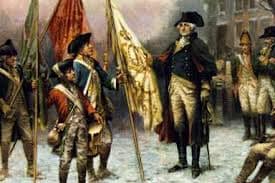
    On September 8, 1776, during the early days of the American Revolution, a young patriot named Nathan Hale made a fateful decision that would forever mark him as a symbol of courage and sacrifice. At just 21 years old, Hale volunteered for one of the most dangerous assignments in the war—spying on the British army behind enemy lines.

    A Nation in Peril

    The summer of 1776 had been brutal for General George Washington and the Continental Army. After the bold Declaration of Independence in July, the fight for freedom faced an immediate test. British forces, led by General William Howe, launched a massive campaign to seize New York City. With their superior numbers, naval power, and professional troops, the British had already pushed Washington’s army into retreat after the disastrous Battle of Long Island in late August.

    Washington knew that to survive, the Continental Army needed intelligence. He required details about British troop movements, fortifications, and supply lines. Spies could provide what muskets and cannons could not—information that might mean the difference between survival and annihilation.

    Nathan Hale Steps Forward

    Few men were eager to volunteer. Spying was considered dishonorable and, if caught, punishable by death. Yet, Nathan Hale, a Yale graduate and schoolteacher from Connecticut, stepped forward without hesitation. Friends described him as intelligent, dedicated, and deeply committed to the revolutionary cause.

    Hale disguised himself as a Dutch schoolmaster and slipped into British-controlled Long Island. For days, he gathered valuable intelligence on British positions. But his mission was cut short when he was recognized and betrayed—possibly by a Loyalist relative or through his own lack of experience in espionage.

    Capture and Execution

    Hale was captured by the British on September 21, 1776. With little ceremony, he was sentenced to hang the next morning. Witnesses reported that the young man faced death with dignity. His final words, though varying slightly in different accounts, are remembered as:

    “I only regret that I have but one life to lose for my country.”

    These words cemented Nathan Hale’s place in American history as a martyr for independence.

    Legacy of a Patriot

    Although Hale’s mission ended in failure, his bravery inspired his fellow soldiers and generations of Americans after him. Monuments and schools across the country now bear his name. In 1985, he was officially designated the state hero of Connecticut.

    Nathan Hale’s sacrifice reminds us that freedom often comes at a heavy price. His willingness to give everything—youth, comfort, and life itself—for the cause of liberty embodies the spirit of the American Revolution.

    Read More Holidays & National Days
  • Star Trek Day: Honoring the Legacy of Boldly Going Where No One Has Gone Before

    Star Trek Day: Honoring the Legacy of Boldly Going Where No One Has Gone Before

    Every year on September 8, fans around the world celebrate Star Trek Day—a day dedicated to one of the most influential and beloved franchises in television and film history. This date marks the anniversary of the original Star Trek series premiere in 1966, when Captain James T. Kirk, Mr. Spock, and the crew of the U.S.S. Enterprise first invited viewers to explore the final frontier.

    The Origins of Star Trek Day

    On September 8, 1966, Star Trek: The Original Series debuted on NBC. Although its initial run lasted only three seasons, the show sparked a cultural phenomenon that would expand into multiple spin-off series, blockbuster films, novels, comics, and conventions. What began as a niche science fiction program quickly grew into a worldwide community of dreamers, thinkers, and explorers inspired by its vision of the future.

    Star Trek Day officially became a recognized celebration for fans, with special events, cast reunions, streaming marathons, and global virtual gatherings honoring Gene Roddenberry’s creation.

    Why Star Trek Matters

    Star Trek isn’t just science fiction—it’s a hopeful vision of humanity’s future. The franchise imagines a world where technology is used for exploration rather than destruction, where diverse species and cultures work together, and where diplomacy and understanding triumph over conflict.

    Key contributions include:

    Diversity and representation: The original cast featured groundbreaking roles, including Nichelle Nichols as Lt. Uhura, one of the first Black women in a major television role.

    Social commentary: Episodes tackled issues like racism, war, and inequality through allegory and futuristic storytelling.

    Inspiration for innovation: Devices like communicators, tablets, and voice-controlled computers inspired real-world technological advances.

    How Fans Celebrate

    Star Trek Day is marked with enthusiasm by Trekkies everywhere. Common traditions include:

    Marathon viewing of favorite episodes and films across the many series (The Next Generation, Deep Space Nine, Voyager, Enterprise, Discovery, Picard, and Strange New Worlds).

    Cosplay and fan art shared online and at gatherings.

    Panel discussions and livestreams featuring cast and creators, often hosted by Paramount.

    Philanthropic initiatives, where fan groups unite to support causes that reflect the values of the Federation—peace, equality, and exploration.

    The Enduring Legacy

    Nearly 60 years later, Star Trek continues to inspire new generations. With ongoing series and upcoming films, the franchise is proof that its themes of hope, exploration, and unity are as relevant today as they were in 1966.

    Star Trek Day is more than just a celebration of a TV show—it’s a reminder of the power of storytelling to shape culture, inspire science, and challenge us to imagine a brighter tomorrow.

    So on September 8, whether you’re rewatching classic episodes, quoting Spock’s wisdom, or simply embracing your inner Trekkie, take a moment to reflect on the spirit of Star Trek: to boldly go where no one has gone before.

    Read More Holidays & National Days

  • Turning Pain Into Action: Finding Strength in Struggle

    Turning Pain Into Action: Finding Strength in Struggle

    Pain is something we cannot escape in life. It shows up in many forms—heartbreak, grief, failure, rejection, or life changes we didn’t ask for. When we are in the middle of it, pain feels heavy, suffocating, and endless. It can leave us questioning our worth, our purpose, and even our ability to move forward.

    But here’s the truth: pain, as difficult as it is, doesn’t have to destroy us. It can shape us. It can teach us. And when we decide to use it as fuel instead of a chain, pain can become the very thing that propels us toward growth, strength, and purpose. Turning pain into action is not about ignoring your struggles or pretending everything is fine—it’s about choosing to rise, step by step, and allowing your hardest moments to become your greatest teachers.

    Pain as a Teacher, Not a Punishment

    When we’re hurting, it’s natural to ask, “Why me?” or “What did I do to deserve this?” But pain isn’t punishment—it’s part of being human. Every person on earth experiences it, and while we cannot control when or how it comes, we can control how we respond to it.

    Pain strips away the illusions of comfort and control, forcing us to look deeper. It often reveals strengths we didn’t know we had, and it sharpens our vision about what truly matters in life. Sometimes, the pain we go through pushes us to make changes we never would have considered otherwise—changes that ultimately lead us to healthier, more authentic, and more fulfilling paths.

    Steps to Transform Your Pain Into Action

    Turning pain into growth doesn’t happen overnight. It’s a process that takes patience, intention, and courage. Here are some steps to guide the transformation:

    1. Acknowledge the Pain Fully

    Growth starts with honesty. Too often we push pain down, avoid it, or distract ourselves. But unacknowledged pain lingers. Facing it directly—through journaling, reflection, or talking with someone you trust—allows you to release its grip. Naming the struggle gives you clarity and opens the door to healing.

    2. Give Meaning to the Experience

    When life hurts, meaning helps us endure. Ask yourself: What can this teach me? How can this shape me for the better? This doesn’t mean the pain was “meant to be” or that it was fair—it means you are reclaiming control by choosing what you will take from it. Finding purpose in suffering transforms it into a stepping stone rather than a stumbling block.

    3. Redirect the Energy

    Pain stirs up powerful emotions—anger, sadness, frustration, restlessness. Left unmanaged, these emotions can consume us. But when channeled, they become fuel for progress. You might pour your energy into physical movement, creative expression, personal goals, or even helping others who are walking a similar path. Action turns pain from something that holds you down into something that moves you forward.

    4. Surround Yourself With Support

    Pain can make us feel isolated, like no one else understands. But healing happens in connection. Whether it’s family, friends, mentors, or support groups, sharing your journey brings encouragement and strength. Sometimes, the simple act of being heard is the first step toward transformation. And when you surround yourself with people who lift you up, you realize you are not alone in your struggles.

    5. Commit to Growth

    Turning pain into action is not a one-time event—it’s a daily choice. Some days will feel like progress, others will feel like setbacks. Both are part of the journey. What matters is that you keep moving forward, even in small ways. Choose one thing each day that brings you closer to healing and growth. Over time, those small actions add up to lasting change.

    Real-Life Growth Through Pain

    History, and even our own communities, are full of examples of people who transformed their deepest struggles into powerful growth:

    Survivors of loss who start support groups, helping others navigate grief.

    Individuals who experienced failure, only to use it as the foundation for future success.

    People who faced rejection but used it to fuel determination and pursue dreams they once thought impossible.

    Their stories remind us of a simple truth: pain does not have to be the end of the story. It can be the beginning of something new.

    Turning Pain Into Your Power

    At its core, pain is energy. Left unchecked, it weighs us down. But redirected, it can become power—the kind of power that builds resilience, strengthens character, and ignites courage. When you take your pain and turn it into action, you stop being defined by what happened to you and start being defined by how you responded.

    Final Thought

    No one asks for pain, but everyone faces it. And when it comes, you have a choice: to let it break you, or to let it build you. Pain may change your story, but it doesn’t have to be the ending. It can be the spark of transformation, the fuel for your growth, and the reason you discover just how strong you truly are.

    Your pain can push you.
    Your action can define you.
    And your growth can inspire others.

    Read More Health & Wellness

  • United States Nicknamed “Uncle Sam” on September 7, 1813

    United States Nicknamed “Uncle Sam” on September 7, 1813

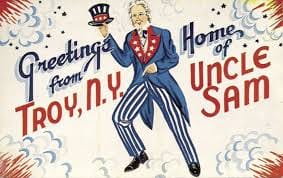
    On September 7, 1813, the United States officially acquired one of its most enduring nicknames: “Uncle Sam.” The moniker, which has since become a powerful symbol of American identity and patriotism, can be traced back to the War of 1812 and the life of a meat packer from Troy, New York.

    Origins of the Nickname

    The story begins with Samuel Wilson, a businessman who supplied barrels of beef to the U.S. Army during the War of 1812. Wilson, known affectionately by locals as “Uncle Sam,” stamped the barrels with the initials “U.S.” to denote government property. Soldiers began joking that the initials stood for “Uncle Sam” Wilson himself. The name stuck, and soon it became a popular term for the United States government as a whole.

    The September 7, 1813 Milestone

    While the term was circulating informally among troops and citizens, it was on September 7, 1813, that the name gained wider recognition. The Troy Post, a local newspaper in New York, published a reference to “Uncle Sam” as a nickname for the U.S. government. This is considered the first documented use of the term in print, solidifying its place in American culture.

    Uncle Sam as a National Symbol

    Over time, “Uncle Sam” evolved from a local inside joke to a national emblem. By the 19th century, cartoonists such as Thomas Nast popularized Uncle Sam’s image as a tall, bearded man dressed in red, white, and blue. Later, during World War I, artist James Montgomery Flagg created the famous recruitment poster of Uncle Sam pointing with the caption, “I Want You for U.S. Army.” This depiction remains one of the most recognized images in American history.

    Legacy of Uncle Sam

    In 1961, the U.S. Congress formally recognized Samuel Wilson as the inspiration for Uncle Sam, further cementing his place in national memory. Today, Uncle Sam symbolizes not just the government, but also the spirit of the American people—resilient, patriotic, and proud.

    Conclusion

    The adoption of “Uncle Sam” on September 7, 1813, marked the beginning of a lasting tradition. What started as a nickname for a meat packer became a defining emblem of the United States. More than two centuries later, Uncle Sam continues to stand tall as a personification of America’s values, history, and unity.

    Read More Holidays & National Days

  • World’s First Submarine Attack

    World’s First Submarine Attack

    The history of naval warfare changed forever during the American Revolutionary War when the world witnessed the first documented submarine attack. On September 6, 1776, in New York Harbor, a small, hand-powered vessel called the Turtle attempted to strike a British warship. Although the mission did not succeed, it marked the beginning of a new era in maritime combat.

    The Invention of the Turtle

    The Turtle was the brainchild of David Bushnell, a Yale-educated inventor from Connecticut. Designed in 1775, the vessel was shaped somewhat like a large oak barrel and built to be operated by a single person. It was powered by hand-cranked propellers and featured a primitive ballast system for submerging and resurfacing. Its weapon—a timed explosive charge—was intended to be attached to the hull of an enemy ship.

    The idea was revolutionary: a stealth craft capable of slipping beneath the waves, unseen, to strike a blow against the seemingly invincible British Royal Navy.

    The Target: HMS Eagle

    The mission was carried out by Sergeant Ezra Lee of the Continental Army. His task was to pilot the Turtle through the waters of New York Harbor and attach an explosive device to the underside of the British flagship, HMS Eagle. If successful, it could have disrupted British control of the harbor and demonstrated the colonists’ ingenuity in asymmetrical warfare.

    The Attempt

    In the early hours of September 6, 1776, Lee maneuvered the Turtle toward the Eagle. He managed to reach the ship undetected, but when he attempted to drill into the copper-sheathed hull to attach the explosive, the drill failed to penetrate. After several attempts, Lee was forced to abandon the mission. Pursued by British patrol boats, he released the timed charge into the water, where it exploded harmlessly but caused great alarm among the British fleet.

    Legacy of the Attack

    Though the mission failed to damage the Eagle, the attempt demonstrated the potential of underwater warfare. The British Navy now had to consider the unsettling possibility that their dominance could be challenged by unseen threats beneath the surface.

    The Turtle never succeeded in sinking a ship, but its legacy was profound. It inspired future inventors and laid the groundwork for the development of modern submarines. By the 19th and 20th centuries, submarines had become powerful weapons, forever changing naval strategy.

    Conclusion

    The world’s first submarine attack, carried out in 1776 with the tiny Turtle, was an act of daring innovation. Though it failed in its immediate objective, it marked the dawn of a new dimension of warfare—one fought not just on the seas, but beneath them. What began as a bold experiment during the American Revolution would evolve into a decisive force in global conflicts centuries later.

    Read More Holidays & National Days

  • National Beer Lover’s Day

    National Beer Lover’s Day

    Every year on September 7th, beer enthusiasts across the country raise their glasses to celebrate National Beer Lover’s Day. This day honors one of the world’s oldest and most widely enjoyed beverages, bringing together history, tradition, and the simple pleasure of sharing a pint with friends.

    A Brew with History

    Beer dates back thousands of years, with evidence of brewing as early as 5,000 B.C. in ancient Mesopotamia. Over the centuries, brewing techniques evolved across cultures, from rich Belgian ales and crisp German lagers to bold American craft beers. Today, beer remains not just a drink, but also a cultural symbol—one tied to hospitality, community, and celebration.

    The Craft Beer Revolution

    While mass-produced beers have dominated much of the 20th century, the rise of the craft beer movement has changed the landscape. Small breweries across the United States and around the world have introduced an incredible variety of flavors, styles, and brewing methods. From hoppy IPAs and smooth stouts to fruit-infused sours and barrel-aged specialties, there’s a beer for every palate.

    How to Celebrate

    National Beer Lover’s Day isn’t just about drinking beer—it’s about appreciating it. Here are some great ways to join in:

    Visit a local brewery: Support small businesses and discover unique brews made in your community.

    Host a beer tasting: Gather friends and sample different styles, comparing flavors and aromas.

    Pair beer with food: Explore how different beers enhance the taste of everything from pizza to gourmet dishes.

    Learn the craft: Try homebrewing or take a tour of a brewery to better understand the art and science behind beer.

    A Toast to Beer Lovers

    Whether you prefer a crisp lager, a dark porter, or an experimental sour, National Beer Lover’s Day is the perfect excuse to celebrate your favorite pint. More than just a drink, beer represents friendship, creativity, and tradition. So on September 7th, raise your glass and toast to the brewers, the beer lovers, and the timeless joy of a well-poured pint.

    Read More Holidays & National Days
  • National Tailgating Day: A Celebration of Food, Fun, and Football Spirit

    National Tailgating Day: A Celebration of Food, Fun, and Football Spirit

    Every year, as the fall air begins to cool and football season kicks off, fans across the country gather to celebrate National Tailgating Day, observed on the first Saturday in September. This festive occasion honors a cherished American tradition that combines food, friendship, and the thrill of game day.

    The Tradition of Tailgating

    Tailgating is much more than a pre-game meal—it’s a cultural experience that unites fans, families, and communities. Dating back to the mid-19th century, when spectators gathered outside sporting events with picnics and grills, tailgating has evolved into a staple of American sports culture. Today, it’s not unusual to see parking lots filled with tents, smokers, coolers, and team-colored decorations hours before kickoff.

    What Makes Tailgating Special

    At its core, tailgating is about togetherness. Whether at a professional stadium, a college football game, or even a high school matchup, the spirit of camaraderie shines through. Fans bring their best recipes, set up games like cornhole or ladder toss, and show off their team spirit through themed apparel and decorations.

    Some of the most popular tailgating foods include:

    Grilled favorites like burgers, hot dogs, and ribs

    Barbecue specialties and smoked meats

    Finger foods such as nachos, wings, and sliders

    Sweet treats and festive drinks to cap off the feast

    More Than Just Football

    While football is the sport most closely associated with tailgating, the tradition extends to baseball, soccer, concerts, and other large events. Wherever there’s a gathering, there’s an opportunity to tailgate. National Tailgating Day encourages everyone—not just sports fans—to embrace the spirit of community, celebration, and fun.

    How to Celebrate National Tailgating Day

    Here are a few ways to join in on the festivities:

    Host a tailgate party: Fire up the grill, invite friends, and set up in your driveway, backyard, or at a local stadium.

    Share recipes: Try out new tailgating dishes or swap classics with fellow fans.

    Play games: From cornhole to football toss, tailgating games keep the energy high.

    Show your colors: Wear your favorite team’s gear to get in the spirit.

    A Day to Kick Off the Season Right

    National Tailgating Day is more than just a holiday—it’s a kickoff to the excitement of fall sports and a reminder of the power of community. Whether you’re cheering on your team at a stadium or celebrating from home, the day invites everyone to come together, share good food, and make lasting memories.

    Read More Holidays & National Days

  • Benedict Arnold Orders Burning of New London

    Benedict Arnold Orders Burning of New London

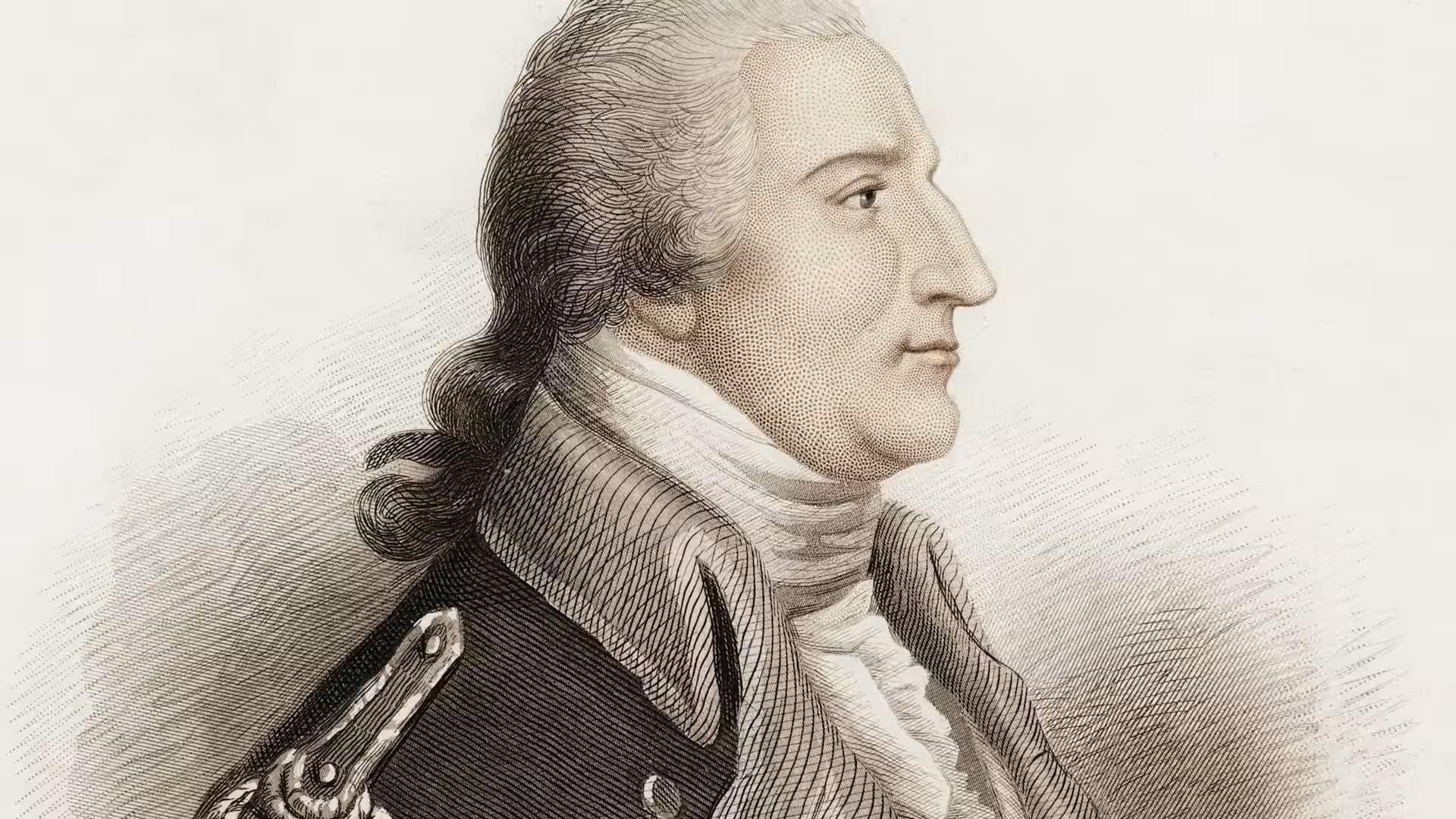
    On September 6, 1781, during the final months of the American Revolutionary War, American-born turncoat Benedict Arnold led a brutal raid on his home state of Connecticut. Acting under British command, Arnold ordered the burning of New London, leaving much of the once-thriving seaport city in ashes.

    Arnold, once celebrated as a daring Continental Army general, had betrayed the American cause in 1780 by conspiring to surrender West Point to the British. Now serving the Crown, he sought to cripple American supply lines and demoralize the patriot resistance. New London, with its busy harbor and stores of military goods, became his target.

    Commanding roughly 1,700 British regulars and Loyalists, Arnold’s forces landed on both sides of the Thames River. While one division stormed Fort Griswold in Groton—resulting in a bloody massacre of the outnumbered defenders—Arnold led the assault on New London itself. After overrunning the town’s defenses, he ordered fires set throughout the city. Warehouses, ships, homes, and businesses were consumed by the flames. By the end of the attack, nearly the entire town had been reduced to ruins.

    The destruction of New London shocked the young nation. Patriots denounced Arnold not only as a traitor but also as a man who had turned his fury against his own neighbors. Survivors recalled the smoke rising across the harbor, a haunting symbol of betrayal and devastation.

    Although Arnold’s raid inflicted heavy losses, it failed to alter the course of the war. Within weeks, George Washington and French forces would trap Lord Cornwallis at Yorktown, effectively bringing the Revolution to an end.

    Today, the burning of New London is remembered as one of the darkest acts of Benedict Arnold’s career. Once hailed as a hero of Saratoga, he is instead remembered as America’s most infamous traitor—a man who turned his back on his country and left scars on his own birthplace.

    Read More Holidays & National Days

  • International Bacon Day: A Celebration of Crispy, Smoky Goodness

    International Bacon Day: A Celebration of Crispy, Smoky Goodness

    Every year, food lovers unite to celebrate one of the world’s most beloved breakfast staples—International Bacon Day. Observed on the first Saturday of September, this holiday honors the salty, savory strips of pork that have found their way into countless dishes across the globe. Whether enjoyed alongside eggs, crumbled on a salad, or even wrapped around other foods, bacon has become a universal symbol of indulgence and comfort.

    The Origins of Bacon Day

    International Bacon Day began in 2000, thanks to a group of college students in Massachusetts who wanted to create a fun holiday centered around their favorite food. The idea quickly gained traction and spread across the U.S. and beyond. Today, bacon enthusiasts worldwide mark the occasion with themed meals, festivals, and quirky events like bacon-eating contests.

    Why Bacon Has a Cult Following

    Bacon’s popularity goes beyond taste—it’s about nostalgia and culture. The smoky aroma evokes memories of weekend breakfasts, family gatherings, and comfort food traditions. Over time, bacon has also evolved into a culinary trend, inspiring everything from bacon-wrapped jalapeños to maple bacon donuts. Even craft brewers and distillers have experimented with bacon-infused beers and cocktails.

    Ways to Celebrate

    International Bacon Day is all about creativity and fun. Here are some delicious ideas to mark the occasion:

    Host a Bacon Brunch: Serve classics like BLTs, bacon pancakes, or a bacon-topped quiche.

    Try Sweet and Savory Combos: Pair bacon with chocolate, caramel, or even ice cream for a surprising treat.

    Get Adventurous: Explore international bacon varieties, like Canadian bacon or pancetta, to expand your palate.

    Share the Love: Post your bacon-inspired creations on social media using the hashtag #BaconDay.

    More Than Just Food

    While bacon is the star of the day, International Bacon Day also reflects how food can bring people together. It’s a lighthearted holiday that encourages community, laughter, and indulgence in moderation. For many, it’s less about the bacon itself and more about the joy of celebrating with others.

    Read More Holidays & National Days

  • Pickax: A Fresh Platform for Creators, Writers, and Community Builders

    Pickax: A Fresh Platform for Creators, Writers, and Community Builders

    In today’s digital world, creators often struggle to find spaces where their voices can be heard without the clutter and distractions of mainstream social media. That’s where Pickax comes in—a new platform designed for creators, writers, and community builders who want to share their work, connect meaningfully, and grow their audience in a focused environment.

    Unlike traditional social platforms that prioritize algorithms and viral trends, Pickax emphasizes authentic connections and quality content. It’s built to give creators ownership of their work while offering tools to foster real community engagement.

    Why Pickax Stands Out

    For Creators: Share your writing, ideas, and projects without getting buried in endless feeds.

    For Community Builders: Create spaces where discussions thrive, free from the noise of typical social media.

    For Growth: Tools are built with audience-building in mind, helping creators expand their reach while maintaining genuine interactions.

    Whether you’re a writer looking to share your stories, a thought leader eager to spark conversations, or a community builder searching for a new home, Pickax offers a refreshing alternative.

    This isn’t just another platform—it’s a movement toward more intentional online spaces.

    Ready to Join?

    Here’s your invite to get started today:
    👉 Join Pickax here

    Come share your voice, connect with like-minded people, and be part of a platform where creativity truly shines.

    Read More Opportunities & Growth