Blog

  • National Peach Day: A Sweet Celebration of Summer’s Favorite Fruit

    National Peach Day: A Sweet Celebration of Summer’s Favorite Fruit

    Advertisements

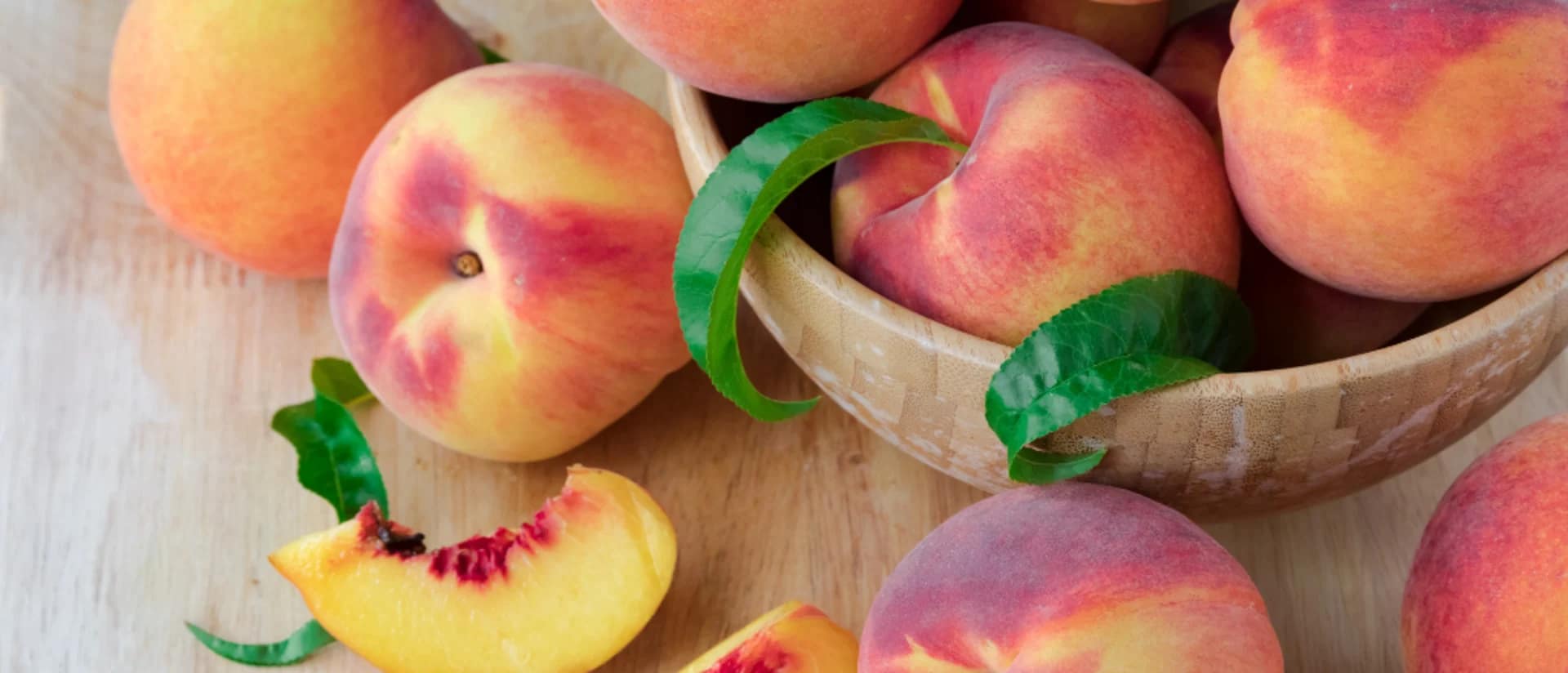
    Every year, peach lovers across the country come together to celebrate National Peach Day, a holiday dedicated to one of nature’s juiciest and most beloved fruits. While the exact date can vary, this peach-inspired occasion usually falls in late August, right when peach season is at its peak.

    A Brief History of Peaches

    Peaches have been enjoyed for thousands of years, originating in China where they were considered a symbol of longevity and vitality. From there, they traveled along trade routes, eventually making their way to Europe and later to the Americas. Today, peaches are grown in several states, with Georgia earning the nickname “The Peach State,” though California and South Carolina also produce large quantities of this golden fruit.

    Why We Love Peaches

    Peaches aren’t just delicious—they’re also packed with nutrients. Rich in vitamins A and C, fiber, and antioxidants, they make for a guilt-free treat that can be enjoyed fresh, grilled, baked, or blended into smoothies. Their natural sweetness and versatility have made them a summertime staple in homes, restaurants, and farmers’ markets.

    Ways to Celebrate National Peach Day

    If you’re looking to join in on the festivities, here are a few fun ways to enjoy this holiday:

    Bake a Peach Cobbler or Pie – A classic Southern dessert that highlights the fruit’s natural sweetness.

    Make Peach Salsa – A refreshing twist that pairs well with grilled chicken or fish.

    Blend a Peach Smoothie – A healthy and refreshing way to beat the summer heat.

    Visit a Local Orchard – Many orchards allow you to pick your own peaches, making for a fun family outing.

    Share with Friends – Bring a basket of fresh peaches to work, a neighbor, or a loved one to spread the sweetness.

    Fun Peach Facts

    The world’s largest peach cobbler is made annually in Fort Valley, Georgia, and measures over 11 feet wide.

    A single peach tree can produce hundreds of peaches in just one season.

    Despite Georgia’s nickname, California actually grows more peaches than any other state.

    Sweet Conclusion

    Whether you enjoy them fresh off the tree, baked into a cobbler, or blended into a refreshing drink, peaches are a fruit worth celebrating. National Peach Day reminds us to savor the simple joys of summer and the natural sweetness this beloved fruit brings.

    So grab a peach, take a bite, and join the celebration—because nothing says summer quite like the taste of a perfectly ripe peach.

    Read More Holidays & National Days

  • The Daily Pain of the Grief of Losing My Son

    Advertisements

    Grief is not a moment in time; it is a lifelong journey that changes you at your core. Losing my son was the most devastating event of my life, and no amount of preparation, advice, or comforting words could have ever softened the blow. The pain of this loss doesn’t fade away with the days, weeks, or even years—it simply becomes a part of who I am.

    Every morning, I wake with the weight of absence pressing down on me. There is no day that begins without the reminder that he should be here. The small, everyday things—the sound of laughter, a song on the radio, the way the light hits a photo—can pierce my heart with memories of what was and what will never be again.

    The grief is not just emotional; it’s physical. It tightens my chest, steals my breath, and drains my energy. It lingers in the silence of an empty room and echoes in the spaces where his presence used to fill the air. While people around me continue on with life as usual, I live each day with an invisible wound that never truly heals.

    There are moments when others expect me to be “better” or to have “moved on,” but grief is not something to get over—it is something I carry. It reshapes how I see the world, how I interact with others, and how I view myself. The pain of losing my son is not just about missing him in the past tense; it is about missing his future—the milestones, the laughter, the love, the life that will never unfold.

    Yet, within this daily pain, there is also love. My grief is the shadow of my love for my son, and that love will never die. It shows up in the tears I cry, the stories I tell, and the way I honor his memory. Some days, grief feels like a storm I cannot withstand; other days, it is a quiet ache in my soul. But always, it is there.

    If there is anything I have learned in this journey, it is that grief is a testimony to love. The daily pain is proof of the bond I will always share with my son. Though the world may see only the sorrow, I know that beneath it lies a love so deep that even death cannot erase it.

    A Father’s Guide to Surviving the Loss of a Child

  • Celebrating National Dog Day: Honoring Our Loyal Companions

    Advertisements

    Every year on August 26, dog lovers across the country celebrate National Dog Day—a special occasion dedicated to honoring our four-legged friends who bring unconditional love, companionship, and joy into our lives. Whether they are family pets, service animals, or rescue dogs, this day shines a spotlight on the important roles dogs play in our communities and homes.

    The Origins of National Dog Day

    National Dog Day was founded in 2004 by animal advocate Colleen Paige. Her mission was to bring awareness to the number of dogs in need of adoption and to encourage people to celebrate the incredible bond between humans and dogs. Since then, the day has grown into a worldwide celebration, promoting adoption, rescue efforts, and appreciation for all dogs.

    Why We Celebrate

    Dogs are more than just pets—they’re protectors, helpers, and loyal companions. From therapy dogs that bring comfort to hospitals and nursing homes, to search-and-rescue dogs saving lives during disasters, their contributions are invaluable. National Dog Day also emphasizes the importance of adopting from shelters, where millions of dogs are waiting for a loving home.

    Ways to Celebrate National Dog Day

    There are countless ways to honor your furry best friend and dogs everywhere:

    Adopt or foster a dog in need from a local shelter or rescue.

    Donate food, supplies, or funds to an animal rescue organization.

    Spend quality time with your pup—whether that’s going for a long walk, playing fetch, or simply enjoying cuddles.

    Share their story on social media to raise awareness about adoption and responsible pet ownership.

    Pamper your dog with a new toy, treat, or grooming session.

    A Day to Reflect and Act

    While National Dog Day is about celebration, it’s also a reminder of the responsibility that comes with owning a pet. Dogs depend on us for care, love, and protection. By adopting, rescuing, or simply being the best pet parent you can be, you’re making a difference in a dog’s life.

    Final Thoughts

    National Dog Day is more than a holiday—it’s a heartfelt tribute to the joy, loyalty, and love that dogs bring into our lives every single day. Whether you’re a lifelong dog owner or just an admirer of man’s best friend, August 26 is the perfect opportunity to celebrate and support our canine companions.

    Read More Holidays & National Days

  • SkyTab: The Future of Smart Payment Solutions for Restaurants and Businesses

    Advertisements

    In today’s fast-paced world, customers expect convenience, speed, and flexibility when it comes to paying for goods and services. That’s where SkyTab steps in — a modern, all-in-one payment and point-of-sale (POS) solution designed to streamline operations for restaurants, bars, and other hospitality businesses.

    What is SkyTab?

    SkyTab is a cloud-based POS and payment system that combines traditional register functions with cutting-edge mobile payment technology. It allows businesses to take orders, process payments, and manage customer relationships — all from one platform. Built with both customers and staff in mind, SkyTab aims to improve the overall dining and checkout experience.

    Key Features of SkyTab

    Mobile Payments Anywhere
    With SkyTab’s handheld devices, servers can process payments tableside, at the bar, or even curbside. Customers can pay with credit cards, debit cards, or digital wallets like Apple Pay and Google Pay.

    Enhanced Customer Experience
    Guests can sign receipts, leave tips, and even complete surveys directly on the SkyTab device, making the checkout process seamless and interactive.

    Online Ordering Integration
    SkyTab also supports online ordering, allowing restaurants to accept pickup and delivery orders straight through their POS system without relying on costly third-party apps.

    Built-in Marketing Tools
    Businesses can capture customer data during transactions and use it for email marketing, loyalty programs, and targeted promotions — all from within the SkyTab platform.

    Real-Time Analytics
    Owners and managers can track sales, inventory, and employee performance in real time, whether they’re on-site or managing operations remotely.

    Benefits for Businesses

    Faster service: Tableside ordering and payments reduce wait times.

    Higher revenue: Streamlined tipping options encourage larger gratuities.

    Lower costs: Direct online ordering cuts down on third-party commission fees.

    Improved efficiency: Centralized reporting helps owners make smarter business decisions.

    Why Businesses are Switching to SkyTab

    As the hospitality industry continues to evolve, restaurants and bars are searching for solutions that not only keep up with customer expectations but also reduce operational headaches. SkyTab’s combination of mobility, cloud-based data, and built-in marketing tools make it an attractive alternative to traditional POS systems.

    By offering customers more convenience and giving businesses more control, SkyTab is positioning itself as a leader in the next generation of smart payment technology.

    Read More Opportunities & Growth

  • National Banana Split Day: Celebrating a Classic American Treat

    Advertisements

    Every year on August 25th, dessert lovers across the country come together to celebrate National Banana Split Day, a holiday dedicated to one of America’s most iconic ice cream creations. The banana split, with its perfect combination of bananas, ice cream, toppings, and whipped cream, has been a staple in soda shops and diners for over a century.

    The Origins of the Banana Split

    The banana split was first created in 1904 by David Strickler, a young apprentice pharmacist in Latrobe, Pennsylvania. Back then, pharmacies often served soda fountain treats, and Strickler wanted to invent something that would stand out. He combined a banana, split lengthwise, with three scoops of ice cream—vanilla, chocolate, and strawberry—topped with sauces, whipped cream, nuts, and cherries. The creation quickly gained popularity, spreading across the country and becoming a symbol of sweet indulgence.

    A Treat That Stands the Test of Time

    The traditional banana split remains a favorite, but modern twists have made their way onto menus everywhere. Some people swap in different ice cream flavors like mint chocolate chip, cookie dough, or coffee. Others experiment with unique toppings—hot fudge, caramel drizzle, fresh fruit, peanut butter sauce, or even sprinkles of sea salt. No matter how it’s prepared, the banana split still carries its nostalgic charm.

    How to Celebrate National Banana Split Day

    There are plenty of delicious ways to join in the fun:

    Make your own at home – Gather bananas, your favorite ice cream, and toppings for a family treat night.

    Visit an ice cream shop – Many parlors and diners offer specials on August 25th.

    Get creative – Try a healthy version with frozen yogurt and fresh fruit, or go decadent with gourmet chocolates and specialty sauces.

    Share with friends – Banana splits are big enough to share, making them the perfect dessert for gatherings.

    A Sweet Symbol of Joy

    National Banana Split Day isn’t just about indulging in a dessert—it’s about celebrating togetherness, nostalgia, and the simple joys of life. Whether you stick to the classic recipe or invent your own spin, a banana split is a reminder that sometimes the best things in life come with a cherry on top.

    Read More Holidays & National Days

  • National Whiskey Sour Day – A Toast to a Classic Cocktail

    Advertisements

    Every year on August 25th, cocktail enthusiasts raise a glass to celebrate National Whiskey Sour Day—a holiday dedicated to one of the most enduring and beloved drinks in mixology history. Smooth, tangy, and refreshing, the Whiskey Sour has been a staple at bars and gatherings for more than 150 years.

    The Origins of the Whiskey Sour

    The Whiskey Sour first appeared in print in the mid-1800s, with the earliest recorded recipe published in 1862 in The Bartender’s Guide by Jerry Thomas, often referred to as the father of American mixology. At a time when refrigeration was rare and spirits could be harsh, adding citrus and sugar helped balance out the flavors, creating a drink that was both palatable and sophisticated.

    Its basic formula—whiskey, fresh lemon juice, and sugar (or simple syrup)—is a perfect balance of sweet, sour, and strong. Over time, bartenders began adding variations, such as egg white for a silky texture, or swapping in different types of whiskey for unique flavor profiles.

    Why People Love It

    The Whiskey Sour is timeless because of its versatility. It can be enjoyed neat and straightforward, shaken with egg white for a frothy finish, or infused with modern twists like flavored syrups, herbs, or alternative spirits. Whether you’re a seasoned whiskey fan or someone new to the cocktail world, the Whiskey Sour offers an approachable way to savor whiskey without overwhelming the palate.

    How to Celebrate National Whiskey Sour Day

    Make One at Home: All you need is 2 oz whiskey, ¾ oz lemon juice, and ½ oz simple syrup. Shake it with ice, strain into a glass, and garnish with a cherry or orange slice.

    Try a Twist: Experiment with maple syrup instead of sugar, or add a dash of bitters for extra depth.

    Visit a Local Bar: Many establishments highlight the holiday by serving their own creative versions.

    Share the Celebration: Post your Whiskey Sour on social media with #NationalWhiskeySourDay and connect with other cocktail lovers.

    A Cheers to Tradition

    National Whiskey Sour Day isn’t just about enjoying a drink—it’s about celebrating history, craftsmanship, and the enduring appeal of a cocktail that has stood the test of time. Whether you sip it slowly at home or raise a glass with friends, today is the perfect day to honor this classic creation.

    Cheers to National Whiskey Sour Day! 🥃🍋

    Read More Holidays & National Days

  • National Waffle Day – A Sweet and Crispy Celebration

    Advertisements

    National Waffle Day: Celebrating the History, Flavor, and Fun of an American Breakfast Favorite

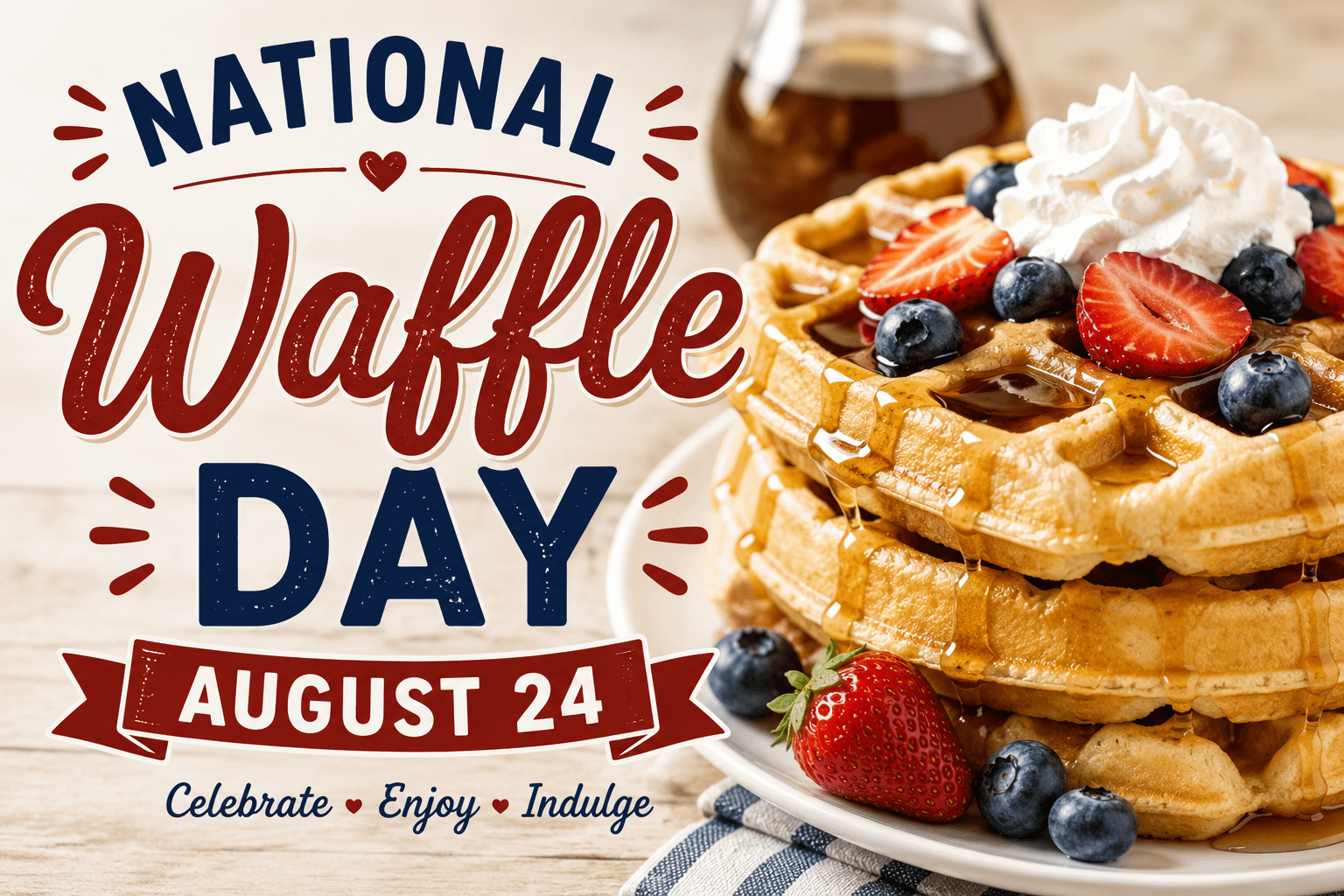
    Every year on August 24, breakfast lovers have a delicious reason to celebrate one of the most recognizable foods ever to come off a hot griddle: the waffle. National Waffle Day honors the crispy-edged, fluffy-centered breakfast favorite that has been enjoyed for generations and transformed into everything from a simple syrup-covered morning meal to an elaborate brunch or decadent dessert.

    There is something especially comforting about a freshly cooked waffle. The smell of warm batter fills the kitchen, butter begins melting the moment it touches the golden surface, and maple syrup collects perfectly inside those unmistakable square pockets.

    But waffles are much more than a tasty breakfast.

    They have a long history that stretches back centuries, and National Waffle Day itself has a fascinating connection to American innovation. The August 24 celebration commemorates an important development in waffle-making history that occurred in the United States in the 19th century.

    So heat up the waffle iron, grab the maple syrup, and discover why this humble breakfast food deserves an entire day of celebration.

    When Is National Waffle Day?

    National Waffle Day is celebrated every year on August 24 in the United States.

    The date isn’t random.

    On August 24, 1869, Cornelius Swartwout of Troy, New York, received a U.S. patent for an improved waffle iron.

    His invention came long before the convenient electric waffle makers we use today. Waffle irons of the era were generally used over a stove or open heat source, making the cooking process more challenging than simply pouring batter into an appliance and waiting for an indicator light.

    Swartwout’s design incorporated a handle and hinge arrangement that made the iron easier to open, close, and turn during cooking.

    His patent became an important milestone in the American history of waffle preparation.

    More than 150 years later, August 24 continues to provide an opportunity to celebrate waffles and the ingenuity that helped make them easier to prepare.

    Waffles Existed Long Before National Waffle Day

    Although August 24 celebrates an American waffle milestone, people were eating foods resembling waffles centuries before the United States existed.

    The earliest ancestors of waffles were relatively simple cakes cooked between heated metal plates.

    In ancient and medieval Europe, cooks prepared flat cakes between iron plates over open fires. Over time, the cooking irons became more sophisticated and decorative.

    During the Middle Ages, some irons were engraved with elaborate patterns, coats of arms, landscapes, religious imagery, and other designs.

    Eventually, the familiar grid pattern associated with modern waffles became increasingly common.

    That pattern wasn’t merely decorative. The indentations created more crispy surface area while also producing pockets capable of holding butter, sauces, fruit, and eventually syrup.

    Waffle-making traditions became especially prominent in areas that are now Belgium, the Netherlands, France, and surrounding regions.

    As Europeans migrated to North America, they brought many of their culinary traditions with them—including waffles.

    Waffles Come to America

    European settlers introduced waffle traditions to the American colonies, where the food gradually became part of the country’s developing culinary identity.

    By the 18th century, waffles were familiar enough in America to appear at meals and social gatherings.

    Waffle parties even became a form of entertainment in some communities. Guests could gather while waffles were cooked and served fresh from the iron.

    Imagine an early American version of today’s weekend brunch: friends and family gathered around the table while hot waffles arrived straight from the kitchen.

    The equipment was obviously different, but the basic appeal hasn’t changed much.

    People love freshly made waffles.

    The 1869 Waffle Iron Patent

    Cornelius Swartwout’s waffle iron patent is the historical event most closely associated with National Waffle Day.

    His improved waffle iron was designed to make the cooking process more manageable.

    Remember that cooks couldn’t simply plug an appliance into an electrical outlet in 1869.

    Cooking waffles involved heating a metal iron and carefully controlling the cooking process. The waffle had to cook evenly on both sides without burning.

    Swartwout’s design helped users turn the waffle iron more easily, allowing the batter to cook on both sides.

    The patent was granted on August 24, 1869.

    That anniversary is why Americans celebrate National Waffle Day on August 24.

    It’s a fun example of how an everyday invention can eventually become connected to a modern food holiday.

    How the Modern Waffle Maker Changed Breakfast

    Waffle-making continued evolving after Swartwout’s patent.

    One of the biggest changes came with electricity.

    Electric waffle irons eliminated the need to place heavy waffle irons directly over a stove or fire. Instead, heating elements inside the appliance could cook waffles more consistently.

    As electric appliances became increasingly common in American households during the 20th century, making waffles at home became much easier.

    Today’s waffle makers take convenience even further.

    Depending on the model, modern waffle makers may include temperature controls, nonstick cooking surfaces, rotating mechanisms, removable plates, timers, and indicators that tell you when your waffle is ready.

    There are even miniature waffle makers capable of producing tiny waffles, heart-shaped waffles, holiday-themed waffles, and other creative designs.

    What once required heavy iron plates and careful management over direct heat can now be accomplished with the push of a button.

    Belgian Waffles Become an American Sensation

    One of the most recognizable waffle styles in America is the Belgian waffle.

    Belgian-style waffles are usually thicker than traditional American waffles and have large, deep pockets. Those pockets are perfect for holding generous amounts of syrup, whipped cream, fruit, chocolate, or other toppings.

    Belgian waffles gained major attention in the United States through international exhibitions and world’s fairs during the 20th century.

    They became particularly famous among American audiences after appearing at the 1964 New York World’s Fair, where waffles served with strawberries and whipped cream became an enormous hit.

    The combination was visually impressive and delicious.

    American diners loved it.

    Soon Belgian-style waffles became increasingly common at restaurants, hotels, diners, breakfast buffets, and home kitchens.

    Today, the Belgian waffle may be one of the most recognizable styles of waffle in the country.

    Belgian Waffles and American Waffles Aren’t Exactly the Same

    Although people sometimes use the terms interchangeably, Belgian and traditional American waffles have some noticeable differences.

    Belgian waffles are generally thicker, with larger and deeper pockets. Depending on the recipe, they may also have a lighter interior.

    Traditional American waffles are typically thinner and have smaller grid patterns.

    Both styles have devoted fans.

    The better choice really depends on what you’re craving.

    If you want something crispy and relatively thin, a traditional waffle might be perfect.

    If you’re planning to pile on strawberries, whipped cream, chocolate, or syrup, the deeper pockets of a Belgian waffle provide plenty of room for toppings.

    What Makes a Perfect Waffle?

    Everyone has their own definition of the perfect waffle, but texture is usually the key.

    A great waffle should have a golden, slightly crispy exterior surrounding a warm, tender, fluffy interior.

    The contrast is what separates a memorable waffle from an ordinary one.

    Temperature matters too.

    Waffles are at their best when served quickly after leaving the waffle iron. As they sit, trapped steam can gradually soften the crispy exterior.

    That’s why the first waffle often disappears before the second one is finished cooking.

    And then there are the pockets.

    Those little squares aren’t just visually distinctive. They hold melted butter, syrup, fruit juices, chocolate sauce, and whatever else you decide to pour over your breakfast.

    Every bite becomes slightly different depending on what has collected inside each pocket.

    Easy Homemade Waffles for National Waffle Day

    You don’t need a complicated recipe to celebrate National Waffle Day.

    A basic homemade waffle batter can create a delicious breakfast using ingredients that many people already have in their kitchens.

    Ingredients

    • 2 cups all-purpose flour
    • 2 tablespoons granulated sugar
    • 1 tablespoon baking powder
    • ½ teaspoon salt
    • 2 large eggs
    • 1¾ cups milk
    • ½ cup butter, melted
    • 1 teaspoon vanilla extract

    Directions

    Preheat your waffle iron according to the manufacturer’s instructions.

    In a large mixing bowl, combine the flour, sugar, baking powder, and salt.

    In a separate bowl, whisk together the eggs, milk, melted butter, and vanilla.

    Slowly add the wet ingredients to the dry ingredients.

    Stir gently until everything is combined. Avoid excessive mixing because overworking the batter can produce waffles that are tougher instead of light and fluffy.

    Lightly grease your waffle iron if required.

    Pour the recommended amount of batter onto the hot iron.

    Close the lid and cook until the waffle becomes golden brown and crispy.

    Carefully remove the waffle and serve immediately.

    Top with butter, maple syrup, fresh fruit, powdered sugar, whipped cream, or whatever sounds delicious.

    The Classic: Butter and Maple Syrup

    With so many elaborate waffle creations available today, it’s easy to overlook the combination that helped make waffles famous.

    Butter and maple syrup.

    Sometimes simplicity wins.

    Place a pat of butter on a piping-hot waffle and watch it slowly melt into the pockets.

    Then pour warm maple syrup over the top.

    The syrup fills the grid while the butter mixes into it, creating a sweet, buttery bite nearly every time you cut into the waffle.

    Add a side of crispy bacon or sausage and you’ve created one of America’s classic breakfasts.

    Fresh Fruit Makes Waffles Even Better

    Fresh fruit provides sweetness, color, and freshness without overwhelming the waffle itself.

    Popular choices include:

    • Strawberries
    • Blueberries
    • Raspberries
    • Blackberries
    • Bananas
    • Peaches
    • Apples

    Strawberries and whipped cream remain one of the most famous waffle combinations.

    Blueberries are another excellent choice, especially when paired with lemon zest or blueberry syrup.

    During the fall, warm cinnamon apples can transform a basic waffle into something reminiscent of apple pie.

    In summer, sliced peaches and whipped cream make a wonderfully seasonal topping.

    Chocolate Lovers Can Celebrate Too

    National Waffle Day isn’t only for maple syrup fans.

    Chocolate can turn waffles into something halfway between breakfast and dessert.

    Try adding chocolate chips directly to the batter before cooking.

    You can also drizzle finished waffles with chocolate sauce and top them with strawberries and whipped cream.

    For an even richer version, make chocolate waffle batter using cocoa powder.

    Top your chocolate waffle with vanilla ice cream and you’ve officially crossed into dessert territory.

    And there is absolutely nothing wrong with that.

    It is National Waffle Day, after all.

    Chicken and Waffles: Sweet Meets Savory

    Few waffle combinations are as famous—or as satisfying—as chicken and waffles.

    The dish brings together two foods that might initially seem unrelated.

    You have crispy, savory fried chicken sitting on top of a warm, slightly sweet waffle.

    Add butter and maple syrup, and suddenly the combination makes perfect sense.

    Some versions add hot sauce.

    Others use spicy honey or hot honey.

    The result combines crispy, fluffy, sweet, salty, savory, and spicy flavors in a single meal.

    Chicken and waffles have become a brunch favorite throughout the United States and demonstrate just how versatile waffles can be.

    Savory Waffles Deserve More Attention

    Waffles don’t need to be sweet at all.

    Savory waffle batter can incorporate ingredients such as:

    • Cheddar cheese
    • Bacon
    • Green onions
    • Herbs
    • Parmesan cheese
    • Jalapeños
    • Corn
    • Ham

    Top a savory waffle with a fried egg and avocado for brunch.

    Add pulled pork and barbecue sauce for dinner.

    Serve a cheddar waffle underneath fried chicken.

    You can even use two waffles as the “bread” for a breakfast sandwich filled with eggs, bacon, sausage, and cheese.

    Once you stop thinking of waffles exclusively as breakfast food, the possibilities multiply quickly.

    Turn Waffles Into Dessert

    Waffles are remarkably good dessert foundations.

    Start with a freshly cooked waffle and add a scoop of vanilla ice cream.

    From there, almost anything goes.

    Try chocolate sauce, caramel, strawberries, bananas, crushed cookies, sprinkles, chopped nuts, whipped cream, or cherries.

    You could create a banana split waffle with bananas, ice cream, chocolate sauce, strawberries, whipped cream, nuts, and a cherry.

    Or make a s’mores waffle with chocolate, toasted marshmallows, and crushed graham crackers.

    For something inspired by apple pie, top a waffle with cinnamon-spiced apples, caramel sauce, and vanilla ice cream.

    Suddenly breakfast becomes dessert.

    Build a National Waffle Day Topping Bar

    If you’re celebrating with family or friends, turn breakfast into an activity by creating a waffle topping bar.

    Prepare a large batch of waffles and arrange bowls filled with different toppings.

    You might include:

    • Maple syrup
    • Butter
    • Strawberries
    • Blueberries
    • Bananas
    • Whipped cream
    • Chocolate chips
    • Peanut butter
    • Chocolate sauce
    • Caramel
    • Chopped pecans
    • Walnuts
    • Powdered sugar
    • Cinnamon sugar
    • Fruit preserves
    • Honey
    • Ice cream

    Everyone can create their own personalized waffle.

    Kids especially may enjoy seeing who can invent the most creative combination.

    Waffles for Breakfast, Lunch, Dinner, or Dessert

    One of the great things about waffles is that they don’t belong exclusively to any particular meal.

    Breakfast is obvious.

    But waffles work wonderfully for brunch.

    Chicken and waffles can easily become lunch or dinner.

    Savory waffles can accompany eggs, meat, vegetables, or cheese.

    Dessert waffles can be covered in ice cream and chocolate.

    And breakfast-for-dinner gives you another excuse to pull out the waffle maker.

    There really isn’t a wrong time to eat one.

    Waffles vs. Pancakes: The Great Breakfast Debate

    Eventually, almost every breakfast conversation reaches the same question:

    Waffles or pancakes?

    Pancakes have their advantages. They’re soft, fluffy, easy to prepare, and don’t require a specialized appliance.

    But waffles have something pancakes don’t.

    Pockets.

    Those perfectly shaped indentations act like tiny reservoirs for melted butter and maple syrup.

    Waffles also have more surface area exposed directly to heat, which allows them to develop crispy edges and ridges while remaining fluffy inside.

    Pancakes are wonderfully soft.

    Waffles give you both crispy and soft textures in the same bite.

    National Waffle Day is probably not the day to settle the argument fairly.

    Today, waffles win.

    Frozen Waffles Changed Busy Mornings

    Homemade waffles aren’t the only waffles that have earned a place in American food culture.

    Frozen waffles turned waffles into an incredibly convenient breakfast.

    Instead of mixing batter, heating a waffle iron, and cooking each waffle individually, families could simply place frozen waffles into a toaster.

    Within minutes, breakfast was ready.

    Frozen waffles became particularly popular with busy families and helped introduce generations of children to waffles as an everyday breakfast rather than something reserved for restaurants or special occasions.

    Today, grocery stores offer countless varieties, including classic, blueberry, chocolate chip, cinnamon, whole-grain, and miniature waffles.

    Waffle Cones Deserve Some Appreciation Too

    Waffles also made their way into another beloved treat: ice cream.

    The waffle cone uses a thin, crisp waffle-like batter that is shaped into a cone while still warm.

    Once cooled, it becomes crunchy enough to hold scoops of ice cream.

    That means the container becomes part of the dessert.

    No bowl required.

    Although waffle cones aren’t the same as breakfast waffles, they demonstrate just how versatile waffle-style batters and cooking methods can be.

    Fun Waffle Flavor Ideas

    National Waffle Day is a great excuse to experiment.

    Instead of making the same recipe you always prepare, try something different.

    Blueberry Lemon Waffles: Add blueberries and lemon zest to your batter.

    Banana Cinnamon Waffles: Mix mashed banana and cinnamon into the batter.

    Chocolate Chip Waffles: Add chocolate chips for an easy crowd-pleaser.

    Apple Cinnamon Waffles: Top classic waffles with warm cinnamon apples.

    Peach Cobbler Waffles: Add warm peaches, cinnamon, whipped cream, and crushed graham crackers.

    Strawberry Cheesecake Waffles: Top waffles with strawberries, sweetened cream cheese, and whipped cream.

    S’mores Waffles: Use chocolate, marshmallows, and graham cracker crumbs.

    Bacon Cheddar Waffles: Add crispy bacon and shredded cheddar to the batter.

    Pumpkin Spice Waffles: Add pumpkin puree and warm spices for a fall-inspired breakfast.

    Birthday Cake Waffles: Add sprinkles and top with whipped cream for a colorful celebration.

    National Waffle Day is the perfect time to invent your own signature waffle.

    How to Keep Waffles Crispy

    One challenge when making waffles for several people is keeping the first waffles crispy while you finish cooking the rest.

    Instead of stacking finished waffles on a plate, place them in a single layer on a wire rack in a warm oven.

    Stacking waffles traps steam between them, which can cause them to become soft.

    Allowing air to circulate around the waffles helps preserve that crispy exterior until everyone is ready to eat.

    It’s a small trick that can make a big difference when preparing breakfast for a crowd.

    Make National Waffle Day a Family Tradition

    Food holidays are often most enjoyable when they become an excuse to spend time together.

    National Waffle Day can become a simple annual family tradition.

    Wake up a little earlier and make homemade waffles together.

    Let children choose their own toppings.

    Have everyone invent a waffle combination and give it a funny name.

    Serve breakfast for dinner.

    Invite friends over for a waffle bar.

    Or simply sit down together with a plate of warm waffles and enjoy a meal without rushing.

    The celebration doesn’t need to be elaborate.

    Sometimes the best traditions are built around simple food and good company.

    More Ways to Celebrate National Waffle Day

    There are plenty of ways to participate on August 24.

    Visit a local diner or breakfast restaurant and order your favorite waffle.

    Try chicken and waffles if you’ve never had them.

    Purchase a waffle maker and experiment with homemade recipes.

    Create a waffle sundae for dessert.

    Make waffles for someone you love.

    Host a weekend-style brunch even if August 24 happens to fall during the workweek.

    Experiment with savory waffles for dinner.

    You could even hold a friendly family competition where everyone creates their own waffle and votes for the best combination.

    The important part is enjoying the day.

    Interesting Waffle Facts

    Here are a few fun facts to share while enjoying breakfast:

    Waffles have been around for centuries. Their ancestors were cooked between heated metal plates long before modern kitchen appliances existed.

    National Waffle Day has an American invention connection. August 24 commemorates Cornelius Swartwout’s 1869 U.S. waffle iron patent.

    Waffle irons were once used over direct heat. Early cooks didn’t have electric temperature controls or nonstick surfaces.

    Belgian-style waffles are known for their deep pockets. Those large indentations make them particularly good at holding toppings.

    Waffles can be sweet or savory. Maple syrup may be traditional, but waffles also pair wonderfully with fried chicken, cheese, eggs, and other savory foods.

    Waffles aren’t limited to breakfast. They can easily become lunch, dinner, snacks, or dessert.

    Why Do We Love Waffles So Much?

    Part of the answer is probably nostalgia.

    For many people, waffles bring back memories of weekend breakfasts, family vacations, hotel breakfast buffets, diners, childhood mornings, or special brunches.

    The smell alone can bring those memories rushing back.

    But there is also something fun about waffles.

    Their distinctive shape makes them instantly recognizable.

    Their pockets invite creativity.

    And they can be dressed up or down depending on the occasion.

    A plain waffle with butter can be comforting.

    A waffle covered in strawberries and whipped cream feels special.

    Chicken and waffles can become a full meal.

    A waffle topped with ice cream becomes dessert.

    Few foods transition so effortlessly between simple and extravagant.

    A Delicious Piece of Food History

    National Waffle Day isn’t simply an excuse to eat breakfast.

    It also provides an opportunity to appreciate how food traditions evolve.

    Waffles began as simple cakes cooked between heated plates centuries ago. Waffle-making techniques traveled across countries and generations. Inventors improved the equipment used to prepare them. Electric appliances eventually brought waffles into modern kitchens, while restaurants and world’s fairs introduced new styles and toppings to millions of people.

    Yet the fundamental experience remains remarkably familiar.

    Batter meets a hot iron.

    The lid closes.

    A few minutes later, a golden waffle appears.

    Add butter and syrup, and breakfast is served.

    Celebrate National Waffle Day on August 24

    On August 24, celebrate National Waffle Day by enjoying waffles exactly the way you like them.

    Make a homemade batch for breakfast.

    Pile them high with strawberries and whipped cream.

    Cover them in butter and maple syrup.

    Try chicken and waffles for dinner.

    Turn one into an ice cream sundae for dessert.

    Or experiment and invent a completely new combination.

    National Waffle Day reminds us that some of life’s most enjoyable celebrations don’t have to be complicated.

    Sometimes happiness looks like a warm waffle fresh from the iron, butter melting into every square and maple syrup filling every pocket.

    So fire up the waffle maker, gather your favorite toppings, and celebrate one of the most delicious days of the year.

    Happy National Waffle Day!

    National Waffle Day Engagement Question

    How do you build the perfect waffle: butter and maple syrup, strawberries and whipped cream, chocolate and bananas, chicken and waffles, or your own special combination?

    Read More Holidays & National Days

  • Just Popped Popcorn: Where Fun Meets Flavor

    Advertisements

    A Popcorn Business with Heart and History

    Founded in 2007, Just Popped Popcorn burst onto the scene with a simple but powerful mission: deliver fresh, natural, and delicious popcorn that makes people smile. With core values of Be Happy, Be Humble, and Be Good, the brand emphasizes joy, community, and quality in every single batch.

    An Exciting Variety of Products

    The company offers an impressive and whimsical range of popcorn offerings:

    Colored Popcorn: Their Theater Butter popcorn comes in vibrant hues to match holidays, sports themes, weddings, or any event—perfect for a custom popcorn bar.

    Holiday & Party Packs: Specialty themed assortments, such as pastel-colored sets, neon shades for festive gatherings, and multi-color unicorn options, are available—though many are often sold out.

    Gourmet Flavors: Think classic favorites like Movie Theater Butter, Caramel, White Cheddar, Cheddar & Caramel mix, Hot & Spicy Cheddar, and Kettlecorn, available in both packs and large bulk bags.

    Popcorn Gifts & Party Favors: Spacious one-gallon jars, custom-printed bags, “Popcorn Bar in a Box” kits, and themed tins make for great gifts and event treats.

    Services That Go the Extra Mile

    Just Popped Popcorn isn’t just about online shopping—they offer tailored support for events and fundraising:

    Fundraising: They host fundraising programs. Interested organizations can email Fundraising@welovejustpopped.com
    for details.

    Catering & Local Pick-Up: For those local to the St. Louis area, custom-sized bulk offerings and order pick-up are available (with at least a two business-day prep time).

    Customizations: You can request custom colors or printed labels for party favor bags, fun for personalized gifting or themed celebrations (additional charges may apply).

    Perks and Practical Info

    Real Ingredients: The Cheddar, White Cheddar, and Spicy Cheddar varieties use real cheese.

    Diet-Friendly: All products are gluten-free, and except for the cheese-based flavors, they are dairy-free. The Caramel line is made in a separate facility that handles nuts and dairy, though the main facility is peanut-free.

    Serving Size & Shelf Life: A standard serving is 2 cups, and for example, the large 175-cup bulk bag yields around 87 servings. Most packages have a 30-day shelf life if kept sealed and stored properly.

    Shipping & Handling: Orders typically take 2 business days to process before shipment; Cake Pops, Pretzels, and Cookies require 3–5 business days. Rush orders may be accommodated for an extra fee.

    Why Just Popped Stands Out

    Just Popped Popcorn is more than just a snack company. Its commitment to freshness, fun, and community connection shines through its product lineup and service offerings. Whether you’re planning a whimsical themed party, hunting for a festive corporate gift, or organizing a fundraiser, this brand delivers well beyond expectations. With customizable colors, real ingredients, dietary-conscious options, and event-support services, it’s a standout in the artisanal snack space.

    Read More Opportunities & Growth

  • National Cuban Sandwich Day: Celebrating a Flavorful Classic

    Advertisements

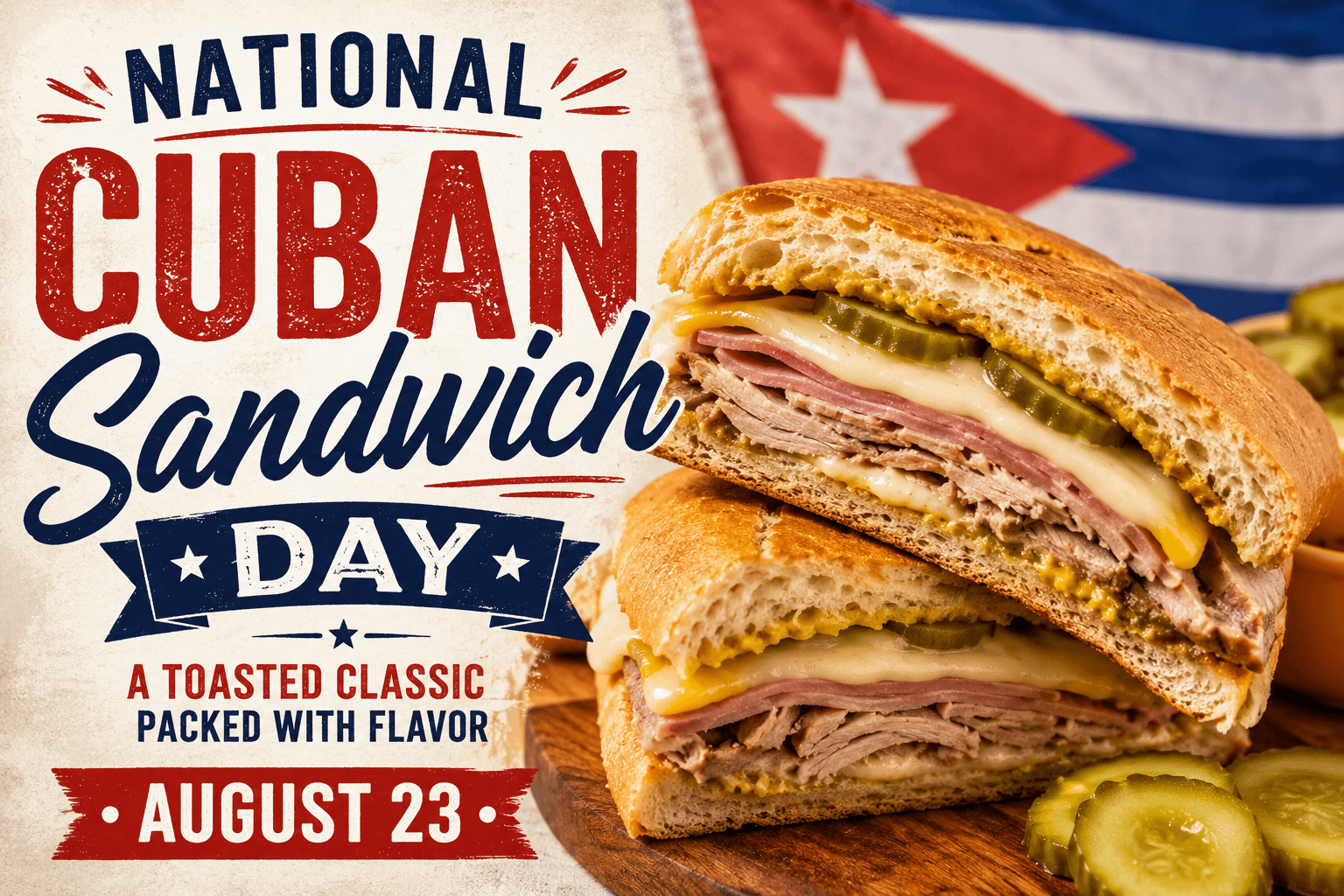
    Every year on August 23, sandwich lovers have an especially delicious reason to celebrate: National Cuban Sandwich Day.

    Few sandwiches have achieved the cultural recognition of the Cuban sandwich, commonly known as the Cubano. With layers of roasted pork, sliced ham, Swiss cheese, dill pickles, and yellow mustard tucked inside Cuban bread and pressed until hot and crispy, it delivers an impressive combination of salty, savory, tangy, creamy, and crunchy flavors.

    But National Cuban Sandwich Day celebrates much more than lunch.

    The story of the Cuban sandwich is connected to immigration, working-class communities, Florida history, Cuban culture, and the way food traditions evolve when different cultures come together.

    From the historic neighborhoods of Tampa to the Cuban restaurants of Miami and sandwich shops across America, the Cubano has become an enduring favorite.

    August 23 is the perfect day to discover its history, make one at home, support a Cuban restaurant, compare regional variations, or simply enjoy one of America’s great sandwiches.

    What Is National Cuban Sandwich Day?

    National Cuban Sandwich Day is observed each year on August 23 as a celebration of the famous pressed sandwich and the culinary traditions surrounding it.

    Like many modern food holidays, the exact beginnings of the observance aren’t as important as what the day has become: an opportunity to appreciate a dish with deep cultural roots.

    Restaurants may feature Cuban sandwich specials, home cooks may prepare their own versions, and food lovers can use the occasion to explore Cuban and Cuban-American cuisine.

    And unlike some complicated culinary celebrations, participating is wonderfully easy.

    All you really need is a Cuban sandwich.

    What Exactly Is a Cuban Sandwich?

    At first glance, a Cuban sandwich seems simple.

    The classic combination generally includes:

    • Cuban bread
    • Roasted pork
    • Sliced ham
    • Swiss cheese
    • Dill pickles
    • Yellow mustard

    Depending on where the sandwich is prepared, additional ingredients may appear.

    The ingredients are layered inside the bread before the sandwich is pressed and heated until the exterior becomes crisp and golden and the Swiss cheese melts around the warm meat.

    That final pressing step is essential.

    Without it, you have a very good ham-and-pork sandwich.

    With it, you have something entirely different.

    The heat and pressure bring everything together. Cheese melts between layers of meat. Mustard spreads throughout the sandwich. The pickles provide acidity and crunch. The bread becomes beautifully toasted while absorbing some of the flavors from the filling.

    Every bite offers several different textures and flavors simultaneously.

    The Cuban Sandwich Has a Story to Tell

    The history of the Cuban sandwich is closely connected with the movement of people between Cuba and Florida.

    During the late 19th and early 20th centuries, Cuban immigrants established communities in Florida, including around Tampa and Key West. Tampa’s cigar industry became particularly important, attracting workers from several cultural backgrounds.

    Workers needed meals that were convenient, inexpensive, filling, and easy to eat during the workday.

    Sandwiches were an obvious solution.

    Bread could hold meat, cheese, pickles, and condiments together in a portable meal that required little ceremony.

    Over time, combinations of ingredients associated with Cuban communities and Florida’s multicultural population developed into what Americans today recognize as the Cuban sandwich.

    The exact origins are debated, which isn’t unusual with foods that evolved naturally within communities rather than being invented by one documented person on one specific day.

    What isn’t debated is the sandwich’s deep connection to Florida’s Cuban-American history.

    Tampa and the Cuban Sandwich

    Tampa plays an especially important role in Cuban sandwich history.

    The city’s historic Ybor City neighborhood became famous for its cigar factories and immigrant population. Cuban, Spanish, Italian, and other communities lived and worked alongside one another.

    Food naturally reflected those cultural interactions.

    One distinctive ingredient became associated with Tampa’s version of the Cuban sandwich:

    Genoa salami.

    A Tampa-style Cuban sandwich may include:

    • Cuban bread
    • Ham
    • Roasted pork
    • Genoa salami
    • Swiss cheese
    • Pickles
    • Mustard

    The salami adds another layer of saltiness, richness, and spice.

    For Tampa Cuban sandwich enthusiasts, it isn’t an optional novelty. It’s part of the tradition.

    Miami and the Cuban Sandwich

    Miami has its own strong connection to Cuban culture and Cuban-American cuisine.

    Large waves of Cuban immigration during the 20th century profoundly influenced South Florida’s culture, neighborhoods, restaurants, bakeries, coffee shops, and food traditions.

    The Miami-style Cuban sandwich generally keeps things somewhat simpler.

    It typically contains:

    • Roasted pork
    • Ham
    • Swiss cheese
    • Pickles
    • Mustard
    • Cuban bread

    Notice what’s missing?

    Salami.

    And that’s where the friendly rivalry begins.

    Tampa vs. Miami: Which Cuban Sandwich Is Authentic?

    Food debates can become surprisingly serious, and the Cuban sandwich is no exception.

    Tampa supporters point toward the city’s early Cuban communities and cigar-industry history.

    Miami supporters point toward South Florida’s enormous Cuban population and generations of Cuban-American culinary tradition.

    Then comes the biggest question:

    Does salami belong on a Cuban sandwich?

    In Tampa, the answer is often an enthusiastic yes.

    In Miami, the answer is frequently no.

    Instead of trying to declare one city the permanent winner, National Cuban Sandwich Day provides a much more enjoyable solution:

    Try both.

    Food traditions evolve differently depending on the communities preparing them. Regional variations don’t necessarily erase tradition; sometimes they become traditions of their own.

    That makes the Tampa-versus-Miami debate part of what makes the Cuban sandwich so interesting.

    Why Cuban Bread Is So Important

    Bread might appear to be merely the container holding everything together, but with a Cuban sandwich, it is one of the most important ingredients.

    Traditional Cuban bread is generally long and relatively narrow, with a thin crust and soft, airy interior.

    Fresh Cuban bread has a distinctive texture that works perfectly for pressing.

    Once heated, the exterior becomes crisp while the interior remains tender enough to absorb flavors from the pork, cheese, mustard, and other ingredients.

    The bread shouldn’t overwhelm the filling.

    Instead, it should provide structure and texture while allowing the meats, cheese, pickles, and mustard to remain the stars.

    If you live somewhere without Cuban bakeries, authentic Cuban bread can be difficult to find.

    A quality French or Italian loaf can serve as a substitute.

    It won’t create exactly the same sandwich, but it can still produce an excellent homemade Cubano.

    The Importance of Roasted Pork

    Ham is delicious.

    Swiss cheese is essential.

    Pickles and mustard provide the tang.

    But roasted pork may be the ingredient that gives the Cuban sandwich its soul.

    A beautifully seasoned pork roast creates tenderness, richness, and depth that ordinary deli meat simply can’t duplicate.

    Many Cuban-inspired pork recipes use flavors associated with mojo, which often combines citrus, garlic, herbs, and spices.

    Common ingredients may include:

    • Sour orange juice
    • Lime juice
    • Orange juice
    • Fresh garlic
    • Oregano
    • Cumin
    • Olive oil
    • Salt
    • Black pepper

    The pork is marinated and roasted until flavorful and tender.

    Once cooled enough to handle, it can be sliced thinly for sandwiches.

    If sour oranges aren’t readily available, combining orange juice with lime juice can help create a similar sweet-tart citrus profile.

    Why Pickles Matter More Than You Think

    It would be easy to dismiss pickles as a minor topping.

    They’re not.

    The meats and cheese in a Cuban sandwich are rich and salty. Without something acidic to cut through that richness, the sandwich could become heavy.

    Dill pickles solve that problem beautifully.

    They bring acidity, crunch, saltiness, and freshness.

    Every bite of pickle resets your palate just enough to make the next bite of pork, ham, and melted cheese taste exciting again.

    That’s why leaving out the pickles changes the character of the sandwich considerably.

    Don’t Forget the Mustard

    The same principle applies to yellow mustard.

    Its sharp acidity contrasts beautifully with the fatty pork, ham, and cheese.

    Some people who normally prefer fancy mustards might be tempted to substitute Dijon, honey mustard, or spicy brown mustard.

    Experimenting is perfectly fine.

    But if you’re trying to experience the traditional Cuban sandwich flavor profile, ordinary yellow mustard is difficult to beat.

    Sometimes simple really is better.

    Why Swiss Cheese Works

    Swiss cheese provides a mild, slightly nutty flavor that complements the stronger flavors around it without overpowering them.

    More importantly, it melts beautifully.

    When the sandwich is pressed, Swiss cheese softens and melts between the layers of pork and ham, helping bind the ingredients together.

    That melted cheese is part of what makes cutting into a freshly pressed Cubano so satisfying.

    The Magic Happens When the Sandwich Is Pressed

    A Cuban sandwich isn’t merely assembled.

    It’s transformed.

    Traditionally, the sandwich is heated and compressed using a sandwich press.

    The pressure flattens the bread while heat crisps the exterior and melts the cheese.

    This changes almost every ingredient.

    The bread becomes crunchy.

    The pork becomes warm.

    The ham develops additional flavor from the heat.

    The Swiss cheese melts.

    The mustard spreads.

    The pickles warm slightly while retaining their acidity.

    Instead of tasting separate layers, you begin tasting one cohesive sandwich.

    That’s why pressing is such an important part of making a proper Cubano.

    Homemade Cuban Sandwich Recipe

    Celebrating National Cuban Sandwich Day at home is easier than you might think.

    Ingredients

    For two large sandwiches:

    • 1 loaf Cuban bread
    • 6–8 ounces roasted pork, thinly sliced
    • 4–6 ounces sliced ham
    • 4 slices Swiss cheese
    • Dill pickle slices
    • Yellow mustard
    • Butter, optional
    • Genoa salami, optional for Tampa style

    Instructions

    Step 1: Prepare the bread

    Cut your Cuban bread into sandwich-sized sections.

    Slice each piece horizontally without completely crushing the soft interior.

    Step 2: Spread the mustard

    Spread yellow mustard across the inside of the bread.

    Don’t be afraid to use enough to taste it. The mustard needs to stand up against several layers of meat and cheese.

    Step 3: Add the ham

    Layer sliced ham evenly across the sandwich.

    Avoid piling everything into the center. Even distribution helps create the perfect bite from beginning to end.

    Step 4: Add the roasted pork

    Place thin slices of seasoned roasted pork over the ham.

    If the pork has been refrigerated, allowing it to come closer to room temperature before assembling the sandwich can help everything heat evenly.

    Step 5: Add salami if desired

    Making a Tampa-inspired version?

    Now is the time to add Genoa salami.

    Making a Miami-inspired version?

    Skip it.

    Step 6: Add Swiss cheese

    Arrange the cheese so that it covers most of the meat.

    This helps create melted cheese throughout the sandwich.

    Step 7: Add pickles

    Place dill pickle slices evenly across the cheese.

    You want pickle flavor in nearly every bite.

    Step 8: Close the sandwich

    Place the top portion of bread over the ingredients and gently press it together.

    Step 9: Press and cook

    Heat a sandwich press or panini maker.

    Place the sandwich inside and cook until the bread is golden and crisp and the cheese has melted.

    Don’t have a sandwich press?

    No problem.

    Place the sandwich in a heated skillet and put another heavy skillet on top. Press gently while cooking, then carefully flip the sandwich and repeat.

    Step 10: Slice and serve

    Remove the sandwich once the bread is crisp and the cheese is melted.

    Cut diagonally and serve immediately.

    Make Your Own Mojo-Style Pork

    If you want to take your homemade Cuban sandwich to another level, prepare the pork yourself.

    A simple marinade can combine:

    • Orange juice
    • Lime juice
    • Olive oil
    • Minced garlic
    • Oregano
    • Ground cumin
    • Salt
    • Black pepper

    Marinate a pork shoulder or pork roast for several hours or overnight.

    Slow-roast it until tender.

    Allow it to rest before slicing.

    Not only will you have incredible pork for your Cuban sandwiches, but leftover pork can be used for tacos, rice bowls, salads, breakfast dishes, and other meals.

    What Goes Well With a Cuban Sandwich?

    A Cubano is substantial enough to be a meal by itself, but adding a side makes the experience even better.

    Consider pairing your sandwich with:

    • Plantain chips
    • Fried plantains
    • Yuca fries
    • French fries
    • Sweet potato fries
    • Black beans
    • Rice and beans
    • Potato chips
    • Dill pickles
    • Coleslaw
    • Fresh fruit
    • Green salad
    • Corn salad

    If you’re serving Cuban sandwiches for a gathering, consider offering several sides so guests can create their own plates.

    Drinks to Serve With Your Cubano

    The sandwich’s rich and salty flavors pair especially well with cold, refreshing drinks.

    Nonalcoholic possibilities include:

    • Fresh limeade
    • Lemonade
    • Iced tea
    • Sparkling water with lime
    • Pineapple juice
    • Mango juice
    • Guava nectar
    • Cuban coffee after the meal

    A strong Cuban-style coffee can be a particularly memorable way to finish the meal.

    Turn August 23 Into Cuban Sandwich Night

    National Cuban Sandwich Day doesn’t have to be something you celebrate alone.

    Turn it into dinner with family or friends.

    Prepare roasted pork ahead of time and create a sandwich-building station containing bread, ham, pork, Swiss cheese, mustard, pickles, and salami.

    Everyone can build their preferred version.

    Then press the sandwiches individually and serve them hot.

    Add plantain chips, rice and beans, or another favorite side.

    You now have a simple themed dinner centered around both food and history.

    Hold a Tampa vs. Miami Taste Test

    Want to make the celebration even more entertaining?

    Create two Cuban sandwiches.

    Make the first using:

    Pork + Ham + Swiss + Pickles + Mustard

    Then make another using:

    Pork + Ham + Salami + Swiss + Pickles + Mustard

    Cut both into small tasting portions.

    Don’t tell everyone which is which.

    Have friends or family taste each sandwich and vote for their favorite.

    Team Miami or Team Tampa?

    You might not settle the historical debate, but you’ll probably enjoy trying.

    Support a Local Cuban Restaurant

    National food days are also opportunities to support restaurants and small businesses.

    Instead of making your sandwich at home, search for a Cuban restaurant, bakery, café, food truck, or sandwich shop in your community.

    Order a Cuban sandwich and perhaps try another Cuban dish you’ve never had before.

    Ask how the restaurant prepares its Cubano.

    Does it include salami?

    What type of bread do they use?

    How is the pork seasoned?

    You may discover that each restaurant has its own small variation while maintaining the sandwich’s recognizable identity.

    Cuban Sandwich Variations

    Once a dish becomes popular, experimentation is inevitable.

    Today you’ll find plenty of creative interpretations.

    Some restaurants and home cooks create:

    Cuban sliders using small rolls for parties.

    Cuban grilled cheese with extra melted cheese.

    Cuban quesadillas using tortillas instead of bread.

    Cuban flatbreads inspired by the sandwich’s toppings.

    Cuban breakfast sandwiches featuring eggs alongside pork and ham.

    Cuban-style burgers incorporating pickles, mustard, ham, pork, and Swiss cheese.

    Cuban sandwich pizza using traditional Cubano ingredients as toppings.

    These aren’t replacements for the classic sandwich, but they demonstrate how influential its flavor combination has become.

    What Makes the Cuban Sandwich So Good?

    Part of the answer comes down to balance.

    Consider what happens in a single bite.

    You have:

    Richness from roasted pork.

    Saltiness from ham.

    Creaminess from melted Swiss cheese.

    Acidity from pickles.

    Tanginess from mustard.

    Crunch from pressed bread.

    Tenderness from slow-roasted pork.

    Many successful dishes work because they combine contrasting flavors and textures.

    The Cubano does exactly that.

    Remove one of those components and you’ll notice the difference.

    Together, however, they produce something remarkably satisfying.

    A Sandwich Built for Sharing

    Another reason Cuban sandwiches remain popular is their simplicity.

    You don’t need formal dining.

    You don’t need expensive ingredients.

    You don’t need complicated plating.

    A Cubano can be wrapped in paper, cut in half, and enjoyed practically anywhere.

    That working-class simplicity remains part of its charm.

    It’s food meant to satisfy hunger while delivering enormous flavor.

    Food Is a Connection to History

    Food can tell us where people traveled, where they settled, who they lived alongside, and which traditions they carried with them.

    Recipes rarely remain frozen in time.

    They travel.

    They change.

    They absorb new influences.

    They become associated with neighborhoods and cities.

    Eventually, dishes that began within specific communities can become familiar far beyond those communities.

    The Cuban sandwich is an excellent example.

    Its story reflects generations of cultural exchange between Cuba, Florida, immigrant communities, restaurants, bakeries, workers, and families.

    When we celebrate a dish like the Cubano, we’re also acknowledging the people and communities who helped shape it.

    Interesting Cuban Sandwich Facts

    Here are a few things that make the sandwich especially interesting:

    It has strong Florida connections. Tampa and Miami are both deeply associated with Cuban sandwich culture.

    Tampa traditionally adds salami. This remains one of the most famous regional differences.

    Pressing is essential. Heat and pressure give the Cubano its signature texture.

    Cuban bread matters. Its light interior and crispable crust make it ideal for the sandwich.

    Pickles aren’t just decoration. Their acidity helps balance rich meats and cheese.

    Mustard provides contrast. The sharp flavor cuts through the richness of the sandwich.

    Regional arguments are part of the fun. Tampa versus Miami remains an enduring conversation among Cuban sandwich enthusiasts.

    Ways to Celebrate National Cuban Sandwich Day

    There are plenty of ways to enjoy August 23.

    You can:

    • Order a Cuban sandwich from a local Cuban restaurant.
    • Make traditional Cuban sandwiches at home.
    • Prepare homemade mojo pork.
    • Compare Tampa and Miami versions.
    • Visit a Cuban bakery.
    • Learn about Cuban-American history.
    • Try Cuban coffee.
    • Introduce someone to their first Cubano.
    • Host a Cuban sandwich dinner.
    • Share your favorite version on social media.
    • Support a locally owned Cuban restaurant or food truck.

    The celebration can be as simple as enjoying lunch or as elaborate as preparing an entire Cuban-inspired meal.

    National Cuban Sandwich Day Is About Food, Culture, and Community

    National food holidays can sometimes seem like they’re simply excuses to eat something delicious.

    And admittedly, that’s not a bad reason to celebrate.

    But food can also provide an entry point into history.

    The Cuban sandwich reminds us that some of America’s most beloved foods were shaped by immigrant communities, workers, families, local businesses, and generations of cultural exchange.

    A sandwich made from bread, pork, ham, cheese, mustard, and pickles might look simple.

    Its story is anything but.

    The Cubano represents the way food travels across borders and generations. It shows how communities preserve traditions while also adapting them to new surroundings.

    And perhaps most importantly, it demonstrates one of food’s greatest powers:

    Food brings people together.

    Celebrate National Cuban Sandwich Day on August 23

    On August 23, celebrate National Cuban Sandwich Day by treating yourself to a hot, freshly pressed Cubano.

    Find a local Cuban restaurant.

    Make one at home.

    Try both Tampa and Miami versions.

    Learn about the history behind the sandwich.

    Share one with somebody who has never experienced it.

    And when that crispy Cuban bread gives way to warm roasted pork, salty ham, melted Swiss cheese, tangy mustard, and crunchy pickles, take a moment to appreciate why this sandwich has earned such a passionate following.

    Great food doesn’t always need dozens of ingredients or complicated techniques.

    Sometimes all you need is good bread, flavorful meat, melted cheese, a few pickles, mustard, and a hot press.

    Happy National Cuban Sandwich Day!

    Are you Team Tampa with salami, Team Miami without salami, or do you simply love a great Cuban sandwich either way?

    Read More Holidays & National Days

  • Supporting People While You Deal With Your Own Grief

    Advertisements

    Grief is a heavy, deeply personal journey. When you’re navigating the pain of your own loss, it can feel overwhelming to also support others who are struggling. Yet, many people find themselves in exactly this position—caring for loved ones, family members, or friends while trying to make sense of their own heartache. Balancing your grief with the responsibility of being there for others is not easy, but it is possible with compassion, boundaries, and self-awareness.

    Acknowledge That Your Grief Matters Too

    Often, people put their pain on hold to focus on someone else’s. While it may feel noble, burying your emotions can create exhaustion and resentment. Remind yourself that your grief deserves space and validation. You don’t have to “be strong” for everyone all the time; strength can also mean admitting that you’re hurting.

    Create Space for Shared Healing

    Supporting others doesn’t mean carrying their grief for them—it means creating a safe space where both of you can share. Something as simple as sitting together in silence, lighting a candle, or talking about memories can help everyone feel less alone. Shared rituals, like visiting a memorial or writing letters, can allow healing to become a collective experience rather than a private burden.

    Set Healthy Boundaries

    It’s okay to say, “I need a break” or “I don’t have the energy to talk about this right now.” Setting limits ensures you don’t burn out emotionally. Boundaries don’t make you less supportive; they make you more sustainable in your care for others.

    Lean on Your Own Support System

    Supporting others while grieving can leave you depleted. Make sure you also have people you can lean on—friends, therapists, spiritual leaders, or support groups. You cannot pour from an empty cup, so tending to your needs is essential.

    Find Strength in Empathy

    Sometimes your grief can make you more attuned to what others are feeling. A simple acknowledgment like, “I don’t know the right words, but I understand how much this hurts” can be powerful. You don’t need to fix anyone’s pain—just being present is often enough.

    Give Yourself Permission to Step Back

    There may be days when supporting others feels impossible. That’s okay. Healing is not linear, and neither is your ability to help. Trust that stepping back when needed doesn’t mean you’ve failed—it means you’re honoring your own healing journey.

    Final Thoughts

    Supporting others while grieving is one of the most challenging emotional balancing acts anyone can face. It requires compassion, patience, and the courage to honor both your needs and the needs of others. By acknowledging your own grief, sharing the burden of healing, and maintaining healthy boundaries, you can walk this path with others—together, even in sorrow.

    A Father’s Guide to Surviving the Loss of a Child

Exit mobile version