Blog

  • National No Sugar Day: A Day to Rethink Our Relationship With Sugar

    National No Sugar Day: A Day to Rethink Our Relationship With Sugar

    Advertisements

    Sugar seems to be everywhere.

    It is in our morning coffee, breakfast cereal, soft drinks, desserts, sauces, snacks, and even foods we may never think of as being sweet. For many people, eating added sugar has become such a normal part of everyday life that we rarely stop to think about how much we are actually consuming.

    National No Sugar Day offers an opportunity to do exactly that.

    Rather than viewing the day as punishment or another restrictive diet challenge, we can use it as a chance to become more aware of what we eat, learn where added sugars are hiding, and discover foods that can satisfy us without depending so heavily on sweetness.

    One sugar-free day probably will not transform your health. But one day of paying attention can teach you something that lasts much longer.

    What Is National No Sugar Day?

    National No Sugar Day encourages people to take a break from added sugar and become more conscious of the amount of sugar in their everyday diets.

    The idea sounds simple: spend the day avoiding foods and beverages containing added sugars.

    The bigger purpose, however, is awareness.

    Most of us recognize the obvious sources of sugar. Candy, cookies, cakes, doughnuts, soda, and ice cream aren’t exactly hiding what they are.

    Other sources can be much less obvious.

    Added sugars may appear in:

    • Flavored yogurt
    • Breakfast cereal and granola
    • Protein and snack bars
    • Coffee drinks
    • Ketchup and barbecue sauce
    • Salad dressing
    • Pasta sauce
    • Flavored oatmeal
    • Sports and energy drinks
    • Sweetened teas
    • Some breads and packaged foods

    Once you start reading labels, you may be surprised by how many foods contain some form of added sugar.

    That makes National No Sugar Day less about simply saying, “I won’t eat dessert today,” and more about understanding what is actually in the foods you consume.

    Added Sugar and Naturally Occurring Sugar Are Different

    One important distinction is the difference between added sugars and sugars naturally present in foods.

    Fruit naturally contains sugars, but it also provides nutrients and fiber. Milk contains naturally occurring lactose along with protein and other nutrients.

    Added sugars are sugars and syrups placed into foods during processing or preparation.

    So participating in National No Sugar Day does not necessarily mean eliminating every food containing any naturally occurring sugar.

    A more practical approach is to focus on eliminating or significantly reducing added sugar.

    For example, instead of drinking a fruit-flavored beverage containing added sweeteners, choose water and eat a piece of whole fruit.

    Instead of sweetened oatmeal, prepare plain oatmeal and add berries, cinnamon, nuts, or seeds.

    Small substitutions can make the challenge much easier.

    Why Pay Attention to Added Sugar?

    Sugar itself does not need to be treated like an enemy. The bigger concern is how easily large amounts of added sugar can become part of someone’s regular diet.

    Sugary beverages are particularly easy to consume quickly. A person can drink hundreds of calories without experiencing the same fullness they might get from eating a meal containing protein, fiber, and whole foods.

    Over time, diets high in added sugars can also make it more difficult to maintain an overall nutritious eating pattern.

    The goal does not have to be eliminating sugar forever.

    For many people, moderation and awareness are more realistic.

    National No Sugar Day can simply be a reminder to ask:

    How much added sugar am I actually eating?

    You might not know until you start looking.

    Start With What You Drink

    If you want to participate in National No Sugar Day, beverages are one of the easiest places to begin.

    Consider what you normally drink throughout the day.

    Maybe it is soda.

    Maybe it is sweet tea.

    Perhaps you start every morning with a flavored coffee loaded with syrups and sweeteners.

    For one day, try replacing sweetened beverages with options such as:

    Water

    The simplest choice is still one of the best.

    Sparkling water

    Unsweetened sparkling water can provide the carbonation people enjoy without added sugar.

    Unsweetened tea

    Hot or iced tea can provide plenty of flavor without requiring sweetener.

    Coffee without added sugar

    If you normally drink very sweet coffee, this might be challenging. Try gradually reducing the amount of sweetener rather than expecting yourself to suddenly love completely unsweetened coffee.

    You can also flavor water naturally with lemon, lime, cucumber, mint, or other fresh ingredients.

    Read the Nutrition Facts Label

    National No Sugar Day is also a great excuse to spend a little more time reading food labels.

    In the United States, Nutrition Facts labels generally identify both Total Sugars and Includes Added Sugars.

    That distinction is helpful.

    A product might contain naturally occurring sugars while having little or no added sugar.

    Look beyond marketing claims on the front of the package.

    Words such as “natural,” “healthy,” or “wholesome” don’t necessarily tell you how much added sugar a product contains.

    Turn the package around and look at the numbers.

    You may discover that some of the foods you assumed were healthy contain more added sugar than expected.

    Watch for Sugar’s Many Names

    Reading the ingredient list can also be useful because added sugar can appear under many names.

    Depending on the product, you might see ingredients such as cane sugar, corn syrup, brown sugar, honey, maple syrup, agave, glucose, fructose, sucrose, dextrose, or other sweetening ingredients.

    Something being described as natural does not automatically mean you can consume unlimited amounts of it.

    Honey and maple syrup may come from natural sources, for example, but they still contribute added sugars when used to sweeten foods.

    National No Sugar Day is a good opportunity to start recognizing these ingredients.

    What Can You Eat on National No Sugar Day?

    Fortunately, avoiding added sugar doesn’t mean spending the entire day hungry.

    There are plenty of delicious options.

    For breakfast, you might have eggs with vegetables and avocado or plain oatmeal topped with nuts and berries.

    Lunch could include grilled chicken, vegetables, beans, and brown rice.

    For a snack, try nuts, vegetables with hummus, cheese, plain yogurt, or fresh fruit.

    Dinner might include fish, chicken, lean meat, tofu, beans, vegetables, potatoes, or whole grains.

    If you want something sweet afterward, fruit can provide natural sweetness without requiring a traditional sugary dessert.

    The key is choosing foods that you enjoy.

    Healthy eating becomes much more sustainable when it doesn’t feel like punishment.

    Be Careful With “Sugar-Free” Foods

    There is another important lesson National No Sugar Day can teach us.

    A product labeled “sugar-free” isn’t automatically nutritious.

    Some sugar-free products contain alternative sweeteners, highly processed ingredients, or nutritional profiles that may not necessarily fit your goals.

    You don’t have to replace every sugary food with a packaged sugar-free version.

    Sometimes the easiest solution is simply eating more whole or minimally processed foods.

    Instead of sugar-free candy, for example, you might choose nuts and fruit.

    Instead of a highly processed breakfast bar, you could eat eggs or plain oatmeal.

    Use the day to experiment rather than searching for a substitute for every sweet food you normally consume.

    What About Artificial and Alternative Sweeteners?

    This depends on how you personally want to approach the challenge.

    Some people may participate by avoiding only added sugars while continuing to use low- or no-calorie sweeteners.

    Others may decide to spend the day avoiding intensely sweet foods altogether.

    The second approach can be interesting because it gives your taste buds a break from constant sweetness.

    Neither approach needs to become an obsession.

    National No Sugar Day should encourage awareness, not fear around food.

    Pay Attention to How Often You Crave Something Sweet

    One of the most interesting parts of participating may have nothing to do with nutrition labels.

    Pay attention to your habits.

    When do you automatically reach for something sweet?

    Is it after lunch?

    During an afternoon slump?

    While watching television?

    When you’re bored?

    When you’re stressed?

    After dinner?

    Sometimes food habits are connected to routines rather than actual hunger.

    You may discover that every evening at 8:00 you start looking for cookies simply because that’s what you’ve always done.

    Recognizing the pattern gives you the opportunity to decide whether you actually want the food or are simply following a habit.

    Don’t Turn One Day Into a Punishment

    National No Sugar Day shouldn’t be about feeling guilty for eating a cookie yesterday or worrying about having cake tomorrow.

    Food is part of celebrations, traditions, family gatherings, holidays, and everyday enjoyment.

    A balanced lifestyle can include enjoyable foods.

    The purpose of a day like this is education.

    Maybe you discover that your morning coffee contains more added sugar than you realized.

    Maybe you decide to drink fewer sodas.

    Perhaps you find an unsweetened breakfast cereal you actually enjoy.

    Maybe you learn that your favorite sauce contains a surprising amount of added sugar and find another version you like just as much.

    Those small discoveries can be far more valuable than simply completing a 24-hour challenge.

    Try a Simple National No Sugar Day Challenge

    If you want to participate, keep it straightforward.

    For one day:

    Drink water or unsweetened beverages.

    Avoid obvious sugary foods such as candy, pastries, cookies, and soda.

    Check labels for added sugars.

    Choose mostly whole or minimally processed foods.

    Eat fruit when you want natural sweetness.

    Pay attention to when sugar cravings appear.

    At the end of the day, ask yourself what you learned.

    You don’t need to declare that you’ll never eat sugar again.

    Instead, choose one realistic habit you could continue.

    Maybe that means drinking water with lunch instead of soda.

    Maybe you’ll use half as much sugar in your coffee.

    Maybe you’ll save desserts for occasions when you truly want them instead of eating something sweet automatically every night.

    Small changes are often easier to maintain than extreme restrictions.

    A Day of Awareness Can Become a Healthier Habit

    National No Sugar Day isn’t really about proving that you can survive 24 hours without a cupcake.

    It’s about paying attention.

    Our everyday eating habits develop slowly. We buy the same foods, order the same drinks, and follow the same routines without always questioning them.

    Sometimes all it takes is one day of doing things differently to notice those habits.

    You may finish National No Sugar Day and decide that your diet is already working well for you.

    Or you might discover several easy places where you could reduce added sugar without giving up foods you love.

    Either way, you’ve learned something.

    And that is what makes awareness days worthwhile.

    You don’t have to eat perfectly.

    You don’t have to fear sugar.

    You don’t have to completely transform your diet overnight.

    Simply learn what’s in your food, make intentional choices, and look for small improvements you can realistically maintain.

    If you tried going without added sugar for one day, what food or drink do you think would be the hardest for you to give up?

  • History & Culture of the Day – October 3

    Advertisements

    Every date on the calendar carries stories from the past, and October 3 is no exception. Across centuries, this day has been connected with exploration, political change, technological progress, entertainment, and moments that helped shape cultures around the world.

    From the first Thanksgiving Day proclaimed by George Washington to the reunification of Germany and the beginnings of the Space Age, October 3 offers an opportunity to look back at events that influenced the world we know today.

    1789 – George Washington Proclaims a National Day of Thanksgiving

    On October 3, 1789, President George Washington issued a proclamation calling for a national day of thanksgiving and prayer.

    The proclamation followed a request from Congress and encouraged Americans to give thanks for the establishment of the new government under the United States Constitution.

    Washington designated Thursday, November 26, 1789, as the day of observance.

    This was not the beginning of the modern annual Thanksgiving holiday as we know it today. Thanksgiving celebrations had existed in various forms for generations, and later presidents handled the observance differently. It was Abraham Lincoln who, during the Civil War in 1863, proclaimed a national Thanksgiving observance in November.

    Still, Washington’s October 3 proclamation remains an important moment in the development of America’s Thanksgiving tradition.

    1863 – Lincoln Issues His Thanksgiving Proclamation

    Interestingly, October 3 became connected with Thanksgiving again nearly three-quarters of a century later.

    On October 3, 1863, during the American Civil War, President Abraham Lincoln issued a proclamation establishing a national Thanksgiving observance for the final Thursday of November.

    The proclamation came during one of the most difficult periods in American history. The nation was divided by war, enormous numbers of soldiers and civilians had suffered, and the future of the United States remained uncertain.

    Yet Lincoln’s proclamation encouraged Americans to recognize the blessings they still possessed while also remembering those suffering because of the conflict.

    The proclamation helped establish the tradition of Thanksgiving as a regularly observed national holiday.

    In 1941, federal law ultimately established Thanksgiving on the fourth Thursday of November.

    1929 – The Kingdom of Yugoslavia Gets Its Name

    October 3 also marks an important moment in the complicated history of southeastern Europe.

    On October 3, 1929, the Kingdom of Serbs, Croats and Slovenes was officially renamed the Kingdom of Yugoslavia.

    The name reflected the idea of bringing several South Slavic peoples together within one country.

    Yugoslavia would experience enormous political and social changes throughout the 20th century, including World War II, socialist government under Josip Broz Tito, the Cold War and, eventually, violent dissolution during the 1990s.

    Understanding Yugoslavia’s history provides important context for understanding the modern nations of the Balkans.

    1942 – The First Successful V-2 Rocket Launch

    October 3 also holds an important place in the history of rocket technology.

    On October 3, 1942, Nazi Germany successfully launched a V-2 rocket during testing at Peenemünde.

    The V-2 became the world’s first long-range guided ballistic missile. It was later used as a weapon against cities including London and Antwerp, killing thousands of people.

    Its history therefore carries an important contradiction.

    The technology represented a major advancement in rocketry, but it was developed as a weapon by Nazi Germany and manufactured using brutal forced labor that caused the deaths of many prisoners.

    After World War II, both the United States and Soviet Union obtained German rocket technology and recruited or transferred German specialists as the two countries developed their missile and space programs.

    Some of the technology and expertise associated with the V-2 eventually contributed to the development of rockets used during the Space Age.

    1952 – Britain Tests Its First Atomic Bomb

    On October 3, 1952, the United Kingdom conducted its first successful atomic bomb test.

    The test, known as Operation Hurricane, took place near the Montebello Islands off Western Australia.

    Britain became the world’s third country to successfully test a nuclear weapon, following the United States and Soviet Union.

    The development reflected the rapidly changing geopolitical environment of the early Cold War.

    Nuclear weapons had fundamentally changed international relations following their use against Hiroshima and Nagasaki in 1945. By the early 1950s, nuclear deterrence had become an increasingly important part of military strategy among major powers.

    The consequences of that nuclear competition continue to influence international security today.

    1955 – The Mickey Mouse Club Debuts

    October 3 isn’t only associated with war and politics.

    On October 3, 1955, The Mickey Mouse Club debuted on American television.

    Created by Walt Disney Productions, the children’s variety program combined music, comedy, cartoons, serialized adventures and performances by young cast members known as the Mouseketeers.

    Its famous Mickey Mouse ears became instantly recognizable.

    The original program helped demonstrate the growing cultural power of television during the 1950s. Television sets were rapidly becoming common in American homes, creating a new shared entertainment culture.

    Different versions of The Mickey Mouse Club would return over subsequent decades.

    Later incarnations also featured performers who eventually became major entertainment stars, including Britney Spears, Christina Aguilera, Justin Timberlake and Ryan Gosling.

    1960 – The Andy Griffith Show Premieres

    Another television classic made its debut on October 3.

    The Andy Griffith Show premiered on October 3, 1960, introducing television audiences to the fictional town of Mayberry, North Carolina.

    The series centered around Sheriff Andy Taylor, played by Andy Griffith, and included memorable characters such as Barney Fife, Aunt Bee and Opie Taylor.

    Although fictional, Mayberry became a cultural symbol of small-town American life.

    The show’s humor often came from ordinary situations rather than elaborate plots. Family, friendship, community and human nature were central themes.

    Decades after its original run, The Andy Griffith Show remains one of the most recognizable programs from television’s early decades.

    1962 – Wally Schirra Orbits Earth

    The Space Race also appears in October 3 history.

    On October 3, 1962, American astronaut Walter “Wally” Schirra launched aboard the Mercury spacecraft Sigma 7.

    Schirra completed six orbits of Earth during a mission lasting a little more than nine hours.

    The flight was part of NASA’s Project Mercury, America’s first human spaceflight program.

    Mercury missions helped NASA learn how astronauts and spacecraft performed in orbit while the United States competed with the Soviet Union for achievements in space exploration.

    Schirra later became the only astronaut to fly in America’s Mercury, Gemini and Apollo programs.

    His career connected three important stages of the American journey toward the Moon.

    1990 – Germany Is Reunified

    One of the most historically significant events associated with October 3 occurred in 1990.

    On October 3, 1990, East Germany and West Germany officially reunified, ending more than four decades of political division.

    Germany had been divided following World War II.

    During the Cold War, the Federal Republic of Germany, commonly called West Germany, developed close ties with Western Europe and the United States. The German Democratic Republic, or East Germany, became part of the Soviet-aligned Eastern Bloc.

    Berlin itself became one of the most visible symbols of the Cold War.

    The Berlin Wall, constructed in 1961, physically separated East and West Berlin and became a powerful symbol of Europe’s political division.

    Then, on November 9, 1989, restrictions at the border unexpectedly collapsed amid enormous public pressure, and crowds began crossing freely.

    Less than a year later, German reunification became official.

    Today, October 3 is celebrated as German Unity Day, Germany’s national holiday.

    1995 – The O.J. Simpson Trial Reaches Its Verdict

    On October 3, 1995, former professional football star and actor O.J. Simpson was acquitted of the murders of Nicole Brown Simpson and Ronald Goldman following one of the most widely watched criminal trials in American history.

    The case became much more than a courtroom proceeding.

    It generated extensive national discussions about race, policing, celebrity, domestic violence, media coverage and the American justice system.

    Television networks devoted extraordinary amounts of airtime to the trial, helping transform it into a major cultural event.

    The verdict itself produced sharply different reactions across the country.

    A later civil trial reached a different legal outcome. In 1997, a civil jury found Simpson liable for the wrongful deaths of Brown Simpson and Goldman and awarded damages to their families.

    The case remains an important example of how law, media and celebrity culture can intersect.

    2008 – The Emergency Economic Stabilization Act Becomes Law

    October 3 also played a role in the history of the 2008 financial crisis.

    On October 3, 2008, President George W. Bush signed the Emergency Economic Stabilization Act of 2008.

    The legislation authorized the federal government to establish the Troubled Asset Relief Program, commonly known as TARP.

    The measure came as the United States faced an extraordinary financial crisis involving failing financial institutions, collapsing housing markets and severe disruption to credit markets.

    The government’s response became the subject of extensive economic and political debate.

    Supporters argued that extraordinary intervention was necessary to stabilize the financial system, while critics raised concerns about government bailouts, accountability and assistance for large financial institutions.

    The crisis ultimately contributed to a severe global recession and changed financial regulation, monetary policy and public attitudes toward financial institutions.

    October 3 and German Culture

    Because German reunification occurred on this date, October 3 has particular cultural significance in Germany.

    Tag der Deutschen Einheit — German Unity Day — is celebrated throughout the country.

    Official celebrations often include ceremonies, concerts, public gatherings and cultural events.

    But the holiday represents more than the reunification of a government.

    For many Germans, it represents families and communities reunited after decades of separation.

    The former division between East and West also remains an important part of modern German identity and historical discussion. Economic, political and cultural differences did not disappear overnight when reunification occurred.

    The process of bringing two very different political and economic systems together required enormous adjustment.

    That makes October 3 both a celebration and an opportunity for historical reflection.

    A Day Connecting Very Different Chapters of History

    Looking across October 3 reveals just how much can happen on a single calendar date.

    George Washington and Abraham Lincoln both used October 3 to issue proclamations connected with Thanksgiving.

    Rocket technology took a historic step forward in 1942, although within the horrific context of Nazi warfare and forced labor.

    Britain entered the nuclear age in 1952.

    Television audiences met the Mouseketeers in 1955 and residents of fictional Mayberry in 1960.

    Wally Schirra orbited Earth in 1962.

    Germany reunited in 1990.

    And major courtroom and economic events captured America’s attention in 1995 and 2008.

    These events may seem unrelated, but together they demonstrate what makes studying history so fascinating.

    History isn’t one continuous story about presidents, wars or governments.

    It is the combined story of politics, science, entertainment, technology, families, communities and culture.

    Why Remembering History Matters

    Looking back at historical events isn’t simply about memorizing dates.

    History helps us understand how today’s world developed.

    Modern space exploration has roots in early rocket research and the Cold War Space Race. Germany’s position in Europe cannot be fully understood without knowing about World War II, the Cold War, the Berlin Wall and reunification.

    Even traditions that feel timeless have histories.

    Thanksgiving, television entertainment and national holidays all developed through particular events and decisions made by people who lived before us.

    Studying those stories reminds us that the world is constantly changing.

    The events happening around us today will eventually become the history studied by future generations.

    Final Thoughts

    October 3 is a day filled with history, culture, transformation and remembrance.

    It connects the early years of the United States with the Civil War, the development of rocket technology with humanity’s exploration of space, the Cold War with German reunification, and the rise of television with entertainment culture that continues today.

    Some October 3 events deserve celebration. Others require sober reflection. Together, they remind us that understanding history means examining both human achievement and human suffering.

    Every date has a story.

    And on October 3, those stories stretch from America’s earliest national traditions to the reunification of a country once divided by one of the most famous walls in history.

    Which October 3 event do you find the most interesting, and why?

  • This Day in American History – October 3

    Advertisements

    October 3 has witnessed moments that helped shape American traditions, wartime history, civil rights, sports, foreign policy, and even the way Americans celebrate Thanksgiving.

    One especially remarkable fact about October 3 is that two American presidents—George Washington and Abraham Lincoln—issued landmark Thanksgiving proclamations on this same calendar date, 74 years apart.

    From the earliest years of the United States to the modern era, here is a look back at some of the notable events connected to October 3.

    1789 – George Washington Issues a Thanksgiving Proclamation

    On October 3, 1789, President George Washington issued one of the most important Thanksgiving proclamations in American history.

    Washington designated Thursday, November 26, 1789, as a day for Americans to offer thanks. It became the first national Thanksgiving celebration under the newly adopted U.S. Constitution.

    The United States was still a young nation. The Constitution had taken effect only months earlier, and Washington had become the country’s first president that April.

    The proclamation encouraged Americans to recognize the blessings they enjoyed and to express gratitude for the establishment of their new system of government.

    Although Thanksgiving celebrations existed long before Washington’s proclamation, his action helped establish the idea that national leaders could designate special days for Americans to come together in gratitude.

    Remarkably, another president would take an equally important step involving Thanksgiving exactly 74 years later.

    1863 – Abraham Lincoln Establishes a National Thanksgiving Tradition

    On October 3, 1863, during the American Civil War, President Abraham Lincoln issued a Thanksgiving proclamation calling on Americans to observe the last Thursday of November as a day of Thanksgiving and praise.

    The proclamation helped establish the annual national Thanksgiving tradition that followed.

    The timing was significant.

    America was in the middle of the Civil War, a conflict that had divided the nation and caused enormous loss of life. Earlier that year, the Union had won major victories at Gettysburg and Vicksburg, but the war remained far from over.

    Lincoln’s proclamation acknowledged the blessings the country continued to experience despite the devastation of war. It also remembered those suffering because of the conflict—including widows, orphans, mourners, and others affected by the fighting—and called for the nation’s wounds to be healed.

    The proclamation helped make Thanksgiving an enduring annual American tradition.

    It is an extraordinary historical coincidence:

    George Washington issued his Thanksgiving proclamation on October 3, 1789.

    Abraham Lincoln issued his Thanksgiving proclamation on October 3, 1863.

    Two presidents, separated by 74 years, used the same date to help shape one of America’s most enduring traditions.

    1873 – Modoc Leader Kintpuash Is Executed

    October 3, 1873, also marked a tragic chapter in the history of relations between the United States government and Native American peoples.

    Kintpuash, also widely known as Captain Jack, was a leader of the Modoc people. Following the Modoc War of 1872–1873, he and several other Modoc men were convicted in connection with the killing of U.S. peace commissioners.

    Kintpuash was executed on October 3, 1873, at Fort Klamath in what is now Oregon.

    The Modoc War grew from disputes involving land, forced relocation, reservation conditions, and attempts by a group of Modoc people to return to their traditional homeland.

    Today, the conflict is remembered as part of the much larger and often violent history of U.S. expansion and federal Indian policy during the 19th century.

    1944 – American Forces Breach Germany’s Siegfried Line

    During World War II, October 3, 1944, brought an important development in the Allied campaign against Nazi Germany.

    American forces breached Germany’s Siegfried Line, the extensive defensive system protecting Germany’s western frontier.

    Following the Allied landings in Normandy in June 1944, American, British, Canadian, and other Allied forces had fought their way across France and toward Germany.

    Breaking through German defensive positions was difficult and costly.

    The fighting around the Siegfried Line represented another stage in the Allied advance toward Germany that would ultimately contribute to the defeat of Nazi Germany in May 1945.

    1951 – The “Shot Heard ’Round the World”

    October 3 also holds a legendary place in American baseball history.

    On October 3, 1951, the New York Giants faced the Brooklyn Dodgers in the deciding game of a playoff for the National League pennant.

    The Dodgers held a 4–1 lead entering the bottom of the ninth inning.

    The Giants began a comeback and eventually brought Bobby Thomson to the plate with runners on base.

    Thomson hit a three-run home run that gave the Giants a dramatic 5–4 victory.

    The home run became famously known as the “Shot Heard ’Round the World.”

    The moment became one of the most celebrated plays in baseball history and remains part of the mythology of the intense rivalry between the Giants and Dodgers before both franchises eventually moved from New York to California.

    1974 – Frank Robinson Makes Baseball History

    On October 3, 1974, another important moment in baseball history occurred when the Cleveland Indians named Frank Robinson their manager.

    Robinson became the first Black manager in the American League and, when the following season began, the first Black manager in modern Major League Baseball.

    Robinson was already one of baseball’s greatest players.

    During his career, he became the first player to win Most Valuable Player honors in both the National League and American League.

    His appointment as manager represented another step in breaking racial barriers in professional baseball decades after Jackie Robinson had broken Major League Baseball’s modern color barrier as a player.

    1990 – Germany Reunifies and America Marks the End of a Cold War Division

    Although German reunification was primarily a German and European event, October 3, 1990, also carried major significance for the United States.

    At midnight, East and West Germany officially reunified after approximately 45 years of division following World War II.

    The United States had played a major diplomatic role in the process through negotiations involving East Germany, West Germany, Britain, France, the Soviet Union, and the United States.

    President George H. W. Bush strongly supported German reunification.

    On October 3, Bush telephoned German Chancellor Helmut Kohl to congratulate him. According to a White House memorandum preserved by the National Archives, Kohl described enormous celebrations taking place in Berlin near the former Berlin Wall.

    That same day, Bush also signed a proclamation celebrating German-American Day and German reunification.

    For Americans who had lived through decades of Cold War tension, German reunification became one of the clearest symbols that the political landscape of Europe was dramatically changing.

    1993 – The Battle of Mogadishu

    October 3, 1993, marked the beginning of one of the most famous battles involving American forces during the 1990s.

    U.S. forces operating in Mogadishu, Somalia, launched a mission intended to capture senior associates of Somali faction leader Mohamed Farrah Aidid.

    What was expected to be a relatively short operation turned into an intense urban battle.

    American helicopters were shot down, and U.S. soldiers became trapped while attempting to protect crash sites and evacuate wounded personnel.

    The fighting continued into October 4.

    The battle later became widely known as the Battle of Mogadishu and was popularized in books and the film Black Hawk Down.

    The battle had a lasting impact on American military and foreign-policy discussions about intervention, peacekeeping, and the risks of deploying forces into unstable conflicts.

    1995 – The O.J. Simpson Verdict

    On October 3, 1995, one of the most closely watched criminal trials in American history reached its conclusion.

    Former professional football star and actor O.J. Simpson was acquitted of the murders of Nicole Brown Simpson and Ronald Goldman.

    Millions of Americans watched the verdict live on television.

    The trial had become a national media phenomenon, generating intense public debate about race, policing, celebrity, domestic violence, the justice system, and media coverage.

    Years later, a civil jury found Simpson liable for the wrongful deaths of Brown Simpson and Goldman.

    In another remarkable coincidence, exactly 13 years after his 1995 acquittal, Simpson was convicted on October 3, 2008, in Nevada on charges stemming from an armed confrontation involving sports memorabilia.

    2023 – Kevin McCarthy Is Removed as Speaker of the House

    October 3, 2023, produced an unprecedented event in the history of the U.S. House of Representatives.

    Representative Kevin McCarthy of California was removed as Speaker of the House through a vote to vacate the chair.

    It was the first time in American history that the House removed its sitting speaker through such a vote.

    The event followed months of disputes within the Republican conference and disagreements over government spending and congressional strategy.

    McCarthy’s removal left the House without a permanent speaker until Representative Mike Johnson of Louisiana was elected later that month.

    October 3 and the American Story

    Some dates in history are remembered because of one defining event. October 3 is different.

    It connects several very different chapters of the American experience.

    It is a date associated with presidents calling Americans to gratitude, Native American history, World War II, baseball milestones, Cold War diplomacy, military conflict, famous court cases, and congressional history.

    But perhaps the most fascinating October 3 connection remains Thanksgiving.

    On October 3, 1789, George Washington called upon Americans living under their new Constitution to set aside a national day of thanksgiving.

    Then, on October 3, 1863, with the country torn apart by Civil War, Abraham Lincoln called Americans to Thanksgiving once again.

    One proclamation came near the beginning of the American experiment.

    The other came during one of its darkest periods.

    Both reflected an enduring idea: even during uncertainty, struggle, and division, Americans have periodically been called to remember what they are grateful for and consider what binds the nation together.

    Which October 3 event do you think had the greatest lasting impact on American history?

  • Mocktail of the Day: Pear and Honey

    Advertisements

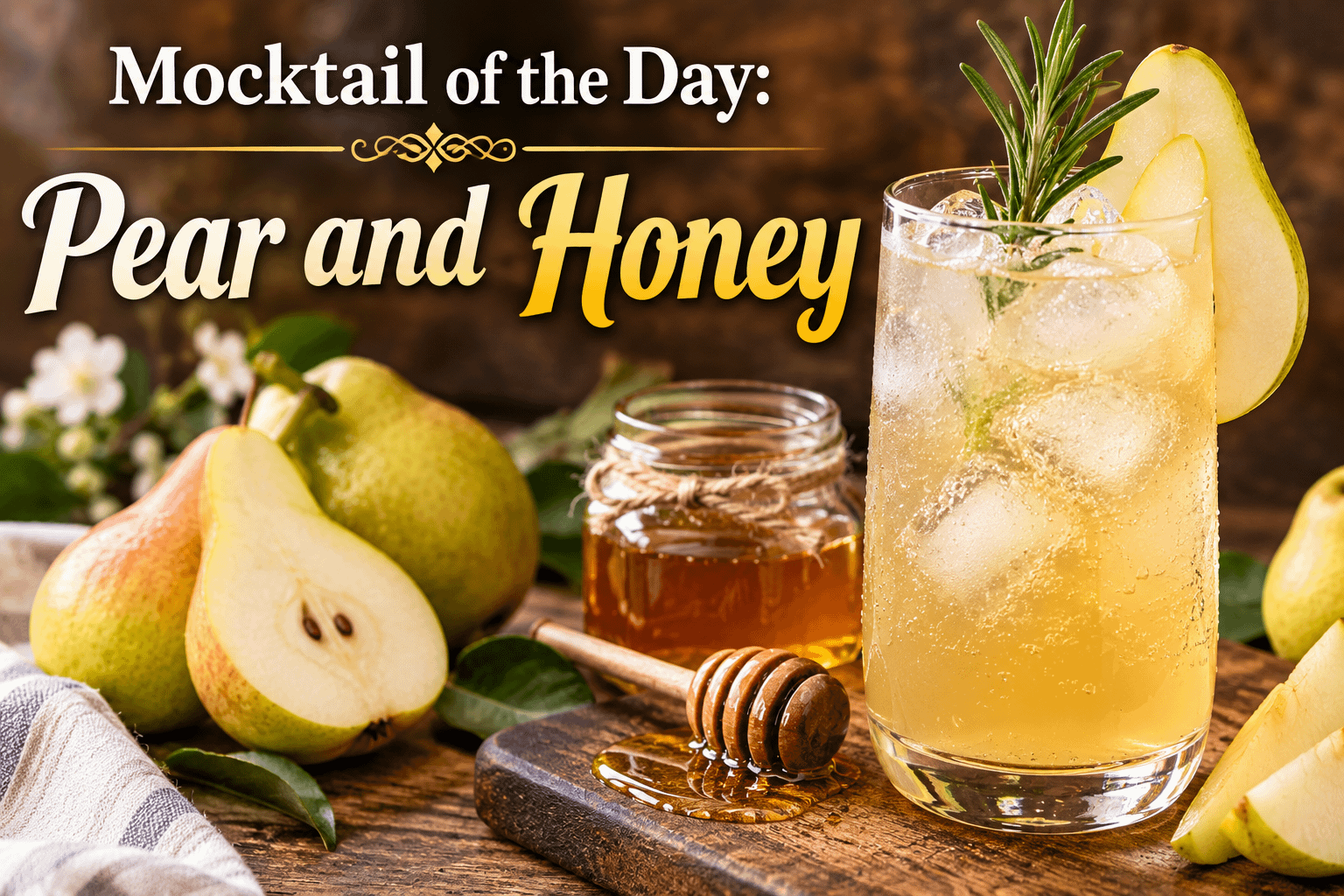
    There is something special about the flavors that arrive as summer begins to give way to fall. Apples, pears, cinnamon, honey, ginger, and warm spices start finding their way back into our kitchens and drinks. Today’s Mocktail of the Day: Pear and Honey captures that seasonal transition beautifully.

    Sweet, juicy pear combines with the smooth richness of honey, fresh lemon juice, and sparkling water to create a refreshing alcohol-free drink that feels sophisticated without being complicated.

    It is light enough to enjoy on a warm afternoon but has enough autumn character to serve at a September dinner, fall gathering, holiday celebration, or quiet evening at home.

    And perhaps the best part is how simple it is to make.

    A Sweet Taste of Early Fall

    Pears sometimes get overlooked when autumn drink season arrives. Apples and pumpkins tend to receive most of the attention, but a ripe pear has a flavor that works wonderfully in beverages.

    Pear is naturally sweet without being overpowering. Its delicate flavor pairs particularly well with honey, citrus, ginger, cinnamon, rosemary, vanilla, and other fall ingredients.

    For this mocktail, we are keeping things relatively simple so the pear remains the star.

    Honey brings another layer of sweetness while giving the drink a richer flavor than ordinary sugar syrup would provide. Lemon juice adds enough acidity to keep everything bright and balanced, while sparkling water provides the refreshing finish.

    The result is a drink that tastes elegant but can easily be made at home.

    Pear and Honey Mocktail

    Servings: 1
    Prep Time: About 5 minutes
    Difficulty: Easy

    Ingredients

    • 3 ounces pear nectar or pear juice
    • 1 tablespoon honey
    • 1/2 ounce fresh lemon juice
    • 3–4 ounces sparkling water or club soda
    • Ice
    • 2 thin pear slices for garnish
    • Fresh rosemary or a cinnamon stick for garnish, optional

    How to Make It

    Start by adding the honey and fresh lemon juice to a cocktail shaker or glass. Stir thoroughly until the honey begins to dissolve.

    Add the pear nectar and a handful of ice.

    Shake for about 10–15 seconds. If you are preparing the drink directly in the glass instead, simply stir everything thoroughly.

    Fill a clean glass with fresh ice.

    Strain or pour the pear mixture over the ice.

    Top the drink with sparkling water.

    Give everything a gentle stir so you don’t lose too much carbonation.

    Finish with a couple of fresh pear slices.

    For an extra touch of autumn, add a cinnamon stick or sprig of rosemary.

    Serve immediately and enjoy.

    Why Pear and Honey Work So Well Together

    Pear and honey are both naturally sweet, but their flavors are different enough to complement one another.

    Pear has a delicate, fruity sweetness. Honey tends to have deeper floral and sometimes earthy characteristics depending on the variety.

    Combining them gives the mocktail more complexity.

    The lemon is especially important because a drink made with only pear and honey could become overly sweet. Citrus introduces acidity, which helps balance the sweetness and makes the pear taste brighter.

    Finally, sparkling water provides carbonation without adding much additional flavor.

    You end up with a drink that is:

    Sweet. Fruity. Light. Refreshing. Slightly floral.

    It is a wonderful example of how a mocktail doesn’t need dozens of ingredients to taste interesting.

    Make Your Own Honey Syrup

    One challenge when making cold drinks with honey is getting the honey to dissolve completely.

    Cold liquid can cause honey to settle at the bottom of the glass.

    There is an easy solution: make a quick honey syrup.

    Combine equal parts honey and warm water.

    For example:

    2 tablespoons honey + 2 tablespoons warm water

    Stir until completely combined.

    Allow the mixture to cool, and then use approximately 1/2 to 1 ounce in your drink depending on how sweet you want it.

    You can make a larger batch and refrigerate it in a clean, covered container for future mocktails.

    Honey syrup is also fantastic in lemonade, iced tea and other alcohol-free drinks.

    Try Fresh Pear

    Pear nectar is the easiest way to make this recipe because it gives you plenty of pear flavor without requiring much preparation.

    However, fresh pear can make the drink even better.

    Choose a ripe pear and cut it into small pieces.

    Add several pieces to the bottom of your shaker and gently muddle them.

    Then add your honey syrup, lemon juice and ice.

    Shake thoroughly and double-strain the mixture into your glass before adding sparkling water.

    You may end up with a little pear pulp, but that isn’t necessarily a bad thing. It gives the drink a fresh, homemade character.

    What Kind of Pear Should You Use?

    Different pear varieties can subtly change the flavor.

    Bartlett pears are sweet, juicy and aromatic, making them an excellent choice for drinks.

    Anjou pears have a milder sweetness and hold their shape well, which makes them particularly good for garnishes.

    Bosc pears have a firmer texture with a slightly more complex flavor that pairs wonderfully with honey and cinnamon.

    You don’t need to become a pear expert to make this drink, though.

    If the pear is ripe, juicy and tastes good on its own, it will probably work beautifully.

    Add a Little Ginger

    Want to give your Pear and Honey Mocktail some extra personality?

    Add ginger.

    You can muddle a small slice of fresh ginger with the pear or replace the sparkling water with ginger beer.

    For a lighter version, use ginger ale.

    Pear, honey and ginger are a fantastic combination because the spicy warmth of ginger contrasts with the gentle sweetness of the other ingredients.

    This variation is particularly good as the weather gets cooler.

    Turn Up the Fall Flavor

    As we move deeper into autumn, you can transform this simple pear mocktail into something warmer and spicier.

    Try adding a tiny pinch of cinnamon.

    You could also use:

    • Nutmeg
    • Cardamom
    • Ginger
    • Vanilla
    • Rosemary
    • Thyme

    Be careful with spices, especially ground cinnamon and nutmeg. A little goes a long way in a drink.

    Another option is to simmer pear juice with cinnamon sticks, cloves and fresh ginger before allowing it to cool.

    You will end up with a spiced pear base that can be used for several mocktails.

    Make It for a Fall Party

    The Pear and Honey Mocktail is also easy to turn into a pitcher drink.

    For approximately 6 servings, try combining:

    18 ounces pear nectar
    3 ounces fresh lemon juice
    3–4 ounces honey syrup

    Stir everything together in a pitcher and refrigerate until you’re ready to serve.

    Just before serving, add approximately 18–24 ounces of chilled sparkling water.

    Add sliced pears and lemon wheels to the pitcher for presentation.

    Serve over ice.

    Waiting until the last moment to add the sparkling water helps preserve the carbonation.

    You can even set up a small garnish station with cinnamon sticks, rosemary sprigs, lemon wheels and pear slices so everyone can finish their own glass.

    A Mocktail Worth Slowing Down For

    One reason I enjoy mocktails is that they remind us a good drink doesn’t have to contain alcohol.

    Sometimes the experience is what matters.

    A beautiful glass.

    Fresh ingredients.

    A few minutes spent making something for yourself or someone you care about.

    Then you sit down and enjoy it.

    The Pear and Honey Mocktail fits that philosophy perfectly.

    It isn’t flashy or complicated. Instead, it takes a few simple ingredients and lets them work together.

    Pear provides the fruit.

    Honey provides richness.

    Lemon provides brightness.

    Sparkling water provides the refreshing finish.

    Sometimes simple really is better.

    Perfect for September and Fall Gatherings

    This drink feels especially appropriate as September moves toward autumn.

    There may still be warm afternoons, but cooler mornings and evenings begin reminding us that another season is arriving.

    That makes Pear and Honey a wonderful transitional mocktail.

    Serve it at:

    Family dinners, football gatherings, harvest parties, Thanksgiving celebrations, baby showers, brunches, fall weddings, Halloween parties, or simply while relaxing at home.

    Because it contains no alcohol, it can also provide a festive beverage option for guests who don’t drink or simply want something different.

    And with its pale golden pear color, bubbles, fresh pear garnish and rosemary, it can look every bit as impressive as a traditional cocktail.

    Mocktail of the Day: Pear and Honey

    Sometimes the best drinks aren’t the ones with the longest ingredient lists.

    Today’s Pear and Honey Mocktail is proof.

    Juicy pear, golden honey, bright lemon and sparkling water create a simple drink that manages to be refreshing, comforting and elegant all at once.

    Keep the original recipe light and bubbly, add ginger for a little kick, introduce cinnamon for deeper fall flavor, or experiment with fresh herbs.

    However you make it, pour it over plenty of ice, garnish it with fresh pear, and take a moment to enjoy one of autumn’s most underrated flavors.

    Would you keep your Pear and Honey Mocktail light and sparkling, or add ginger and cinnamon for an extra taste of fall?

  • Shot of the Day: Apple Pie Shot

    Advertisements

    There are certain flavors that immediately make you think of fall—crisp apples, warm cinnamon, brown sugar, and freshly baked pie. The Apple Pie Shot takes those familiar flavors and turns them into a fun little drink that tastes surprisingly close to the classic dessert.

    Sweet, warming, and incredibly easy to make, this shot is a great choice for fall parties, football gatherings, Halloween celebrations, Thanksgiving get-togethers, or a relaxed evening around a fire.

    If you love apple pie but would rather drink your dessert tonight, the Apple Pie Shot deserves a place on your menu.

    What Is an Apple Pie Shot?

    An Apple Pie Shot is a dessert-inspired shooter designed to recreate some of the flavors associated with traditional apple pie.

    There are several versions of the drink, but one of the easiest combines apple cider, cinnamon whiskey, and vanilla vodka. The apple cider provides the fruitiness, cinnamon whiskey supplies the spice, and vanilla vodka adds the sweet bakery-like flavor that makes the combination reminiscent of pie.

    Finish it with a little cinnamon sugar, and you have a tiny glass filled with fall flavor.

    Apple Pie Shot Recipe

    Ingredients

    For one shot:

    • 1/2 ounce cinnamon whiskey
    • 1/2 ounce vanilla vodka
    • 1/2 ounce apple cider
    • Cinnamon sugar for the rim
    • Thin apple slice for garnish, optional

    Instructions

    Start by preparing your shot glass. Lightly wet the rim with apple cider and dip it into cinnamon sugar.

    Add the cinnamon whiskey, vanilla vodka, and apple cider to a cocktail shaker filled with ice.

    Shake vigorously for about 10–15 seconds.

    Strain the mixture into your prepared shot glass.

    Garnish with a tiny apple slice if desired.

    Serve immediately and enjoy responsibly.

    Why These Flavors Work

    The magic of this shot comes from combining three flavors strongly associated with apple desserts.

    Apple cider creates the foundation. Its natural sweetness and apple flavor give the drink its unmistakable fall character.

    Cinnamon whiskey provides warmth and spice. Cinnamon is one of the signature spices used in apple pie, so it immediately moves the drink from simply tasting like apple toward tasting like apple pie.

    Vanilla vodka brings everything together. Vanilla adds sweetness while creating the impression of baked pastry, vanilla ice cream, or whipped cream alongside a warm slice of pie.

    Then there is the cinnamon-sugar rim.

    It might seem like a small detail, but it can make a big difference. You taste the cinnamon and sugar immediately before the liquid reaches your palate, creating an even stronger dessert-like experience.

    Make It Taste Even More Like Apple Pie

    One of the advantages of a simple recipe is that you can easily customize it.

    For a stronger cinnamon flavor, increase the cinnamon whiskey slightly.

    Want something sweeter? Add a small splash of caramel-flavored syrup.

    For additional spice, sprinkle a tiny amount of ground nutmeg over the finished shot.

    You could also use cinnamon-infused apple cider for an even stronger fall flavor.

    Another fun variation is to add a very small amount of caramel sauce to the inside of the shot glass before pouring the drink. Apple, caramel, cinnamon, and vanilla are a combination that’s difficult to beat.

    Caramel Apple Pie Shot

    If you’re a fan of caramel apples, try transforming the basic Apple Pie Shot into a Caramel Apple Pie Shot.

    Use:

    • 1/2 ounce cinnamon whiskey
    • 1/2 ounce caramel vodka
    • 1/2 ounce apple cider

    Shake the ingredients with ice and strain them into a cinnamon-sugar-rimmed shot glass.

    The caramel flavor creates a richer, sweeter drink that’s somewhere between apple pie and a caramel apple.

    Apple Pie à la Mode Shot

    Few things improve a warm slice of apple pie quite like vanilla ice cream.

    You can recreate that combination in shot form by emphasizing the vanilla.

    Combine:

    • 1/2 ounce cinnamon whiskey
    • 3/4 ounce vanilla vodka
    • 1/2 ounce apple cider

    Shake everything with ice and strain.

    For an extra dessert-style presentation, add a tiny amount of whipped cream on top and finish with a sprinkle of cinnamon.

    Now you’ve essentially turned apple pie à la mode into a shooter.

    Make a Batch for a Party

    Making individual shots works when you’re serving one or two people, but it quickly becomes inconvenient when you’re hosting a party.

    Fortunately, Apple Pie Shots are easy to prepare in larger batches.

    For approximately eight servings, combine:

    • 4 ounces cinnamon whiskey
    • 4 ounces vanilla vodka
    • 4 ounces apple cider

    Mix everything together in a pitcher and refrigerate until you’re ready to serve.

    Stir the mixture before pouring it into prepared shot glasses.

    If you’re expecting a larger crowd, simply maintain equal proportions as you increase the recipe.

    Preparing the mixture beforehand allows you to enjoy your gathering instead of spending the entire evening measuring individual shots.

    Fresh Apple Cider Makes a Difference

    You can make this recipe using apple juice, but apple cider usually produces a richer drink.

    Traditional apple cider tends to have a deeper apple flavor and may contain some of the spices naturally associated with fall.

    During apple season, look for fresh cider from a local orchard, farmers market, or grocery store.

    That extra apple flavor can turn a good Apple Pie Shot into an excellent one.

    Cinnamon-Sugar Rim

    Don’t skip the rim if you’re serving these for a party.

    To make cinnamon sugar, combine approximately:

    • 2 tablespoons granulated sugar
    • 1 teaspoon ground cinnamon

    Mix thoroughly.

    Pour the mixture onto a small plate.

    Dip the rim of each shot glass into apple cider and then gently press it into the cinnamon sugar.

    The finished glasses look more festive while providing an additional burst of sweetness and spice with every sip.

    When to Serve Apple Pie Shots

    While you can make them anytime, Apple Pie Shots really shine during the cooler months.

    They’re especially fitting for:

    • Fall parties
    • Halloween gatherings
    • Thanksgiving celebrations
    • Football watch parties
    • Bonfires
    • Friendsgiving
    • Harvest parties
    • Holiday gatherings
    • Backyard get-togethers

    Imagine sitting outside on a cool evening with friends gathered around a fire. Instead of serving the usual shots, you bring out a tray of cinnamon-sugar-rimmed Apple Pie Shots.

    It’s simple, seasonal, and memorable.

    Turn It Into a Cocktail

    Love the flavor but don’t want a shot?

    Turn the recipe into a full-sized cocktail.

    Fill a rocks glass with ice and add:

    • 1 1/2 ounces vanilla vodka
    • 1 ounce cinnamon whiskey
    • 3 ounces apple cider

    Stir gently and garnish with an apple slice and cinnamon stick.

    You now have an easy Apple Pie Cocktail that you can slowly sip instead of taking as a shooter.

    For something lighter, top it with a splash of ginger ale.

    Serve It Warm

    Here’s another option that’s particularly good on cold evenings.

    Gently warm apple cider in a saucepan. Don’t boil it.

    Pour about two ounces of warm cider into a heat-safe glass and add a small amount of cinnamon whiskey and vanilla vodka.

    Stir gently.

    Finish with a cinnamon stick.

    Instead of a chilled shooter, you’ve created a miniature warm apple pie drink that’s perfect for sitting outside on a chilly fall night.

    Food Pairings

    Because the Apple Pie Shot is sweet and spicy, it pairs especially well with salty or savory foods.

    Try serving it alongside barbecue, smoked meats, sliders, pizza, chicken wings, pulled pork, bacon appetizers, cheese boards, or roasted nuts.

    Of course, you can also embrace the dessert theme.

    Apple crisp, cinnamon doughnuts, caramel popcorn, snickerdoodle cookies, vanilla ice cream, pumpkin pie, cheesecake, and actual apple pie are all excellent choices.

    Presentation Matters

    A shot doesn’t have to be complicated to look impressive.

    Use clear shot glasses so everyone can see the golden apple color.

    Add the cinnamon-sugar rim.

    Place a thin apple wedge on the side.

    If you’re making several shots for a party, arrange them on a wooden serving board surrounded by cinnamon sticks and fresh apples.

    A very simple recipe suddenly looks like a specialty drink made specifically for the occasion.

    The Taste of Fall in One Glass

    Some shots are designed almost entirely around the alcohol.

    The Apple Pie Shot is different.

    This one is about the flavor.

    Sweet apple hits first, followed by cinnamon warmth and smooth vanilla. The cinnamon-sugar rim adds another layer of sweetness before everything comes together into something surprisingly reminiscent of apple pie.

    It’s easy enough to make at home but festive enough to serve at a party.

    And because the recipe is so simple, there are plenty of ways to make it your own.

    Add caramel.

    Increase the cinnamon.

    Top it with whipped cream.

    Serve it chilled.

    Serve it warm.

    Turn it into a cocktail.

    Whichever version you choose, the Apple Pie Shot captures one of fall’s most recognizable flavor combinations in one small glass.

    Shot of the Day: Apple Pie

    Ingredients: Cinnamon whiskey, vanilla vodka, apple cider, and cinnamon sugar.

    Flavor: Sweet, apple-forward, warming, cinnamon-spiced, and dessert-like.

    Best season: Fall and the holiday season.

    Difficulty: Easy.

    Perfect for: Bonfires, football nights, Halloween parties, Friendsgiving, Thanksgiving, and fall celebrations.

    Sometimes dessert doesn’t need a fork.

    Sometimes all you need is a shot glass.

    Would you try an Apple Pie Shot, or would you turn it into a full-sized Apple Pie Cocktail instead?

    Please enjoy responsibly. This recipe is intended only for adults of legal drinking age.

  • Cocktail of the Day: Apple Juice Cocktail

    Advertisements

    There is something about apple flavor that feels right as the seasons begin to change. Sweet, crisp, refreshing, and incredibly versatile, apple juice isn’t just something to pour into a glass at breakfast. With the right ingredients, it can become the foundation for a simple and delicious cocktail.

    Today’s Cocktail of the Day is the Apple Juice Cocktail, a refreshing drink that combines the natural sweetness of apple juice with your favorite spirit, a splash of citrus, and just enough extra flavor to transform an everyday ingredient into a cocktail worth enjoying.

    Whether you’re relaxing after a long day, entertaining friends, watching football on the weekend, or looking for an easy fall cocktail, this is one of those drinks that doesn’t require complicated ingredients or professional bartending skills.

    Why Apple Juice Works So Well in Cocktails

    Apple juice has a natural balance of sweetness and acidity that makes it an excellent cocktail mixer.

    It works especially well with spirits such as bourbon, whiskey, vodka, rum, and brandy. Each spirit brings something different to the drink.

    Bourbon gives apple juice a warm combination of vanilla, oak, and caramel flavors. Dark or spiced rum adds richness and spice. Vodka creates a lighter cocktail that allows the apple flavor to remain front and center. Brandy can make the drink richer and more fruit-forward.

    For today’s version, we’re using bourbon or whiskey because the warm character of the spirit pairs beautifully with apple.

    Apple Juice Cocktail Recipe

    Ingredients

    • 2 ounces bourbon or whiskey
    • 4 ounces apple juice
    • 1/2 ounce fresh lemon juice
    • 1/2 ounce maple syrup or simple syrup
    • 2 dashes aromatic bitters
    • Ice
    • Apple slices for garnish
    • Cinnamon stick for garnish, optional

    Instructions

    Fill a cocktail shaker with ice.

    Pour in the bourbon, apple juice, fresh lemon juice, maple syrup, and bitters.

    Shake vigorously for about 10 to 15 seconds. This chills the cocktail while bringing all of the flavors together.

    Fill a rocks glass with fresh ice and strain the cocktail into the glass.

    Garnish with a thin apple slice. For an extra fall touch, add a cinnamon stick.

    Serve immediately and enjoy.

    What Does an Apple Juice Cocktail Taste Like?

    The first thing you’ll notice is the apple.

    It is sweet and familiar, but the bourbon changes the personality of the drink. Instead of tasting like a glass of ordinary apple juice, you get layers of oak, vanilla, caramel, and warmth.

    The lemon juice is important because it cuts through some of the sweetness. The bitters add another layer of complexity, while maple syrup gives the drink a subtle richness that feels especially appropriate during fall.

    The result is a cocktail that is sweet without becoming overwhelmingly sugary.

    Make It With Vodka

    Not everyone enjoys whiskey, and that’s perfectly fine.

    Vodka makes an excellent alternative.

    Use:

    • 2 ounces vodka
    • 4 ounces apple juice
    • 1/2 ounce fresh lemon juice
    • 1/2 ounce simple syrup
    • 2 dashes bitters

    Shake everything with ice and strain it over fresh ice.

    Vodka has a much more neutral flavor than bourbon, so this version puts the apple juice at center stage. If you want something light, simple, and refreshing, this may be the version for you.

    Make It With Spiced Rum

    If you want to lean heavily into fall flavors, try spiced rum.

    Apple and warm spices naturally complement one another, so spiced rum can turn this simple cocktail into something that tastes like autumn in a glass.

    Use the same basic recipe but replace the bourbon with 2 ounces of spiced rum.

    Garnish it with an apple slice and cinnamon stick.

    You can even sprinkle a tiny amount of ground cinnamon over the top.

    Try Apple Cider Instead

    Once autumn arrives, apple cider becomes another great option.

    While apple juice and apple cider aren’t exactly the same, either can work in this cocktail.

    Apple cider generally has a fuller and less filtered flavor, sometimes carrying more noticeable apple and spice characteristics. That can make the cocktail feel even more seasonal.

    Replace the apple juice with the same amount of apple cider and prepare the cocktail normally.

    Turn It Into a Sparkling Apple Cocktail

    Want something a little lighter and fizzier?

    Prepare the basic cocktail using only about 3 ounces of apple juice instead of 4.

    After pouring it into your glass, top it with an ounce or two of club soda or sparkling water.

    The carbonation makes the drink lighter and more refreshing while maintaining its apple character.

    Ginger ale is another option if you want additional sweetness and spice.

    Apple and Ginger Are a Great Combination

    Ginger pairs exceptionally well with apples.

    For another variation, combine:

    • 2 ounces bourbon
    • 3 ounces apple juice
    • 1/2 ounce fresh lemon juice
    • Ginger beer to top

    Pour the bourbon, apple juice, and lemon juice into an ice-filled glass and stir gently.

    Top with ginger beer.

    The spicy bite of ginger balances the sweetness of the apple juice and creates a drink that’s both refreshing and warming.

    Add Cinnamon

    Apple and cinnamon may be one of the most recognizable fall flavor combinations.

    There are several ways to bring cinnamon into this cocktail.

    The easiest is simply using a cinnamon stick as your garnish. As the drink sits, a subtle cinnamon aroma begins to develop.

    You can also use cinnamon simple syrup instead of regular simple syrup.

    To make a quick cinnamon syrup, gently heat equal parts sugar and water with a couple of cinnamon sticks. Once the sugar dissolves, remove the mixture from the heat and allow the cinnamon to steep. Let it cool completely before using.

    A small amount goes a long way.

    Try Maple Syrup

    Maple syrup is one of my favorite ways to sweeten an apple cocktail.

    Instead of regular simple syrup, use approximately 1/4 to 1/2 ounce of pure maple syrup.

    Maple adds more than sweetness. It provides a deeper, almost caramel-like flavor that works beautifully with apple and bourbon.

    Start with a smaller amount, taste the drink, and adjust from there.

    Remember that apple juice is already sweet, so you don’t need much additional sweetener.

    Garnish Matters

    A garnish isn’t required, but it can make a simple cocktail look much more inviting.

    A thin apple fan is an easy option.

    Slice an apple very thinly and arrange two or three slices along the rim of the glass.

    Other garnish ideas include a cinnamon stick, lemon wheel, dehydrated apple slice, rosemary sprig, or star anise.

    You don’t need to overdo it. Sometimes one fresh apple slice is all the presentation needs.

    Make a Pitcher for a Gathering

    This recipe can easily be scaled up when you’re serving several people.

    For approximately eight drinks, combine:

    • 2 cups bourbon
    • 4 cups apple juice
    • 1/2 cup fresh lemon juice
    • 1/4 to 1/2 cup maple syrup
    • About 16 dashes aromatic bitters

    Stir everything together in a pitcher and refrigerate until thoroughly chilled.

    Don’t add ice directly to the pitcher too far ahead of time because melting ice will dilute the cocktail.

    Instead, fill individual glasses with ice and pour the chilled mixture over the top.

    Add apple slices to the pitcher shortly before serving for a simple presentation.

    A Cocktail Made for Fall

    Although you can drink an Apple Juice Cocktail any time of year, it really shines during autumn.

    Apples, cinnamon, maple, bourbon, and warm spices immediately bring fall to mind.

    It’s a great drink for September and October evenings, football gatherings, Halloween parties, Thanksgiving celebrations, backyard fires, or simply relaxing at home after a long day.

    And unlike some elaborate seasonal cocktails, you probably won’t have to hunt down unusual ingredients.

    You may already have almost everything you need.

    Food Pairings

    Because this cocktail has both sweet and slightly acidic characteristics, it can pair with a surprising variety of foods.

    Try it alongside grilled pork chops, barbecue, smoked meats, sharp cheddar cheese, baked brie, roasted chicken, grilled sausages, or a charcuterie board.

    For dessert, apple is naturally at home with caramel, cinnamon, vanilla, nuts, and pastry.

    Apple pie is an obvious choice, but caramel cheesecake, cinnamon doughnuts, bread pudding, pecan pie, or vanilla ice cream can all work well.

    Make a Non-Alcoholic Version

    You can also use these flavors to create an easy mocktail.

    Combine:

    • 4 ounces apple juice
    • 1/2 ounce fresh lemon juice
    • 1/4 ounce maple syrup
    • 2 ounces ginger beer or sparkling water
    • Ice

    Add the apple juice, lemon juice, and maple syrup to an ice-filled glass and stir.

    Top with ginger beer or sparkling water and garnish with an apple slice and cinnamon stick.

    You still get the apple, citrus, spice, and sweetness without the alcohol.

    Keep It Simple

    One of the best things about today’s cocktail is that you don’t have to make it complicated.

    Cocktails don’t always need ten ingredients, specialty syrups, expensive equipment, or an overflowing liquor cabinet.

    Sometimes a bottle of whiskey, apple juice, lemon, and ice are enough.

    That’s part of what makes the Apple Juice Cocktail worth keeping in your collection. It’s easy enough to make on an ordinary evening but can also be dressed up for a party or holiday celebration.

    Change the spirit. Add cinnamon. Add ginger beer. Swap apple juice for cider. Make it sweeter. Make it more tart.

    There are plenty of ways to make it your own.

    Cocktail of the Day

    The Apple Juice Cocktail takes one of the simplest ingredients in the refrigerator and turns it into a refreshing adult drink.

    Apple brings the sweetness. Lemon provides brightness. Bitters bring complexity. Bourbon adds warmth and depth. A little maple syrup ties everything together.

    Simple ingredients can sometimes make the most enjoyable cocktails.

    Pour it over ice, garnish it with a fresh apple slice, and you’ve got an easy drink that’s especially good when cooler evenings begin arriving.

    What would you mix with your Apple Juice Cocktail—bourbon, vodka, rum, or something else?

    Please enjoy responsibly. For adults of legal drinking age only.

  • Drink of the Day: Pumpkin Spice Old-Fashioned Cocktail

    Advertisements

    When autumn arrives, pumpkin spice seems to find its way into just about everything. Coffee, cookies, pies, candles, and desserts all get their seasonal makeover. But pumpkin spice isn’t limited to sweet treats. It can also bring a warm fall twist to one of America’s most iconic whiskey cocktails.

    Today’s Drink of the Day is the Pumpkin Spice Old-Fashioned Cocktail, a seasonal spin on the classic Old-Fashioned that combines bourbon, bitters, pumpkin, maple, and warming spices.

    It’s smooth, slightly sweet, wonderfully aromatic, and perfect for a cool September or October evening.

    A Fall Twist on a Classic Cocktail

    The traditional Old-Fashioned is beautifully simple. Whiskey, sugar, bitters, and a little water are combined to create a cocktail that allows the whiskey to remain the star.

    The Pumpkin Spice Old-Fashioned keeps that basic philosophy while introducing some of fall’s most recognizable flavors.

    Instead of relying only on sugar for sweetness, maple syrup adds a rich, earthy character. Pumpkin puree gives the drink a subtle seasonal flavor and fuller texture, while cinnamon, nutmeg, ginger, and cloves provide the familiar warmth associated with pumpkin spice.

    The result isn’t supposed to taste like pumpkin pie in a glass. A good Pumpkin Spice Old-Fashioned should still taste like an Old-Fashioned—just one dressed for autumn.

    Pumpkin Spice Old-Fashioned Recipe

    Serves: 1
    Preparation Time: About 5 minutes

    Ingredients

    • 2 ounces bourbon or rye whiskey
    • 1 teaspoon pure pumpkin puree
    • 1/2 ounce pure maple syrup
    • 2–3 dashes aromatic bitters
    • 1 small pinch pumpkin pie spice
    • Ice
    • Orange peel, for garnish
    • Cinnamon stick, optional garnish

    If you prefer a less sweet cocktail, reduce the maple syrup to about 1/4 ounce.

    How to Make It

    Add the pumpkin puree, maple syrup, bitters, and pumpkin pie spice to a mixing glass. Stir until the pumpkin is well incorporated.

    Pour in the bourbon or rye whiskey and add plenty of ice.

    Stir for approximately 20–30 seconds, allowing the cocktail to become properly chilled and slightly diluted.

    Place one large ice cube in an Old-Fashioned glass and strain the cocktail over it.

    Cut a strip of orange peel and gently twist it over the drink to release its fragrant oils. Rub the peel around the rim of the glass before dropping it into the cocktail.

    Add a cinnamon stick if you’d like an extra autumn touch.

    Your Pumpkin Spice Old-Fashioned is ready.

    Bourbon or Rye?

    Either whiskey works beautifully, but each creates a slightly different cocktail.

    Bourbon tends to provide sweeter flavors such as vanilla, caramel, and oak. Those characteristics naturally complement pumpkin, maple syrup, and baking spices.

    Rye whiskey usually brings more peppery and spicy notes. It creates a slightly drier cocktail and can prevent the maple and pumpkin flavors from becoming overly sweet.

    For a cozy, sweeter fall drink, bourbon is an excellent choice.

    For a stronger whiskey-forward cocktail with a little more bite, try rye.

    Don’t Overdo the Pumpkin

    This is one cocktail where more pumpkin isn’t necessarily better.

    Pumpkin puree is thick, and adding too much can completely change the texture of the drink. You want just enough pumpkin to introduce its flavor without turning your Old-Fashioned into a smoothie.

    Start with one teaspoon.

    You can always experiment with slightly more the next time, but keeping the pumpkin subtle allows the whiskey and bitters to remain prominent.

    Making Your Own Pumpkin Pie Spice

    Don’t have pumpkin pie spice in the cabinet?

    You can make a quick homemade version using:

    • 4 teaspoons ground cinnamon
    • 2 teaspoons ground ginger
    • 1 teaspoon ground nutmeg
    • 1/2 teaspoon ground cloves

    Mix everything together and store it in a small airtight container.

    You’ll only need a tiny pinch for each cocktail, so one batch can last through plenty of autumn evenings.

    Try a Pumpkin Spice Simple Syrup

    Another way to make this cocktail is by creating a pumpkin spice syrup ahead of time.

    Combine equal parts water and brown sugar in a small saucepan. Add a little pumpkin puree, cinnamon, ginger, nutmeg, and cloves.

    Warm the mixture gently while stirring until the sugar dissolves. Don’t aggressively boil it.

    Allow the syrup to cool and strain it through a fine-mesh strainer. Store it covered in the refrigerator and use a small amount whenever you’re ready to make another cocktail.

    This approach is especially convenient when you’re making Pumpkin Spice Old-Fashioneds for several guests.

    Give the Orange Peel Some Attention

    The orange peel isn’t just decoration.

    When you twist fresh orange peel over the finished cocktail, tiny droplets of citrus oil are released onto the surface. Those oils create an aroma that you’ll notice before you even take your first sip.

    Orange also works especially well with bourbon, maple, cinnamon, and bitters.

    For even more aroma, gently rub the orange peel around the rim of your glass.

    Make It Smoky

    Want to take your Pumpkin Spice Old-Fashioned in another direction?

    Try adding smoke.

    If you have a cocktail smoker, briefly smoke the finished drink before serving. Applewood, cherrywood, or oak can work particularly well with bourbon and fall spices.

    You don’t need much.

    The goal is to introduce another layer of aroma rather than overpower the cocktail with smoke.

    Maple Makes the Difference

    Regular simple syrup will work in this cocktail, but maple syrup makes it much more interesting.

    Real maple syrup contributes flavors that pair naturally with whiskey—especially bourbon. Its caramelized sweetness works with the vanilla and oak notes found in many bourbons while complementing cinnamon and pumpkin.

    Use pure maple syrup rather than pancake syrup if possible.

    Because maple syrup is intensely flavorful, you don’t need much.

    Garnish Ideas

    The classic orange peel is difficult to beat, but fall gives you plenty of opportunities to have some fun with presentation.

    Try garnishing your cocktail with an orange peel and cinnamon stick, a dehydrated orange wheel, a thin apple slice, star anise, or a lightly toasted cinnamon stick.

    For a dinner party or Halloween gathering, serving the drink over one large clear ice cube can give it an especially polished appearance.

    What to Serve With It

    A Pumpkin Spice Old-Fashioned pairs beautifully with autumn foods.

    Try it alongside roasted nuts, smoked cheeses, baked Brie, maple-glazed pork, grilled steak, roasted vegetables, apple desserts, pumpkin pie, pecan pie, or dark chocolate.

    Because the cocktail has both sweet and spicy characteristics, it can work before dinner or as an after-dinner drink.

    Make a Sweeter Dessert Version

    If you’re looking for something closer to a dessert cocktail, increase the maple syrup slightly and add a tiny splash of vanilla extract.

    You could also rim part of the glass with cinnamon sugar.

    Keeping only half of the rim coated gives you the option of taking either a sweetened or unsweetened sip.

    Make It Less Sweet

    Not everyone wants a sweet cocktail.

    For a more whiskey-forward Pumpkin Spice Old-Fashioned, use:

    • 2 ounces rye whiskey
    • 1 teaspoon pumpkin puree
    • 1/4 ounce maple syrup
    • 3 dashes aromatic bitters
    • A very small pinch of pumpkin pie spice

    The rye’s spice and reduced maple syrup create a stronger, drier version while preserving the autumn character.

    An Easy Cocktail for Fall Gatherings

    One of the best things about an Old-Fashioned is that it doesn’t require a complicated list of ingredients or equipment.

    The Pumpkin Spice Old-Fashioned brings that same simplicity to fall entertaining.

    It’s a great choice for an autumn dinner, football weekend, Halloween gathering, Thanksgiving celebration, backyard fire, or a quiet evening at home when the temperature finally begins to drop.

    You can even prepare the pumpkin-maple mixture beforehand so that assembling each drink takes only a minute or two.

    The Flavor of Fall in an Old-Fashioned Glass

    Pumpkin spice gets plenty of attention every autumn, but there’s a reason people continue coming back to it.

    Cinnamon, nutmeg, ginger, and cloves immediately evoke the comforting foods and aromas associated with cooler weather. Combine those flavors with pumpkin, maple syrup, orange, bitters, and good whiskey, and you’ve got a cocktail that feels made for the season.

    The Pumpkin Spice Old-Fashioned Cocktail doesn’t need to abandon what makes an Old-Fashioned great.

    The whiskey remains front and center.

    The pumpkin stays subtle.

    The maple provides sweetness.

    The spices bring warmth.

    And the orange peel ties everything together with a bright citrus aroma.

    Pour it over a large cube of ice, add that orange twist, and enjoy a classic cocktail with a distinctly autumn personality.

    Would you try a Pumpkin Spice Old-Fashioned, or do you prefer keeping your Old-Fashioned classic?

    Please enjoy responsibly. This recipe is intended for adults of legal drinking age.

  • Health Tip of the Day: Begin Your Day With Water

    Advertisements

    How you begin your morning can influence how you feel throughout the rest of the day. While many people immediately reach for coffee, check their phone, or rush into their morning routine, there is one simple habit worth adding before almost anything else:

    Drink a glass of water.

    After spending several hours asleep without drinking anything, your body naturally needs fluids. Starting your morning with water is an easy way to begin replenishing what your body needs and make hydration a priority from the moment you wake up.

    You don’t need an expensive supplement, complicated morning routine, or special drink. A simple glass of water can be a healthy first step.

    Your Body Goes Hours Without Water While You Sleep

    Think about how long you normally sleep. If you get seven or eight hours of sleep, that’s seven or eight hours without drinking water. Depending on when you had your last drink before bed, the period may be even longer.

    Your body continues using water while you’re sleeping. You lose water through breathing, perspiration, and normal bodily processes.

    That’s why you may wake up with a dry mouth or feeling thirsty.

    Drinking water after waking begins replacing some of those fluids.

    It doesn’t mean everyone wakes up dangerously dehydrated. Rather, morning is a natural opportunity to hydrate after a long stretch without drinking.

    Water Is Essential to Your Body

    Water isn’t simply something we drink when we’re thirsty. It is essential for normal body function.

    Adequate hydration helps support functions including:

    • Regulating body temperature
    • Transporting nutrients
    • Removing waste
    • Normal digestion
    • Lubricating joints
    • Protecting tissues
    • Supporting normal physical and cognitive function

    Your hydration needs aren’t limited to the morning, of course. You need fluids throughout the entire day.

    But starting with water can establish a healthy pattern.

    Turn Hydration Into a Morning Habit

    One of the biggest advantages of drinking water first thing in the morning has nothing to do with a miracle effect from drinking it at a particular hour.

    It’s about building a habit.

    Healthy habits are often easier to maintain when they become attached to something you already do automatically.

    You wake up every morning.

    So you can create a simple routine:

    Wake up. Get out of bed. Drink some water. Begin your day.

    After repeating this routine consistently, you may eventually stop thinking about it. Drinking water simply becomes part of waking up.

    And that can make it easier to stay mindful of hydration throughout the rest of the day.

    How Much Water Should You Drink?

    You don’t have to force yourself to drink an enormous amount of water immediately after waking.

    Start with an amount that feels comfortable.

    For some people, that might be a small glass. Others may enjoy a larger glass or reusable bottle.

    There isn’t one perfect amount that everyone must drink upon waking because hydration needs vary from person to person. Factors such as body size, physical activity, climate, diet, pregnancy, medications, and certain medical conditions can influence fluid needs.

    The important thing is consistency.

    Instead of worrying about achieving a perfect number before breakfast, concentrate on developing a sustainable hydration routine throughout your day.

    Make Water Easy to Reach

    Sometimes the simplest way to develop a healthy habit is to remove the obstacles preventing you from doing it.

    If you want to drink water every morning, make water convenient.

    Before going to bed, place a clean glass or water bottle somewhere you’ll see it in the morning. You might keep it in the kitchen, next to your coffee maker, or somewhere else that fits your routine.

    Seeing the bottle can act as your reminder:

    Drink your water.

    You can also use a reusable water bottle throughout the day. Keeping water nearby at your desk, in your bag, or during activities can make drinking regularly much easier.

    What If You Don’t Like Plain Water?

    Some people simply don’t enjoy plain water.

    If that’s you, there are ways to make it more appealing without turning it into a heavily sweetened beverage.

    Try adding fresh lemon, lime, cucumber, mint, berries, or another fruit you enjoy.

    You can also experiment with temperature.

    Some people love ice-cold water in the morning. Others prefer room-temperature water. Some enjoy warm water.

    There isn’t a magical temperature you need to choose.

    Drink it in whatever form makes it easier for you to maintain the habit.

    What About Lemon Water?

    Lemon water has become extremely popular as part of morning wellness routines.

    Adding lemon can provide flavor and a small amount of nutrients, but you don’t need lemon for your morning water to “work.”

    Plain water hydrates you perfectly well.

    Be cautious about dramatic claims suggesting that lemon water detoxifies the body, melts fat, or cures illnesses. Your body already has sophisticated systems—including your liver and kidneys—that handle waste processing and elimination.

    If lemon makes you enjoy your water more, great.

    If you prefer plain water, that’s great too.

    Can You Still Have Your Morning Coffee?

    Absolutely.

    Starting with water doesn’t mean you have to give up coffee.

    For many people, morning coffee is one of life’s simple pleasures.

    The goal isn’t necessarily to replace your coffee. Instead, you could drink some water before or alongside it.

    Coffee and other beverages also contribute fluid to your daily intake. The larger goal is maintaining adequate hydration throughout the day rather than treating water and coffee as opponents.

    So enjoy your morning coffee if it fits your health needs and preferences.

    Just don’t forget about water.

    Hydration and Physical Activity

    Morning hydration can be particularly important if you’re planning to exercise.

    Physical activity increases fluid loss, especially when you sweat heavily or exercise in hot conditions.

    If you’re going for a morning walk, hitting the gym, running, cycling, or doing another workout, pay attention to your fluid intake before, during, and after exercise.

    Longer or more intense exercise can require additional planning around fluids and electrolytes.

    Your individual needs will depend on factors such as exercise intensity, duration, temperature, and how heavily you sweat.

    Don’t Wait Until You’re Extremely Thirsty

    Thirst is one of your body’s signals that it wants fluids, and paying attention to thirst is useful for many healthy adults.

    You can also make hydration easier by drinking regularly throughout your day rather than suddenly realizing late in the afternoon that you’ve barely had anything to drink.

    Morning water gives you an early start.

    Then continue drinking according to your needs throughout the day.

    Pay Attention to Your Body

    Your body can give you clues about hydration.

    Thirst and dry mouth are obvious ones. Urine color can also offer a rough clue, although it isn’t a perfect hydration test because foods, supplements, medications, and medical conditions can change urine color.

    Instead of obsessively monitoring a single sign, pay attention to your overall fluid intake and how you feel.

    And remember that more water isn’t always better.

    Drinking excessive amounts of water too quickly can be dangerous because it can disrupt the body’s sodium balance. Hydration should be sensible and spread throughout the day.

    Certain People Need Different Advice

    General hydration advice isn’t appropriate for absolutely everyone.

    People with certain kidney, heart, liver, or other medical conditions may be instructed to limit fluids. Some medications can also affect fluid or electrolyte balance.

    If a healthcare professional has given you specific instructions regarding fluid intake, follow those recommendations rather than general wellness advice.

    Build a Better Morning One Habit at a Time

    The healthiest routines don’t always require dramatic changes.

    Sometimes they begin with something incredibly simple.

    Wake up.

    Drink some water.

    Stretch.

    Eat a nourishing breakfast if that fits your routine.

    Move your body.

    Take your medications as prescribed.

    Prepare yourself mentally for the day ahead.

    You don’t have to completely redesign your life overnight.

    Small behaviors repeated consistently can become meaningful habits.

    Try a Seven-Day Morning Water Challenge

    If drinking water after waking isn’t something you currently do, try it for the next seven mornings.

    Tonight, fill your reusable bottle or put a glass somewhere you’ll see it tomorrow.

    When you wake up, drink some water before getting caught up in your day.

    Repeat the process tomorrow.

    Then do it again.

    The goal isn’t perfection. You’re simply teaching yourself to associate waking up with hydration.

    After seven days, ask yourself whether the habit feels easier than it did on day one.

    If it does, keep going.

    Today’s Health Tip

    Begin your day with water.

    It’s inexpensive, accessible, and simple enough to become part of almost anyone’s morning routine.

    You don’t need to believe exaggerated claims that morning water will cure every health problem, flush mysterious “toxins” from your body, or instantly transform your metabolism.

    The benefit is much simpler.

    Your body needs water.

    You’ve just spent hours sleeping without drinking.

    And beginning your morning with water gives you an easy opportunity to start meeting your hydration needs.

    Sometimes improving your health isn’t about discovering a secret.

    It’s about consistently doing the simple things your body needs.

    Tomorrow morning, before you get lost in everything the day demands from you, will you take a moment and drink a glass of water?

  • Love Tip of the Day: The Pain of Opening Up After Getting Hurt

    Advertisements

    Opening your heart to someone can be one of the most beautiful parts of life. It can also be one of the most frightening—especially when you already know what it feels like to have that heart broken.

    Once you’ve been deeply hurt, love doesn’t feel quite as simple anymore.

    You may still want companionship. You may still want someone to talk to at the end of the day. You may still miss having someone beside you, someone who knows the real you, someone you can laugh with, trust, hold, and build a life with.

    But wanting love and being ready to become vulnerable again aren’t always the same thing.

    Sometimes your heart whispers, “I want to love again,” while another part of you warns, “Remember what happened last time.”

    That is the painful reality of opening up after you’ve been hurt.

    When Trust Has Been Broken

    Trust is one of those things we often don’t fully appreciate until someone destroys it.

    Before you’ve been seriously hurt, you might give someone the benefit of the doubt. You believe their words. You assume their intentions are good. You don’t analyze every delayed text message, every change in tone, or every unusual behavior.

    Then someone betrays you.

    Maybe they cheated.

    Maybe they lied repeatedly.

    Maybe they abandoned you when you needed them most.

    Maybe they manipulated your feelings, made promises they never intended to keep, or slowly convinced you that your feelings didn’t matter.

    Maybe you gave someone everything you had emotionally, only to discover they didn’t value your heart the way you valued theirs.

    Whatever happened, you learned something you never wanted to learn:

    Someone you love can hurt you deeply.

    And once you learn that lesson, it’s difficult to forget.

    The Next Person Isn’t Fighting Only for Your Love

    This is something people don’t always understand.

    When someone new enters your life after you’ve been hurt, they’re not starting with a completely blank page.

    Your past comes with you.

    Not because you’re intentionally holding onto it, but because experiences shape how we protect ourselves.

    Someone might genuinely care about you, yet you still hesitate.

    They say, “You can trust me.”

    You’ve heard that before.

    They say, “I’m not going anywhere.”

    You’ve heard that before too.

    They tell you how important you are.

    And somewhere inside you, there’s a voice asking:

    “But will you still feel that way tomorrow?”

    That’s what heartbreak can do.

    It can make sincere affection feel suspicious.

    It can make consistency feel temporary.

    It can make happiness frightening because you’ve learned how quickly happiness can disappear.

    You Start Looking for Warning Signs

    After you’ve been hurt, you sometimes become an investigator in your own relationship.

    You’re looking for changes.

    You’re listening to tone.

    You’re noticing how long messages take to receive a response.

    You’re wondering why something feels slightly different today than yesterday.

    A simple misunderstanding can suddenly feel like the beginning of something terrible.

    You might find yourself thinking:

    “Here we go again.”

    But nothing may actually be happening.

    Your heart simply remembers.

    That’s one of the hardest things about emotional wounds: the situation can change long before your instincts do.

    Your mind understands that this is a different person.

    Your heart may need considerably longer to believe it.

    You Want to Say How You Feel—but You’re Afraid

    There are moments when you want to tell someone exactly what they mean to you.

    The words are right there.

    You want to say:

    “I care about you.”

    “I miss you.”

    “You make me happy.”

    Maybe even:

    “I’m falling in love with you.”

    But then fear steps in.

    What if they don’t feel the same?

    What if telling them changes everything?

    What if they eventually use your vulnerability against you?

    What if you finally let yourself believe in love again—and lose it?

    So instead of saying everything you’re feeling, you say a fraction of it.

    You hold back.

    You pretend something doesn’t matter when it actually matters tremendously.

    You tell yourself you’re just being careful.

    Sometimes you are.

    But sometimes you’re hiding.

    And there is a difference.

    Protecting Yourself Can Become a Prison

    Building emotional walls after heartbreak makes sense.

    Walls can protect us.

    But walls don’t have doors unless we put them there.

    If nobody can get close enough to hurt you, nobody can get close enough to truly love you either.

    That’s the difficult tradeoff.

    You can protect yourself from rejection, but you may also protect yourself from connection.

    You can avoid heartbreak, but you may also avoid intimacy.

    You can keep everyone at a safe distance, but eventually that distance can become loneliness.

    Healing isn’t necessarily about tearing every wall down overnight.

    It’s about learning when it’s safe to build a door.

    Opening Up Doesn’t Mean Telling Someone Everything Immediately

    There is another extreme worth avoiding.

    Being vulnerable doesn’t mean you have to reveal every painful part of your history on the first date.

    You don’t owe someone immediate access to every scar you carry.

    Trust can be earned gradually.

    Tell them something small and see how they handle it.

    Share something meaningful and notice whether they listen.

    Set a boundary and watch whether they respect it.

    Tell them something you’re afraid to admit and notice whether they treat your vulnerability with kindness.

    Trust isn’t built through one giant emotional confession.

    It’s usually built through hundreds of small moments.

    Someone says they’ll call—and they call.

    They promise to show up—and they show up.

    You tell them something personal—and they protect it.

    You disagree—and they remain respectful.

    You have a difficult day—and they don’t disappear.

    Those moments slowly teach your heart:

    “Maybe I’m safe here.”

    Don’t Punish Someone New for Someone Else’s Mistakes

    This can be difficult to hear when you’ve been hurt, but it’s important.

    The person standing in front of you today shouldn’t automatically have to pay the emotional debt created by someone from your past.

    Caution is understandable.

    Boundaries are healthy.

    Paying attention to warning signs is wise.

    But assuming betrayal before it happens can destroy something good before it has the opportunity to grow.

    There is a difference between recognizing patterns and expecting history to repeat itself.

    Someone new deserves the opportunity to show you who they are.

    And you deserve the opportunity to discover that your future doesn’t have to look like your past.

    Actions Matter More Than Promises

    If opening up scares you, don’t force yourself to believe someone’s words immediately.

    Watch their actions.

    Anyone can say:

    “I care about you.”

    “I’ll never hurt you.”

    “You can trust me.”

    “I’m different.”

    Words matter, but consistency gives those words meaning.

    Pay attention to how someone treats you when things aren’t perfect.

    How do they respond when you’re struggling?

    How do they handle disagreements?

    Do they respect your boundaries?

    Can they admit when they’re wrong?

    Do they communicate instead of disappearing?

    Do their actions consistently match what they’re telling you?

    You don’t have to hand someone your entire heart because they made a beautiful promise.

    Let trust grow from evidence.

    Vulnerability Is Not Weakness

    Many people, especially those who have spent years surviving difficult experiences, begin believing that showing emotion makes them weak.

    So they become good at saying:

    “I’m fine.”

    “I don’t care.”

    “It doesn’t bother me.”

    “I can handle it.”

    Sometimes those statements are true.

    Sometimes they’re armor.

    There is tremendous strength in being able to look at someone and say:

    “I care about you, and that scares me.”

    Because now you’re being seen.

    You aren’t hiding behind indifference.

    You’re acknowledging that this person matters enough to have an effect on your heart.

    That’s vulnerability.

    And vulnerability requires courage.

    You May Never Feel Completely Ready

    People sometimes believe they’ll eventually reach a point where all fear disappears.

    Maybe it won’t.

    There may never be a magical morning when you wake up and think:

    “I’m completely healed. Nothing scares me anymore. I’m ready to love without hesitation.”

    Healing rarely works that neatly.

    You may still have scars.

    You may still remember what happened.

    Certain situations may still trigger old fears.

    But being ready for love doesn’t necessarily mean being fearless.

    Sometimes it simply means fear no longer gets to make every decision for you.

    You can be afraid and still take one small step forward.

    You can be cautious and still let someone know you care.

    You can remember what happened and still believe something different might happen this time.

    The Right Person Won’t Rush Your Heart

    Someone who genuinely cares about you should understand that trust takes time.

    They shouldn’t pressure you into revealing things you’re not ready to discuss.

    They shouldn’t mock your fears.

    They shouldn’t intentionally trigger your insecurities.

    They shouldn’t demand trust they haven’t earned.

    Instead, they’ll give you something much more valuable than promises:

    consistency.

    They’ll keep showing up.

    They’ll communicate.

    They’ll respect your boundaries.

    They’ll understand that your hesitation isn’t necessarily rejection.

    And eventually, their behavior may become louder than the memories you’re carrying.

    Tell Them You’re Afraid

    Sometimes the most powerful thing you can do is simply admit the truth.

    You don’t have to pretend you’re fearless.

    You might say:

    “I really like where this is going, but I’ve been hurt before, and opening up isn’t easy for me.”

    That one sentence can change everything.

    You’re not blaming them.

    You’re not asking them to repair damage they didn’t cause.

    You’re simply allowing them to understand you.

    And if someone responds to that honesty with patience, compassion, and respect, you’ve learned something important about them.

    If they respond with pressure, anger, ridicule, or manipulation, you’ve learned something important too.

    Either way, honesty reveals things hiding cannot.

    Don’t Let the Person Who Hurt You Control Your Future

    There is one final truth worth remembering.

    If someone hurt you badly enough that you’re afraid to love again, don’t give them permanent control over what happens next.

    They already took enough from you.

    They don’t deserve to decide whether you experience love again.

    They don’t deserve to determine whether you trust again.

    They don’t deserve to keep your heart locked away years after they’re gone.

    Healing doesn’t mean pretending the past didn’t happen.

    It means refusing to allow what happened yesterday to control every tomorrow.

    The scars may remain.

    The memories may remain.

    Some fear may remain.

    But so does your ability to love.

    Love Tip of the Day

    Don’t force yourself to open your heart before you’re ready—but don’t keep it closed forever because someone once treated it carelessly.

    Take your time.

    Pay attention to actions.

    Set healthy boundaries.

    Communicate honestly.

    Let trust develop naturally.

    And when you meet someone who consistently shows you that your feelings are safe with them, allow yourself to open the door a little wider.

    You don’t have to give them everything at once.

    Just give them the opportunity to prove that they’re not the person who hurt you.

    Because one of the greatest tragedies of heartbreak would be allowing someone from your past to prevent someone genuine from loving you in your future.

    Have you ever wanted to open your heart to someone new but found yourself afraid because of what happened the last time you trusted someone?

  • Grief of the Day: Check On People Who Have Lost a Child

    Advertisements

    When someone loses a child, people usually gather around them in the beginning.

    There are phone calls.

    Messages.

    Flowers.

    Meals.

    Cards.

    Prayers.

    People asking, “Is there anything I can do?”

    For a little while, the grieving parent is surrounded by people who recognize that something unimaginable has happened.

    But then time passes.

    The funeral ends. People return to work. Friends go back to their families. The phone rings less often. Messages become less frequent. Eventually, the rest of the world begins moving forward.

    But the parent who lost their child is still living with the loss.

    That is why one of the most important things we can do for someone who has lost a child is incredibly simple:

    Check on them.

    Not only during the first week.

    Not only around the funeral.

    Not only on the first anniversary.

    Check on them months later.

    Check on them years later.

    Check on them when everyone else assumes they must be doing better.

    Because losing a child isn’t something a parent simply leaves behind.

    Grief Doesn’t Have an Expiration Date

    There seems to be an unwritten expectation surrounding grief.

    At first, everyone understands.

    People expect someone to cry. They understand when the grieving person doesn’t want to attend gatherings. They forgive unanswered phone calls and canceled plans.

    But eventually, expectations begin changing.

    People may start wondering why the person isn’t “back to normal.”

    The truth is that losing a child changes what normal means.

    A parent can learn how to carry grief.

    They can laugh again.

    They can work.

    They can travel.

    They can build relationships.

    They can celebrate holidays.

    They can find purpose.

    They can even experience genuine happiness again.

    But none of those things mean their child stopped being missed.

    There can still be moments when grief comes rushing back with incredible force.

    Sometimes there isn’t even an obvious reason.

    A song comes on the radio.

    Someone walks by wearing the same cologne.

    A photograph appears unexpectedly.

    Someone mentions their child.

    They see a parent and child laughing together.

    They hear a familiar phrase.

    They remember something they hadn’t thought about in years.

    Suddenly, the distance between yesterday and the day their child died disappears.

    That is grief.

    It doesn’t follow a schedule.

    The Hardest Days Aren’t Always the Obvious Ones

    People often remember birthdays and death anniversaries.

    Those dates matter tremendously.

    But grief doesn’t live only on the calendar.

    Sometimes an ordinary Tuesday afternoon can be harder than an anniversary.

    There might have been a restaurant they used to visit together.

    A television show they watched.

    A joke only the two of them understood.

    A place where they always stopped on the way home.

    Sometimes the hardest moments happen when there isn’t anyone around to witness them.

    That’s why a simple message can mean more than you realize.

    “Thinking about you today.”

    “How are you doing?”

    “I was thinking about your child today.”

    Those words might arrive at exactly the moment someone needs them.

    Don’t Be Afraid to Say Their Child’s Name

    One of the biggest fears people have when talking to bereaved parents is bringing up their child.

    They worry:

    “What if I make them sad?”

    “What if mentioning their child reminds them of what happened?”

    “What if they start crying?”

    But here’s something important to understand:

    They haven’t forgotten.

    You aren’t reminding them that their child died.

    They already know.

    They wake up knowing.

    They go to sleep knowing.

    Their child’s absence is woven into their everyday life.

    For many grieving parents, hearing someone say their child’s name can actually be comforting.

    It tells them:

    My child mattered.

    Someone remembers them.

    Their life hasn’t been forgotten.

    If you have a memory of their child, share it.

    Tell them something funny you remember.

    Tell them about a moment when their child helped you.

    Tell them about a conversation you once had.

    Tell them something their child did that made you smile.

    Those stories can become priceless.

    When someone dies, new memories stop being created.

    That makes the memories that remain incredibly valuable.

    Check On the Fathers Too

    There is another group that can sometimes become nearly invisible after the loss of a child:

    Fathers.

    People often ask fathers how the mother is doing.

    “How is she holding up?”

    “Make sure you’re taking care of her.”

    “Be strong for your family.”

    Those things may come from a caring place.

    But the father lost his child too.

    He may be trying to support everyone else while carrying enormous grief of his own.

    Some fathers don’t know how to explain what they are feeling.

    Others were raised believing that men should remain strong, control their emotions, and handle pain privately.

    So they stay quiet.

    They work.

    They keep moving.

    They help everyone else.

    And sometimes almost nobody asks:

    “How are YOU doing?”

    Ask him.

    And when he answers, listen.

    Don’t immediately try to fix his grief.

    Just give him permission to be a grieving father instead of expecting him to always be the strong one.

    You Don’t Need the Perfect Words

    Sometimes people avoid grieving parents because they don’t know what to say.

    They are afraid they’ll say the wrong thing.

    But silence can sometimes hurt more than imperfect words.

    You don’t need a profound speech.

    You don’t need to understand exactly what they’re experiencing.

    You don’t need to explain why something happened.

    Sometimes all you need to say is:

    “I don’t know what to say, but I care about you.”

    Or:

    “I was thinking about you and wanted to check in.”

    That’s enough.

    Presence is often more powerful than advice.

    Don’t Try to Fix Their Grief

    When someone we care about is hurting, our natural instinct is often to solve the problem.

    But grief isn’t a problem that needs to be solved.

    It is the consequence of loving someone who is no longer physically here.

    There are no words that can erase that.

    Instead of trying to fix someone’s grief, walk beside them.

    Listen when they want to talk.

    Sit quietly when they don’t.

    Let them tell the same stories repeatedly.

    Let them laugh without questioning whether they’re grieving enough.

    Let them cry without trying to stop the tears.

    Grief needs space.

    Remember the Important Dates

    If you know someone who has lost a child, consider remembering important dates.

    Their child’s birthday.

    The anniversary of their death.

    Mother’s Day.

    Father’s Day.

    Christmas.

    Thanksgiving.

    Graduation season.

    Family celebrations.

    Those days can carry emotions that other people never see.

    You don’t need to send something elaborate.

    A simple message can be enough:

    “I know today might be difficult. I’m thinking about you and remembering your child.”

    That message says something powerful:

    You aren’t carrying this day completely alone.

    Check On Them When They Look Happy

    This is especially important.

    Don’t assume someone no longer needs support because they’re smiling again.

    A grieving parent can laugh and still miss their child.

    They can enjoy dinner with friends and cry when they get home.

    They can have an incredible day and still wish their child had been there to experience it.

    Healing and grief can exist together.

    Happiness does not mean someone has forgotten their child.

    It means they’re learning how to live while carrying both love and loss.

    Sometimes the people who appear strongest are the ones who most need someone to ask how they’re really doing.

    Don’t Disappear Because You Feel Uncomfortable

    Child loss makes people uncomfortable.

    It forces us to confront something most people desperately don’t want to imagine.

    Because of that discomfort, some people slowly distance themselves from grieving parents.

    Invitations stop coming.

    Messages become less frequent.

    Conversations become awkward.

    Eventually, the grieving parent may lose not only their child but also friendships they believed would always be there.

    If someone you care about loses a child, don’t disappear because you don’t know how to handle their grief.

    Learn how to sit beside it.

    You don’t have to understand their pain completely to love them through it.

    Sometimes “I’m Fine” Doesn’t Mean Fine

    Grieving people become very good at answering questions.

    “How are you?”

    “I’m fine.”

    Sometimes “fine” really does mean they’re having a decent day.

    Other times it means:

    I don’t know how to explain what I’m feeling.

    I don’t want to make anyone uncomfortable.

    I don’t want to feel like a burden.

    I’m exhausted from explaining my grief.

    That doesn’t mean you should pressure someone into talking.

    It simply means you can leave the door open.

    “Okay. Just know I’m here if you ever want to talk.”

    Then mean it.

    Keep Checking Years Later

    This may be the most important part.

    Don’t stop checking because five years have passed.

    Or ten.

    Or twenty.

    A parent’s relationship with their child doesn’t disappear when the child dies.

    Neither does their love.

    Neither do their memories.

    Neither does the longing for everything that should have happened.

    Grief changes over time, but love remains.

    Years later, there may be fewer people willing to listen to stories about their child.

    Fewer people mentioning their name.

    Fewer people remembering important dates.

    That’s when your willingness to remember can become even more meaningful.

    If You’re Reading This and Know Someone Who Lost a Child

    Think about them right now.

    Maybe you haven’t spoken in a while.

    Maybe you’ve wondered whether contacting them would feel awkward.

    Maybe you’ve thought:

    “They probably have plenty of support.”

    Don’t assume.

    Send the message.

    Make the phone call.

    Invite them to coffee.

    Ask them to take a walk.

    Say their child’s name.

    Share a memory.

    You don’t need to reopen their grief.

    Their grief never completely closed.

    What you may be opening instead is a door that reminds them someone still cares.

    And to the Parent Who Lost a Child

    If you are the one carrying this grief, there is something I want you to know.

    You don’t have to pretend every day is okay.

    You don’t have to hide your grief because other people are uncomfortable with it.

    You don’t have to stop talking about your child.

    You don’t have to erase their photographs.

    You don’t have to stop celebrating their birthday.

    You don’t have to apologize for missing them.

    Your child is part of your story.

    Your love for them remains part of who you are.

    Some days you may carry that love with a smile.

    Other days you may carry it through tears.

    Both are okay.

    Grief of the Day

    Today, check on someone who has lost a child.

    Not because you have the perfect words.

    Not because you can remove their pain.

    Not because you’re going to somehow make everything better.

    Check on them because grief can be lonely.

    Check on them because their child mattered.

    Check on them because remembering matters.

    Check on them because sometimes the strongest-looking person in the room goes home and cries where nobody can see.

    Check on the mother.

    Check on the father.

    Check on the grandparents.

    Check on the siblings.

    And keep checking.

    Weeks later.

    Months later.

    Years later.

    You might never fully understand how much a simple message means.

    Sometimes four words can remind a grieving parent that they haven’t been forgotten:

    “I’m thinking about you.”

    And sometimes that is exactly what they need to hear.

    When was the last time you checked on someone who has lost a child?

Exit mobile version