
San Francisco is famous for its iconic landmarks, diverse neighborhoods, rich cultural history, and incredible food. Among the city’s most recognizable culinary creations is the Mission-style burrito, a massive, flavorful, foil-wrapped meal that has become one of California’s most beloved contributions to Mexican-American cuisine.
Unlike smaller traditional Mexican burritos, a San Francisco Mission-style burrito is known for its generous portions, combination of ingredients, and distinctive preparation. Packed with seasoned meat, rice, beans, salsa, and other fillings, this burrito is designed to deliver a complete meal in every bite.
But what exactly makes a Mission-style burrito different from other burritos? Where did it originate, and why has it become such an important part of San Francisco’s food culture?
Understanding the history, ingredients, and preparation of this famous burrito reveals why it remains a favorite among locals and visitors alike.
What Is a Mission-Style Burrito?
A Mission-style burrito is a large flour tortilla filled with a combination of Mexican-inspired ingredients, typically including seasoned meat, rice, beans, salsa, and optional additions such as cheese, sour cream, guacamole, and vegetables.
The burrito gets its name from San Francisco’s Mission District, a neighborhood known for its Latino heritage, vibrant food culture, and long-established taquerias.
Mission-style burritos are especially recognizable because of their size and the way they are assembled.
Unlike smaller burritos that might contain only meat and beans, Mission-style burritos usually feature several fillings layered together before being tightly wrapped.
The finished burrito is commonly wrapped in aluminum foil, which helps hold everything together and keeps the food warm.
What Makes a Mission-Style Burrito Unique?
Several characteristics distinguish a Mission-style burrito from other burrito varieties.
-
Large flour tortilla: A flexible tortilla holds a generous amount of filling.
-
Rice and beans: Both ingredients are commonly included, creating a substantial meal.
-
Seasoned meat: Carne asada, carnitas, chicken, and other proteins are popular choices.
-
Fresh salsa: Salsa adds moisture, acidity, and flavor.
-
Optional extras: Cheese, sour cream, guacamole, and avocado are common additions.
-
Foil wrapping: Aluminum foil helps maintain the burrito’s shape and makes it easier to eat.
The combination of these features creates the oversized burrito associated with San Francisco’s Mission District.
Where Did the Mission-Style Burrito Originate?
The Mission-style burrito developed in San Francisco’s Mission District during the mid-20th century.
The neighborhood has long been home to Mexican and Central American communities whose restaurants, markets, and family businesses helped shape the area’s culinary identity.
As neighborhood taquerias developed their own approaches to serving burritos, larger versions filled with rice, beans, meat, and other ingredients became increasingly popular.
Two establishments are frequently mentioned in discussions about the burrito’s origins.
El Faro
El Faro, a Mission District restaurant established in 1961, is often credited with helping popularize the oversized San Francisco burrito.
The restaurant became associated with the large, generously filled burritos that would eventually define the Mission style.
La Cumbre Taqueria
La Cumbre Taqueria, established in 1967, is another important name in the history of Mission-style burritos.
It is frequently associated with the development and popularization of the style.
Although the precise origins remain debated, both establishments played significant roles in establishing the Mission District as a destination for oversized burritos.
Over time, the Mission-style burrito spread beyond San Francisco and influenced Mexican-American restaurants throughout California and the United States.
What Ingredients Are in a Traditional Mission-Style Burrito?
A classic Mission-style burrito combines several ingredients that contribute different textures and flavors.
While recipes vary between taquerias, the following ingredients are among the most common.
1. Large Flour Tortilla
The foundation of a Mission-style burrito is a large flour tortilla.
It needs to be flexible enough to stretch around a substantial amount of filling without tearing.
Many taquerias warm or steam their tortillas before assembling burritos.
This softens the tortilla and makes it easier to fold tightly.
2. Mexican-Style Rice
Rice is one of the ingredients that distinguishes many Mission-style burritos from smaller traditional burritos.
Mexican-style rice is commonly prepared with tomatoes, garlic, onions, and seasonings.
It adds substance and helps distribute the flavors throughout the burrito.
3. Beans
Beans provide a creamy texture and make the burrito more filling.
Common options include:
-
Pinto beans
-
Black beans
-
Refried beans
Some taquerias offer customers a choice between whole and refried beans.
4. Seasoned Meat
Meat is often the centerpiece of a Mission-style burrito.
Popular choices include carne asada, carnitas, grilled chicken, al pastor, and other seasoned proteins.
Vegetarian versions may substitute additional beans, grilled vegetables, or plant-based proteins.
5. Salsa
Salsa brings acidity, moisture, and heat to the burrito.
Depending on the restaurant, options may include salsa roja, salsa verde, pico de gallo, or a spicy house-made salsa.
6. Optional Toppings
Additional ingredients can make the burrito richer and creamier.
Popular additions include shredded cheese, sour cream, guacamole, avocado, onions, and cilantro.
Many restaurants call a burrito with several of these extras a super burrito.
However, the exact ingredients included in a regular or super burrito vary by restaurant.
What Is the Difference Between a Mission-Style Burrito and a Regular Burrito?
The biggest differences involve size, ingredients, and preparation.
| Feature | Mission-Style Burrito | Smaller Traditional Burrito |
|---|---|---|
| Tortilla | Large flour tortilla | Often smaller flour tortilla |
| Size | Large and substantial | Usually more compact |
| Rice | Commonly included | Not always included |
| Beans | Commonly included | Optional |
| Meat | Generous portions | Often simpler fillings |
| Toppings | Multiple options | Usually fewer ingredients |
| Wrapping | Frequently wrapped in foil | Varies |
| Serving | Typically a complete meal | Often a lighter meal |
Traditional burritos in parts of northern Mexico may contain only a few ingredients, such as meat, beans, or potatoes.
Mission-style burritos reflect the Mexican-American food traditions that developed in San Francisco.
Neither style is inherently better. They simply represent different approaches to preparing a burrito.
What Is a San Francisco Super Burrito?
A super burrito is an especially popular variation of the Mission-style burrito.
While a regular Mission burrito often includes meat, rice, beans, and salsa, a super burrito typically adds several rich toppings.
Common additions include cheese, sour cream, and guacamole.
These ingredients create a creamier texture and make the burrito even more substantial.
For many San Francisco burrito enthusiasts, ordering a super burrito is one of the most recognizable Mission District dining experiences.
How Do You Make a San Francisco Mission-Style Burrito at Home?
Making a Mission-style burrito at home is relatively straightforward.
The key is preparing flavorful ingredients, warming the tortilla properly, and wrapping everything tightly.
Homemade Mission-Style Burrito Recipe
Prep time: 20 minutes | Cook time: 25 minutes | Total time: 45 minutes | Servings: 4 large burritos
Ingredients
For the burritos:
-
4 extra-large flour tortillas, approximately 12–14 inches
-
1 pound flank steak or skirt steak
-
2 cups cooked Mexican-style rice
-
2 cups cooked pinto or black beans
-
1 cup shredded Monterey Jack cheese
-
1 cup pico de gallo
-
1/2 cup sour cream
-
1 cup prepared guacamole
-
1 tablespoon olive oil
-
1 teaspoon chili powder
-
1 teaspoon ground cumin
-
1 teaspoon garlic powder
-
1/2 teaspoon salt
-
1/4 teaspoon black pepper
-
Fresh cilantro, optional
Step 1: Season the Meat
Combine the chili powder, cumin, garlic powder, salt, and black pepper.
Rub the seasoning mixture evenly over the steak.
Heat olive oil in a large skillet over medium-high heat.
Cook the steak until browned and cooked to your preferred doneness. For food safety, whole cuts of beef should reach at least 145°F and rest for three minutes.
Let the meat rest before slicing it into small pieces against the grain.
Step 2: Prepare the Rice
Cook the Mexican-style rice according to your preferred recipe.
For extra flavor, prepare it with tomato sauce, garlic, onion, and chicken or vegetable broth.
Keep the rice warm until assembly.
Step 3: Heat the Beans
Warm the beans in a saucepan over medium-low heat.
If using whole beans, drain off excess liquid before adding them to the burrito.
Too much liquid can make the tortilla soggy.
Step 4: Warm the Tortillas
Heat each tortilla briefly in a large skillet or steamer until soft and flexible.
A warm tortilla is easier to fold and less likely to tear.
Step 5: Assemble the Burritos
Place a warm tortilla on a clean work surface.
Arrange the ingredients in a compact horizontal line slightly below the center.
Add the fillings in this order:
-
Mexican-style rice
-
Warm beans
-
Sliced steak
-
Shredded cheese
-
Pico de gallo
-
Sour cream
-
Guacamole
-
Fresh cilantro, if desired
Avoid overfilling the tortilla.
Step 6: Roll the Burrito
Fold the left and right sides inward over the filling.
Lift the bottom edge of the tortilla and fold it over the ingredients.
Continue rolling tightly while keeping the sides tucked inside.
The finished burrito should have a firm, cylindrical shape.
Step 7: Wrap in Aluminum Foil
Place the burrito on a sheet of aluminum foil.
Wrap it tightly to help maintain its shape and keep it warm.
Serve immediately.
Why Are Mission-Style Burritos Wrapped in Aluminum Foil?
Aluminum foil is one of the most recognizable features of a San Francisco Mission-style burrito.
The wrapping serves several practical purposes.
First, it helps keep the burrito tightly assembled.
Because Mission-style burritos contain numerous ingredients, the foil provides support and reduces the likelihood of fillings spilling out.
Second, it helps retain heat.
Third, it makes the burrito easier to transport and eat.
Many people peel the foil back gradually as they eat, keeping the remaining burrito wrapped.
This technique is especially helpful with large burritos that might otherwise become difficult to handle.
Why Are Mission-Style Burritos So Big?
Mission-style burritos developed a reputation for generous portions.
The large size reflects their role as a convenient, satisfying meal.
Rather than serving rice, beans, meat, and other ingredients separately, taquerias combine everything into one portable dish.
The result is a substantial meal that can be eaten without utensils.
Large burritos also became part of the Mission District’s restaurant culture, with different taquerias developing loyal followings based on their ingredients, flavors, and portion sizes.
Although many Mission-style burritos are enormous, size varies by establishment.
What Meat Is Best for a Mission-Style Burrito?
Several proteins work particularly well in Mission-style burritos.
Carne Asada
Carne asada is one of the most popular choices.
Grilled beef provides a smoky, savory flavor that pairs well with rice, beans, salsa, and guacamole.
Carnitas
Carnitas consists of pork cooked until tender, often with crispy browned edges.
Its rich flavor complements fresh salsa and creamy toppings.
Grilled Chicken
Grilled chicken offers a flavorful alternative to beef and pork.
It works especially well with salsa verde, black beans, and avocado.
Al Pastor
Al pastor typically features marinated pork seasoned with chilies and spices.
Its savory, slightly sweet flavor makes it another popular option.
Vegetarian Fillings
A vegetarian Mission-style burrito can include beans, rice, grilled peppers, onions, mushrooms, salsa, cheese, and guacamole.
For a vegan version, omit dairy ingredients and verify that the beans and rice are prepared without animal products.
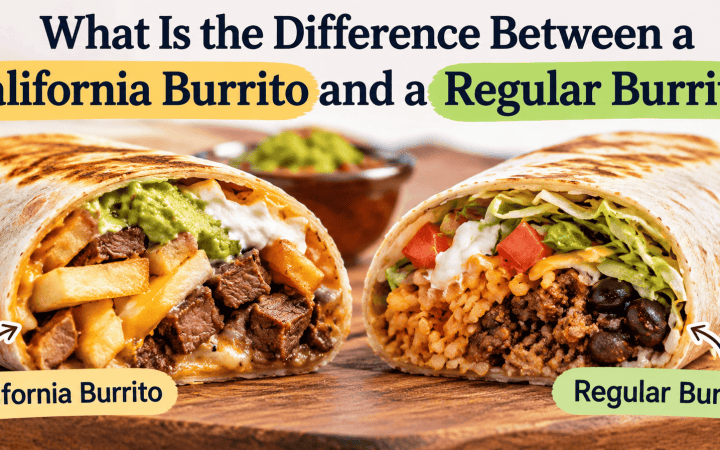
What Is the Difference Between a Mission-Style Burrito and a California Burrito?
Although both burritos are associated with California, they originated in different cities and feature different ingredients.
The Mission-style burrito is associated with San Francisco.
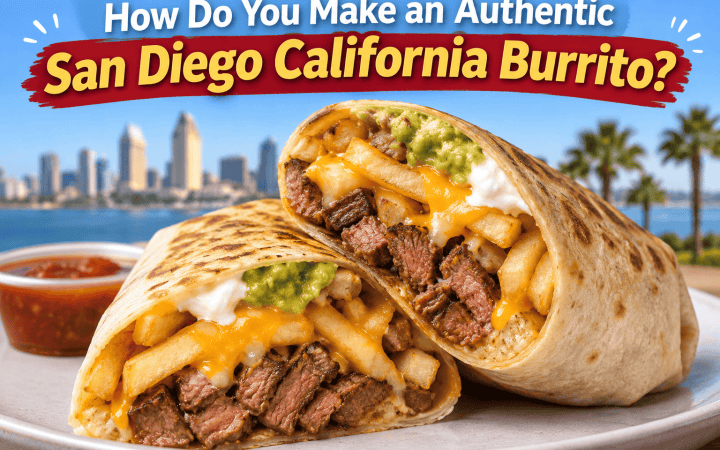
The California burrito is strongly associated with San Diego.
| Feature | San Francisco Mission-Style | San Diego California Burrito |
|---|---|---|
| Origin | San Francisco | San Diego |
| Main protein | Carne asada or other meats | Usually carne asada |
| Rice | Common | Usually absent |
| Beans | Common | Usually absent |
| French fries | Not traditional | Signature ingredient |
| Cheese | Often optional or included in super versions | Common |
| Sour cream | Common in super versions | Common |
| Guacamole | Popular addition | Varies |
The biggest distinction is that a Mission-style burrito generally emphasizes rice, beans, and meat, while a San Diego California burrito is famous for combining carne asada with French fries.
Both styles are important parts of California’s Mexican-American food culture.
Where Can You Find Authentic Mission-Style Burritos in San Francisco?
San Francisco’s Mission District remains the most famous destination for experiencing this burrito style.
Several established taquerias are closely associated with the neighborhood’s burrito culture.
La Taqueria
La Taqueria is one of the Mission District’s best-known burrito destinations.
It is particularly famous for its rice-free burritos, demonstrating that not every celebrated Mission District burrito follows the same ingredient formula.
El Farolito
El Farolito is known for its substantial burritos, extensive menu, and popularity among local diners.
La Cumbre Taqueria
La Cumbre is an important part of the Mission-style burrito’s history and remains associated with the development of the neighborhood’s burrito tradition.
Taqueria Cancún
Taqueria Cancún is another well-known Mission District establishment associated with generous burritos and classic taqueria offerings.
Each restaurant has its own preparation methods, sauces, and ingredient combinations.
How Do You Keep a Mission-Style Burrito From Falling Apart?
One of the biggest challenges when making a large burrito is keeping everything inside the tortilla.
Fortunately, a few simple techniques can make a significant difference.
Use a large tortilla. A small tortilla cannot accommodate the amount of filling typically used in a Mission-style burrito.
Warm the tortilla first. Cold tortillas are more likely to crack or tear.
Drain wet ingredients. Excess liquid from beans or salsa can weaken the tortilla.
Avoid overfilling. Even oversized tortillas have limits.
Keep fillings centered. Arranging ingredients in a compact line makes rolling easier.
Roll firmly. A tight wrap helps distribute the filling and maintain the burrito’s shape.
Use foil for support. Wrapping the finished burrito in foil makes it easier to hold and eat.
These techniques help recreate the familiar taqueria-style burrito experience at home.
Can You Make a Mission-Style Burrito Ahead of Time?
Yes. Mission-style burritos can be prepared in advance, making them convenient for meal planning.
However, certain ingredients store better than others.
Rice, beans, cooked meat, and cheese generally hold up well when refrigerated.
Fresh salsa, sour cream, lettuce, and guacamole are better added shortly before serving because they can release moisture or lose their texture.
For meal preparation, assemble the burritos with cooked meat, rice, beans, and cheese.
Wrap them individually and refrigerate promptly.
Properly refrigerated burritos containing cooked ingredients are generally best used within three to four days.
For longer storage, freeze the burritos.
When reheating, remove any aluminum foil before microwaving and heat the filling thoroughly to 165°F.
Add fresh toppings after reheating for the best texture.
Are Mission-Style Burritos Healthy?
Mission-style burritos can provide protein, carbohydrates, fiber, and several important nutrients.
However, their nutritional content depends heavily on portion size and ingredients.
A large burrito with meat, rice, beans, cheese, sour cream, and guacamole can contain a substantial number of calories.
For a more balanced version, consider choosing lean protein, adding vegetables, using moderate amounts of cheese and sour cream, and selecting beans for additional fiber.
You can also split an oversized burrito into two servings.
There is no need to eliminate traditional ingredients to enjoy a Mission-style burrito. Adjusting portions can make it easier to fit into different dietary preferences.
Frequently Asked Questions About Mission-Style Burritos
Does a Mission-Style Burrito Always Have Rice?
No. Although rice is common in Mission-style burritos, some well-known Mission District taquerias serve burritos without it.
The exact ingredients depend on the restaurant.
Is a Mission-Style Burrito Spicy?
Not necessarily.
The spice level depends on the meat seasoning and salsa.
Many restaurants offer mild and spicy salsa options.
What Kind of Beans Are Used?
Pinto beans, black beans, and refried beans are common choices.
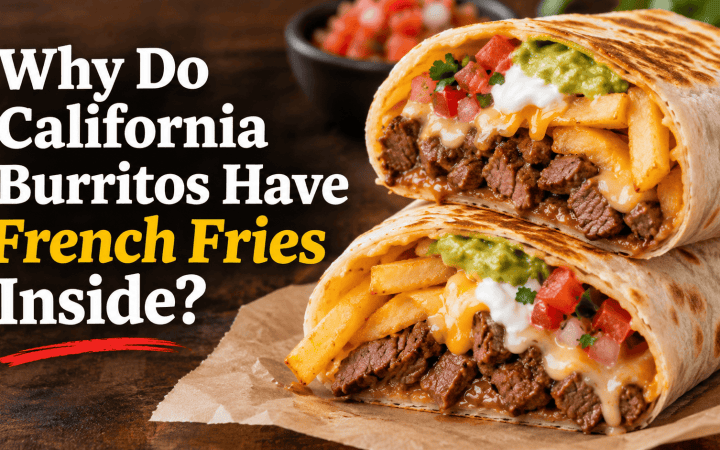
Do Mission-Style Burritos Have French Fries?
French fries are not a traditional defining ingredient of Mission-style burritos.
They are more closely associated with San Diego’s California burrito.
What Size Tortilla Is Best?
A 12- to 14-inch flour tortilla works well for homemade Mission-style burritos.
Can You Make a Mission-Style Burrito Without Meat?
Yes. Beans, rice, vegetables, salsa, and guacamole can create a satisfying vegetarian burrito.
What Is the Best Salsa for a Mission-Style Burrito?
Salsa roja, salsa verde, and pico de gallo are all excellent choices.
The best option depends on the protein and your preferred spice level.
Why Is It Called a Mission Burrito?
It is named after San Francisco’s Mission District, where the style developed and became popular.
Why the Mission-Style Burrito Remains a California Favorite
The San Francisco Mission-style burrito is more than an oversized tortilla filled with rice, beans, and meat.
It represents the culinary traditions, neighborhood businesses, and Mexican-American food culture that helped shape San Francisco’s Mission District.
Its popularity comes from a combination of generous portions, customizable ingredients, bold flavors, and convenient preparation.
Whether filled with carne asada, carnitas, chicken, or vegetables, the Mission-style burrito delivers a satisfying meal wrapped in one large flour tortilla.
Its influence can now be seen in burrito shops throughout California and beyond, but its cultural roots remain closely connected to San Francisco.
Final Thoughts
A San Francisco Mission-style burrito is a large, tightly wrapped flour tortilla filled with a flavorful combination of ingredients such as meat, rice, beans, and salsa, often with cheese, sour cream, and guacamole.
What makes it special is not simply its size. It is the combination of fresh ingredients, distinctive preparation, and the neighborhood food traditions that helped make it famous.
For anyone exploring California cuisine, the Mission-style burrito is an essential dish to understand and experience.
And for home cooks, recreating this San Francisco favorite is an excellent way to bring a little Mission District flavor into their own kitchen.


Leave a Reply