
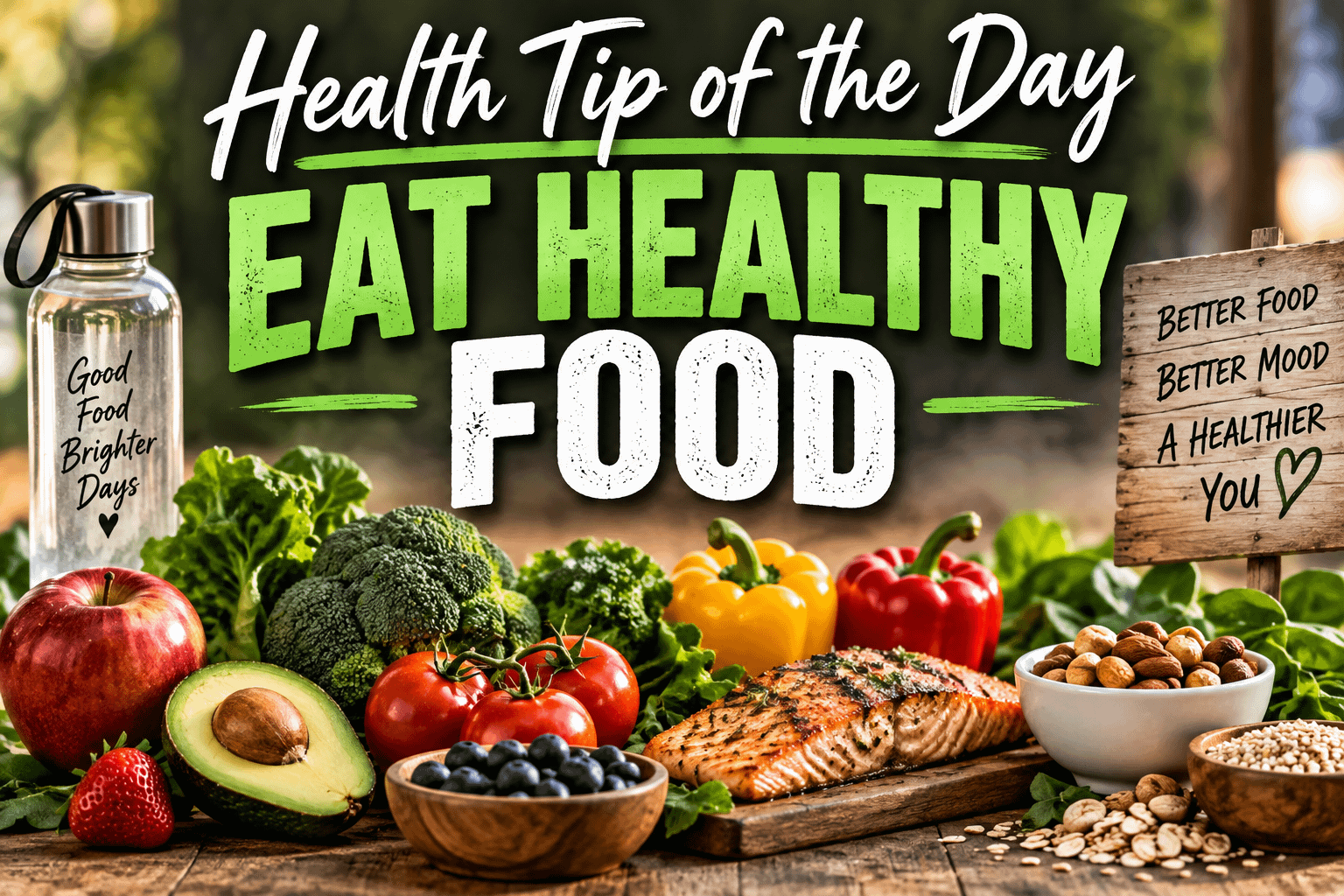
Eating healthy sounds like one of the simplest pieces of health advice anyone can give. We have all heard some version of it before: eat more vegetables, choose fruit instead of candy, drink more water, and stay away from too much processed food.
But eating healthy isn’t about trying to create a perfect diet.
It’s about consistently giving your body the nutrients and energy it needs to function well.
The foods you choose each day can influence your energy, digestion, heart health, weight, blood sugar, and overall well-being. You don’t have to completely change your diet overnight to make a difference. Small improvements made consistently can become powerful habits.
Food Is Fuel for Your Body
Think about everything your body does during a normal day.
Your heart keeps beating. Your lungs keep breathing. Your brain processes thousands of thoughts. Your muscles allow you to move. Your immune system works to protect you. Your digestive system breaks down food and absorbs nutrients.
All of that requires energy and nutrients.
Food provides carbohydrates, protein, fats, vitamins, minerals, fiber, and other nutrients your body uses every day.
The goal isn’t simply to eat less. It’s to eat better.
Instead of asking yourself:
“How little can I eat?”
Try asking:
“What can I eat that will give my body what it needs?”
That small change in thinking can completely change your relationship with healthy eating.
Focus on Adding Healthy Foods
One of the easiest ways to improve your diet is to stop thinking only about what you need to eliminate.
Start thinking about what you can add.
Add some vegetables to dinner.
Add fruit to breakfast.
Add beans to a soup or salad.
Add a handful of nuts or seeds when appropriate.
Add whole grains instead of relying exclusively on refined grains.
Add a source of protein to your meals.
Add water throughout your day.
As healthier foods become a larger part of your meals, foods that provide fewer nutrients may naturally become a smaller part of your diet.
That can feel much more manageable than suddenly declaring dozens of foods forbidden.
Eat More Fruits and Vegetables
Fruits and vegetables are an important part of a nutritious eating pattern because they provide vitamins, minerals, fiber, and a wide variety of beneficial plant compounds.
And you don’t have to eat foods you hate simply because they’re considered healthy.
Experiment.
If you don’t like broccoli, try green beans.
If you don’t like spinach, try carrots.
If apples get boring, try berries, oranges, peaches, pears, grapes, melon, or another fruit.
Fresh isn’t your only option either. Frozen fruits and vegetables can be nutritious and convenient, and canned options can also work—just pay attention to added sodium, syrups, and other ingredients.
The healthiest eating plan is one you can realistically continue.
Choose Whole Foods More Often
A helpful general rule is to make minimally processed foods the foundation of your diet.
Examples include:
- Vegetables and fruits
- Beans and lentils
- Whole grains
- Nuts and seeds
- Eggs
- Fish and seafood
- Poultry and other lean protein sources
- Plain or lower-added-sugar dairy products, when appropriate
Processed food isn’t automatically “bad,” and convenience foods can absolutely fit into a healthy lifestyle. The bigger concern is when much of your diet comes from foods that are high in added sugars, sodium, or saturated fat while providing relatively little fiber and other nutrients.
You don’t need perfection.
You need balance.
Don’t Forget About Protein
Protein is another important part of a balanced diet.
Your body uses protein to build and maintain tissues, and protein-containing foods can also help make meals more satisfying.
Depending on your preferences, protein sources can include fish, poultry, eggs, beans, lentils, tofu, nuts, seeds, dairy products, and lean meats.
Try building meals around a combination of protein, vegetables or fruit, and a quality carbohydrate source.
For example, dinner could be grilled chicken, roasted vegetables, and brown rice.
Breakfast could be eggs with whole-grain toast and fruit.
Lunch could be a large salad with beans or chicken and a piece of fruit.
Healthy food doesn’t have to be complicated.
Pay Attention to What You Drink
Healthy eating isn’t only about food.
What you drink matters too.
Sugary beverages can add significant amounts of added sugar without making you feel as full as solid food. Water is an excellent everyday choice for staying hydrated.
If plain water isn’t appealing, try adding lemon, lime, cucumber, berries, or another fruit for flavor.
You don’t necessarily have to eliminate every soda, sweetened coffee, sports drink, or other favorite beverage.
Instead, make water your primary drink and treat sugary beverages as something you have less frequently.
Portion Size Still Matters
Even nutritious foods contain calories, so portions still matter.
That doesn’t mean you need to weigh and measure everything you eat.
Simply start paying attention to hunger and fullness.
Eat slowly enough to notice when you’re becoming satisfied. Give yourself permission to stop eating when you’ve had enough, even if food remains on your plate.
Likewise, don’t automatically assume hunger is something you need to fight.
Learning to recognize your body’s signals can be an important part of developing healthier eating habits.
Healthy Eating Doesn’t Mean Giving Up Your Favorite Foods
One reason people abandon healthy diets is because they make their rules too strict.
They decide:
“No pizza.”
“No burgers.”
“No dessert.”
“No chips.”
“No eating out.”
Eventually they eat something on the forbidden list and feel as though they’ve failed.
But one meal doesn’t determine your health.
Your overall eating pattern matters much more.
You can enjoy pizza occasionally while still eating healthy.
You can have dessert.
You can celebrate birthdays.
You can enjoy Thanksgiving dinner.
You can go to a restaurant with friends.
Healthy eating should fit into your life rather than make you afraid of food.
Make Small Changes
If your current diet isn’t where you’d like it to be, don’t try changing everything tomorrow morning.
Pick one thing.
Maybe this week you replace one sugary beverage each day with water.
Next week, add a vegetable to dinner.
Then start eating fruit as one of your snacks.
Later, experiment with preparing more meals at home.
Small victories build confidence.
And those victories eventually become habits.
A year of small improvements can produce a dramatically different lifestyle.
Plan Ahead
Healthy choices become much harder when you’re extremely hungry and have nothing prepared.
A little planning can make a big difference.
Keep easy options available such as fruit, yogurt, vegetables, nuts, eggs, canned tuna, beans, frozen vegetables, or other foods that work with your dietary needs.
You can also prepare certain foods ahead of time.
Cook chicken for several meals.
Wash and cut vegetables.
Prepare rice or another whole grain.
Boil some eggs.
Pack tomorrow’s lunch tonight.
You’re not relying solely on willpower anymore.
You’re creating an environment where the healthier choice is also the easier choice.
Read Nutrition Labels
Food packaging can make almost anything sound healthy.
Words such as “natural,” “multigrain,” or “made with real fruit” don’t necessarily tell you everything about a product’s nutritional value.
Take a few seconds to look at the Nutrition Facts label and ingredient list.
Pay attention to serving size, calories, sodium, added sugars, saturated fat, fiber, protein, and other nutrients that matter for your individual needs.
You don’t need to obsess over every number.
The goal is simply to become a more informed consumer.
Give Yourself Grace
There will be days when you eat extremely well.
There will also be days when dinner comes from a drive-thru.
That’s life.
One unhealthy meal doesn’t destroy a healthy lifestyle any more than one salad creates one.
What matters is what you do consistently.
If yesterday wasn’t your best day, don’t punish yourself today.
Just make your next choice a better one.
Healthy Eating Is an Investment in Yourself
You can’t control every aspect of your health.
But the foods you choose are one area where your everyday decisions can make a meaningful difference.
You don’t need the newest diet.
You don’t need an expensive collection of supplements.
You don’t need to survive on salads.
Start with the basics.
Eat more fruits and vegetables.
Choose whole and minimally processed foods more often.
Include nutritious protein sources.
Drink plenty of water.
Watch portions.
Limit foods and drinks high in added sugars, sodium, and saturated fat.
And allow yourself to enjoy food.
Healthy eating isn’t about becoming perfect.
It’s about taking care of yourself one meal at a time.
Health Tip of the Day
Don’t try to create the perfect diet today. Simply make your next meal a little healthier than it would have been yesterday.
Maybe that means adding vegetables.
Maybe it’s choosing water instead of soda.
Maybe it’s cooking dinner instead of ordering fast food.
Whatever it is, start there.
Your health isn’t built from one perfect day. It’s built from thousands of small decisions made over time.
What is one healthy food you could add to your meals today?





Leave a ReplyCancel reply