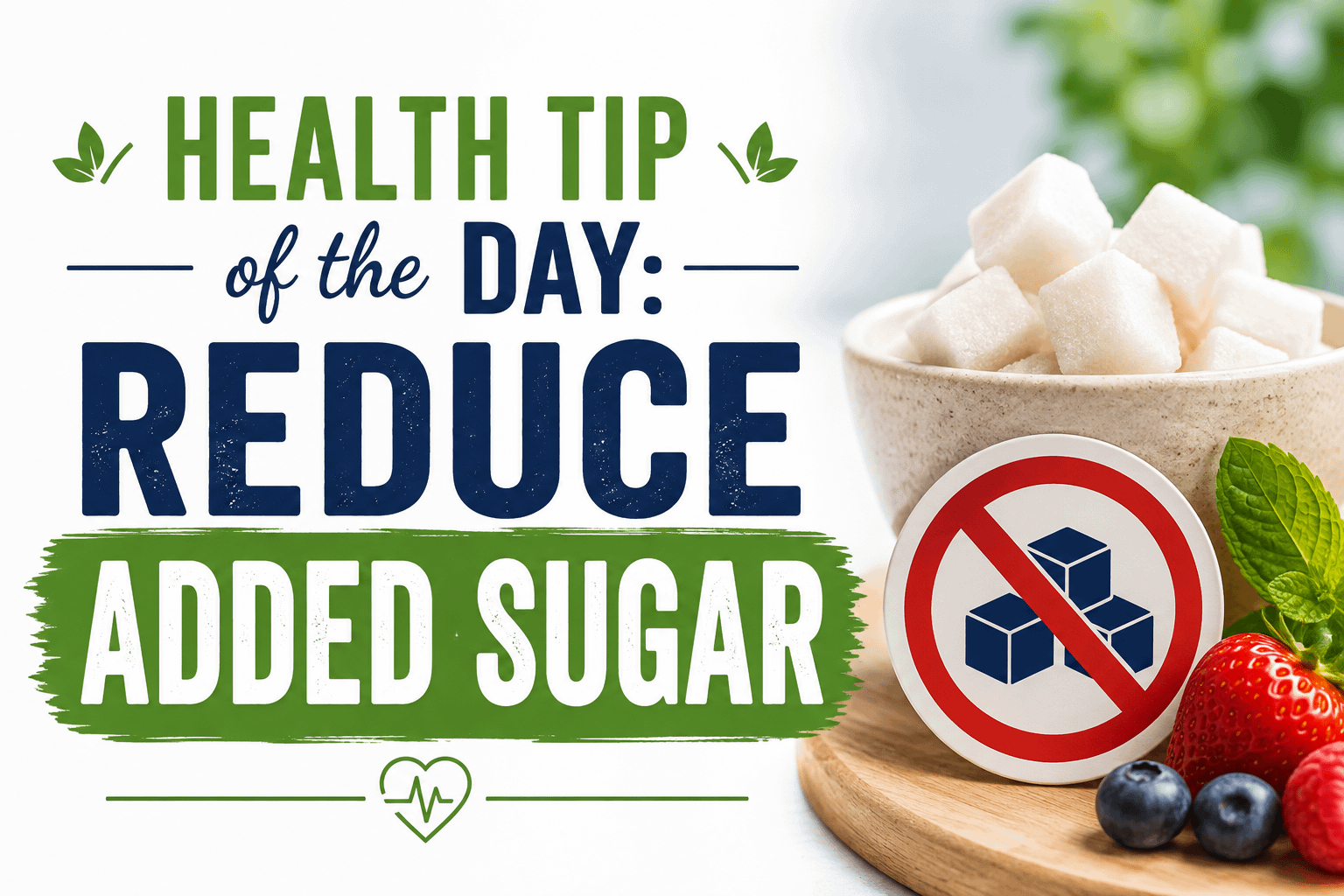
A Simple Habit That Can Transform Your Health
When it comes to improving your health, you don’t always need an expensive gym membership, a complicated meal plan, or the latest diet trend. Sometimes the most effective changes are the simplest ones. One of those changes is reducing the amount of added sugar you consume each day.
Added sugar is found in thousands of foods and drinks, many of which don’t even taste particularly sweet. While sugar can make foods more enjoyable, consuming too much of it over time has been linked to obesity, type 2 diabetes, heart disease, fatty liver disease, tooth decay, and chronic inflammation.
The encouraging news is that you don’t have to eliminate sugar completely to improve your health. By becoming more aware of where added sugar hides and making smarter choices, you can enjoy lasting health benefits without feeling deprived.
Today’s health tip is straightforward:
Reduce added sugar by making small, consistent choices that support a healthier lifestyle.
Understanding Added Sugar
Not all sugar is created equal.
There is an important difference between natural sugars and added sugars.
Natural sugars occur naturally in whole foods such as:
- Fresh fruit
- Vegetables
- Milk
- Plain yogurt
These foods also provide vitamins, minerals, antioxidants, water, and fiber that help your body process sugar more efficiently.
Added sugars, on the other hand, are incorporated during food processing or preparation. These sugars add calories but very little nutritional value.
Examples include:
- Table sugar
- Brown sugar
- High-fructose corn syrup
- Corn syrup
- Cane syrup
- Dextrose
- Maltose
- Sucrose
- Fructose
- Molasses
- Honey
- Agave nectar
- Rice syrup
- Fruit juice concentrate
While some natural sweeteners sound healthier, your body still processes many of them similarly when consumed in excess.
Where Added Sugar Hides
Many people assume desserts are their biggest source of sugar, but added sugar appears in countless everyday foods.
Common sources include:
- Soft drinks
- Sweet tea
- Coffee drinks
- Energy drinks
- Sports drinks
- Breakfast cereals
- Flavored oatmeal
- Granola bars
- Protein bars
- Yogurt
- Ice cream
- Cookies
- Cakes
- Candy
- Muffins
- Pancakes
- Waffles
- Ketchup
- Barbecue sauce
- Pasta sauce
- Salad dressing
- Bread
- Frozen meals
Even foods labeled “low fat” often contain extra sugar to improve flavor after fat has been removed.
Why Too Much Added Sugar Can Be Harmful
Sugar itself isn’t the enemy. The problem comes from consistently consuming more than your body needs.
Weight Gain
Sugary foods are often high in calories while being low in nutrients.
Because they don’t keep you feeling full for very long, it’s easy to eat more calories than your body burns.
Over time, this can contribute to weight gain.
Blood Sugar Spikes
Sugary foods digest quickly.
This causes blood sugar levels to rise rapidly before dropping again, leaving you feeling:
- Hungry
- Tired
- Irritable
- Craving more sugar
Breaking this cycle can help improve your energy throughout the day.
Increased Risk of Type 2 Diabetes
Consistently high sugar intake can contribute to insulin resistance.
When your cells become less responsive to insulin, your pancreas has to work harder to regulate blood sugar.
Over time, this may increase the risk of developing type 2 diabetes.
Heart Health
Research has shown that diets high in added sugar may contribute to:
- High blood pressure
- Increased triglycerides
- Higher LDL cholesterol
- Increased inflammation
These factors raise the risk of heart disease over time.
Fatty Liver Disease
Too much fructose from added sugars can overwhelm the liver.
When the liver converts excess sugar into fat, it may lead to non-alcoholic fatty liver disease, a condition that has become increasingly common.
Tooth Decay
The bacteria in your mouth feed on sugar.
As they break it down, they produce acids that weaken tooth enamel and create cavities.
Good oral hygiene helps, but reducing sugar is one of the best preventive measures.
How Much Added Sugar Is Recommended?
According to the American Heart Association:
Women
No more than 25 grams (6 teaspoons) of added sugar per day.
Men
No more than 36 grams (9 teaspoons) per day.
For perspective:
- One can of soda often contains about 39 grams.
- Many coffee drinks exceed 40 grams.
- Some flavored yogurts contain 20 grams or more.
- Certain breakfast cereals provide over 15 grams per serving.
It’s surprisingly easy to exceed the recommended daily limit before lunchtime.
Signs You May Be Eating Too Much Sugar
You may not realize how much sugar you’re consuming until you notice symptoms such as:
- Frequent cravings
- Afternoon energy crashes
- Difficulty losing weight
- Feeling hungry shortly after meals
- Mood swings
- Brain fog
- Poor sleep
- Frequent cavities
While these symptoms can have many causes, reducing added sugar often helps improve several of them.
Practical Ways to Reduce Added Sugar
The goal isn’t perfection.
It’s progress.
Here are practical strategies that anyone can begin today.
Drink Water More Often
Sugary beverages are one of the largest contributors to excess sugar intake.
Instead of:
- Soda
- Sweet tea
- Lemonade
- Sweetened coffee
- Energy drinks
Choose:
- Water
- Sparkling water
- Unsweetened iced tea
- Black coffee
- Herbal tea
If plain water feels boring, add slices of lemon, cucumber, berries, or mint.
Read Nutrition Labels
Many products that seem healthy contain significant amounts of added sugar.
When shopping:
- Compare brands.
- Read ingredient lists.
- Look for “Added Sugars” on the Nutrition Facts label.
Often you’ll find one product contains half the sugar of another.
Eat More Whole Foods
Whole foods naturally contain fewer added ingredients.
Build meals around:
- Fresh vegetables
- Fruit
- Lean protein
- Whole grains
- Nuts
- Seeds
- Beans
The less processed your food is, the easier it becomes to reduce added sugar.
Choose Unsweetened Products
Many foods are available in unsweetened versions.
Examples include:
- Greek yogurt
- Almond milk
- Oatmeal
- Peanut butter
- Applesauce
You can always add fresh fruit or cinnamon for natural flavor.
Reduce Sugar Gradually
Your taste buds adapt over time.
If you usually:
- Add two spoonfuls of sugar to coffee
- Drink several sodas each day
- Eat dessert every evening
Try reducing your intake little by little instead of stopping overnight.
You’ll likely discover foods begin tasting naturally sweeter after a few weeks.
Cook More Meals at Home
Restaurant meals and processed foods often contain hidden sugars.
Preparing meals yourself gives you full control over:
- Ingredients
- Portions
- Sweeteners
- Overall nutrition
Even cooking two or three additional meals each week can make a meaningful difference.
Healthy Alternatives for Sweet Cravings
Cravings are normal.
Rather than ignoring them, choose healthier options.
Ideas include:
- Fresh strawberries
- Blueberries
- Apple slices with peanut butter
- Greek yogurt with berries
- Frozen grapes
- Cottage cheese with pineapple
- Banana with cinnamon
- Homemade smoothies
- Dark chocolate (70% cocoa or higher) in moderation
These options satisfy your sweet tooth while providing nutrients your body needs.
Benefits You May Notice
Many people experience noticeable improvements after reducing added sugar.
Benefits can include:
- More consistent energy
- Fewer cravings
- Better concentration
- Improved sleep
- Easier weight management
- Better digestion
- Healthier skin
- Lower inflammation
- Improved dental health
- Better overall well-being
Results vary, but even modest reductions can make a meaningful difference over time.
Small Changes Add Up
Healthy living is not built on one perfect meal.
It’s built on thousands of healthy choices made over weeks, months, and years.
Perhaps today you skip the soda.
Tomorrow you choose plain yogurt instead of flavored yogurt.
Next week you start reading food labels.
None of these changes seem dramatic on their own, but together they create a healthier lifestyle that lasts.
Remember, you don’t need to be perfect. You simply need to be consistent.
Final Thoughts
Reducing added sugar is one of the simplest and most effective ways to improve your overall health. By becoming more mindful of the foods and beverages you consume, you can support better energy levels, healthier weight management, improved heart health, and a lower risk of chronic disease.
Start with one small change today. Replace a sugary drink with water, choose whole fruit over candy, or check the nutrition label before making your next purchase. These simple habits may seem small, but they can lead to significant improvements over time.
Healthy living isn’t about eliminating every treat—it’s about creating balance. Enjoy sweets occasionally, but let whole, nourishing foods become the foundation of your diet. Your future self will appreciate every healthier choice you make.
Health Tip of the Day: Reducing added sugar isn’t about giving up everything you love—it’s about making smarter choices that help you feel your best, one day at a time.




Leave a Reply