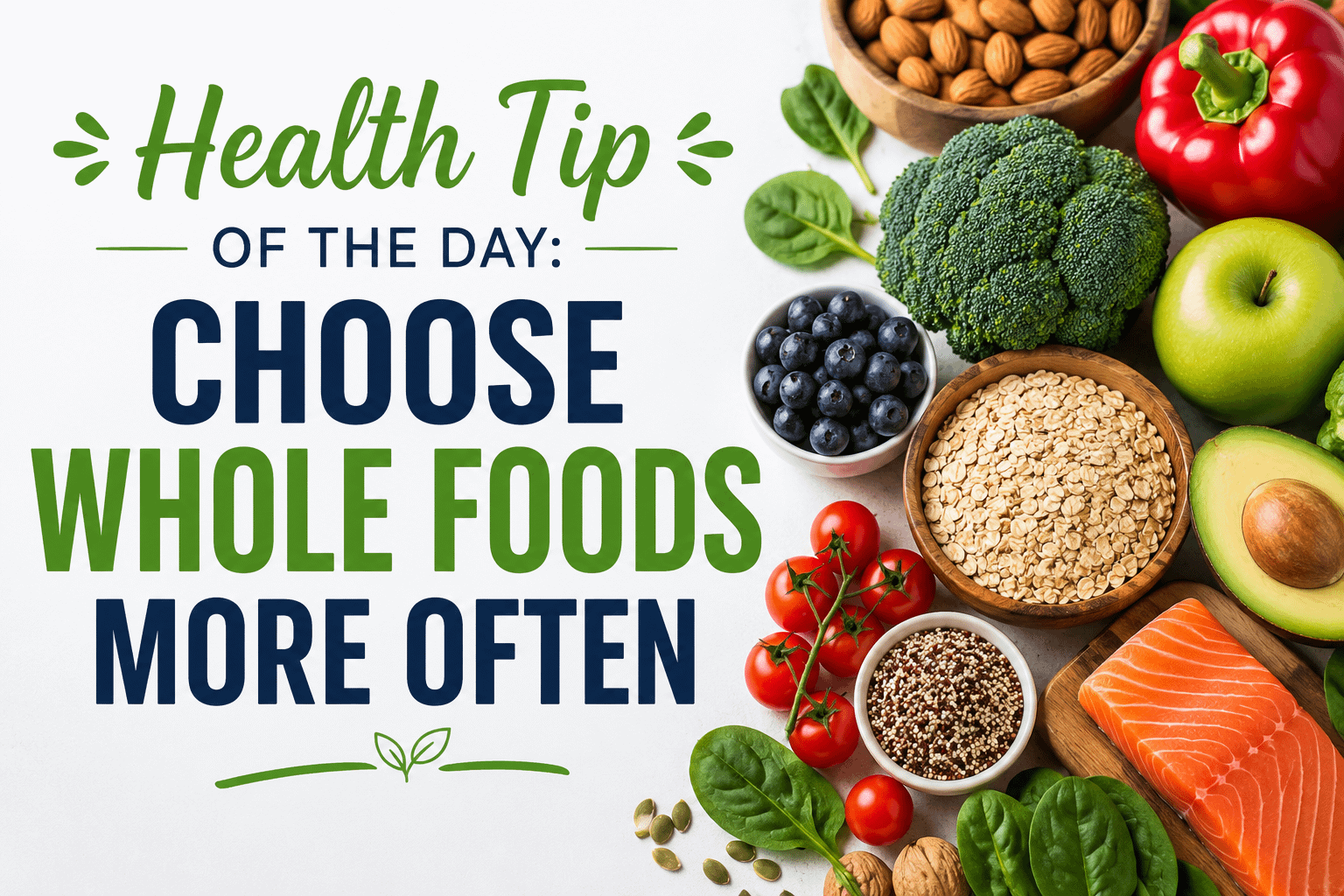
In today’s fast-paced world, convenience often wins when it comes to meals and snacks. Grocery store shelves are packed with ready-to-eat foods, frozen dinners, sugary beverages, and packaged snacks that save time but often sacrifice nutrition. While these foods can have a place in a balanced lifestyle, making whole foods the foundation of your diet is one of the most powerful decisions you can make for your long-term health.
Whole foods nourish your body with the vitamins, minerals, fiber, protein, and healthy fats it needs to function at its best. They help support everything from your heart and brain to your digestive system and immune health. Even better, choosing whole foods doesn’t require a complicated meal plan or expensive specialty products. It simply means selecting foods that are as close to their natural state as possible.
The goal isn’t perfection—it’s making healthier choices more often than not.
What Are Whole Foods?
Whole foods are foods that have been minimally processed and contain few or no artificial ingredients, preservatives, added sugars, or unhealthy fats. They retain most of their original nutritional value because they haven’t been heavily refined or altered.
Some excellent examples of whole foods include:
Fruits
- Apples
- Bananas
- Berries
- Oranges
- Grapes
- Pears
- Peaches
- Melons
Vegetables
- Broccoli
- Spinach
- Carrots
- Bell peppers
- Green beans
- Sweet potatoes
- Tomatoes
- Cucumbers
Whole Grains
- Brown rice
- Oats
- Quinoa
- Barley
- Whole wheat
- Farro
Healthy Proteins
- Chicken breast
- Turkey
- Fish
- Eggs
- Beans
- Lentils
- Chickpeas
- Tofu
Healthy Fats
- Avocados
- Almonds
- Walnuts
- Pistachios
- Chia seeds
- Flaxseed
- Olive oil
Dairy
- Plain Greek yogurt
- Milk
- Cottage cheese
- Natural cheeses
The closer a food looks to how it came from nature, the more likely it qualifies as a whole food.
Why Whole Foods Are Better for Your Body
Every bite of food either provides your body with nutrients or simply provides calories. Whole foods do both—they fuel your body while supplying nutrients that help it repair, protect, and perform.
They Provide More Nutrients
Whole foods naturally contain:
- Vitamins
- Minerals
- Fiber
- Antioxidants
- Phytochemicals
- Healthy fats
- Lean protein
These nutrients work together to support every organ and system in your body.
They Help Control Hunger
One reason processed foods are easy to overeat is that they often digest quickly and leave you hungry again shortly afterward.
Whole foods contain fiber and protein that slow digestion and help you feel satisfied longer.
For example:
A bowl of oatmeal with blueberries and almonds may keep you full for several hours.
A sugary breakfast pastry may leave you hungry again within an hour.
Feeling satisfied longer often means consuming fewer unnecessary calories throughout the day.
They Support Healthy Digestion
Fiber is one of the biggest advantages of whole foods.
Fiber helps:
- Keep digestion regular
- Feed healthy gut bacteria
- Prevent constipation
- Improve bowel health
- Support immune function
- Promote feelings of fullness
Many processed foods have had most of their fiber removed during manufacturing.
They Can Help Maintain a Healthy Weight
Whole foods generally contain fewer empty calories while providing greater nutritional value.
People who eat diets rich in fruits, vegetables, lean proteins, and whole grains often find it easier to manage their weight because these foods naturally satisfy hunger.
Healthy eating isn’t about eating less.
It’s about eating foods that nourish your body more effectively.
Whole Foods Support Your Heart
Heart disease remains one of the leading health concerns worldwide.
Whole foods can help lower several risk factors by supporting:
- Healthy blood pressure
- Healthy cholesterol levels
- Reduced inflammation
- Improved circulation
Foods especially beneficial for heart health include:
- Salmon
- Walnuts
- Oats
- Olive oil
- Spinach
- Berries
- Beans
Simple dietary improvements can contribute to better heart health over time.
Better Blood Sugar Control
Highly processed foods often digest quickly, causing rapid spikes and crashes in blood sugar.
Whole foods release energy more gradually.
This steady release can help:
- Reduce energy crashes
- Improve focus
- Decrease cravings
- Support stable mood
- Help prevent overeating
Pairing protein with fiber-rich carbohydrates can provide even more balanced energy throughout the day.
Whole Foods Help Reduce Inflammation
Chronic inflammation has been linked to numerous health conditions, including heart disease, diabetes, arthritis, and certain cancers.
Many whole foods naturally contain anti-inflammatory compounds.
Some of the best include:
- Blueberries
- Leafy greens
- Tomatoes
- Olive oil
- Fatty fish
- Nuts
- Seeds
- Turmeric
- Ginger
Regularly including these foods in your meals may help support overall wellness.
Simple Ways to Eat More Whole Foods
Changing your eating habits doesn’t have to happen overnight.
Instead, build healthier habits one step at a time.
Start with Breakfast
Instead of:
Sugary cereal
Try:
- Oatmeal with berries
- Greek yogurt with fruit
- Eggs with whole-grain toast
- Fruit smoothies made with real ingredients
A nutritious breakfast can set the tone for healthier choices throughout the day.
Fill Half Your Plate with Vegetables
One of the easiest nutrition guidelines is making vegetables the largest portion of your meal.
Aim for colorful choices like:
- Broccoli
- Carrots
- Peppers
- Green beans
- Zucchini
- Brussels sprouts
- Salad greens
Different colors often provide different nutrients, so variety is beneficial.
Snack Smarter
Instead of reaching for chips or candy every afternoon, try snacks that provide lasting energy.
Healthy snack ideas include:
- Apple slices with peanut butter
- Mixed nuts
- Cottage cheese
- Hard-boiled eggs
- Grapes
- Baby carrots with hummus
- Greek yogurt
- Fresh berries
These options provide a balance of protein, fiber, and healthy fats.
Drink More Water
Many sugary drinks contribute significant calories without providing nutrition.
Choose:
- Water
- Sparkling water
- Unsweetened tea
- Infused water with lemon, cucumber, or berries
Staying hydrated also supports digestion, brain function, and energy levels.
Cook More Meals at Home
Home cooking gives you greater control over ingredients, portion sizes, and preparation methods.
Simple home-cooked meals might include:
- Grilled chicken with roasted vegetables
- Baked salmon with brown rice
- Turkey chili
- Stir-fried vegetables with lean protein
- Vegetable soup
- Homemade tacos using fresh ingredients
Cooking doesn’t have to be elaborate to be nutritious.
Learn to Read Food Labels
Marketing on food packaging can sometimes be misleading.
Instead of focusing only on claims like “natural” or “low fat,” look at the ingredient list.
Helpful tips include:
- Choose foods with short ingredient lists.
- Look for recognizable ingredients.
- Watch for multiple forms of added sugar.
- Compare sodium levels between similar products.
- Check fiber content in grain products.
The Nutrition Facts label can help you make more informed decisions.
Don’t Be Afraid of Frozen Produce
Fresh fruits and vegetables are excellent, but frozen options are often just as nutritious because they are typically frozen shortly after harvest.
Frozen produce offers several benefits:
- Longer shelf life
- Less food waste
- Convenient meal preparation
- Available year-round
Just choose varieties without added sauces, butter, or sugar whenever possible.
Progress Beats Perfection
Healthy eating doesn’t require eliminating every cookie, slice of pizza, or dessert from your life.
In fact, allowing yourself flexibility makes healthy habits easier to maintain.
Think of nutrition as a long-term lifestyle rather than a short-term diet.
If most of your meals consist of whole, nutritious foods, occasional indulgences can fit into a balanced approach.
Every healthy meal is another opportunity to care for your body.
Build Healthy Habits One Choice at a Time
Small improvements can create remarkable results over time.
Consider starting with just one new habit this week:
- Add one serving of vegetables to dinner.
- Replace one sugary drink with water.
- Eat fruit instead of candy once a day.
- Cook one additional meal at home.
- Choose whole-grain bread instead of white bread.
- Snack on nuts instead of chips.
These simple changes may seem small, but they become powerful when practiced consistently.
Final Thoughts
Choosing whole foods more often is one of the simplest yet most impactful health decisions you can make. Every apple instead of candy, every homemade meal instead of fast food, and every serving of vegetables instead of processed snacks is a step toward a healthier future.
Remember, healthy living isn’t about strict rules or giving up everything you enjoy. It’s about making intentional choices that nourish your body, increase your energy, and support your long-term well-being.
Your health is built one meal, one snack, and one decision at a time. Start where you are, make one healthier choice today, and let those choices grow into lifelong habits. Over time, those small daily decisions can add up to a healthier, stronger, and more vibrant life.
Leave a Reply