Category: Health & Wellness

  • Health Tip of the Day: Move Your Body

    Health Tip of the Day: Move Your Body

    Sometimes the simplest health advice is also some of the most important: move your body.

    You don’t need an expensive gym membership, complicated workout routine, or hours of free time to become more active. You don’t even have to consider yourself athletic.

    You simply need to move.

    Walk around the neighborhood. Stretch when you wake up. Work in the yard. Dance while you’re cleaning the house. Take the stairs. Play with your kids or grandkids. Ride a bike. Walk the dog. Do a few exercises while watching television.

    The goal isn’t perfection.

    The goal is to spend less time sitting still and more time reminding your body that it was designed to move.

    Movement Is About More Than Losing Weight

    When people hear the word “exercise,” they often immediately think about losing weight. While regular physical activity can certainly play an important role in weight management, the benefits of movement go far beyond what you see on the scale.

    Regular physical activity can help support your heart, muscles, bones, mobility, balance, sleep, energy, and overall quality of life.

    Movement can also support mental well-being.

    A short walk outside may give you an opportunity to clear your head. Stretching can help you break up a stressful day. A workout can provide a healthy outlet when frustration has been building.

    Sometimes movement isn’t about changing how your body looks.

    It’s about helping your body continue doing the things you want it to do.

    You Don’t Have to Start With an Hour

    One of the biggest mistakes people make when trying to become healthier is believing that every workout has to be long and intense.

    It doesn’t.

    If you haven’t been active recently, even a few minutes of movement can be a meaningful place to begin.

    Try taking a 10-minute walk.

    If 10 minutes feels like too much, start with five.

    Walk around your house. Walk to the mailbox. Stretch your legs. Stand up during television commercials. Put on your favorite song and move until it ends.

    Then do it again later.

    Small amounts of activity throughout the day can add up, and starting with manageable goals can make it easier to turn movement into a habit.

    Walking Is One of the Simplest Places to Start

    You don’t need fancy equipment to walk.

    For many people, all it takes is a comfortable pair of shoes and a safe place to move.

    Walking can also be adapted to your current fitness level. You can begin slowly and gradually increase your time, distance, or pace as your body becomes accustomed to the activity.

    You might walk:

    • Before breakfast
    • During your lunch break
    • After dinner
    • Around a shopping center
    • At a local park
    • While talking on the phone
    • Around your neighborhood
    • On a treadmill

    Don’t worry about whether someone else walks faster or farther.

    You’re not competing with them.

    You’re taking care of yourself.

    Break Up Long Periods of Sitting

    Modern life makes it incredibly easy to remain seated for hours.

    We sit while working.

    We sit while driving.

    We sit while watching television.

    We sit while scrolling through our phones.

    Before we realize it, much of the day has disappeared without much movement.

    Look for opportunities to interrupt those long periods of inactivity. Stand up periodically. Walk around for a few minutes. Stretch your shoulders and legs. Refill your water. Take the longer route to another room.

    You don’t necessarily need to completely restructure your day.

    Sometimes you simply need to add movement to the day you already have.

    Find Movement You Actually Enjoy

    If you hate running, you don’t have to become a runner.

    If you don’t enjoy gyms, you don’t necessarily need a gym.

    There are countless ways to be physically active.

    You could swim, hike, garden, dance, bike, walk, play basketball, lift weights, do yoga, clean the house, play with your children, or explore a local trail.

    The best type of movement is often one you can safely do and are willing to continue.

    When movement feels like punishment, it can be difficult to stay consistent.

    When it becomes something you enjoy—or at least something that makes you feel better afterward—it becomes much easier to make it part of your life.

    Strength Matters Too

    Walking and other aerobic activities are important, but don’t forget about your muscles.

    Strengthening activities can help maintain muscle and support your ability to perform everyday tasks as you age.

    You don’t necessarily need heavy weights.

    Depending on your ability and health, strength training might include resistance bands, light dumbbells, machines, body-weight exercises, or other forms of resistance.

    The key is progressing gradually and using proper technique.

    Make Movement Part of Your Routine

    Motivation comes and goes.

    Habits are what keep us moving when motivation disappears.

    Try attaching movement to something you already do.

    After drinking your morning coffee, take a short walk.

    After lunch, walk for 10 minutes.

    When you finish work, stretch before sitting down for the evening.

    When you’re watching television, stand up and move periodically.

    The more movement becomes part of your normal routine, the less you have to negotiate with yourself about whether you’re going to do it.

    Don’t Let an “All or Nothing” Mindset Stop You

    Maybe you planned to exercise for 30 minutes but only had time for 10.

    Move for 10.

    Maybe you wanted to walk two miles but only managed half a mile.

    You still moved.

    Maybe you missed yesterday completely.

    Move today.

    A missed workout doesn’t erase your progress, and a short workout isn’t worthless simply because it wasn’t longer.

    Health isn’t built through one perfect day.

    It’s built through choices repeated over weeks, months, and years.

    Listen to Your Body

    There’s a difference between challenging yourself and ignoring warning signs.

    Exercise shouldn’t mean pushing through severe pain, chest pain, faintness, or other concerning symptoms. People who have health conditions, significant mobility limitations, or haven’t exercised in a long time may want to talk with a qualified healthcare professional about an appropriate starting point.

    Your goal isn’t to prove how tough you are.

    Your goal is to become healthier.

    The Long-Term Goal

    For adults, public-health guidelines generally recommend working toward at least 150 minutes of moderate-intensity aerobic activity per week, along with muscle-strengthening activity on at least two days per week. People who aren’t currently reaching those levels don’t have to get there overnight.

    Start where you are.

    Build gradually.

    Five minutes can become 10.

    Ten minutes can become 20.

    One walk can become a daily habit.

    A few stretches can become a morning routine.

    The important thing is to begin.

    Today’s Health Challenge

    Give yourself one simple challenge today:

    Move your body for at least 10 minutes.

    Take a walk.

    Stretch.

    Dance.

    Garden.

    Ride your bike.

    Do a few exercises.

    It doesn’t have to be impressive enough to post online. It doesn’t have to break a record. It doesn’t have to leave you exhausted.

    It simply needs to get you moving.

    Your body doesn’t need perfection from you.

    It needs your attention, your consistency, and your willingness to take care of it.

    What are you going to do today to get your body moving?

  • Health Tip of the Day: Eat the Rainbow

    Health Tip of the Day: Eat the Rainbow

    When people hear the phrase “eat the rainbow,” they might picture a colorful plate filled with strawberries, oranges, spinach, blueberries, carrots, and purple cabbage. That is essentially the idea—but there is an important health principle behind all those colors.

    Eating the rainbow means regularly choosing fruits and vegetables from a variety of color groups instead of relying on the same few foods every day.

    Different plants contain different combinations of vitamins, minerals, fiber, antioxidants, and naturally occurring plant compounds. By adding more colors to your meals, you can increase the variety of nutrients your body receives.

    And the best part?

    You don’t need an expensive diet plan, complicated recipes, or a cabinet full of supplements.

    Sometimes improving your diet can begin with something as simple as adding another color to your plate.

    Why Color Matters

    The colors found naturally in fruits and vegetables aren’t there just to make food look appealing. Many colors come from plant compounds called phytonutrients or phytochemicals.

    For example, tomatoes get much of their red color from lycopene. Carrots and sweet potatoes contain carotenoids. Blueberries contain pigments called anthocyanins.

    These foods also provide different amounts of essential nutrients such as vitamin C, vitamin A precursors, potassium, folate, and dietary fiber.

    You don’t need to memorize every compound or vitamin.

    The easier rule is:

    More natural colors usually means more nutritional variety.

    Instead of worrying about creating a perfect diet, look at your plate and ask:

    “How many colors am I eating today?”

    Red Fruits and Vegetables

    Red foods can bring plenty of flavor and nutrition to your meals.

    Examples include:

    • Tomatoes
    • Strawberries
    • Raspberries
    • Watermelon
    • Red peppers
    • Cherries
    • Red apples
    • Pomegranate
    • Red grapefruit

    Tomatoes and watermelon are well-known sources of lycopene, while strawberries and red peppers provide vitamin C and other beneficial nutrients.

    Try adding sliced strawberries to breakfast, tomatoes to a sandwich, or roasted red peppers to dinner.

    Small additions count.

    Orange and Yellow Foods

    Orange and yellow fruits and vegetables are some of the easiest colorful foods to incorporate into everyday meals.

    Think about:

    • Carrots
    • Sweet potatoes
    • Pumpkin
    • Oranges
    • Tangerines
    • Mangoes
    • Peaches
    • Pineapple
    • Yellow peppers
    • Winter squash

    Many orange vegetables contain beta-carotene, which the body can convert into vitamin A. Vitamin A plays important roles in normal vision and immune function.

    You don’t have to eat carrots every day to get these benefits. Rotate between sweet potatoes, squash, pumpkin, peppers, citrus fruits, and other colorful choices.

    Green Foods

    Green vegetables are nutritional powerhouses and deserve a regular place on the plate.

    Options include:

    • Spinach
    • Kale
    • Broccoli
    • Brussels sprouts
    • Green beans
    • Asparagus
    • Avocado
    • Peas
    • Romaine lettuce
    • Collard greens

    Depending on the food, green vegetables can provide nutrients including folate, vitamin K, vitamin C, potassium, and fiber.

    One simple strategy is to make sure something green appears at either lunch or dinner.

    Add spinach to scrambled eggs.

    Put lettuce and avocado on a sandwich.

    Serve broccoli alongside dinner.

    Add spinach or kale to a smoothie.

    You don’t have to completely change your meals. Add nutrition to meals you already enjoy.

    Blue and Purple Foods

    Blue and purple fruits and vegetables aren’t always eaten as frequently, which makes them an excellent category to intentionally add to your diet.

    Examples include:

    • Blueberries
    • Blackberries
    • Purple grapes
    • Plums
    • Eggplant
    • Purple cabbage
    • Purple potatoes

    Many blue and purple plants contain anthocyanins, pigments responsible for their distinctive colors.

    Blueberries are particularly easy to incorporate into breakfast. Add them to oatmeal, yogurt, cereal, smoothies, or whole-grain pancakes.

    Purple cabbage can add color and crunch to salads, tacos, sandwiches, and slaws.

    White and Brown Foods Count Too

    “Eating the rainbow” doesn’t mean ignoring foods that aren’t brightly colored.

    White, tan, and brown plant foods can still be extremely nutritious.

    Consider:

    • Cauliflower
    • Mushrooms
    • Garlic
    • Onions
    • Potatoes
    • Parsnips
    • Turnips
    • Beans

    Garlic and onions contain naturally occurring sulfur compounds, while potatoes provide nutrients including potassium and vitamin C.

    Color is a helpful guide—not a rule that determines whether a food is healthy.

    You Don’t Need Every Color at Every Meal

    One mistake people can make when trying to improve their diet is turning a simple idea into another complicated set of rules.

    You don’t need six different vegetables on your dinner plate tonight.

    You don’t even need every color every day.

    Instead, think about variety across the week.

    Maybe breakfast includes blueberries and strawberries.

    Lunch has spinach and tomatoes.

    Dinner includes chicken with roasted broccoli, carrots, and sweet potatoes.

    Tomorrow you might have an orange, avocado, purple cabbage, and green beans.

    Over time, those different foods create nutritional variety.

    An Easy Challenge: Add One Color

    If your current diet doesn’t include many fruits and vegetables, don’t try changing everything overnight.

    Start with one simple challenge:

    Add one additional fruit or vegetable to your day.

    If breakfast is normally eggs and toast, add berries or an orange.

    If lunch is a turkey sandwich, add tomato, spinach, or avocado.

    If dinner is chicken and rice, add broccoli, peppers, carrots, or another vegetable.

    You aren’t necessarily taking foods away.

    You’re adding something nutritious.

    Once that becomes normal, add another.

    Small improvements are often easier to maintain than dramatic dietary changes.

    Frozen Fruits and Vegetables Are Fine

    Eating more produce doesn’t mean everything has to be fresh.

    Frozen fruits and vegetables can be convenient, nutritious, and sometimes less expensive—especially when certain produce isn’t in season.

    Keep frozen berries available for smoothies or oatmeal.

    Stock frozen broccoli, green beans, peas, carrots, or mixed vegetables for quick dinners.

    Canned vegetables and fruits can also be useful. When appropriate, compare labels for added sodium or added sugars and choose options that fit your nutritional needs.

    Healthy eating should be practical enough to work in everyday life.

    Build a Colorful Grocery Cart

    Your grocery cart is where eating the rainbow really begins.

    Before checking out, take a quick look inside.

    Do you see green?

    Red?

    Orange?

    Purple or blue?

    Instead of buying the exact same produce every week, occasionally choose something different.

    If you normally buy apples, grab some berries.

    If broccoli is your usual vegetable, try asparagus.

    Instead of regular potatoes, occasionally choose sweet potatoes.

    If your salads are mostly lettuce, add tomatoes, peppers, carrots, or purple cabbage.

    You don’t have to abandon foods you enjoy. Expand around them.

    Make Half Your Plate Fruits and Vegetables

    Another easy visual strategy comes from the USDA’s MyPlate approach: make roughly half your plate fruits and vegetables, with the remaining portion generally divided between grains and protein.

    You don’t need to measure every bite.

    Think visually.

    If dinner consists of grilled chicken, brown rice, broccoli, carrots, and a small fruit serving, you’ve created a meal containing multiple food groups and several colors without making nutrition complicated.

    Fiber Is Another Big Benefit

    Fruits and vegetables aren’t valuable only because of vitamins and antioxidants.

    They’re also important sources of dietary fiber.

    Fiber supports digestive health and can help with fullness. Higher-fiber dietary patterns are also associated with important cardiovascular and metabolic health benefits.

    Whole fruits generally provide more fiber than fruit juice, which is one reason eating an orange or apple can be a better everyday choice than relying primarily on juice.

    Don’t Chase Perfection

    One unhealthy meal doesn’t ruin a healthy lifestyle.

    One day without vegetables doesn’t erase your progress.

    And eating a salad doesn’t automatically make everything else irrelevant.

    Nutrition is about patterns.

    The foods you eat repeatedly over weeks, months, and years matter far more than a single meal.

    Instead of asking:

    “Did I eat perfectly today?”

    Try asking:

    “Did I make at least one choice today that helped my body?”

    Maybe you drank water instead of another sugary drink.

    Maybe you added broccoli to dinner.

    Maybe you chose berries for dessert.

    Maybe you cooked at home instead of getting fast food.

    Those choices add up.

    Today’s Health Challenge

    Take a look at what you plan to eat today and count the natural colors.

    Then challenge yourself to add one color that is missing.

    Red: strawberries or tomatoes.

    Orange: carrots or sweet potatoes.

    Yellow: pineapple or yellow peppers.

    Green: spinach or broccoli.

    Blue/Purple: blueberries or purple cabbage.

    White/Brown: mushrooms, onions, garlic, or cauliflower.

    It doesn’t have to be complicated or expensive.

    Health Tip of the Day: Eat the Rainbow

    Your body needs many different nutrients, and no single fruit or vegetable provides everything you need.

    That’s why variety matters.

    Fill your plate with different fruits, vegetables, whole foods, and colors whenever you can. Don’t worry about creating a picture-perfect meal. Focus on gradually creating a healthier pattern.

    More colors. More variety. More opportunities to nourish your body.

    The next time you’re preparing a meal, look at your plate before you start eating.

    What color could you add today?

  • Health Tip of the Day: Begin Your Day With Water

    Health Tip of the Day: Begin Your Day With Water

    How you begin your morning can influence how you feel throughout the rest of the day. While many people immediately reach for coffee, check their phone, or rush into their morning routine, there is one simple habit worth adding before almost anything else:

    Drink a glass of water.

    After spending several hours asleep without drinking anything, your body naturally needs fluids. Starting your morning with water is an easy way to begin replenishing what your body needs and make hydration a priority from the moment you wake up.

    You don’t need an expensive supplement, complicated morning routine, or special drink. A simple glass of water can be a healthy first step.

    Your Body Goes Hours Without Water While You Sleep

    Think about how long you normally sleep. If you get seven or eight hours of sleep, that’s seven or eight hours without drinking water. Depending on when you had your last drink before bed, the period may be even longer.

    Your body continues using water while you’re sleeping. You lose water through breathing, perspiration, and normal bodily processes.

    That’s why you may wake up with a dry mouth or feeling thirsty.

    Drinking water after waking begins replacing some of those fluids.

    It doesn’t mean everyone wakes up dangerously dehydrated. Rather, morning is a natural opportunity to hydrate after a long stretch without drinking.

    Water Is Essential to Your Body

    Water isn’t simply something we drink when we’re thirsty. It is essential for normal body function.

    Adequate hydration helps support functions including:

    • Regulating body temperature
    • Transporting nutrients
    • Removing waste
    • Normal digestion
    • Lubricating joints
    • Protecting tissues
    • Supporting normal physical and cognitive function

    Your hydration needs aren’t limited to the morning, of course. You need fluids throughout the entire day.

    But starting with water can establish a healthy pattern.

    Turn Hydration Into a Morning Habit

    One of the biggest advantages of drinking water first thing in the morning has nothing to do with a miracle effect from drinking it at a particular hour.

    It’s about building a habit.

    Healthy habits are often easier to maintain when they become attached to something you already do automatically.

    You wake up every morning.

    So you can create a simple routine:

    Wake up. Get out of bed. Drink some water. Begin your day.

    After repeating this routine consistently, you may eventually stop thinking about it. Drinking water simply becomes part of waking up.

    And that can make it easier to stay mindful of hydration throughout the rest of the day.

    How Much Water Should You Drink?

    You don’t have to force yourself to drink an enormous amount of water immediately after waking.

    Start with an amount that feels comfortable.

    For some people, that might be a small glass. Others may enjoy a larger glass or reusable bottle.

    There isn’t one perfect amount that everyone must drink upon waking because hydration needs vary from person to person. Factors such as body size, physical activity, climate, diet, pregnancy, medications, and certain medical conditions can influence fluid needs.

    The important thing is consistency.

    Instead of worrying about achieving a perfect number before breakfast, concentrate on developing a sustainable hydration routine throughout your day.

    Make Water Easy to Reach

    Sometimes the simplest way to develop a healthy habit is to remove the obstacles preventing you from doing it.

    If you want to drink water every morning, make water convenient.

    Before going to bed, place a clean glass or water bottle somewhere you’ll see it in the morning. You might keep it in the kitchen, next to your coffee maker, or somewhere else that fits your routine.

    Seeing the bottle can act as your reminder:

    Drink your water.

    You can also use a reusable water bottle throughout the day. Keeping water nearby at your desk, in your bag, or during activities can make drinking regularly much easier.

    What If You Don’t Like Plain Water?

    Some people simply don’t enjoy plain water.

    If that’s you, there are ways to make it more appealing without turning it into a heavily sweetened beverage.

    Try adding fresh lemon, lime, cucumber, mint, berries, or another fruit you enjoy.

    You can also experiment with temperature.

    Some people love ice-cold water in the morning. Others prefer room-temperature water. Some enjoy warm water.

    There isn’t a magical temperature you need to choose.

    Drink it in whatever form makes it easier for you to maintain the habit.

    What About Lemon Water?

    Lemon water has become extremely popular as part of morning wellness routines.

    Adding lemon can provide flavor and a small amount of nutrients, but you don’t need lemon for your morning water to “work.”

    Plain water hydrates you perfectly well.

    Be cautious about dramatic claims suggesting that lemon water detoxifies the body, melts fat, or cures illnesses. Your body already has sophisticated systems—including your liver and kidneys—that handle waste processing and elimination.

    If lemon makes you enjoy your water more, great.

    If you prefer plain water, that’s great too.

    Can You Still Have Your Morning Coffee?

    Absolutely.

    Starting with water doesn’t mean you have to give up coffee.

    For many people, morning coffee is one of life’s simple pleasures.

    The goal isn’t necessarily to replace your coffee. Instead, you could drink some water before or alongside it.

    Coffee and other beverages also contribute fluid to your daily intake. The larger goal is maintaining adequate hydration throughout the day rather than treating water and coffee as opponents.

    So enjoy your morning coffee if it fits your health needs and preferences.

    Just don’t forget about water.

    Hydration and Physical Activity

    Morning hydration can be particularly important if you’re planning to exercise.

    Physical activity increases fluid loss, especially when you sweat heavily or exercise in hot conditions.

    If you’re going for a morning walk, hitting the gym, running, cycling, or doing another workout, pay attention to your fluid intake before, during, and after exercise.

    Longer or more intense exercise can require additional planning around fluids and electrolytes.

    Your individual needs will depend on factors such as exercise intensity, duration, temperature, and how heavily you sweat.

    Don’t Wait Until You’re Extremely Thirsty

    Thirst is one of your body’s signals that it wants fluids, and paying attention to thirst is useful for many healthy adults.

    You can also make hydration easier by drinking regularly throughout your day rather than suddenly realizing late in the afternoon that you’ve barely had anything to drink.

    Morning water gives you an early start.

    Then continue drinking according to your needs throughout the day.

    Pay Attention to Your Body

    Your body can give you clues about hydration.

    Thirst and dry mouth are obvious ones. Urine color can also offer a rough clue, although it isn’t a perfect hydration test because foods, supplements, medications, and medical conditions can change urine color.

    Instead of obsessively monitoring a single sign, pay attention to your overall fluid intake and how you feel.

    And remember that more water isn’t always better.

    Drinking excessive amounts of water too quickly can be dangerous because it can disrupt the body’s sodium balance. Hydration should be sensible and spread throughout the day.

    Certain People Need Different Advice

    General hydration advice isn’t appropriate for absolutely everyone.

    People with certain kidney, heart, liver, or other medical conditions may be instructed to limit fluids. Some medications can also affect fluid or electrolyte balance.

    If a healthcare professional has given you specific instructions regarding fluid intake, follow those recommendations rather than general wellness advice.

    Build a Better Morning One Habit at a Time

    The healthiest routines don’t always require dramatic changes.

    Sometimes they begin with something incredibly simple.

    Wake up.

    Drink some water.

    Stretch.

    Eat a nourishing breakfast if that fits your routine.

    Move your body.

    Take your medications as prescribed.

    Prepare yourself mentally for the day ahead.

    You don’t have to completely redesign your life overnight.

    Small behaviors repeated consistently can become meaningful habits.

    Try a Seven-Day Morning Water Challenge

    If drinking water after waking isn’t something you currently do, try it for the next seven mornings.

    Tonight, fill your reusable bottle or put a glass somewhere you’ll see it tomorrow.

    When you wake up, drink some water before getting caught up in your day.

    Repeat the process tomorrow.

    Then do it again.

    The goal isn’t perfection. You’re simply teaching yourself to associate waking up with hydration.

    After seven days, ask yourself whether the habit feels easier than it did on day one.

    If it does, keep going.

    Today’s Health Tip

    Begin your day with water.

    It’s inexpensive, accessible, and simple enough to become part of almost anyone’s morning routine.

    You don’t need to believe exaggerated claims that morning water will cure every health problem, flush mysterious “toxins” from your body, or instantly transform your metabolism.

    The benefit is much simpler.

    Your body needs water.

    You’ve just spent hours sleeping without drinking.

    And beginning your morning with water gives you an easy opportunity to start meeting your hydration needs.

    Sometimes improving your health isn’t about discovering a secret.

    It’s about consistently doing the simple things your body needs.

    Tomorrow morning, before you get lost in everything the day demands from you, will you take a moment and drink a glass of water?

  • Health Tip of the Day: When You Get Injured and You Are Alone

    Health Tip of the Day: When You Get Injured and You Are Alone

    Getting injured is frightening enough when someone is nearby to help. When you are alone, even a relatively minor injury can suddenly feel much more serious.

    You may fall, cut yourself, twist an ankle, hurt your back, burn yourself, or experience sudden pain without anyone nearby to check on you. In those moments, fear can make it difficult to decide what to do next.

    The most important thing is to focus on immediate safety. Instead of trying to handle everything at once, concentrate on the next thing you need to do.

    First, Check for Immediate Danger

    Before trying to stand up or continue what you were doing, assess what happened.

    Ask yourself:

    • Am I conscious and thinking clearly?
    • Can I breathe normally?
    • Am I bleeding heavily?
    • Did I hit my head?
    • Can I move my arms and legs normally?
    • Do I have severe pain in my neck, back, chest, abdomen, or head?
    • Is anything obviously broken or out of position?
    • Am I dizzy, confused, extremely weak, or about to pass out?

    If something feels seriously wrong, don’t force yourself to get up simply because nobody else is there.

    Your first priority isn’t proving that you can handle the situation alone. It’s preventing the injury from becoming worse.

    Know When to Call 911

    Some injuries require emergency medical attention.

    Call 911 or your local emergency number if you have severe or uncontrolled bleeding, difficulty breathing, severe chest pain, loss of consciousness, new confusion, signs of a stroke, a major head or neck injury, a suspected serious fracture, severe burns, or another injury that appears life-threatening.

    If you fall and cannot safely get up, calling for emergency assistance may also be necessary.

    When possible, keep your phone with you while waiting for help. Follow the emergency dispatcher’s instructions rather than trying to treat a serious injury yourself.

    Don’t Immediately Jump Up After a Fall

    Our instinct after falling is often to stand up as quickly as possible.

    Give yourself a moment first.

    Take several normal breaths and determine where you hurt. Slowly move your hands and feet if you can do so without significant pain.

    If you have severe pain, numbness, weakness, significant dizziness, or suspect an injury to your head, neck, back, hip, or another major area, avoid unnecessary movement and seek help.

    If you believe the injury is minor and you can safely get up, use a stable piece of furniture or another sturdy support rather than trying to spring directly to your feet.

    If you cannot get up safely, don’t exhaust yourself repeatedly trying. Call for assistance.

    Control Bleeding

    For a bleeding wound, apply firm, steady pressure with clean gauze or cloth if available.

    Keep pressure on the wound rather than repeatedly lifting the material to see whether the bleeding has stopped. If blood soaks through, add more material on top while maintaining pressure.

    Heavy bleeding that won’t stop is an emergency. Call 911.

    Small cuts may eventually be cleaned and covered once bleeding has been controlled, but deep, gaping, contaminated, or otherwise serious wounds may require professional medical treatment.

    Be Careful With Sprains and Strains

    If you twist your ankle, knee, wrist, or another joint, stop the activity that caused the injury.

    Protect the injured area and avoid movements that significantly increase pain. Cold therapy can sometimes help with pain and swelling during the early period after an injury. Wrap an ice or cold pack in a towel rather than placing it directly against your skin, and use it for short periods.

    Elevation may also help swelling when practical.

    Don’t assume an injury is “just a sprain” if you have severe pain, major swelling, significant deformity, numbness, or cannot use or put weight on the injured body part. Fractures and other injuries can sometimes resemble sprains.

    Head Injuries Deserve Extra Attention

    Being alone makes a significant head injury especially concerning because nobody is there to notice changes in your condition.

    Seek urgent medical attention after a head injury if you develop worsening or severe headache, repeated vomiting, increasing confusion, unusual behavior, significant drowsiness, weakness or numbness, seizures, slurred speech, loss of consciousness, or other concerning neurological symptoms.

    When you’re unsure about the seriousness of a head injury, getting professional medical advice is safer than assuming everything is fine.

    Your Phone Can Become a Lifeline

    One of the simplest safety habits for someone who spends significant time alone is keeping a charged phone within reach.

    That matters especially when showering, cooking, using stairs, doing yardwork, climbing ladders, exercising, or performing household repairs.

    If you’re injured and can reach your phone, contact someone you trust even when the situation doesn’t require 911.

    Tell them what happened and where you are.

    You might say, “I fell and hurt my ankle. I’m okay right now, but I’m alone. Can you come over or stay on the phone with me?”

    Having another person aware of the situation provides an additional layer of protection if your condition changes.

    Don’t Drive Yourself If You Aren’t Safe to Drive

    Another mistake people sometimes make is trying to drive themselves for medical care when they’re injured.

    Severe pain, dizziness, weakness, impaired movement, significant bleeding, or certain medications can make driving unsafe.

    Ask someone to drive you, use appropriate transportation, or call emergency services when the situation warrants it.

    Getting medical help shouldn’t require putting yourself or other people on the road in additional danger.

    Prepare Before an Injury Happens

    If you live alone or regularly spend long periods alone, a little preparation can make an enormous difference.

    Keep a basic first-aid kit somewhere easy to reach. Include items such as bandages, sterile gauze, medical tape, disposable gloves, antiseptic supplies, and a cold pack.

    Keep important medical and emergency contact information accessible as well.

    Consider enabling your phone’s emergency features and adding emergency contacts. Some phones and smartwatches can also provide emergency SOS or fall-detection features.

    Most importantly, keep your phone nearby instead of leaving it across the house when doing something with a higher risk of falling or injury.

    Don’t Ignore an Injury Because You Are Alone

    Sometimes living or being alone creates a dangerous mindset:

    “I’ll just deal with it myself.”

    Independence is valuable, but knowing when you need help is part of taking care of yourself.

    Pain that continues to worsen, increasing swelling, inability to move or bear weight normally, numbness, weakness, fever, infection signs, persistent dizziness, or other new or worsening symptoms deserve medical attention.

    You don’t need to wait until something becomes unbearable before contacting a healthcare professional.

    Give Yourself Time to Recover

    Once the immediate danger has passed, remember that recovery still matters.

    An injury can affect your ability to cook, clean, shower, walk, drive, work, or take care of everyday responsibilities.

    Ask for help when you need it.

    Let someone bring groceries. Have a friend or family member check on you. Arrange transportation to medical appointments. Put unnecessary chores aside for a while.

    Trying to prove that you can do everything yourself can turn a manageable injury into a longer recovery.

    Health Tip of the Day

    When you get injured and you’re alone, focus on three things:

    Stay calm. Assess the injury. Get help when you need it.

    You don’t have to handle an emergency by yourself simply because you happened to be alone when it occurred.

    Keep a phone nearby, prepare basic emergency supplies ahead of time, and know the warning signs that mean it’s time to call 911 or seek medical attention.

    Sometimes the strongest and safest decision you can make is simply reaching for the phone and saying:

    “I need help.”

    If you were injured while you were home alone, would you know who you would call first?

  • Health Tip of the Day: When You Feel Broken

    Health Tip of the Day: When You Feel Broken

    There are moments in life when you do not simply feel tired, stressed, or overwhelmed.

    You feel broken.

    Maybe something happened that changed your life completely. Maybe you lost someone you loved. Maybe a relationship ended, someone betrayed you, your health changed, or the future you imagined suddenly disappeared.

    Sometimes there isn’t one dramatic event.

    Sometimes life simply keeps piling things on you until eventually you wonder how much more you can carry.

    You wake up tired.

    You go through the motions.

    You smile when someone asks how you are doing.

    You say, “I’m okay,” because explaining everything happening inside you feels exhausting.

    But underneath that answer may be sadness, loneliness, anger, fear, disappointment, grief, or simply an emptiness you cannot explain.

    When you feel broken, taking care of your health isn’t only about exercising, eating better, drinking enough water, or getting enough sleep.

    Your emotional health matters too.

    And sometimes the healthiest thing you can do is acknowledge that you are hurting.

    Stop Pretending Everything Is Fine

    Many people become incredibly good at hiding pain.

    They continue working.

    They take care of their families.

    They answer messages.

    They show up when people need them.

    They laugh at jokes.

    They handle responsibilities.

    From the outside, everything may appear normal.

    Inside, however, they may be struggling just to make it through another day.

    There is nothing healthy about forcing yourself to pretend that pain doesn’t exist.

    Acknowledging your emotions doesn’t mean allowing them to control your entire life. It simply means recognizing what you are experiencing.

    You can say:

    Today hurts.

    I’m overwhelmed.

    I’m grieving.

    I’m angry.

    I’m lonely.

    I’m exhausted.

    I don’t know what comes next.

    Sometimes naming what you feel is the beginning of understanding it.

    You Don’t Have to Fix Everything Today

    When life feels shattered, we often want everything repaired immediately.

    We want answers.

    We want closure.

    We want the pain to stop.

    We want life to make sense again.

    But emotional healing rarely works according to our preferred schedule.

    Some wounds require time.

    Instead of asking yourself, “How am I going to fix my entire life?” try asking a smaller question:

    “What do I need to get through today?”

    Maybe you need rest.

    Maybe you need to eat something.

    Maybe you need to take a shower.

    Maybe you need to step outside.

    Maybe you need to call someone.

    Maybe you need to pray.

    Maybe you simply need permission to have a difficult day without judging yourself for it.

    Small acts of care still matter.

    Take Care of Your Body While Your Heart Is Hurting

    Emotional pain can make physical self-care difficult.

    You may lose your appetite or eat for comfort. You may sleep constantly or struggle to sleep at all. Exercise may feel impossible. Even basic routines can suddenly require enormous effort.

    That is why difficult seasons are often the times when simple health habits become especially important.

    You don’t have to completely transform your lifestyle.

    Start small.

    Drink a glass of water when you wake up.

    Eat something nourishing.

    Take your medications as prescribed.

    Step outside for a few minutes.

    Stretch.

    Walk around the block if you are physically able.

    Take a warm shower.

    Try to maintain a reasonably consistent bedtime.

    These things will not erase grief, heartbreak, anxiety, or emotional pain.

    They aren’t supposed to.

    They are simply ways of telling your body:

    I am still worth taking care of.

    Give Yourself Permission to Rest

    Rest is not always sleep.

    Sometimes you need emotional rest.

    Turn off the phone.

    Step away from social media.

    Stop answering everyone else’s problems for a while.

    Sit somewhere peaceful.

    Listen to music.

    Read.

    Pray.

    Watch something comforting.

    Spend time outside.

    Allow yourself a few moments when you aren’t required to solve anything.

    People who are hurting sometimes keep themselves constantly busy because silence gives painful thoughts room to surface.

    Staying busy can provide temporary relief, but eventually your mind and body need genuine rest.

    You don’t have to earn it.

    Don’t Isolate Yourself Completely

    Pain often tells us to withdraw.

    Sometimes solitude is helpful, especially when you need time to process what has happened.

    But prolonged isolation can make difficult emotions feel even heavier.

    You don’t need dozens of people around you.

    Sometimes one safe person is enough.

    Someone you can call.

    Someone who listens without immediately trying to fix you.

    Someone who allows you to say what you’re actually feeling.

    You might simply tell them:

    “I’m having a difficult day and could use someone to talk to.”

    You don’t need a perfect explanation.

    And if friends or family aren’t enough—or you don’t feel comfortable opening up to them—consider talking with a therapist, counselor, grief counselor, doctor, pastor, or another trusted professional.

    Seeking support is a practical health decision.

    Understand That Healing Isn’t Linear

    One of the hardest things about emotional healing is believing you’re improving and then suddenly having another terrible day.

    You might go several days feeling stronger.

    Then something happens.

    A photograph.

    A song.

    A date on the calendar.

    A familiar place.

    A memory.

    Someone’s name.

    Suddenly the emotions return.

    That doesn’t necessarily mean you’ve lost all your progress.

    Healing often moves unevenly.

    There may be good days, difficult days, peaceful moments, painful reminders, unexpected laughter, and sudden tears.

    All of those experiences can exist during the same season of your life.

    Don’t measure your progress solely by whether you still experience pain.

    Sometimes progress is simply discovering that you can carry difficult feelings and still continue living.

    Stop Comparing Your Healing to Someone Else’s

    Everyone handles difficult experiences differently.

    One person may want to talk constantly.

    Another may become quiet.

    Someone may return to work quickly.

    Someone else may need more time.

    One person may cry openly.

    Another may rarely cry at all.

    There isn’t one universal timetable for emotional recovery.

    Comparing yourself with other people can create unnecessary pressure.

    Instead, pay attention to your own needs.

    Ask yourself:

    What helps me feel grounded?

    What makes things worse?

    Who makes me feel safe?

    What routines help me function?

    What am I avoiding that I may eventually need to face?

    Learning your own emotional patterns can help you care for yourself more effectively.

    Find One Reason to Keep Moving Forward

    When you’re hurting deeply, thinking about the future can feel overwhelming.

    So don’t try to imagine the next ten years.

    Sometimes you only need one reason to continue today.

    Your children.

    Your family.

    Your faith.

    Someone you love.

    A dream you haven’t finished.

    A person who needs you.

    A promise you made.

    A goal you still want to accomplish.

    Or simply the possibility that tomorrow could feel different.

    Your reason doesn’t have to sound profound to anyone else.

    It only needs to matter to you.

    Let Faith Carry What You Cannot

    For people of faith, difficult seasons can bring complicated questions.

    Why did this happen?

    Why didn’t God prevent it?

    Why does life have to hurt this much?

    Where is God when everything feels empty?

    Faith doesn’t always provide immediate explanations.

    Sometimes faith simply provides somewhere to place the questions.

    Prayer doesn’t need to be eloquent.

    Sometimes prayer is simply:

    “God, I don’t know how to do this. Please help me get through today.”

    There are moments when strength doesn’t look like having everything under control.

    Sometimes strength is admitting that you need help carrying what has become too heavy.

    Give Yourself Something to Look Forward To

    When life feels broken, the future can begin looking empty.

    Create small things to anticipate.

    A favorite meal.

    Coffee with someone.

    A movie.

    A weekend drive.

    A walk somewhere peaceful.

    A new book.

    A hobby.

    A family gathering.

    A trip.

    A personal goal.

    You don’t have to wait until you’re completely healed before allowing yourself to experience something good.

    Joy and pain can exist together.

    You can miss someone and still laugh.

    You can grieve and still enjoy dinner.

    You can be heartbroken and still watch a sunset.

    You can carry sadness and still experience moments of happiness.

    Enjoying life again does not erase what happened.

    Pay Attention When the Pain Becomes Too Heavy

    There is a difference between having a difficult period and reaching a point where emotional distress is seriously interfering with your ability to function.

    If sadness, anxiety, hopelessness, grief, or emotional exhaustion is persistent or worsening, consider talking with a healthcare or mental-health professional.

    And if your pain reaches the point where you are thinking about harming yourself, feel unable to stay safe, or believe life is no longer worth living, seek immediate help. In the United States, you can call or text 988 to reach the Suicide & Crisis Lifeline. If there is immediate danger, call 911 or go to the nearest emergency department.

    You do not have to wait until everything falls apart before asking someone to help you carry it.

    Your Broken Places Don’t Have to Be the End of Your Story

    Maybe you’re reading this while going through one of the hardest periods of your life.

    Maybe something happened that you would give anything to undo.

    Maybe there are parts of your old life that will never return.

    That reality can be painful to accept.

    Healing doesn’t always mean returning to the person you were before.

    Sometimes you become someone different.

    You learn what truly matters.

    You discover who stays.

    You understand pain differently.

    You become more compassionate toward people fighting battles you cannot see.

    You appreciate ordinary moments you once overlooked.

    You begin rebuilding—not because what happened didn’t matter, but because your life still matters.

    There may always be scars.

    There may always be certain memories that hurt.

    There may always be days when you wish things had turned out differently.

    But broken does not have to mean finished.

    Health Tip of the Day

    When you feel broken, don’t demand that you put your entire life back together today.

    Take care of the person who is hurting right now.

    Drink some water.

    Eat something.

    Rest.

    Take a walk if you can.

    Talk to someone you trust.

    Pray if prayer brings you comfort.

    Get professional support when you need it.

    And then take the next step.

    Some days, that step will be big.

    Other days, getting out of bed may be the victory.

    Both count.

    You don’t need to have everything figured out before you begin moving forward.

    Sometimes healing begins with one quiet decision:

    I am hurting, but I am still going to take care of myself today.

    And tomorrow, you can make that decision again.

    When you feel broken, what is one small thing you can do today to take care of yourself?

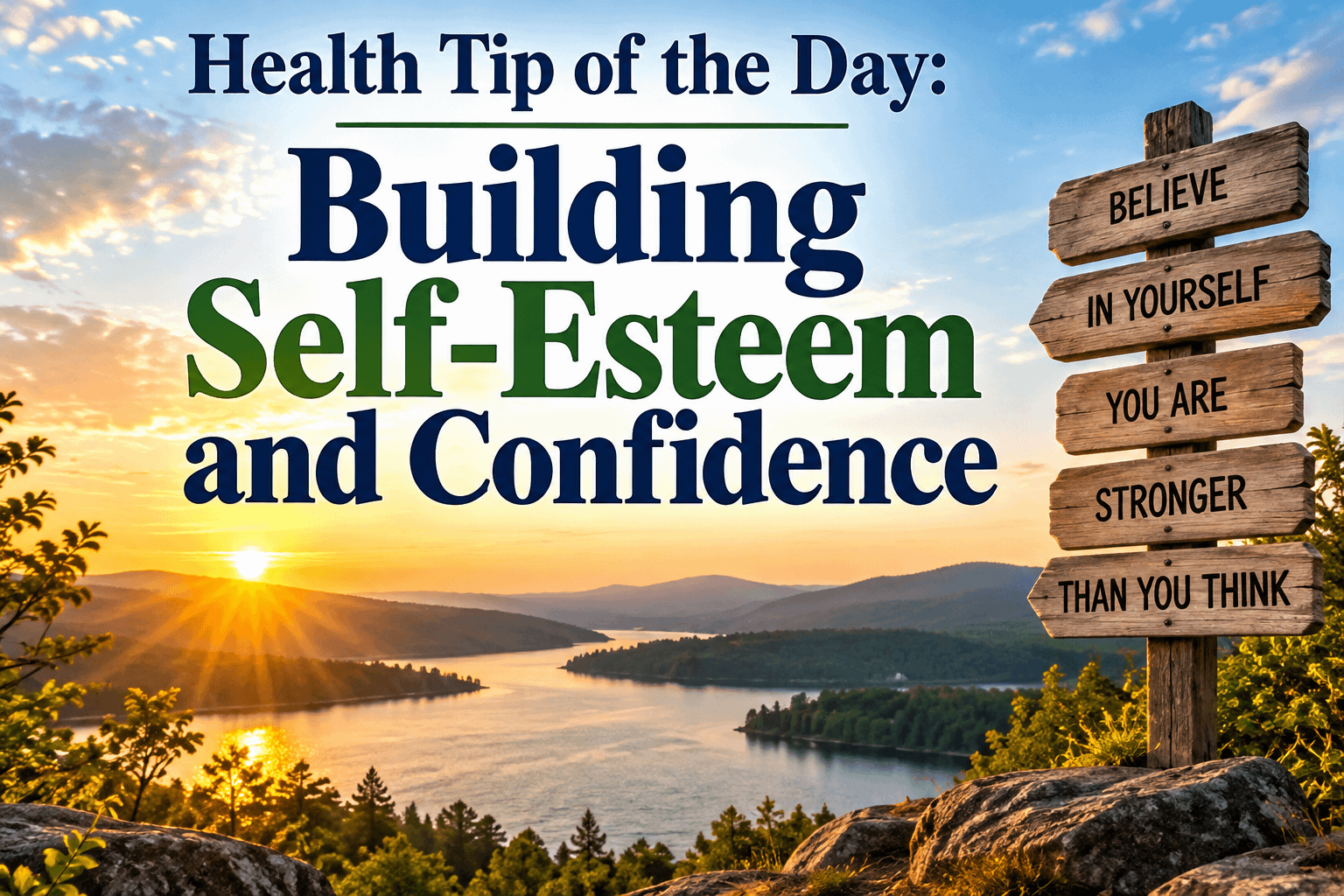
  • Health Tip of the Day: Building Self-Esteem and Confidence

    Health Tip of the Day: Building Self-Esteem and Confidence

    Self-esteem and confidence affect nearly every part of our lives. They influence how we speak to ourselves, how we handle challenges, how we respond to criticism, the relationships we accept, and whether we believe we are capable of pursuing something better.

    Yet confidence does not always come naturally.

    Life can wear it down.

    Failure, rejection, disappointment, heartbreak, grief, criticism, comparison, mistakes, and difficult experiences can gradually change the way we see ourselves. Sometimes we become so accustomed to questioning ourselves that we do not even realize how harshly we are judging the person in the mirror.

    The good news is that confidence can be strengthened.

    You don’t have to wake up tomorrow feeling fearless. You don’t have to suddenly love everything about yourself. Building self-esteem is usually a gradual process of changing how you speak to yourself, how you treat yourself, and how you respond when life doesn’t go according to plan.

    What Is Self-Esteem?

    Self-esteem is essentially the value and respect you give yourself.

    Healthy self-esteem doesn’t mean believing you are better than everyone else. It means understanding that your life has value even when you make mistakes, experience setbacks, or have areas where you still need to grow.

    Someone with healthy self-esteem can say:

    “I made a mistake, but that mistake doesn’t define my entire life.”

    “I didn’t succeed this time, but I can learn and try again.”

    “Someone rejected me, but that doesn’t mean I’m worthless.”

    “I have weaknesses, but I also have strengths.”

    That distinction matters.

    When self-esteem is low, a single negative experience can become an identity.

    Instead of thinking, “I failed at something,” you may think, “I’m a failure.”

    Instead of thinking, “That person didn’t choose me,” you may think, “Nobody will ever want me.”

    Instead of thinking, “I made a bad decision,” you may think, “I ruin everything.”

    Learning to separate what happened from who you are is an important part of rebuilding self-esteem.

    Confidence Is Built Through Action

    Many people wait until they feel confident before doing something difficult.

    Sometimes the opposite approach works better.

    You do something difficult while you’re still nervous.

    Then you realize you survived it.

    You try something new even though you aren’t completely sure of yourself.

    Then you discover that you’re more capable than you thought.

    You speak up.

    You exercise.

    You apply for the opportunity.

    You start the project.

    You meet someone new.

    You learn a skill.

    You keep a promise to yourself.

    Each small action becomes evidence that you can trust yourself.

    Confidence often grows from experience rather than appearing before the experience begins.

    Stop Measuring Your Life Against Everyone Else

    Comparison can quickly destroy confidence.

    Social media makes this particularly difficult because we constantly see snapshots of other people’s accomplishments, relationships, homes, careers, vacations, bodies, families, and lifestyles.

    What we don’t always see are their struggles.

    We see the celebration but not necessarily the years of work behind it.

    We see the relationship photograph but don’t know what happens privately.

    We see someone’s success without seeing the failures that came before it.

    Comparing your entire life to selected moments from someone else’s life creates an unfair standard.

    Your journey doesn’t have to look like anyone else’s.

    Someone else’s success doesn’t make you unsuccessful.

    Someone else’s happiness doesn’t mean happiness is unavailable to you.

    Someone else’s progress doesn’t erase your progress.

    Pay attention to your own path.

    Change the Way You Speak to Yourself

    Imagine speaking to someone you care about the way you sometimes speak to yourself.

    Would you constantly remind them of their failures?

    Would you tell them they weren’t attractive enough, successful enough, smart enough, strong enough, or worthy enough?

    Would you tell them one mistake ruined their future?

    Probably not.

    Yet many people speak to themselves this way every day.

    Your internal voice matters.

    This doesn’t mean replacing reality with empty compliments. It means learning to speak to yourself fairly.

    Instead of:

    “I can’t do anything right.”

    Try:

    “I made a mistake. What can I learn from it?”

    Instead of:

    “I’ll never be good enough.”

    Try:

    “I’m still growing, and there are things I can improve.”

    Instead of:

    “Everyone is better than me.”

    Try:

    “Everyone has different strengths, struggles, and experiences.”

    You don’t have to pretend everything is wonderful.

    You simply need to stop treating yourself like an enemy.

    Keep Small Promises to Yourself

    One powerful way to develop confidence is to become someone you can depend on.

    Start small.

    If you tell yourself you’re going to walk for ten minutes, take the walk.

    If you decide you’re going to drink more water today, follow through.

    If you say you’ll spend twenty minutes working toward a goal, do the twenty minutes.

    If you promise yourself you’ll go to bed earlier, make an effort to keep that promise.

    These actions might seem insignificant, but they build something important: self-trust.

    Every time you follow through, you send yourself a message:

    I can rely on myself.

    You don’t need perfection. Missing one day doesn’t erase your progress. Simply begin again.

    Recognize What You Already Do Well

    When confidence is low, people often become experts at identifying their weaknesses while ignoring their strengths.

    Take inventory of what you do well.

    Maybe you’re dependable.

    Maybe you’re compassionate.

    Maybe you work hard.

    Maybe you’re good at listening.

    Maybe you’ve survived situations you once thought would destroy you.

    Maybe you’re good at helping people.

    Maybe you’re creative.

    Maybe you’re loyal.

    Maybe you have the courage to keep moving forward despite everything you’ve experienced.

    These qualities matter.

    Your worth isn’t limited to money, appearance, popularity, job titles, relationship status, or accomplishments.

    Character matters too.

    Take Care of Your Physical Health

    Physical and emotional health are connected.

    You don’t need to transform your entire lifestyle overnight to begin feeling better about yourself.

    Start with manageable choices.

    Move your body more often.

    Drink enough water.

    Eat nourishing foods more regularly.

    Improve your sleep habits.

    Spend some time outside.

    Take breaks when you need them.

    Schedule appropriate health care when something doesn’t feel right.

    Taking care of yourself communicates something important internally:

    My well-being matters.

    Self-care isn’t about becoming perfect. It’s about treating yourself as someone worth caring for.

    Learn to Accept Compliments

    Have you ever received a compliment and immediately rejected it?

    “You’re really good at that.”

    “No, I’m not.”

    “You look great today.”

    “Not really.”

    “You did an amazing job.”

    “I just got lucky.”

    Sometimes low self-esteem makes accepting positive feedback uncomfortable.

    Try something different.

    Say:

    “Thank you.”

    That’s it.

    You don’t have to explain it away.

    Allow yourself to receive kindness.

    Spend Time Around People Who Respect You

    Relationships can either strengthen or weaken your confidence.

    Healthy relationships don’t require constant praise, but they should contain respect.

    Pay attention to how people make you feel about yourself.

    Do they encourage your growth?

    Do they respect your boundaries?

    Can they disagree with you without tearing you down?

    Can you be yourself around them?

    Do they celebrate your progress?

    Nobody should determine your entire sense of worth, but constantly surrounding yourself with people who belittle, manipulate, humiliate, or disrespect you can make maintaining healthy self-esteem much harder.

    Choose relationships where mutual respect exists.

    Don’t Let Your Past Become Your Identity

    Everyone has chapters they wish they could rewrite.

    Maybe you trusted the wrong person.

    Maybe you stayed somewhere too long.

    Maybe you hurt someone.

    Maybe you failed.

    Maybe you lost something important.

    Maybe your life turned out completely differently from what you once imagined.

    You cannot change yesterday.

    But yesterday doesn’t get to make every decision about tomorrow.

    You are allowed to learn.

    You are allowed to change.

    You are allowed to rebuild.

    You are allowed to become someone different from the person you used to be.

    Growth doesn’t erase your past.

    It means you learned from it.

    Do Things That Scare You a Little

    Confidence grows when you expand your comfort zone.

    That doesn’t mean doing reckless things.

    It means occasionally choosing manageable challenges.

    Go somewhere by yourself.

    Start a conversation.

    Try a new hobby.

    Take a class.

    Share your work.

    Ask a question.

    Learn something you’ve always wanted to learn.

    Apply for something even if you aren’t sure you’ll get it.

    Each experience teaches you that discomfort doesn’t automatically mean danger or failure.

    Sometimes discomfort simply means you’re growing.

    Celebrate Progress Instead of Waiting for Perfection

    One of the biggest traps in personal growth is believing you’ll finally feel good about yourself when you reach some distant destination.

    “When I lose the weight…”

    “When I make more money…”

    “When I find the right relationship…”

    “When I get the promotion…”

    “When I fix everything…”

    Goals are valuable, but your life is happening right now.

    Don’t postpone all self-respect until you become some future version of yourself.

    Be proud of the steps you’re taking today.

    Maybe you’re not where you want to be.

    But perhaps you’re farther along than you were six months ago.

    That matters.

    Confidence Doesn’t Mean Never Feeling Insecure

    Confident people still experience insecurity.

    They still get nervous.

    They still question themselves.

    They still experience rejection.

    They still make mistakes.

    They still have days when they don’t feel their best.

    Confidence isn’t the absence of doubt.

    Sometimes confidence simply means refusing to let doubt make every decision for you.

    You can be nervous and still try.

    You can be afraid and still move forward.

    You can have doubts and still believe something better is possible.

    Give Yourself Permission to Begin Again

    Perhaps your confidence isn’t where it once was.

    Maybe life changed you.

    Maybe someone hurt you.

    Maybe you experienced a major setback.

    Maybe you’ve spent years taking care of everyone except yourself.

    Maybe you’ve been surviving for so long that you’ve forgotten what it feels like to actually believe in yourself.

    You can start rebuilding today.

    Not with some dramatic transformation.

    Start with one choice.

    Speak to yourself a little more kindly.

    Keep one promise.

    Take one walk.

    Set one boundary.

    Write down one strength.

    Try one new thing.

    Forgive yourself for one mistake you’ve been carrying.

    Then do something else tomorrow.

    Confidence is built through these moments.

    Health Tip of the Day

    Treat yourself like someone whose future is worth investing in.

    Your confidence doesn’t have to depend on being the strongest, smartest, most attractive, wealthiest, or most successful person in the room.

    It can come from knowing who you are, accepting that you’re still growing, learning from your mistakes, caring for your health, respecting your boundaries, and continuing to move forward.

    You don’t have to become somebody else to become more confident.

    You can start by believing that the person you already are is worth improving, protecting, forgiving, and encouraging.

    And when that belief feels difficult, start with action.

    Take one small step today that your future self will be grateful you took.

    What is one thing you can do today to show yourself that you are worthy of your own respect?

  • Health Tip of the Day: Turn Pain Into Action

    Health Tip of the Day: Turn Pain Into Action

    Pain has a way of stopping us in our tracks. Whether it comes from physical struggles, emotional wounds, grief, disappointment, stress, heartbreak, or circumstances we never expected, pain can make it difficult to see beyond what we are experiencing right now.

    But pain does not always have to leave us standing still.

    Sometimes one of the healthiest things we can do is turn pain into action.

    That does not mean ignoring what hurts. It does not mean pretending everything is fine, pushing through an injury, or forcing yourself to be positive when you are struggling. It means recognizing what you are feeling and asking yourself a powerful question:

    What is one healthy thing I can do with this pain today?

    The answer does not need to change your entire life. Sometimes the smallest action is enough to begin moving forward.

    Pain Is a Signal, Not an Instruction to Give Up

    Pain can tell us that something needs attention.

    Physical pain may tell us that our body needs rest, treatment, rehabilitation, or medical evaluation. Emotional pain may reveal that we need support, boundaries, connection, healing, or time to process what has happened.

    The problem begins when pain convinces us that there is nothing we can do.

    When we feel overwhelmed, withdrawing and doing nothing can seem easier. We may stop exercising, stop talking to people, abandon healthy routines, lose motivation, or spend hours thinking about circumstances we cannot change.

    That can create a difficult cycle.

    Pain leads to inactivity. Inactivity can contribute to isolation, frustration, disrupted sleep, and unhealthy habits. Those problems may then make everything feel even heavier.

    Action can interrupt that cycle.

    Start With What You Can Control

    You cannot control everything that happens to you.

    You cannot erase every painful memory. You cannot immediately repair every relationship. You cannot make every physical problem disappear overnight. You cannot rewrite yesterday.

    But there are usually small things you can influence today.

    You can drink another glass of water.

    You can make a healthier meal.

    You can take a short walk if your body allows it.

    You can schedule the appointment you have been postponing.

    You can call someone you trust.

    You can write down what you are feeling.

    You can spend a few minutes outside.

    You can go to bed earlier.

    You can ask for help.

    These actions may seem small compared with the size of the pain you are carrying, but small actions matter because they return some control to your hands.

    You are no longer simply reacting to pain.

    You are responding to it.

    Turn Emotional Pain Into Healthy Movement

    Emotional pain can create physical tension. Stress can leave your shoulders tight, your mind racing, and your body exhausted.

    Movement can sometimes provide a healthy outlet.

    You do not have to complete an intense workout. Depending on your health and physical abilities, movement might mean walking around the neighborhood, stretching, gardening, cleaning the house, swimming, riding a stationary bike, or doing gentle exercises.

    The goal is not punishment.

    You are not exercising because you are angry with yourself. You are moving because your body deserves care.

    If you are experiencing significant, unexplained, worsening, or injury-related pain, however, “turn pain into action” should not mean exercising through it. Appropriate action may instead be resting, modifying activity, or seeking medical care.

    Sometimes stopping is an action too.

    Turn Stress Into a Plan

    Stress often grows when everything feels tangled together.

    Instead of carrying twenty problems around in your head, write them down.

    Then separate them into two categories: things you can do something about and things you cannot control right now.

    Focus your energy on the first group.

    If money is causing stress, perhaps today’s action is reviewing your spending.

    If your health concerns you, perhaps it is scheduling a checkup.

    If your home feels overwhelming, clean one room.

    If loneliness is hurting, contact one person.

    If work is exhausting you, identify one boundary that could make tomorrow more manageable.

    You do not have to solve your entire life tonight.

    Handle the next thing you can handle.

    Turn Grief Into Something Meaningful

    Some pain cannot simply be fixed.

    Grief is one of those experiences.

    When someone you love dies, taking action does not erase your grief or replace the person you miss. There is no project, exercise routine, or positive thought that makes profound loss disappear.

    But action can sometimes give love somewhere to go.

    You might honor someone’s memory, help another grieving person, support a cause that mattered to them, write about your memories, create something in their honor, volunteer, donate, or simply live according to something they taught you.

    There will still be painful days.

    There may also be days when doing something meaningful with that love gives you a reason to keep moving.

    Grief and purpose can exist together.

    Turn Anger Into Improvement

    Anger contains energy.

    Left unchecked, that energy can lead to arguments, impulsive decisions, unhealthy coping mechanisms, or words we later regret.

    But anger can also reveal something.

    Maybe you were treated unfairly. Maybe someone crossed a boundary. Maybe you are disappointed with yourself. Maybe circumstances changed your life without your permission.

    Before reacting, ask:

    What is this anger trying to tell me?

    Then decide whether there is a constructive action available.

    Set a boundary.

    Have the difficult conversation when you are calm.

    Work toward a goal.

    Exercise safely.

    Write instead of sending the angry message.

    Make the change you have been postponing.

    Channel the energy into building something rather than destroying something.

    Turn Fear Into Preparation

    Fear often focuses on what might happen.

    Action focuses on what you can do if it does.

    If you are worried about your health, learn what preventive care is appropriate for you and talk with a healthcare professional.

    If you fear losing your job, update your résumé and strengthen your skills.

    If you are worried about an upcoming challenge, prepare for it.

    If you are nervous about trying something new, break it into smaller steps.

    Preparation cannot eliminate uncertainty, but it can help replace helplessness with readiness.

    Do One Thing Today

    When life becomes painful, people sometimes make the mistake of trying to change everything at once.

    They create a massive diet plan.

    They decide they will exercise every day.

    They promise themselves they will completely change their sleep schedule.

    They try to repair every relationship.

    They attempt to rebuild their entire life in one weekend.

    Then exhaustion arrives.

    Instead, choose one action.

    Drink more water today.

    Walk for ten minutes if it is safe and comfortable.

    Prepare one nutritious meal.

    Call one friend.

    Make one appointment.

    Clean one small area.

    Write one page.

    Spend five minutes stretching.

    Turn off your phone thirty minutes before bed.

    One healthy decision may lead naturally to another.

    Rest Can Be Action

    We often associate action with doing more.

    Sometimes healthy action means doing less.

    If your body is exhausted, sleep may be the action you need.

    If you are emotionally overwhelmed, stepping away from a stressful situation may be productive.

    If you are physically injured, recovery may require temporarily reducing activity.

    Rest is not automatically laziness.

    There is a difference between giving your body time to recover and allowing fear to keep you permanently stuck.

    Learning to recognize that difference is an important part of caring for yourself.

    Ask for Help When You Need It

    Taking action does not mean handling everything alone.

    In fact, asking for help can be one of the strongest actions available.

    Talk with someone you trust. Contact a healthcare professional about concerning physical symptoms. Consider professional mental-health support when emotional distress is persistent, severe, or interfering with everyday life.

    If pain is controlling your life, getting appropriate support is action.

    You do not receive extra credit for suffering silently.

    Progress Does Not Have to Be Dramatic

    We often notice dramatic transformations while overlooking quiet progress.

    But health is frequently built through ordinary choices repeated over time.

    Getting out of bed when you wanted to stay there.

    Taking the walk.

    Making the appointment.

    Choosing water instead of another sugary drink.

    Turning off the television and getting some sleep.

    Talking about what is bothering you.

    Taking your medication as prescribed.

    Cooking instead of ordering another fast-food meal.

    Returning to a healthy routine after falling away from it.

    These decisions rarely look impressive from the outside.

    They still count.

    Pain Can Become a Turning Point

    You may not have chosen the pain that entered your life.

    You may not be able to change what happened.

    But you can decide what your next response will be.

    Use frustration to improve something.

    Use fear to prepare.

    Use heartbreak to learn.

    Use grief to honor.

    Use stress to identify what needs attention.

    Use physical discomfort as a reason to listen more carefully to your body rather than ignore it.

    And when you cannot take a giant step, take a small one.

    Healing is rarely a straight line. There will be days when you move forward and days when your greatest accomplishment is simply making it through.

    Both matter.

    Health Tip of the Day

    Turn pain into action—but make sure it is healthy action.

    Do not punish yourself. Do not ignore serious symptoms. Do not pretend you are okay when you need support.

    Instead, listen to what your body and mind are telling you.

    Then ask yourself:

    What is one healthy action I can take today that could make tomorrow a little better?

    You do not have to transform your entire life today.

    You only have to decide what you will do next.

  • Health Tip of the Day: When You Don’t Want to Be Alone Anymore

    Health Tip of the Day: When You Don’t Want to Be Alone Anymore

    There comes a point when being alone stops feeling peaceful.

    At first, solitude might feel like protection. When life has hurt you, disappointed you, exhausted you, or taken someone important away, withdrawing can seem easier than trying to explain what is happening inside you.

    You stay home more.

    You stop reaching out.

    You get used to eating alone, watching television alone, driving alone, sitting with your thoughts alone, and figuring things out by yourself.

    Eventually, though, you may realize something:

    You don’t want to be alone anymore.

    That realization matters.

    Wanting companionship, friendship, conversation, affection, or simply another person sitting beside you isn’t a weakness. Human beings need meaningful connection. And while learning to be comfortable with yourself can be healthy, there is a difference between choosing solitude and feeling trapped in loneliness.

    If you have reached the point where you don’t want to be alone anymore, you don’t have to completely transform your life overnight.

    You can start by opening one small door.

    Loneliness Can Affect More Than Your Mood

    Loneliness isn’t simply about whether other people are physically around you.

    You can be surrounded by coworkers, relatives, neighbors, social-media followers, or acquaintances and still feel incredibly lonely.

    What matters is connection.

    You want someone you can talk to without pretending.

    Someone who asks how you are and actually wants to hear the answer.

    Someone you can laugh with.

    Someone you can call when life gets difficult.

    Someone you can share ordinary moments with.

    When those relationships are missing, loneliness can become emotionally exhausting.

    Long-term social isolation and loneliness have also been associated with poorer physical and mental health. That’s one reason meaningful relationships should be viewed as part of taking care of yourself—not simply as an optional extra.

    Sometimes Being Alone Becomes a Habit

    One difficult thing about loneliness is that you can become accustomed to it.

    Maybe you went through something painful and pulled away from people.

    Maybe a relationship ended.

    Maybe grief changed your life.

    Maybe friendships disappeared when circumstances changed.

    Maybe you became tired of being disappointed.

    Maybe you stopped trusting people.

    Or perhaps you spent so much time surviving that maintaining relationships became another responsibility you didn’t have the energy to handle.

    You learn how to do everything yourself.

    Eventually, independence becomes your default.

    But something can change.

    One evening you might sit in your house and realize you wish someone were there.

    You might see people laughing together at a restaurant and miss having that connection.

    You might experience something wonderful and realize you don’t know who to call.

    Or you may simply become tired of carrying every part of life alone.

    That doesn’t erase the progress you’ve made.

    It may simply mean you’re ready for something different.

    You Don’t Have to Wait Until You’re Completely Healed

    People sometimes convince themselves that they need to have everything figured out before allowing someone into their lives.

    You might think:

    I’ll start meeting people when I’m happier.

    I’ll date when my life is completely together.

    I’ll reconnect with friends when I’m doing better.

    I’ll let people get close when I don’t have so much emotional baggage.

    But human connection doesn’t require perfection.

    You can still be rebuilding your life and want companionship.

    You can still have difficult days and be a good friend.

    You can still carry grief and experience happiness.

    You can still have scars from your past and create healthy relationships in your future.

    Healing and connection can happen at the same time.

    Start Small

    If you’ve been isolated for a long time, suddenly becoming highly social may feel overwhelming.

    Don’t force it.

    Start with something manageable.

    Send a message to someone you haven’t talked with recently.

    Accept an invitation you normally would decline.

    Have coffee with a friend.

    Attend a community event.

    Join a group connected to something you genuinely enjoy.

    Call someone instead of sending a text.

    Spend an afternoon somewhere people naturally gather.

    You don’t have to immediately find your new best friend or romantic partner.

    The first goal can simply be getting connected to life again.

    Small interactions matter.

    A conversation with someone at a coffee shop may not become a friendship, but it reminds you how good conversation can feel.

    Attending an event might not immediately create close relationships, but it gets you out of isolation.

    Connection often develops gradually.

    Reach Out Before You Feel Ready

    Loneliness can create a frustrating cycle.

    You feel lonely, so you withdraw.

    Because you withdraw, you have fewer opportunities for connection.

    With fewer connections, you become even lonelier.

    Breaking that cycle sometimes requires doing something before you feel completely comfortable doing it.

    Send the message.

    Make the phone call.

    Go to dinner.

    Attend the event.

    Introduce yourself.

    Say yes occasionally.

    You don’t need enormous confidence.

    You only need enough courage for the next small step.

    Tell Someone You Need Company

    There is nothing wrong with saying:

    “I don’t really want to be alone tonight. Do you want to hang out?”

    We often make connection unnecessarily complicated because we’re afraid of appearing needy.

    But healthy relationships involve people needing each other sometimes.

    You don’t always have to invent an excuse to see someone.

    You can simply say that you would appreciate some company.

    Someone else may be feeling exactly the same way and waiting for someone to reach out.

    Don’t Confuse Connection With Filling a Void

    When loneliness becomes painful, there can be a temptation to accept anyone into your life simply because you don’t want to be alone.

    Be careful with that.

    Wanting companionship doesn’t mean abandoning your boundaries.

    You don’t have to return to unhealthy relationships.

    You don’t have to tolerate disrespect.

    You don’t have to keep people around who constantly hurt you.

    And you don’t have to rush into a romantic relationship because being alone feels uncomfortable.

    The goal isn’t simply to put another person in the room.

    The goal is meaningful, healthy connection.

    Sometimes a small circle of trustworthy people is far better than being surrounded by people who leave you feeling even more alone.

    Friendship Matters Too

    When people say they don’t want to be alone anymore, they sometimes immediately think about dating.

    Romantic companionship can certainly be meaningful, but it isn’t the only answer to loneliness.

    Friendships matter.

    Family relationships matter.

    Community matters.

    Neighbors matter.

    Support groups matter.

    Faith communities can matter.

    Even having familiar people you regularly see at a gym, restaurant, coffee shop, volunteer organization, club, or community event can help restore a sense of belonging.

    Build different kinds of connections instead of expecting one person to meet every emotional need.

    Give People the Opportunity to Know You

    If you’ve spent years protecting yourself, you may have become very good at appearing okay.

    People can’t always see loneliness.

    They might assume you’re independent and enjoy being alone.

    They might think you’re busy.

    They might even believe you don’t want invitations because you’ve declined so many in the past.

    If you want your relationships to change, you may need to let people see a little more of you.

    You don’t have to tell someone your entire life story.

    Just begin being slightly more open.

    Instead of automatically saying, “I’m fine,” occasionally tell someone how you’re actually doing.

    Instead of waiting for invitations, invite someone yourself.

    Instead of assuming people aren’t interested, give them an opportunity.

    Vulnerability carries some risk, but meaningful relationships rarely develop without it.

    Learn to Enjoy Your Own Company Without Giving Up on People

    There is an important balance here.

    You don’t want your happiness to depend entirely on whether someone else is available.

    Continue developing a life that belongs to you.

    Take walks.

    Exercise.

    Cook something you enjoy.

    Read.

    Listen to music.

    Work on your goals.

    Explore hobbies.

    Spend time outside.

    Take care of your physical health.

    Create routines that make your days meaningful.

    Then allow relationships to become part of that life rather than the entire foundation of it.

    There’s a powerful difference between:

    “I need someone because I cannot handle being alone.”

    and

    “I can handle being alone, but I would like people to share my life with.”

    The second gives you room to build relationships from desire rather than desperation.

    Some Days Will Still Feel Lonely

    Opening yourself to connection doesn’t mean loneliness immediately disappears.

    Some invitations won’t work out.

    Some messages won’t receive the response you hoped for.

    Some friendships won’t develop.

    Some relationships may disappoint you.

    There may still be evenings when the house feels painfully quiet.

    That doesn’t mean you should retreat again.

    Relationships take time.

    Keep showing up.

    Keep talking.

    Keep participating.

    Keep giving trustworthy people opportunities to know you.

    A meaningful social life is usually built through dozens of small moments rather than one dramatic change.

    When Loneliness Feels Overwhelming

    Sometimes loneliness becomes more than simply wishing you had someone around.

    If you’re withdrawing from nearly everyone, losing interest in things you normally enjoy, struggling to function, or feeling persistently hopeless, consider talking with a doctor or mental-health professional.

    And if being alone is connected to thoughts of harming yourself or feeling that you don’t want to be alive, seek immediate support rather than carrying that moment by yourself. In the United States, you can call or text 988 to reach the Suicide & Crisis Lifeline.

    Asking for support is an action toward connection.

    Your Life Doesn’t Have to Stay This Quiet

    Maybe you’ve spent a long time learning how to survive by yourself.

    That strength still belongs to you.

    But strength doesn’t mean you have to spend the rest of your life alone.

    You are allowed to want conversation again.

    You are allowed to want friendship.

    You are allowed to want someone to laugh with.

    You are allowed to want someone beside you at dinner.

    You are allowed to want companionship, affection, community, and love.

    You don’t have to know exactly what the next chapter looks like.

    Start with one message.

    One phone call.

    One invitation.

    One conversation.

    One opportunity to let somebody into your world.

    You may have learned how to survive alone.

    Now you can slowly begin learning how to live connected again.

    What is one small step you could take today to feel a little less alone?

  • Health Tip of the Day: The Mental Health Effects After Losing a Child

    Health Tip of the Day: The Mental Health Effects After Losing a Child

    Losing a child can affect nearly every part of a parent’s life.

    It changes the way you wake up in the morning. It changes how you experience holidays, birthdays, family gatherings, photographs, songs, and ordinary moments. It can change relationships, routines, faith, sleep, appetite, concentration, and even the way you see yourself.

    And beneath all of those changes, there can be a tremendous impact on mental health.

    The death of a child is not something a parent simply “gets over.” There may eventually be healing, adjustment, meaning, and even moments of genuine happiness again, but the relationship and the loss remain part of the parent’s life.

    Understanding how grief can affect mental health matters because grieving parents sometimes believe they should be handling their loss differently. They may wonder why they cannot concentrate like they used to, why they suddenly feel anxious, why they avoid people, or why they can feel relatively steady one day and devastated the next.

    These reactions can be part of grieving an enormous loss.

    At the same time, grief can become so overwhelming that additional professional support is needed. Recognizing that distinction can help parents care for themselves while carrying a loss that may always matter deeply.

    Grief Can Affect Both the Mind and Body

    We often talk about grief as an emotion, but grief can affect far more than emotions.

    A grieving parent may experience sadness, anger, guilt, fear, numbness, loneliness, confusion, irritability, exhaustion, or difficulty concentrating. Physical effects can include changes in sleep, appetite, energy, muscle tension, headaches, digestive problems, or a general feeling of being physically drained.

    This is one reason grief can be so disorienting.

    You are not only missing your child.

    Your entire nervous system may be responding to the reality that someone central to your life is no longer physically present.

    Even simple tasks can suddenly require tremendous energy.

    Getting out of bed.

    Taking a shower.

    Preparing food.

    Going to work.

    Answering a phone call.

    Walking into a grocery store.

    Attending a family gathering.

    To someone looking from the outside, these may seem like ordinary activities. To a grieving parent, they can sometimes feel enormous.

    Depression Can Develop After the Loss of a Child

    Profound sadness is expected after a child dies, but bereavement can also be associated with depression.

    The two can overlap, which is why parents should not feel that they have to diagnose themselves.

    A grieving parent might lose interest in activities, withdraw socially, struggle with motivation, feel exhausted, experience changes in sleep or appetite, or have difficulty imagining a meaningful future.

    Sometimes people dismiss these symptoms by saying:

    “Of course you’re depressed. Your child died.”

    But severe or persistent symptoms still deserve attention.

    You do not have to wait until you reach a crisis before talking with a doctor, therapist, grief counselor, or another qualified mental-health professional.

    Support is not an admission that you have failed at grieving.

    It is one way of caring for yourself while carrying something extraordinarily difficult.

    Anxiety Can Become Part of Grief

    After losing a child, the world can suddenly feel less safe.

    Before the loss, you may have understood intellectually that terrible things can happen. Afterward, that knowledge becomes personal.

    Something you never wanted to imagine has already happened.

    That experience can sometimes lead to increased anxiety.

    A parent may worry excessively about surviving children, spouses, relatives, friends, or their own health. A phone call at an unusual hour might create panic. Someone being late may immediately trigger frightening thoughts.

    The mind can begin preparing for another disaster.

    Some parents may also experience panic attacks, racing thoughts, restlessness, or a constant feeling of being on alert.

    When anxiety begins interfering with everyday life, professional support can be especially valuable.

    Trauma Symptoms Can Accompany Bereavement

    Not every grieving parent develops post-traumatic stress disorder, but some circumstances surrounding a child’s death can produce trauma-related symptoms.

    This may be especially relevant when the death was sudden, violent, unexpected, witnessed, or involved distressing circumstances.

    Parents may experience intrusive memories, nightmares, avoidance, emotional numbness, hypervigilance, or intense reactions to reminders connected with the death.

    There can also be a painful difference between remembering your child’s life and repeatedly reliving the circumstances of their death.

    Your child’s death is part of their story.

    It is not their entire story.

    When traumatic memories begin dominating the memories of who your child was, trauma-informed professional support may help create room for the fuller relationship and memories to exist alongside the painful circumstances.

    Guilt Can Become Extremely Powerful

    One of the hardest mental-health effects of child loss can be guilt.

    Parents are naturally wired to protect their children. After a child dies, the mind may endlessly search the past.

    What if I had done something differently?

    What if I had noticed something?

    What if I had called?

    What if I had stopped them?

    What if I had been there?

    What if I had made another decision?

    The mind can replay countless scenarios even when the parent could not reasonably have prevented what happened.

    There may also be guilt about things completely unrelated to the death.

    A parent may feel guilty for laughing.

    Guilty for enjoying dinner.

    Guilty for taking a vacation.

    Guilty for falling in love again.

    Guilty for having a good day.

    Guilty for realizing they went several hours without thinking consciously about their loss.

    Sometimes survival itself creates guilt.

    But continuing to live does not erase the love you have for your child.

    Experiencing happiness again does not mean your child matters less.

    Love does not require lifelong punishment.

    Grief Can Affect Your Identity

    The death of a child can create an identity crisis that other people may not understand.

    Being a parent does not simply disappear because your child died.

    You may still think like their parent.

    You still remember their childhood.

    You still remember their personality, voice, humor, habits, dreams, struggles, accomplishments, and all the ordinary things that made them who they were.

    You still love them.

    Yet the physical relationship has changed completely.

    That can leave a parent wondering:

    Who am I now?

    What is my purpose?

    What does my future look like?

    For parents whose daily lives centered heavily around their child, the emptiness can be particularly severe.

    Rebuilding identity does not mean replacing your child or leaving them behind.

    It means gradually discovering how to carry your love for them into the life that remains.

    Fathers May Experience Grief Differently

    Fathers can face additional pressures after losing a child.

    People may ask a grieving father how his spouse or partner is doing before asking how he is doing. Others may assume his role is to remain strong, handle practical responsibilities, support everyone else, and keep moving.

    Some fathers respond by burying themselves in work.

    Others become quiet.

    Some isolate themselves.

    Some become angry.

    Some avoid discussing their grief because they do not want to burden anyone.

    None of this means fathers love their children less.

    Grief does not have to look emotional on the outside to be devastating on the inside.

    Men need permission to talk, cry, remember, seek counseling, join support groups, pray, write, sit quietly, or find whatever healthy form of expression helps them process their loss.

    Strength does not require silence.

    Relationships Can Change

    Child loss can affect marriages, partnerships, friendships, and family relationships.

    Two people can love the same child deeply while grieving very differently.

    One person may need to talk constantly.

    Another may need silence.

    One may want to look at photographs.

    Another may find photographs overwhelming.

    One may want to visit the cemetery regularly.

    Another may rarely want to go.

    Neither response automatically indicates greater or lesser love.

    Problems can develop when people begin judging each other’s grief.

    “You don’t talk about them enough.”

    “You cry too much.”

    “You should be doing better by now.”

    “You act like nothing happened.”

    Instead of measuring grief against someone else’s behavior, it can be healthier to recognize that people process loss differently.

    Communication, patience, couples counseling, family counseling, or grief support can sometimes help relationships survive the tremendous pressure created by loss.

    Isolation Can Become Dangerous

    Many grieving parents eventually discover that their social world changes.

    People who were present immediately after the death may slowly return to their normal lives.

    Calls become less frequent.

    Messages become less frequent.

    People stop mentioning your child’s name.

    But your grief has not disappeared.

    This can create profound loneliness.

    You may also begin declining invitations because pretending to be okay feels exhausting. Eventually people may stop inviting you.

    Before long, isolation can become a cycle.

    There is nothing wrong with needing solitude. Quiet can be healing.

    But complete isolation for extended periods can worsen depression, anxiety, and hopelessness.

    Sometimes maintaining even one meaningful connection can make a difference.

    A trusted friend.

    A sibling.

    Another bereaved parent.

    A pastor.

    A counselor.

    A support group.

    Someone who allows you to say your child’s name without immediately changing the subject.

    Grief Can Affect Concentration and Memory

    Some grieving parents describe feeling as though their brain simply does not work the way it once did.

    They may forget appointments, lose track of conversations, walk into rooms and forget why, struggle to read, or find it difficult to make decisions.

    This is sometimes casually called “grief brain.”

    Grief consumes enormous mental and emotional resources.

    You may be trying to function while part of your mind is processing memories, questions, fears, responsibilities, and the reality of the loss.

    Be patient with yourself.

    Use reminders.

    Write things down.

    Simplify responsibilities when possible.

    Give yourself extra time.

    Your productivity during profound grief does not determine your worth.

    Sleep Can Become Difficult

    Nighttime can be especially challenging after losing a child.

    During the day there may be distractions.

    At night, everything becomes quiet.

    Memories become louder.

    Some parents have trouble falling asleep. Others wake repeatedly. Some experience nightmares. Others sleep excessively because being awake feels too painful.

    Sleep difficulties can then intensify irritability, anxiety, sadness, and concentration problems.

    Healthy routines may help: consistent sleep and wake times, reducing late-night stimulation, limiting excessive caffeine, creating a calming bedtime routine, and discussing persistent sleep problems with a healthcare professional.

    Sleep is not a luxury during grief.

    Your body needs restoration.

    Anniversaries and Triggers Can Bring Grief Back Intensely

    You may feel that you are beginning to function better and then suddenly find yourself overwhelmed again.

    A birthday arrives.

    The anniversary of the death approaches.

    A song plays.

    You smell a familiar scent.

    Someone says something your child used to say.

    You see someone who resembles them.

    A memory appears unexpectedly.

    And suddenly the grief feels immediate again.

    This does not necessarily mean you have gone backward.

    Grief is rarely a straight line.

    Triggers are reminders of attachment, memory, and love.

    Over time, you may learn which dates or situations are particularly difficult and plan additional support around them.

    Finding Healthy Ways to Carry Grief

    There is no single correct way to grieve, but healthy outlets can make the emotional weight more manageable.

    Some parents benefit from therapy or grief counseling. Others find support groups especially meaningful because they can talk with people who understand child loss without requiring lengthy explanations.

    Journaling can help.

    Exercise can help.

    Prayer can help.

    Spending time outdoors can help.

    Creating something in your child’s memory can help.

    Talking about your child can help.

    Helping another grieving parent can sometimes provide purpose.

    None of these things eliminates grief.

    That is not necessarily the goal.

    The goal may instead become learning how to live while carrying both love and loss.

    When Professional Help Is Especially Important

    There is no shame in seeking professional mental-health care after losing a child.

    Consider reaching out when emotional distress is becoming unmanageable, when you are unable to function for a prolonged period, when alcohol or drugs are becoming a primary coping mechanism, when panic or traumatic memories dominate daily life, or when hopelessness becomes overwhelming.

    If you are thinking about suicide, harming yourself, or feel unable to stay safe, seek immediate help. In the United States, call or text 988 to reach the Suicide & Crisis Lifeline, or call 911 or go to the nearest emergency department if there is immediate danger. Outside the United States, contact your local emergency or crisis service.

    You deserve support before things reach that point, too.

    Healing Does Not Mean Forgetting

    One fear many bereaved parents carry is that healing somehow means leaving their child behind.

    It doesn’t have to.

    You can heal and remember.

    You can laugh and remember.

    You can build new relationships and remember.

    You can travel, celebrate, accomplish something meaningful, and remember.

    You can experience happiness again without betraying your grief.

    Moving forward is different from moving on.

    Your child’s life can remain woven into who you are.

    Their influence can appear in the way you treat people.

    Their memory can influence your priorities.

    Their love can inspire the way you live.

    Their name can continue being spoken.

    The relationship changes, but love does not simply disappear.

    Take Care of the Parent Who Is Still Here

    After losing a child, taking care of yourself can sometimes feel unimportant.

    But your mental health matters.

    Eat when you can.

    Drink water.

    Rest.

    Move your body when possible.

    Talk to someone.

    Attend medical appointments.

    Accept help.

    Give yourself permission to say no.

    Give yourself permission to have difficult days.

    Give yourself permission to have good days too.

    You do not need to prove your love by suffering every second of every day.

    There may always be an empty space where your child should be. Certain dates may always hurt. Certain memories may always bring tears.

    But there can also be gratitude.

    There can be laughter.

    There can be purpose.

    There can be meaningful relationships.

    There can be moments when remembering your child brings a smile before it brings tears.

    And there can be a life that honors both the child you love and the parent who remains.

    Health Tip of the Day

    Treat grief as something that deserves care, not something you are expected to conquer alone.

    Pay attention to your mental health after losing a child. Talk about what you are carrying. Seek professional support when you need it. Stay connected to people who allow you to grieve honestly. Take care of your physical health as much as circumstances allow.

    Most importantly, do not judge your entire healing journey by one difficult day.

    Some days you may feel strong.

    Some days you may barely make it through.

    Both days count.

    You are still carrying a love powerful enough to create grief because someone extraordinarily important was part of your life.

    The question is not always, “How do I stop grieving?”

    Sometimes a more helpful question is:

    How can I continue living, loving, and caring for myself while carrying the memory of my child with me?

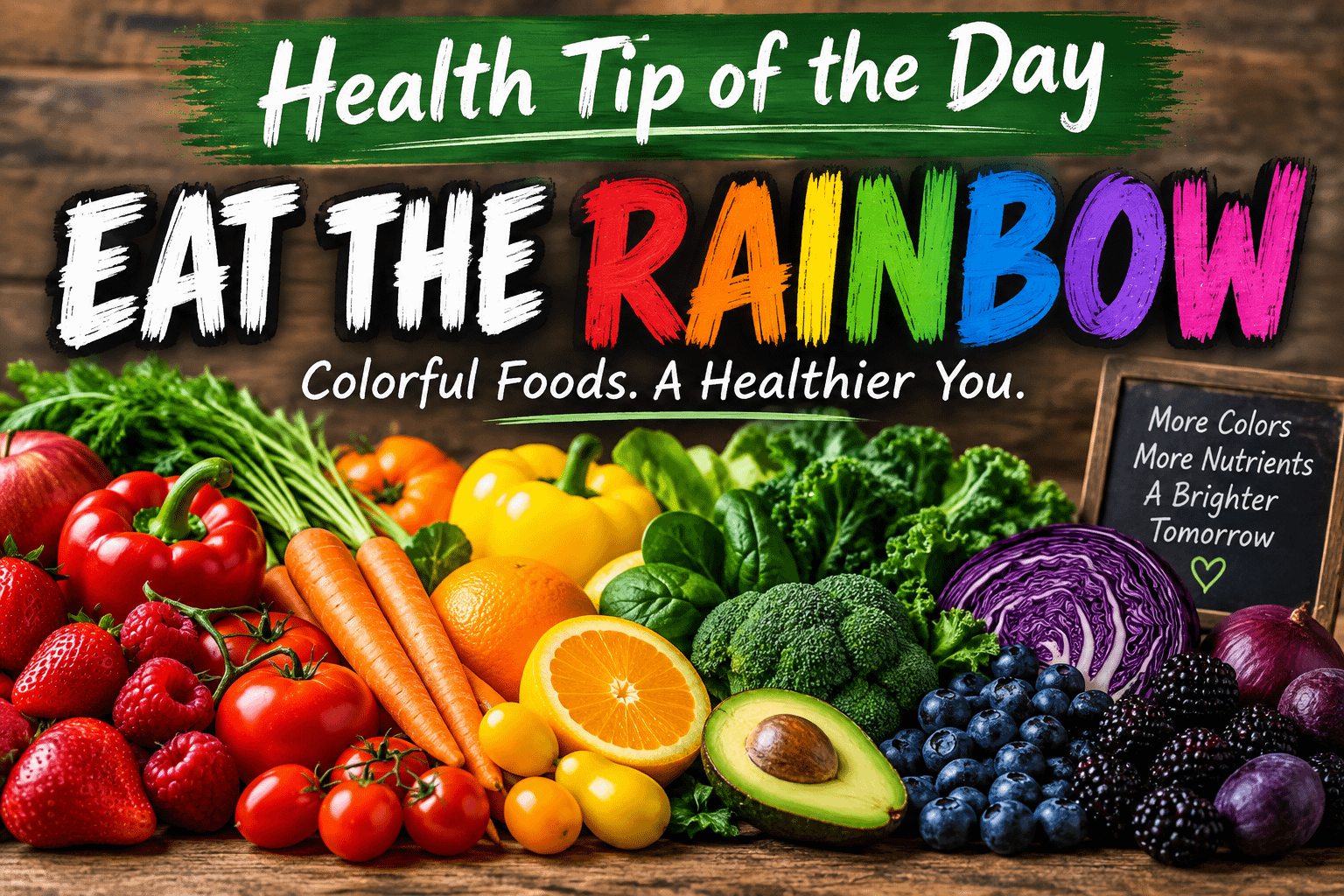
  • Health Tip of the Day: Asking for Help When You Are Scared To

    Health Tip of the Day: Asking for Help When You Are Scared To

    There are times in life when you know you need help, yet asking for it feels almost impossible.

    You may be overwhelmed, exhausted, frightened, confused, or simply unsure what to do next. Part of you knows that talking to someone could help, but another part keeps telling you to stay quiet.

    You might worry about being judged.

    You might be afraid of becoming a burden.

    You might not know how to explain what you are feeling.

    You might be scared that people will not understand.

    Or perhaps you have spent so much of your life handling things on your own that saying, “I need help,” feels like admitting defeat.

    But asking for help is not defeat.

    Sometimes it is one of the healthiest and most courageous decisions you can make.

    You Don’t Have to Wait Until Things Become Unbearable

    One mistake people often make is believing their situation has to become severe before they are “allowed” to ask for help.

    They tell themselves:

    “Other people have it worse.”

    “I should be able to handle this.”

    “Maybe it will go away.”

    “I don’t want to bother anyone.”

    “I’ll deal with it tomorrow.”

    Days can become weeks, and weeks can become months while someone continues carrying something that was never meant to be carried alone.

    You do not need to reach your breaking point before reaching out.

    If something is affecting your ability to sleep, eat, concentrate, work, maintain relationships, take care of yourself, or enjoy your life, it deserves attention.

    Even if you cannot explain exactly what is wrong, you can still ask someone to listen.

    Why Asking for Help Can Feel So Scary

    Fear around asking for help can come from many places.

    Maybe you were raised to believe that strong people solve their own problems. Perhaps previous attempts to open up were dismissed or criticized. Maybe you have become the person everyone else depends on, so you are uncomfortable becoming the one who needs support.

    Sometimes the fear is simply uncertainty.

    What happens after I tell someone?

    Will they look at me differently?

    Will they think I am weak?

    What if they don’t understand?

    What if I become emotional?

    Those questions can convince you that remaining silent is safer.

    But silence does not always protect you. Sometimes silence simply gives pain, stress, fear, or uncertainty more room to grow.

    Strength Doesn’t Mean Doing Everything Alone

    We often misunderstand what strength looks like.

    Strength is not always standing tall and pretending everything is fine.

    Sometimes strength sounds like:

    “I am struggling.”

    “I don’t know what to do.”

    “I need someone to talk to.”

    “Can you stay with me for a little while?”

    “I think I need professional help.”

    “I am scared, and I don’t want to deal with this alone.”

    Those sentences may feel vulnerable, but vulnerability and weakness are not the same thing.

    It takes courage to tell another person what is happening inside you, especially when you do not know how they will respond.

    Start With One Person

    You don’t have to tell everyone what you are going through.

    Start with one person you trust.

    That might be a close friend, family member, doctor, therapist, counselor, pastor or faith leader, support-group member, teacher, coworker, or another trusted person.

    You also don’t need to tell your entire story immediately.

    You can begin with something simple:

    “I’ve been having a difficult time lately, and I think I need someone to talk to.”

    That single sentence can open the door.

    You can decide how much more you want to share from there.

    It’s Okay If You Don’t Know What to Say

    Sometimes people know they need help but cannot find the words to explain why.

    That’s okay.

    You don’t need a perfectly organized explanation.

    You can say:

    “I don’t really know how to explain this.”

    Or:

    “Something hasn’t felt right lately.”

    You might even say:

    “I’m scared to talk about this, but I don’t think I should keep it to myself.”

    Starting the conversation is often more important than saying everything perfectly.

    If speaking face-to-face feels overwhelming, consider sending a text or writing down what you want to say first. Writing can give you time to organize your thoughts without feeling pressured to find the right words immediately.

    Asking for Help With Physical Health Matters Too

    Fear doesn’t only prevent people from discussing emotional health.

    People sometimes avoid medical care because they are afraid of what they might discover.

    You notice something unusual.

    You experience persistent pain.

    Something changes in your body.

    A symptom keeps returning.

    And instead of making an appointment, you think, “Maybe it’ll disappear.”

    Fear of receiving bad news is understandable, but avoiding a health concern does not determine what that concern is.

    If you have a new, persistent, worsening, or concerning symptom, contacting a qualified healthcare professional can help you understand what is happening and what should happen next.

    And if symptoms seem severe or potentially life-threatening, seek emergency medical care rather than waiting.

    You Are Allowed to Ask Questions

    Healthcare appointments can also feel intimidating.

    Remember that you are allowed to ask questions.

    If you don’t understand something, say so.

    If you’re nervous, tell the healthcare professional you’re nervous.

    If you don’t understand a diagnosis, treatment, medication, test, or recommendation, ask them to explain it differently.

    You might ask:

    “What does this mean?”

    “What are my options?”

    “Why are you recommending this?”

    “What should I watch for?”

    “When should I seek additional care?”

    “Could you explain that in simpler terms?”

    Understanding your health can make frightening situations feel more manageable.

    Emotional Health Deserves the Same Attention

    People sometimes treat emotional pain differently from physical pain.

    If your ankle were badly injured, you probably wouldn’t expect yourself to simply think your way out of it.

    Yet when people experience prolonged anxiety, sadness, grief, emotional exhaustion, loneliness, fear, or other forms of distress, they sometimes expect themselves to “just get over it.”

    Your emotional well-being matters too.

    Talking with someone doesn’t mean that person has to solve everything.

    Sometimes what you need most is someone willing to listen without judgment.

    Other times, professional support may be appropriate.

    Both are valid.

    What If Someone Doesn’t Respond Well?

    One of the hardest possibilities is finally gathering enough courage to ask for help and receiving a disappointing response.

    Someone might minimize what you’re experiencing.

    They might give unwanted advice.

    They might change the subject.

    They might simply not know how to respond.

    That can hurt.

    But one person’s inability to support you does not mean your need for support is unreasonable.

    Try someone else.

    Sometimes finding the right person requires more than one attempt.

    You deserve to be taken seriously when something is affecting your health or well-being.

    You Can Be Scared and Still Take the Next Step

    Courage does not require the absence of fear.

    You can be scared while making the phone call.

    You can be nervous while scheduling the appointment.

    You can have tears in your eyes while telling someone what is happening.

    You can struggle to find the words.

    You can even admit:

    “I am terrified to ask for help.”

    And then ask anyway.

    You don’t have to solve everything today.

    Your next step might simply be telling one trustworthy person that you’re having a hard time.

    Then you can figure out the step after that.

    Check on the People Who Always Say They’re Fine

    There is another side to today’s health tip.

    Sometimes the person who needs help isn’t you.

    Pay attention to the people around you.

    Someone can smile, laugh, work, help everyone else, post online, and appear completely normal while privately struggling.

    Instead of only saying, “How are you?” try asking:

    “How are you really doing?”

    “You’ve seemed quieter lately. Is everything okay?”

    “Do you want to talk?”

    “Is there anything I can help you with?”

    And if they open up, listen.

    You don’t necessarily have to fix the situation.

    Being present can matter more than having the perfect advice.

    Make Asking for Help Normal

    Imagine how different our communities would be if asking for help were treated as a normal part of taking care of ourselves.

    We ask mechanics for help with cars.

    We ask accountants for help with finances.

    We ask teachers when we don’t understand something.

    We ask coworkers for assistance with difficult tasks.

    There should be no shame in asking someone for help when your body, mind, or life becomes difficult to manage.

    Human beings need one another.

    Sometimes you will be the person offering support.

    Sometimes you will be the person receiving it.

    Both roles are part of life.

    Today’s Health Tip

    If you know you need help but fear is keeping you silent, don’t pressure yourself to solve everything at once.

    Choose one small step.

    Send the message.

    Make the call.

    Schedule the appointment.

    Tell someone you trust.

    Write down what you’ve been feeling.

    Ask the question you’ve been afraid to ask.

    You don’t have to wait until you feel fearless.

    You only need enough courage for the next step.

    There may come a day when you look back and realize that the moment you finally said, “I need help,” wasn’t the moment you became weak.

    It was the moment you decided you didn’t have to face everything alone.

    Who is one person you could reach out to when life becomes too difficult to carry by yourself?