Blog

  • Grief of the Day: What to Do When You Need to Talk

    Grief of the Day: What to Do When You Need to Talk

    Advertisements

    There are moments in grief when silence becomes too heavy.

    You may have spent hours, days, or even weeks keeping everything inside. You tell people you are okay because explaining how you really feel seems impossible. You continue with your responsibilities. You answer messages. You smile when someone talks to you. You do whatever you need to do to get through another day.

    But underneath all of that, there may be something inside you desperately wanting to be heard.

    Sometimes you simply need to talk.

    You do not necessarily need advice. You may not need someone to solve anything. You might not even know exactly what you want to say.

    You just need someone willing to sit beside your pain and listen.

    When you are grieving, finding that person—and allowing yourself to speak—can be much harder than it sounds.

    When Keeping Everything Inside Becomes Exhausting

    Grief creates emotions that are difficult to explain.

    Sadness is only part of it.

    You might experience anger, guilt, loneliness, confusion, fear, regret, frustration, exhaustion, or even moments of happiness followed immediately by guilt for feeling happy.

    Sometimes several emotions arrive at once.

    Because grief can be so complicated, you may begin keeping your feelings to yourself.

    Perhaps you are tired of hearing the same responses.

    “Stay strong.”

    “They wouldn’t want you to be sad.”

    “Everything happens for a reason.”

    “You need to move forward.”

    People may mean well, but sometimes those words do not help.

    Eventually, you may decide that saying nothing is easier than explaining something that other people cannot fully understand.

    But carrying everything alone becomes exhausting.

    There are times when the heart needs somewhere to release what it has been holding.

    You Don’t Always Need Someone to Fix It

    One of the biggest misunderstandings about talking through grief is that the other person needs to provide answers.

    There may not be an answer.

    There certainly isn’t a sentence that can magically remove grief.

    Sometimes what you need most is simply someone who listens without trying to repair you or rush you through the conversation.

    You may need to say:

    “I miss them.”

    “Today is really hard.”

    “I don’t know how to keep doing this.”

    “I am angry.”

    “I feel alone.”

    “I wish things were different.”

    “I just need someone to listen.”

    Those words do not always require solutions.

    Sometimes they simply need somewhere safe to land.

    A good listener doesn’t have to understand exactly what you are experiencing. They only need enough compassion to stay present while you speak.

    Find Someone You Feel Safe Talking To

    Not everyone deserves access to your deepest emotions.

    That may sound harsh, but grief teaches you quickly that some people know how to listen and others do not.

    Look for someone who allows you to speak without constantly interrupting, judging, comparing your loss to someone else’s, or telling you how you should feel.

    That person could be a family member.

    It could be a longtime friend.

    It could be another grieving parent or someone who has experienced a similar loss.

    It could be a pastor, counselor, therapist, grief-support leader, or another trusted person.

    The important thing is that you feel emotionally safe.

    You should not have to defend your grief while you are trying to express it.

    Tell Them What You Need

    People sometimes become uncomfortable around grief because they don’t know what they are supposed to do.

    You can help by telling them.

    You might say:

    “I don’t need advice. I just need someone to listen.”

    Or:

    “I’m having a difficult day and I need to talk for a few minutes.”

    Or even:

    “I don’t really know what I need right now. I just don’t want to be alone with my thoughts.”

    Giving someone permission to simply listen can remove some of the pressure from both of you.

    They don’t need the perfect words.

    Sometimes their presence is enough.

    Talk About the Person You Lost

    One of the hardest things after losing someone is noticing how rarely other people mention their name.

    At first, everyone talks about them.

    People share stories, photographs, memories, and condolences.

    Then life moves forward.

    The conversations become less frequent.

    Their name may be spoken less often.

    But your love for them hasn’t disappeared.

    If you need to talk about the person you lost, talk about them.

    Say their name.

    Tell the stories.

    Talk about the ridiculous things they did that made you laugh.

    Talk about the habits that used to annoy you but that you would give anything to experience again.

    Talk about the holidays.

    Talk about the ordinary afternoons.

    Talk about the conversations you still remember.

    Talk about what you miss.

    Talking about someone who died does not mean you are refusing to move forward.

    It means they mattered.

    Love deserves to be remembered.

    Find People Who Understand Grief

    There are parts of grief that can be difficult for someone to understand unless they have experienced significant loss themselves.

    That is why grief-support communities can be valuable.

    There is something different about speaking with someone who doesn’t need a long explanation.

    They understand why anniversaries can hurt.

    They understand why birthdays can be complicated.

    They understand why a song in a grocery store can suddenly destroy an otherwise normal afternoon.

    They understand how you can laugh one moment and cry the next.

    They understand that years passing does not mean love expires.

    A grief-support group—whether in person or online—can give you a place where those experiences do not seem unusual.

    Sometimes hearing someone say, “I understand,” can make the world feel slightly less lonely.

    Write When You Cannot Speak

    There will also be times when you need to talk but cannot find the words.

    Write instead.

    Open a notebook and write exactly what you are feeling.

    Don’t worry about grammar.

    Don’t worry about making sense.

    Don’t worry about whether anyone will ever read it.

    Write what hurts.

    Write what you miss.

    Write what you are angry about.

    Write the questions you wish someone could answer.

    You can even write a letter to the person you lost.

    Tell them what happened today.

    Tell them what you wish they were here to see.

    Tell them how much you miss them.

    Writing does not replace human connection, but it can provide another way of releasing emotions that have been trapped inside.

    Sometimes the words that cannot come out of your mouth can still come through your hands.

    Don’t Wait Until You’re Completely Overwhelmed

    Many people become very good at pretending they are okay.

    You may tell yourself:

    “I’ll deal with it later.”

    But later becomes tomorrow.

    Tomorrow becomes next week.

    And eventually everything you have been carrying can become overwhelming.

    Try to recognize when you are approaching that point.

    Maybe you are becoming more withdrawn.

    Maybe you aren’t sleeping.

    Maybe everything irritates you.

    Maybe you are constantly replaying memories.

    Maybe you find yourself sitting alone wishing someone would ask how you really are.

    Those can be signs that you need connection.

    Reach out before the weight becomes unbearable.

    You don’t need a dramatic reason to call someone.

    Sometimes “I’m having a rough day” is enough.

    Professional Support Is Still Support

    There can sometimes be hesitation around speaking with a counselor or therapist.

    Some people believe they should be able to handle grief themselves.

    But grief is not a test of strength.

    Talking with a trained professional can give you a private space where you do not have to worry about burdening someone else.

    You can speak openly.

    You can explore difficult emotions.

    You can talk about things you may be afraid to tell friends or family.

    Seeking professional support does not diminish your strength.

    Sometimes strength means recognizing that what you are carrying deserves support.

    When Nobody Seems Available

    There will unfortunately be moments when you desperately want someone to talk to and nobody answers.

    Those moments can feel incredibly lonely.

    If that happens, remind yourself that someone’s temporary unavailability does not mean nobody cares.

    Send another message.

    Call someone else.

    Visit someone if appropriate.

    Reach out to a grief-support community.

    Write down what you are feeling until someone becomes available.

    If your emotional pain becomes overwhelming or you feel you may hurt yourself, seek immediate help from emergency services or a crisis service in your country. In the United States, you can call or text 988 to reach the Suicide & Crisis Lifeline.

    You do not have to face a dangerous moment alone.

    Sometimes You Need Someone to Sit With You

    Talking does not always mean having a long conversation.

    Sometimes you simply need another human being nearby.

    Someone sitting across the table drinking coffee.

    Someone taking a walk beside you.

    Someone watching television with you.

    Someone sitting quietly while you stare out the window.

    There are moments when companionship communicates something words cannot:

    You don’t have to carry this moment by yourself.

    That can be enough.

    Don’t Apologize for Talking About Your Grief

    You may eventually begin worrying that people are tired of hearing about your loss.

    You may catch yourself saying:

    “Sorry, I know I’ve talked about this before.”

    You don’t need to apologize for loving someone.

    Grief repeats itself because love does.

    You might tell the same story dozens of times because that memory matters.

    You might talk about the same painful moment because your heart is still trying to understand it.

    You might say their name because hearing their name reminds you that their life mattered.

    The people who truly care about you will understand that grief does not follow a conversation limit.

    Let Yourself Be Heard

    There is tremendous pressure in the world to appear strong.

    But strength isn’t always silence.

    Sometimes strength is picking up the phone.

    Sometimes strength is sending the message:

    “Can we talk?”

    Sometimes strength is sitting across from another person and admitting:

    “I’m struggling today.”

    And sometimes strength is finally saying the words you have been carrying silently for months or years.

    You don’t have to tell everyone everything.

    You don’t have to explain your grief to people who refuse to understand.

    But you deserve at least one place where you can remove the mask and speak honestly.

    Because grief is heavy enough without carrying every thought, memory, fear, and tear alone.

    Grief of the Day

    If you need to talk today, reach out.

    You don’t need to prepare a speech.

    You don’t need to explain everything perfectly.

    You don’t need to have the right words.

    Simply start with:

    “I need someone to talk to.”

    Then allow yourself to say whatever comes next.

    There may be tears.

    There may be anger.

    There may be silence.

    There may even be laughter when an unexpected memory comes back.

    All of it belongs.

    The goal isn’t to talk until your grief disappears.

    The goal is to remind yourself that you don’t always have to carry it alone.

    Sometimes being heard won’t change what happened.

    It won’t erase the loss.

    It won’t bring the person you love back.

    But it can make a difficult moment feel a little less lonely.

    And on some days, that small amount of connection can be exactly what you need.

    When grief becomes too heavy to hold inside, who is the person you know you can talk to without having to pretend you’re okay?

  • Inspiration of the Day: Do Good Even When Others Try to Undo It

    Advertisements

    Doing good is easy when it is appreciated.

    It is easy to be kind when kindness is returned. It is easy to help when people recognize your effort. It is easy to encourage someone when they encourage you back.

    The real test comes when you do good and someone tries to undo it.

    There will be times when you try to help and someone criticizes you. You may build something meaningful only to watch another person try to tear it down. You may show kindness and receive disrespect in return. You may stand up for someone only to discover they would not do the same for you.

    Those moments can make you wonder why you should keep trying.

    Keep trying anyway.

    Do good even when others try to undo it.

    Not because everyone deserves unlimited access to your kindness. Not because you should tolerate people mistreating you. And certainly not because you need to prove yourself to anyone.

    Do good because the actions of other people do not have to determine the person you become.

    Don’t Let Their Actions Change Your Character

    One of the greatest dangers of being hurt repeatedly is allowing the hurt to change you into someone you never wanted to become.

    Someone lies to you, so you stop trusting everyone.

    Someone takes advantage of your generosity, so you stop giving.

    Someone betrays you, so you stop opening your heart.

    Someone tears down something you worked hard to build, so you decide there is no point in building anything again.

    The reaction is understandable, but think about what happens when you live that way.

    The person who hurt you gets to influence your future long after the original damage was done.

    You don’t have to give them that power.

    You can learn from what happened. You can become wiser. You can establish stronger boundaries. You can stop giving certain people access to parts of your life they have repeatedly disrespected.

    But you don’t have to stop being good.

    Wisdom and kindness can exist together.

    You can have a good heart without allowing people to walk over it.

    Goodness Isn’t Weakness

    Sometimes people mistake kindness for weakness.

    They assume that because you forgive, you are easy to manipulate. Because you help people, you can be used. Because you avoid unnecessary conflict, you are afraid to stand up for yourself.

    But genuine kindness requires strength.

    It takes strength to remain compassionate in a world that sometimes rewards selfishness.

    It takes strength to walk away instead of seeking revenge.

    It takes strength to continue helping people after someone has taken advantage of you.

    It takes strength to say, “What you did hurt me, but I’m not going to become like you because of it.”

    You can be kind and still say no.

    You can forgive and still keep your distance.

    You can care about someone and recognize that they are not healthy for your life.

    You can wish someone well without inviting them back into the same position where they repeatedly hurt you.

    Doing good does not mean surrendering your boundaries.

    Sometimes the good thing to do is walk away peacefully.

    You Cannot Control What Others Do With Your Goodness

    You can give someone an opportunity, but you cannot control what they do with it.

    You can offer encouragement, but you cannot force them to appreciate it.

    You can apologize sincerely, but you cannot make someone forgive you.

    You can show love, but you cannot force someone to love you properly.

    You can build something positive, but you cannot prevent every person from criticizing it.

    Your responsibility is your actions.

    Their responsibility is theirs.

    Learning this can bring enormous peace.

    You don’t need to spend your entire life trying to convince people that your intentions were good. You don’t need to chase everyone who misunderstands you. You don’t have to respond to every negative comment or defend yourself against every accusation.

    Sometimes your life becomes the answer.

    Keep showing up.

    Keep doing what is right.

    Keep treating people with dignity.

    Keep building.

    Keep growing.

    Eventually, consistency says more about your character than arguments ever could.

    When Someone Tears Down What You Built

    Few things are more discouraging than watching someone attempt to destroy something you worked hard to create.

    Maybe you built trust.

    Maybe you created a relationship.

    Maybe you started a business.

    Maybe you created a community.

    Maybe you were trying to bring people together.

    Maybe you were helping someone improve their life.

    Then another person comes along and creates doubt, division, criticism, jealousy, or unnecessary drama.

    Your first instinct may be to fight them.

    Sometimes defending yourself or your work is necessary. But don’t become so focused on fighting the person tearing things down that you stop building.

    That is one of the easiest traps to fall into.

    You spend all your energy responding to negativity while the meaningful work you were doing gets neglected.

    Instead, remember your purpose.

    If something is worth building, keep building it.

    If someone knocks down one brick, put another one in its place.

    If they create doubt, continue demonstrating integrity.

    If they spread negativity, keep producing something positive.

    If they want you distracted, stay focused.

    Your persistence can become stronger than their resistance.

    Your Good Deeds May Reach Further Than You Know

    One reason to continue doing good is that you rarely know the full impact of your actions.

    A kind sentence you barely remember may stay with someone for years.

    A small favor might restore someone’s faith in people.

    A message of encouragement could reach someone during one of the hardest days of their life.

    Something you share from your own painful experience could help another person realize they aren’t alone.

    You may never hear about it.

    There won’t always be applause.

    There won’t always be a thank-you.

    Sometimes there won’t even be acknowledgment.

    But that doesn’t mean your kindness was wasted.

    We often measure impact by what we can see immediately.

    Life doesn’t always work that way.

    Some seeds take time to grow.

    Keep planting them.

    Don’t Keep Score

    Doing good becomes exhausting when every act of kindness becomes a transaction.

    “I helped them, so they should help me.”

    “I supported them, so they should support me.”

    “I showed up for them, so they owe me.”

    Reciprocity is important in healthy relationships. You should notice when a relationship is completely one-sided, and you have every right to establish boundaries.

    But goodness itself doesn’t need to become a scoreboard.

    Sometimes you will give more than you receive.

    Sometimes someone else will carry you when you have nothing left to give.

    Life moves through seasons.

    Instead of keeping score with everyone, pay attention to patterns.

    There is a difference between someone who occasionally cannot reciprocate and someone who consistently takes advantage of you.

    Recognize the difference.

    Protect yourself from the second without losing your willingness to help the first.

    Don’t Become Bitter Because Someone Was Ungrateful

    You can give someone your best and still receive their worst.

    That hurts.

    You may wonder, “After everything I did for them, how could they treat me like this?”

    Unfortunately, doing good doesn’t guarantee that other people will treat you well.

    Good people get betrayed.

    Generous people get used.

    Loyal people get abandoned.

    Honest people get lied to.

    Loving people get their hearts broken.

    Your goodness is not a contract forcing the world to treat you fairly.

    But neither does someone else’s behavior erase the value of what you did.

    If your kindness was sincere, it still mattered.

    If your love was genuine, it was still real.

    If you helped because you believed it was right, their lack of appreciation doesn’t make your actions meaningless.

    Take the lesson.

    Release the bitterness.

    Move forward wiser.

    Protect Your Peace Without Losing Your Heart

    There is a major difference between having boundaries and becoming hardened.

    Boundaries say:

    “I will not allow you to repeatedly disrespect me.”

    Bitterness says:

    “I will never trust anyone again.”

    Boundaries say:

    “I can forgive you without giving you the same access to my life.”

    Bitterness says:

    “Everyone will eventually hurt me.”

    Boundaries protect your heart.

    Bitterness imprisons it.

    Choose boundaries.

    You deserve peace, but peace doesn’t require you to stop caring about people.

    You can remain compassionate while becoming much more selective about who receives your time, trust, energy, and attention.

    Let Your Actions Speak

    There will always be people who misunderstand you.

    Some will judge your motives without knowing your story.

    Some may criticize what you’re doing simply because they wouldn’t do it themselves.

    Others may see your progress and feel threatened by it.

    You could spend years trying to correct every misunderstanding.

    Don’t.

    Live in such a way that your consistency speaks for you.

    When people see you repeatedly helping others, your character becomes harder to question.

    When you keep showing up after setbacks, people notice.

    When you remain respectful even when others aren’t, people notice.

    When you refuse to participate in unnecessary drama, people notice.

    When you continue building despite criticism, people notice.

    You don’t need everyone to understand you.

    You need to know why you’re doing what you’re doing.

    Doing Good Doesn’t Mean Being Perfect

    You will make mistakes.

    You will lose patience sometimes.

    You will say something you wish you could take back.

    You will occasionally respond emotionally.

    Being a good person doesn’t mean never failing.

    It means recognizing when you do.

    Apologize when necessary.

    Make things right when possible.

    Learn.

    Grow.

    Then continue forward.

    Don’t allow one mistake to convince you that everything good you’ve done was meaningless.

    Character isn’t measured by perfection.

    It is revealed by direction.

    Which direction are you moving?

    Toward compassion or bitterness?

    Toward forgiveness or revenge?

    Toward growth or resentment?

    Toward building or destroying?

    Choose the direction that creates the person you want to become.

    Goodness Has a Ripple Effect

    One good act can create another.

    You help someone who later helps someone else.

    You encourage someone who eventually encourages another struggling person.

    You show compassion to someone who remembers that compassion years later when another person needs it.

    You may never see the entire chain.

    That’s what makes goodness powerful.

    Its impact can continue long after the original act is forgotten.

    The same is true of negativity.

    Cruelty can spread.

    Bitterness can spread.

    Anger can spread.

    But so can kindness.

    So can encouragement.

    So can generosity.

    So can hope.

    Every day, you get to decide which one you are going to contribute.

    Keep Building What Others Try to Destroy

    Some people will never understand your heart.

    Some won’t appreciate what you do.

    Some may even intentionally try to undo the good you’re creating.

    Let them make their choices.

    You make yours.

    If they spread hate, spread kindness.

    If they create division, look for ways to bring people together.

    If they discourage others, encourage them.

    If they tear something down, build something better.

    If they hope you’ll quit, keep going.

    Not everything deserves a reaction.

    Sometimes the strongest response is continuing the work.

    At the End of the Day, You Have to Live With Your Choices

    Eventually the noise fades.

    The arguments end.

    People move on.

    And you’re left with yourself.

    You have to live with the choices you made when you were hurt.

    Did you become cruel because someone was cruel to you?

    Did you seek revenge because someone betrayed you?

    Did you stop helping people because one person took advantage of you?

    Or did you decide that someone else’s actions would not determine your character?

    There is something powerful about being able to look at yourself and know:

    “I didn’t allow what they did to turn me into someone I don’t recognize.”

    That doesn’t mean you weren’t hurt.

    It means the hurt didn’t get the final word.

    Inspiration of the Day

    Do good even when others try to undo it.

    Keep being kind even after you’ve encountered unkind people.

    Keep helping even after you’ve learned that some people will take advantage of generosity.

    Keep loving even after you’ve experienced heartbreak.

    Keep encouraging people even when nobody seems to encourage you.

    Keep building even when someone tries to tear down what you’ve created.

    But become wiser along the way.

    Set boundaries.

    Protect your peace.

    Recognize unhealthy patterns.

    Walk away when necessary.

    Doing good doesn’t require sacrificing yourself.

    It means refusing to let darkness convince you that adding more darkness is the answer.

    There is already enough anger in the world.

    Enough bitterness.

    Enough division.

    Enough people trying to tear each other down.

    Be someone who builds.

    Be someone who encourages.

    Be someone who reminds others that kindness still exists.

    And when someone tries to undo the good you’re doing, don’t waste your entire life fighting them.

    Take another step.

    Help another person.

    Build something else.

    Plant another seed.

    Keep going.

    Because the greatest response to someone trying to undo your good may simply be doing even more good.

    When someone tries to tear down the good you’re doing, will you let them change who you are—or will you give yourself another reason to keep doing good?

  • Motivation of the Day: Moving On When Others Leave You Out

    Advertisements

    Being left out hurts.

    It can happen in friendships, families, workplaces, relationships, social groups, or even among people you thought would always make room for you. You may see pictures of everyone together and realize you were never invited. You may hear about plans after they already happened. You may notice conversations getting quieter when you walk into the room or realize that people you once felt close to have slowly stopped including you.

    Sometimes no explanation is given.

    That can make the pain even worse.

    You begin wondering what you did wrong. You replay conversations in your mind. You question whether you were too quiet, too emotional, too different, too honest, or simply not important enough.

    But being excluded does not determine your value.

    Sometimes moving forward begins when you stop trying to force yourself into places where people have already shown you they are unwilling to make room for you.

    You deserve relationships where your presence is appreciated rather than tolerated.

    Being Left Out Can Feel Like Rejection

    Human beings naturally want connection. We want to know that we belong somewhere and that there are people who genuinely want us around.

    That is why exclusion can hurt so deeply.

    You may tell yourself that it should not matter, but emotionally it can feel like rejection.

    You might wonder:

    Why wasn’t I invited?

    Why didn’t anyone tell me?

    Did I do something wrong?

    Why does everyone else seem to belong except me?

    Why am I always the person people forget?

    Those questions can become exhausting.

    The problem is that when people leave us out, we sometimes respond by questioning ourselves instead of questioning whether those relationships are actually healthy for us.

    You begin trying harder.

    You send more messages.

    You make more effort.

    You become overly accommodating.

    You try to become the version of yourself you think people will accept.

    Eventually, you can lose pieces of yourself while desperately trying to convince people that you deserve a seat at their table.

    But your life becomes much more peaceful when you realize something important:

    You do not have to beg for belonging.

    Stop Chasing People Who Keep Showing You Where You Stand

    There comes a time when actions speak louder than explanations.

    If someone repeatedly leaves you out, ignores you, forgets you, excludes you, or only remembers you when they need something, pay attention.

    That does not necessarily mean you should become angry or bitter.

    It simply means you should accept the information they are giving you.

    Sometimes we hold onto relationships because of history.

    You remember how close you once were.

    You remember good memories.

    You remember promises people made.

    And because of those memories, you keep hoping things will return to the way they used to be.

    Sometimes they do.

    Sometimes they do not.

    Growth requires learning the difference between fighting for a meaningful relationship and fighting for someone’s attention.

    You should not have to constantly prove that you are worthy of being included.

    The right people will not make you question whether you belong with them.

    Moving On Does Not Mean You Never Cared

    People sometimes believe that moving on means becoming cold.

    It does not.

    You can still care about people while recognizing that the relationship no longer brings peace into your life.

    You can remember the good moments without trying to recreate them.

    You can wish someone well without continuing to chase them.

    You can forgive someone without returning to the same unhealthy dynamic.

    You can miss someone and still understand that distance may be best.

    Moving on simply means you stop allowing yesterday’s relationships to control today’s happiness.

    There are people we will always care about who were never meant to remain part of every chapter of our lives.

    That does not make the memories meaningless.

    It simply means the story changed.

    Stop Taking Every Exclusion Personally

    Not every situation is about you.

    Sometimes people grow in different directions.

    Sometimes priorities change.

    Sometimes friendships naturally fade.

    Sometimes people become caught up in their own lives.

    Sometimes personalities simply stop connecting the way they once did.

    And sometimes, yes, people intentionally leave others out.

    Whatever the reason, you do not have to spend endless hours trying to understand something another person refuses to explain.

    There is freedom in saying:

    “I may never completely understand why this changed, but I am not going to destroy my peace trying to figure it out.”

    That is maturity.

    Not everything requires closure from someone else.

    Sometimes closure comes from accepting what their behavior has already shown you.

    Do Not Compare Yourself to Everyone Else

    Social media can make exclusion especially difficult.

    You open Facebook, Instagram, or another platform and see photos of everyone smiling together.

    Suddenly you realize:

    They went out without me.

    They celebrated without me.

    They invited everyone except me.

    They look happy without me.

    The mind immediately starts creating stories.

    Maybe nobody likes me.

    Maybe I was never important.

    Maybe they are better off without me.

    But pictures rarely tell the entire story.

    You are seeing a moment.

    You are not seeing every relationship problem, disagreement, insecurity, or struggle happening behind the scenes.

    Do not measure your worth against someone else’s highlight reel.

    More importantly, do not allow one invitation you did not receive to make you forget every person who genuinely enjoys having you around.

    Sometimes we become so focused on who excluded us that we overlook the people who continue choosing us.

    Protect Your Self-Respect

    One of the hardest lessons in life is learning when to stop reaching.

    You may want answers.

    You may want reassurance.

    You may want someone to finally say, “We should have included you.”

    But constantly seeking validation from people who continue hurting you can slowly damage your self-respect.

    There is nothing wrong with communicating honestly.

    If the relationship matters, it can be healthy to say that you felt hurt or excluded.

    But after you express yourself, watch what happens next.

    Do their actions change?

    Do they care?

    Do they make an effort?

    Or do they dismiss your feelings and continue doing the same thing?

    Your answer will tell you a great deal.

    You do not need to create drama.

    You do not need revenge.

    You do not need to convince everyone that they were wrong.

    Sometimes protecting your dignity means quietly stepping back.

    Make Room for New People

    One of the biggest dangers of holding onto relationships that no longer fit is that they can prevent you from noticing new relationships waiting to grow.

    Your life is not limited to the people who rejected you.

    There are billions of people in the world.

    There are friendships you have not formed yet.

    There are conversations you have not had yet.

    There are communities where someone with your personality, experience, kindness, humor, or perspective may be exactly the person they have been hoping to meet.

    But you cannot discover those connections if all your emotional energy is spent staring backward.

    Moving forward sometimes means being willing to meet new people.

    Attend something different.

    Join a group.

    Volunteer.

    Try a new hobby.

    Speak to someone you normally would not.

    Reconnect with an old friend.

    Allow yourself to believe that meaningful relationships can still exist.

    Some of the best people you will ever meet may not be part of your life yet.

    Learn to Enjoy Your Own Company

    Being left out can become less painful when you become comfortable spending time with yourself.

    That does not mean isolating yourself.

    It means developing a life you enjoy even when nobody else is available.

    Go somewhere you have always wanted to visit.

    Watch a movie.

    Take a walk.

    Try a restaurant.

    Cook something new.

    Listen to music.

    Read.

    Exercise.

    Work on a personal goal.

    Spend time outside.

    Create something.

    Pray.

    Journal.

    Sit quietly and appreciate having a moment without pressure from anyone else.

    When you learn to enjoy your own company, invitations become something you appreciate rather than something you desperately need.

    You stop needing other people to constantly prove that you matter.

    You begin proving it to yourself.

    Their Decision Does Not Define Your Worth

    People can reject good people.

    People can overlook kind people.

    People can exclude loyal people.

    People can misunderstand genuine people.

    Being rejected does not automatically mean there is something wrong with you.

    Sometimes people cannot appreciate what they do not understand.

    Sometimes your values are different.

    Sometimes your personality does not fit into a certain group.

    Sometimes your honesty makes people uncomfortable.

    Sometimes you simply outgrow each other.

    Your responsibility is not to make everyone like you.

    Your responsibility is to continue becoming someone you respect when you look in the mirror.

    That matters far more than popularity.

    Do Not Become Bitter

    Pain can change people.

    Being excluded repeatedly can make someone guarded.

    You may begin telling yourself:

    I will never trust anyone again.

    People always leave.

    Nobody truly cares.

    I am better off alone.

    Those feelings are understandable when you have been hurt, but bitterness gives the people who hurt you far too much power over your future.

    Do not allow yesterday’s rejection to cause you to reject tomorrow’s relationships.

    There are still good people.

    There are still loyal friends.

    There are still people who will value your presence.

    There are still people who will remember you.

    There are still people who will make room for you.

    Your job is to remain open enough to recognize them when they arrive.

    Sometimes Being Left Out Is Redirection

    At first, exclusion may feel like nothing but loss.

    Years later, you may look back and realize it redirected your life.

    Maybe being excluded pushed you toward new friendships.

    Maybe it encouraged you to become more independent.

    Maybe it taught you boundaries.

    Maybe it showed you who truly cared.

    Maybe it made you more compassionate toward others who feel invisible.

    Maybe it pushed you toward a new opportunity.

    Some closed circles eventually lead you toward open doors.

    You might not understand it while you are hurting.

    But not every rejection is meant to destroy you.

    Sometimes it removes you from a place where you were becoming smaller just to fit in.

    Build a Life That Does Not Depend on Being Chosen

    There is incredible strength in reaching a point where you stop waiting for everyone else to choose you.

    Choose yourself.

    Choose your goals.

    Choose your growth.

    Choose your peace.

    Choose the relationships that feel mutual.

    Choose people who celebrate your presence.

    Choose environments where you can be yourself.

    Choose experiences that make you feel alive.

    You do not need permission to build a meaningful life.

    The people who left you out do not get to decide how your story ends.

    They are simply part of one chapter.

    There are many pages left.

    Walk Away Without Losing Your Heart

    Walking away does not have to involve hatred.

    You can move on peacefully.

    No angry messages.

    No revenge.

    No public arguments.

    No trying to make people jealous.

    No proving that your life is better without them.

    Simply continue living.

    Growth often happens quietly.

    Sometimes the strongest response is becoming healthier, happier, wiser, and more confident without needing the people who once made you feel invisible to notice.

    Your healing does not need an audience.

    Focus on the People Who Show Up

    Instead of constantly thinking about the people who excluded you, start appreciating the people who include you.

    The friend who checks on you.

    The relative who calls.

    The coworker who asks how you are doing.

    The person who remembers your birthday.

    The neighbor who stops to talk.

    The person who notices when you are struggling.

    The people who make an effort deserve your attention.

    Relationships become healthier when we stop chasing unavailable people and start appreciating available ones.

    Sometimes the love you keep searching for is already around you in forms you have overlooked.

    You Are Allowed to Outgrow People

    Not every relationship is meant to remain the same forever.

    You are changing.

    So are they.

    Life experiences change us.

    Loss changes us.

    Success changes us.

    Failure changes us.

    Age changes us.

    Priorities change.

    Dreams change.

    Sometimes people who once perfectly fit into our lives no longer do.

    That does not always require blame.

    Sometimes moving on is simply recognizing that your paths have separated.

    You can appreciate someone for who they were in your life without demanding that they remain there forever.

    Keep Moving Forward

    There may be days when being left out still bothers you.

    That is okay.

    Healing is rarely immediate.

    You may still feel disappointed when you see people together.

    You may still miss old friendships.

    You may still wonder why things changed.

    But keep moving.

    Eventually, something begins to shift.

    You realize you are thinking about them less.

    You stop checking whether they invited you.

    You stop waiting for messages.

    You become focused on your own life.

    You begin meeting new people.

    You start building new memories.

    And one day you realize that the place you once desperately wanted to belong no longer has the power to hurt you.

    That is growth.

    Motivation of the Day

    If someone leaves you out, do not let it convince you that you do not belong anywhere.

    There will always be places where you do not fit.

    There will also be places where your presence is exactly what was missing.

    Do not waste your life knocking endlessly on doors people have chosen to keep closed.

    Turn around.

    There are other doors.

    Other friendships.

    Other communities.

    Other opportunities.

    Other chapters.

    Continue becoming the person you were meant to be.

    Walk away from places where you constantly have to prove your worth.

    Protect your peace without losing your kindness.

    Build relationships that feel mutual.

    Make room for people who make room for you.

    And remember:

    Being left out of someone else’s plans does not mean you have been left out of life’s possibilities.

    Sometimes moving on is not losing people.

    Sometimes it is finally finding yourself.

    Who in your life makes you feel genuinely included, appreciated, and wanted?

  • What Is Project Milk Carton and Why Does Its Mission Matter?

    Advertisements

    What Is Project Milk Carton and Why Does Its Mission Matter?

    When most people hear the words “milk carton” and “missing child” together, they think about a different era.

    They remember photographs of missing children printed on milk cartons and placed on breakfast tables across America. Before social media, smartphones, viral posts, and instant digital alerts, the milk carton became one way of putting a missing child’s face in front of millions of people.

    The message behind those campaigns was simple:

    Look at this child. Remember this face. Pay attention.

    Technology has changed dramatically since then.

    Today, information can travel across the country within seconds. Missing-child alerts can appear on smartphones. Photographs can be shared thousands of times on social media. Government databases can be searched online. Researchers can analyze enormous datasets from their computers. Journalists can access public records without ever entering a government building.

    Yet despite all of our technological advances, an old challenge remains.

    Information only matters when people are willing to look at it.

    Questions only lead to accountability when people are willing to ask them.

    And missing children cannot be reduced to statistics that disappear into databases and annual reports.

    That is part of what makes Project Milk Carton important.

    Project Milk Carton is a nonprofit organization focused on bringing greater transparency to America’s child-welfare system while supporting education, research, missing-child awareness, investigation, journalism, and public participation.

    Its work represents a modern interpretation of the original milk-carton concept.

    Instead of placing one photograph on a carton, today’s tools can bring together information from many different sources.

    Instead of asking people simply to recognize a face, we can also ask deeper questions about the systems responsible for protecting children.

    Where are children going missing?

    What happens when children enter foster care?

    What laws govern child-welfare agencies?

    How much public money supports these systems?

    What outcomes are those programs producing?

    What happens when policies fail?

    Who is responsible for oversight?

    And perhaps most importantly:

    Are the systems designed to protect children actually producing better outcomes for children?

    Those are difficult questions.

    But when children are involved, difficult questions are worth asking.

    What Is Project Milk Carton?

    Project Milk Carton describes itself as an independent 501(c)(3) nonprofit organization dedicated to transparency within America’s child-welfare system.

    Its mission brings together several areas that are often discussed separately.

    Missing children.

    Foster care.

    Child welfare.

    Government policy.

    Public spending.

    Legislation.

    Court decisions.

    Crime statistics.

    Child safety.

    Research.

    Investigative journalism.

    Community education.

    Rather than looking at each subject as an isolated issue, Project Milk Carton works to bring information together so people can begin seeing the larger picture.

    That distinction is important.

    Imagine learning that a certain number of children entered foster care in one state during a particular year.

    That number is useful.

    But by itself, it tells us very little about what ultimately happened to those children.

    We need more questions.

    How long did they remain in care?

    How many returned to their families?

    How many were adopted?

    How many moved between placements?

    How many aged out of foster care?

    Were any reported missing?

    What services were available to them?

    How much money was spent supporting the system?

    Did outcomes improve from previous years?

    Were new policies introduced?

    Did those policies work?

    One number can tell us something.

    Connected information can tell us much more.

    That is one reason data and transparency matter.

    Looking From the “Root to the Fruit”

    One of the concepts associated with Project Milk Carton’s approach is what the organization calls its “Root to Fruit” methodology.

    Think about a tree.

    You see the fruit at the end of the process, but the fruit did not appear by itself.

    It began with roots.

    Those roots supported a trunk.

    Branches grew from the trunk.

    Eventually, the tree produced fruit.

    Public policy can be examined in a similar way.

    At the roots are fundamental principles and laws.

    From there come federal legislation, state laws, regulations, government policies, agency procedures, funding decisions, and implementation.

    Eventually those decisions produce outcomes.

    The outcome is the fruit.

    When evaluating a child-welfare program, it is not enough to look only at its intentions.

    Almost every child-welfare program has good intentions written somewhere.

    Protect children.

    Support families.

    Reduce abuse.

    Find permanent homes.

    Improve safety.

    Prevent exploitation.

    Those are worthy goals.

    But good intentions and good outcomes are not automatically the same thing.

    The important question becomes:

    What actually happened?

    That is where transparency and data become essential.

    Why Child-Welfare Transparency Matters

    Child welfare is complicated.

    Federal agencies may provide funding or establish requirements.

    States pass laws and administer programs.

    Counties may handle individual services.

    Courts make decisions.

    Social workers manage cases.

    Law enforcement becomes involved in certain circumstances.

    Schools, healthcare providers, nonprofits, foster parents, attorneys, advocates, and other professionals may all become part of the process.

    For families suddenly entering this system, it can feel overwhelming.

    There may be unfamiliar terminology.

    Court hearings.

    Government forms.

    Case plans.

    Deadlines.

    Evaluations.

    Agency procedures.

    Legal requirements.

    Multiple professionals.

    And sometimes conflicting information.

    Most people never expect to become involved with the child-welfare system.

    When they do, they may have to learn extremely complicated processes while already experiencing one of the most stressful periods of their lives.

    Transparency helps people understand how systems work.

    It also helps the public evaluate whether those systems are fulfilling their responsibilities.

    Transparency Is Not the Same as Exposing Children

    There is an important distinction that must be made whenever we discuss transparency.

    Children deserve privacy.

    A child involved with foster care, abuse, exploitation, family conflict, or another difficult situation should not have every personal detail of their life placed online simply because the public wants accountability.

    Transparency does not have to mean exposing vulnerable children.

    It can mean examining policies.

    Budgets.

    Aggregate statistics.

    Agency procedures.

    Legislation.

    Government reports.

    Audits.

    Court decisions that are legally available to the public.

    Program outcomes.

    Oversight structures.

    Publicly available records.

    We can ask whether institutions are doing their jobs while still recognizing that individual children deserve dignity and appropriate privacy.

    Both principles matter.

    Why Missing-Child Awareness Remains Important

    The original missing-child milk-carton campaigns belonged to another technological era.

    But their fundamental purpose remains relevant.

    A missing child cannot be recognized by someone who has never seen the child’s face.

    Awareness increases the number of people who might recognize someone, remember something, or encounter information that could help.

    Today, the internet gives us extraordinary ability to spread missing-child information.

    A post can travel from California to New York in seconds.

    Someone can share a photograph with hundreds of friends.

    A local community group can distribute an alert throughout a neighborhood.

    But the speed of modern communication creates another responsibility:

    We have to share information accurately.

    An old missing-child post can continue circulating after circumstances change.

    A screenshot can remove important context.

    Rumors can be repeated until people mistakenly believe they are facts.

    Incorrect information can distract from accurate information.

    That is why responsible missing-child awareness is about more than clicking “Share.”

    People should look for reliable sources, current case information, accurate photographs, and appropriate contact information.

    The goal is not simply to make a post viral.

    The goal is to help accurate information reach people who might matter.

    A Missing Child Is More Than a Data Point

    Data is essential to Project Milk Carton’s broader mission.

    But data has a danger.

    When we spend enough time looking at numbers, we can forget what they represent.

    Imagine a report stating that 1,000 children experienced a particular outcome.

    The number 1,000 becomes an abstraction.

    But there isn’t really a “1,000.”

    There are one thousand individual children.

    One child may love baseball.

    Another may love drawing.

    One has a favorite teacher.

    Another has a dog waiting at home.

    One wants to become a firefighter.

    Another wants to become a veterinarian.

    Each has a name.

    Each has a story.

    Each has fears.

    Each has memories.

    Each has people who may love and miss them.

    Statistics allow us to understand patterns across large populations.

    Human stories remind us why those patterns matter.

    Responsible child-welfare research needs both.

    Project Milk Carton’s Different Areas of Work

    Project Milk Carton’s mission includes several connected areas of activity, including education and outreach, investigation and research, and journalism and media.

    These functions can complement one another.

    Research may uncover information.

    Data analysis may reveal a pattern.

    Investigative work may ask why that pattern exists.

    Journalism can explain the findings.

    Education can help families and communities understand what those findings mean.

    Public involvement can then encourage additional questions and accountability.

    That creates something larger than a database.

    It creates an information ecosystem.

    Education Can Be a Form of Protection

    We often think about protecting children as something done by police officers, social workers, parents, or courts.

    Those people certainly play important roles.

    But education can also be protective.

    A parent who understands online safety may recognize a risk sooner.

    A teenager who understands grooming behavior may know when something feels wrong.

    A family that understands how a government process works may know what questions to ask.

    A community that recognizes warning signs may respond more effectively.

    A journalist who understands child-welfare data may discover something that deserves public attention.

    A policymaker who understands an unsuccessful program may push for changes.

    Information cannot prevent every tragedy.

    But informed people are generally better prepared to recognize problems and make decisions.

    Why Research Matters

    Child-welfare debates can become extremely emotional.

    That is understandable.

    We are talking about children.

    We are talking about families.

    We are talking about allegations of abuse, neglect, exploitation, government intervention, parental rights, foster care, and sometimes life-and-death situations.

    Emotion will always be part of these conversations.

    But emotion cannot replace evidence.

    Responsible research asks:

    What do we know?

    How do we know it?

    Where did this information originate?

    Can it be independently confirmed?

    Is the information current?

    Does another source contradict it?

    What context might be missing?

    What conclusions can reasonably be drawn?

    What conclusions cannot yet be drawn?

    Those questions are not exciting.

    They do not always produce dramatic headlines.

    But they are essential.

    Why Public Records Matter

    Government agencies generate enormous amounts of information.

    Budgets.

    Audits.

    Reports.

    Legislation.

    Meeting minutes.

    Public hearings.

    Statistics.

    Contracts.

    Court documents where legally public.

    Policy manuals.

    Performance reports.

    Many of these records are available to ordinary citizens.

    But being publicly available does not automatically make information accessible.

    A report may be hundreds of pages long.

    A dataset may contain thousands or millions of rows.

    Government terminology may be difficult to understand.

    Information may be spread across several agencies.

    One organization may measure something differently from another.

    This is where researchers, journalists, data analysts, writers, and technology professionals can make a difference.

    They can help turn scattered information into something understandable.

    Why Independent Journalism Matters

    Journalism plays an important role in accountability.

    Government agencies naturally tell the public what they are doing.

    Independent journalists can ask whether those explanations match available evidence.

    That does not mean beginning with the assumption that every agency is corrupt or every official is dishonest.

    It means remaining willing to ask questions.

    What happened?

    Why?

    Who made the decision?

    What policy governed it?

    How much did it cost?

    What outcome was expected?

    What outcome occurred?

    Was anyone responsible for reviewing the result?

    Those are basic accountability questions.

    When public institutions have enormous responsibility over children’s lives, asking those questions becomes particularly important.

    Why Public Involvement Matters

    It is easy to look at something as large as America’s child-welfare system and conclude that ordinary people cannot possibly make a difference.

    Most of us are not policymakers.

    Most of us do not run government agencies.

    Most of us are not investigators.

    But public involvement takes many forms.

    A person can learn.

    A person can volunteer.

    A person can share verified missing-child information.

    A person can donate.

    A person can attend a public meeting.

    A person can read an audit.

    A person can contact an elected representative.

    A writer can explain an issue.

    A graphic designer can visualize data.

    A programmer can build tools.

    A researcher can examine public records.

    A teacher can educate parents.

    A community leader can organize a presentation.

    A business can support outreach.

    A journalist can investigate.

    No single person has to perform every role.

    Collective action works precisely because people contribute different things.

    Responsible Public Involvement Is Essential

    There is also a warning that should accompany calls for public participation.

    Helping does not mean becoming a vigilante.

    If you believe you have information concerning a missing or exploited child, provide it to appropriate authorities or recognized reporting organizations.

    Do not confront suspected offenders.

    Do not trespass.

    Do not follow people.

    Do not publish unsupported accusations.

    Do not harass families.

    Do not interfere with law enforcement.

    Do not organize an unauthorized rescue.

    And do not treat a missing-child case as an online puzzle.

    If there is an immediate emergency, contact 911.

    Information concerning missing children can also be reported through appropriate official channels, including the National Center for Missing & Exploited Children.

    Responsible awareness should help investigations—not complicate them.

    The Internet Can Help or Hurt

    Social media has transformed public awareness.

    It allows important information to travel farther and faster than previous generations could have imagined.

    But the same technology can spread misinformation equally quickly.

    One person posts an unsupported theory.

    Another repeats it.

    A third creates a video.

    Someone else turns the claim into a graphic.

    Thousands of shares later, people may believe the allegation has been confirmed when nobody ever provided evidence.

    That can harm innocent people.

    It can hurt families.

    It can distract attention from legitimate information.

    And it can interfere with responsible investigations.

    The solution is not to stop caring.

    The solution is to care enough to verify.

    Ask Better Questions

    Project Milk Carton’s emphasis on data and transparency points toward something everyone can practice:

    Ask better questions.

    Instead of immediately asking:

    “Who should I blame?”

    Ask:

    What happened?

    Instead of:

    “I saw this online, so it must be true.”

    Ask:

    Where did this information originate?

    Instead of:

    “The system doesn’t work.”

    Ask:

    What outcomes does the data actually show?

    Instead of:

    “Someone must be hiding something.”

    Ask:

    What information is legally public, what is legitimately confidential, and why?

    Good questions move conversations toward evidence.

    Children Should Never Become Invisible Inside Systems

    Large institutions depend on systems.

    Systems depend on categories.

    Categories create statistics.

    Statistics become reports.

    Reports become presentations.

    And eventually there is a danger that the individual person disappears.

    That cannot happen with children.

    Behind every foster-care statistic is a child.

    Behind every missing-person report is a child.

    Behind every abuse statistic is a child.

    Behind every court proceeding is a family.

    Behind every policy decision are people who may live with its consequences for years.

    Transparency helps keep human outcomes visible.

    The Modern Milk Carton

    There is something powerful about the name Project Milk Carton.

    The original milk carton represented awareness.

    A child’s face appeared somewhere ordinary.

    Someone pouring breakfast cereal might suddenly stop.

    Look.

    Read.

    Remember.

    Today, the physical carton has largely disappeared from missing-child awareness.

    But the underlying idea can live on.

    The modern milk carton can be a social media post.

    A searchable database.

    An investigative report.

    A public-record request.

    A data visualization.

    A community presentation.

    A missing-child poster.

    A podcast.

    A newspaper investigation.

    A volunteer.

    A researcher.

    Or simply another human being willing to pay attention.

    You Don’t Have to Be an Expert to Care

    Some people hesitate to become involved because they believe they do not know enough.

    That is actually a healthy instinct when it encourages humility.

    You should not pretend to be an investigator if you are not one.

    You should not give legal advice if you are not qualified.

    You should not interpret complicated statistics without understanding them.

    But you can learn.

    You can listen.

    You can read.

    You can ask questions.

    You can support people with appropriate expertise.

    You can share verified information.

    You can volunteer skills you actually possess.

    You can become more informed today than you were yesterday.

    That is how involvement begins.

    Why Project Milk Carton’s Mission Matters

    Project Milk Carton’s mission matters because the systems responsible for children deserve serious attention.

    Children deserve protection.

    Families deserve understandable information.

    Government programs deserve meaningful oversight.

    Public money deserves accountability.

    Journalists deserve access to reliable information.

    Researchers need usable data.

    Communities need education.

    Missing children need people to keep looking.

    And vulnerable children should never disappear inside statistics simply because the systems surrounding them are complicated.

    No organization can solve every problem within child welfare.

    No database can tell every child’s story.

    No journalist can investigate every case.

    No volunteer can help everyone.

    But progress does not require one person or organization to do everything.

    It requires people to contribute what they can while working responsibly.

    Paying Attention Is Where It Begins

    Perhaps the simplest lesson behind Project Milk Carton is also the most important:

    Pay attention.

    Look at the information.

    Ask where it came from.

    Learn how the system works.

    Look at the outcomes.

    Question inconsistencies.

    Respect privacy.

    Protect children.

    Support families.

    Share responsibly.

    Demand evidence.

    Encourage transparency.

    And when a child is missing, do not allow that child to become just another photograph scrolling past your screen.

    The old milk cartons asked Americans to look at a child’s face during breakfast.

    Today’s world gives us far more powerful tools.

    The question is what we choose to do with them.

    Project Milk Carton represents an opportunity to transform awareness into something more meaningful—education, research, responsible advocacy, transparency, accountability, and action.

    Because children should never become invisible simply because the systems surrounding them are difficult to understand.

    And protecting them should never be something we assume someone else will handle.

    If paying attention could help protect even one child, isn’t that reason enough for all of us to look a little closer?

  • Dessert of the Day: Cinnamon Apple Crisp

    Advertisements

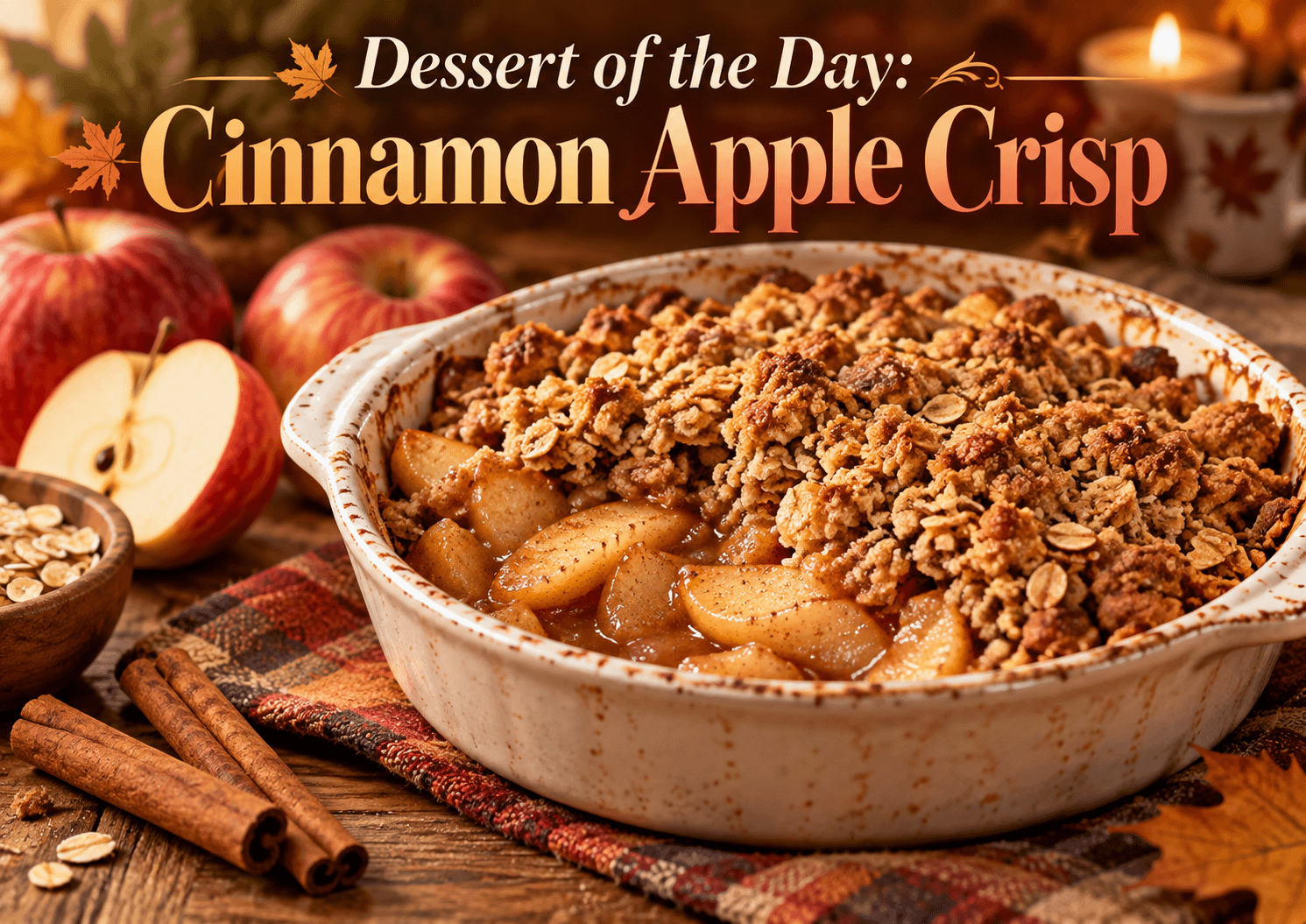
    Few desserts capture the warm, comforting flavors of home quite like a freshly baked Cinnamon Apple Crisp. With tender apples coated in cinnamon and brown sugar underneath a buttery, golden oat topping, this classic dessert is simple enough for an ordinary evening yet special enough for holidays, family gatherings, or a cozy fall celebration.

    The beauty of apple crisp is its simplicity. You do not need to prepare pie crust, roll dough, or spend hours decorating anything. Slice the apples, toss them with a handful of flavorful ingredients, cover them with a crumbly topping, and let the oven do the rest.

    As it bakes, the apples soften and release their juices while cinnamon, brown sugar, and butter create the unmistakable aroma of homemade dessert. The topping becomes golden and slightly crunchy while the fruit underneath stays warm, sweet, and tender.

    Serve it straight from the baking dish, add a scoop of vanilla ice cream, drizzle it with caramel sauce, or enjoy it exactly as it is.

    Cinnamon Apple Crisp is proof that some of the best desserts are also some of the simplest.

    Why Cinnamon Apple Crisp Is Such a Classic

    Apple desserts have been enjoyed for generations because apples naturally work beautifully with warm baking spices. Cinnamon is especially perfect with apples because it brings out their sweetness while adding a warm and slightly spicy flavor.

    Apple crisp takes that familiar combination and adds texture.

    Instead of covering the apples with a traditional pastry crust, a crisp uses a loose topping typically made from oats, flour, brown sugar, butter, and spices.

    During baking, the butter melts into the flour and oats while the sugar caramelizes slightly. The result is a topping that becomes crisp around the edges while remaining tender and crumbly in the center.

    Underneath, the apples cook in their own juices.

    The contrast is what makes the dessert so satisfying:

    Warm apples.

    Crunchy topping.

    Sweet cinnamon.

    Rich butter.

    A little tartness from the fruit.

    And, if you choose, cold vanilla ice cream slowly melting over everything.

    It is difficult to find a more comforting combination.

    Cinnamon Apple Crisp Recipe

    Ingredients

    For the Apple Filling

    • 6 medium apples
    • 2 tablespoons lemon juice
    • 1/2 cup granulated sugar
    • 1/4 cup brown sugar
    • 1 1/2 teaspoons ground cinnamon
    • 1/4 teaspoon ground nutmeg
    • 1 teaspoon vanilla extract
    • 2 tablespoons all-purpose flour
    • Pinch of salt

    For the Crisp Topping

    • 1 cup old-fashioned rolled oats
    • 3/4 cup all-purpose flour
    • 3/4 cup packed brown sugar
    • 1 teaspoon ground cinnamon
    • 1/4 teaspoon salt
    • 1/2 cup unsalted butter, melted
    • 1/2 cup chopped pecans or walnuts, optional

    Optional Toppings

    • Vanilla ice cream
    • Whipped cream
    • Caramel sauce
    • Chopped toasted pecans
    • Powdered sugar
    • Extra cinnamon

    How to Make Cinnamon Apple Crisp

    Step 1: Preheat the Oven

    Preheat your oven to 350°F.

    Lightly grease a 9×13-inch baking dish or similar-sized casserole dish with butter or nonstick cooking spray.

    Step 2: Prepare the Apples

    Peel the apples if desired.

    You can leave some or all of the peel on if you prefer additional texture.

    Remove the cores and slice the apples into pieces approximately 1/4-inch thick.

    Keeping the slices relatively similar in size will help them cook evenly.

    Place the sliced apples into a large mixing bowl.

    Step 3: Season the Apple Filling

    Add the lemon juice, granulated sugar, brown sugar, cinnamon, nutmeg, vanilla, flour, and salt.

    Gently toss everything together until all of the apples are evenly coated.

    The flour helps thicken the juices released by the apples while they bake, creating a rich sauce instead of an overly watery filling.

    Transfer the apple mixture into the prepared baking dish and spread it into an even layer.

    Step 4: Make the Crisp Topping

    In another bowl, combine:

    • Oats
    • Flour
    • Brown sugar
    • Cinnamon
    • Salt

    Stir until evenly combined.

    Pour the melted butter over the mixture.

    Use a fork or spoon to mix everything until crumbly.

    If you are using chopped nuts, fold them into the topping.

    Step 5: Add the Topping

    Sprinkle the crisp mixture evenly across the apples.

    You do not need to pack it down tightly.

    Leaving the topping loose helps create those delicious crispy crumbs during baking.

    Step 6: Bake

    Place the baking dish in the preheated oven.

    Bake for approximately 40 to 50 minutes, or until the topping is golden brown and the apple filling is bubbling around the edges.

    If your apples are sliced thicker, they may need slightly longer.

    You want them tender but not completely falling apart.

    Step 7: Let It Rest

    Remove the crisp from the oven and allow it to cool for approximately 10 to 15 minutes before serving.

    This resting time allows the filling to thicken slightly.

    The dessert will still be wonderfully warm.

    Choosing the Best Apples for Apple Crisp

    The variety of apples you choose can dramatically influence your finished dessert.

    Some apples become extremely soft during baking while others maintain more structure.

    A mixture of sweet and tart varieties often produces the best flavor.

    Granny Smith

    Granny Smith apples are one of the most popular choices for baking.

    They are firm and tart, which creates a delicious contrast with the sweet topping.

    Because they hold their shape well, they work especially well in apple crisp.

    Honeycrisp

    Honeycrisp apples offer a naturally sweet flavor with a slight tartness.

    They maintain a pleasant texture after baking and pair wonderfully with cinnamon.

    Fuji

    Fuji apples are sweeter than Granny Smith and have a juicy texture.

    Using Fuji apples can reduce the amount of additional sugar you need.

    Pink Lady

    Pink Lady apples provide a nice balance between sweet and tart flavors.

    They also hold up nicely during baking.

    Braeburn

    Braeburn apples have a slightly spicy flavor that complements cinnamon and nutmeg beautifully.

    Try Mixing Apple Varieties

    You do not have to choose only one kind of apple.

    Using several varieties can create a more complex dessert.

    For example, combine:

    • Granny Smith for tartness
    • Honeycrisp for sweetness
    • Pink Lady for balance

    Every bite will have slightly different flavors and textures.

    Why Lemon Juice Is Important

    Lemon juice may seem like a small ingredient, but it serves several purposes.

    First, it helps prevent sliced apples from turning brown while you prepare the dessert.

    More importantly, the acidity helps balance the sweetness.

    Desserts often taste more flavorful when there is a small amount of acidity to contrast with the sugar.

    You probably will not taste lemon in the finished crisp.

    Instead, the apples simply taste brighter and more flavorful.

    Getting the Perfect Crisp Topping

    The topping is arguably the best part of apple crisp.

    The combination of oats, brown sugar, flour, cinnamon, and butter creates a topping that becomes crunchy around the edges while staying slightly chewy underneath.

    Old-fashioned rolled oats are usually best because they provide more texture than quick oats.

    Brown sugar adds deeper caramel notes than granulated sugar.

    Melted butter makes preparation especially easy because you can simply stir everything together.

    If you prefer a topping with larger crumbs, use softened butter instead of melted butter and work it into the dry ingredients using your fingers or a pastry cutter.

    Add Nuts for Extra Crunch

    Chopped pecans and walnuts are both delicious additions.

    They toast during baking and create another layer of texture.

    Pecans provide a slightly sweeter and buttery flavor, while walnuts have a stronger nutty taste.

    Either one works beautifully.

    If someone in your household has a nut allergy, simply leave them out. The crisp will still be delicious.

    Add Caramel for an Extra-Special Dessert

    Apples and caramel are a classic combination.

    Once your apple crisp has cooled slightly, drizzle warm caramel sauce across each serving.

    You can even add a little sea salt over the caramel for a salted caramel apple crisp.

    Pair that with vanilla ice cream and you have a dessert that feels restaurant-worthy while still being incredibly easy to prepare at home.

    The Perfect Ice Cream Pairing

    Vanilla ice cream may be the most traditional choice for apple crisp, and there is a reason.

    The contrast between hot apple crisp and cold ice cream is irresistible.

    As the ice cream melts, it mixes with the cinnamon apple filling and creates a creamy sauce.

    Other ice cream flavors also work well.

    Try:

    • Butter pecan
    • Caramel
    • Cinnamon
    • Maple
    • Salted caramel
    • Vanilla bean

    For something lighter, whipped cream is another great option.

    How to Store Leftover Apple Crisp

    If you somehow have leftovers, apple crisp stores very well.

    Allow the dessert to cool completely.

    Cover the baking dish tightly or transfer the crisp into an airtight container.

    Store it in the refrigerator for approximately 3 to 4 days.

    The topping may soften slightly as it absorbs moisture from the apple filling, but reheating can bring some of the crispness back.

    How to Reheat Apple Crisp

    For individual servings, microwave the crisp for approximately 30 to 60 seconds.

    For the best topping texture, reheating it in the oven is even better.

    Place the apple crisp in an oven-safe dish and warm it at 350°F for approximately 10 to 15 minutes.

    The oven helps restore the crunchiness of the topping.

    Can You Make Apple Crisp Ahead of Time?

    Yes.

    Apple crisp is a convenient dessert when entertaining because much of the work can be done in advance.

    You can prepare the apple filling and topping separately.

    Keep both covered in the refrigerator.

    When you are ready to bake, place the apples in the baking dish, sprinkle the topping over them, and bake according to the recipe.

    You can also bake the entire crisp ahead of time and reheat it shortly before serving.

    Easy Cinnamon Apple Crisp Variations

    One of the advantages of a simple dessert is how easily you can customize it.

    Caramel Apple Crisp

    Drizzle caramel sauce over the apples before adding the topping.

    Serve with additional caramel after baking.

    Cranberry Apple Crisp

    Add fresh or dried cranberries to the apples.

    Their tartness adds beautiful flavor and color.

    Apple Pear Crisp

    Replace approximately one-third of the apples with sliced pears.

    Pears add additional sweetness and a softer texture.

    Maple Apple Crisp

    Replace part of the sugar in the filling with pure maple syrup.

    Maple and cinnamon work beautifully together.

    Extra Cinnamon Apple Crisp

    Cinnamon lovers can increase the cinnamon in both the filling and topping.

    You can also sprinkle cinnamon sugar over the dessert before serving.

    Nutty Apple Crisp

    Add chopped pecans, walnuts, or almonds to the topping.

    For even stronger flavor, lightly toast the nuts beforehand.

    Make Individual Apple Crisps

    Instead of making one large dessert, divide the filling among individual ramekins.

    Top each ramekin with the crisp mixture.

    Bake until bubbly and golden.

    Individual apple crisps are especially attractive for dinner parties and holiday meals because everyone receives their own warm dessert.

    Add a scoop of vanilla ice cream just before serving.

    A Wonderful Fall Dessert

    Cinnamon Apple Crisp is delicious throughout the year, but it feels especially appropriate during autumn.

    When apple orchards are full and cooler weather arrives, warm desserts become particularly comforting.

    Imagine coming inside after a cool evening and smelling baked apples, cinnamon, brown sugar, and butter coming from the kitchen.

    That aroma alone makes apple crisp feel special.

    It is perfect for:

    • Fall family dinners
    • Thanksgiving
    • Halloween gatherings
    • Football parties
    • Weekend baking
    • Sunday dinner
    • Potlucks
    • Holiday celebrations

    But you certainly do not need a special occasion.

    Sometimes the best reason to make apple crisp is simply because you want dessert.

    A Great Dessert for Beginning Bakers

    Apple crisp is also an excellent recipe for anyone who is still learning to bake.

    There is very little that can go wrong.

    The measurements do not have to be absolutely perfect.

    Your apple slices do not have to look identical.

    The topping does not need to be carefully shaped.

    There is no frosting to decorate.

    Simply combine the ingredients and bake.

    Even if the topping looks uneven when it goes into the oven, it often comes out beautifully golden and rustic.

    That homemade appearance is part of the charm.

    Why Homemade Desserts Matter

    There is something special about sharing a dessert made at home.

    It does not necessarily have to be complicated.

    Often the simplest recipes create the strongest memories.

    A warm pan of apple crisp sitting in the middle of the table encourages people to gather around, grab a spoonful, and enjoy something together.

    Food can become connected with memories of family dinners, holidays, friendships, conversations, and moments that might otherwise seem ordinary.

    Years later, someone may smell cinnamon apples baking and suddenly remember a kitchen, a family member, or an evening spent around the table.

    That is part of what makes traditional desserts worth continuing to make.

    Dessert of the Day

    Today’s Cinnamon Apple Crisp combines everything a comforting homemade dessert should have.

    You get tender apples coated in cinnamon and brown sugar, a golden buttery oat topping, and plenty of opportunities to customize every serving.

    Enjoy it warm from the oven.

    Add vanilla ice cream.

    Drizzle it with caramel.

    Top it with whipped cream.

    Or simply grab a spoon and enjoy it straight from the baking dish.

    However you serve it, Cinnamon Apple Crisp is the kind of dessert that proves simple ingredients can create something memorable.

    Sometimes you do not need a complicated cake, elaborate pastry, or fancy presentation.

    Sometimes all you need is warm apples, cinnamon, butter, brown sugar, oats, and a little time in the oven.

    What would you put on top of your Cinnamon Apple Crisp: vanilla ice cream, whipped cream, caramel sauce, or nothing at all?

  • Healthy Recipe of the Day: Mississippi Pot Roast with Beef Gravy

    Advertisements

    There is something special about a meal that can slowly cook for hours while filling the kitchen with the smell of beef, herbs, garlic, and savory gravy. Mississippi Pot Roast is one of those classic comfort-food dinners that requires very little effort but delivers plenty of flavor.

    Traditional Mississippi Pot Roast is famous for its incredibly tender beef, tangy pepperoncini peppers, ranch seasoning, gravy mix, and generous amount of butter. It is delicious, but if you are trying to make healthier meals, the traditional recipe can contain more sodium, saturated fat, and calories than you might want in an everyday dinner.

    The good news is that you do not have to give up the dish.

    Today’s Healthy Recipe of the Day: Mississippi Pot Roast with Beef Gravy keeps the slow-cooked tenderness and bold flavors while making a few simple adjustments. We will use plenty of herbs and seasonings, reduce the amount of butter, control the sodium, and create our own beef gravy instead of depending entirely on packaged seasoning mixes.

    The result is a hearty dinner that still tastes like comfort food.

    Why Mississippi Pot Roast Is So Popular

    Mississippi Pot Roast became popular because of its simplicity. A piece of beef goes into a slow cooker with a handful of flavorful ingredients, and several hours later it practically falls apart with a fork.

    The combination of beef and pepperoncini is especially important.

    Pepperoncini peppers provide acidity and a mild tanginess that cuts through the richness of the beef. Meanwhile, ranch-style herbs such as dill, parsley, garlic, and onion create layers of savory flavor.

    Then there is the gravy.

    As the beef cooks, its natural juices combine with the broth, seasonings, and other ingredients. Instead of serving dry shredded beef, you end up with tender meat surrounded by a savory beef gravy.

    That is exactly what we want to preserve in this healthier version.

    Healthy Mississippi Pot Roast with Beef Gravy

    Prep Time: 15 minutes
    Cook Time: 8–9 hours on low or 4–5 hours on high
    Servings: 6–8

    Ingredients

    • 3 to 3½ pounds chuck roast, trimmed of excess visible fat
    • 1 tablespoon olive oil
    • 1 teaspoon garlic powder
    • 1 teaspoon onion powder
    • 1 teaspoon dried parsley
    • ½ teaspoon dried dill
    • ½ teaspoon dried thyme
    • ½ teaspoon smoked paprika
    • ½ teaspoon freshly ground black pepper
    • ¼ teaspoon salt, or to taste
    • 1½ cups low-sodium beef broth
    • 6–8 pepperoncini peppers
    • 2 tablespoons pepperoncini juice
    • 1 tablespoon Worcestershire sauce
    • 1 tablespoon unsalted butter
    • 3 cloves garlic, minced
    • 1 medium yellow onion, sliced
    • 8 ounces mushrooms, sliced, optional

    For the Beef Gravy

    • 1½ cups cooking liquid from the slow cooker
    • 2 tablespoons cornstarch
    • 3 tablespoons cold water
    • Black pepper to taste

    Step 1: Trim the Roast

    Before cooking the beef, look over your chuck roast and remove large pieces of visible exterior fat.

    Chuck roast naturally contains marbling, which helps keep the beef tender during the long cooking process. You do not need to remove every bit of fat.

    The goal is simply to remove large excess pieces that are not necessary for flavor.

    This is one of the easiest ways to make pot roast a little lighter without sacrificing the tenderness that makes it so enjoyable.

    Step 2: Season the Beef

    In a small bowl, combine the garlic powder, onion powder, parsley, dill, thyme, smoked paprika, black pepper, and salt.

    Rub the seasoning mixture over all sides of the roast.

    Making your own seasoning blend gives you more control over sodium than using multiple packaged seasoning packets. You still get the familiar ranch-inspired flavor, but you decide exactly how much salt goes into your meal.

    Step 3: Sear the Roast

    Heat the olive oil in a large skillet over medium-high heat.

    Once the skillet is hot, add the roast.

    Sear it for approximately 2–3 minutes on each side until a brown crust develops.

    You could technically skip this step and put everything directly into the slow cooker. However, browning the beef creates additional flavor that makes the finished gravy even better.

    Transfer the browned roast to your slow cooker.

    Step 4: Add the Vegetables

    Place the sliced onion, minced garlic, and optional mushrooms around the roast.

    Onions will soften considerably during cooking and eventually become part of the flavorful cooking liquid.

    Mushrooms are optional, but they are an excellent addition if you want more vegetables in the meal. They also complement beef gravy beautifully.

    Step 5: Build the Mississippi Pot Roast Flavor

    Pour the low-sodium beef broth around the roast.

    Add the Worcestershire sauce and pepperoncini juice.

    Place the pepperoncini peppers around and on top of the beef.

    Finally, add one tablespoon of butter on top.

    Traditional recipes may use considerably more butter. Because chuck roast already contains natural fat, you can dramatically reduce the butter and still end up with tender, flavorful meat.

    That single tablespoon provides some richness without overwhelming the dish.

    Step 6: Cook Low and Slow

    Cover the slow cooker.

    Cook on LOW for 8–9 hours or HIGH for approximately 4–5 hours.

    For the best texture, low and slow is usually the better option.

    The roast is ready when it is extremely tender and easily pulls apart with a fork. If you have to fight with the meat to shred it, it probably needs additional cooking time.

    Step 7: Shred the Beef

    Carefully transfer the cooked roast to a large cutting board or serving dish.

    Using two forks, pull the beef into large pieces.

    Before returning the beef to the slow cooker, you can skim excess fat from the surface of the cooking liquid. This is another easy way to reduce unnecessary fat while keeping all the savory flavor underneath.

    Return the shredded beef to the slow cooker and gently stir.

    Step 8: Make the Beef Gravy

    The cooking liquid is already packed with flavor, so do not waste it.

    Measure approximately 1½ cups of liquid from the slow cooker and place it in a small saucepan.

    Bring it to a gentle simmer.

    In a separate small bowl, whisk together:

    2 tablespoons cornstarch + 3 tablespoons cold water

    Once smooth, slowly whisk the cornstarch mixture into the simmering beef liquid.

    Continue stirring for a few minutes until the gravy reaches your desired thickness.

    Taste before adding additional salt. Between the beef broth, Worcestershire sauce, pepperoncini juice, and natural beef juices, you may find that it does not need any.

    Add freshly ground black pepper if desired.

    Pour some of the gravy over the shredded beef and reserve the rest for serving.

    What Makes This Version Healthier?

    Healthy eating does not always mean completely changing your favorite foods. Sometimes it simply means adjusting ingredients and portions.

    This Mississippi Pot Roast makes several changes while maintaining the character of the original dish.

    Less Butter

    Instead of adding a large amount of butter, this recipe uses just one tablespoon.

    Chuck roast already contains fat and connective tissue that breaks down during slow cooking. You do not need an entire stick of butter to create tender beef.

    Lower-Sodium Ingredients

    Using low-sodium beef broth and homemade seasonings gives you more control over the sodium content.

    Pepperoncini and Worcestershire sauce still provide plenty of bold flavor.

    More Vegetables

    Adding onions, garlic, mushrooms, and vegetable side dishes gives you an opportunity to build a more balanced plate around the roast.

    Excess Fat Can Be Removed

    Trimming the roast before cooking and skimming excess fat from the cooking liquid afterward can reduce some of the fat without sacrificing the flavor of the finished dish.

    Healthy Side Dishes for Mississippi Pot Roast

    What you serve alongside your roast can make a major difference in the overall meal.

    Instead of automatically filling half the plate with mashed potatoes, consider building the meal around vegetables.

    Roasted Green Beans

    Green beans are simple, flavorful, and excellent with beef gravy. Roast them with a small amount of olive oil, garlic powder, and black pepper.

    Steamed Broccoli

    Broccoli gives the meal freshness and provides a nice contrast to the rich beef.

    Mashed Cauliflower

    If you love pouring beef gravy over mashed potatoes, mashed cauliflower can provide a lighter alternative.

    Steam cauliflower until extremely tender, then blend it with garlic, black pepper, and a small amount of milk or Greek yogurt.

    Roasted Carrots

    The natural sweetness of carrots pairs wonderfully with the salty and tangy flavors of Mississippi Pot Roast.

    Small Baked Potato

    Potatoes can absolutely be part of a balanced meal. Try serving the roast alongside a smaller baked potato rather than a large serving of buttery mashed potatoes.

    Cauliflower and Potato Mash

    Can’t decide between potatoes and cauliflower?

    Use both.

    Combining cauliflower with potatoes creates a lighter mash while maintaining much of the familiar potato flavor and texture.

    Turn It Into a Mississippi Pot Roast Bowl

    Another way to enjoy leftovers is to create a healthy roast bowl.

    Start with a generous serving of roasted vegetables or cauliflower rice.

    Add shredded Mississippi Pot Roast.

    Spoon a small amount of beef gravy over the top.

    Add sliced pepperoncini for extra tanginess.

    You can also include green beans, roasted broccoli, carrots, or a small amount of brown rice.

    It is an easy way to turn leftovers into something that feels like an entirely different meal.

    Don’t Forget Portion Size

    Pot roast is nutritious and provides protein, but portion size still matters.

    Instead of making the beef the entire meal, think about your plate as a combination of protein, vegetables, and a moderate serving of carbohydrates.

    A plate might include shredded Mississippi Pot Roast, roasted broccoli, carrots, and a small serving of mashed potatoes.

    You still get the comfort-food experience without needing an enormous serving of beef and gravy.

    How to Store Leftovers

    Mississippi Pot Roast is one of those meals that may taste even better the following day.

    Allow leftovers to cool before transferring them into airtight containers.

    Store the beef and gravy in the refrigerator for approximately 3–4 days.

    When reheating, add a small amount of low-sodium beef broth if the meat has absorbed too much of the gravy.

    You can also freeze the cooked beef in freezer-safe containers for longer storage. Portioning it before freezing makes it easy to thaw only what you need.

    Ideas for Mississippi Pot Roast Leftovers

    Do not feel like you have to eat the exact same plate several nights in a row.

    Leftover shredded beef can become the foundation for several different meals.

    Use it in a whole-grain wrap with lettuce, tomato, and pepperoncini.

    Serve it over a baked potato with steamed broccoli.

    Add it to a vegetable soup.

    Make a roast beef and vegetable bowl.

    Serve it with scrambled eggs for a protein-packed breakfast.

    You can even make an open-faced roast beef sandwich using whole-grain bread, shredded beef, and a small spoonful of warm gravy.

    Cooking once and creating multiple meals can make healthy eating much easier during a busy week.

    Slow Cooker vs. Oven

    Although the slow cooker is incredibly convenient, you can also prepare this recipe in the oven.

    Use a heavy Dutch oven with a lid.

    After searing the roast, add the remaining ingredients, cover, and cook at approximately 300°F until the meat becomes fork-tender.

    Depending on the size and thickness of the roast, this will generally take several hours.

    The important thing is not simply reaching a certain cooking time. You want the connective tissue in the beef to have enough time to break down so the meat becomes tender.

    Why Homemade Beef Gravy Makes a Difference

    Making gravy from the cooking liquid is one of my favorite parts of this recipe.

    You are not creating flavor from scratch.

    The slow cooker has already done most of the work.

    For hours, the broth has been cooking with beef, onions, garlic, herbs, Worcestershire sauce, and pepperoncini. Every ingredient contributes something to that liquid.

    Thickening it with a small cornstarch slurry turns those concentrated flavors into a silky beef gravy.

    It also gives you control over how much gravy you actually use.

    You do not have to drown the entire meal in it. A spoonful or two may be all you need.

    Healthy Food Can Still Be Comfort Food

    One of the biggest misconceptions about eating healthier is that every meal needs to feel like “diet food.”

    It doesn’t.

    Food is more than numbers on a nutrition label. Meals are connected to family, memories, traditions, celebrations, and comfort.

    That is why learning how to modify the foods you already enjoy can be much more sustainable than trying to completely eliminate them.

    Mississippi Pot Roast is a perfect example.

    We do not have to remove everything that makes it delicious.

    Instead, we make thoughtful changes.

    Trim excess fat.

    Use less butter.

    Control the sodium.

    Add vegetables.

    Make homemade gravy.

    Watch the portion size.

    Those individual decisions may seem small, but together they can create a meal that better fits a balanced way of eating.

    Final Thoughts

    Healthy Mississippi Pot Roast with Beef Gravy proves that comfort food and healthier cooking do not have to exist in separate worlds.

    You still get the tender, fall-apart beef.

    You still get the tanginess of pepperoncini.

    You still get the familiar garlic, onion, dill, and herb flavors.

    And most importantly, you still get that rich beef gravy that makes pot roast so satisfying.

    The difference is simply being more intentional about how the meal is prepared.

    Serve your Mississippi Pot Roast with plenty of vegetables, choose a reasonable portion, drizzle a little homemade beef gravy over everything, and you have a hearty dinner that can fit comfortably into a balanced eating plan.

    Sometimes healthier cooking isn’t about giving up the meals you love.

    It’s about finding a better way to make them.

    What is your favorite healthy side dish to serve with a slow-cooked pot roast?

  • Recipe of the Day: Country Hamburger Skillet

    Advertisements

    Some meals don’t need fancy ingredients or complicated cooking techniques to be memorable. Sometimes the best dinner is the kind that brings together a handful of everyday ingredients in one skillet and turns them into something warm, filling, and comforting.

    Today’s Recipe of the Day: Country Hamburger Skillet is exactly that kind of meal.

    Made with seasoned ground beef, tender potatoes, onions, vegetables, and plenty of melted cheese, this country-style skillet dinner delivers classic comfort food without creating a sink full of dishes. Everything cooks together in one pan, allowing the flavors to blend while keeping preparation and cleanup simple.

    It’s the kind of recipe that works beautifully for a busy weeknight, a casual family dinner, or one of those evenings when you’re hungry and want something substantial without spending hours in the kitchen.

    Why You’ll Love This Country Hamburger Skillet

    There is something satisfying about skillet meals. They’re uncomplicated, adaptable, and usually built around ingredients many people already keep in their kitchens.

    This recipe combines several comfort-food favorites in one dish: hamburger, potatoes, cheese, vegetables, and savory seasonings.

    The ground beef provides richness and protein, while the potatoes make the meal filling enough to stand on its own. Onions and garlic add plenty of savory flavor, and vegetables bring additional color and texture.

    Then comes the finishing touch: melted cheddar cheese.

    Once the cheese melts over the hot beef-and-potato mixture, everything comes together into a hearty skillet dinner that tastes like something you might have enjoyed around the family table growing up.

    Best of all, you can easily customize it depending on what you have available.

    Ingredients

    You’ll need:

    • 1 pound ground beef
    • 4 medium russet or Yukon Gold potatoes
    • 1 medium yellow onion, diced
    • 2 cloves garlic, minced
    • 1 cup frozen corn
    • 1 cup frozen peas
    • 1 cup shredded cheddar cheese
    • 1/2 cup beef broth
    • 1 tablespoon Worcestershire sauce
    • 1 tablespoon olive oil, if needed
    • 1 teaspoon smoked paprika
    • 1 teaspoon garlic powder
    • 1/2 teaspoon onion powder
    • 1/2 teaspoon dried thyme
    • 1/2 teaspoon salt, or to taste
    • 1/2 teaspoon black pepper
    • 2 tablespoons chopped fresh parsley, optional

    Preparing the Potatoes

    Start by washing the potatoes thoroughly.

    You can peel them if you prefer, but leaving the skins on adds texture and saves preparation time.

    Cut the potatoes into small cubes, approximately 1/2-inch pieces. Keeping the pieces relatively small and similar in size helps them cook evenly and more quickly.

    If your potato cubes are too large, the beef may be finished long before the potatoes become tender.

    Brown the Ground Beef

    Place a large, deep skillet over medium-high heat.

    Add the ground beef and diced onion.

    Cook for approximately 6 to 8 minutes, breaking the hamburger into smaller pieces with a wooden spoon or spatula as it cooks.

    Continue cooking until the beef is browned and the onions have softened.

    Drain excess grease if necessary.

    If you’re using particularly lean ground beef and the skillet becomes dry, add a small amount of olive oil.

    Add the minced garlic and cook for another 30 to 60 seconds, stirring frequently.

    Garlic burns quickly, so it doesn’t need much time.

    Season the Beef

    Add the Worcestershire sauce, smoked paprika, garlic powder, onion powder, dried thyme, salt, and black pepper.

    Stir until the seasonings are evenly distributed throughout the hamburger.

    This seasoning mixture gives the skillet its savory country-style flavor.

    Worcestershire sauce is especially helpful because it adds another layer of savory depth without overpowering the other ingredients.

    Add the Potatoes

    Add the diced potatoes to the skillet.

    Pour in the beef broth and stir everything together.

    Bring the liquid to a gentle simmer, then reduce the heat to medium-low.

    Cover the skillet and cook for approximately 15 to 20 minutes, stirring occasionally.

    Cooking time will vary depending on the size and type of potatoes you’re using.

    The potatoes should become fork-tender but shouldn’t completely fall apart.

    If the skillet becomes too dry before the potatoes are tender, add another splash of beef broth or water.

    Add the Vegetables

    Once the potatoes are almost completely tender, stir in the corn and peas.

    Continue cooking uncovered for approximately 4 to 5 minutes.

    Because frozen vegetables cook quickly, they don’t need to be added until near the end. This helps prevent them from becoming overly soft.

    Taste the skillet and adjust the seasonings if necessary.

    You may want another pinch of salt, black pepper, garlic powder, or smoked paprika depending on your preference.

    Bring on the Cheese

    Reduce the heat to low.

    Sprinkle the shredded cheddar evenly over the hamburger, potatoes, and vegetables.

    Cover the skillet for approximately 2 to 3 minutes, or until the cheese has completely melted.

    Remove the lid and finish with chopped parsley if desired.

    Your Country Hamburger Skillet is ready to serve.

    Serving Suggestions

    One of the best things about this recipe is that it can be a complete dinner by itself.

    You’ve already got beef, potatoes, vegetables, and cheese in the skillet.

    However, you can turn it into an even bigger country-style dinner by serving it alongside a few simple additions.

    Try it with:

    • Warm dinner rolls
    • Buttermilk biscuits
    • Cornbread
    • Garlic bread
    • Green salad
    • Steamed green beans
    • Roasted broccoli
    • Coleslaw

    A warm biscuit is particularly good because you can use it to scoop up the beef, melted cheese, and savory juices left on the plate.

    Make It Even More Country-Style

    Want to take this recipe another step toward classic country comfort food?

    Add bacon.

    Cook 4 to 6 strips of bacon until crispy before preparing the hamburger. Remove the bacon, crumble it, and set it aside.

    Leave a small amount of bacon grease in the skillet and use it to cook the ground beef and onions.

    Then sprinkle the crumbled bacon over the finished skillet along with the cheese.

    Ground beef, potatoes, cheddar, and bacon make an especially hearty combination.

    Add Bell Peppers

    Bell peppers are another easy addition.

    Dice one green, red, yellow, or orange bell pepper and cook it with the onions.

    Green peppers give the skillet a stronger, slightly earthy flavor, while red and yellow peppers provide more sweetness.

    You can also add diced jalapeños if you want some heat.

    Turn It Into a Spicy Hamburger Skillet

    For anyone who prefers dinner with a kick, this recipe can easily become spicy.

    Add:

    • 1 diced jalapeño
    • 1/4 teaspoon cayenne pepper
    • Crushed red pepper flakes
    • Pepper Jack cheese
    • Hot sauce

    You can use just one of these ingredients or combine several depending on how spicy you want your skillet.

    Try Different Cheeses

    Cheddar is a classic choice, but there’s no reason you have to stop there.

    Try using:

    Pepper Jack for a spicy version.

    Monterey Jack for an especially creamy melt.

    Colby Jack for a mild family-friendly option.

    Smoked Gouda for a deeper smoky flavor.

    You can even combine two or three cheeses.

    Sharp cheddar and Monterey Jack make an excellent combination.

    Mushroom and Hamburger Skillet Variation

    Mushrooms work especially well with ground beef.

    Slice approximately 8 ounces of mushrooms and sauté them with the onions before browning the hamburger.

    The mushrooms absorb the beef juices and seasonings as everything cooks.

    For an even richer version, add a small splash of heavy cream near the end of cooking before adding the cheese.

    That transforms the dish into something closer to a creamy hamburger-and-potato skillet.

    Can You Use Ground Turkey?

    Absolutely.

    Ground turkey or ground chicken can replace the hamburger if you want a lighter variation.

    Because these meats contain less fat than many types of ground beef, you may need to add a tablespoon of olive oil while cooking.

    Ground sausage is another delicious alternative.

    Breakfast sausage creates an especially flavorful country skillet and could even turn this recipe into a hearty brunch dish.

    What Kind of Potatoes Work Best?

    Russet potatoes are inexpensive, widely available, and become wonderfully tender as they cook.

    Yukon Gold potatoes are another excellent choice. They have a naturally buttery flavor and hold their shape particularly well in skillet dishes.

    Red potatoes can also work.

    Whatever variety you choose, the most important thing is cutting the potatoes into consistently sized pieces.

    Smaller cubes cook more quickly and evenly.

    Don’t Rush the Potatoes

    The potatoes are one of the stars of this recipe, so give them enough time to cook properly.

    If you turn the heat too high, the outside of the potatoes may brown or burn while the centers remain hard.

    Using a moderate temperature and covering the skillet helps trap steam, allowing the potatoes to soften.

    Stir occasionally so nothing sticks to the bottom.

    Make It Creamy

    Country Hamburger Skillet is delicious as written, but you can also make a creamy variation.

    Once the potatoes are tender, reduce the heat and stir in approximately:

    • 1/2 cup sour cream
    • 4 ounces softened cream cheese

    Stir until creamy before adding the shredded cheddar.

    The result is an incredibly rich hamburger-and-potato skillet that’s somewhere between a casserole and a stovetop dinner.

    Add a Gravy

    Another country-inspired variation is adding brown gravy.

    Prepare approximately 1 cup of brown gravy and stir it into the skillet after the potatoes are tender.

    Let everything simmer together for several minutes before topping with cheese.

    You can also skip the cheese entirely when making the gravy variation.

    Hamburger, potatoes, onions, and brown gravy make a simple but incredibly satisfying combination.

    What About Leftovers?

    Country Hamburger Skillet makes excellent leftovers.

    Allow any remaining food to cool before transferring it into an airtight container.

    Refrigerate promptly and use within 3 to 4 days.

    When you’re ready to eat it again, reheat individual portions in the microwave or warm the skillet gently on the stove.

    If reheating on the stovetop, adding a tablespoon or two of beef broth can help restore moisture.

    Meal-Prep Possibilities

    This recipe can also be partially prepared ahead of time.

    You can dice the onions and prepare the seasonings in advance.

    The hamburger can also be cooked ahead, refrigerated, and added back to the skillet when you’re ready to make dinner.

    If cutting potatoes ahead of time, keep them submerged in cold water in the refrigerator so they don’t discolor. Drain and dry them before cooking.

    A little preparation can make an already simple weeknight dinner even easier.

    A Budget-Friendly Family Dinner

    One reason hamburger-and-potato recipes have remained popular for generations is their affordability.

    Ground beef can stretch surprisingly far when combined with potatoes and vegetables.

    Instead of requiring several pounds of meat, a single pound of hamburger becomes the foundation of an entire skillet meal.

    Potatoes provide inexpensive bulk, while frozen vegetables are convenient and can often be purchased economically.

    If you’re feeding a larger family, add another potato or two and increase the vegetables.

    A little extra beef broth and cheese can help bring the larger batch together.

    Why One-Pan Meals Are So Convenient

    Nobody wants to finish dinner and discover that every pot and pan in the kitchen needs washing.

    That’s where skillet meals shine.

    The beef browns in the same pan where the potatoes cook. The vegetables go directly into that mixture, and the cheese melts right over the top.

    One skillet.

    One complete dinner.

    And considerably less cleanup afterward.

    That’s difficult to beat on a busy evening.

    Old-Fashioned Comfort Food With Room for Creativity

    Country cooking has never been about making food unnecessarily complicated.

    Some of the most memorable meals come from taking ordinary ingredients and cooking them well.

    Ground beef.

    Potatoes.

    Onions.

    Vegetables.

    Seasonings.

    Cheese.

    None of those ingredients are particularly unusual on their own. Put them together in a hot skillet, however, and you have something filling, flavorful, and comforting.

    That’s also what makes this recipe so adaptable.

    You don’t need to follow every ingredient exactly.

    Have green beans instead of peas? Use them.

    Have leftover roasted corn? Toss it in.

    Have half an onion and some bell pepper waiting in the refrigerator? Add both.

    Have mozzarella instead of cheddar? It’ll still be delicious.

    A good skillet recipe should work with your kitchen rather than against it.

    Recipe at a Glance

    Prep Time: 15 minutes
    Cook Time: 30 minutes
    Total Time: Approximately 45 minutes
    Servings: 4–6

    Ingredients

    1 pound ground beef
    4 medium potatoes, diced
    1 medium onion, diced
    2 cloves garlic, minced
    1 cup corn
    1 cup peas
    1 cup shredded cheddar cheese
    1/2 cup beef broth
    1 tablespoon Worcestershire sauce
    1 teaspoon smoked paprika
    1 teaspoon garlic powder
    1/2 teaspoon onion powder
    1/2 teaspoon dried thyme
    1/2 teaspoon salt
    1/2 teaspoon black pepper
    Fresh parsley, optional

    Directions

    1. Brown the ground beef and onion in a large skillet over medium-high heat.
    2. Drain excess grease if necessary.
    3. Add garlic and cook for 30 to 60 seconds.
    4. Stir in Worcestershire sauce and seasonings.
    5. Add diced potatoes and beef broth.
    6. Cover and simmer over medium-low heat for 15 to 20 minutes, stirring occasionally, until the potatoes are tender.
    7. Stir in corn and peas.
    8. Cook uncovered for another 4 to 5 minutes.
    9. Sprinkle cheddar cheese over the skillet.
    10. Cover and cook on low for 2 to 3 minutes or until the cheese melts.
    11. Garnish with parsley and serve hot.

    Final Thoughts

    Country Hamburger Skillet proves that a satisfying dinner doesn’t need to be complicated.

    It’s hearty enough for hungry appetites, simple enough for an ordinary weeknight, and flexible enough that you can adjust the ingredients based on whatever happens to be in your refrigerator or pantry.

    The combination of savory hamburger, tender potatoes, onions, vegetables, and melted cheddar brings everything people love about country-style comfort food into one easy skillet.

    Serve it straight from the pan while the cheese is still bubbling and melted. Add some warm biscuits or cornbread on the side, gather everyone around the table, and enjoy a dinner built around simple ingredients and big comfort.

    Sometimes the simplest meals are the ones worth making again and again.

    What’s your favorite ingredient to add to a hamburger skillet?

  • Breakfast of the Day: Meat Lover’s Casserole

    Advertisements

    If your idea of a great breakfast includes plenty of bacon, sausage, ham, eggs, and melted cheese, today’s Breakfast of the Day: Meat Lover’s Casserole is made for you.

    This is the kind of breakfast that doesn’t leave anyone wondering where the main course is. Every slice is packed with savory breakfast meats, fluffy eggs, golden potatoes, and plenty of cheese. It combines many of the best parts of a traditional American breakfast into one warm, satisfying casserole.

    Even better, most of the preparation can be done ahead of time. That makes Meat Lover’s Casserole an excellent choice for busy mornings, weekend breakfasts, family brunches, holidays, potlucks, or any occasion when you need to feed several hungry people without standing over the stove cooking individual plates.

    Why You’ll Love This Meat Lover’s Casserole

    There is something comforting about a big breakfast casserole coming out of the oven. The cheese is bubbling, the edges are golden, and the smell of bacon and sausage fills the kitchen.

    This recipe delivers all of that while remaining surprisingly simple to prepare.

    The combination of sausage, bacon, and ham gives the casserole layers of smoky and savory flavor. Eggs hold everything together, potatoes make it hearty, and melted cheddar creates the cheesy finish that brings the entire dish together.

    It is also easy to customize. You can change the meats, add vegetables, experiment with different cheeses, or add some heat.

    Think of this recipe as a starting point for creating your own ultimate breakfast casserole.

    Meat Lover’s Casserole Recipe

    Prep Time: 20 minutes
    Cook Time: 45–55 minutes
    Total Time: About 1 hour 15 minutes
    Servings: 8–10

    Ingredients

    • 1 pound breakfast sausage
    • 8 slices bacon
    • 1 1/2 cups diced ham
    • 6 cups frozen shredded or diced hash browns, thawed
    • 10 large eggs
    • 1 cup whole milk
    • 1/2 cup heavy cream
    • 2 cups shredded cheddar cheese, divided
    • 1 cup shredded Monterey Jack cheese
    • 1/2 cup diced onion
    • 1/2 teaspoon garlic powder
    • 1/2 teaspoon onion powder
    • 1/2 teaspoon smoked paprika
    • 1/4 teaspoon black pepper
    • Salt to taste
    • 2 tablespoons sliced green onions, optional
    • Cooking spray or butter for the baking dish

    How to Make Meat Lover’s Casserole

    Step 1: Prepare the Oven and Baking Dish

    Preheat your oven to 375°F.

    Lightly grease a 9-by-13-inch baking dish with cooking spray or butter. Make sure you cover the bottom and sides so the casserole releases easily when it is time to serve.

    Step 2: Cook the Bacon

    Cook the bacon in a skillet over medium heat until it reaches your preferred level of crispness.

    Transfer it to a paper-towel-lined plate and allow it to cool slightly. Once cool enough to handle, crumble or chop the bacon into bite-sized pieces.

    Set it aside.

    Step 3: Brown the Sausage

    Using the same skillet, cook the breakfast sausage over medium heat.

    Break the sausage into small crumbles as it cooks. Continue cooking until it is completely browned and no pink remains.

    Drain away excess grease.

    Step 4: Cook the Onion

    Add the diced onion to the skillet and cook for about 3–4 minutes, or until it begins to soften.

    If you enjoy a stronger onion flavor, you can add slightly more. If onions aren’t your thing, simply leave them out.

    Step 5: Build the Potato Layer

    Spread the thawed hash browns evenly across the bottom of your prepared baking dish.

    Season lightly with salt and black pepper.

    The potatoes create a hearty base for the casserole and absorb some of the flavors from the meats, cheese, and egg mixture while baking.

    Step 6: Add the Meat

    Evenly distribute the cooked sausage, crumbled bacon, and diced ham over the potatoes.

    Try to spread everything across the entire casserole so each serving gets a little of all three meats.

    Step 7: Add the Cheese

    Sprinkle about 1 1/2 cups of cheddar cheese and the Monterey Jack cheese over the meat.

    Save the remaining cheddar for the top.

    Step 8: Prepare the Egg Mixture

    In a large mixing bowl, whisk together:

    • Eggs
    • Milk
    • Heavy cream
    • Garlic powder
    • Onion powder
    • Smoked paprika
    • Black pepper

    Whisk until the eggs are completely blended with the milk and cream.

    Pour the mixture slowly and evenly over the casserole.

    Give the baking dish a gentle shake to help the egg mixture settle between the potatoes, meat, and cheese.

    Step 9: Add the Final Cheese Layer

    Sprinkle the remaining cheddar cheese over the top.

    This final layer creates that irresistible golden, cheesy surface.

    Step 10: Bake

    Place the casserole in the preheated oven and bake uncovered for approximately 45–55 minutes.

    The casserole is finished when the center is set and no longer appears runny.

    If the cheese begins browning too quickly, loosely cover the casserole with aluminum foil for the final portion of baking.

    Step 11: Rest Before Serving

    Remove the casserole from the oven and allow it to rest for approximately 10 minutes.

    This step is important because it allows the egg mixture to finish setting and makes the casserole easier to slice.

    Top with sliced green onions if desired.

    Then cut into squares and serve warm.

    Three Meats, One Incredible Breakfast

    The real star of this casserole is obviously the meat.

    Instead of choosing between sausage, bacon, or ham, we’re using all three.

    Breakfast Sausage

    Sausage gives the casserole its traditional breakfast flavor and adds richness throughout every layer.

    Regular breakfast sausage works perfectly, but you can also experiment with hot sausage, maple sausage, sage sausage, turkey sausage, or chicken breakfast sausage.

    Bacon

    Bacon contributes a smoky, salty crunch.

    Cooking the bacon until slightly crisp before adding it to the casserole helps prevent it from becoming overly soft during baking.

    Thick-cut bacon is particularly good if you want larger pieces throughout the casserole.

    Ham

    Ham adds another layer of smoky flavor while giving the casserole substantial pieces of meat.

    This recipe is also a great way to use leftover ham after a holiday dinner.

    Dice it into small cubes and toss it right into the casserole.

    Don’t Forget the Potatoes

    Meat and eggs might dominate the recipe, but potatoes help turn this casserole into a complete meal.

    Frozen hash browns are convenient because they eliminate the need to peel, shred, or dice potatoes.

    You can use shredded hash browns for a softer texture or diced breakfast potatoes if you prefer more noticeable pieces.

    For an extra-crispy potato layer, bake the hash browns by themselves for about 10–15 minutes before adding the remaining ingredients.

    Make It Even Cheesier

    Cheddar and Monterey Jack are a dependable combination because cheddar provides bold flavor while Monterey Jack melts beautifully.

    But there are plenty of other cheeses that work well.

    Try pepper Jack for heat, mozzarella for extra stretchiness, Colby Jack for a mild flavor, smoked Gouda for deeper smoky notes, or a Mexican cheese blend for a Southwestern-inspired casserole.

    You could even sprinkle Parmesan across the top before baking.

    There isn’t one correct cheese combination.

    Use whatever sounds good to you.

    Turn Up the Heat

    If you enjoy spicy breakfasts, Meat Lover’s Casserole is incredibly easy to kick up a notch.

    Replace regular breakfast sausage with hot sausage and add diced jalapeños.

    You can also mix crushed red pepper flakes or cayenne pepper into the egg mixture.

    Another option is adding pepper Jack cheese.

    Serve each portion with hot sauce, salsa, or sliced fresh jalapeños for anyone who wants additional heat.

    Add Some Vegetables

    Calling it Meat Lover’s Casserole doesn’t mean vegetables aren’t welcome.

    Adding vegetables can introduce more flavor, color, and texture.

    Good additions include:

    • Bell peppers
    • Mushrooms
    • Spinach
    • Tomatoes
    • Jalapeños
    • Green onions
    • Broccoli
    • Diced green chiles

    Cook vegetables that release a lot of moisture before adding them to the casserole. Mushrooms and spinach, for example, can release considerable water while cooking.

    Removing that excess moisture beforehand helps prevent a watery casserole.

    Make It the Night Before

    One of the best things about breakfast casseroles is how well they work as make-ahead meals.

    Prepare the casserole as directed, but don’t bake it.

    Cover the baking dish tightly and refrigerate overnight.

    The next morning, remove it from the refrigerator while your oven preheats.

    Then bake as directed.

    Because the casserole will be cold, you may need to add several minutes to the baking time.

    This approach is especially convenient for Christmas morning, Easter brunch, family gatherings, overnight guests, or busy weekends.

    Instead of preparing an entire breakfast first thing in the morning, you can simply put the casserole into the oven.

    What to Serve With Meat Lover’s Casserole

    Because this dish is so rich and hearty, lighter sides make excellent companions.

    Try serving it with fresh berries, sliced melon, grapes, oranges, or a simple fruit salad.

    Toast, biscuits, English muffins, or croissants are great if you’re feeding an especially hungry crowd.

    For toppings and condiments, put out several choices and let everyone customize their serving.

    Some good options include salsa, hot sauce, sour cream, avocado, chopped green onions, ketchup, and country gravy.

    And, of course, don’t forget the coffee.

    Meat Lover’s Casserole With Country Gravy

    Want to take an already indulgent breakfast to another level?

    Add country gravy.

    Prepare your favorite sausage or peppered white gravy and spoon it over each serving immediately before eating.

    The creamy gravy works especially well with the potatoes, sausage, bacon, and eggs.

    You can even serve gravy on the side so everyone can decide how much they want.

    Turn Leftovers Into Breakfast Burritos

    Leftover Meat Lover’s Casserole doesn’t have to be served exactly the same way the next morning.

    Warm a portion of casserole and break it into smaller pieces.

    Place it inside a large flour tortilla with extra shredded cheese and a spoonful of salsa.

    Add avocado or hot sauce if desired.

    Roll everything into a burrito and lightly toast it in a skillet.

    Suddenly yesterday’s casserole has become today’s breakfast burrito.

    Storing Leftovers

    Allow leftover casserole to cool before transferring it to an airtight container.

    Store it in the refrigerator and enjoy within about 3–4 days.

    Individual portions can be reheated in the microwave for a quick breakfast.

    For a texture closer to freshly baked casserole, reheat portions in the oven or toaster oven until warmed through.

    Can You Freeze Meat Lover’s Casserole?

    Yes.

    Breakfast casseroles can be convenient freezer meals.

    After baking, allow the casserole to cool completely.

    Cut it into individual portions and wrap or package them separately before freezing. Individual portions are useful because you can reheat exactly what you need instead of thawing the entire casserole.

    For best quality, use frozen portions within a couple of months.

    Thaw overnight in the refrigerator before reheating, or reheat from frozen with additional cooking time.

    Perfect for Feeding a Crowd

    Cooking breakfast for several people can quickly become complicated.

    You might have one skillet cooking bacon, another cooking eggs, potatoes somewhere else, and toast going into the toaster.

    By the time everything is ready, half the food may already be cold.

    A casserole simplifies the process.

    Everything cooks together, everyone gets served at roughly the same time, and cleanup is easier.

    That makes Meat Lover’s Casserole particularly useful for brunches, holiday breakfasts, family reunions, church gatherings, potlucks, game-day mornings, and overnight guests.

    Create a Breakfast Casserole Bar

    If you’re serving this recipe at a party or brunch, turn it into a breakfast casserole bar.

    Bake the casserole and place different toppings nearby.

    Guests can choose from salsa, hot sauce, sour cream, avocado, jalapeños, green onions, diced tomatoes, shredded cheese, country gravy, or fresh herbs.

    It is an easy way to make one main dish feel customizable for a crowd.

    A Breakfast Worth Waking Up For

    Some mornings call for yogurt and fruit.

    Other mornings call for bacon, sausage, ham, eggs, potatoes, and enough melted cheese to make you forget about lunch for a while.

    Meat Lover’s Casserole is definitely the second kind of breakfast.

    It’s hearty without being complicated, customizable without requiring a long list of specialty ingredients, and easy to prepare ahead of time.

    The combination of smoky bacon, savory sausage, diced ham, seasoned potatoes, fluffy eggs, and melted cheese creates everything you could want from a comfort-food breakfast in a single baking dish.

    Serve it fresh from the oven for a relaxed Sunday breakfast. Prepare it the night before Christmas morning. Bring it to your next brunch or potluck. Or bake a batch and keep individual portions ready for busy mornings throughout the week.

    However you serve it, Meat Lover’s Casserole proves that sometimes choosing between bacon, sausage, and ham isn’t necessary.

    You can have them all.

    Would you keep this Meat Lover’s Casserole loaded with bacon, sausage, and ham, or what other breakfast meat would you add?

  • National Mofongo Day: Celebrating Puerto Rico’s Beloved Plantain Dish

    Advertisements

    There are certain foods that do much more than satisfy hunger. They tell stories about families, communities, migration, history, and cultural identity. Mofongo is one of those foods.

    National Mofongo Day is an opportunity to celebrate the iconic Puerto Rican dish made primarily from fried green plantains that are mashed with garlic, seasonings, and traditionally pork cracklings or chicharrón. The mixture is shaped and commonly served alongside meat, seafood, vegetables, or a flavorful broth.

    For Puerto Ricans and fans of Caribbean cuisine, mofongo represents far more than something delicious on a plate. It reflects generations of culinary tradition and the blending of cultural influences that helped shape Puerto Rican cooking.

    Whether you have eaten mofongo countless times or have never tried it, National Mofongo Day provides the perfect excuse to discover what makes this dish so special.

    What Is Mofongo?

    Mofongo begins with green plantains.

    Although plantains resemble bananas, they are generally larger, starchier, and used differently in cooking. Green plantains are firm and relatively savory rather than sweet, making them perfect for frying, mashing, and pairing with bold ingredients.

    For traditional mofongo, green plantains are peeled, cut into pieces, and fried until tender. They are then mashed—traditionally using a wooden mortar and pestle known as a pilón—with ingredients such as garlic, salt, olive oil or cooking fat, and crispy pork cracklings.

    The mashed plantain mixture can then be formed into a mound, ball, or bowl-like shape.

    That is only the beginning.

    Depending on the recipe and restaurant, mofongo might be stuffed or topped with shrimp, chicken, pork, steak, vegetables, or seafood. It can also be accompanied by broth or sauce, adding moisture and another layer of flavor.

    The result is hearty, garlicky, savory, and satisfying.

    The Cultural Story Behind Mofongo

    One reason mofongo is so fascinating is that its history reflects the cultural influences that shaped Puerto Rico and Caribbean cuisine.

    Mofongo is commonly associated with Puerto Rico, but its culinary roots are connected to African food traditions brought to the Caribbean during the colonial period.

    West and Central African cuisines include dishes in which starchy ingredients such as plantains, cassava, or yams are boiled or pounded into filling preparations. One dish frequently discussed in connection with mofongo is fufu, a staple with numerous regional variations throughout West and Central Africa.

    As African culinary traditions interacted with Indigenous Taíno and Spanish influences in Puerto Rico, new dishes and cooking traditions developed.

    Garlic, pork, plantains, herbs, seasonings, and traditional preparation methods eventually became part of Puerto Rico’s distinctive culinary identity.

    Mofongo became one of its most recognizable dishes.

    That history makes every serving a reminder that cuisine evolves through people, movement, survival, adaptation, creativity, and community.

    Why Mofongo Is So Closely Associated With Puerto Rico

    Puerto Rican cuisine is filled with bold flavors and comforting foods.

    Rice, beans, pork, seafood, plantains, garlic, sofrito, root vegetables, and flavorful seasonings appear throughout the island’s cooking traditions.

    Mofongo brings several of those elements together.

    It is also incredibly adaptable.

    Walk into different Puerto Rican restaurants and you may discover completely different versions of mofongo. One cook may serve a traditional garlic-heavy version with pork cracklings. Another might fill it with shrimp in garlic sauce. Someone else may serve it alongside roasted pork.

    Families can also have their own preferred recipes.

    That flexibility allows mofongo to remain deeply traditional while continually evolving.

    The Importance of the Pilón

    One of the most recognizable tools associated with making mofongo is the pilón, a traditional mortar and pestle.

    The fried plantains are placed inside the mortar and mashed together with garlic and other ingredients.

    This process accomplishes something that a blender or food processor cannot perfectly duplicate.

    Instead of completely puréeing the plantains, pounding them allows the cook to control the texture. Some pieces remain slightly chunky while others become smoother, creating the dense but textured consistency associated with good mofongo.

    For many families, the pilón itself can also carry cultural and emotional significance.

    Kitchen tools are sometimes passed through generations, and preparing traditional foods using familiar methods connects people with parents, grandparents, and ancestors who made those same dishes before them.

    Traditional Mofongo Ingredients

    Recipes differ, but a basic mofongo usually begins with a relatively small collection of ingredients:

    Green plantains: The foundation of the dish. They provide its distinctive texture and mild savory flavor.

    Garlic: Mofongo is known for its strong garlic character.

    Chicharrón: Crispy pork cracklings add saltiness, richness, and crunch to traditional versions.

    Oil: Used for frying the plantains.

    Salt and seasonings: These bring everything together.

    Broth: Chicken, beef, or another broth may be incorporated or served alongside the finished mofongo.

    From there, cooks can personalize the dish with proteins, sauces, vegetables, herbs, and other ingredients.

    How to Make Traditional-Style Mofongo

    Making mofongo at home takes a little effort, but the basic process is straightforward.

    Ingredients

    For approximately four servings, you will need:

    • 4 large green plantains
    • 4–6 garlic cloves
    • About 1 cup crushed or chopped chicharrón
    • Salt to taste
    • Oil for frying
    • Olive oil, as needed
    • Warm chicken or vegetable broth, as needed

    Step 1: Peel the Plantains

    Green plantains can be more difficult to peel than ripe bananas.

    Cut off both ends and carefully make shallow lengthwise cuts through the skin. Gently remove the peel without cutting too deeply into the plantain.

    Step 2: Cut the Plantains

    Slice each plantain into pieces approximately one inch thick.

    Keeping the pieces relatively uniform helps them cook evenly.

    Step 3: Fry the Plantains

    Heat cooking oil in a skillet or fryer.

    Fry the plantain pieces until they become golden and tender inside. You want them cooked through without becoming overly crispy.

    Remove them and allow excess oil to drain.

    Step 4: Prepare the Garlic

    Mash the garlic with a little salt.

    If you have a pilón, this can be done directly inside it.

    Step 5: Add the Plantains

    Add several fried plantain pieces at a time and begin pounding them with the garlic.

    Gradually incorporate the chicharrón.

    Continue until everything is thoroughly combined while maintaining some texture.

    If the mixture feels excessively dry, add a small amount of warm broth or olive oil.

    Step 6: Shape the Mofongo

    Press the mixture into a small bowl or mold.

    Turn the bowl upside down over the serving plate and gently release it.

    You should have a beautiful mound of mofongo ready for toppings, sauce, or broth.

    Popular Mofongo Variations

    One of the best things about mofongo is how easily it can be customized.

    Shrimp Mofongo

    Shrimp is one of the most popular additions.

    Imagine warm garlic mofongo topped with tender shrimp swimming in a buttery garlic or Creole-style sauce.

    The seafood’s tenderness contrasts beautifully with the dense mashed plantains.

    Chicken Mofongo

    Chicken provides another comforting option.

    Seasoned grilled, roasted, stewed, or sautéed chicken can be served over or beside the mofongo.

    Chicken cooked with a flavorful sauce works especially well because the mofongo absorbs some of the sauce.

    Steak Mofongo

    For something particularly hearty, serve mofongo with sliced steak.

    Garlic-seasoned steak combined with garlicky mashed plantains creates a filling meal packed with savory flavor.

    Pork Mofongo

    Pork and mofongo are natural companions.

    Roasted pork, pulled pork, fried pork pieces, or other preparations can turn mofongo into an impressive main course.

    Seafood Mofongo

    Why stop with shrimp?

    Lobster, crab, fish, octopus, or combinations of seafood can be paired with mofongo.

    Coastal Caribbean flavors and plantains work wonderfully together.

    Vegetarian Mofongo

    Mofongo does not necessarily have to contain pork.

    Leave out the chicharrón and use vegetable broth. Mushrooms, roasted vegetables, beans, avocado, or plant-based proteins can create a satisfying vegetarian version.

    Mofongo vs. Trifongo

    If you enjoy mofongo, another Puerto Rican dish worth discovering is trifongo.

    Traditional mofongo typically focuses on green plantains, while trifongo combines multiple starchy ingredients, commonly including green plantain, ripe plantain, and yuca.

    The ripe plantain adds sweetness while yuca contributes another texture.

    The combination creates a dish that feels familiar to mofongo lovers but offers a different balance of flavors.

    Why Garlic Matters

    Ask someone to describe a memorable serving of mofongo, and there is a good chance garlic will be part of the conversation.

    Garlic isn’t merely an optional seasoning here.

    It is one of the defining flavors.

    As the fried plantains are mashed with fresh garlic, the garlic spreads throughout the mixture. Pork cracklings provide saltiness and richness while the plantain offers a neutral base that carries those stronger flavors.

    That combination creates the unmistakable savory character of traditional mofongo.

    Garlic lovers may want even more by serving the finished dish with garlic shrimp or garlic sauce.

    What to Serve With Mofongo

    Mofongo can be a meal by itself, particularly when stuffed with meat or seafood, but it also pairs beautifully with other foods.

    Try serving it with:

    • Garlic shrimp
    • Roasted pork
    • Grilled chicken
    • Steak
    • Seafood
    • Beans
    • Avocado
    • Salad
    • Stewed vegetables
    • Chicken broth
    • Creole-style sauces

    A small bowl of warm broth alongside mofongo can be particularly satisfying because diners can add broth as they eat.

    How to Celebrate National Mofongo Day

    The easiest—and most delicious—way to celebrate National Mofongo Day is simply to eat mofongo.

    Visit a Puerto Rican restaurant and order a traditional version you’ve never tried before. If you normally order chicken, try shrimp. If you’ve only had seafood mofongo, try roasted pork.

    You can also make mofongo at home.

    Turn the preparation into a family cooking experience and let everyone create their own version. Prepare several toppings so people can customize their plates.

    National Mofongo Day can also be an opportunity to learn more about Puerto Rican culture and history.

    Food becomes even more meaningful when we understand the people and traditions behind it.

    Support Puerto Rican Restaurants

    Another meaningful way to celebrate is by supporting Puerto Rican-owned restaurants, food trucks, caterers, and small businesses.

    Instead of simply ordering your meal, ask about their mofongo.

    What version do they recommend?

    What protein is most popular?

    Does their recipe have a special ingredient?

    Food creates conversations, and conversations can lead to a greater appreciation of another community’s traditions.

    Share the restaurant with friends or post about your meal on social media. A simple recommendation can help introduce other people to Puerto Rican cuisine while supporting a local business.

    A Dish That Brings People Together

    The most memorable foods rarely exist only because of their ingredients.

    They become meaningful because of the experiences surrounding them.

    A recipe might remind someone of Sunday dinners at their grandmother’s house.

    A certain aroma can instantly transport someone back to childhood.

    A meal might remind a person of home even when they live thousands of miles away.

    Mofongo carries that kind of meaning for many people.

    Its combination of plantains, garlic, pork, broth, meat, and seafood may create the dish, but generations of people have given it its cultural significance.

    More Than Mashed Plantains

    Someone encountering mofongo for the first time might describe it simply as mashed fried plantains.

    Technically, that description isn’t completely wrong.

    But it misses almost everything that makes mofongo interesting.

    Food carries history.

    Recipes travel with people. Ingredients change when communities migrate. Families adjust recipes according to what is available. Techniques are taught from one generation to another.

    Eventually, a meal becomes part of a community’s identity.

    Mofongo demonstrates how powerful that process can be.

    National Mofongo Day Is About Food, Culture, and Community

    National Mofongo Day gives us another reason to appreciate one of Puerto Rico’s most beloved culinary creations.

    It is a celebration of the humble green plantain transformed through frying, pounding, garlic, seasoning, and creativity into something extraordinary.

    It is also an opportunity to recognize the African, Caribbean, Indigenous, and Spanish influences that contributed to Puerto Rican culinary traditions over centuries.

    Most importantly, it is a day to gather around the table.

    Order mofongo from a local Puerto Rican restaurant. Learn how to make it yourself. Share it with someone who has never experienced Puerto Rican cuisine.

    Food has an incredible ability to connect people across generations and cultures.

    Sometimes all it takes is one plate.

    Happy National Mofongo Day!

    Have you ever tried mofongo, and if you could choose any topping—shrimp, chicken, steak, pork, seafood, or vegetables—which would you put on yours?

  • National Horchata Day: Celebrate the Sweet, Creamy Drink With Centuries of History

    Advertisements

    There are certain drinks that are more than something refreshing in a glass. They carry history, family traditions, cultural identity, and memories from one generation to another. Horchata is one of those drinks.

    National Horchata Day, celebrated on September 24, is a delicious opportunity to enjoy this sweet and refreshing beverage while learning more about the traditions behind it.

    For many people in the United States, the word horchata immediately brings to mind the popular Mexican version made with rice, cinnamon, sugar, and water or milk. Served ice-cold, it is creamy, lightly spiced, and especially satisfying alongside tacos, burritos, enchiladas, tamales, and other flavorful foods.

    But horchata has a much bigger story.

    Different versions of horchata can be found across cultures and countries, and the drink’s history stretches back centuries. National Horchata Day gives us a chance not only to enjoy a glass but also to appreciate how food and drinks can travel across generations and borders while developing new identities along the way.

    What Is Horchata?

    Horchata is a sweet beverage generally created by soaking and blending grains, seeds, or nuts with water and then adding ingredients that provide sweetness and flavor.

    The exact ingredients depend heavily on where the horchata is being prepared.

    Mexican horchata is commonly made from rice and flavored with cinnamon and sugar. Some recipes incorporate milk, evaporated milk, condensed milk, vanilla, or other ingredients to produce an even richer drink.

    The result is usually creamy, sweet, refreshing, and filled with cinnamon flavor.

    However, rice isn’t the only ingredient used to make horchata.

    One of the fascinating things about horchata is how dramatically the drink can change depending on the region.

    Horchata Has a Long History

    The story of horchata didn’t begin with the modern Mexican rice drink many Americans recognize today.

    The name is closely associated with Spain’s horchata de chufa, particularly the traditional beverage from Valencia. Instead of rice, this variety is made using tiger nuts, known as chufas in Spanish.

    Tiger nuts aren’t actually nuts. They’re small tubers with a naturally sweet and somewhat nutty flavor.

    The history surrounding horchata is connected to centuries of cultural exchange around the Mediterranean and later between Europe and the Americas.

    As versions of the beverage spread to different regions, people adapted recipes according to the ingredients available to them.

    That process eventually produced several distinct varieties.

    It is a wonderful example of something that happens throughout culinary history: people take a basic idea and transform it using local ingredients, traditions, and tastes.

    Over time, those adaptations can become beloved traditions of their own.

    Mexican Horchata

    In the United States, Mexican-style horchata is probably the version most familiar to many people.

    The basic ingredients are remarkably simple:

    • Long-grain white rice
    • Water
    • Cinnamon
    • Sugar
    • Milk or another creamy ingredient, depending on the recipe
    • Vanilla, if desired

    The rice and cinnamon are typically soaked in water for several hours or overnight. The mixture is then blended and strained.

    Sugar and additional ingredients are added afterward.

    Once thoroughly chilled and poured over ice, the result is a refreshing beverage with a wonderful combination of sweetness and cinnamon.

    There isn’t one single recipe that every family or restaurant follows.

    Some people prefer their horchata thin and refreshing.

    Others enjoy it thick and creamy.

    Some recipes rely primarily on water, while others contain dairy products. Vanilla is common in certain recipes, while others allow cinnamon to remain the dominant flavor.

    Family recipes may also include their own special touches.

    That’s part of what makes traditional foods and drinks so interesting. Two people can prepare the same beverage and still produce noticeably different results.

    Why Horchata Goes So Well With Mexican Food

    There’s a reason horchata is such a popular companion to Mexican cuisine.

    Mexican dishes often contain bold flavors, including chilies, spices, grilled meats, salsa, citrus, cheese, and rich sauces.

    A cold glass of sweet horchata creates an enjoyable contrast.

    Its creamy sweetness can complement spicy foods especially well.

    Imagine sitting down with a plate of carne asada tacos topped with onions, cilantro, and salsa. Between bites, you take a drink of cold cinnamon horchata.

    Or maybe you’re enjoying enchiladas covered in sauce and melted cheese.

    The refreshing sweetness of horchata provides a completely different flavor between bites.

    That’s one reason the combination has remained so popular.

    Different Types of Horchata

    One of the best ways to celebrate National Horchata Day is to recognize that there isn’t only one kind.

    Mexican Horchata

    Usually made with rice, cinnamon, water, and sugar, with milk and vanilla sometimes added.

    Spanish Horchata

    The traditional Valencian version, known as horchata de chufa, is made primarily with tiger nuts, water, and sugar.

    Central American Variations

    Different countries throughout Central America have developed their own versions using ingredients such as seeds, rice, spices, and nuts.

    Recipes can differ significantly from one country—or even one family—to another.

    That’s why asking someone how their family makes horchata can lead to an interesting conversation.

    Homemade Horchata Recipe

    National Horchata Day is a perfect excuse to try making the drink yourself.

    Ingredients

    • 1 cup long-grain white rice
    • 4 cups water
    • 1–2 cinnamon sticks
    • 1/2 cup sugar, adjusted to taste
    • 1 teaspoon vanilla extract
    • 1 cup milk
    • Ice
    • Ground cinnamon for garnish

    Directions

    Rinse the rice and place it into a large bowl or container with the cinnamon sticks and water.

    Allow the rice mixture to soak for several hours. For deeper flavor, you can refrigerate it overnight.

    Remove or break apart the cinnamon sticks depending on your blender’s capabilities.

    Blend the rice mixture until the rice is finely ground.

    Strain the mixture through a fine-mesh strainer, cheesecloth, or nut-milk bag into a pitcher. Straining thoroughly helps create a smoother drink.

    Stir in the sugar, vanilla, and milk.

    Taste and adjust the sweetness if necessary.

    Refrigerate until thoroughly chilled.

    Stir well before serving because some sediment may naturally settle at the bottom.

    Pour over ice and sprinkle a little cinnamon on top.

    You now have a refreshing homemade horchata to enjoy for National Horchata Day.

    Make Your Horchata Your Own

    Once you’ve learned the basic recipe, there are plenty of ways to experiment.

    You could add more cinnamon if you enjoy a stronger spice flavor.

    A small amount of condensed milk can make the drink sweeter and richer.

    Vanilla adds another layer of warmth.

    For a dairy-free version, you can use plant-based milk or prepare a simpler version primarily using rice water.

    You can even experiment with flavors such as strawberry, coconut, coffee, or chocolate.

    Modern restaurants and drink shops have also taken inspiration from horchata to create everything from horchata coffee drinks to desserts and frozen treats.

    Traditional recipes deserve appreciation, but culinary traditions have always evolved as people experiment and create.

    Horchata Beyond the Glass

    Horchata’s popularity has inspired countless other treats.

    You may encounter:

    Horchata ice cream featuring cinnamon and rice-inspired flavors in a frozen dessert.

    Horchata coffee combining coffee or espresso with the sweetness and cinnamon flavors associated with horchata.

    Horchata milkshakes creating an especially creamy dessert-style drink.

    Horchata cupcakes and cakes using cinnamon, vanilla, and creamy flavors inspired by the beverage.

    Horchata popsicles transforming the drink into a refreshing frozen treat.

    Horchata-inspired cocktails incorporating the drink’s cinnamon and creamy qualities into adult beverages.

    The familiar flavor combination of cinnamon, vanilla, rice, and sweetness works surprisingly well in many desserts.

    How to Celebrate National Horchata Day

    Celebrating September 24 doesn’t have to be complicated.

    Start by ordering horchata from a local Mexican restaurant, taqueria, bakery, market, or food truck.

    If you’ve never tried it before, National Horchata Day gives you the perfect reason.

    You can also prepare homemade horchata and experiment with your own recipe.

    Make a pitcher and serve it with tacos or another favorite Mexican meal.

    Another fun idea is to compare several varieties.

    Try traditional Mexican rice horchata and, if you can find it, horchata de chufa. Comparing the two demonstrates just how different beverages carrying the same general name can be.

    You could also turn the celebration into a family activity.

    Let everyone customize their drink with cinnamon, vanilla, different amounts of sweetness, or other flavors.

    Support Local Restaurants

    National Horchata Day is also a good opportunity to support local restaurants and small businesses.

    Instead of only making it at home, visit a locally owned Mexican restaurant, taqueria, market, bakery, or food truck that serves horchata.

    Order lunch or dinner and add horchata to your meal.

    You might discover that the restaurant makes its horchata from scratch using a family recipe.

    Ask about it.

    Food is often one of the easiest ways to begin learning about another person’s traditions.

    A simple conversation about a recipe can reveal stories about families, childhoods, communities, and generations.

    Food and Drinks Connect Generations

    Perhaps one of the most meaningful aspects of traditional recipes is their ability to connect people across time.

    A grandmother teaches her daughter how to make a recipe.

    Years later, that daughter teaches her children.

    Eventually those children may prepare the same recipe for their own families.

    Ingredients might change slightly.

    Measurements might never be written down.

    Someone might add a little more cinnamon while another person prefers less sugar.

    But the heart of the tradition remains.

    That is how recipes become memories.

    Sometimes a certain smell or flavor can instantly transport us back to another moment.

    It might remind us of sitting around a family table.

    It could remind us of a restaurant we visited growing up.

    It could bring back memories of grandparents, parents, siblings, children, or friends.

    Food and drinks have an extraordinary ability to hold memories.

    Horchata is no different.

    More Than Just a Sweet Drink

    It would be easy to look at National Horchata Day as simply another excuse to enjoy something delicious.

    And there’s absolutely nothing wrong with that.

    Sometimes celebrating something tasty is reason enough.

    But horchata also offers an opportunity to appreciate culinary history and cultural traditions.

    Recipes rarely exist in isolation.

    They move with people.

    They change when families move.

    They adapt when ingredients aren’t available.

    They become part of new communities.

    Eventually, a recipe that began somewhere else can become deeply connected to another culture.

    The history of horchata demonstrates that beautifully.

    September 24 Is a Day to Raise a Glass

    National Horchata Day celebrates a beverage that manages to be simple and fascinating at the same time.

    Rice, cinnamon, water, and sugar can become something millions of people recognize and enjoy.

    Yet behind that simple glass is a much larger story involving history, migration, cultural exchange, family recipes, restaurants, celebrations, and generations of people keeping culinary traditions alive.

    So on September 24, find your favorite Mexican restaurant, visit a local taqueria, or make a pitcher at home.

    Pour it over plenty of ice.

    Add a sprinkle of cinnamon.

    Pair it with tacos, enchiladas, tamales, or whatever meal you love.

    Then take a moment to appreciate the history behind what you’re drinking.

    Whether you’ve enjoyed horchata your entire life or September 24 gives you your first opportunity to try it, National Horchata Day is a delicious reminder that some of the world’s most memorable traditions can be found in something as simple as a cold glass shared around the table.

    Happy National Horchata Day!

    How do you like your horchata—traditional rice and cinnamon, extra creamy, or with your own special twist?

Exit mobile version