Author: Brett Murphy

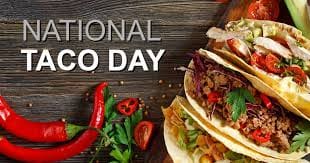
  • National Taco Day | October 4 Celebrating the Flavor, Culture, and Community of Tacos

    National Taco Day | October 4 Celebrating the Flavor, Culture, and Community of Tacos

    Every year on the first Tuesday in October, food lovers across the United States celebrate National Taco Day — a day dedicated to one of the most beloved and versatile foods in the world. From traditional Mexican street tacos to bold, modern fusions, this day honors the taco’s journey from humble beginnings to a global culinary favorite.

    🌮 The Origins of the Taco

    The taco’s history stretches back centuries, long before European settlers arrived in the Americas. Indigenous peoples in Mexico used corn tortillas to hold and transport food — an early version of what we now know as tacos. The term “taco” itself first appeared in the 18th century, referring to small charges used by silver miners, symbolizing the way ingredients were wrapped up inside tortillas.

    By the late 19th and early 20th centuries, tacos made their way into the United States through Mexican immigrants, bringing with them rich traditions and regional flavors. Over time, tacos evolved, giving rise to countless variations — from Baja-style fish tacos to Tex-Mex hard shells filled with seasoned beef, lettuce, and cheese.

    🌮 A Celebration of Flavor and Creativity

    National Taco Day is more than a reason to enjoy your favorite taco shop — it’s a celebration of creativity and cultural pride. Chefs and home cooks alike experiment with endless combinations of proteins, vegetables, and sauces. Today, you’ll find tacos filled with everything from classic carnitas and barbacoa to vegan jackfruit, Korean BBQ, or even breakfast ingredients.

    The beauty of the taco lies in its simplicity — a small tortilla that holds infinite possibilities.

    🌮 How to Celebrate National Taco Day

    Visit a local taqueria: Support local restaurants and small businesses serving authentic or creative taco dishes.

    Host a taco night: Gather friends or family and set up a DIY taco bar with toppings like guacamole, salsa, cheese, and pico de gallo.

    Try something new: Experiment with a new filling or homemade tortillas to explore the diversity of taco culture.

    Share your tacos: Post your creations on social media using #NationalTacoDay to join the nationwide celebration.

    🌮 More Than Just Food

    Beyond the deliciousness, tacos represent cultural heritage, community, and connection. They remind us that food is a universal language — one that brings people together, regardless of background.

    So, this October 4, grab a tortilla, fill it with your favorite ingredients, and celebrate the joy of tacos.

    Happy National Taco Day! 🌮

    Read More Holidays & National Days
  • Child Death Awareness Month: Honoring Young Lives and Promoting Prevention

    Child Death Awareness Month: Honoring Young Lives and Promoting Prevention

    Every October, Child Death Awareness Month serves as a solemn reminder of the young lives lost too soon and a call to action to prevent future tragedies. It’s a time to remember, raise awareness, and support the families who face the unimaginable pain of losing a child.

    Remembering the Lives Lost

    No parent expects to outlive their child. The loss of a child—whether through illness, accident, violence, stillbirth, or other causes—creates a deep wound that never fully heals. During Child Death Awareness Month, communities, organizations, and families unite to honor the memory of those children and to let grieving parents know they are not alone.

    Candlelight vigils, remembrance walks, and memorial events are often held to give families a safe space to share their stories and celebrate their child’s life. Many families light candles, release balloons, or wear remembrance ribbons to honor the children they have lost.

    Raising Awareness for Prevention

    Child Death Awareness Month isn’t only about remembrance—it’s also about prevention. Awareness campaigns shed light on issues such as:

    Sudden Infant Death Syndrome (SIDS) and safe sleep practices for infants

    Accidental injuries, including drowning, poisoning, and car accidents

    Child abuse and neglect prevention

    Mental health awareness and suicide prevention among youth

    By spreading knowledge and promoting safety initiatives, this month encourages communities, healthcare professionals, and policymakers to take proactive steps to protect children.

    Supporting Grieving Families

    Grief after the loss of a child can feel isolating, but support is essential. Organizations like The Compassionate Friends, Bereaved Parents USA, and First Candle provide resources and communities for parents, siblings, and extended families. Mental health counseling, peer groups, and remembrance events help families process their grief and find ways to heal while keeping their child’s memory alive.

    How You Can Help

    Participate in a local remembrance event or vigil.

    Donate to organizations working on child safety and bereavement support.

    Learn about common causes of child death and ways to prevent them.

    Reach out to a family you know who has experienced loss—sometimes, a simple “I’m thinking of you” means everything.

    A Month of Compassion and Change

    Child Death Awareness Month reminds us all of the fragility of life and the power of community. By remembering, learning, and acting, we honor the children who are gone and help ensure that fewer families experience such profound loss in the future.

    A Father’s Guide to Surviving the Loss of a Child

  • National Consignment Day | October 6

    National Consignment Day | October 6

    Every year on the first Monday of October, shoppers and sellers alike celebrate National Consignment Day—a day dedicated to giving pre-loved items a second life. Founded by The RealReal in 2017, this day encourages people to rethink their relationship with consumer goods and embrace consignment as a sustainable, stylish, and financially savvy way to shop and sell.

    The Meaning Behind Consignment

    Consignment is more than just a transaction—it’s a partnership between sellers and shops (or online platforms) where gently used items are sold on the owner’s behalf. Once the item sells, the original owner earns a portion of the proceeds. It’s a win-win model that helps reduce waste, keeps valuable items in circulation, and supports both consumers and small businesses.

    The Environmental Impact

    In a world where fast fashion and overproduction dominate, consignment offers a powerful alternative. By extending the life of clothing, furniture, and accessories, the consignment industry helps reduce landfill waste and conserves the resources needed to produce new goods. According to sustainability experts, buying secondhand can reduce carbon emissions by up to 80% compared to buying new.

    A Growing Trend

    With online consignment platforms such as The RealReal, Poshmark, and ThredUp leading the way, the resale industry has exploded in popularity. Consumers today value quality, authenticity, and sustainability—and consignment fits perfectly with these ideals. Even luxury brands have begun to embrace the resale market, acknowledging the role it plays in a circular economy.

    How to Celebrate National Consignment Day

    Clean Out and Contribute: Go through your closet, jewelry box, or home décor and set aside items that still have life left in them. Consign them with a trusted shop or online platform.

    Shop Sustainably: Support consignment stores by shopping for high-quality, pre-owned goods. You’ll often find unique, designer, or vintage pieces at a fraction of retail prices.

    Spread the Word: Use the hashtag #NationalConsignmentDay to share your finds and inspire others to join the sustainable shopping movement.

    Host a Swap or Donation Drive: Organize a community event to encourage reuse and conscious consumption.

    The Bigger Picture

    National Consignment Day reminds us that fashion and consumer goods don’t have to be disposable. By consigning and shopping secondhand, we make choices that are good for the planet, our wallets, and our communities.

    So this October 6, celebrate smart style, sustainability, and the stories that come with every pre-loved item—because one person’s past purchase could be another’s perfect find.

    Read More Holidays & National Days
  • Donorbox: Empowering Nonprofits to Fundraise with Ease

    Donorbox: Empowering Nonprofits to Fundraise with Ease

    In today’s digital age, nonprofit organizations rely heavily on streamlined, secure, and effective online fundraising tools to support their missions. One platform that has revolutionized this process is Donorbox—a powerful fundraising software designed to help nonprofits, churches, schools, and political campaigns raise more money with less effort.

    What Is Donorbox?

    Donorbox is an online donation platform that enables organizations to accept and manage donations directly through their websites. Launched in 2014, Donorbox has grown into one of the most widely used fundraising tools globally, powering thousands of campaigns across over 40 countries. Its mission is simple: to make fundraising fast, efficient, and donor-friendly.

    Key Features That Make Donorbox Stand Out

    Easy Integration:
    Donorbox can be seamlessly embedded into most websites, including WordPress, Wix, Squarespace, and Weebly. The donation forms are customizable, mobile-friendly, and available in multiple languages and currencies.

    Recurring Donations:
    One of Donorbox’s most powerful features is its recurring donation option. Supporters can set up weekly, monthly, quarterly, or annual contributions—helping nonprofits build sustainable, predictable revenue streams.

    Donor Management:
    The platform includes a built-in donor management system that tracks donor history, communication, and engagement. Nonprofits can export data, send personalized thank-you emails, and analyze donor trends—all in one dashboard.

    Security and Compliance:
    Donorbox prioritizes security by using SSL/TLS encryption and PCI-compliant payment processing. Donors can give confidently through trusted gateways such as Stripe, PayPal, Apple Pay, Google Pay, and ACH bank transfers.

    Peer-to-Peer and Crowdfunding Options:
    Donorbox offers crowdfunding and peer-to-peer fundraising tools, allowing supporters to create personal campaign pages to help raise funds on behalf of the organization—an invaluable feature for community-driven causes.

    Donor Engagement Tools:
    Beyond fundraising, Donorbox helps organizations retain and engage donors through goal meters, pop-up donation forms, and customizable thank-you messages, creating a more personal donor experience.

    Why Nonprofits Choose Donorbox

    Donorbox is known for its affordability and ease of use. With no setup fees and a free tier for smaller organizations, nonprofits of all sizes can get started quickly. The platform charges a small transaction fee, but its robust features often outweigh the cost, especially for organizations that depend heavily on online giving.

    Furthermore, Donorbox integrates smoothly with popular CRM systems, email marketing tools, and accounting software—such as Mailchimp, Salesforce, and QuickBooks—making it a central hub for nonprofit operations.

    Impact on the Nonprofit Sector

    From grassroots community groups to global humanitarian organizations, Donorbox has helped millions of donors connect with causes that matter. The platform’s accessibility and transparency have made it a trusted ally in modern philanthropy, empowering nonprofits to focus on their missions rather than administrative hurdles.

    Final Thoughts

    In a world where donor engagement and convenience can make or break a fundraising campaign, Donorbox stands out as a reliable, intuitive, and scalable solution. By combining technology with compassion, it enables organizations to raise more funds, reach more people, and make a greater impact.

    Whether you’re a small charity just starting out or an established nonprofit looking to boost online giving, Donorbox provides the tools to help your mission thrive. Sign up for Donorbox here: https://donorbox.org/?kfl_ln=brettmurphy5

    Read More Opportunities & Growth

  • National Good Buddy Day – Celebrating Friendship and Loyalty

    National Good Buddy Day – Celebrating Friendship and Loyalty

    Every year, National Good Buddy Day shines a light on one of life’s most valuable treasures — friendship. Observed annually on October 4, this day is all about celebrating the people who stand by our side through thick and thin — our “good buddies.” Whether it’s a lifelong friend, a loyal coworker, or even a trusted pet, National Good Buddy Day reminds us to appreciate those special connections that make life brighter.

    The Meaning Behind National Good Buddy Day

    Friendship has always been a cornerstone of human happiness. A “good buddy” isn’t just someone you hang out with — they’re the people who lift you up, listen without judgment, and bring joy into your everyday life. National Good Buddy Day encourages everyone to take a moment to say thank you to those people.

    While the origins of the holiday are not precisely documented, its purpose is clear — to recognize the importance of companionship, kindness, and mutual support. It’s a simple yet meaningful reminder that good friends make the world a better place.

    Ways to Celebrate

    There are plenty of heartfelt and fun ways to celebrate National Good Buddy Day:

    Reach Out: Call, text, or visit a friend you haven’t talked to in a while. A small gesture can go a long way.

    Plan a Get-Together: Whether it’s grabbing lunch, catching a movie, or just hanging out, quality time strengthens bonds.

    Share Memories: Post a favorite photo of you and your buddy with a message of appreciation on social media using #NationalGoodBuddyDay.

    Be a Good Buddy: Do something kind for someone who might need a friend — a coworker, classmate, or neighbor.

    Celebrate Your Pet: For many, their best buddy is furry, feathered, or scaled! Give them extra love and attention today.

    The Importance of Friendship

    Strong friendships can improve mental health, reduce stress, and even help people live longer. Studies show that having close relationships boosts happiness and provides a sense of belonging. National Good Buddy Day is more than just a fun celebration — it’s a reminder of the emotional nourishment friendships bring.

    Final Thoughts

    On National Good Buddy Day, take a moment to appreciate the people who make your life richer just by being in it. Whether you celebrate with laughter, memories, or a simple message of thanks, the goal is the same — to honor the bond of friendship and the joy of having a true buddy.

    Read More Holidays & National Days
  • National Cinnamon Bun Day | October 4

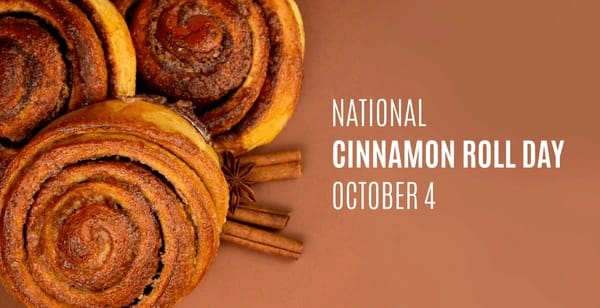
    National Cinnamon Bun Day | October 4

    Every October 4th, the warm scent of cinnamon and sugar fills kitchens and bakeries across the world as people celebrate National Cinnamon Bun Day — a sweet holiday dedicated to one of the most beloved pastries ever created. Whether you call them cinnamon buns, cinnamon rolls, or kanelbullar (as they’re known in Sweden), these golden swirls of dough, butter, and spice have a way of bringing comfort and joy to any morning.

    The Origins of Cinnamon Bun Day

    National Cinnamon Bun Day, or Kanelbullens Dag, began in Sweden in 1999. It was created by Hembakningsrådet (the Home Baking Council) to honor Sweden’s long tradition of home baking and to recognize the country’s iconic cinnamon bun. The idea was to celebrate the simple pleasure of sharing baked goods with family, friends, and coworkers — a value deeply tied to the Swedish concept of fika, a daily ritual of taking a coffee break with something sweet.

    Since then, the celebration has spread far beyond Sweden. Today, bakeries, cafes, and home bakers across the globe join in, offering fresh cinnamon rolls straight from the oven, dripping with icing and nostalgia.

    A Bite of History

    While Sweden popularized the holiday, the cinnamon bun’s roots reach back to Europe in the early 20th century. As baking ingredients like flour, butter, and sugar became more accessible, recipes for sweet yeasted doughs filled with spices started appearing throughout Northern Europe. Swedish bakers perfected the balance of spice and sweetness, shaping what we now know as the classic cinnamon bun — often topped with pearl sugar instead of icing.

    In America, the pastry took on a new life, evolving into the gooier, cream-cheese-frosted version most people recognize today. Iconic chains like Cinnabon, founded in 1985, helped turn the cinnamon bun into a worldwide favorite.

    How to Celebrate

    Visit your local bakery — Many shops feature special deals or freshly baked cinnamon rolls on October 4.

    Bake your own — Homemade cinnamon buns fill your kitchen with a cozy aroma and taste even better when shared.

    Host a “Fika” — Gather with friends or coworkers for coffee and buns, embracing the Swedish spirit of connection and comfort.

    Get creative — Try unique twists like apple-cinnamon buns, pumpkin spice rolls, or even savory versions with cream cheese and herbs.

    Sweet and Simple Joy

    National Cinnamon Bun Day is more than just a reason to indulge in a pastry — it’s a reminder of the joy found in simple pleasures and shared moments. Whether you prefer your cinnamon rolls topped with frosting, sugar, or nothing at all, take a moment today to slow down, sip your coffee, and savor every sweet swirl.

    Read More Holidays & National Days

  • National No Sugar Day Encourages Healthier Choices

    National No Sugar Day Encourages Healthier Choices

    Every year, Americans take part in National No Sugar Day, an observance designed to draw attention to the health effects of excessive sugar consumption and encourage people to consider sugar-free alternatives. What began as a grassroots health initiative has grown into a broader movement, sparking conversations about nutrition, wellness, and the role sugar plays in modern diets.

    The Origins of National No Sugar Day

    The day traces back to health advocates and nutrition-focused organizations that wanted to raise awareness about the dangers of added sugars, which are often hidden in foods that don’t even taste sweet—such as breads, sauces, and condiments. The idea was simple: dedicate one day each year to challenging people to avoid refined sugar entirely. By doing so, participants could experience how much of their diet actually relies on hidden sugars, and learn how to replace those with healthier choices.

    Over time, National No Sugar Day has gained momentum through schools, medical professionals, fitness organizations, and community groups. Nutritionists began promoting it as a way to kickstart longer-term dietary changes, often using the day as an introduction to reducing sugar intake for better health.

    Why It Matters

    Sugar has been a part of human diets for centuries, but in the modern era, consumption has skyrocketed. According to the U.S. Department of Agriculture, the average American consumes over 60 pounds of added sugar each year. Excess sugar intake is directly linked to rising rates of obesity, Type 2 diabetes, cardiovascular disease, and dental problems.

    National No Sugar Day encourages people to pause and consider not just obvious sources like soda or candy, but also less recognized contributors like flavored yogurts, breakfast cereals, energy drinks, and even salad dressings. By highlighting these hidden sources, the observance pushes for greater awareness of nutrition labels and mindful eating.

    How It’s Observed

    Across the country, communities mark the day in different ways. Schools may offer sugar-free meal options in cafeterias, while health clubs and gyms promote fitness challenges tied to the observance. Some restaurants participate by creating special “no sugar added” dishes or desserts using natural sweeteners.

    For individuals, the challenge may be as simple as avoiding their daily soda, skipping dessert, or trying black coffee instead of sweetened. Many people also use the day to experiment with natural sweeteners like fruit, dates, or honey, discovering that flavor doesn’t have to mean processed sugar.

    A Step Toward Lasting Change

    While National No Sugar Day only lasts 24 hours, the message extends far beyond a single date on the calendar. The ultimate goal is not restriction, but education. Advocates encourage people to use the day as a reset—a way to break habits, reevaluate food choices, and move toward a healthier, more balanced lifestyle.

    “Even just one day without added sugar can be eye-opening,” says a registered dietitian. “It helps people realize how often sugar sneaks into their diet, and how good it feels to cut back.”

    As awareness continues to grow, National No Sugar Day serves as an annual reminder that small steps can lead to big health improvements. By taking one day to go sugar-free, individuals open the door to better habits, clearer food choices, and a healthier future.

    Read More Holidays & National Days

  • National Pretzel Month: A Salty Celebration of a Classic Snack

    National Pretzel Month: A Salty Celebration of a Classic Snack

    Every October, pretzel lovers across the United States have a special reason to celebrate—National Pretzel Month. This annual recognition shines a spotlight on one of the world’s most beloved and enduring snacks: the pretzel. With its signature twisted shape, satisfying crunch, and endless variations, the pretzel has earned its place as a cultural icon and a favorite treat for generations.

    A Bite of History

    The pretzel’s origins date back centuries, with many historians tracing it to European monks in the early Middle Ages. The traditional twist is believed to symbolize arms folded in prayer, and pretzels were often given as a reward to children for learning their prayers. Immigrants later brought pretzels to America, where the snack became particularly popular in Pennsylvania—home to many of today’s largest pretzel bakeries.

    More Than Just a Twist

    While the classic salted pretzel remains a staple, this humble snack has evolved into countless forms. From warm, soft pretzels at ballgames and fairs to crunchy pretzel sticks found in every grocery store, there’s a version for everyone. Modern variations include stuffed pretzels, pretzel buns for sandwiches, chocolate-covered pretzels, and even pretzel-crusted dishes.

    Pretzels in American Culture

    Pennsylvania still reigns as the pretzel capital of the U.S., producing over 80% of the nation’s supply. The state’s strong German heritage helped cement pretzels into everyday American snacking. Today, pretzels are enjoyed everywhere—from concession stands to gourmet restaurants. Their versatility allows them to be both a comfort food and a creative culinary ingredient.

    Celebrating National Pretzel Month

    National Pretzel Month is the perfect time to enjoy this timeless treat. Here are a few fun ways to celebrate:

    Try Something New: Experiment with different flavors, dips, or recipes—think beer cheese, spicy mustard, or sweet glazes.

    Bake at Home: Making homemade pretzels can be a fun family activity.

    Support Local Bakers: Visit a neighborhood bakery or pretzel shop to taste fresh, hand-twisted creations.

    Pair with Drinks: Pretzels pair wonderfully with everything from craft beer to hot chocolate.

    A Snack Worth Celebrating

    National Pretzel Month isn’t just about indulging—it’s about appreciating a snack that has stood the test of time. With its rich history, cultural significance, and endless adaptability, the pretzel remains one of the most iconic foods in the world.

    So, this October, grab a pretzel—whether soft, crunchy, sweet, or savory—and join the celebration of a snack that’s as comforting as it is delicious.

    Read More Holidays & National Days
  • International Coffee Day – A Global Celebration of the Brew That Brings Us Together

    International Coffee Day – A Global Celebration of the Brew That Brings Us Together

    Every year on October 1st, coffee lovers across the globe unite to celebrate International Coffee Day. This annual observance is more than just a chance to enjoy a warm cup of your favorite roast—it’s a recognition of the hardworking farmers, roasters, baristas, and businesses that make coffee one of the most beloved beverages in the world.

    The Origins of International Coffee Day

    Launched in 2015 by the International Coffee Organization (ICO), International Coffee Day was created to promote coffee as not only a cultural staple but also a vital global industry. It serves as a reminder of the millions of small coffee farmers who rely on this crop for their livelihoods, often facing challenges such as climate change, fluctuating prices, and labor-intensive production.

    A Global Tradition in Every Cup

    Coffee is more than a morning ritual—it’s a cultural bridge. From the traditional Italian espresso to the frothy Turkish coffee, from a sweet Vietnamese cà phê sữa đá to a comforting American drip brew, each country adds its own unique twist to the drink. International Coffee Day highlights this diversity, reminding us that coffee is truly universal.

    Supporting Farmers and Fair Trade

    One of the core purposes of International Coffee Day is to shed light on the economic struggles of coffee growers. By promoting fair trade practices, sustainable farming, and ethical sourcing, the day encourages consumers to make informed choices. Choosing coffee labeled as fair trade or direct trade can help ensure that farmers receive fair wages and support for their communities.

    A Reason to Celebrate Together

    Cafés, roasters, and coffee shops worldwide mark the day with special deals, free tastings, and events that bring communities together. For many, International Coffee Day is also a moment of reflection—how something as simple as a cup of coffee can spark conversations, fuel creativity, and connect people across continents.

    Brew Your Own Celebration

    Whether you’re sipping on a meticulously crafted latte or brewing a simple pot at home, International Coffee Day is about honoring the journey from bean to cup. It’s an invitation to appreciate the flavors, traditions, and stories behind every sip.

    Read More Holidays & National Days

  • National Pizza Month | October

    National Pizza Month | October

    Every October, pizza lovers across the United States come together to celebrate National Pizza Month—a tribute to one of the most beloved and versatile foods ever created. Whether you prefer thin crust, deep-dish, wood-fired, or loaded with toppings, this month-long celebration invites everyone to indulge in a slice (or two) of pure comfort.

    The Origins of National Pizza Month

    National Pizza Month was established in 1984 by Gerry Durnell, the founder of Pizza Today magazine. His goal was to recognize the cultural impact of pizza and give people a reason to enjoy and explore the dish throughout the month of October. Since then, it has grown into a nationwide celebration, embraced by restaurants, pizzerias, and families alike.

    A Slice of Pizza History

    Though pizza in its modern form originated in Naples, Italy, it found a second home in America in the early 20th century. Italian immigrants brought their recipes to cities like New York and Chicago, where regional styles were born—thin, foldable slices on the East Coast and deep, cheesy pies in the Midwest. Today, pizza has evolved into countless varieties, from classic Margherita to fusion creations topped with everything from barbecue chicken to vegan cheese.

    How to Celebrate National Pizza Month

    Try a new style: If you’re loyal to one type of pizza, challenge yourself to explore something different. Detroit-style, Neapolitan, Sicilian, or even dessert pizza—there’s a world to taste.

    Host a pizza night: Gather friends or family and make pizzas from scratch. It’s a fun way to experiment with toppings and spend quality time together.

    Support local pizzerias: October is the perfect time to check out independent pizza shops in your area and discover hidden gems.

    Get creative: For those who love to cook, try crafting homemade dough or experimenting with unusual toppings like figs, arugula, or hot honey.

    Why Pizza Matters

    Pizza isn’t just food—it’s a cultural staple. It brings people together, whether at a casual family dinner, a late-night gathering, or a big game celebration. Its adaptability makes it a universal favorite, transcending borders and appealing to all ages.

    A Month to Savor

    National Pizza Month is more than a tribute to a dish—it’s about celebrating community, creativity, and comfort. With so many flavors, traditions, and styles to explore, October is the perfect time to honor the timeless joy of pizza.

    Read More Holidays & National Days