Category: Opportunities & Growth

  • How to Make the Most Out of Pickax

    How to Make the Most Out of Pickax

    Building an online presence is easier than ever. Building one that actually matters is much harder.

    You can create social media accounts, publish articles, record videos, start a podcast, send newsletters, and post content every day. But simply creating content does not guarantee that people will discover it, connect with it, or continue following you.

    That is where having the right platform—and the right strategy—can make a difference.

    For me, Pickax is more than another place to post something and hope people notice. It is an opportunity to build a community, share meaningful content, connect with people, and create something that can continue growing over time.

    But like almost any platform, you will get more from Pickax when you become intentional about how you use it.

    Whether you are a writer, creator, podcaster, business owner, entrepreneur, coach, community builder, or simply someone with something meaningful to say, there are several ways you can make the most out of Pickax.

    1. Start With a Clear Purpose

    Before worrying about followers, views, engagement, or monetization, ask yourself one important question:

    Why am I here?

    Your answer does not have to be complicated.

    Maybe you want to build an audience around your writing.

    Maybe you want to share your experiences and help others.

    Maybe you are promoting a business.

    Maybe you want to create a community around a specific interest.

    Maybe you want a place where your long-form content can live.

    Maybe you simply enjoy creating and want people to discover what you make.

    Knowing your purpose gives direction to everything else.

    Without a purpose, it becomes easy to post random content for a few weeks, become discouraged when growth is slow, and eventually disappear.

    With a purpose, every piece of content becomes another brick in something you are building.

    2. Complete Your Profile

    Your profile is often someone’s introduction to you.

    When people discover one of your posts and become interested, they may visit your profile to figure out who you are and what else you create.

    Make that decision easy for them.

    Your profile should quickly communicate who you are, what you create, and why someone might want to follow you.

    Think of it as your digital introduction.

    You do not need to tell your entire life story. Give visitors enough information to understand what they can expect from you.

    Consistency also helps. If you use a recognizable name, profile image, or branding elsewhere online, carrying some of that identity into Pickax can make you easier to recognize.

    3. Don’t Just Post—Publish With a Purpose

    There is a difference between creating content and creating content with intention.

    Before publishing something, think about what you want the reader to receive from it.

    Do you want them to learn something?

    Laugh?

    Think differently?

    Feel encouraged?

    Discover a resource?

    Join a conversation?

    Take action?

    When every post has a reason for existing, your content becomes more valuable.

    You do not have to turn every post into an essay. Some thoughts deserve only a few sentences. Others deserve 1,500 words.

    The important thing is making the content worth someone’s time.

    4. Take Advantage of Long-Form Content

    One of the things I appreciate about Pickax is the ability to go beyond short posts.

    Sometimes a thought cannot be properly expressed in a few sentences.

    Long-form publishing gives creators an opportunity to explore ideas more deeply, tell stories, teach something useful, and create content that people can spend time with.

    If you are a writer, this can be especially valuable.

    Instead of limiting yourself to quick updates, consider publishing deeper articles about your experiences, expertise, interests, lessons, or opinions.

    Long-form content can also become part of your larger content strategy.

    One article can inspire several shorter posts, quotes, discussions, videos, social posts, or follow-up articles.

    Do not think of an article as a single piece of content.

    Think of it as the beginning of several pieces of content.

    5. Create Recurring Content Series

    One of the best ways to make content creation easier is to develop recurring series.

    Instead of constantly asking yourself, “What should I post today?” create categories that you can return to regularly.

    For example, you might publish:

    • A weekly lesson
    • A daily motivational thought
    • A question of the day
    • Creator tips
    • Personal reflections
    • Behind-the-scenes updates
    • Industry observations
    • Tutorials
    • Interviews
    • Community spotlights
    • Weekly recommendations

    Recurring content gives your audience something familiar while making your own planning easier.

    Eventually, people may begin recognizing and anticipating those posts.

    Consistency builds familiarity, and familiarity can help build community.

    6. Tell Your Story

    People connect with people.

    You can share information all day, but sometimes the content people remember most is the content that helps them understand the person behind the account.

    You do not have to reveal everything about your life.

    Share what you are comfortable sharing.

    Talk about why you started creating.

    Share lessons you have learned.

    Talk about mistakes.

    Celebrate milestones.

    Discuss challenges.

    Explain why certain subjects matter to you.

    Show people the journey rather than only showing them the finished result.

    Authenticity does not require exposing every private detail. It means allowing your real personality, experiences, values, and perspective to become part of what you create.

    7. Engage With Other People

    If you want community, participate in the community.

    Do not treat Pickax like a billboard where you arrive, advertise yourself, and leave.

    Read what other people are creating.

    Respond when something resonates with you.

    Ask thoughtful questions.

    Encourage other creators.

    Join discussions.

    Follow people whose work genuinely interests you.

    The goal should not be to leave meaningless comments everywhere simply to attract attention.

    Real engagement is different.

    When you consistently interact with people because you actually care about what they are saying, relationships can begin forming naturally.

    Those relationships are often far more valuable than chasing numbers.

    8. Respond to People Who Engage With You

    When someone takes time to comment on your content, recognize that effort when possible.

    You do not have to write an essay in response to every comment.

    Sometimes a simple thank-you is enough.

    Other comments may open the door to deeper conversations.

    Those conversations can also give you ideas for future content.

    If someone asks an interesting question, you might turn your answer into a new post.

    If several people raise the same issue, you may have discovered a subject worth exploring in a full article.

    Your community can become one of your best sources of inspiration.

    9. Ask Better Questions

    Questions can transform passive readers into active participants.

    Instead of always ending a post with a statement, occasionally invite people into the conversation.

    Ask questions that people actually want to answer.

    For example:

    What has your experience been?

    What would you add to this?

    What lesson took you years to learn?

    What are you working on right now?

    What is one thing you wish more people understood about this subject?

    Questions make your content less like a broadcast and more like a conversation.

    And conversation is one of the foundations of community.

    10. Consistency Matters More Than Posting Constantly

    You do not necessarily need to publish every hour—or even every day—to build something worthwhile.

    You need consistency.

    There is an important difference.

    Choose a publishing schedule you can realistically maintain.

    Posting ten times one day and disappearing for three weeks is usually less useful than developing a sustainable rhythm.

    That might mean one thoughtful post every day.

    It might mean three posts per week.

    It might mean one major article each week with shorter posts in between.

    The right schedule is the one you can continue without turning content creation into something you hate.

    11. Build Relationships, Not Just Follower Counts

    Follower numbers are easy to measure, which makes them easy to obsess over.

    But numbers do not always tell you whether you are building something meaningful.

    I would rather have people who regularly read, respond, share ideas, and care about what I am creating than thousands of people who barely notice when I post.

    Celebrate growth, but do not allow numbers to become the entire purpose.

    Behind every follower is a person.

    Treat them that way.

    When you reach milestones—100 followers, 500 followers, 1,000 followers, or beyond—take a moment to appreciate the people who helped you get there.

    Community should never become just another statistic.

    12. Experiment With Different Types of Content

    Do not assume you already know exactly what your audience wants.

    Experiment.

    Try shorter posts.

    Publish longer articles.

    Ask questions.

    Share personal reflections.

    Create educational content.

    Try videos or multimedia content where appropriate.

    Talk about subjects you have never discussed before.

    Then pay attention to what creates meaningful responses.

    The goal is not necessarily to chase whatever gets the most views.

    You are trying to discover the intersection between:

    What you enjoy creating

    and

    What your audience finds valuable.

    That is often where sustainable content strategies are built.

    13. Connect Pickax With Your Broader Content Strategy

    Your content does not have to exist in isolation.

    If you create content elsewhere, think about how the different pieces can work together.

    A long Pickax article could become a Facebook post.

    A conversation could inspire a blog article.

    A video could inspire a written reflection.

    An article could lead to a podcast discussion.

    A short post could become the beginning of a larger article.

    The goal is not simply copying and pasting the same content everywhere.

    Instead, think about content ecosystems.

    One idea can be developed into several formats, allowing people to discover it wherever they prefer consuming content.

    14. Use Video and Multimedia When It Makes Sense

    Writing may be your primary format, but sometimes another medium communicates the idea better.

    Video can add personality.

    Audio can create intimacy.

    Images can stop someone long enough to notice a message.

    Long-form articles can provide depth.

    Short posts can begin conversations.

    Creators do not necessarily have to choose one format forever.

    Experiment with different ways of communicating your ideas and see which ones feel natural to you.

    If you already create video content or publish through platforms such as Rumble, explore ways your video and Pickax content can complement one another rather than functioning as completely separate projects.

    15. Think About Monetization After You Think About Value

    There is nothing wrong with wanting your content to generate income.

    Creators invest time, energy, knowledge, creativity, and sometimes money into what they produce.

    But monetization becomes much more sustainable when it is built around value.

    Ask:

    What can I provide that someone would genuinely find useful?

    That might eventually include premium content, sponsorship opportunities, memberships, services, products, affiliate recommendations, consulting, or other revenue streams available to you.

    But trust comes first.

    If every interaction feels like a sales pitch, people may stop listening.

    Create value consistently, build relationships, establish credibility, and then introduce monetization opportunities that naturally fit what you are already doing.

    16. Support Other Creators

    You do not lose when another creator succeeds.

    One of the healthiest things any online community can develop is a culture where creators support one another.

    Share someone’s work when it genuinely deserves more attention.

    Congratulate people on milestones.

    Leave meaningful comments.

    Recommend creators you enjoy.

    Collaborate when opportunities make sense.

    You never know where those relationships might eventually lead.

    A person you encourage today could become a collaborator, friend, business partner, supporter, or source of inspiration tomorrow.

    17. Pay Attention to What Works Without Becoming Controlled by Analytics

    Analytics and engagement numbers can teach you something.

    They can show which topics receive attention, which formats generate discussion, and which ideas resonate with your audience.

    Use that information.

    But do not allow numbers to completely dictate what you create.

    Sometimes your most important post will not be your most popular post.

    A piece of content might receive relatively little attention but deeply affect one person who desperately needed to read it.

    Impact cannot always be measured by views.

    Use data as information—not as your identity.

    18. Repurpose Your Best Ideas

    You do not need a completely original idea every day.

    If you wrote something valuable six months ago, revisit it.

    Update it.

    Expand it.

    Approach it from another angle.

    Turn it into a video.

    Create a shorter version.

    Ask your audience a question about it.

    Write a sequel.

    Great ideas deserve more than one appearance.

    Your newer followers may never have seen your older work, and your longtime followers may appreciate seeing an important subject explored more deeply.

    19. Give People a Reason to Come Back

    Think beyond individual posts.

    Ask yourself:

    Why should someone return to my profile tomorrow, next week, or next month?

    Your answer might be your personality.

    It could be your expertise.

    It might be encouragement.

    It might be humor.

    It might be storytelling.

    It could be a recurring series.

    It could simply be the feeling people get when they interact with your content.

    You are not merely creating posts.

    You are creating expectations.

    When people know that following you consistently gives them something worthwhile, returning becomes natural.

    20. Be Patient With Growth

    Almost everyone wants faster growth.

    It is natural.

    You put time into something and want to see results.

    But meaningful audiences rarely appear overnight.

    You may publish something you believe is incredible and receive very little engagement.

    Then something you wrote quickly may unexpectedly connect with hundreds of people.

    Online growth can be unpredictable.

    Do not allow one quiet day—or even a quiet month—to convince you that what you are building does not matter.

    Keep learning.

    Keep experimenting.

    Keep improving.

    Keep connecting.

    And most importantly, keep creating.

    Make Pickax Your Own

    There is no single correct way to use Pickax.

    That is part of what makes a creator platform interesting.

    A writer may use it completely differently from a podcaster.

    A business owner may approach it differently from someone building a personal community.

    An educator may create differently from an entertainer.

    Find the combination that works for you.

    Use the tools available to tell your story, publish your ideas, connect with people, grow your community, and explore opportunities that fit your goals.

    Do not simply ask:

    “How can I get more followers?”

    Ask:

    “How can I give people a reason to want to follow me?”

    That small change in thinking can completely change how you approach content creation.

    Final Thoughts

    Making the most out of Pickax is not about finding a secret trick.

    It comes down to purpose, consistency, experimentation, relationships, and value.

    Create content you believe deserves to exist.

    Talk to people rather than simply talking at them.

    Support other creators.

    Experiment with different formats.

    Learn from what works.

    Do not become discouraged when something does not.

    Celebrate your milestones without allowing numbers to define you.

    And remember that every large community started with the first person who decided to follow.

    If you continue creating, connecting, learning, and giving people something worth returning for, you are doing more than building a profile.

    You are building a community.

    What is one thing you are going to do differently on Pickax to get more out of the platform?

  • What Is Project Milk Carton and Why Does Its Mission Matter?

    What Is Project Milk Carton and Why Does Its Mission Matter?

    What Is Project Milk Carton and Why Does Its Mission Matter?

    When most people hear the words “milk carton” and “missing child” together, they think about a different era.

    They remember photographs of missing children printed on milk cartons and placed on breakfast tables across America. Before social media, smartphones, viral posts, and instant digital alerts, the milk carton became one way of putting a missing child’s face in front of millions of people.

    The message behind those campaigns was simple:

    Look at this child. Remember this face. Pay attention.

    Technology has changed dramatically since then.

    Today, information can travel across the country within seconds. Missing-child alerts can appear on smartphones. Photographs can be shared thousands of times on social media. Government databases can be searched online. Researchers can analyze enormous datasets from their computers. Journalists can access public records without ever entering a government building.

    Yet despite all of our technological advances, an old challenge remains.

    Information only matters when people are willing to look at it.

    Questions only lead to accountability when people are willing to ask them.

    And missing children cannot be reduced to statistics that disappear into databases and annual reports.

    That is part of what makes Project Milk Carton important.

    Project Milk Carton is a nonprofit organization focused on bringing greater transparency to America’s child-welfare system while supporting education, research, missing-child awareness, investigation, journalism, and public participation.

    Its work represents a modern interpretation of the original milk-carton concept.

    Instead of placing one photograph on a carton, today’s tools can bring together information from many different sources.

    Instead of asking people simply to recognize a face, we can also ask deeper questions about the systems responsible for protecting children.

    Where are children going missing?

    What happens when children enter foster care?

    What laws govern child-welfare agencies?

    How much public money supports these systems?

    What outcomes are those programs producing?

    What happens when policies fail?

    Who is responsible for oversight?

    And perhaps most importantly:

    Are the systems designed to protect children actually producing better outcomes for children?

    Those are difficult questions.

    But when children are involved, difficult questions are worth asking.

    What Is Project Milk Carton?

    Project Milk Carton describes itself as an independent 501(c)(3) nonprofit organization dedicated to transparency within America’s child-welfare system.

    Its mission brings together several areas that are often discussed separately.

    Missing children.

    Foster care.

    Child welfare.

    Government policy.

    Public spending.

    Legislation.

    Court decisions.

    Crime statistics.

    Child safety.

    Research.

    Investigative journalism.

    Community education.

    Rather than looking at each subject as an isolated issue, Project Milk Carton works to bring information together so people can begin seeing the larger picture.

    That distinction is important.

    Imagine learning that a certain number of children entered foster care in one state during a particular year.

    That number is useful.

    But by itself, it tells us very little about what ultimately happened to those children.

    We need more questions.

    How long did they remain in care?

    How many returned to their families?

    How many were adopted?

    How many moved between placements?

    How many aged out of foster care?

    Were any reported missing?

    What services were available to them?

    How much money was spent supporting the system?

    Did outcomes improve from previous years?

    Were new policies introduced?

    Did those policies work?

    One number can tell us something.

    Connected information can tell us much more.

    That is one reason data and transparency matter.

    Looking From the “Root to the Fruit”

    One of the concepts associated with Project Milk Carton’s approach is what the organization calls its “Root to Fruit” methodology.

    Think about a tree.

    You see the fruit at the end of the process, but the fruit did not appear by itself.

    It began with roots.

    Those roots supported a trunk.

    Branches grew from the trunk.

    Eventually, the tree produced fruit.

    Public policy can be examined in a similar way.

    At the roots are fundamental principles and laws.

    From there come federal legislation, state laws, regulations, government policies, agency procedures, funding decisions, and implementation.

    Eventually those decisions produce outcomes.

    The outcome is the fruit.

    When evaluating a child-welfare program, it is not enough to look only at its intentions.

    Almost every child-welfare program has good intentions written somewhere.

    Protect children.

    Support families.

    Reduce abuse.

    Find permanent homes.

    Improve safety.

    Prevent exploitation.

    Those are worthy goals.

    But good intentions and good outcomes are not automatically the same thing.

    The important question becomes:

    What actually happened?

    That is where transparency and data become essential.

    Why Child-Welfare Transparency Matters

    Child welfare is complicated.

    Federal agencies may provide funding or establish requirements.

    States pass laws and administer programs.

    Counties may handle individual services.

    Courts make decisions.

    Social workers manage cases.

    Law enforcement becomes involved in certain circumstances.

    Schools, healthcare providers, nonprofits, foster parents, attorneys, advocates, and other professionals may all become part of the process.

    For families suddenly entering this system, it can feel overwhelming.

    There may be unfamiliar terminology.

    Court hearings.

    Government forms.

    Case plans.

    Deadlines.

    Evaluations.

    Agency procedures.

    Legal requirements.

    Multiple professionals.

    And sometimes conflicting information.

    Most people never expect to become involved with the child-welfare system.

    When they do, they may have to learn extremely complicated processes while already experiencing one of the most stressful periods of their lives.

    Transparency helps people understand how systems work.

    It also helps the public evaluate whether those systems are fulfilling their responsibilities.

    Transparency Is Not the Same as Exposing Children

    There is an important distinction that must be made whenever we discuss transparency.

    Children deserve privacy.

    A child involved with foster care, abuse, exploitation, family conflict, or another difficult situation should not have every personal detail of their life placed online simply because the public wants accountability.

    Transparency does not have to mean exposing vulnerable children.

    It can mean examining policies.

    Budgets.

    Aggregate statistics.

    Agency procedures.

    Legislation.

    Government reports.

    Audits.

    Court decisions that are legally available to the public.

    Program outcomes.

    Oversight structures.

    Publicly available records.

    We can ask whether institutions are doing their jobs while still recognizing that individual children deserve dignity and appropriate privacy.

    Both principles matter.

    Why Missing-Child Awareness Remains Important

    The original missing-child milk-carton campaigns belonged to another technological era.

    But their fundamental purpose remains relevant.

    A missing child cannot be recognized by someone who has never seen the child’s face.

    Awareness increases the number of people who might recognize someone, remember something, or encounter information that could help.

    Today, the internet gives us extraordinary ability to spread missing-child information.

    A post can travel from California to New York in seconds.

    Someone can share a photograph with hundreds of friends.

    A local community group can distribute an alert throughout a neighborhood.

    But the speed of modern communication creates another responsibility:

    We have to share information accurately.

    An old missing-child post can continue circulating after circumstances change.

    A screenshot can remove important context.

    Rumors can be repeated until people mistakenly believe they are facts.

    Incorrect information can distract from accurate information.

    That is why responsible missing-child awareness is about more than clicking “Share.”

    People should look for reliable sources, current case information, accurate photographs, and appropriate contact information.

    The goal is not simply to make a post viral.

    The goal is to help accurate information reach people who might matter.

    A Missing Child Is More Than a Data Point

    Data is essential to Project Milk Carton’s broader mission.

    But data has a danger.

    When we spend enough time looking at numbers, we can forget what they represent.

    Imagine a report stating that 1,000 children experienced a particular outcome.

    The number 1,000 becomes an abstraction.

    But there isn’t really a “1,000.”

    There are one thousand individual children.

    One child may love baseball.

    Another may love drawing.

    One has a favorite teacher.

    Another has a dog waiting at home.

    One wants to become a firefighter.

    Another wants to become a veterinarian.

    Each has a name.

    Each has a story.

    Each has fears.

    Each has memories.

    Each has people who may love and miss them.

    Statistics allow us to understand patterns across large populations.

    Human stories remind us why those patterns matter.

    Responsible child-welfare research needs both.

    Project Milk Carton’s Different Areas of Work

    Project Milk Carton’s mission includes several connected areas of activity, including education and outreach, investigation and research, and journalism and media.

    These functions can complement one another.

    Research may uncover information.

    Data analysis may reveal a pattern.

    Investigative work may ask why that pattern exists.

    Journalism can explain the findings.

    Education can help families and communities understand what those findings mean.

    Public involvement can then encourage additional questions and accountability.

    That creates something larger than a database.

    It creates an information ecosystem.

    Education Can Be a Form of Protection

    We often think about protecting children as something done by police officers, social workers, parents, or courts.

    Those people certainly play important roles.

    But education can also be protective.

    A parent who understands online safety may recognize a risk sooner.

    A teenager who understands grooming behavior may know when something feels wrong.

    A family that understands how a government process works may know what questions to ask.

    A community that recognizes warning signs may respond more effectively.

    A journalist who understands child-welfare data may discover something that deserves public attention.

    A policymaker who understands an unsuccessful program may push for changes.

    Information cannot prevent every tragedy.

    But informed people are generally better prepared to recognize problems and make decisions.

    Why Research Matters

    Child-welfare debates can become extremely emotional.

    That is understandable.

    We are talking about children.

    We are talking about families.

    We are talking about allegations of abuse, neglect, exploitation, government intervention, parental rights, foster care, and sometimes life-and-death situations.

    Emotion will always be part of these conversations.

    But emotion cannot replace evidence.

    Responsible research asks:

    What do we know?

    How do we know it?

    Where did this information originate?

    Can it be independently confirmed?

    Is the information current?

    Does another source contradict it?

    What context might be missing?

    What conclusions can reasonably be drawn?

    What conclusions cannot yet be drawn?

    Those questions are not exciting.

    They do not always produce dramatic headlines.

    But they are essential.

    Why Public Records Matter

    Government agencies generate enormous amounts of information.

    Budgets.

    Audits.

    Reports.

    Legislation.

    Meeting minutes.

    Public hearings.

    Statistics.

    Contracts.

    Court documents where legally public.

    Policy manuals.

    Performance reports.

    Many of these records are available to ordinary citizens.

    But being publicly available does not automatically make information accessible.

    A report may be hundreds of pages long.

    A dataset may contain thousands or millions of rows.

    Government terminology may be difficult to understand.

    Information may be spread across several agencies.

    One organization may measure something differently from another.

    This is where researchers, journalists, data analysts, writers, and technology professionals can make a difference.

    They can help turn scattered information into something understandable.

    Why Independent Journalism Matters

    Journalism plays an important role in accountability.

    Government agencies naturally tell the public what they are doing.

    Independent journalists can ask whether those explanations match available evidence.

    That does not mean beginning with the assumption that every agency is corrupt or every official is dishonest.

    It means remaining willing to ask questions.

    What happened?

    Why?

    Who made the decision?

    What policy governed it?

    How much did it cost?

    What outcome was expected?

    What outcome occurred?

    Was anyone responsible for reviewing the result?

    Those are basic accountability questions.

    When public institutions have enormous responsibility over children’s lives, asking those questions becomes particularly important.

    Why Public Involvement Matters

    It is easy to look at something as large as America’s child-welfare system and conclude that ordinary people cannot possibly make a difference.

    Most of us are not policymakers.

    Most of us do not run government agencies.

    Most of us are not investigators.

    But public involvement takes many forms.

    A person can learn.

    A person can volunteer.

    A person can share verified missing-child information.

    A person can donate.

    A person can attend a public meeting.

    A person can read an audit.

    A person can contact an elected representative.

    A writer can explain an issue.

    A graphic designer can visualize data.

    A programmer can build tools.

    A researcher can examine public records.

    A teacher can educate parents.

    A community leader can organize a presentation.

    A business can support outreach.

    A journalist can investigate.

    No single person has to perform every role.

    Collective action works precisely because people contribute different things.

    Responsible Public Involvement Is Essential

    There is also a warning that should accompany calls for public participation.

    Helping does not mean becoming a vigilante.

    If you believe you have information concerning a missing or exploited child, provide it to appropriate authorities or recognized reporting organizations.

    Do not confront suspected offenders.

    Do not trespass.

    Do not follow people.

    Do not publish unsupported accusations.

    Do not harass families.

    Do not interfere with law enforcement.

    Do not organize an unauthorized rescue.

    And do not treat a missing-child case as an online puzzle.

    If there is an immediate emergency, contact 911.

    Information concerning missing children can also be reported through appropriate official channels, including the National Center for Missing & Exploited Children.

    Responsible awareness should help investigations—not complicate them.

    The Internet Can Help or Hurt

    Social media has transformed public awareness.

    It allows important information to travel farther and faster than previous generations could have imagined.

    But the same technology can spread misinformation equally quickly.

    One person posts an unsupported theory.

    Another repeats it.

    A third creates a video.

    Someone else turns the claim into a graphic.

    Thousands of shares later, people may believe the allegation has been confirmed when nobody ever provided evidence.

    That can harm innocent people.

    It can hurt families.

    It can distract attention from legitimate information.

    And it can interfere with responsible investigations.

    The solution is not to stop caring.

    The solution is to care enough to verify.

    Ask Better Questions

    Project Milk Carton’s emphasis on data and transparency points toward something everyone can practice:

    Ask better questions.

    Instead of immediately asking:

    “Who should I blame?”

    Ask:

    What happened?

    Instead of:

    “I saw this online, so it must be true.”

    Ask:

    Where did this information originate?

    Instead of:

    “The system doesn’t work.”

    Ask:

    What outcomes does the data actually show?

    Instead of:

    “Someone must be hiding something.”

    Ask:

    What information is legally public, what is legitimately confidential, and why?

    Good questions move conversations toward evidence.

    Children Should Never Become Invisible Inside Systems

    Large institutions depend on systems.

    Systems depend on categories.

    Categories create statistics.

    Statistics become reports.

    Reports become presentations.

    And eventually there is a danger that the individual person disappears.

    That cannot happen with children.

    Behind every foster-care statistic is a child.

    Behind every missing-person report is a child.

    Behind every abuse statistic is a child.

    Behind every court proceeding is a family.

    Behind every policy decision are people who may live with its consequences for years.

    Transparency helps keep human outcomes visible.

    The Modern Milk Carton

    There is something powerful about the name Project Milk Carton.

    The original milk carton represented awareness.

    A child’s face appeared somewhere ordinary.

    Someone pouring breakfast cereal might suddenly stop.

    Look.

    Read.

    Remember.

    Today, the physical carton has largely disappeared from missing-child awareness.

    But the underlying idea can live on.

    The modern milk carton can be a social media post.

    A searchable database.

    An investigative report.

    A public-record request.

    A data visualization.

    A community presentation.

    A missing-child poster.

    A podcast.

    A newspaper investigation.

    A volunteer.

    A researcher.

    Or simply another human being willing to pay attention.

    You Don’t Have to Be an Expert to Care

    Some people hesitate to become involved because they believe they do not know enough.

    That is actually a healthy instinct when it encourages humility.

    You should not pretend to be an investigator if you are not one.

    You should not give legal advice if you are not qualified.

    You should not interpret complicated statistics without understanding them.

    But you can learn.

    You can listen.

    You can read.

    You can ask questions.

    You can support people with appropriate expertise.

    You can share verified information.

    You can volunteer skills you actually possess.

    You can become more informed today than you were yesterday.

    That is how involvement begins.

    Why Project Milk Carton’s Mission Matters

    Project Milk Carton’s mission matters because the systems responsible for children deserve serious attention.

    Children deserve protection.

    Families deserve understandable information.

    Government programs deserve meaningful oversight.

    Public money deserves accountability.

    Journalists deserve access to reliable information.

    Researchers need usable data.

    Communities need education.

    Missing children need people to keep looking.

    And vulnerable children should never disappear inside statistics simply because the systems surrounding them are complicated.

    No organization can solve every problem within child welfare.

    No database can tell every child’s story.

    No journalist can investigate every case.

    No volunteer can help everyone.

    But progress does not require one person or organization to do everything.

    It requires people to contribute what they can while working responsibly.

    Paying Attention Is Where It Begins

    Perhaps the simplest lesson behind Project Milk Carton is also the most important:

    Pay attention.

    Look at the information.

    Ask where it came from.

    Learn how the system works.

    Look at the outcomes.

    Question inconsistencies.

    Respect privacy.

    Protect children.

    Support families.

    Share responsibly.

    Demand evidence.

    Encourage transparency.

    And when a child is missing, do not allow that child to become just another photograph scrolling past your screen.

    The old milk cartons asked Americans to look at a child’s face during breakfast.

    Today’s world gives us far more powerful tools.

    The question is what we choose to do with them.

    Project Milk Carton represents an opportunity to transform awareness into something more meaningful—education, research, responsible advocacy, transparency, accountability, and action.

    Because children should never become invisible simply because the systems surrounding them are difficult to understand.

    And protecting them should never be something we assume someone else will handle.

    If paying attention could help protect even one child, isn’t that reason enough for all of us to look a little closer?

  • Motivation of the Day: Keep the Promises You Make to Yourself

    Motivation of the Day: Keep the Promises You Make to Yourself

    There are promises we make to other people that we would never dream of breaking.

    We tell someone we will be there, and we show up.

    We promise to help, and we find a way.

    We give our word, and we do everything possible to honor it.

    But there is another kind of promise that can be much easier to ignore:

    The promises we make to ourselves.

    “I’m going to start taking better care of myself.”

    “I’m going to finish what I started.”

    “I’m going to stop putting this off.”

    “I’m going to work toward that dream.”

    “I’m going to change my habits.”

    “I’m going to give myself another chance.”

    We say these things with good intentions. Then life becomes busy, motivation disappears, something unexpected happens, or we simply decide that tomorrow would be easier.

    One skipped day turns into several.

    Several days turn into weeks.

    Eventually, the promise becomes another thing we once intended to do.

    Today’s motivation is simple:

    Start treating the promises you make to yourself like they matter.

    Because they do.

    Your Word to Yourself Matters

    When you repeatedly tell yourself you are going to do something and then ignore it, something slowly begins to happen.

    You stop believing yourself.

    You say, “Tomorrow I’m getting up early.”

    A part of you remembers all the other times tomorrow came and nothing changed.

    You say, “This time I’m going to stick with it.”

    Another part of you wonders how long “this time” will last.

    You say, “I’m finally going after this goal.”

    But somewhere inside, you may already be expecting yourself to quit.

    That loss of trust does not happen overnight.

    It happens one broken promise at a time.

    The good news is that self-trust can also be rebuilt the same way:

    One kept promise at a time.

    You do not have to completely transform your life today.

    You simply need to prove to yourself that when you say you are going to do something, your words mean something.

    Motivation Is Not Enough

    Motivation feels powerful when it arrives.

    You might wake up one morning filled with energy.

    You create a plan.

    You write down your goals.

    You decide everything is going to change.

    For a few days, you feel unstoppable.

    Then normal life returns.

    You get tired.

    You get busy.

    You become discouraged.

    Something does not happen as quickly as expected.

    Suddenly, the motivation that felt so powerful disappears.

    That is where many people stop.

    But accomplishing meaningful goals cannot depend entirely on whether you feel motivated.

    There will be days when you feel inspired.

    There will also be days when you would rather do almost anything except the thing you promised yourself you would do.

    Those are often the days that matter most.

    Anyone can act when motivation is high.

    Discipline begins when motivation is low and you still decide:

    “I said I would do this, so I’m going to do it.”

    Start With Smaller Promises

    One reason people struggle with keeping promises to themselves is that they make promises that are too big.

    They decide:

    “I’m completely changing my life starting tomorrow.”

    That sounds exciting.

    But what does it actually mean?

    Suddenly they are trying to change their diet, exercise every day, wake up earlier, save money, read more, start a business, clean the entire house, eliminate bad habits, and become a completely different person all at once.

    That is overwhelming.

    Try something smaller.

    Instead of:

    “I’m going to exercise every day.”

    Try:

    “I’m going to walk for ten minutes today.”

    Instead of:

    “I’m going to write a book.”

    Try:

    “I’m going to write 300 words.”

    Instead of:

    “I’m completely fixing my finances.”

    Try:

    “I’m going to review my spending tonight.”

    Instead of:

    “I’m finally getting my whole life organized.”

    Try:

    “I’m going to clean one drawer.”

    A small promise you keep is more powerful than an enormous promise you repeatedly break.

    Confidence Is Built Through Evidence

    People sometimes wait until they feel confident before taking action.

    But confidence often works in the opposite direction.

    You act first.

    Confidence follows.

    Every time you keep your word to yourself, you create evidence.

    Evidence that you can follow through.

    Evidence that you can handle discomfort.

    Evidence that you are capable of changing habits.

    Evidence that you can make progress even when you do not feel motivated.

    Imagine telling yourself:

    “I’m going for a fifteen-minute walk today.”

    Then you do it.

    That may seem insignificant.

    But your mind remembers.

    Tomorrow you make another promise.

    You keep that one too.

    Then another.

    Eventually, something changes.

    Instead of thinking:

    “I hope I can stick with this.”

    You begin thinking:

    “When I say I’m going to do something, I do it.”

    That identity is powerful.

    Stop Making Excuses Sound Like Reasons

    Sometimes there are legitimate reasons plans change.

    Life is unpredictable.

    Emergencies happen.

    People become sick.

    Responsibilities suddenly demand your attention.

    Circumstances genuinely change.

    But we also need enough self-awareness to recognize when we are creating excuses.

    “I’ll start Monday.”

    “I’m too tired.”

    “I don’t have enough time.”

    “I’ll do it when things calm down.”

    “I need to feel more prepared.”

    “I’ll start next month.”

    “I’ll wait until the perfect opportunity.”

    These statements can sound reasonable.

    But ask yourself one important question:

    Am I facing a real obstacle, or am I avoiding discomfort?

    Sometimes the answer may be uncomfortable.

    You might realize you actually do have fifteen minutes.

    You simply did not want to use them.

    You might realize you could begin now.

    You were just afraid.

    You might realize you do not need another month of preparation.

    You need to start.

    Recognizing the difference between a legitimate obstacle and an excuse can change everything.

    You Do Not Need a Perfect Day

    One of the easiest ways to break a promise to yourself is believing everything must go according to plan.

    Maybe you intended to spend an hour working toward your goal.

    Then the day became chaotic.

    Suddenly, you only have fifteen minutes.

    It is tempting to say:

    “There’s no point now.”

    But fifteen minutes is still better than zero.

    Maybe you planned to exercise for forty-five minutes but can only manage ten.

    Do ten.

    Maybe you wanted to write five pages but only have enough energy for one.

    Write one.

    Maybe you planned to clean the entire room but only have time for one corner.

    Clean the corner.

    Keeping your promise does not always mean executing the original plan perfectly.

    Sometimes it means honoring the intention in whatever way today allows.

    Progress does not need perfect conditions.

    Stop Negotiating With Yourself

    You probably know the conversation.

    “I’ll do it later.”

    Later arrives.

    “I’ll do it after dinner.”

    Dinner ends.

    “I’ll relax for a few minutes first.”

    A few minutes becomes an hour.

    “Tomorrow would probably be better anyway.”

    Suddenly, another day is gone.

    The more you negotiate with yourself, the easier it becomes to escape the commitment.

    Sometimes the solution is removing the negotiation.

    When it is time to do the thing you committed to doing, start.

    Do not spend thirty minutes deciding whether you feel like it.

    Take the first step before your mind creates twenty reasons not to.

    Put on the shoes.

    Open the document.

    Make the phone call.

    Send the email.

    Pick up the book.

    Start the application.

    Take out the ingredients.

    Write the first sentence.

    Beginning often requires more energy than continuing.

    Your Future Self Is Depending on You

    Imagine yourself six months from now.

    That person is being shaped by what you do today.

    Your future health is influenced by choices being made now.

    Your future finances are influenced by decisions being made now.

    Your future career may depend on skills you are learning now.

    Your future relationships can be shaped by conversations you choose to have now.

    Your future opportunities may come from work nobody is noticing right now.

    You may never receive applause for today’s discipline.

    Nobody may notice that you woke up early.

    Nobody may congratulate you for saving money instead of spending it.

    Nobody may see the hour you spent learning something new.

    Nobody may know you almost gave up but decided to continue.

    But your future self will eventually experience the results.

    You are building that person right now.

    Some Promises Need to Be Broken

    Keeping promises to yourself does not mean stubbornly holding onto every decision you have ever made.

    Sometimes maturity means realizing you promised yourself the wrong thing.

    Maybe you committed yourself to a goal that no longer matters.

    Maybe circumstances changed.

    Maybe you discovered a healthier direction.

    Maybe the dream you had five years ago no longer fits who you are becoming.

    Changing direction is not automatically quitting.

    Sometimes growth requires reevaluating.

    Ask yourself:

    Does this promise still move me toward the person I want to become?

    If the answer is yes, keep going.

    If the answer is no, give yourself permission to make a better promise.

    The goal is not to remain trapped by old commitments.

    The goal is to become intentional about the commitments you make.

    Missing One Day Does Not Mean You Failed

    You will not do everything perfectly.

    Eventually, you are going to miss a day.

    You will oversleep.

    You will forget.

    You will lose focus.

    Something unexpected will happen.

    You may even deliberately choose not to follow through.

    What matters next is incredibly important.

    Do not turn one missed day into permission to quit.

    People often think:

    “I already messed up, so what’s the point?”

    But one mistake does not erase everything you have done.

    If you miss Monday, return Tuesday.

    If you stopped for a week, restart today.

    If you abandoned the goal months ago, begin again now.

    You do not need to punish yourself for falling off track.

    You simply need to get back on it.

    Keep the Promise Even When Nobody Is Watching

    It is easier to stay committed when people are watching.

    We naturally care about how others see us.

    But some of the most important work you will ever do happens without an audience.

    Nobody sees you practicing.

    Nobody sees you studying.

    Nobody sees you rebuilding.

    Nobody sees you working late.

    Nobody sees you waking up early.

    Nobody sees you resisting the temptation to quit.

    Nobody sees the hundred small decisions that eventually create a visible result.

    This is where character grows.

    Not when everyone is cheering.

    But when nobody would know whether you quit—and you continue anyway.

    You are not doing it for applause.

    You are doing it because you gave yourself your word.

    Choose One Promise for Today

    You do not need ten new goals.

    Choose one.

    What is something you have repeatedly told yourself you were going to do?

    Maybe it is something small.

    Make the appointment.

    Drink more water.

    Take the walk.

    Apply for the opportunity.

    Clean the room.

    Call someone you care about.

    Write the page.

    Create the budget.

    Read the chapter.

    Start the project.

    Finish the task you keep avoiding.

    Whatever it is, stop thinking about completing the entire journey.

    Ask yourself:

    What would keeping my promise look like today?

    Then do that.

    Not tomorrow.

    Not next week.

    Today.

    Protect Your Commitments

    If something matters, put it on your schedule.

    Do not simply hope you find time.

    Time gets filled.

    Responsibilities appear.

    Phones ring.

    Messages arrive.

    Social media distracts us.

    Television fills an evening.

    Suddenly the thing we claimed mattered never happened.

    Treat important commitments like appointments.

    Decide when you are going to work on them.

    Protect that time when possible.

    You would probably hesitate before casually missing an appointment with someone you respect.

    Start giving yourself some of that same respect.

    Your Actions Teach You Who You Are

    Every action sends a message.

    When you continuously avoid what you said you would do, the message becomes:

    “My commitments do not matter.”

    When you consistently follow through, the message changes:

    “I can rely on myself.”

    That belief can spread into every area of your life.

    You may become more willing to attempt difficult things.

    You may become less afraid of ambitious goals.

    You may stop waiting for someone else to push you.

    You begin realizing that your life can change because you are capable of changing what you do.

    Not everything is within your control.

    Life will always contain uncertainty.

    But your willingness to show up is something you can influence.

    Today’s Motivation Challenge

    Think about one promise you have been making to yourself.

    Maybe you have been saying it for days.

    Maybe weeks.

    Maybe years.

    Write it down.

    Then make the promise smaller.

    Instead of asking yourself to accomplish the entire goal today, identify one action that moves you toward it.

    Then complete that action before the day ends.

    Keep the promise.

    Tomorrow, do it again.

    You are not trying to prove anything to the world.

    You are proving something to yourself.

    You are proving:

    I can trust myself to follow through.

    Keep Showing Up for Yourself

    You deserve the same reliability from yourself that you try to give the people you care about.

    When you promise someone else you will be there, you probably make an effort to show up.

    Start showing up for yourself too.

    Show up for your goals.

    Show up for your health.

    Show up for your future.

    Show up for your responsibilities.

    Show up for your dreams.

    Show up even when motivation is missing.

    Show up even when progress seems slow.

    Show up when nobody is cheering.

    Show up after you stumble.

    And when you cannot accomplish everything you hoped to accomplish, do what you can and continue tomorrow.

    A meaningful life is rarely changed by one enormous decision.

    It is changed by hundreds of small decisions repeated long enough to become something bigger.

    Final Thought

    You do not need another dramatic declaration about how everything is going to change tomorrow.

    You need one promise you are willing to keep today.

    Your life will not transform because you wrote down a goal.

    It transforms when your actions begin matching your intentions.

    Every time you keep a promise to yourself, you strengthen something inside you.

    You build discipline.

    You build confidence.

    You build consistency.

    You build self-respect.

    Most importantly, you build trust in your own ability to follow through.

    There will always be another excuse available.

    There will always be an easier option.

    There will always be a reason to wait.

    But somewhere between the person you are today and the person you want to become are the promises you make to yourself—and the choices you make when nobody is forcing you to keep them.

    Start small.

    Choose something meaningful.

    Give yourself your word.

    Then keep it.

    What is one promise you can keep to yourself today?

  • EthicaRx: A Free Prescription Savings Program Helping Make Medications More Affordable

    EthicaRx: A Free Prescription Savings Program Helping Make Medications More Affordable

    The cost of prescription medications can put serious pressure on a household budget. Even people with health insurance can sometimes face high copays, deductibles, or medications that simply aren’t covered at an affordable price.

    That is where EthicaRx comes in.

    EthicaRx is a prescription discount program designed to help consumers find lower prices on prescription medications at participating pharmacies across the United States. According to the Ethica Rx, people may be able to save up to 80% on prescription medications, with access to more than 70,000 participating pharmacies nationwide.

    The program is free to use and does not require traditional health insurance.

    What Is EthicaRx?

    EthicaRx provides consumers with a free prescription discount card that can be presented at participating pharmacies when filling prescriptions.

    It is important to understand that EthicaRx is not health insurance. Instead, it is a prescription savings program designed to provide discounted cash prices on eligible medications.

    Ethica Rx says its discounts cover more than 10,000 FDA-approved generic and brand-name prescription medications.

    For someone paying cash for prescriptions—or someone whose insurance copay is particularly expensive—checking the EthicaRx price could potentially result in meaningful savings.

    How Does EthicaRx Work?

    Using a prescription savings program is generally straightforward.

    With EthicaRx, consumers present the card to a participating pharmacist. The pharmacy processes the prescription using the information associated with the discount program.

    The basic process is:

    1. Have a EthicaRx discount card.
    2. Search or check the potential savings on your medication.
    3. Take your prescription to a participating pharmacy.
    4. Show your EthicaRx card to the pharmacist.
    5. Ask the pharmacy to process the prescription using the discount card.
    6. Compare the discounted price with other available payment options before purchasing.

    There are no enrollment or membership fees advertised for consumers using the prescription discount card.

    Save Up to 80% on Prescription Medications

    One of the biggest attractions of EthicaRx is the potential savings.

    EthicaRx advertises savings of up to 80% on prescription medications.

    However, “up to 80%” does not mean every medication will receive an 80% discount.

    Actual savings can vary depending on factors such as:

    • The medication
    • Brand-name versus generic medication
    • Dosage
    • Quantity
    • Pharmacy
    • Location
    • Current retail price
    • Available discount pricing

    Because prices can vary, it can be worthwhile to compare your options rather than assuming your regular pharmacy automatically has the lowest price.

    You Don’t Need Insurance

    Another important feature of EthicaRx is that consumers don’t need health insurance to use the prescription savings program.

    This could make the program particularly useful for people who are uninsured or who are paying cash for certain prescriptions.

    It may also be useful for people who have insurance.

    Having health insurance doesn’t necessarily mean the insurance price will always be the least expensive option for every prescription. EthicaRx states that consumers with insurance can use its card when the EthicaRx discounted price provides greater savings than their insurance copay.

    The key is to compare before you pay.

    EthicaRx Works at Thousands of Pharmacies

    Accessibility is important for any prescription savings program.

    EthicaRx says its prescription discount card can be used at more than 60,000 pharmacies throughout the United States.

    Some of the places to use the discount are major pharmacy retailers including CVS, Walgreens, Walmart and Kroger, along with thousands of independent pharmacies.

    Participation can change, so consumers should confirm that their pharmacy participates and check the current discounted price before filling a prescription.

    Generic and Brand-Name Prescription Savings

    Prescription savings aren’t necessarily limited to generic medications.

    EthicaRx says discounts are available across more than 10,000 FDA-approved prescriptions, including both generic and brand-name medications.

    Generic medications are often significantly less expensive than their brand-name equivalents, but consumers should always follow the prescription and guidance provided by their healthcare professional.

    When appropriate, you can also ask your doctor or pharmacist whether a lower-cost generic alternative is available.

    Why Prescription Price Comparison Matters

    One of the most important lessons consumers can learn about prescription medications is simple:

    The price can vary from pharmacy to pharmacy.

    People routinely comparison-shop for groceries, gasoline, electronics, hotel rooms and airline tickets, yet many never think about comparing prescription prices.

    A prescription savings program gives consumers another price to compare.

    Before paying for a prescription, consider asking the pharmacist:

    “What is my price with insurance?”

    Then ask:

    “What is the price using this prescription discount card?”

    If you’re paying cash, you can also ask about the pharmacy’s regular cash price.

    You can then determine which available option costs less.

    A Free Tool for Families

    EthicaRx isn’t limited to one individual.

    The program says its prescription savings can be used by individuals and families, with no enrollment or membership costs for the discount card. The digital card can also be saved or shared with family members who may need prescription savings.

    For families filling several prescriptions each month, even relatively small savings on individual medications could add up over time.

    EthicaRx for Healthcare Providers

    EthicaRx also positions its program as a resource for healthcare professionals.

    According to Ethica, healthcare providers can access tools designed to help share prescription savings opportunities with patients who may be struggling to afford their medications.

    Medication affordability matters because receiving a prescription doesn’t help very much if the patient cannot afford to fill it.

    Prescription savings resources can therefore provide another option for patients to investigate.

    EthicaRx for Employers

    Employers may also be able to introduce EthicaRx prescription savings to their workforce.

    EthicaRx promotes its program as an additional prescription savings benefit employers can share with employees.

    This doesn’t replace comprehensive health insurance. Instead, it can provide employees with another potential way to compare prescription prices.

    Prescription Discount Cards Are Not Insurance

    This point deserves repeating.

    EthicaRx is a prescription discount program—not health insurance.

    A prescription discount card does not replace medical coverage, prescription drug insurance or professional medical advice.

    Instead, think of it as another potential pricing option when purchasing prescription medication.

    Depending on the prescription, your insurance could offer the better price.

    For another medication, a discount program could potentially offer the lower price.

    That is why comparing prices is so important.

    Always Ask Before You Pay

    Many consumers simply hand over their insurance card and pay whatever amount appears at the pharmacy counter.

    It doesn’t hurt to ask questions.

    Try asking your pharmacist:

    “Is this the lowest available price for this prescription?”

    You can also ask whether your insurance price, cash price or available prescription discount price is cheaper.

    A few minutes of comparison could potentially save money—especially on prescriptions that are filled every month.

    Small Savings Can Become Significant Savings

    Imagine saving $10 on a monthly prescription.

    That would equal $120 over a year.

    Saving $25 each month would equal $300 annually.

    For someone taking several medications, prescription savings could potentially become an important part of managing household healthcare expenses.

    Of course, savings aren’t guaranteed, and prices vary by prescription and pharmacy. But checking available discounts takes relatively little effort.

    Affordable Healthcare Starts With Knowing Your Options

    Healthcare costs can be complicated, but consumers don’t have to accept the first price they encounter without asking questions.

    Programs such as EthicaRx demonstrate why prescription price comparison is worth considering.

    Your insurance price isn’t necessarily your only option.

    Your usual pharmacy isn’t necessarily the least expensive pharmacy.

    And the retail cash price isn’t necessarily the price you ultimately have to pay.

    Knowledge gives consumers another opportunity to make informed decisions about their healthcare spending.

    Final Thoughts

    Prescription medications can be essential, but paying for them shouldn’t be more difficult than necessary.

    EthicaRx provides a free prescription savings option that consumers can check before purchasing their medications. With advertised savings of up to 80%, discounts on thousands of generic and brand-name prescriptions, and access to more than 60,000 participating pharmacies, it may be worth comparing the EthicaRx price with your other available options.

    Not every prescription will produce significant savings, and results will vary. But checking takes only a little time.

    Before filling your next prescription, compare your options.

    Search. Compare. Ask questions. Then choose the price that makes the most sense for you.

    Prescription savings programs aren’t insurance and shouldn’t replace advice from your doctor, pharmacist, or other qualified healthcare professional. Medication availability, pharmacy participation, prices and discounts may change.

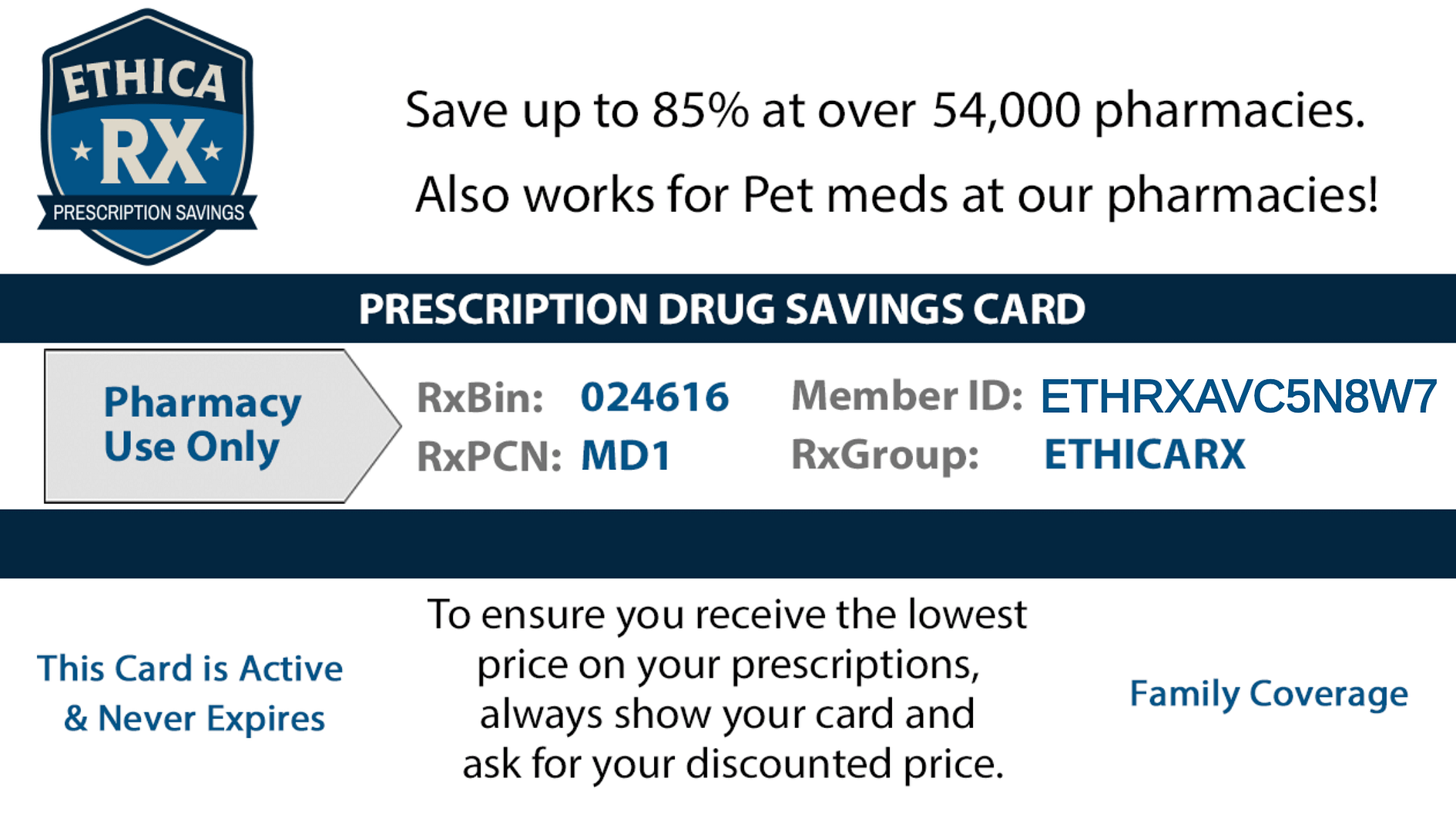
    Just show this card to save on your prescriptions.

    render

  • Payhip Review: Everything You Need to Know Before You Start Selling

    Payhip Review: Everything You Need to Know Before You Start Selling

    If you’ve ever dreamed of selling ebooks, printable planners, online courses, digital artwork, software, photography, coaching sessions, or memberships, you’ve probably discovered one common problem—most ecommerce platforms are either too expensive or too complicated.

    That’s where Payhip comes in.

    Payhip has become one of the most popular ecommerce platforms for creators because it removes the technical barriers of selling online. Instead of spending weeks building a website, integrating payment systems, and setting up digital delivery, Payhip provides everything in one place.

    Whether you’re a first-time creator or an experienced entrepreneur, Payhip makes it surprisingly easy to launch your own online store.


    What Is Payhip?

    Payhip is an all-in-one ecommerce platform designed primarily for creators who want to sell directly to their audience.

    Unlike traditional ecommerce platforms that focus heavily on physical inventory, Payhip was built with digital creators in mind.

    You can sell:

    • Ebooks
    • PDF guides
    • Printables
    • Templates
    • Photography
    • Music
    • Software
    • Online courses
    • Memberships
    • Coaching sessions
    • Physical products
    • Bundles

    The platform handles file delivery, payments, taxes, customer management, marketing tools, and even storefront design from one dashboard.


    Why So Many Creators Choose Payhip

    One reason Payhip continues to grow is its simplicity.

    You don’t need coding knowledge.

    You don’t need to install plugins.

    You don’t need web hosting.

    Instead, you simply:

    1. Create an account.
    2. Upload your product.
    3. Add a title and description.
    4. Set your price.
    5. Start selling.

    Many creators have their first product online in less than an hour.


    Beautiful Storefront Included

    Every Payhip account comes with a customizable storefront.

    You can:

    • Add your logo
    • Change colors
    • Organize products
    • Create landing pages
    • Use your own custom domain
    • Match your existing brand

    If you already have a website, Payhip also allows you to embed its checkout directly into your existing pages.

    This gives creators flexibility without needing multiple ecommerce platforms.


    Selling Digital Downloads

    Digital downloads remain Payhip’s biggest strength.

    Popular products include:

    • Printable planners
    • Journals
    • Resume templates
    • Lightroom presets
    • Digital art
    • Sewing patterns
    • Crochet patterns
    • Business forms
    • Website templates
    • Spreadsheets
    • Stock photos
    • Fonts
    • Recipe books

    After purchase, customers receive instant access to their files automatically.

    No manual emailing.

    No complicated fulfillment.

    Everything happens instantly.


    Online Courses

    Creators can also build complete online courses.

    You can upload:

    • Videos
    • PDFs
    • Worksheets
    • Quizzes
    • Downloadable resources

    Lessons are organized into modules, making learning simple for students.

    Unlike many course platforms, Payhip includes this capability without requiring a premium plan.


    Memberships

    Recurring revenue is one of the smartest ways to grow an online business.

    Payhip allows creators to sell memberships with monthly or yearly billing.

    Members can receive:

    • Exclusive downloads
    • Premium articles
    • Videos
    • Community access
    • New resources every month

    Recurring subscriptions help create more predictable income than one-time sales.


    Coaching Services

    If you’re a consultant, coach, or mentor, Payhip also lets you sell coaching sessions.

    Examples include:

    • Business coaching
    • Fitness coaching
    • Life coaching
    • Career coaching
    • Writing consultations
    • Marketing strategy sessions

    Instead of juggling several scheduling and payment platforms, Payhip lets you offer coaching directly through your storefront.


    Marketing Tools Built In

    One area where Payhip surprises many users is its marketing features.

    Included tools include:

    • Coupon codes
    • Discount campaigns
    • Email updates
    • Customer management
    • Affiliate marketing
    • Upsells
    • Cross-sells
    • Product bundles
    • Social discounts

    These features help creators increase conversions without purchasing additional software.


    Payment Processing

    Payhip works with trusted payment providers including Stripe and PayPal, allowing creators to receive payments directly into their own accounts. The platform has also expanded support for additional regional payment gateways in many countries.

    Customers can typically pay using:

    • Credit cards
    • Debit cards
    • PayPal

    This creates a smooth checkout experience for buyers.


    Tax Handling

    One feature many beginners overlook is tax compliance.

    Selling internationally often requires collecting VAT or sales taxes.

    Payhip automatically assists with many of these tax requirements, helping creators stay compliant without becoming tax experts.


    Pricing

    One of Payhip’s biggest advantages is its pricing structure.

    Free Plan

    • No monthly fee
    • Unlimited products
    • All features included
    • Transaction fee per sale

    Plus Plan

    • Monthly subscription
    • Lower transaction fee
    • Unlimited products

    Pro Plan

    • Monthly subscription
    • No Payhip transaction fee
    • Unlimited products

    Unlike many competitors, every plan includes the same core features—the main differences are the transaction fees. Payment processors such as Stripe or PayPal still charge their standard processing fees.


    Pros

    ✔ Extremely beginner-friendly

    ✔ Free to start

    ✔ Unlimited products

    ✔ Beautiful storefront

    ✔ Sell digital and physical products

    ✔ Memberships included

    ✔ Online courses included

    ✔ Coaching support

    ✔ Affiliate marketing

    ✔ Instant downloads

    ✔ Tax assistance

    ✔ Custom domains

    ✔ Built-in marketing tools


    Cons

    No platform is perfect.

    Some users may find:

    • Fewer advanced customization options than enterprise ecommerce platforms
    • Less flexibility than fully self-hosted solutions for highly customized stores
    • Heavy customization may require working within Payhip’s available design options

    For most creators, however, the simplicity outweighs these limitations.


    Who Should Use Payhip?

    Payhip is ideal for:

    • Authors
    • Bloggers
    • Photographers
    • Coaches
    • Teachers
    • Musicians
    • Graphic designers
    • Digital artists
    • Course creators
    • Influencers
    • Podcasters
    • Small businesses
    • Freelancers

    If you create something digital, Payhip probably supports selling it.


    Final Thoughts

    Launching an online business no longer requires a large budget or advanced technical skills.

    Payhip combines ecommerce, digital delivery, payments, memberships, courses, coaching, and marketing into one easy-to-use platform that lets creators focus on what matters most—creating valuable content.

    Whether you’re publishing your first ebook, launching an online course, selling printable downloads, or building a membership community, Payhip provides the tools needed to start quickly and grow over time.

    For creators looking for an affordable, beginner-friendly platform that scales as their business grows, Payhip remains one of the strongest all-in-one solutions available today.

    Read More Opportunities & Growth

  • Bar Products: The Essential Tools Behind Every Great Cocktail

    Bar Products: The Essential Tools Behind Every Great Cocktail

    Whether you’re a professional bartender, a restaurant owner, or someone building the ultimate home bar, the quality of your tools can make a significant difference in the drinks you serve. From precision jiggers to stylish glassware, the right equipment helps create consistency, efficiency, and an elevated drinking experience.

    Why Quality Bar Tools Matter

    Every great cocktail starts with the right preparation. Professional bartenders rely on specialized tools to ensure accuracy and speed behind the bar. Measuring ingredients correctly, shaking cocktails properly, and presenting drinks beautifully all contribute to customer satisfaction and repeat business.

    A well-equipped bar also reduces waste, improves workflow, and helps maintain a professional appearance.

    Essential Bar Tools Every Bartender Needs

    Cocktail Shakers

    Cocktail shakers are among the most recognizable bartending tools. Whether using a Boston shaker or a three-piece cobbler shaker, these tools are essential for mixing ingredients thoroughly while chilling drinks quickly.

    Jiggers

    Consistency is crucial in cocktail preparation. Jiggers allow bartenders to measure spirits and mixers accurately, ensuring every drink tastes exactly as intended.

    Strainers

    After shaking or stirring, strainers remove ice and unwanted ingredients before serving. Hawthorne strainers and julep strainers remain industry favorites for their reliability and ease of use.

    Bar Spoons

    Designed for stirring cocktails smoothly without over-diluting them, bar spoons are a staple for classics such as the Martini, Manhattan, and Old Fashioned.

    Muddlers

    Fresh ingredients often make the difference between an average cocktail and an exceptional one. Muddlers help release flavors from herbs, fruits, and spices for maximum taste.

    The Importance of Glassware

    Presentation plays a major role in the drinking experience. Different cocktails are designed for specific types of glassware, enhancing both appearance and function.

    Popular choices include:

    • Martini glasses
    • Margarita glasses
    • Highball glasses
    • Rocks glasses
    • Tiki mugs
    • Specialty cocktail glasses

    Unique glassware not only creates visual appeal but can also become a memorable part of the customer experience.

    Building the Perfect Home Bar

    Creating a home bar doesn’t require commercial-level investment. Start with the basics:

    • Cocktail shaker
    • Jigger
    • Strainer
    • Bar spoon
    • Muddler
    • Mixing glass
    • Assorted glassware

    As your skills and interests grow, you can expand your collection with specialty tools, garnishing equipment, custom glassware, and decorative bar accessories.

    Customization and Personalization

    Modern bar supply companies offer customized products that allow businesses and enthusiasts to showcase their personality and brand. Custom glassware, engraved bottle openers, branded cocktail shakers, and personalized bar signs are increasingly popular for bars, restaurants, weddings, and corporate events.

    Supporting Professional and Home Bartenders

    The bar industry continues to evolve as consumers seek more sophisticated cocktails and unique drinking experiences. Reliable suppliers provide access to thousands of products ranging from professional bar tools and glassware to décor, equipment, and custom merchandise. Companies such as Bar Products have built extensive catalogs serving bartenders, restaurants, and home enthusiasts alike.

    Final Thoughts

    Great cocktails require more than quality ingredients—they require the right tools. Whether you’re mixing drinks for customers or entertaining guests at home, investing in dependable bar equipment can improve efficiency, consistency, and presentation. With the right setup, every drink becomes an opportunity to create a memorable experience.

    Check their website out here: Barproducts.com

    Read More Of Drinks And Cocktails

    Read More Opportunities & Growth

  • How Pickax Is Bringing Social Back to Social Media

    How Pickax Is Bringing Social Back to Social Media

    In a digital world dominated by algorithms, censorship debates, endless ads, and engagement farming, many people have started asking the same question: What happened to social media? What was once created to connect people has slowly evolved into a system focused more on manipulation, monetization, and controlling visibility than genuine interaction. Posts disappear into algorithmic black holes, creators fight for reach, and meaningful conversations are often replaced by outrage and short attention spans.

    That is exactly why platforms like Pickax are beginning to stand out.

    Pickax is bringing social back to social media by returning focus to the most important part of any platform: the people.

    A Platform Built Around People, Not Algorithms

    One of the biggest frustrations users have with modern social media platforms is the constant battle against algorithms. You can spend hours creating thoughtful content only for it to reach a tiny percentage of your followers because a system decided it was not “engaging enough.”

    Pickax takes a different approach.

    Instead of forcing creators and users to constantly chase trends, outrage, or clickbait, the platform prioritizes direct connection and authentic engagement. Users are discovering content because they want to—not because an algorithm is manipulating what appears in front of them.

    That changes everything.

    Conversations become more real. Communities become more meaningful. Creators feel heard again instead of buried beneath sponsored posts and corporate prioritization.

    Freedom of Expression Matters Again

    Many users today feel exhausted by over-moderation, shadow banning concerns, or the fear that their voice can disappear overnight. Whether someone is sharing personal experiences, opinions, art, articles, videos, or discussions, people want to feel like they still have ownership over their own voice.

    Pickax has positioned itself as a platform where users can communicate more openly without feeling constantly filtered or restricted by invisible systems. That freedom has attracted writers, creators, independent thinkers, community builders, and everyday users who simply miss honest interaction online.

    Social media should feel human—not controlled.

    Longer Conversations Are Making a Comeback

    Modern social media often pushes users toward shorter and shorter content. Quick reactions replaced thoughtful conversations. Headlines replaced substance. Viral moments replaced meaningful storytelling.

    Pickax is helping reverse that trend.

    Users are publishing full articles, sharing real-life experiences, opening deeper conversations, and building communities around shared interests instead of just chasing views. The platform gives people room to express themselves beyond a few seconds or a limited character count.

    That matters because people are craving authenticity again.

    Whether someone is writing about grief, mental health, business, motivation, family, faith, relationships, or everyday life experiences, readers are responding to content that feels real instead of manufactured.

    Community Over Virality

    Most large platforms reward outrage because outrage generates engagement. Unfortunately, that creates toxic environments where negativity spreads faster than positivity.

    Pickax feels different because many users are focused on building communities instead of chasing viral moments. The atmosphere encourages interaction, support, conversation, and collaboration rather than division.

    People are discovering creators organically. Writers are finding readers who actually care about what they say. Smaller voices have opportunities to grow without needing corporate-level marketing budgets.

    That return to community is one of the reasons many early users believe the platform has long-term potential.

    Creators Finally Feel Valued Again

    For years, creators have complained that social media platforms use their content while giving them less visibility and fewer opportunities to grow organically. Many creators feel trapped in systems where they must constantly pay for reach or adapt to changing algorithms just to survive.

    Pickax offers creators something refreshing: visibility based on connection instead of manipulation.

    When creators feel appreciated, they create better content. When audiences can actually find creators naturally, communities grow stronger. That balance is what social media originally promised years ago.

    The Early Adopter Advantage

    Every major platform began with a small group of users who joined before the massive growth happened. Those early communities helped shape the culture of the platform itself.

    Pickax is still in that exciting growth phase where users have the opportunity to establish themselves, build audiences, and help define what the platform becomes moving forward.

    For many creators, writers, businesses, and independent voices, that opportunity is incredibly appealing.

    Why People Are Paying Attention

    At its core, Pickax succeeds because it reminds people what social media used to feel like:

    Real conversations
    Real communities
    Real visibility
    Real personalities
    Real freedom to create

    In a time when many platforms feel increasingly artificial, heavily controlled, and driven by corporate priorities, Pickax feels more personal and community-centered.

    People are tired of fighting algorithms just to be seen. They are tired of feeling like numbers instead of human beings. Platforms that restore authentic interaction are naturally going to attract attention.

    That is why more users are beginning to explore Pickax—and why many believe it represents a return to what social media was always supposed to be.

    Final Thoughts

    Social media was originally designed to connect people. Somewhere along the way, many platforms lost sight of that mission. Pickax is helping bring it back by focusing on authentic interaction, creator freedom, community building, and meaningful conversations.

    It is not just another social platform trying to compete for attention. It is part of a growing movement of users who want social media to feel social again.

    And in today’s online world, that may be exactly what people have been waiting for.

    Read More Opportunities & Growth

  • Why You Should Make the Move to Pickax

    Why You Should Make the Move to Pickax

    In a digital world dominated by algorithms, shadow bans, and ever-changing rules, creators and businesses alike are searching for something real—something fair. That’s exactly where Pickax steps in.

    Pickax isn’t just another social platform trying to compete—it’s redefining what social media was meant to be: connection without control, growth without gatekeepers, and creativity without limits.

    1. No Algorithms Controlling Your Reach

    On most platforms today, your content is filtered, ranked, and often buried. You can spend hours creating something meaningful, only for it to reach a fraction of your audience.

    Pickax removes that barrier.

    There are no algorithms deciding who sees your content. If someone follows you, they see what you post—plain and simple. This brings back the authenticity that social media once had, where engagement is real and not manipulated.

    2. True Freedom of Expression

    Creators are increasingly frustrated with censorship and unclear content rules. Many platforms limit what can be shared, often without explanation.

    Pickax is built on the idea of open expression.

    It gives users the freedom to share their thoughts, ideas, and content without fear of being silenced or suppressed. Whether you’re a writer, business owner, or content creator, your voice matters—and on Pickax, it’s heard.

    3. Built-In Monetization Opportunities

    Let’s be honest—creating content takes time, effort, and consistency. Yet most platforms make it incredibly difficult to earn from your work.

    Pickax changes that.

    It offers real monetization opportunities, allowing you to grow your audience and earn from your content without jumping through hoops or meeting unrealistic thresholds. You’re not just posting—you’re building something valuable.

    4. No Mandatory Fees or Paid Visibility

    On many platforms, you’re pushed toward paying for reach, boosted posts, or subscriptions just to stay visible.

    Pickax eliminates that pressure.

    There are no mandatory subscription fees, no paid verification requirements, and no “pay-to-be-seen” systems. Your growth is based on your content and your connections—not your wallet.

    5. Publish Full Content Without Limits

    Unlike other platforms that restrict your posts to short captions or push you off-platform for long-form content, Pickax lets you publish full articles directly.

    This is a game changer for writers, bloggers, and thought leaders. You can share your complete message without cutting it down or redirecting your audience elsewhere.

    6. Seamless Content Sharing

    Pickax is built with modern creators in mind. You can easily share videos, including content from platforms like Rumble, directly into your feed.

    That means less friction, more visibility, and a smoother experience for both creators and audiences.

    7. Grow From the Ground Floor

    One of the biggest advantages of joining Pickax right now is timing.

    This is your chance to become an early adopter—to build your presence before the platform reaches the mainstream. Early users often gain the most traction, build stronger communities, and benefit the most as platforms grow.

    8. Real Community, Real Engagement

    At its core, Pickax is about people—not metrics.

    It’s a place where you can build a community that actually sees your content, interacts with it, and grows alongside you. No artificial boosts, no hidden posts—just genuine connection.

    Make Your Move Today

    If you’re ready to take back control of your content, grow your audience without limits, and be part of something new, now is the time.

    👉 Join Pickax using my referral link:
    https://pickax.com/?referralCode=0mvx4ds&refSource=copy

    Final Thoughts

    Social media was meant to bring people together, not divide visibility or control voices. Pickax is a return to that original vision—with modern tools that empower creators instead of limiting them.

    If you’re tired of fighting algorithms, paying for reach, or feeling unheard, it might be time to make a change.

    Pickax isn’t just another platform. It’s a movement.

    Read More Opportunities & Growth


  • Why Subscribing Matters: Join Me on Pickax

    Why Subscribing Matters: Join Me on Pickax

    In today’s digital world, meaningful content can sometimes get lost in the noise of endless scrolling, algorithms, and distractions. Many creators spend hours writing, sharing stories, and opening their hearts, only to find that their work never reaches the people who would appreciate it the most. That is one reason platforms like Pickax are beginning to stand out—they give creators and readers a more direct way to connect.

    If you have enjoyed my articles, reflections, and personal pieces, I want to invite you to take the next step and subscribe to my page on Pickax:

    https://pickax.com/BrettMurphy

    Subscribing isn’t just about following another page. It’s about becoming part of a community that values thoughtful writing, honest emotion, and real human connection.

    A Place for Real Stories and Honest Conversations

    The articles I share are often inspired by real experiences and real emotions. Many of them explore themes that people carry quietly—love that isn’t returned, the courage it takes to open your heart, grief, hope, and the complicated beauty of human relationships.

    Sometimes the most powerful stories are the ones that make us pause and say, “I’ve felt that too.”

    On my Pickax page, you’ll find writing that focuses on:

    Reflections about love, longing, and emotional vulnerability

    Personal growth and the courage to be honest about our feelings

    Observations about life that many people experience but rarely talk about

    Articles inspired by moments that remind us we’re all more alike than we think

    Writing has always been a way to connect with others on a deeper level. When someone reads a piece and feels understood, a quiet bond is formed between writer and reader.

    That connection is what this space is all about.

    Why Subscribe Instead of Just Following?

    Subscribing ensures you won’t miss the content you care about. Instead of hoping you see a post, subscribing means you are intentionally choosing the voices and creators that matter to you.

    It also helps support creators who invest time and emotion into their work.

    Every article represents thought, reflection, and often personal vulnerability. When readers subscribe, it sends a powerful message: that meaningful writing still matters in a world dominated by quick headlines and short attention spans.

    Subscriptions help me continue sharing stories, perspectives, and experiences that might otherwise go unheard.

    Building a Community, Not Just an Audience

    One of the things I value most about writing is the conversations that happen afterward. Often, readers share their own stories, their own feelings, or moments in their lives that echo what they just read.

    That exchange turns writing into something much bigger than a single article—it becomes a shared experience.

    My goal with Pickax is not simply to post content, but to build a community where people feel comfortable reflecting, responding, and connecting.

    If something I write has ever resonated with you, then you’re already part of that community.

    Subscribing simply strengthens that connection.

    Join Me on Pickax

    If you’d like to continue reading my work and supporting the stories I share, I would truly appreciate your subscription.

    You can subscribe here:
    https://pickax.com/BrettMurphy

    And if you’re new to Pickax, it’s also available to download from the Apple App Store and Google Play Store, making it easy to stay connected and discover new creators who value thoughtful content.

    Writing has always been about reaching people—sometimes strangers—who happen to feel the same things we do. When those connections happen, even through a screen, they remind us that we are never as alone as we sometimes think.

    Thank you to everyone who reads, shares, and supports the words I put into the world.

    I look forward to seeing you on Pickax.

    👉 https://pickax.com/BrettMurphy

    Read More Opportunities & Growth


  • Pickax: The Quiet Revolution in Social Media

    Pickax: The Quiet Revolution in Social Media

    Why This Emerging Platform Is Winning Over Creators Who Want More Than Likes

    By now, most people understand the unspoken rule of modern social media: post fast, post often, and hope the algorithm notices you. Creativity competes with virality, authenticity battles attention spans, and meaningful conversations often get lost beneath endless scrolling.

    But every so often, a platform appears that challenges the status quo.

    Pickax is one of those rare arrivals — an app designed not to chase trends, but to restore intention to online expression.

    A Different Kind of Social Experience

    Opening Pickax feels noticeably different from mainstream platforms. There’s no overwhelming flood of distractions, no aggressive push toward viral content. Instead, users encounter something increasingly rare online: space to think.

    The interface is clean, calm, and reader-focused. Posts are given room to breathe, encouraging users to slow down and actually engage with ideas rather than skim past them.

    In an era dominated by short-form noise, Pickax feels almost editorial — closer to a digital magazine than a traditional social feed.

    Where Writers and Thinkers Thrive

    Pickax’s greatest strength lies in how it treats creators. The platform isn’t built around fleeting engagement metrics; it’s built around voice.

    Here, creators aren’t pressured to compress thoughts into seconds-long content. Long-form writing, personal reflections, and meaningful storytelling are not only welcomed — they’re encouraged.

    This makes Pickax especially appealing to:

    Writers rediscovering their creative rhythm

    Professionals building thought leadership

    Storytellers seeking authentic audiences

    Everyday users wanting deeper conversations

    Content feels intentional, not disposable.

    Community Over Competition

    One of the most surprising aspects of Pickax is its tone. The community atmosphere leans supportive rather than competitive — a stark contrast to many established platforms.

    Engagement often takes the form of genuine dialogue instead of quick reactions. Comments read like conversations. Feedback feels human.

    For creators who have grown weary of performing for algorithms, this shift can feel refreshing — even restorative.

    The Creator Economy, Reimagined

    Pickax enters the creator economy with a quiet but powerful idea: creators should own their voice and build relationships directly with their audience.

    Rather than forcing creators into rigid monetization structures, the platform encourages organic audience growth and personal brand development. It’s less about chasing virality and more about building lasting influence.

    As the platform grows, this philosophy could position Pickax as a meaningful alternative to oversaturated social networks.

    Design That Serves the Story

    Visually, Pickax embraces simplicity:

    Minimal clutter

    Smooth mobile performance

    Easy publishing tools

    Reader-first formatting

    The design doesn’t compete with the content — it elevates it. That choice alone signals a deeper understanding of what creators actually want: a place where their work matters.

    Growing Pains — and Growing Potential

    Like any emerging platform, Pickax is still evolving. Discovery tools continue to improve, and audience size varies depending on niche communities.

    Yet these early-stage qualities also create opportunity. New users aren’t entering a crowded arena — they’re helping shape the culture itself.

    Early adopters often become foundational voices.

    📲 Available on Mobile Devices

    One of Pickax’s biggest advantages is accessibility. Users can stay connected and create from anywhere because the app is available on major mobile platforms.

    You can download Pickax directly from:

    The Apple App Store for iPhone and iPad users

    The Google Play Store for Android devices

    This cross-platform availability makes it easy to write, engage, and grow your audience whether you’re at home or on the go.

    Why Pickax Matters Right Now

    Social media is at a turning point. Many users feel exhausted by performative posting and algorithm fatigue. The demand for authenticity is rising, and platforms that prioritize connection over consumption are gaining attention.

    Pickax arrives at exactly the right moment — offering creators a digital space that feels intentional, human, and hopeful.

    It doesn’t try to replace every platform.
    It tries to fix what many of them forgot.

    Final Word

    Pickax may still be growing, but its philosophy already stands out: meaningful content deserves meaningful space.

    For creators searching for community, writers longing for depth, and individuals ready to share their voice without competing against noise, Pickax feels less like another app — and more like a movement in progress.

    Rating: ★★★★★ (5/5)

    👉 Explore Pickax here:
    https://pickax.com/?referralCode=0mvx4ds&refSource=copy

    Read More Opportunities & Growth