Author: Brett Murphy

  • We Fight Monsters: Battling Darkness, Restoring Hope

    We Fight Monsters: Battling Darkness, Restoring Hope

    What Is We Fight Monsters?

    We Fight Monsters is a U.S.-based non-profit organization founded by Ben and Jessica Owen. Headquartered in Memphis, Tennessee, its core work confronts and combats human trafficking, narcotics trafficking, addiction, and the ripple effects of violence and homelessness.

    Their mission combines intervention, rehabilitation, and community restoration. They aim not just to rescue individuals but to provide sustained support, reintegrate people into healthy living, and address systemic issues that enable exploitation and addiction.

    Who Are the Founders & Key People

    Ben and Jessica Owen are co-founders. Their backgrounds deeply inform the organization’s work: they both experienced addiction, homelessness, arrests, and in Jessica’s case childhood trauma. These experiences drive their empathy and understanding in working with people facing similar crises.

    The leadership draws in people with diverse experiences: former special operators, law enforcement professionals, ex-gang members, and people in recovery. This composition enables a mix of practical operational knowledge, outreach capability, and lived experience.

    What We Fight Monsters Does: Programs & Operations

    Here are the main pillars of their work:

    Rescue & Recovery Initiatives
    They locate and assist individuals trapped in sex trafficking, narcotics addiction, homelessness, or in perilous living situations. Those rescued are then moved into treatment, safe housing, or recovery programs.

    Safe & Transitional Housing
    Refuge is a priority: We Fight Monsters partners to build or renovate facilities like the “Hope House” in Memphis, which offer trauma-informed care, transitional housing, and longer-term support to survivors.

    Neighborhood & Community Revitalization
    They run operations aimed at reclaiming neighborhoods: shutting down harmful or exploitative houses, especially those used for drug dealing or trafficking, transforming them into recovery or safe living spaces. Community restoration efforts are part of their strategy.

    Advocacy & Collaboration
    They work with law enforcement, street gangs, and community agents to build trust, gather intelligence, and effect change from multiple fronts. Recently, they joined with other nonprofits in multi-state coordinated efforts to surge against trafficking networks.

    Support Services & Rehabilitation
    After rescue, there is care: shelters, sober-living, addiction recovery, psychological and trauma informed support. The aim is to help people not just survive but rebuild.

    Recent Collaborations & Highlights

    Interstate Justice Coalition: In 2025, We Fight Monsters partnered with other organizations to form this coalition. The purpose is to conduct surge operations across multiple U.S. states to disrupt trafficking networks, rescue victims, and amplify law enforcement and civic efforts.

    Hope House, Memphis: Alongside partners, they are renovating a facility in Memphis to provide safe housing and comprehensive care to survivors of sex trafficking.

    Quantifiable Impact: According to their public reporting, they have reclaimed a number of lives — people recovered from addiction, safe housing provided, homeless families rehoused, babies born into safer environments.

    Strengths & Challenges
    Strengths

    Lived Experience: Because many in leadership and operation have personal history with addiction, homelessness, or trafficking, there’s authenticity and empathy in their interventions. This often builds trust where purely institutional efforts might falter.

    Multi-Front Approach: Rescue + rehabilitation + community restoration + advocacy = more holistic impact.

    Collaborative Model: They partner with other nonprofits, law enforcement, and even groups often considered “outside the system” to reach places many organizations can’t or won’t.

    Community Engagement: Their operations aren’t just top-down rescues, but involve neighborhoods and volunteers. This helps in sustainability and broader awareness.

    Challenges

    Scale & Resources: To meet the level of need in human trafficking, addiction, and community decay, enormous resources—financial, personnel, logistical—are required. Nonprofits often run on limited budgets.

    Complexity of Trauma: Survivors of trafficking or addiction often have deep trauma. Healing is not linear; relapse, setbacks, legal and mental health challenges are common. Sustained, long-term support is demanding.

    Coordination & Risk: Working in dangerous or legally sensitive areas involves risks: safety, legal liability, confidentiality, and ensuring operations don’t re-traumatize survivors. Coordination with law enforcement and other agencies sometimes has bureaucratic or trust-barrier challenges.

    Public Awareness & Stigma: Topics like addiction, human trafficking, and former gang involvement still carry stigma. Raising awareness in a way that draws support and reduces stigma is always tough.

    Impact & Why It Matters

    We Fight Monsters represents a model of social change built from the ground up, motivated by personal stories of survival. Its impact is two-fold:

    For individuals: offering rescue, healing, and a path out of cycles of abuse, addiction, and exploitation.

    For communities: restoring safety, reclaiming neighborhoods, and reducing harm by addressing root causes rather than only symptoms.

    Moreover, by increasing awareness, forming coalitions, and setting up survivor-centered facilities, it contributes to systemic change. It demonstrates that interventions which are compassionate, operationally grounded, and coalition-based can make meaningful inroads into some of society’s most intractable problems.

    Looking Ahead

    Some of the opportunities and possible directions for growth:

    Expanding safe homes and recovery houses in more locations.

    Strengthening aftercare and reintegration programs, especially for survivors of trafficking and long-term addiction recovery.

    Building more robust partnerships with mental health services, legal support, and housing agencies.

    Increasing fundraising and resource mobilization to sustain and scale operations.

    Public education campaigns to reduce stigma, especially around addiction and trafficking, so communities are more informed, supportive, and engaged.

    Conclusion

    We Fight Monsters is more than a name—it’s a movement. It’s an organization that fights both visible and invisible battles: against trafficking, addiction, homelessness, and trauma. Born out of personal suffering, it channels hard-won insight into real change. While the obstacles are great, the combination of lived experience, operational capacity, community engagement, and collaboration gives We Fight Monsters the potential to make a deep, lasting difference.
    Read More Health & Wellness

  • NATIONAL POW/MIA RECOGNITION DAY

    NATIONAL POW/MIA RECOGNITION DAY

    Each year, on the third Friday of September, the United States observes National POW/MIA Recognition Day, a solemn occasion dedicated to honoring American service members who were held as prisoners of war (POWs) and remembering those still missing in action (MIA). It is a day to recognize the courage, sacrifice, and resilience of these heroes, as well as to reaffirm the nation’s commitment to bringing every missing American home.

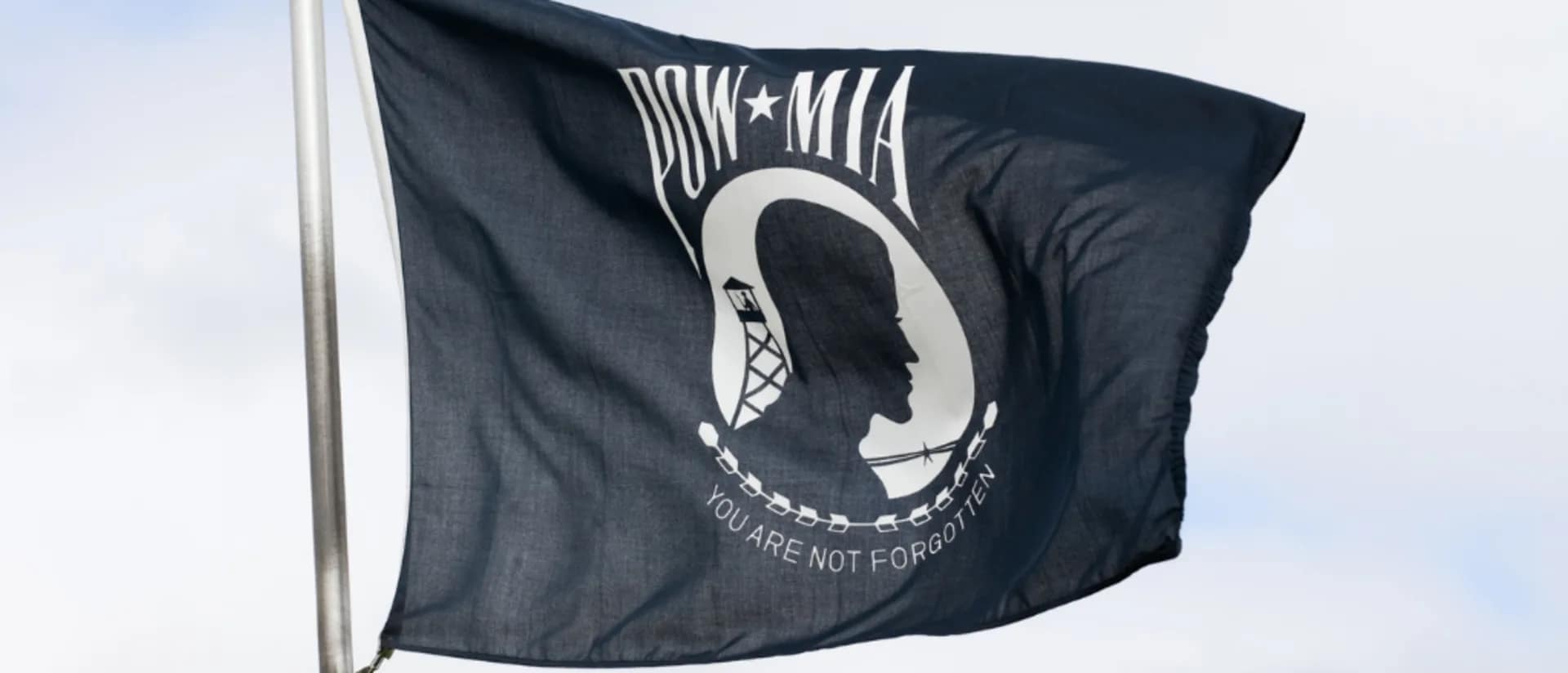
    The observance was first established in 1979 by President Jimmy Carter and has been recognized annually ever since. Ceremonies take place across the country, from the White House and military bases to veterans’ organizations, state capitols, and schools. The POW/MIA flag, with its stark black-and-white design and powerful words “You Are Not Forgotten,” is flown proudly alongside the American flag as a symbol of the nation’s enduring promise to account for every missing warrior.

    This day serves as a reminder of the extraordinary hardships endured by prisoners of war—men and women who faced unimaginable conditions yet held onto hope and honor. It also underscores the deep pain carried by families of the missing, who continue to wait for answers and closure.

    National POW/MIA Recognition Day is not only about memory, but also about action. The Department of Defense’s Defense POW/MIA Accounting Agency (DPAA) continues its critical mission of locating, identifying, and repatriating the remains of missing service members. Their work reflects America’s commitment to ensuring that no sacrifice is ever forgotten.

    On this day, Americans are encouraged to pause, reflect, and pay tribute—whether by attending a local ceremony, displaying the POW/MIA flag, or simply taking a moment of silence. By doing so, we honor the legacy of those who gave everything for freedom and ensure their memory lives on.

    Read More Holidays & National Days

  • National Day of Remembrance for Charlie Kirk – October 14, 2025

    National Day of Remembrance for Charlie Kirk – October 14, 2025

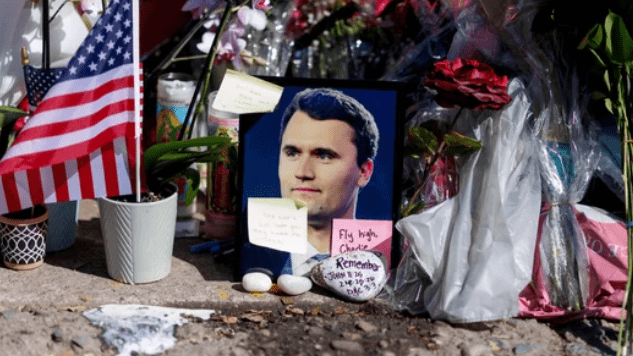
    On October 14, 2025 — what would have been Charlie Kirk’s 32nd birthday — the United States Senate declared a National Day of Remembrance for Charlie Kirk.

    Who was Charlie Kirk / What happened

    Charlie Kirk was a conservative political activist, author, and media figure; he co-founded Turning Point USA.

    On September 10, 2025, he was fatally shot while speaking at Utah Valley University as part of his “American Comeback Tour.”

    His death has sparked widespread discussion about political violence, free speech, campus security, and how polarized political discourse has become.

    What the Resolution Declares

    The resolution was introduced by Senator Rick Scott (R-Florida) in the Senate, with Representative Jimmy Patronis (R-Florida) introducing a companion resolution in the House.

    It calls for October 14, 2025 to be designated as a “National Day of Remembrance for Charlie Kirk.”

    The resolution praises Kirk’s advocacy for individual liberty, open debate, civic engagement, and the defense of constitutional principles.

    It encourages educational institutions, civic organizations, and citizens to observe the day with appropriate programs, activities, prayers, and ceremonies that reflect the values Kirk championed.

    Significance & Reactions
    Support

    Among many Republicans, the resolution is seen as a tribute to Kirk’s life, recognizing his influence on young people, his strong conservative voice, and his frequent emphasis on debate and civic participation.

    It is also a symbolic stand against political violence, particularly in a time when incidents such as Kirk’s assassination are seen by supporters as symptoms of deeper divisions in U.S. political life.

    Criticism, Concerns, and Questions

    Some critics question whether Kirk’s past statements, policies, or controversies make him a unifying figure for national remembrance. There are concerns that declaring such a day may further polarize rather than heal, depending on how it is observed.

    Others have noted that since this resolution is symbolic (a simple resolution), it does not carry the full force of law — it does not mandate action in all places, nor does it require the President’s signature or funding.

    There is a debate about how public institutions (colleges, state offices, etc.) will or should acknowledge the day, and whether such observances can be truly neutral or will come across as partisan events.

    What It Means Moving Forward

    If the resolution becomes widely accepted, October 14 may become an annual observance for Kirk’s supporters, with memorials, speeches, and possibly policy proposals inspired by his legacy.

    The House of Representatives is expected to consider a similar resolution. For it to have broader recognition, both chambers passing it, and possibly recognition by the President, would help cement the day.

    It might also shift or intensify conversations about political violence, security at public speaking events, and the responsibilities of public figures in rhetoric and action.

    Broader Implications

    This move reinforces the trend of memorializing political figures soon after their deaths, sometimes before full historical perspective has been developed. How future generations view Charlie Kirk — including both his contributions and controversies — may affect how this remembrance day is seen in hindsight.

    The designation underscores how contentious political divisions in the U.S. are not just about policy but about identity, memory, and narrative — who is honored, how, and why.

    It also could set a precedent for how other public figures — particularly those involved in polarized politics — are memorialized at the national level.

    Conclusion

    The National Day of Remembrance for Charlie Kirk is now officially declared by the Senate for October 14, 2025 — a symbolic observance meant to honor his life, his beliefs, and his untimely death. While it has drawn support for its recognition of civic engagement and free speech, it also raises questions about political partisanship, how we choose heroes, and how we respond to political violence.

    Whether this day becomes a lasting part of national life — reaching beyond those who already admired Kirk — will depend in part on how broadly it is embraced, how inclusively it is observed, and how it fits into the broader national conversation about respect, remembrance, and civic values.

    Read More Holidays & National Days

  • National Cheeseburger Day

    National Cheeseburger Day

    Every year on September 18, Americans come together to celebrate one of the most beloved comfort foods of all time: the cheeseburger. Juicy, flavorful, and endlessly customizable, the cheeseburger is more than just a meal—it’s a true culinary icon.

    A Slice of History

    The exact origin of the cheeseburger has been debated for decades, with several restaurants and chefs claiming to have added that first slice of cheese to a hamburger in the 1920s and 1930s. Regardless of who invented it, the cheeseburger quickly became a staple across diners, drive-ins, and backyard grills, capturing the spirit of American food culture.

    Why We Love It

    Part of the cheeseburger’s charm is its versatility. From the classic combination of beef, cheddar, lettuce, tomato, and pickles to more adventurous creations featuring blue cheese, fried eggs, or even gourmet toppings like truffle aioli, the cheeseburger can be as simple or as indulgent as you want it to be. It brings people together—whether at a summer cookout, a fast-food stop, or a family restaurant.

    Celebrating National Cheeseburger Day

    On this day, many restaurants and chains across the country offer special deals and discounts on cheeseburgers, making it the perfect excuse to enjoy one (or two). Some people celebrate by firing up the grill at home, experimenting with new toppings, or recreating their favorite restaurant-style burger.

    More Than Just a Burger

    The cheeseburger isn’t just about food—it’s a symbol of American tradition, creativity, and community. Sharing a cheeseburger with friends or family isn’t just about satisfying hunger; it’s about creating memories around a timeless favorite.

    So, whether you prefer yours with melty American cheese, sharp cheddar, or something a little more exotic, National Cheeseburger Day is the perfect time to sink your teeth into this delicious classic.

    Read More Holidays & National Days

  • Air Force Birthday: Honoring a Legacy of Service and Strength

    Air Force Birthday: Honoring a Legacy of Service and Strength

    Each year on September 18, the United States observes the Air Force Birthday, celebrating the establishment of the U.S. Air Force as an independent branch of the Armed Forces. While American air power traces its roots back to World War I and the U.S. Army Air Corps, it was on September 18, 1947, with the passage of the National Security Act, that the Air Force officially became a separate and equal branch of the military.

    A Proud History of Innovation

    From the earliest biplanes of the 20th century to today’s advanced stealth fighters, space operations, and unmanned aircraft, the Air Force has always been at the forefront of technology and strategy. Its history is marked by innovation, speed, and the courage of airmen who shaped the skies into a new frontier for defense.

    Beyond the Skies

    The Air Force’s mission has evolved beyond traditional air combat. Today, it plays a vital role in cybersecurity, space operations, intelligence, humanitarian aid, and disaster relief. Whether protecting U.S. airspace, delivering global airlift support, or advancing space exploration, the Air Force’s reach extends around the globe—and beyond it.

    Honoring the Airmen

    The Air Force Birthday is not just a celebration of milestones; it is a time to honor the men and women who have served and continue to serve. Airmen embody the Air Force core values: “Integrity First, Service Before Self, and Excellence in All We Do.” Their commitment ensures that the United States remains strong, agile, and ready to respond to challenges anywhere in the world.

    A Day of Reflection and Pride

    On this day, ceremonies, educational events, and gatherings across the nation remind Americans of the sacrifices and achievements of the Air Force community. Families of service members, veterans, and supporters alike use the occasion to reflect on the Air Force’s contributions to national security and global stability.

    Closing Thought

    The Air Force Birthday is more than a date on the calendar—it’s a celebration of courage, innovation, and unwavering dedication. From 1947 to today, the U.S. Air Force has continued to push the boundaries of what is possible, securing freedom in the skies and beyond.

    Read More Holidays & National Days

  • U.S. Constitution Signed: A Defining Moment in American History

    U.S. Constitution Signed: A Defining Moment in American History

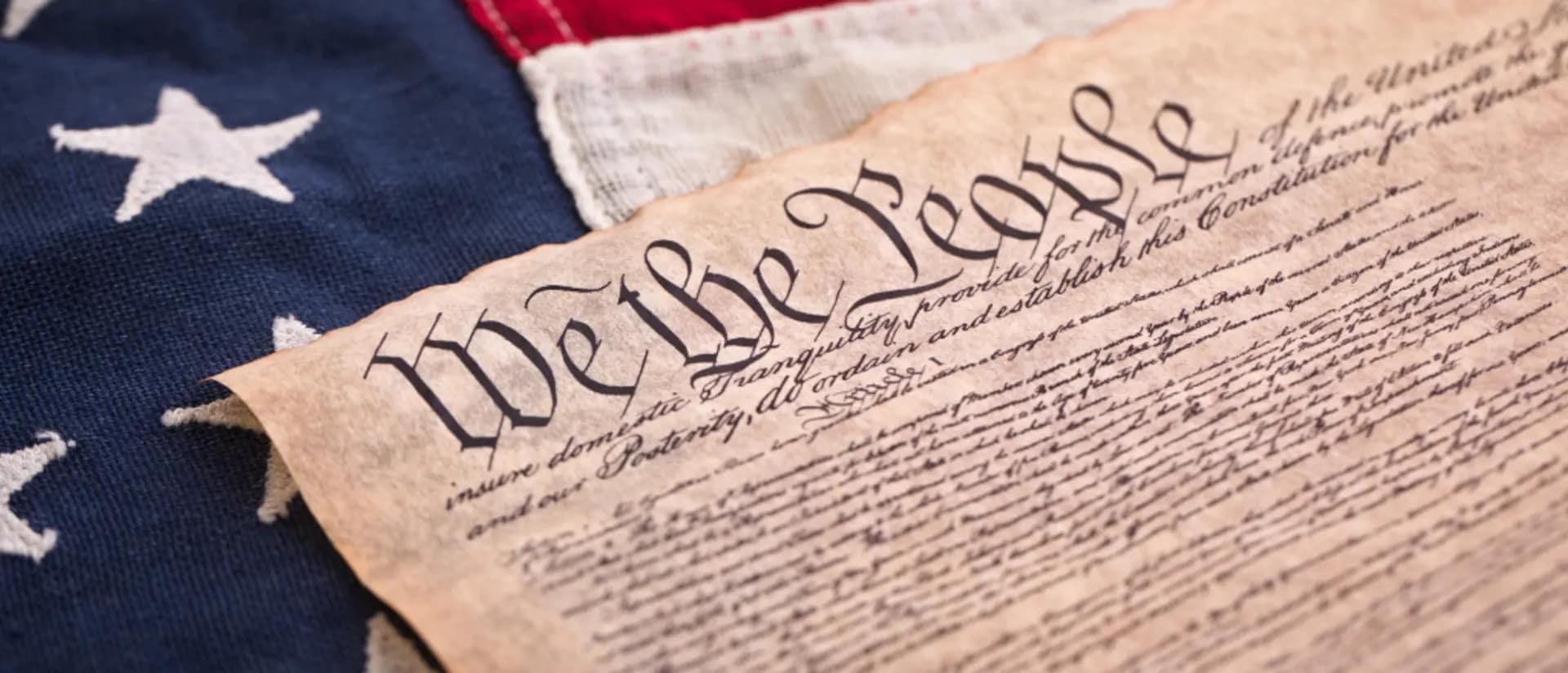
    On September 17, 1787, in the Assembly Room of the Pennsylvania State House—now known as Independence Hall—thirty-nine delegates signed the United States Constitution, creating one of the most enduring governing documents in history. After months of debate, compromise, and careful drafting, the framers of the Constitution provided a blueprint for democracy that continues to guide the nation more than two centuries later.

    The Road to the Constitution

    Following independence, the United States operated under the Articles of Confederation, which had left the federal government too weak to effectively govern. Issues such as interstate disputes, economic instability, and the lack of centralized authority convinced many leaders that a stronger framework was essential. In May 1787, delegates from 12 states gathered in Philadelphia with the original intention of amending the Articles. Instead, they chose to draft an entirely new system of government.

    Debates and Compromises

    The Constitutional Convention was marked by passionate debate. Large and small states clashed over representation, leading to the Great Compromise, which established a bicameral legislature with proportional representation in the House of Representatives and equal representation in the Senate. The divisive issue of slavery also loomed over the proceedings, resulting in controversial compromises such as the Three-Fifths Compromise.

    Despite disagreements, the framers were united by a vision: creating a balanced government strong enough to unify the nation but restrained enough to protect individual liberty.

    The Signing

    On September 17, George Washington, who presided over the convention, joined 38 other delegates in signing the finished document. Not all delegates supported the final version—some refused to sign, citing concerns over the absence of a bill of rights and the balance of power between the states and federal government. Still, the signing marked the beginning of a new era. The Constitution would go on to be ratified by the states, officially taking effect in 1789.

    Legacy of the Constitution

    The U.S. Constitution established the principles of separation of powers, checks and balances, and federalism, laying the foundation for the nation’s democratic system. Over time, it has been amended to expand rights and freedoms, including the addition of the Bill of Rights in 1791. Today, it remains the oldest written national constitution still in use.

    The signing of the Constitution was not the end of the American experiment but the beginning of a living framework designed to adapt with the nation. It stands as a symbol of resilience, compromise, and the enduring pursuit of liberty and justice.

    Read More Holidays & National Days

  • CONSTITUTION DAY AND CITIZENSHIP DAY

    CONSTITUTION DAY AND CITIZENSHIP DAY

    Every year on September 17, Americans observe Constitution Day and Citizenship Day, a time to honor two cornerstones of our nation: the signing of the United States Constitution in 1787 and the responsibilities and privileges of being a U.S. citizen.

    The Origins of the Day

    The Constitution, drafted in Philadelphia, is the supreme law of the land and the framework of our democracy. To recognize its significance, Congress in 2004 designated September 17 as Constitution Day and Citizenship Day, merging two prior observances. The holiday not only commemorates the signing of the Constitution but also highlights the importance of active citizenship.

    Celebrating the Constitution

    Schools, government offices, and civic organizations across the country use this day to hold educational programs, readings, and discussions about the Constitution. From the Preamble to the Bill of Rights, citizens are encouraged to reflect on the values of liberty, justice, and equality that the document enshrines.

    Honoring Citizenship

    The day is also an opportunity to recognize those who have become citizens, whether by birth or naturalization. Many communities hold naturalization ceremonies, where immigrants officially take the Oath of Allegiance and join the American family. These events remind everyone of the ongoing story of immigration and the diversity that strengthens the nation.

    Why It Matters

    Constitution Day and Citizenship Day is more than a history lesson—it’s a reminder of civic duty. The Constitution grants freedoms, but it also calls for responsibility: voting, staying informed, engaging in dialogue, and protecting the rights of others. By celebrating this day, Americans reaffirm their commitment to a government “of the people, by the people, for the people.”

    A Day to Reflect and Participate

    Whether attending a ceremony, revisiting the text of the Constitution, or teaching children about democracy, this day encourages every citizen to play an active role in preserving the nation’s ideals. It’s both a celebration of America’s founding document and a call to action for the future.

    Read More Holidays & National Days

  • National Voter Registration Day: A Celebration of Democracy

    National Voter Registration Day: A Celebration of Democracy

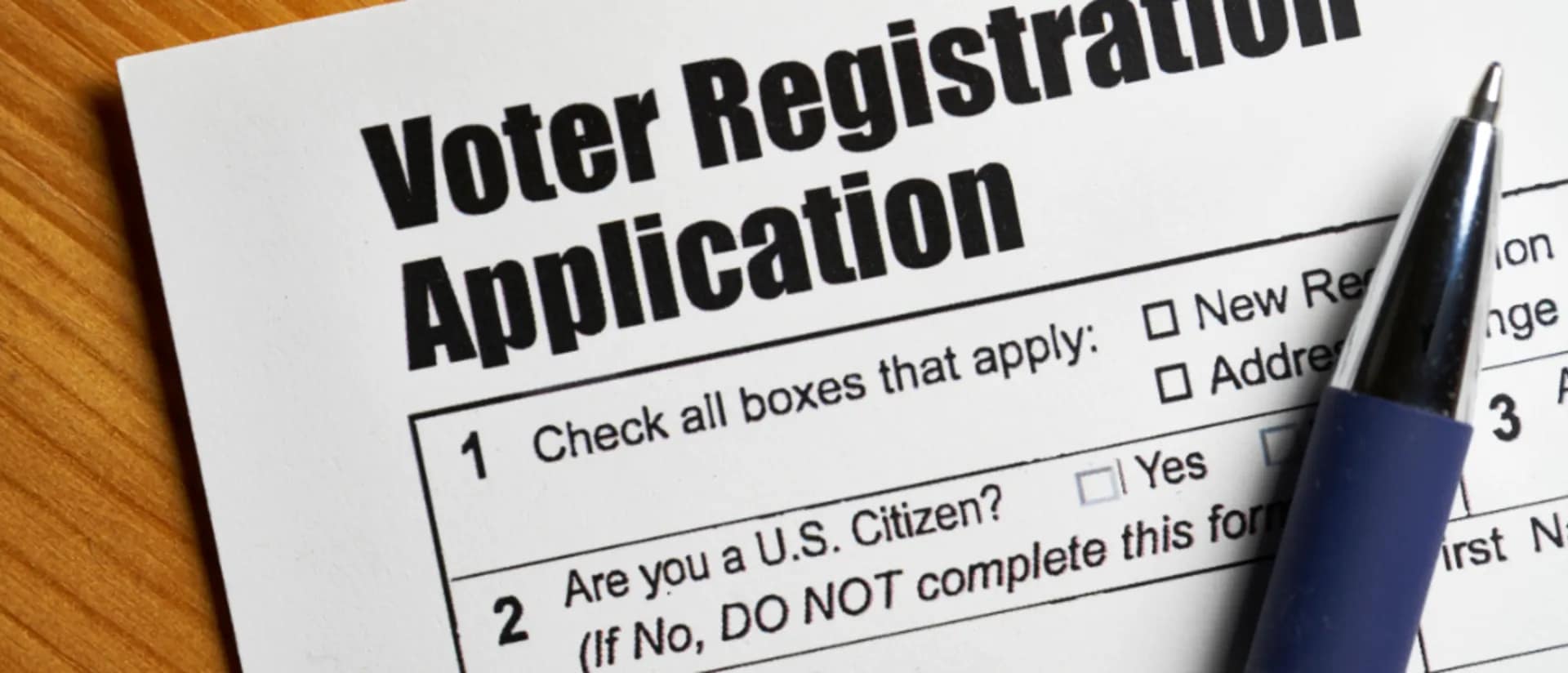
    Every year, on the fourth Tuesday of September, Americans across the country come together to observe National Voter Registration Day. First established in 2012, this nonpartisan civic holiday is dedicated to ensuring that every eligible citizen has the opportunity to register to vote, update their voter information, and make their voice heard in upcoming elections.

    Why It Matters

    Voting is one of the most fundamental rights in a democracy, yet millions of eligible voters remain unregistered or face challenges keeping their registration current due to changes in address, name, or eligibility status. National Voter Registration Day was created to bridge that gap, empowering citizens to take part in shaping their communities and their nation.

    A Nationwide Effort

    On this day, thousands of volunteers, community organizations, businesses, schools, and public officials join forces to reach potential voters. Registration drives pop up in libraries, campuses, churches, civic centers, and even online, making the process more accessible than ever. Social media campaigns also help spread awareness, encouraging friends and family to get registered and prepared for Election Day.

    The Power of Participation

    History has shown that voter registration efforts significantly impact turnout. When citizens are engaged and have easy access to registration resources, they are more likely to show up at the polls. National Voter Registration Day is not only about filling out forms—it’s about fostering civic engagement, strengthening democracy, and reminding people that their vote truly matters.

    How You Can Get Involved

    Check your status: Confirm that your voter registration is up to date.

    Register to vote: If you’re not registered, use official state resources or trusted nonpartisan sites to sign up.

    Spread the word: Share information with friends, coworkers, and family.

    Volunteer: Join local organizations hosting drives or events.

    A Call to Action

    National Voter Registration Day is more than a reminder—it’s a movement. It reflects the belief that democracy works best when everyone participates. Whether it’s your first time registering or simply updating your information, taking action today ensures your voice will be heard tomorrow.

    Read More Holidays & National Days

  • National Mayflower Day: Honoring the Voyage That Shaped a Nation

    National Mayflower Day: Honoring the Voyage That Shaped a Nation

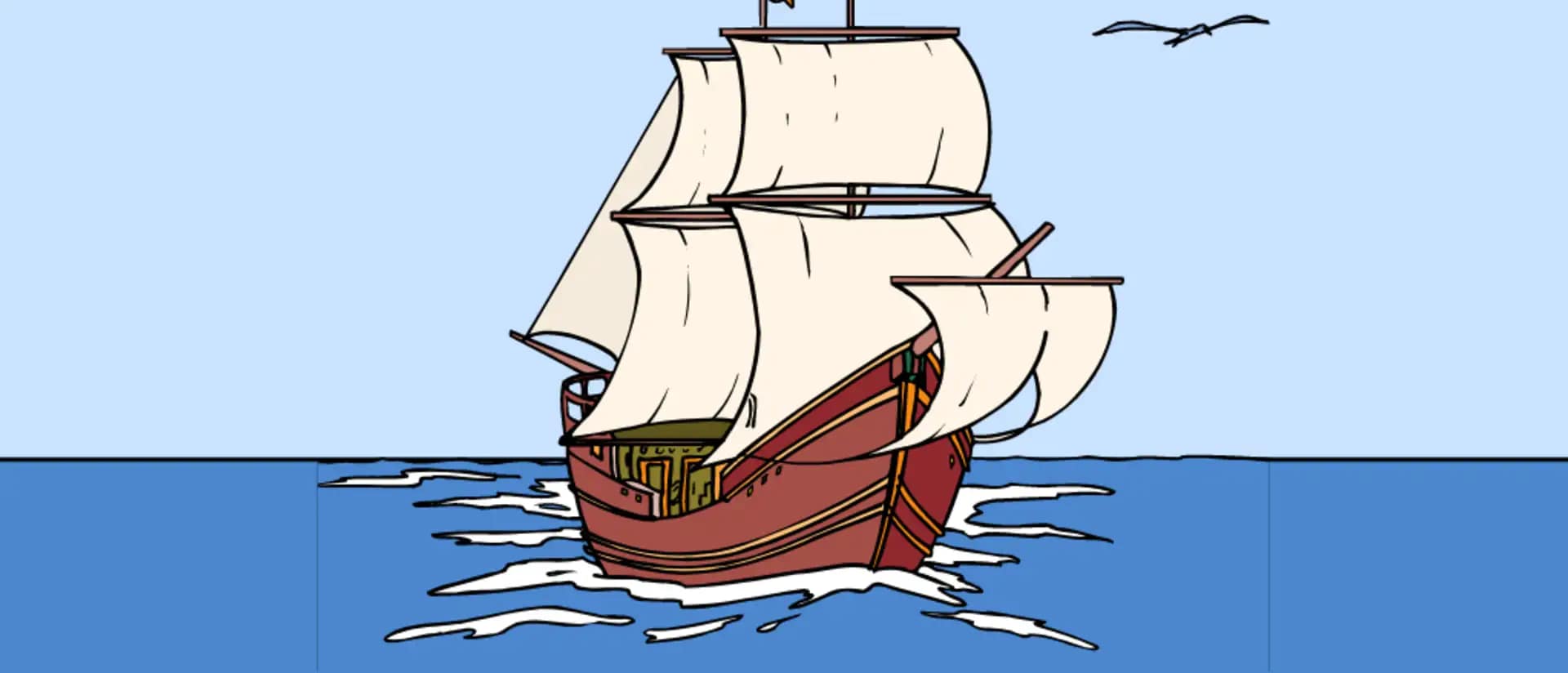
    Every year on September 16, Americans observe National Mayflower Day, a commemoration of one of the most iconic voyages in history. On this day in 1620, the Mayflower, a small merchant ship, set sail from Plymouth, England, carrying 102 passengers who would later become known as the Pilgrims. Their journey across the Atlantic marked the beginning of one of the most significant chapters in American history.

    The Voyage of Hope and Hardship

    The Mayflower’s journey was far from easy. Battling rough seas, cramped conditions, and dwindling supplies, the Pilgrims endured 66 days at sea before finally landing at Cape Cod in November of 1620. Although they had originally intended to reach the Virginia Colony, stormy weather forced them off course, leading them to establish a settlement in what is now Massachusetts.

    Despite immense hardship, including a brutal first winter where nearly half of the settlers perished, the Pilgrims persevered. With resilience and determination, they planted the seeds for what would later grow into the United States.

    The Mayflower Compact

    One of the most remarkable outcomes of this voyage was the Mayflower Compact, signed on November 11, 1620. This historic agreement established a framework for self-governance and cooperation among the settlers. It became a cornerstone of democratic principles in America, paving the way for the future ideals of liberty and self-rule.

    Why We Celebrate Mayflower Day

    National Mayflower Day is more than a remembrance of a voyage—it’s a reflection on the courage, faith, and determination of the Pilgrims. Their pursuit of religious freedom and a new life in an unfamiliar land is a story that continues to inspire generations.

    It’s also a time to reflect on the broader narrative of American history. While the Pilgrims’ story is central, it is also important to acknowledge the Native peoples who were already living on the land. Their interactions—sometimes cooperative, sometimes tragic—shaped the early years of settlement and remain a vital part of the story.

    How to Observe National Mayflower Day

    Learn the history: Explore books, documentaries, or museum exhibits about the Mayflower and the Pilgrims.

    Trace your roots: Many people in the U.S. can trace ancestry back to the original Mayflower passengers. Genealogy resources often highlight this special connection.

    Reflect on democracy: Take time to think about the Mayflower Compact and how its principles echo in today’s democratic society.

    Share the story: Educators and parents can use this day to teach children about perseverance, faith, and the importance of history.

    A Legacy That Endures

    The Mayflower voyage was not just a passage across the Atlantic—it was a leap of faith that forever altered the course of history. National Mayflower Day invites us to honor that journey, appreciate the struggles and triumphs of those early settlers, and reflect on how their legacy continues to influence the ideals of freedom, community, and resilience in America today.

    Read More Holidays & National Days

  • When the Pain of Losing Someone Crushes You

    When the Pain of Losing Someone Crushes You

    Grief is one of life’s heaviest burdens. When someone we love is suddenly gone, it can feel as though the ground has disappeared beneath us. The pain isn’t just emotional—it seeps into our bodies, our thoughts, and our daily lives. It can crush us with a weight we never imagined possible, leaving us struggling to breathe, to move, or to even believe that life can continue.

    The Weight of Loss

    Losing someone close feels like a piece of our own heart has been torn away. Simple things—like waking up in the morning, hearing a favorite song, or seeing a place tied to a memory—can become sharp reminders of the absence. The grief doesn’t follow a neat timeline. It can come in waves, sometimes crashing with full force, other times sitting quietly in the background, waiting to surface when least expected.

    Why It Hurts So Deeply

    The pain of losing someone is tied to love. We grieve because we cared, because that person was woven into our lives in ways big and small. Every inside joke, shared dream, and moment of comfort becomes part of the fabric of who we are. When they’re gone, it feels like parts of us are missing too. That is why the hurt feels so crushing—it’s not just the loss of a person, but of a relationship, a connection, a part of our story.

    Finding a Way Through the Darkness

    Though grief feels like it may never end, it is possible to find light again. This doesn’t mean forgetting or “moving on.” Instead, it means learning to carry the love differently. Here are a few ways people begin to navigate the unbearable weight of loss:

    Allow Yourself to Feel – Suppressing pain only makes it heavier. Giving yourself permission to cry, to be angry, or to feel numb is part of healing.

    Lean on Support – Family, friends, or grief support groups can remind you that you don’t have to face the crushing weight alone.

    Create Rituals of Remembrance – Lighting a candle, writing a letter, or keeping a tradition alive can turn grief into an ongoing bond with the one you’ve lost.

    Be Patient With Yourself – Healing is not linear. Some days you may feel stronger; other days the ache may return. Both are part of the journey.

    Carrying Love Forward

    The truth is, the pain of loss never fully disappears. But with time, the crushing weight becomes a little lighter to carry. We learn to live with it, to honor the memory of those we’ve lost, and to let their love continue shaping our lives. In the quiet moments, we may even feel them near—not in the way we wish, but in a way that still matters.

    Grief is the price of love, and though it can break us, it also reminds us of how deeply we were able to connect. Even when the pain feels unbearable, that love is still with us, carried forward in our hearts.

    A Father’s Guide to Surviving the Loss of a Child