Author: Brett Murphy

  • United States Nicknamed “Uncle Sam” on September 7, 1813

    United States Nicknamed “Uncle Sam” on September 7, 1813

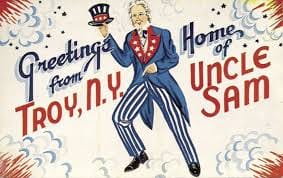
    On September 7, 1813, the United States officially acquired one of its most enduring nicknames: “Uncle Sam.” The moniker, which has since become a powerful symbol of American identity and patriotism, can be traced back to the War of 1812 and the life of a meat packer from Troy, New York.

    Origins of the Nickname

    The story begins with Samuel Wilson, a businessman who supplied barrels of beef to the U.S. Army during the War of 1812. Wilson, known affectionately by locals as “Uncle Sam,” stamped the barrels with the initials “U.S.” to denote government property. Soldiers began joking that the initials stood for “Uncle Sam” Wilson himself. The name stuck, and soon it became a popular term for the United States government as a whole.

    The September 7, 1813 Milestone

    While the term was circulating informally among troops and citizens, it was on September 7, 1813, that the name gained wider recognition. The Troy Post, a local newspaper in New York, published a reference to “Uncle Sam” as a nickname for the U.S. government. This is considered the first documented use of the term in print, solidifying its place in American culture.

    Uncle Sam as a National Symbol

    Over time, “Uncle Sam” evolved from a local inside joke to a national emblem. By the 19th century, cartoonists such as Thomas Nast popularized Uncle Sam’s image as a tall, bearded man dressed in red, white, and blue. Later, during World War I, artist James Montgomery Flagg created the famous recruitment poster of Uncle Sam pointing with the caption, “I Want You for U.S. Army.” This depiction remains one of the most recognized images in American history.

    Legacy of Uncle Sam

    In 1961, the U.S. Congress formally recognized Samuel Wilson as the inspiration for Uncle Sam, further cementing his place in national memory. Today, Uncle Sam symbolizes not just the government, but also the spirit of the American people—resilient, patriotic, and proud.

    Conclusion

    The adoption of “Uncle Sam” on September 7, 1813, marked the beginning of a lasting tradition. What started as a nickname for a meat packer became a defining emblem of the United States. More than two centuries later, Uncle Sam continues to stand tall as a personification of America’s values, history, and unity.

    Read More Holidays & National Days
  • World’s First Submarine Attack

    World’s First Submarine Attack

    The history of naval warfare changed forever during the American Revolutionary War when the world witnessed the first documented submarine attack. On September 6, 1776, in New York Harbor, a small, hand-powered vessel called the Turtle attempted to strike a British warship. Although the mission did not succeed, it marked the beginning of a new era in maritime combat.

    The Invention of the Turtle

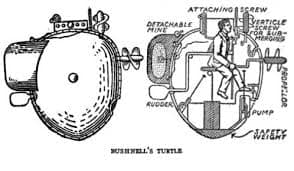
    The Turtle was the brainchild of David Bushnell, a Yale-educated inventor from Connecticut. Designed in 1775, the vessel was shaped somewhat like a large oak barrel and built to be operated by a single person. It was powered by hand-cranked propellers and featured a primitive ballast system for submerging and resurfacing. Its weapon—a timed explosive charge—was intended to be attached to the hull of an enemy ship.

    The idea was revolutionary: a stealth craft capable of slipping beneath the waves, unseen, to strike a blow against the seemingly invincible British Royal Navy.

    The Target: HMS Eagle

    The mission was carried out by Sergeant Ezra Lee of the Continental Army. His task was to pilot the Turtle through the waters of New York Harbor and attach an explosive device to the underside of the British flagship, HMS Eagle. If successful, it could have disrupted British control of the harbor and demonstrated the colonists’ ingenuity in asymmetrical warfare.

    The Attempt

    In the early hours of September 6, 1776, Lee maneuvered the Turtle toward the Eagle. He managed to reach the ship undetected, but when he attempted to drill into the copper-sheathed hull to attach the explosive, the drill failed to penetrate. After several attempts, Lee was forced to abandon the mission. Pursued by British patrol boats, he released the timed charge into the water, where it exploded harmlessly but caused great alarm among the British fleet.

    Legacy of the Attack

    Though the mission failed to damage the Eagle, the attempt demonstrated the potential of underwater warfare. The British Navy now had to consider the unsettling possibility that their dominance could be challenged by unseen threats beneath the surface.

    The Turtle never succeeded in sinking a ship, but its legacy was profound. It inspired future inventors and laid the groundwork for the development of modern submarines. By the 19th and 20th centuries, submarines had become powerful weapons, forever changing naval strategy.

    Conclusion

    The world’s first submarine attack, carried out in 1776 with the tiny Turtle, was an act of daring innovation. Though it failed in its immediate objective, it marked the dawn of a new dimension of warfare—one fought not just on the seas, but beneath them. What began as a bold experiment during the American Revolution would evolve into a decisive force in global conflicts centuries later.

    Read More Holidays & National Days
  • National Beer Lover’s Day

    National Beer Lover’s Day

    Every year on September 7th, beer enthusiasts across the country raise their glasses to celebrate National Beer Lover’s Day. This day honors one of the world’s oldest and most widely enjoyed beverages, bringing together history, tradition, and the simple pleasure of sharing a pint with friends.

    A Brew with History

    Beer dates back thousands of years, with evidence of brewing as early as 5,000 B.C. in ancient Mesopotamia. Over the centuries, brewing techniques evolved across cultures, from rich Belgian ales and crisp German lagers to bold American craft beers. Today, beer remains not just a drink, but also a cultural symbol—one tied to hospitality, community, and celebration.

    The Craft Beer Revolution

    While mass-produced beers have dominated much of the 20th century, the rise of the craft beer movement has changed the landscape. Small breweries across the United States and around the world have introduced an incredible variety of flavors, styles, and brewing methods. From hoppy IPAs and smooth stouts to fruit-infused sours and barrel-aged specialties, there’s a beer for every palate.

    How to Celebrate

    National Beer Lover’s Day isn’t just about drinking beer—it’s about appreciating it. Here are some great ways to join in:

    Visit a local brewery: Support small businesses and discover unique brews made in your community.

    Host a beer tasting: Gather friends and sample different styles, comparing flavors and aromas.

    Pair beer with food: Explore how different beers enhance the taste of everything from pizza to gourmet dishes.

    Learn the craft: Try homebrewing or take a tour of a brewery to better understand the art and science behind beer.

    A Toast to Beer Lovers

    Whether you prefer a crisp lager, a dark porter, or an experimental sour, National Beer Lover’s Day is the perfect excuse to celebrate your favorite pint. More than just a drink, beer represents friendship, creativity, and tradition. So on September 7th, raise your glass and toast to the brewers, the beer lovers, and the timeless joy of a well-poured pint.

    Read More Holidays & National Days

  • National Tailgating Day: A Celebration of Food, Fun, and Football Spirit

    National Tailgating Day: A Celebration of Food, Fun, and Football Spirit

    Every year, as the fall air begins to cool and football season kicks off, fans across the country gather to celebrate National Tailgating Day, observed on the first Saturday in September. This festive occasion honors a cherished American tradition that combines food, friendship, and the thrill of game day.

    The Tradition of Tailgating

    Tailgating is much more than a pre-game meal—it’s a cultural experience that unites fans, families, and communities. Dating back to the mid-19th century, when spectators gathered outside sporting events with picnics and grills, tailgating has evolved into a staple of American sports culture. Today, it’s not unusual to see parking lots filled with tents, smokers, coolers, and team-colored decorations hours before kickoff.

    What Makes Tailgating Special

    At its core, tailgating is about togetherness. Whether at a professional stadium, a college football game, or even a high school matchup, the spirit of camaraderie shines through. Fans bring their best recipes, set up games like cornhole or ladder toss, and show off their team spirit through themed apparel and decorations.

    Some of the most popular tailgating foods include:

    Grilled favorites like burgers, hot dogs, and ribs

    Barbecue specialties and smoked meats

    Finger foods such as nachos, wings, and sliders

    Sweet treats and festive drinks to cap off the feast

    More Than Just Football

    While football is the sport most closely associated with tailgating, the tradition extends to baseball, soccer, concerts, and other large events. Wherever there’s a gathering, there’s an opportunity to tailgate. National Tailgating Day encourages everyone—not just sports fans—to embrace the spirit of community, celebration, and fun.

    How to Celebrate National Tailgating Day

    Here are a few ways to join in on the festivities:

    Host a tailgate party: Fire up the grill, invite friends, and set up in your driveway, backyard, or at a local stadium.

    Share recipes: Try out new tailgating dishes or swap classics with fellow fans.

    Play games: From cornhole to football toss, tailgating games keep the energy high.

    Show your colors: Wear your favorite team’s gear to get in the spirit.

    A Day to Kick Off the Season Right

    National Tailgating Day is more than just a holiday—it’s a kickoff to the excitement of fall sports and a reminder of the power of community. Whether you’re cheering on your team at a stadium or celebrating from home, the day invites everyone to come together, share good food, and make lasting memories.

    Read More Holidays & National Days

  • Benedict Arnold Orders Burning of New London

    Benedict Arnold Orders Burning of New London

    On September 6, 1781, during the final months of the American Revolutionary War, American-born turncoat Benedict Arnold led a brutal raid on his home state of Connecticut. Acting under British command, Arnold ordered the burning of New London, leaving much of the once-thriving seaport city in ashes.

    Arnold, once celebrated as a daring Continental Army general, had betrayed the American cause in 1780 by conspiring to surrender West Point to the British. Now serving the Crown, he sought to cripple American supply lines and demoralize the patriot resistance. New London, with its busy harbor and stores of military goods, became his target.

    Commanding roughly 1,700 British regulars and Loyalists, Arnold’s forces landed on both sides of the Thames River. While one division stormed Fort Griswold in Groton—resulting in a bloody massacre of the outnumbered defenders—Arnold led the assault on New London itself. After overrunning the town’s defenses, he ordered fires set throughout the city. Warehouses, ships, homes, and businesses were consumed by the flames. By the end of the attack, nearly the entire town had been reduced to ruins.

    The destruction of New London shocked the young nation. Patriots denounced Arnold not only as a traitor but also as a man who had turned his fury against his own neighbors. Survivors recalled the smoke rising across the harbor, a haunting symbol of betrayal and devastation.

    Although Arnold’s raid inflicted heavy losses, it failed to alter the course of the war. Within weeks, George Washington and French forces would trap Lord Cornwallis at Yorktown, effectively bringing the Revolution to an end.

    Today, the burning of New London is remembered as one of the darkest acts of Benedict Arnold’s career. Once hailed as a hero of Saratoga, he is instead remembered as America’s most infamous traitor—a man who turned his back on his country and left scars on his own birthplace.

    Read More Holidays & National Days
  • International Bacon Day: A Celebration of Crispy, Smoky Goodness

    International Bacon Day: A Celebration of Crispy, Smoky Goodness

    Every year, food lovers unite to celebrate one of the world’s most beloved breakfast staples—International Bacon Day. Observed on the first Saturday of September, this holiday honors the salty, savory strips of pork that have found their way into countless dishes across the globe. Whether enjoyed alongside eggs, crumbled on a salad, or even wrapped around other foods, bacon has become a universal symbol of indulgence and comfort.

    The Origins of Bacon Day

    International Bacon Day began in 2000, thanks to a group of college students in Massachusetts who wanted to create a fun holiday centered around their favorite food. The idea quickly gained traction and spread across the U.S. and beyond. Today, bacon enthusiasts worldwide mark the occasion with themed meals, festivals, and quirky events like bacon-eating contests.

    Why Bacon Has a Cult Following

    Bacon’s popularity goes beyond taste—it’s about nostalgia and culture. The smoky aroma evokes memories of weekend breakfasts, family gatherings, and comfort food traditions. Over time, bacon has also evolved into a culinary trend, inspiring everything from bacon-wrapped jalapeños to maple bacon donuts. Even craft brewers and distillers have experimented with bacon-infused beers and cocktails.

    Ways to Celebrate

    International Bacon Day is all about creativity and fun. Here are some delicious ideas to mark the occasion:

    Host a Bacon Brunch: Serve classics like BLTs, bacon pancakes, or a bacon-topped quiche.

    Try Sweet and Savory Combos: Pair bacon with chocolate, caramel, or even ice cream for a surprising treat.

    Get Adventurous: Explore international bacon varieties, like Canadian bacon or pancetta, to expand your palate.

    Share the Love: Post your bacon-inspired creations on social media using the hashtag #BaconDay.

    More Than Just Food

    While bacon is the star of the day, International Bacon Day also reflects how food can bring people together. It’s a lighthearted holiday that encourages community, laughter, and indulgence in moderation. For many, it’s less about the bacon itself and more about the joy of celebrating with others.

    Read More Holidays & National Days
  • Pickax: A Fresh Platform for Creators, Writers, and Community Builders

    Pickax: A Fresh Platform for Creators, Writers, and Community Builders

    In today’s digital world, creators often struggle to find spaces where their voices can be heard without the clutter and distractions of mainstream social media. That’s where Pickax comes in—a new platform designed for creators, writers, and community builders who want to share their work, connect meaningfully, and grow their audience in a focused environment.

    Unlike traditional social platforms that prioritize algorithms and viral trends, Pickax emphasizes authentic connections and quality content. It’s built to give creators ownership of their work while offering tools to foster real community engagement.

    Why Pickax Stands Out

    For Creators: Share your writing, ideas, and projects without getting buried in endless feeds.

    For Community Builders: Create spaces where discussions thrive, free from the noise of typical social media.

    For Growth: Tools are built with audience-building in mind, helping creators expand their reach while maintaining genuine interactions.

    Whether you’re a writer looking to share your stories, a thought leader eager to spark conversations, or a community builder searching for a new home, Pickax offers a refreshing alternative.

    This isn’t just another platform—it’s a movement toward more intentional online spaces.

    Ready to Join?

    Here’s your invite to get started today:
    👉 Join Pickax here

    Come share your voice, connect with like-minded people, and be part of a platform where creativity truly shines.

    Read More Opportunities & Growth

  • First Continental Congress Convenes

    First Continental Congress Convenes

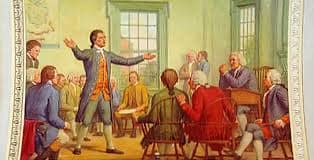
    On September 5, 1774, delegates from twelve of the thirteen American colonies gathered in Philadelphia, Pennsylvania, to form the First Continental Congress. This historic meeting marked one of the earliest unified actions by the colonies against British rule and laid the foundation for American independence.

    Background

    Tensions between Great Britain and its American colonies had been building for years. The Stamp Act (1765), Townshend Acts (1767), and other taxes imposed without colonial representation in Parliament had already stirred resentment. The breaking point came with the passage of the Coercive Acts (1774)—known in the colonies as the Intolerable Acts—which punished Massachusetts for the Boston Tea Party by closing Boston Harbor and stripping the colony of self-government.

    The colonies realized that isolated resistance was no longer enough. Leaders called for a meeting to coordinate a collective response to British policies.

    Delegates and Representation

    The Congress met at Carpenters’ Hall in Philadelphia. Fifty-six delegates attended, representing every colony except Georgia, which was still seeking British support against Native American attacks. Notable figures included:

    George Washington of Virginia

    John Adams and Samuel Adams of Massachusetts

    Patrick Henry of Virginia

    John Jay of New York

    Joseph Galloway of Pennsylvania

    Richard Henry Lee of Virginia

    These men brought diverse views—some sought reconciliation with Britain, while others pushed for stronger resistance.

    Key Actions

    During weeks of debate, the First Continental Congress took several important steps:

    Declaration and Resolves (October 14, 1774): This document condemned the Intolerable Acts, asserted colonial rights, and outlined grievances against British rule.

    Continental Association: The Congress called for a boycott of British goods, and pledged to halt exports to Britain if grievances were not addressed. Committees of inspection were formed in towns to enforce these measures.

    Petition to the King: A direct appeal to King George III expressed loyalty but demanded the repeal of oppressive laws.

    Legacy

    Although the First Continental Congress did not call for independence, it was a pivotal moment in colonial unity. It showed that the colonies could come together, debate their differences, and take coordinated action.

    When Britain ignored the petitions and enforced its authority with more troops, the stage was set for the Second Continental Congress (1775), where the colonies would ultimately declare independence.

    The First Continental Congress was not just a meeting—it was the first step toward creating a nation.

    Read More Holidays & National Days
  • National Cheese Pizza Day: A Celebration of a Classic Favorite

    National Cheese Pizza Day: A Celebration of a Classic Favorite

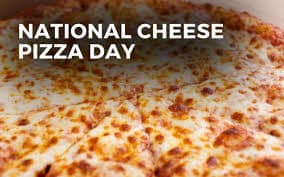
    Every year on September 5th, pizza lovers across the United States celebrate National Cheese Pizza Day—a delicious occasion dedicated to one of the simplest yet most beloved foods in the world. While pizza comes in countless varieties, from meat-loaded pies to veggie-packed creations, the humble cheese pizza remains a timeless classic.

    The Origins of Cheese Pizza

    Pizza as we know it today traces back to Italy, where Neapolitan bakers perfected the art of baking flatbreads topped with tomato sauce, cheese, and fresh herbs. When Italian immigrants brought this dish to America in the late 19th and early 20th centuries, it quickly grew in popularity. By the mid-20th century, cheese pizza had become a household favorite, appreciated for its versatility, affordability, and universal appeal.

    Why Cheese Pizza Stands Out

    Cheese pizza may sound simple, but its charm lies in that very simplicity. A well-made cheese pizza balances a golden, crispy crust, tangy tomato sauce, and perfectly melted cheese. It’s the foundation for nearly every other type of pizza, proving that sometimes less really is more.

    How to Celebrate

    There are plenty of fun and tasty ways to enjoy National Cheese Pizza Day:

    Visit a local pizzeria: Support your favorite pizza spot and enjoy a slice fresh out of the oven.

    Make it at home: Gather friends or family and bake your own cheese pizza, experimenting with different cheeses like mozzarella, provolone, or parmesan.

    Share a slice: Order a few pies and bring them to work, school, or a community gathering to spread the cheesy joy.

    Try a twist: Stick with cheese but add variety by using a blend of different cheeses for a richer flavor.

    Fun Pizza Facts

    Americans eat about 3 billion pizzas each year, and cheese pizza consistently ranks as one of the top choices.

    The world’s largest pizza ever made weighed over 26,000 pounds—and yes, it was topped with plenty of cheese.

    Pizza is so loved in the U.S. that an estimated 13% of the population enjoys it on any given day.

    A Slice of Happiness

    National Cheese Pizza Day is more than just an excuse to indulge in a cheesy slice—it’s a celebration of comfort food, community, and the little joys in life. Whether you grab a slice at your favorite pizzeria or bake one from scratch, today is the perfect day to savor the simplicity of this timeless dish.

    So, on September 5th, raise a slice and celebrate National Cheese Pizza Day—because sometimes the best things in life really are that simple.

    Read More Holidays & National Days

  • President Truman Makes First Transcontinental Television Broadcast

    President Truman Makes First Transcontinental Television Broadcast

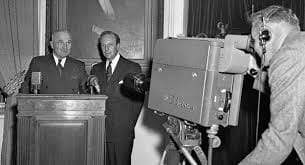
    On September 4, 1951, President Harry S. Truman made history by delivering the first transcontinental television broadcast in the United States. Speaking from the Japanese Peace Treaty Conference in San Francisco, Truman’s address marked a turning point in both communications technology and political outreach, showcasing the growing power of television as a medium to connect leaders with citizens across the nation.

    A Technological Milestone

    The broadcast was made possible through the completion of the first coast-to-coast microwave relay system, a network of relay towers that could transmit live television signals across thousands of miles. Before this innovation, television programming was limited to regional audiences. The new system allowed the entire country to simultaneously witness live events, fundamentally transforming how information and entertainment were shared.

    For the first time, Americans from New York to California could see and hear their president in real time, reinforcing the idea of a truly united nation in an era when television ownership was rapidly expanding. By 1951, more than 10 million U.S. households had televisions—a number that would only grow in the decade to come.

    Truman’s Message

    In his historic address, President Truman focused on peace and international cooperation. Speaking during the signing of the Treaty of San Francisco, which formally ended World War II hostilities between Japan and the Allied Powers, Truman emphasized America’s commitment to rebuilding nations and ensuring stability in the postwar world. His words were not just directed at the diplomats in San Francisco but at millions of citizens watching from their living rooms.

    The broadcast demonstrated the growing role of television in politics. Just a few years earlier, presidents relied primarily on radio to reach the American public. Now, television was providing not only sound but also visuals—giving the American people the opportunity to see their leaders as well as hear them.

    A Legacy of Communication

    Truman’s broadcast opened the door for the modern age of political communication. Within a decade, televised presidential debates, press conferences, and national addresses would become standard. The milestone also underscored television’s growing influence in shaping public opinion, informing citizens, and bringing the nation together during pivotal moments in history.

    Today, President Truman’s 1951 address stands as a reminder of how technological breakthroughs can change the way leaders engage with the people—and how television helped usher in a new era of instant, nationwide connection.

    Read More Holidays & National Days