Author: Brett Murphy

  • Celebrating National Chocolate Chip Cookie Day: A Sweet Tribute to an American Classic

    Celebrating National Chocolate Chip Cookie Day: A Sweet Tribute to an American Classic

    August 4th is a date every cookie lover should mark on their calendar—National Chocolate Chip Cookie Day. It’s a time to indulge in one of America’s most beloved treats, pay homage to its history, and maybe even bake a batch of your own.

    🍪 The Origins of the Chocolate Chip Cookie
    The chocolate chip cookie was born by happy accident in the 1930s, when Ruth Wakefield, owner of the Toll House Inn in Whitman, Massachusetts, added chopped Nestlé chocolate to her cookie dough expecting it to melt. Instead, the pieces held their shape, creating the world’s first chocolate chip cookie. This innovation led to the iconic Nestlé Toll House cookie—and the rest is delicious history.

    🎉 How People Celebrate
    National Chocolate Chip Cookie Day is all about celebrating the sweet simplicity and nostalgia of this classic treat. Here’s how people across the country get into the spirit:

    Baking at Home: Many home bakers roll up their sleeves and whip up homemade cookies, using everything from traditional recipes to creative spins like sea salt dark chocolate or gluten-free variations.

    Cookie Giveaways and Deals: Bakeries and cookie chains like Crumbl, Insomnia Cookies, and even grocery stores often run special promotions, offering free cookies or discounts.

    Sharing the Joy: Social media floods with drool-worthy cookie photos, recipes, and cookie-related challenges—#ChocolateChipCookieDay trends on platforms like Instagram and TikTok.

    🧁 Why We Love Them
    There’s something timeless and comforting about chocolate chip cookies. Warm, gooey, and perfectly sweet, they hit the nostalgia button for most people. Whether you like them soft and chewy or crispy and golden-brown, they’re a symbol of home, happiness, and childhood.

    🍫 Fun Facts
    The chocolate chip cookie is the official state cookie of Massachusetts.

    Americans consume over 7 billion chocolate chip cookies annually.

    The world’s largest chocolate chip cookie, baked in 2003, weighed over 40,000 pounds.

    🏡 Try This Classic Recipe
    Want to celebrate properly? Here’s a simple recipe:

    Ingredients

    1 cup butter (softened)

    3/4 cup brown sugar

    3/4 cup white sugar

    2 large eggs

    2 tsp vanilla extract

    2 1/4 cups all-purpose flour

    1 tsp baking soda

    1/2 tsp salt

    2 cups semisweet chocolate chips

    Instructions

    Preheat oven to 375°F (190°C).

    Cream together butter and sugars. Add eggs and vanilla.

    Mix in dry ingredients, then fold in chocolate chips.

    Drop spoonfuls onto a baking sheet and bake for 8–10 minutes.

    Cool slightly before devouring.

    Final Bite
    Whether you’re savoring a homemade cookie with a glass of milk, grabbing a warm one from a bakery, or just reminiscing about childhood snacks, National Chocolate Chip Cookie Day is the perfect excuse to treat yourself. After all, few things in life are as universally loved—or as satisfying—as a chocolate chip cookie.

    Happy National Chocolate Chip Cookie Day! 🍪

  • American Family Day: Celebrating the People Who Matter Most

    American Family Day: Celebrating the People Who Matter Most

    Every year on the first Sunday in August, families across Arizona and many communities throughout the United States celebrate American Family Day—a special day dedicated to strengthening relationships, creating meaningful memories, and appreciating the people who make life richer through love, support, and togetherness.

    Unlike many holidays that revolve around shopping, expensive gifts, or elaborate celebrations, American Family Day has a much simpler purpose. It reminds us that our greatest gift to one another is not something we can buy—it is our time, attention, and love.

    In today’s fast-paced world, families often find themselves pulled in different directions. Busy work schedules, school activities, sports, technology, and endless responsibilities can leave little time for meaningful conversations. American Family Day encourages us to pause, slow down, and remember that life’s greatest treasures are often found around our own dinner tables, in our living rooms, and during ordinary moments spent together.

    Whether your family consists of parents and children, grandparents, siblings, lifelong friends, or loved ones who have become family through life’s journey, this day offers an opportunity to reconnect and celebrate the relationships that truly matter.


    The History of American Family Day

    American Family Day was officially established in 1977 by Arizona Governor Raúl Héctor Castro. At a time when many holidays were becoming increasingly commercialized, state leaders wanted to create a celebration that emphasized relationships instead of retail.

    The vision behind the holiday was refreshingly simple:

    Spend time with your family instead of spending money on gifts.

    Since its creation, countless families have embraced the idea that lasting memories come from shared experiences rather than expensive presents.

    Although American Family Day remains an official Arizona state holiday, its message has spread well beyond state borders. Families across the country have adopted the tradition as an annual reminder to reconnect with one another and appreciate the people who stand beside them through every stage of life.


    Why Family Is One of Life’s Greatest Blessings

    Family is often our first experience with love.

    It is where we celebrate birthdays, gather during holidays, support one another through difficult seasons, and create memories that remain with us for decades.

    While every family has imperfections, healthy family relationships provide something incredibly valuable:

    • A sense of belonging
    • Emotional support
    • Encouragement during difficult times
    • Stability during life’s uncertainties
    • Shared traditions
    • Lifelong friendships
    • Unconditional love

    The strongest families aren’t those without problems—they are the ones who continue choosing one another despite life’s challenges.

    Family teaches us patience, forgiveness, compassion, generosity, and resilience. These lessons often shape the people we become.


    Why Time Together Matters More Than Ever

    Technology has made communication easier than ever before, yet many families spend less quality time together than previous generations.

    It’s common for everyone to be in the same room while each person is focused on a different screen.

    Phones buzz constantly.

    Emails continue after work hours.

    Social media competes for our attention.

    Streaming services replace conversations.

    Without realizing it, meaningful interactions can slowly disappear.

    American Family Day reminds us that relationships thrive through intentional time together.

    Research consistently shows that families who regularly share meals, conversations, and activities often experience:

    • Better communication
    • Stronger emotional bonds
    • Greater trust
    • Improved mental health
    • Lower stress levels
    • Higher self-esteem among children
    • Increased resilience during difficult times

    The amount of time matters less than the quality of the moments shared.

    Even thirty uninterrupted minutes can strengthen relationships when everyone is fully present.


    The Little Moments Become the Big Memories

    When people look back on childhood, they rarely remember expensive gifts.

    Instead, they remember experiences like:

    Grandma teaching them how to bake cookies.

    Dad teaching them how to ride a bike.

    Family vacations.

    Camping trips.

    Movie nights.

    Holiday dinners.

    Playing cards around the kitchen table.

    Laughing until everyone’s stomach hurt.

    Watching fireworks together.

    Fishing with Grandpa.

    Helping decorate the Christmas tree.

    Walking through the neighborhood on warm summer evenings.

    These seemingly ordinary moments become extraordinary memories with time.

    American Family Day encourages families to intentionally create more of them.


    Family Looks Different for Everyone

    One of the beautiful things about American Family Day is that it celebrates every kind of family.

    Some families include:

    • Married couples
    • Single parents
    • Blended families
    • Grandparents raising grandchildren
    • Adoptive families
    • Foster families
    • Military families
    • Long-distance families
    • Chosen families made up of close friends
    • Multi-generational households

    Love—not structure—is what defines a family.

    Many people also consider close friends, mentors, neighbors, church members, or lifelong companions to be family because of the deep bonds they’ve built over time.

    American Family Day celebrates those relationships as well.


    Building Stronger Family Relationships

    Healthy relationships don’t happen automatically.

    Like a garden, they require consistent care.

    Families grow stronger when people intentionally practice:

    Listening

    Sometimes the greatest gift we can offer another person is our full attention.

    Listen without interrupting.

    Ask questions.

    Be genuinely interested.

    Everyone wants to feel heard.

    Encouragement

    Words carry tremendous power.

    Simple phrases such as:

    “I’m proud of you.”

    “You’ve got this.”

    “I believe in you.”

    “I appreciate everything you do.”

    can leave lasting impressions that people remember for years.

    Forgiveness

    Every family experiences misunderstandings.

    Holding onto resentment creates distance.

    Choosing forgiveness opens the door to healing.

    Forgiveness doesn’t erase the past—it allows relationships to move forward.

    Shared Traditions

    Traditions don’t need to be elaborate.

    Some families enjoy:

    • Friday pizza night
    • Sunday dinners
    • Annual camping trips
    • Holiday baking days
    • Birthday breakfasts
    • Family game nights
    • Evening walks

    Traditions provide consistency and create memories that children often continue with future generations.


    Ideas for Celebrating American Family Day

    Looking for ways to celebrate?

    Here are meaningful activities that cost little but create lasting memories.

    Have a Family Picnic

    Pack sandwiches, fruit, drinks, and a blanket.

    Spend an afternoon at a local park simply enjoying one another’s company.

    Cook Together

    Choose a favorite family recipe and prepare it together.

    Cooking encourages teamwork, conversation, and plenty of laughter.

    Visit Older Relatives

    Grandparents and elderly family members treasure visits.

    Their stories preserve family history and strengthen generational connections.

    Take a Technology Break

    Declare a phone-free afternoon.

    Turn off notifications and focus completely on each other.

    Create a Family Memory Book

    Gather photographs, write stories, include recipes, ticket stubs, and funny memories.

    Future generations will appreciate it.

    Volunteer Together

    Helping others as a family builds compassion while strengthening your own relationships.

    Volunteer at a food bank, animal shelter, community cleanup, or church outreach.

    Explore Nature

    Go hiking.

    Visit a lake.

    Walk along a beach.

    Take a scenic drive.

    Nature often creates opportunities for conversations that don’t happen indoors.


    The Importance of Family Traditions

    Traditions give families something to anticipate every year.

    They provide stability during uncertain times and strengthen a family’s identity.

    Some traditions become treasured for generations because they remind us of where we came from.

    Children especially benefit from traditions because they create consistency and security.

    Even simple traditions become meaningful over time.


    American Family Day and Mental Health

    Healthy family relationships play an important role in emotional well-being.

    Strong support systems can help people navigate:

    • Anxiety
    • Depression
    • Grief
    • Job loss
    • Financial struggles
    • Illness
    • Major life changes

    Knowing there are people who love us unconditionally provides strength during life’s most difficult seasons.

    Sometimes the best therapy isn’t advice—it’s simply knowing someone is there.


    Honoring Family Members We’ve Lost

    For many people, American Family Day is bittersweet.

    The joy of celebrating family can also bring painful reminders of those who are no longer here.

    An empty chair at dinner.

    A familiar laugh that’s now silent.

    A favorite recipe made in someone’s honor.

    A photograph that brings both tears and smiles.

    Grief and love often exist together.

    One does not erase the other.

    If you’re missing someone this American Family Day, consider honoring them by:

    • Lighting a candle.
    • Sharing stories about them.
    • Visiting a favorite place.
    • Cooking their favorite meal.
    • Looking through old family photos.
    • Continuing one of their traditions.
    • Writing them a heartfelt letter.

    Although they may no longer be physically present, the love they gave continues to shape the lives of those they left behind.

    Remembering them is another way of celebrating family.


    Creating a Legacy for Future Generations

    Children watch everything adults do.

    They notice how we treat one another.

    How we speak during disagreements.

    How we celebrate successes.

    How we respond during hardships.

    The values we model today become the lessons they carry tomorrow.

    Love.

    Respect.

    Patience.

    Kindness.

    Generosity.

    Forgiveness.

    Integrity.

    These qualities often become a family’s greatest inheritance.

    Money can be spent.

    Possessions wear out.

    Character lasts forever.


    A Reminder to Slow Down

    Modern life constantly pushes us to do more.

    Work harder.

    Stay connected.

    Be productive.

    Meet deadlines.

    American Family Day gently whispers something different.

    Slow down.

    Sit together.

    Eat together.

    Laugh together.

    Tell stories.

    Take pictures.

    Ask questions.

    Listen carefully.

    Create memories.

    The dishes can wait.

    The emails can wait.

    Social media can wait.

    Your family cannot.

    Every year children grow older.

    Parents grow older.

    Grandparents become treasured memories.

    Time continues moving whether we’re paying attention or not.

    That’s why moments matter.


    The Greatest Gift We Can Give

    At the end of life, few people wish they had spent more time working overtime, checking emails, or scrolling through social media.

    Many wish they had spent more time with family.

    Love is measured less by grand gestures and more by everyday moments.

    Helping with homework.

    Sharing coffee in the morning.

    Watching sunsets together.

    Talking after dinner.

    Holding someone’s hand through difficult times.

    These are the moments that define a life well lived.

    American Family Day reminds us that every ordinary day has the potential to become an extraordinary memory.


    Final Thoughts

    American Family Day is more than just another date on the calendar—it is a heartfelt invitation to reconnect with the people who matter most.

    Whether your family is large or small, traditional or unconventional, nearby or spread across the country, today is an opportunity to celebrate the relationships that bring meaning to your life.

    Take time to call someone you haven’t spoken to in a while.

    Visit your parents or grandparents.

    Play games with your children.

    Invite relatives over for dinner.

    Share old photographs.

    Laugh at family stories.

    Create new traditions while honoring old ones.

    And if someone you love is no longer here, remember that love never truly disappears. Their influence continues in your heart, your memories, and the values they passed on.

    Because when everything else fades, family is often what remains.

    This American Family Day, give your loved ones the one gift they will remember forever—your time, your presence, and your love.

    Read More Holidays & National Days

  • National Ice Cream Sandwich Day – Celebrate One of Summer’s Sweetest Treats

    National Ice Cream Sandwich Day – Celebrate One of Summer’s Sweetest Treats

    There are few desserts that capture the joy of summer quite like an ice cream sandwich. Creamy, cold ice cream nestled between two soft cookies or chocolate wafers has delighted children and adults for generations. Every year on August 2, people across the United States celebrate National Ice Cream Sandwich Day, honoring one of the most beloved frozen treats ever created.

    Whether you remember hearing the familiar jingle of the neighborhood ice cream truck, grabbing an ice cream sandwich from the freezer after a long day outside, or creating homemade versions with family and friends, this dessert has a way of bringing back happy memories. It is simple, portable, affordable, and endlessly customizable—qualities that have helped it remain a favorite for more than a century.

    National Ice Cream Sandwich Day is more than just an excuse to enjoy dessert. It is a celebration of summer traditions, childhood nostalgia, creativity in the kitchen, and the simple pleasures that bring smiles to people of all ages.


    The Origins of the Ice Cream Sandwich

    Like many classic American desserts, the exact origin of the ice cream sandwich is debated, but historians generally agree that early versions appeared in New York City during the late 1800s.

    Street vendors sold small blocks of vanilla ice cream pressed between two thin wafers or biscuits for just one penny. The dessert quickly became popular because it was inexpensive, refreshing, and easy to eat while walking through the busy city streets.

    At the time, refrigeration technology was still developing, making frozen treats something of a luxury. Yet the ice cream sandwich became one of the first frozen desserts that was practical for everyday people to enjoy.

    As commercial ice cream production expanded during the early twentieth century, manufacturers refined the recipe into the version most Americans recognize today:

    • Soft chocolate wafers
    • Vanilla ice cream
    • Rectangular shape
    • Easy-to-hold design

    It quickly became a staple at grocery stores, amusement parks, baseball games, beaches, fairs, and neighborhood ice cream trucks.


    Why Ice Cream Sandwiches Remain So Popular

    Some desserts come and go with changing food trends, but the ice cream sandwich has stood the test of time.

    Its enduring popularity comes from its perfect balance of flavors and textures.

    You get:

    • Cold, creamy ice cream
    • Soft, chewy cookies or wafers
    • Easy portability
    • Minimal mess
    • Endless flavor possibilities

    Unlike an ice cream cone that can melt down your hands on a hot afternoon, an ice cream sandwich provides a convenient way to enjoy frozen dessert almost anywhere.

    Perhaps even more importantly, it carries a powerful sense of nostalgia. For many people, one bite instantly brings back memories of summer vacations, family picnics, county fairs, backyard barbecues, or afternoons spent chasing the neighborhood ice cream truck.


    The Evolution of the Ice Cream Sandwich

    Today’s ice cream sandwiches are far more creative than the originals.

    While the traditional chocolate wafer with vanilla ice cream remains a classic, bakeries and ice cream shops have transformed the dessert into gourmet creations featuring premium ingredients and imaginative flavor combinations.

    Modern versions include:

    • Chocolate chip cookies
    • Brownies
    • Blondies
    • Waffles
    • Donuts
    • Croissants
    • Macarons
    • Churros
    • Graham crackers
    • Cinnamon rolls

    Ice cream flavors have expanded just as dramatically.

    Popular choices include:

    • Cookies and cream
    • Mint chocolate chip
    • Salted caramel
    • Birthday cake
    • Coffee
    • Pistachio
    • Butter pecan
    • Peanut butter cup
    • Strawberry cheesecake
    • Black raspberry
    • Cookie dough
    • Rocky Road

    Many shops even roll the edges in sprinkles, crushed candy bars, cookie crumbs, chopped nuts, mini chocolate chips, coconut, or colorful cereal for extra texture and flavor.


    Regional Favorites Across America

    Different parts of the country have embraced unique twists on the classic dessert.

    In California, artisan ice cream shops often serve oversized cookie sandwiches with handcrafted ice cream and locally sourced ingredients.

    In New York, bakeries frequently pair gourmet cookies with rich premium ice cream.

    Southern states often feature peach, pecan, or butter pecan flavors inspired by regional ingredients.

    Coastal communities sometimes create tropical versions featuring coconut, mango, pineapple, or passion fruit.

    No matter where you travel, you’re likely to find a local interpretation of the beloved dessert.


    Ice Cream Sandwiches Around the World

    Although National Ice Cream Sandwich Day is an American celebration, similar frozen treats can be found across the globe.

    Italy offers gelato sandwiches on fresh brioche buns.

    Japan serves ice cream between soft rice cakes called mochi.

    Australia has developed gourmet cookie sandwiches featuring native flavors.

    France often uses delicate macarons to create elegant frozen desserts.

    Latin American countries frequently feature dulce de leche ice cream with buttery cookies.

    These international variations show how one simple concept has inspired desserts around the world.


    Easy Homemade Ice Cream Sandwiches

    One of the best ways to celebrate is by making your own.

    Homemade ice cream sandwiches allow you to customize every ingredient and create flavors you won’t find in stores.

    Ingredients

    • Fresh baked cookies
    • Your favorite ice cream
    • Plastic wrap
    • Baking sheet
    • Freezer

    Instructions

    1. Let the ice cream soften slightly.
    2. Scoop generous portions onto one cookie.
    3. Place another cookie on top.
    4. Press gently until evenly spread.
    5. Wrap each sandwich tightly.
    6. Freeze for at least three hours.

    The result is a bakery-quality dessert that’s perfect for family gatherings or summer parties.


    Creative Flavor Combinations

    Need inspiration?

    Try one of these delicious combinations.

    Classic Favorite

    Chocolate wafers with vanilla ice cream.

    Cookie Lover

    Chocolate chip cookies with cookie dough ice cream.

    Chocolate Explosion

    Brownies with chocolate fudge ice cream.

    Peanut Butter Dream

    Peanut butter cookies with chocolate peanut butter ice cream.

    Summer Berry

    Sugar cookies with strawberry ice cream.

    Campfire Treat

    Graham crackers with toasted marshmallow ice cream.

    Coffee Break

    Espresso cookies with coffee ice cream.

    Salted Caramel Delight

    Chocolate cookies with salted caramel ice cream.

    Birthday Celebration

    Funfetti cookies with birthday cake ice cream.

    Tropical Escape

    Coconut cookies with pineapple ice cream.


    Family Activities for National Ice Cream Sandwich Day

    This holiday is perfect for creating lasting memories.

    Ideas include:

    • Hold an ice cream sandwich decorating contest.
    • Let kids invent new flavor combinations.
    • Visit a local ice cream shop.
    • Take a family walk while enjoying frozen treats.
    • Have a backyard picnic.
    • Host an outdoor movie night with ice cream sandwiches.
    • Create a dessert buffet.
    • Make miniature sandwiches for a party.
    • Photograph your creations and share them on social media.

    The holiday is fun for every age group.


    Hosting an Ice Cream Sandwich Party

    Planning a summer gathering?

    Create an ice cream sandwich bar.

    Offer several cookie options:

    • Chocolate chip
    • Sugar
    • Oatmeal
    • Peanut butter
    • Brownies
    • Snickerdoodles

    Provide various ice cream flavors:

    • Vanilla
    • Chocolate
    • Mint
    • Strawberry
    • Coffee
    • Cookies and cream
    • Butter pecan
    • Cookie dough

    Finish with toppings:

    • Sprinkles
    • Mini M&Ms
    • Crushed Oreos
    • Chocolate chips
    • Chopped nuts
    • Coconut
    • Caramel sauce
    • Chocolate syrup
    • Whipped cream

    Guests will love creating personalized desserts.


    Fun Ice Cream Sandwich Facts

    Did you know?

    • The first ice cream sandwiches sold for only one penny.
    • Vanilla remains America’s favorite ice cream flavor.
    • Ice cream sandwiches have existed for more than 100 years.
    • Grocery stores sell millions of ice cream sandwiches every summer.
    • Gourmet bakeries have transformed them into premium desserts featuring handcrafted cookies and artisan ice cream.
    • Ice cream sandwiches are among the top-selling frozen novelty treats in the United States.

    Why Nostalgia Tastes So Sweet

    One reason National Ice Cream Sandwich Day resonates with so many people is because food has a remarkable ability to unlock memories.

    The taste of an ice cream sandwich may remind you of:

    • Family vacations
    • Little League baseball games
    • Swimming pools
    • Summer camps
    • Neighborhood barbecues
    • Fireworks celebrations
    • Visits from the ice cream truck
    • Childhood birthdays

    These emotional connections make the dessert far more meaningful than simply satisfying a craving.


    Supporting Local Ice Cream Shops

    While grocery store versions are convenient, National Ice Cream Sandwich Day is also a wonderful opportunity to support local businesses.

    Many independent ice cream shops create handcrafted sandwiches using freshly baked cookies and small-batch ice cream. Purchasing from local shops helps small business owners while allowing you to experience unique flavors that aren’t available anywhere else.

    You may even discover your new favorite dessert.


    Sharing the Sweetness

    One of the best parts of this holiday is sharing it with others.

    Consider surprising:

    • Your neighbors
    • Friends
    • Grandchildren
    • Co-workers
    • Church members
    • Teachers
    • First responders

    A simple frozen treat can brighten someone’s day and create a lasting memory.

    Small acts of kindness often have the biggest impact.


    Celebrate Every Bite

    Life moves quickly, and it’s easy to overlook the little moments that make summer special.

    National Ice Cream Sandwich Day reminds us to pause, smile, and enjoy something simple. Whether you’re relaxing on the porch, gathering with family, hosting a barbecue, or cooling off after a day in the sun, an ice cream sandwich is a delicious reminder that happiness is often found in life’s smallest pleasures.

    Sometimes the best memories aren’t made during grand adventures—they’re made while sharing dessert with the people you love.

    So on August 2, grab your favorite ice cream sandwich, try a new flavor, make a batch from scratch, or visit your favorite local ice cream shop. Celebrate the sweetness of summer, embrace a little nostalgia, and enjoy every delicious bite.

    After all, some traditions never go out of style.

    Read More Holidays & National Days

  • Pareavor Support Group: Helping Parents Navigate the Grief of Losing a Son or Daughter

    Pareavor Support Group: Helping Parents Navigate the Grief of Losing a Son or Daughter

    The loss of a child is one of the most heart-wrenching and traumatic experiences any parent can endure. It’s a grief that cuts deeper than most, as parents not only mourn the life of their beloved child but also the future that will never be lived. Amid the isolation and pain that often accompany such a loss, the Pareavor Support Group offers a beacon of hope. Pareavor is a specialized support community designed to provide solace, understanding, and shared healing for parents grieving the death of a son or daughter.

    What is the Pareavor Support Group?

    The Pareavor Support Group is a compassionate, peer-led organization focused on providing emotional support to parents coping with the loss of their children. Whether the death is due to illness, accident, suicide, or any other cause, Pareavor stands as a safe and welcoming space for parents to share their pain, process their grief, and begin the journey toward healing. The name “Pareavor” comes from the combination of “parents” and “ever,” symbolizing the eternal love and bond between a parent and their child, even after death.

    Mission and Vision

    At its core, the Pareavor Support Group is driven by a powerful mission: to support grieving parents in the process of finding peace and strength after the tragic loss of a child. The group’s vision is to create a community where parents can:

    Find empathy and understanding from others who have experienced similar pain.

    Share their emotions, memories, and struggles in a non-judgmental and supportive environment.

    Heal at their own pace without the pressure of “moving on” or “getting over” their grief.

    Access resources and tools to help navigate the complex emotions of grief, loss, and recovery.

    The Importance of Peer Support

    One of the most unique aspects of the Pareavor Support Group is its focus on peer support. Many parents find that sharing their grief with those who have experienced similar loss can be profoundly healing. There is a deep connection in knowing that others understand the unimaginable pain of losing a child, and this connection can reduce the feelings of isolation that often accompany grief.

    A Range of Support Options

    Understanding that grief is not a one-size-fits-all journey, Pareavor offers a variety of support avenues to meet the needs of different parents:

    Bringing together parents who are grieving to discuss their feelings, share stories, and learn coping strategies.

    Help parents navigate the specific emotions they are experiencing.

    Online platform offers a virtual space where parents can connect, share, and find support.

    Help parents find comfort in creating lasting tributes to their children.

    Guiding Parents Through Grief

    Grief is often described as a “roller coaster” because of the intense emotional highs and lows it brings. In the early stages of loss, parents may feel a range of overwhelming emotions: shock, disbelief, anger, guilt, and deep sorrow. Pareavor acknowledges these intense feelings and offers a platform for parents to express them in a safe and supportive space.

    Importantly, Pareavor recognizes that there is no “right” way to grieve. Some parents may want to talk constantly about their child, while others may prefer to remain quiet. Some may seek to keep their child’s memory alive in tangible ways, while others may find peace in letting go of certain reminders. The support group respects each individual’s journey and emphasizes that healing is a deeply personal process that unfolds over time.

    The Role of Grief Support

    The Pareavor Support Group helps guide conversations and provide emotional tools to help parents cope and handle the unique complexities of grief, and providing a nurturing and healing environment.

    Healing Together: Building a Community

    At its essence, the Pareavor Support Group is about building a community of parents who walk the same painful journey together. Through sharing stories, finding common ground, and offering comfort, the group helps parents slowly find their way back to hope. Healing doesn’t mean forgetting or “getting over” the loss; it means finding a new way to live with it, to honor the memory of the child, and to move forward while carrying the love and grief.

    Conclusion

    The death of a son or daughter leaves a wound that is not easily healed. However, the Pareavor Support Group offers grieving parents a pathway through the darkness. Through shared empathy, professional guidance, and a sense of community, parents can begin to heal, piece by piece, while keeping their child’s memory alive in their hearts. The group’s commitment to fostering hope and healing serves as a reminder that even in the deepest sorrow, there can be moments of connection, growth, and transformation.

    For parents grieving the loss of a child, the Pareavor Support Group provides a sanctuary where they can begin their journey toward healing, knowing they are never truly alone.

    A Father’s Guide to Surviving the Loss of a Child

  • Pickax Is The Present and Future Of Social Media

    Pickax Is The Present and Future Of Social Media

    In an era where digital platforms shape public discourse, Pickax has emerged as a transformative force in social media, redefining how users connect, create, and communicate. Founded by CEO Jeff Dornik, Pickax is built on the principles of free speech, creator empowerment, and human-centric interaction, positioning it as both the present solution and the future blueprint for online communities. This article explores why Pickax is revolutionizing social media and why it’s poised to lead the industry forward.

    The Present: A Platform for Freedom and Authenticity

    Pickax addresses the growing frustration with traditional social media platforms, which often prioritize algorithmic control, censorship, and corporate interests over user experience. By championing free speech and unfiltered expression, Pickax offers a refreshing alternative that resonates with users tired of shadowbans, suppressed posts, and sanitized feeds.

    Commitment to Free Speech

    Unlike many platforms that impose strict content moderation, Pickax promises to protect constitutional free speech, allowing users to express their views without fear of arbitrary censorship. As Jeff Dornik stated in a January 2025 interview, Pickax is designed to “amplify your voice” and ensure that “no one is throttled or shadowbanned.” This commitment has attracted a diverse user base, from creators to everyday individuals, seeking a platform where their ideas can flourish.

    Creator-Centric Monetization

    Pickax flips the traditional social media model by empowering creators to monetize their content directly. While platforms like YouTube or Instagram often take significant cuts of revenue or limit reach based on algorithmic whims, Pickax provides tools for creators to build and own their audiences. This focus on monetization opportunities was highlighted in a 2023 discussion on Weaponized News, where Dornik emphasized supporting creators financially as a core mission.

    Human-First Approach

    In an age of bot-driven feeds and AI-curated content, Pickax prioritizes human interaction. Its feed is “not curated by bots, interns, or the State Department,” ensuring that users engage with authentic voices rather than manipulated algorithms. This approach fosters genuine connections and aligns with the platform’s goal of keeping “humans front and center.”

    Integration with Rumble

    Pickax’s seamless integration with Rumble, a video-sharing platform known for its free speech advocacy, enhances its appeal. Live ad reads on Rumble have driven a “massive influx of users and creators” to Pickax, showcasing the power of strategic partnerships in amplifying reach. This integration allows users to leverage video content alongside Pickax’s article and post features, creating a versatile platform for multimedia expression.

    The Future: Redefining Social Media’s Role

    Pickax isn’t just a reaction to Big Tech’s shortcomings; it’s a forward-thinking platform designed to shape the future of social media. By addressing cultural shifts and technological trends, Pickax is building a sustainable ecosystem that aligns with user demands for transparency, ownership, and impact.

    A Cultural Shift Against Censorship

    As public distrust in Big Tech grows, users are seeking platforms that prioritize truth and transparency. Dornik noted in a July 2025 post on X that “people are DONE with Big Tech censorship, woke algorithms, and digital overlords deciding what we can or can’t say.” Pickax capitalizes on this cultural shift by offering a space where truth, not corporate agendas, drives the conversation. This resonates with a global audience disillusioned by platforms that suppress dissenting voices.

    Long-Form Content for Deeper Engagement

    While many platforms limit users to bite-sized posts, Pickax encourages long-form content through its article feature. “Some thoughts need more than 280 characters,” the platform declared in a July 2025 X post, highlighting its support for in-depth discussions. This feature caters to users who value substance over soundbites, positioning Pickax as a hub for meaningful dialogue.

    Starving the Censorship Complex

    Pickax’s mission extends beyond providing an alternative platform; it aims to dismantle the “censorship industrial complex.” By redirecting ad budgets and user engagement away from platforms that suppress speech, Pickax is creating a new economic model for social media. This strategy, outlined in a July 2025 X post, encourages users to “stop funding your own decline” and support platforms that align with their values.

    Scalability and Innovation

    Pickax’s rapid growth, fueled by organic user adoption and partnerships like Rumble, demonstrates its scalability. Unlike legacy platforms burdened by bureaucratic structures, Pickax remains agile, allowing it to innovate quickly. Future plans include enhanced community-building tools and expanded monetization options, as hinted in Dornik’s discussions on The Yossi Schmidt Show. These innovations will keep Pickax at the forefront of social media evolution.

    Challenges and Opportunities

    No platform is without challenges, and Pickax must navigate a competitive landscape dominated by entrenched giants. Maintaining its commitment to free speech while managing harmful content will require careful moderation policies that avoid slipping into the censorship trap it criticizes. Additionally, ensuring long-term financial sustainability will depend on diversifying revenue streams beyond creator monetization.

    However, these challenges present opportunities. By staying true to its mission, Pickax can attract users alienated by Big Tech’s overreach. Its focus on community ownership—where users “own the audience you build”—sets it apart in an industry that often treats users as renters. As more creators and audiences migrate to platforms that respect their autonomy, Pickax is well-positioned to capture this growing market.

    Conclusion

    Pickax is more than a social media platform; it’s a movement to reclaim the internet for users. By prioritizing free speech, creator empowerment, and authentic human connection, it addresses the shortcomings of legacy platforms while charting a bold path forward. As Jeff Dornik and his team continue to innovate, Pickax is not only the present solution for those seeking freedom online but also the future of a social media landscape that values truth, creativity, and community.

    Sign up for Pickax today at https://pickax.com and join the revolution.

    Read More Opportunities & Growth

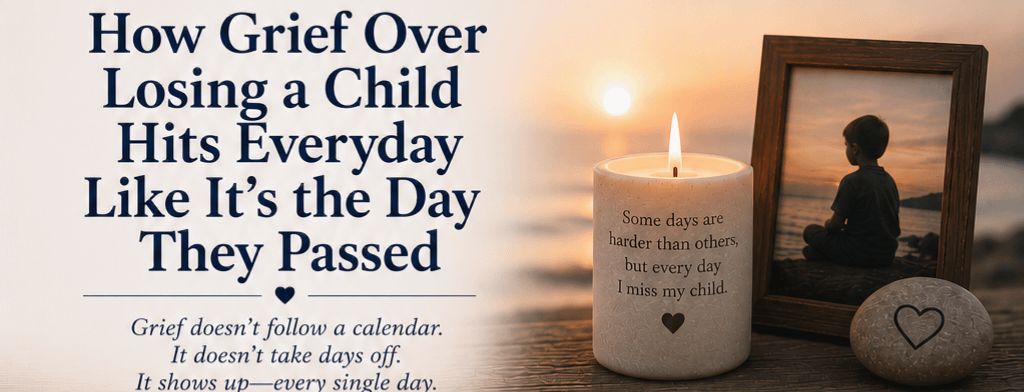
  • How Grief Over Losing A Child Hits Everyday Like It’s The Day They Passed

    How Grief Over Losing A Child Hits Everyday Like It’s The Day They Passed

    Losing a child is an unimaginable tragedy, a wound that never fully heals. For parents and families, the grief doesn’t fade with time—it lingers, resurfacing daily with the same raw intensity as the moment of loss. This article explores how the pain of losing a child permeates everyday life, reshaping routines, emotions, and perspectives in ways that are both profound and enduring.

    The Ever-Present Weight of Loss

    Grief over losing a child isn’t confined to anniversaries or milestones; it’s a constant companion. Parents describe waking up each morning to the same gut-punch realization: their child is gone. The world moves forward, but for them, time feels frozen in the moment of loss. Everyday activities—making breakfast, passing a playground, or hearing a familiar song—become triggers that pull them back to that devastating day. The pain doesn’t lessen; it becomes part of the fabric of their existence.

    This persistent grief manifests in small, quiet moments as much as in overt emotional waves. A parent might see their child’s favorite cereal at the store and feel their heart shatter anew. Birthdays, holidays, or even random Tuesdays carry the same weight of absence. The world’s expectation to “move on” clashes with the reality that, for many, moving on feels like betraying their child’s memory.

    The Physical and Emotional Toll

    Grief is not just emotional—it’s physical. Parents often report exhaustion, sleeplessness, or a heaviness that makes even simple tasks feel monumental. The body remembers the trauma as vividly as the mind. Studies suggest that prolonged grief can lead to health issues like weakened immune systems or chronic stress, as the body remains in a state of heightened emotional alert.

    Emotionally, the loss creates a complex interplay of guilt, anger, and sorrow. Parents may grapple with questions like, “Could I have done something differently?” or “Why them and not me?” These thoughts loop endlessly, resurfacing during quiet moments or in the face of life’s mundane routines. The joy of others—new babies, graduations, or family milestones—can feel like a cruel reminder of what was taken.

    Navigating a Changed World

    The world doesn’t stop for grief, but for bereaved parents, it’s forever altered. Social interactions become minefields. Friends may avoid mentioning the child, fearing it will “upset” the parent, unaware that silence can feel like erasure. Others offer well-meaning but painful platitudes like “They’re in a better place,” which rarely comfort and often alienate. Parents may withdraw, finding solace only in spaces where their grief is understood, like support groups or online communities of others who’ve lost children.

    Daily routines are reshaped by absence. A child’s empty room, their untouched toys, or the quiet where their laughter once rang—these become sacred yet agonizing reminders. Some parents preserve their child’s space as a shrine; others can’t bear to look at it. There’s no right way to grieve, but every choice carries the weight of that first day’s pain.

    Finding Ways to Carry the Grief

    While the pain remains, many parents find ways to carry it. Some channel their grief into advocacy, creating foundations or raising awareness in their child’s name. Others find comfort in rituals—lighting a candle daily, writing letters to their child, or celebrating their memory through acts of kindness. These acts don’t diminish the grief but give it purpose, weaving the child’s presence into the fabric of their lives.

    Support systems are critical. Therapy, grief counseling, or peer support groups offer spaces to process the unprocessable. Connecting with others who understand the unique pain of losing a child can ease the isolation, even if it doesn’t erase the hurt. Faith, for some, provides a framework to make sense of the senseless, though for others, loss shakes spiritual foundations.

    The Unending Nature of Love and Loss

    The grief of losing a child hits every day like it’s the day they passed because love doesn’t end with death. Parents continue to love their child as fiercely as they did when they were alive, and that love fuels the pain. Yet, it also fuels resilience. Many find that, over time, they learn to hold both the love and the grief, allowing moments of joy to coexist with sorrow.

    There’s no timeline for healing because healing isn’t the right word. It’s about learning to live with the loss, carrying it as part of who they are. The world may see a parent going through the motions—working, smiling, living—but beneath it all, the grief remains, as fresh as that first unbearable day.

    Conclusion

    Losing a child redefines life in ways that are impossible to fully articulate. The grief is a daily companion, as vivid and piercing as the moment of loss. Yet, within that pain lies a testament to unbreakable love. For those grieving, every day is a step forward, not away from their child, but with them—carrying their memory, their love, and their absence in every heartbeat.

    A Father’s Guide to Surviving the Loss of a Child

  • When There Are No Answers: Finding Hope After Child Loss

    When There Are No Answers: Finding Hope After Child Loss

    The loss of a child is a grief unlike any other—a wound that cuts through the heart with a sharpness that defies description. Parents who endure this tragedy often find themselves grappling with questions that have no answers: Why did this happen? How could the universe allow such pain? What do I do now? In the face of such profound loss, the search for meaning can feel like wandering through an endless void. Yet, even in this darkness, glimmers of hope can emerge—not as a cure for grief, but as a quiet companion to carry forward.

    The Unanswerable Questions

    When a child dies, whether through illness, accident, or unexplained circumstances, the natural instinct is to seek reasons. Parents may replay moments, searching for what could have been done differently, or they may rage against fate, God, or the randomness of life. The absence of satisfying answers can feel like a betrayal, amplifying the pain. Psychologists note that this quest for “why” is a universal response to trauma, as the human mind seeks order in chaos. But child loss often resists such order. As Joan Didion wrote in The Year of Magical Thinking, “We might expect if the death is sudden to feel shock. We do not expect this shock to be obliterative, dislocating to both body and mind.”

    It’s okay to let the questions linger unanswered. Acknowledging that some things may never make sense is not giving up—it’s a step toward releasing the exhausting need for control in an uncontrollable situation.

    Grief as a Lifelong Journey

    Grief after losing a child doesn’t follow a tidy timeline. Society may expect mourning to “resolve” after a year or two, but for many parents, the loss remains a constant presence, shifting in shape but never fully departing. Dr. Elisabeth Kübler-Ross, known for her work on the stages of grief, emphasized that grief is not linear; it ebbs and flows, sometimes crashing like a tidal wave, other times lapping gently at the edges of daily life.

    Parents often describe feeling guilt for moments of joy or laughter after their loss, as if happiness betrays their child’s memory. But allowing space for joy is not a betrayal—it’s a testament to the love that endures. Creating rituals, like lighting a candle on a child’s birthday or planting a tree in their honor, can help weave their memory into the fabric of life moving forward.

    Finding Hope in the Ashes

    Hope after child loss doesn’t mean erasing the pain or “moving on.” Instead, it’s about finding ways to carry the love for your child into a life that still holds meaning. Here are some ways parents have found to nurture hope:

    Connection with Others: Support groups, whether in-person or online, offer a space to share with those who truly understand. Organizations like The Compassionate Friends or MISS Foundation provide resources and communities for grieving parents. Hearing others’ stories can validate your pain and show that survival is possible.

    Creative Expression: Many parents find solace in channeling their grief into art, writing, or music. Creating a journal, painting, or even a blog dedicated to your child can transform pain into something tangible, a bridge between the past and present.

    Acts of Kindness: Some parents find purpose in honoring their child through acts of service—starting a scholarship, volunteering, or advocating for causes related to their child’s life or death. These acts don’t erase the loss but can create a legacy that feels alive.

    Embracing Small Moments: Hope often hides in the ordinary—a sunrise, a kind word from a stranger, a memory that brings a smile. Allowing these moments to pierce the grief can slowly rebuild a sense of connection to the world.

    The Role of Faith and Spirituality

    For some, faith provides an anchor. Whether through organized religion or personal spirituality, many parents find comfort in believing their child exists in some form beyond this life. Others may struggle with faith, feeling abandoned by a higher power. Both responses are valid. Exploring spirituality at your own pace—whether through prayer, meditation, or nature—can offer a space to wrestle with the big questions without needing definitive answers.

    When to Seek Help

    Grief can sometimes spiral into depression or prolonged isolation, and it’s important to recognize when professional support is needed. Therapists specializing in grief, particularly those trained in traumatic loss, can provide tools to navigate the overwhelming emotions. If thoughts of self-harm or despair become persistent, reaching out to a counselor or a helpline like the National Suicide Prevention Lifeline (988 in the U.S.) is a courageous step.

    A New Kind of Normal

    Life after losing a child is not about returning to who you were before. It’s about discovering a new version of yourself, one shaped by both love and loss. The pain may never fully leave, but it can coexist with moments of light. As one bereaved parent shared, “I carry my child in my heart, and that love gives me the strength to keep going.”

    There are no answers that can undo the loss of a child. But in the act of living—through tears, memories, and small steps toward hope—you honor the love that will always remain.

    A Father’s Guide to Surviving the Loss of a Child

  • Finding The Courage To Move Forward After Your Child Passes

    Finding The Courage To Move Forward After Your Child Passes

    The loss of a child is a profound and shattering experience, one that can leave a parent feeling untethered, as though the world has lost its gravity. The journey through grief is deeply personal, often marked by waves of sorrow, guilt, and confusion. Yet, within this pain, many find a quiet strength to take steps forward—not to “move on,” but to carry their love and loss into a new chapter of life. Finding the courage to move forward after such a loss is not about erasing the past but about honoring your child’s memory while rediscovering meaning. Here are some reflections and strategies that may help in navigating this unimaginable journey.

    Acknowledge the Depth of Your Grief

    Grief after losing a child is not linear. It ebbs and flows, sometimes crashing unexpectedly. Allow yourself to feel the full spectrum of emotions—anger, sadness, even moments of joy—without judgment. Suppressing grief can prolong its hold, so give yourself permission to mourn in your own way. Some parents find solace in rituals, like lighting a candle on significant dates or writing letters to their child. These acts can create a space for grief to coexist with daily life, acknowledging the loss without letting it define every moment.

    Seek Connection, Not Isolation

    Isolation can feel like a natural response to such a personal loss, but connection often provides a lifeline. Share your story with trusted friends, family, or support groups where others understand the weight of your experience. Organizations like Compassionate Friends or local bereavement groups offer spaces to connect with parents who have faced similar losses. These communities can validate your feelings and remind you that you’re not alone, even when the world feels empty.

    Honor Your Child’s Memory Through Action

    One way to channel grief is by keeping your child’s memory alive through meaningful acts. This could be as simple as planting a tree in their honor, creating a scholarship in their name, or volunteering for causes they cared about. These actions don’t erase the pain, but they can transform it into something that feels purposeful. For example, a parent might start a community initiative to raise awareness about an illness that took their child, turning personal loss into a legacy of impact.

    Rediscover Meaning at Your Own Pace

    Finding purpose after loss doesn’t mean replacing your child or diminishing their importance. It’s about rediscovering small moments of light in your life. This might involve returning to hobbies, exploring new interests, or setting small, achievable goals. For some, faith or spirituality provides a framework for meaning; for others, it might be found in helping others or embracing creative outlets like writing or art. Whatever path you choose, let it unfold naturally, without forcing a timeline.

    Embrace Professional Support When Needed

    There’s immense courage in seeking help. Grief counselors or therapists trained in bereavement can offer tools to navigate the complex emotions that arise. Therapy doesn’t “fix” grief, but it can provide strategies to cope with overwhelming moments and help you process guilt or unresolved questions. If therapy feels daunting, start with a single session or explore online resources tailored to parental loss.

    Allow Yourself Moments of Joy

    One of the hardest parts of moving forward is grappling with the guilt that can accompany happiness. Laughter or enjoyment might feel like a betrayal, but these moments don’t diminish your love for your child. They’re a testament to your resilience and your child’s enduring presence in your heart. Start small—maybe it’s savoring a favorite meal or watching a sunset—and let these moments remind you that joy and grief can coexist.

    Take Care of Your Physical and Mental Health

    Grief can take a toll on your body and mind. Prioritize small acts of self-care, like eating nourishing meals, getting enough rest, or taking short walks. Physical movement, even gentle stretching, can help release some of the tension grief holds. If you’re struggling with depression or anxiety, consult a healthcare provider to explore options like medication or mindfulness practices. Caring for yourself is not selfish—it’s a way to build the strength needed to carry on.

    Accept That Healing Is Not Forgetting

    Moving forward doesn’t mean leaving your child behind. Your love for them will always be part of you, woven into the fabric of your life. Over time, the sharp edges of grief may soften, allowing you to carry their memory in a way that feels less heavy. This shift isn’t a betrayal; it’s a natural evolution of love and loss. Some parents describe it as learning to “dance with the limp,” finding a way to live fully while carrying the weight of their loss.

    A Final Thought

    The courage to move forward after losing a child comes not from a single moment of bravery but from countless small choices to keep going. It’s in the decision to get out of bed, to share a memory, to laugh, or to cry. It’s in the quiet resolve to live in a way that honors both your child and yourself. There is no “right” way to grieve, no timeline to follow. But with time, support, and self-compassion, you can find a path that holds both your love and your loss, carrying you into a future where your child’s light still shines.

    If you’re struggling, know that resources are available. Organizations like The Compassionate Friends (https://www.compassionatefriends.org) and GriefShare (https://www.griefshare.org) offer support tailored to parents. You don’t have to walk this path alone.

    A Father’s Guide to Surviving the Loss of a Child

  • Pushing Forward After My Son’s Death By Helping People

    Pushing Forward After My Son’s Death By Helping People

    Moving forward after losing a child is an incredibly challenging journey, but it is possible to find healing and build a life that honors their memory. It’s crucial to acknowledge your grief, allow yourself to feel the pain, and seek support from others. Finding new meaning and purpose, while also cherishing memories, can help you navigate this difficult path.

    Moving Forward After Losing a Child

    Losing a child is a profound and devastating experience, one that reshapes a parent’s world in ways that are impossible to fully articulate. The grief that follows is deep, complex, and often feels insurmountable. Yet, with time, support, and intentional steps toward healing, it is possible to move forward—not to “move on” or forget, but to build a life that honors the child’s memory while finding new meaning and purpose. This journey is deeply personal, and there is no one-size-fits-all approach, but there are ways to navigate the pain and begin to heal.

    Acknowledging and Embracing Grief

    The first step in moving forward is acknowledging the depth of your grief. The loss of a child is unlike any other, as it disrupts the natural order of life and leaves parents grappling with an unimaginable void. Suppressing or avoiding the pain may provide temporary relief, but it can hinder long-term healing. Allow yourself to feel the full spectrum of emotions—anger, sadness, guilt, or even moments of numbness—without judgment. Grief is not linear; it ebbs and flows, and some days will feel heavier than others.

    Give yourself permission to mourn in your own way. For some, this might mean crying openly, journaling, or speaking to your child as if they were still here. For others, it might involve quiet reflection or creating rituals to honor their memory, such as lighting a candle on special dates. There is no “right” way to grieve, and allowing yourself to feel the pain is a vital part of the process.

    Seeking Support

    No one should navigate this journey alone. Seeking support from others can provide comfort and a sense of connection during a time when isolation can feel overwhelming. Family and friends can offer a listening ear, but they may not always know how to respond or fully understand your pain. Communicating your needs clearly—whether it’s someone to sit with you in silence or to help with daily tasks—can make a significant difference.

    Professional support, such as therapy or counseling, can also be invaluable. Grief counselors or therapists specializing in loss can provide tools to process complex emotions and guide you through the stages of grief. Support groups, whether in-person or online, connect you with others who have experienced similar losses. Hearing their stories and sharing your own can help you feel less alone and offer insights into coping strategies that may resonate with you.

    For some, spiritual or religious communities provide solace. Whether through prayer, meditation, or speaking with a faith leader, these practices can offer a sense of hope and connection to something greater. Whatever form of support you choose, the key is to find a safe space where you can express your grief without fear of judgment.

    Finding Meaning and Purpose

    While the loss of a child leaves a permanent mark, many parents find that rediscovering meaning and purpose can help them move forward. This doesn’t mean replacing or forgetting your child but rather integrating their memory into a life that continues to grow. Finding purpose can take many forms, and it often emerges gradually as you process your grief.

    Some parents channel their love and energy into meaningful projects that honor their child’s life. This might involve starting a charity, raising awareness for a cause related to their child’s life or passing, or volunteering in their community. For example, creating a scholarship fund, planting a memorial garden, or advocating for change can provide a sense of purpose while keeping your child’s legacy alive.

    Others find meaning in smaller, personal acts—writing about their child, creating art, or sharing stories that capture their spirit. These acts can help you stay connected to your child while also fostering a sense of purpose. Over time, you may also discover new passions or roles, such as mentoring others, pursuing creative outlets, or deepening relationships with loved ones.

    Cherishing Memories

    Honoring your child’s memory is a powerful way to keep their presence alive in your heart. Memories, both joyful and painful, are a testament to the love you shared. Create intentional ways to celebrate your child’s life, whether through photo albums, keepsakes, or traditions that reflect their personality. For instance, you might cook their favorite meal on their birthday, visit a place they loved, or share stories about them with others.

    It’s also okay to find joy in new experiences without guilt. Laughter, hobbies, or moments of happiness do not diminish your love for your child. Instead, they can be seen as a way to honor their memory by living fully, as they would have wanted. Balancing grief with moments of joy is a delicate but important part of healing.

    Navigating Challenges and Triggers

    The journey of moving forward is not without challenges. Certain dates, such as anniversaries, holidays, or your child’s birthday, may intensify your grief. Unexpected triggers, like seeing a child who resembles yours or hearing a song that reminds you of them, can also bring waves of emotion. Anticipate these moments when possible and plan ways to cope, whether by spending time with loved ones, engaging in a comforting ritual, or allowing yourself a quiet day to reflect.

    Guilt is another common challenge, particularly the feeling that moving forward betrays your child. Remind yourself that healing does not mean forgetting or loving them less. Your child’s place in your heart is permanent, and living a meaningful life can be a tribute to their impact on you.

    Taking Care of Yourself

    Grief can take a toll on your physical and mental health, so self-care is essential. This doesn’t mean grand gestures but small, consistent acts that nurture your well-being. Eating nutritious meals, getting enough rest, and engaging in gentle physical activity, like walking or yoga, can help you stay grounded. Be patient with yourself, as grief can sap energy and make even simple tasks feel overwhelming.

    Mindfulness practices, such as meditation or deep breathing, can also help you stay present and manage intense emotions. Above all, give yourself grace. Healing is not a race, and there is no timeline for when you “should” feel better.

    Looking Toward the Future

    Moving forward after losing a child is a lifelong journey, one that evolves with time. The pain may never fully disappear, but it can become more bearable as you weave your child’s memory into the fabric of your life. You may find that your perspective shifts, allowing you to carry both grief and gratitude—grief for the loss and gratitude for the time you had with your child.

    As you navigate this path, hold space for both the sorrow and the possibility of hope. Your child’s life, no matter how brief, was a gift, and their love continues to shape who you are. By acknowledging your grief, seeking support, cherishing memories, and finding new meaning, you can build a life that honors their legacy while embracing the future with resilience and love.

    A Father’s Guide to Surviving the Loss of a Child

  • Today I’m OK, but Tomorrow Might Be a Different Story: Living with Grief

    Today I’m OK, but Tomorrow Might Be a Different Story: Living with Grief

    Grief is a shadow that lingers, uninvited, in the lives of the bereaved. It’s not a straight path or a predictable process; it’s a tide that ebbs and flows, sometimes gentle, sometimes overwhelming. One day, you might wake up feeling lighter, able to smile, to breathe, to function. You might even feel a flicker of hope, a moment where the world seems bearable again. But then, without warning, tomorrow arrives, and it’s a different story. A scent, a song, or even the quiet of an empty room can pull you back into the weight of loss. This is what the bereaved live with every day: the unpredictability of grief.

    The Unseen Weight of Loss

    Grief doesn’t follow a schedule. It doesn’t care about your plans, your deadlines, or your desire to “move on.” It’s not something you conquer or leave behind; it’s something you carry. The bereaved often describe it as a duality—living in the present while being tethered to the past. You might laugh at a joke in the morning, only to find yourself weeping by afternoon, triggered by a memory you didn’t see coming. This oscillation between moments of peace and moments of pain is exhausting, yet it’s the reality of loss.

    Society often expects grief to be neat, to fit into a timeline. People offer condolences, check in for a week or two, and then assume you’re “getting better.” But grief doesn’t work that way. It’s not a linear journey with a clear beginning, middle, and end. It’s a cycle, a spiral, a wave that crashes when you least expect it. The bereaved learn to navigate this unpredictability, but it comes at a cost—energy, emotional bandwidth, and the constant negotiation between holding on and letting go.

    The Everyday Reality of Grief

    For those who haven’t experienced profound loss, it’s hard to understand the daily tightrope walk of the bereaved. Simple tasks—grocery shopping, answering emails, or attending a social event—can feel monumental. A well-meaning “How are you?” can be a minefield. Do you answer honestly and risk discomfort, or do you smile and say, “I’m OK,” even when you’re not? The truth is, “OK” is often a temporary state, a fleeting moment of equilibrium before the next wave hits.

    The bereaved live with a heightened awareness of life’s fragility. A birthday, a holiday, or even an ordinary Tuesday can become a reminder of who’s missing. These moments don’t announce themselves; they sneak up, catching you off guard. One day, you might feel strong enough to face the world. The next, you’re undone by the sight of their favorite coffee mug or the sound of their favorite song on the radio. This is grief: a constant companion that shifts shape without warning.

    Finding a Way Forward

    Living with grief doesn’t mean getting over it. It means learning to coexist with it, to make space for it while still finding moments of joy, purpose, and connection. The bereaved often find solace in small rituals—writing letters to their loved one, visiting a place that holds memories, or simply allowing themselves to feel the pain without judgment. Support from others who understand, whether through grief groups or trusted friends, can also make a difference, offering a safe space to share the messiness of it all.

    There’s no “fixing” grief, no final destination where it disappears. Instead, the bereaved learn to weave it into their lives, to carry it with them as they move forward. Some days, it’s a heavy burden; others, it’s a quiet presence. Over time, the sharp edges may soften, but the love—and the loss—remain.

    This Is Grief

    Grief is not a problem to be solved or a phase to be passed through. It’s a lived experience, a testament to the depth of love and the pain of absence. For the bereaved, every day is a negotiation between holding on to memories and navigating a world that feels incomplete. Today, they might be OK. Tomorrow might be a different story. And that’s the truth of grief: it’s unpredictable, relentless, and profoundly human.

    If you or someone you know is grieving, be gentle. Offer presence, not platitudes. Listen without trying to fix. Understand that grief doesn’t end—it evolves. And for those living with it, know this: your pain is valid, your strength is real, and you’re not alone in the unpredictability of it all.

    A Father’s Guide to Surviving the Loss of a Child