Category: National Day

  • International Day of the Potato: Celebrating One of the World’s Most Important Foods

    International Day of the Potato: Celebrating One of the World’s Most Important Foods

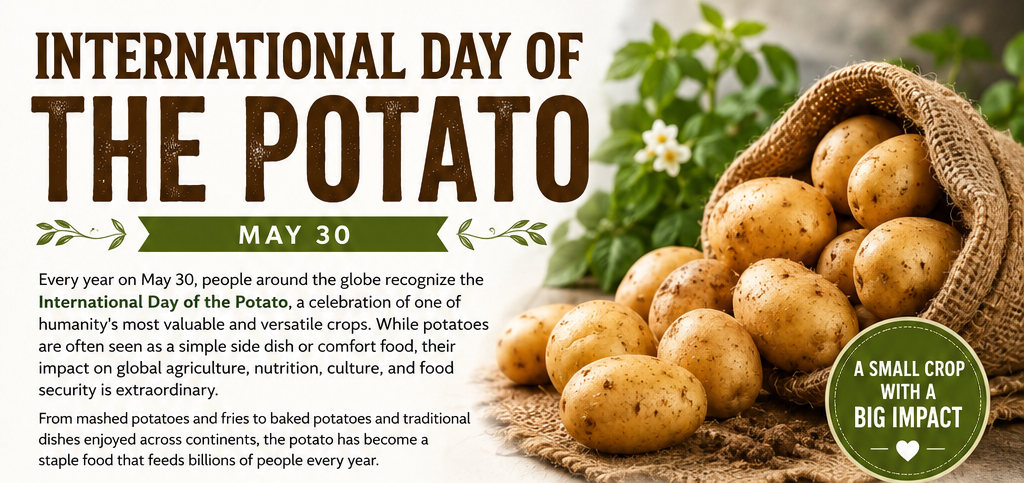
    Every year on May 30, people around the globe recognize the International Day of the Potato, a celebration of one of humanity’s most valuable and versatile crops. While potatoes are often seen as a simple side dish or comfort food, their impact on global agriculture, nutrition, culture, and food security is extraordinary.

    From mashed potatoes and fries to baked potatoes and traditional dishes enjoyed across continents, the potato has become a staple food that feeds billions of people every year.

    A Humble Crop with a Rich History

    The potato originated thousands of years ago in the Andes Mountains of South America, where Indigenous peoples cultivated hundreds of varieties long before European explorers arrived. When potatoes were introduced to Europe in the 16th century, they gradually transformed agriculture and food production.

    Their ability to grow in diverse climates, produce high yields, and provide significant nutrition helped populations expand and survive periods of hardship. Today, potatoes are grown in more than 150 countries and remain one of the world’s most important food crops.

    Why Potatoes Matter

    Potatoes are far more nutritious than many people realize. They provide:

    Vitamin C
    Potassium
    Fiber
    Vitamin B6
    Complex carbohydrates
    Antioxidants

    When prepared in healthy ways, potatoes can be an affordable and nutrient-rich part of a balanced diet.

    Their adaptability also makes them essential in the fight against hunger. Potatoes can produce more food per acre than many other crops, making them a valuable resource for feeding growing populations.

    A Global Food Security Hero

    One of the key reasons the United Nations recognizes the International Day of the Potato is the crop’s role in promoting food security.

    As climate change, population growth, and agricultural challenges continue to affect food systems worldwide, potatoes offer a resilient and efficient source of nutrition. They require less water than many crops and can thrive in environments where other foods struggle to grow.

    For millions of families, potatoes are not simply a side dish—they are a lifeline.

    Potatoes in Every Culture

    Few foods have traveled the world as successfully as the potato. Nearly every culture has created beloved dishes centered around this remarkable crop.

    Some popular examples include:

    French fries
    Potato chips
    Hash browns
    Potato soup
    Shepherd’s pie
    Potato pancakes
    Gnocchi
    Spanish tortilla
    Indian aloo dishes
    Peruvian potato specialties

    The incredible versatility of potatoes allows them to fit into countless recipes and traditions.

    The Future of the Potato

    Scientists and farmers continue developing new potato varieties that can withstand drought, disease, and changing climate conditions. Research into sustainable farming methods is helping ensure future generations can continue benefiting from this essential crop.

    As the world seeks solutions to hunger and agricultural sustainability, the potato remains one of the most promising foods available.

    Celebrating International Day of the Potato

    International Day of the Potato is an opportunity to appreciate farmers, agricultural workers, researchers, and communities that help bring this important crop from the field to our tables.

    Whether you enjoy a baked potato, homemade fries, potato salad, or a family recipe passed down through generations, today is a reminder that even the simplest foods can have an extraordinary impact on the world.

    So on this International Day of the Potato, take a moment to celebrate a crop that has nourished civilizations, supported communities, and continues to feed the future—one potato at a time.
  • National Biscuit Day: Celebrating a Timeless Comfort Food

    National Biscuit Day: Celebrating a Timeless Comfort Food

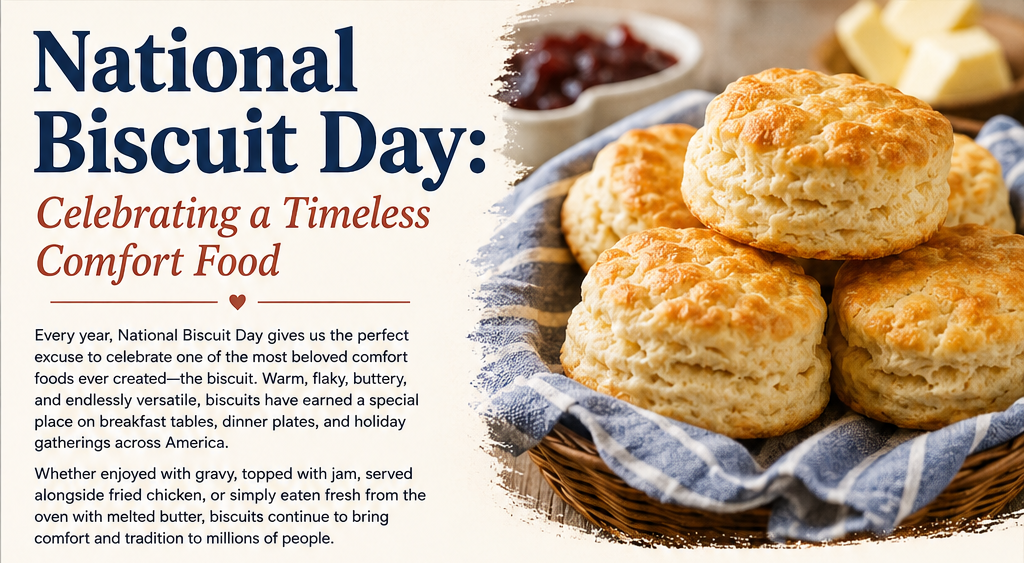
    Every year, National Biscuit Day gives us the perfect excuse to celebrate one of the most beloved comfort foods ever created—the biscuit. Warm, flaky, buttery, and endlessly versatile, biscuits have earned a special place on breakfast tables, dinner plates, and holiday gatherings across America.

    Whether enjoyed with gravy, topped with jam, served alongside fried chicken, or simply eaten fresh from the oven with melted butter, biscuits continue to bring comfort and tradition to millions of people.

    The History of the Biscuit

    The word “biscuit” comes from the Latin words bis (twice) and coctus (baked), referring to a type of bread that was originally baked twice to preserve it for long journeys. Over time, biscuits evolved into the soft, fluffy baked goods we know today.

    In the United States, Southern-style biscuits became especially popular during the 19th century. Made with simple ingredients such as flour, baking powder, butter or shortening, and milk or buttermilk, biscuits were affordable, filling, and easy to prepare.

    Today, they remain a staple of Southern cuisine and have become a cherished part of American food culture.

    Why People Love Biscuits

    Biscuits are loved for their simplicity and versatility. They can be enjoyed in countless ways:

    Served with butter and honey
    Smothered in sausage gravy
    Used for breakfast sandwiches
    Paired with soups and stews
    Served alongside barbecue meals
    Topped with fresh fruit preserves
    Made into shortcakes for desserts

    Their light texture and rich flavor make them suitable for nearly any meal of the day.

    Fun Biscuit Facts
    The Southern biscuit is considered one of the defining foods of Southern American cooking.
    Buttermilk biscuits are among the most popular varieties due to their tender texture and tangy flavor.
    Biscuit-making competitions and festivals are held throughout the United States.
    Some restaurants are famous specifically for their homemade biscuits, attracting visitors from around the world.
    The largest biscuits ever made have weighed hundreds of pounds.
    Ways to Celebrate National Biscuit Day

    Looking for ways to participate in National Biscuit Day? Here are a few ideas:

    Bake Homemade Biscuits

    Try making biscuits from scratch using a family recipe or experimenting with different ingredients like cheese, herbs, or honey.

    Visit a Local Bakery

    Support a local bakery and sample their signature biscuit creations.

    Host a Biscuit Breakfast

    Invite family and friends for a breakfast featuring biscuits, gravy, eggs, bacon, and fresh fruit.

    Try a New Biscuit Recipe

    Explore unique recipes such as cheddar biscuits, garlic herb biscuits, cinnamon sugar biscuits, or biscuit-based desserts.

    Share Your Favorite Biscuit Memory

    Food often brings back special memories. National Biscuit Day is a great opportunity to share stories of family breakfasts, holiday meals, or favorite recipes passed down through generations.

    More Than Just Bread

    Biscuits represent more than a delicious side dish. They symbolize hospitality, comfort, family traditions, and home-cooked meals. Their enduring popularity proves that sometimes the simplest foods create the most meaningful experiences.

    As National Biscuit Day arrives, take a moment to enjoy a warm biscuit and appreciate the rich culinary traditions that continue to make this humble baked good a favorite across generations.

    Happy National Biscuit Day!

  • National Brisket Day: Celebrating One of America’s Most Beloved BBQ Traditions

    National Brisket Day: Celebrating One of America’s Most Beloved BBQ Traditions

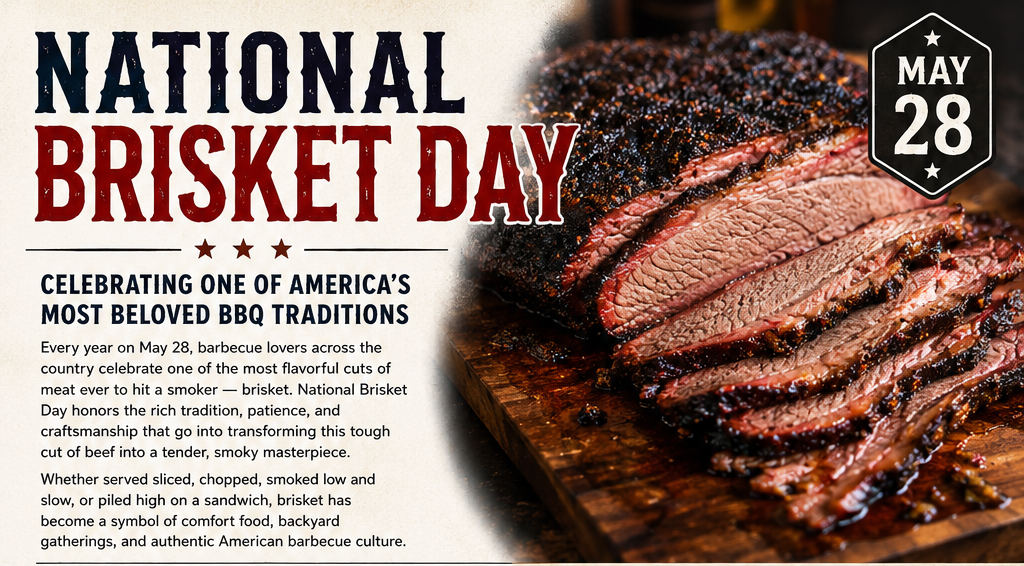
    Every year on May 28, barbecue lovers across the country celebrate one of the most flavorful cuts of meat ever to hit a smoker — brisket. National Brisket Day honors the rich tradition, patience, and craftsmanship that go into transforming this tough cut of beef into a tender, smoky masterpiece.

    Whether served sliced, chopped, smoked low and slow, or piled high on a sandwich, brisket has become a symbol of comfort food, backyard gatherings, and authentic American barbecue culture.

    What Is Brisket?

    Brisket comes from the lower chest of the cow and is known for its dense muscle fibers and rich marbling. Because this cut works hard throughout the animal’s life, it requires slow cooking to become tender.

    When prepared correctly, brisket develops:

    A smoky outer bark
    Juicy, flavorful meat
    Melt-in-your-mouth texture
    Deep barbecue flavor

    Pitmasters often smoke brisket for anywhere from 10 to 18 hours, allowing the fat and connective tissues to slowly break down while absorbing layers of smoky goodness.

    The Deep Roots of Brisket

    Brisket has a long culinary history rooted in cultures around the world. Jewish communities traditionally braised brisket for holidays and family meals, while Texas barbecue helped elevate smoked brisket into legendary status.

    Today, Texas-style brisket is considered one of the highest forms of barbecue craftsmanship. Seasoned simply with salt and pepper, then smoked over oak or mesquite wood, Texas brisket has become famous worldwide for its bold flavor and tender texture.

    Why People Love Brisket

    Brisket is more than just food — it’s an experience.

    It represents:

    Family gatherings
    Weekend cookouts
    Backyard smokers
    Community celebrations
    Patience and tradition

    The process itself teaches patience. Great brisket cannot be rushed. From seasoning and smoking to resting and slicing, every step matters.

    For many barbecue enthusiasts, brisket is considered the ultimate test of grilling and smoking skill.

    Popular Ways to Enjoy Brisket

    There are countless delicious ways to enjoy brisket, including:

    Smoked brisket platters
    Brisket sandwiches
    Brisket tacos
    BBQ brisket sliders
    Brisket chili
    Brisket-loaded baked potatoes
    Burnt ends

    Some prefer it lean, while others love the juicy, flavorful point cut packed with marbling.

    Tips for Cooking the Perfect Brisket

    If you’re planning to celebrate National Brisket Day at home, here are a few helpful tips:

    1. Be Patient

    Low and slow is the golden rule. Cooking too fast can make brisket dry and tough.

    2. Season Simply

    Sometimes salt, pepper, and garlic are all you need to let the meat shine.

    3. Let It Rest

    After smoking, allow the brisket to rest before slicing to keep the juices inside.

    4. Slice Against the Grain

    This helps create tender, easy-to-chew bites.

    More Than BBQ — It’s Tradition

    Brisket has become a centerpiece for celebrations, cook-offs, and family memories. Across America, pitmasters wake up before sunrise to tend fires, monitor temperatures, and perfect their craft.

    National Brisket Day reminds us that some of the best things in life take time, dedication, and a little smoke.

    So whether you’re firing up the smoker, visiting your favorite BBQ restaurant, or enjoying leftovers piled onto a sandwich, today is the perfect day to appreciate one of America’s greatest comfort foods.

    Happy National Brisket Day!

  • World Passion Fruit Martini Day: Celebrating a Tropical Cocktail Favorite

    World Passion Fruit Martini Day: Celebrating a Tropical Cocktail Favorite

    Every cocktail has a story, but few drinks have captured modern cocktail culture quite like the Passion Fruit Martini. Bright, fruity, smooth, and unforgettable, this tropical-inspired cocktail has earned its own celebration with World Passion Fruit Martini Day — a day dedicated to enjoying one of the most popular martinis in the world.

    Known for its exotic flavor and stylish presentation, the Passion Fruit Martini is more than just a drink. It’s an experience that combines elegance, fun, and tropical escape in every sip.

    The Rise of the Passion Fruit Martini

    The Passion Fruit Martini, often called the “Pornstar Martini,” was created in the early 2000s and quickly became a global sensation. Its popularity exploded because it offered something different from traditional martinis.

    Instead of focusing on strong spirit-forward flavors, the Passion Fruit Martini delivers a smooth balance of:

    Passion fruit puree
    Vanilla vodka
    Lime juice
    Sweet tropical flavors
    A refreshing citrus finish

    Served with a shot of sparkling wine or champagne on the side, the cocktail became known for its luxurious and playful presentation.

    Today, it remains one of the most ordered cocktails in bars and restaurants around the world.

    Why People Love the Passion Fruit Martini

    Part of the drink’s appeal is its perfect balance between sweet and tart flavors. The passion fruit brings tropical brightness, while vanilla vodka adds warmth and smoothness.

    The cocktail is:

    Refreshing
    Fruity without being overpowering
    Elegant yet approachable
    Visually stunning
    Perfect for celebrations

    Its vibrant yellow-orange color and garnish of fresh passion fruit instantly make it stand out on any table.

    A Cocktail Built for Celebration

    World Passion Fruit Martini Day is about more than simply enjoying a drink. It celebrates:

    Creativity in mixology
    Tropical flavors
    Social gatherings
    Relaxation and indulgence
    The art of modern cocktails

    From upscale lounges to backyard parties, the Passion Fruit Martini fits nearly every occasion.

    Many bars and restaurants use the day to offer:

    Signature cocktail specials
    Martini flights
    Tropical-themed events
    Happy hour promotions
    Cocktail-making classes
    How to Celebrate World Passion Fruit Martini Day

    There are countless ways to join the celebration.

    Visit Your Favorite Cocktail Bar

    Enjoy a professionally crafted Passion Fruit Martini and explore unique variations made by talented bartenders.

    Host a Tropical Cocktail Night

    Invite friends over for a tropical-themed evening featuring fruit garnishes, music, appetizers, and handcrafted cocktails.

    Make One at Home

    A classic Passion Fruit Martini recipe usually includes:

    Vanilla vodka
    Passion fruit puree
    Passion fruit liqueur
    Lime juice
    Simple syrup
    Sparkling wine on the side

    Shake with ice and serve chilled in a martini glass for the full experience.

    Share Your Cocktail Experience

    Many cocktail lovers celebrate by posting photos, recipes, and creative drink presentations on social media.

    The Tropical Escape Everyone Needs

    One reason the Passion Fruit Martini continues to thrive is because it feels like a mini vacation in a glass. The tropical flavors instantly transport people to warm beaches, sunsets, and carefree moments.

    In a fast-paced world, drinks like this offer a brief but enjoyable escape from everyday stress.

    Final Thoughts

    World Passion Fruit Martini Day celebrates flavor, creativity, and the joy of gathering together over a beautifully crafted cocktail. Whether you enjoy one at your favorite lounge or mix your own at home, the Passion Fruit Martini remains a symbol of fun, sophistication, and tropical indulgence.

    So raise your glass, enjoy the vibrant flavors, and toast to one of the world’s most beloved modern cocktails.

    Cheers to World Passion Fruit Martini Day!

  • National Hamburger Day: Celebrating America’s Favorite Classic

    National Hamburger Day: Celebrating America’s Favorite Classic

    Every year on May 28, burger lovers across the country come together to celebrate one of America’s most iconic comfort foods on National Hamburger Day. From backyard cookouts and roadside diners to gourmet burger restaurants and family kitchens, the hamburger has become more than just a meal — it’s a symbol of tradition, creativity, and simple satisfaction.

    Juicy, flavorful, and endlessly customizable, the hamburger continues to hold a special place in American culture and in the hearts of food lovers everywhere.

    The History of the Hamburger

    While the exact origins of the hamburger are debated, many historians trace its roots back to the late 19th and early 20th centuries in the United States. Inspired by Hamburg-style beef brought over by German immigrants, the modern hamburger evolved into a ground beef patty served between slices of bread or a bun for easy eating.

    As fairs, diners, and roadside restaurants became popular, so did the hamburger. Eventually, it became a staple of American cuisine and one of the most recognized foods worldwide.

    Today, burgers come in countless varieties — from classic cheeseburgers to bacon-loaded creations, barbecue burgers, mushroom Swiss burgers, and even plant-based alternatives.

    Why People Love Hamburgers

    Part of the hamburger’s appeal is its versatility. Whether you like yours stacked high with toppings or simple with ketchup and mustard, there’s a burger for everyone.

    Some favorite toppings include:

    Cheese
    Bacon
    Lettuce and tomato
    Pickles
    Grilled onions
    Jalapeños
    Avocado
    Barbecue sauce
    Fried eggs
    Mushrooms

    Hamburgers can be grilled outdoors during summer cookouts, enjoyed at sports events, served at family gatherings, or picked up as a quick comfort meal after a long day.

    Fun Ways to Celebrate National Hamburger Day

    There are plenty of delicious ways to join in the celebration:

    Try a New Burger Recipe

    Experiment with homemade burgers using different seasonings, cheeses, or toppings. Try stuffed burgers, smash burgers, or gourmet combinations.

    Support a Local Burger Spot

    Visit your favorite local diner or burger restaurant and celebrate by enjoying a freshly made burger while supporting local businesses.

    Host a Backyard Cookout

    Invite family and friends over for a burger cookout complete with sides like fries, potato salad, baked beans, and milkshakes.

    Create a Burger Bar

    Set up a toppings station where everyone can customize their own burger creations.

    Share Your Favorite Burger Online

    Post photos of your favorite burger creations and celebrate the day with fellow food lovers.

    More Than Just a Meal

    The hamburger represents comfort, community, and tradition. It brings people together around picnic tables, dinner tables, sports games, and summer grills. For many people, burgers are connected to memories of family cookouts, celebrations, road trips, and simple moments shared with loved ones.

    National Hamburger Day reminds us that sometimes the best meals are the ones that bring people together with familiar flavors and good conversation.

    Final Thoughts

    Whether you prefer a classic cheeseburger, a loaded bacon burger, or a creative gourmet masterpiece, National Hamburger Day is the perfect excuse to enjoy one of America’s most beloved foods.

    So fire up the grill, grab your favorite toppings, and celebrate the timeless burger — a meal that continues to satisfy generation after generation.

    Happy National Hamburger Day!

  • Nothing to Fear Day: Choosing Courage Over Anxiety

    Nothing to Fear Day: Choosing Courage Over Anxiety

    Every year, Nothing to Fear Day reminds us of a truth many people struggle to remember in difficult moments: fear does not have to control our lives.

    Fear is a natural human emotion. It can protect us from danger, sharpen our awareness, and help us survive challenging situations. But too often, fear grows beyond caution and becomes a barrier that keeps us from living fully. It stops people from chasing dreams, opening their hearts, speaking their truth, starting over, or taking the first step toward healing.

    Nothing to Fear Day encourages people to pause and ask themselves an important question:

    What would I do if fear was no longer in charge of my life?

    For some, fear looks like anxiety about the future. For others, it is fear of rejection, failure, loneliness, heartbreak, or change. Many people quietly carry fears they never talk about—fear of not being enough, fear of losing someone they love, or fear of stepping into the unknown after life has hurt them before.

    The truth is, courage is not the absence of fear.

    Courage is moving forward even when fear is present.

    Throughout history, every meaningful accomplishment required someone to face uncertainty. Great leaders, entrepreneurs, artists, parents, and everyday people all had moments where fear whispered reasons to quit. Yet they chose faith over doubt, hope over hesitation, and perseverance over surrender.

    Nothing to Fear Day is not about pretending life is easy or ignoring real struggles. It is about refusing to let fear become a prison.

    Sometimes the bravest things people do are invisible to others:

    Starting over after loss
    Trusting again after betrayal
    Asking for help
    Speaking honestly about pain
    Walking away from toxic situations
    Pursuing a dream later in life
    Believing healing is still possible

    Fear often grows strongest when people focus on worst-case scenarios. But many of the things we fear never actually happen. And even when life becomes difficult, human beings are often far stronger than they realize.

    This day also reminds us that fear can shrink when faced directly. Small steps matter. One conversation, one opportunity, one act of faith, or one difficult decision can completely change the direction of a person’s life.

    Instead of asking, “What if everything goes wrong?”
    Maybe ask:
    “What if everything turns out better than I imagined?”

    Nothing to Fear Day is ultimately about freedom—the freedom to live authentically, love deeply, dream boldly, and move through life without constantly being controlled by worry or doubt.

    You may not control every situation that comes your way, but you can control whether fear gets the final word.

    Today is a reminder to breathe deeply, stand taller, trust yourself more, and take one step forward anyway.

    Because some of the best moments in life begin the moment fear loses its power.

  • National Grape Popsicle Day

    National Grape Popsicle Day

    Every year, National Grape Popsicle Day gives people a reason to cool off with one of the most nostalgic frozen treats of all time. Sweet, fruity, colorful, and refreshing, grape popsicles have been a favorite summertime snack for generations. Whether enjoyed at a backyard barbecue, after a long afternoon in the sun, or as a simple childhood treat, the grape popsicle continues to bring smiles with every icy bite.

    A Frozen Treat Full of Memories

    For many people, grape popsicles bring back memories of childhood summers. Sticky fingers, purple tongues, and racing to finish a popsicle before it melted are experiences shared by countless families across America. The bold grape flavor stands out from other frozen treats because of its rich sweetness and unmistakable taste.

    Popsicles themselves have been popular for over a century. According to popular history, the frozen treat was accidentally invented in 1905 by an 11-year-old boy named Frank Epperson, who left a flavored drink outside overnight with a stirring stick still inside. Years later, the frozen snack became a national sensation and eventually evolved into the popsicles we know today.

    Why Grape Flavor Remains a Favorite

    Grape-flavored treats have always held a special place in American snack culture. The flavor is vibrant, refreshing, and instantly recognizable. Combined with the icy texture of a popsicle, it creates the perfect combination for hot weather enjoyment.

    Many people love grape popsicles because they are:

    Refreshing on warm days
    Sweet without feeling too heavy
    Fun for kids and adults alike
    Easy to make at home
    Perfect for parties and summer gatherings

    The deep purple color also adds to the fun, making grape popsicles one of the most visually recognizable frozen treats on the market.

    Homemade Grape Popsicles

    One of the best ways to celebrate National Grape Popsicle Day is by making your own homemade version. Homemade popsicles allow you to use natural ingredients and customize flavors to your liking.

    Simple Homemade Grape Popsicle Recipe
    Ingredients:
    3 cups grape juice or blended grapes
    1 tablespoon honey or sugar (optional)
    1 teaspoon lemon juice
    Directions:
    Mix all ingredients together.
    Pour the mixture into popsicle molds.
    Insert sticks and freeze for at least 4–6 hours.
    Enjoy your homemade frozen treat.

    You can also add sliced grapes, berries, or yogurt for a creative twist.

    Fun Ways to Celebrate

    National Grape Popsicle Day is all about enjoying the simple joys of summer. Here are a few fun ways to celebrate:

    Host a popsicle party with different flavors
    Make homemade grape popsicles with family
    Share childhood memories involving popsicles
    Try gourmet or natural fruit popsicle brands
    Enjoy a grape popsicle while relaxing outdoors

    It is a lighthearted holiday that reminds people to slow down, enjoy the moment, and appreciate life’s small pleasures.

    More Than Just a Snack

    Sometimes the simplest things create the strongest memories. A grape popsicle may seem small, but it represents laughter, summer afternoons, family gatherings, and carefree moments that many people treasure throughout their lives.

    National Grape Popsicle Day is a reminder that happiness does not always come from expensive experiences or complicated plans. Sometimes joy is found in something as simple as a cold grape popsicle on a warm day.

    Conclusion

    National Grape Popsicle Day celebrates one of America’s most beloved frozen treats. Whether you buy them from the store or make them at home, grape popsicles continue to be a refreshing symbol of summertime fun and nostalgia. So grab a popsicle, enjoy the sweetness of the moment, and celebrate the cool memories that come with every purple bite.

  • National Grape Day

    National Grape Day

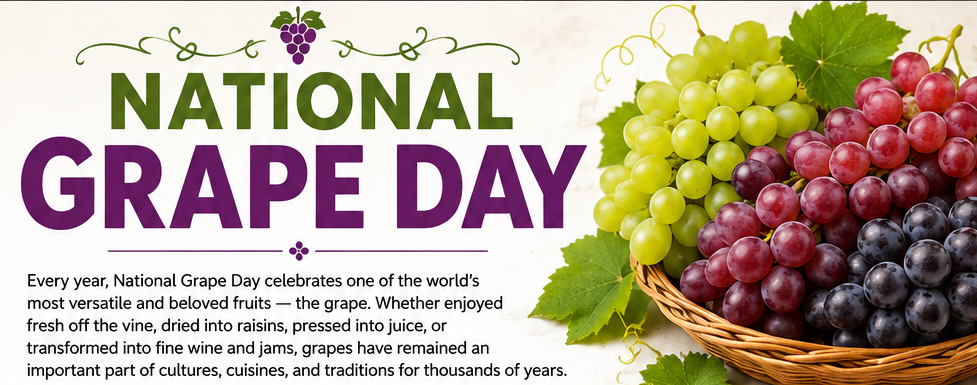
    Every year, National Grape Day celebrates one of the world’s most versatile and beloved fruits — the grape. Whether enjoyed fresh off the vine, dried into raisins, pressed into juice, or transformed into fine wine and jams, grapes have remained an important part of cultures, cuisines, and traditions for thousands of years.

    National Grape Day is the perfect time to appreciate not only the sweet and refreshing flavor of grapes, but also the rich history, health benefits, and agricultural importance behind this small but mighty fruit.

    The History of Grapes

    Grapes are one of the oldest cultivated fruits in human history. Historians believe grapes were first grown more than 8,000 years ago in regions near the Middle East and Mediterranean. Ancient civilizations such as the Egyptians, Greeks, and Romans valued grapes for food, medicine, and wine production.

    Over time, grapes spread across the world and became a major agricultural crop. Today, countries like the United States, Italy, France, Spain, and Chile are known for producing millions of tons of grapes each year.

    California remains one of the largest grape-producing regions in the world, supplying table grapes, raisins, juices, and wines enjoyed across the globe.

    Different Types of Grapes

    One reason grapes remain so popular is because there are many varieties to enjoy. Each type offers its own flavor, texture, and purpose.

    Table Grapes

    These are the grapes most people snack on fresh. Popular varieties include:

    Red grapes
    Green grapes
    Black grapes
    Cotton Candy grapes
    Wine Grapes

    Wine grapes are smaller but packed with concentrated flavor and sugar used in winemaking.

    Raisin Grapes

    Certain grape varieties are specifically grown to become raisins after drying.

    Juice Grapes

    Concord grapes are commonly used for juices, jellies, and jams because of their bold flavor.

    Health Benefits of Grapes

    Grapes are not only delicious but also packed with nutrients and antioxidants that support overall health.

    Some benefits include:

    Rich in vitamins C and K
    Contain antioxidants that help protect cells
    Support heart health
    Help reduce inflammation
    Provide hydration due to high water content
    Naturally low in fat

    Red and purple grapes are especially known for containing resveratrol, a powerful antioxidant linked to heart health and healthy aging.

    Fun Ways to Celebrate National Grape Day

    There are many enjoyable ways to celebrate National Grape Day with family and friends.

    Enjoy Fresh Grapes

    Create a colorful fruit tray or simply enjoy chilled grapes as a refreshing snack.

    Make Homemade Grape Recipes

    Try making:

    Grape salad
    Grape smoothies
    Grape jelly
    Frozen grapes
    Fruit parfaits
    Visit a Vineyard or Winery

    Many people celebrate by touring local vineyards and learning about grape cultivation and winemaking.

    Plant a Grape Vine

    If you enjoy gardening, planting grape vines can become a rewarding long-term project.

    Share Grape-Themed Treats

    Bring grape juice, raisins, or grape desserts to gatherings, schools, or community events.

    Interesting Facts About Grapes
    There are over 8,000 grape varieties worldwide.
    Grapes grow in clusters ranging from 15 to 300 grapes.
    Raisins are simply dried grapes.
    It takes about 2.5 pounds of grapes to make one bottle of wine.
    Grapes are technically berries.
    Why National Grape Day Matters

    National Grape Day reminds us to appreciate the farmers, vineyards, and agricultural workers who help bring grapes to our tables every day. It also encourages healthier eating habits and highlights the importance of fresh fruits in our diets.

    From lunchboxes and charcuterie boards to vineyards and family kitchens, grapes continue to bring flavor, tradition, and enjoyment to people around the world.

    So today, grab a bunch of grapes, share them with someone you love, and celebrate one of nature’s sweetest gifts.

    Happy National Grape Day!

  • National Paper Airplane Day

    National Paper Airplane Day

    Every year on May 26, people across the country celebrate the simple joy and creativity of National Paper Airplane Day. What may seem like a childhood pastime is actually a timeless activity that brings together imagination, engineering, learning, and fun for people of all ages. With nothing more than a sheet of paper and a little creativity, anyone can create something capable of soaring through the air.

    National Paper Airplane Day reminds us that entertainment does not always need screens, expensive gadgets, or complicated technology. Sometimes, the simplest creations bring the greatest memories.

    The History Behind Paper Airplanes

    Paper airplanes have been around for generations. While their exact origin is difficult to trace, historians believe folded paper flight experiments date back thousands of years after paper was first invented in China. Over time, paper airplanes became popular around the world as both toys and educational tools.

    In the early days of aviation, engineers and inventors even used paper models to test flight concepts. The principles behind lift, balance, and aerodynamics could all be demonstrated through folded paper. What began as simple fun eventually became a learning tool that inspired future pilots, inventors, and aerospace engineers.

    Today, paper airplane competitions are held worldwide, with contests for distance, speed, accuracy, and longest flight time.

    Why People Love Paper Airplanes

    Part of the magic of paper airplanes is their simplicity. Anyone can participate regardless of age. Children enjoy the creativity and excitement of launching planes, while adults often rediscover the nostalgic memories connected to them.

    Paper airplanes also encourage:

    Creativity and design thinking
    Problem-solving skills
    Patience and focus
    Friendly competition
    Hands-on learning

    Each fold changes how the plane flies. Some designs glide smoothly, while others dart quickly through the air. The process of testing and improving a plane teaches valuable lessons about trial and error.

    The Science of Flight

    National Paper Airplane Day is also a great opportunity to explore science in a fun way. Paper airplanes demonstrate important aerodynamic principles, including:

    Lift
    Drag
    Gravity
    Thrust
    Balance

    Small adjustments in wing shape or weight distribution can dramatically affect how far a plane travels or how long it stays airborne. This makes paper airplanes a fantastic educational activity for classrooms, families, and science enthusiasts.

    Ways to Celebrate National Paper Airplane Day

    There are many fun ways to celebrate this unique day:

    Host a Paper Airplane Contest

    Challenge friends, family, coworkers, or classmates to see whose airplane flies the farthest or stays in the air the longest.

    Learn New Designs

    Instead of making the same classic airplane, try learning advanced folding styles online and experiment with different techniques.

    Teach Kids About Flight

    Use paper airplanes to introduce children to basic science and engineering concepts in a hands-on and engaging way.

    Reconnect with Simplicity

    Take a break from technology for a little while and enjoy a creative activity that costs almost nothing but creates lasting memories.

    A Reminder That Joy Can Be Simple

    National Paper Airplane Day is more than folding paper — it is about creativity, curiosity, and enjoying life’s small moments. In a fast-moving world filled with constant distractions, this day reminds us that simple activities can still spark laughter, connection, and imagination.

    Sometimes all it takes is a single sheet of paper to remind us how fun it feels to dream, create, and watch something fly.

  • National Sorry Day: Honoring Truth, Healing, and Reconciliation

    National Sorry Day: Honoring Truth, Healing, and Reconciliation

    very year on May 26, Australia observes National Sorry Day — a day dedicated to acknowledging the pain and suffering experienced by Aboriginal and Torres Strait Islander peoples, particularly the Stolen Generations. It is a day of remembrance, reflection, and reconciliation, encouraging people to learn from history while supporting healing for the future.

    National Sorry Day stands as one of the most emotionally significant observances in Australia’s modern history because it recognizes the lasting impact of policies that forcibly removed Indigenous children from their families, communities, and cultures for generations.

    The Meaning Behind National Sorry Day

    National Sorry Day was first held in 1998 following the release of the landmark “Bringing Them Home” report in 1997. The report documented the heartbreaking experiences of Indigenous children who were taken from their families under government policies that lasted for much of the 20th century.

    These children, now known as the Stolen Generations, often lost:

    * Their connection to family
    * Their cultural identity
    * Their language and traditions
    * A sense of belonging and emotional security

    For many survivors, the trauma carried into adulthood and affected future generations through grief, disconnection, and emotional pain.

    National Sorry Day exists to acknowledge these truths openly and respectfully.

    A Day of Reflection and Compassion

    National Sorry Day is not about guilt — it is about recognition, empathy, and understanding. It encourages people to listen to the stories of survivors and recognize the resilience of Indigenous communities who endured tremendous hardship.

    Across Australia, people observe the day by:

    * Attending memorial services and community gatherings
    * Participating in educational events
    * Wearing “Sorry Day” symbols such as native flowers
    * Sharing stories and conversations about reconciliation
    * Taking time to reflect on the importance of unity and healing

    Schools, workplaces, organizations, and local communities often use the day to educate others about Indigenous history and culture while promoting respect and inclusion.

    The Importance of Saying “Sorry”

    The word “sorry” carries deep emotional meaning. In the context of National Sorry Day, it represents acknowledgment of past wrongs and a commitment to building a better future.

    One of the most historic moments connected to the movement came in 2008, when former Australian Prime Minister Kevin Rudd formally apologized to the Stolen Generations on behalf of the Australian government.

    For many people, that apology marked an important step toward healing and national reconciliation.

    Yet National Sorry Day also reminds us that reconciliation is not a single moment — it is an ongoing journey requiring honesty, education, compassion, and action.

    Why National Sorry Day Still Matters Today

    The effects of historical trauma do not disappear overnight. Many Indigenous families and communities continue to experience social, emotional, and cultural challenges connected to the past.

    National Sorry Day encourages people to:

    * Learn the truth about history
    * Respect Indigenous voices and experiences
    * Support reconciliation efforts
    * Promote equality and understanding
    * Build stronger relationships between communities

    It is also a reminder that healing grows when people are willing to listen, acknowledge pain, and stand together with compassion and respect.

    Moving Forward Together

    National Sorry Day is ultimately about humanity — recognizing suffering, honoring resilience, and choosing understanding over silence. It reminds us that healing begins when truth is acknowledged and when people are willing to walk together toward reconciliation.

    As communities gather to remember the past and hope for the future, National Sorry Day continues to serve as a powerful reminder that compassion, respect, and unity can help create a more inclusive and understanding world for generations to come.