Category: Grief & Child Loss

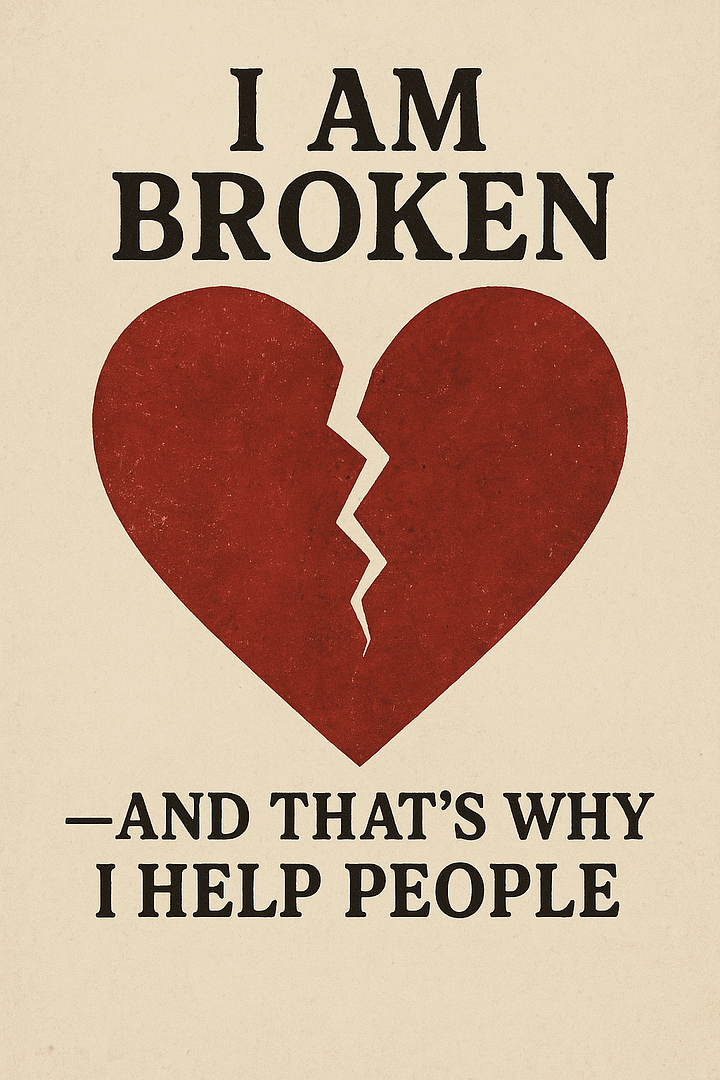
  • I Am Broken—And That’s Why I Help People

    I Am Broken—And That’s Why I Help People

    I am broken.

    Sometimes the most shattered souls become the greatest healers.

    There’s a quiet truth that lives inside people who have been broken: we feel deeply, love fiercely, and notice what most people overlook. Our pain doesn’t harden us—it awakens us.

    I never set out to become the person others turn to. I didn’t ask for the experiences that cracked me open. But somewhere along the way, I realized that the very pieces of me that once felt like weaknesses had become the reason I show up for people today.

    Brokenness Opens the Eyes of the Heart

    Pain has a way of peeling back the layers we hide behind.
    When you’ve suffered—truly suffered—you become sensitive to the unspoken.
    You can see the heaviness in a smile.
    You can hear the truth behind the “I’m fine.”
    You can feel someone’s hurt even when they’re trying desperately to hide it.

    It’s not because you’re stronger than others.
    It’s because you’ve been them.

    Brokenness sharpens compassion. It gives you a vision that sees beyond the surface. It prepares your heart to meet others where they are—not where the world expects them to be.

    Turning Your Pain Into Purpose

    There comes a moment in every hurting soul’s life when you ask yourself, Why did this happen to me?
    And sometimes the answer is simple:
    So you can help someone else survive it too.

    Your pain is not pointless.
    Your journey is not wasted.
    Every tear, every heartbreak, every night you felt alone—it all formed a well of empathy inside you that now overflows into the lives of others.

    Helping becomes more than an action.
    It becomes a mission.
    A promise.
    A lifeline.

    You help not because you’re healed, but because you’re healing.
    Not because everything is perfect, but because you learned to find light even in the darkest moments—and now you want that light for others too.

    Healing Through Helping

    People often say that helping others is noble, but for the broken, it’s more than that—it’s medicine.

    Every time you give hope, a piece of you brightens.
    Every time you listen, your own heart feels heard.
    Every time you comfort someone else, you whisper comfort back into your own spirit.

    Your healing and your helping walk hand in hand.

    This is the beautiful paradox:
    Broken people mend others while slowly mending themselves.

    Your Scars Are Your Strength

    The world may try to convince you that scars make you less.
    But scars mean you survived.
    Scars mean you stood back up.
    Scars mean your heart has been battle-tested and still chooses love.

    Strength doesn’t come from perfection—it comes from endurance. It comes from being shattered and still believing in goodness. From being betrayed and still offering trust. From being wounded and still choosing kindness.

    You are not weak for caring deeply.
    You are not soft for feeling too much.
    You are not fragile for breaking open.

    You are powerful because you turn your pain into purpose.

    You Help People Because You Understand

    You understand what lonely feels like.
    You understand what hopeless feels like.
    You understand what heartbreak feels like.
    You understand what it’s like to pray for someone—anyone—to show up.

    And now, you are that someone.

    You are the friend you never had when you needed one.
    You are the comfort you once prayed for.
    You are the voice of understanding that can reach the places others can’t.

    Your brokenness didn’t destroy you—it awakened a healer inside you.

    You Are Living Proof

    You are proof that pain can be transformed.
    Proof that brokenness can become beauty.
    Proof that even people who have been hurt can be the most generous with love.

    Helping others is your way of saying:

    “I survived. And I want you to survive, too.”

    And there is nothing more inspiring than a heart that believes in others because it remembers how hard it was to believe in itself.

    A Father’s Guide to Surviving the Loss of a Child

  • Honoring My Son by Living Life

    Honoring My Son by Living Life

    There comes a point in grief—a quiet, trembling moment—when you realize that honoring the one you lost isn’t just about looking back. It’s about choosing, somehow, to keep going. To breathe when it hurts. To rise when the weight feels impossible. To live, not because the pain disappears, but because their love deserves a life that continues.

    For me, honoring my son means waking up each day with a heart that is both shattered and shining. It means carrying him not in my arms, but in every corner of my spirit. It means understanding that although his life ended, his impact never will.

    He Is the Strength Behind My Steps

    Grief is heavy, but love—his love—is stronger still.
    I used to believe grief was love with nowhere to go. Now I know better.
    My love for him goes everywhere I go. It shows up in my choices, in my resilience, in the moments when I whisper, “I’m doing this for you.”

    His memory pushes me forward on days I want to collapse.
    His light reaches into the darkest hours and gives me just enough strength to try again.
    And every time I choose courage over despair, I am honoring him.

    Living Is the Legacy

    There was a time when laughter felt wrong, when joy felt like betrayal, when moving forward felt like leaving him behind. But grief taught me something profound:

    Living does not erase the love.
    Living does not silence the memories.
    Living does not dishonor the loss.

    Living is how I keep him with me.
    It’s how I carry the story of who he was, and who he made me, into a world that still needs the beauty he inspired.

    Every act of kindness, every moment of gratitude, every breath of hope—these are the gifts I offer in his name.
    His life, though shorter than I ever wanted, continues through the way I choose to shape mine.

    Healing Means Carrying Him Forward

    People say healing means “moving on.” But I refuse that idea.
    I am not moving on—I am moving with him.

    He is woven into the fabric of my days.
    Into my courage.
    Into my resilience.
    Into the quiet moments when I miss him so deeply I can hardly speak.

    Some days I stand tall.
    Some days I barely stand at all.
    But both are sacred. Both count. Both honor a love big enough to survive anything—even loss.

    Finding Him in the Everyday Moments

    Honoring my son isn’t something I do once a year or on special dates.
    I honor him in the small things:

    When I let myself smile, even through tears

    When I choose to believe in tomorrow

    When I help someone else carry their pain

    When I speak his name, without fear, without apology

    When I reflect on the way his presence shaped the best parts of me

    He is there in the sunrise, in the quiet car rides, in the moments when life surprises me with joy I never thought I’d feel again.

    A Promise of Love That Endures

    Losing him changed me forever. But loving him changed me too—and that part will never fade.

    My promise to my son is this:
    I will live a life worthy of the love we shared.

    I will carry him with grace.
    I will seek meaning, even in the brokenness.
    I will choose hope, even when hope feels fragile.
    I will keep going—not because the pain is gone, but because his light deserves a life that continues.

    Every step forward is a tribute.
    Every breath is a testament.
    Every moment of courage is a way of saying,
    “Your life mattered. Your love is still here. And because of you, I will keep living.”

    A Father’s Guide to Surviving the Loss of a Child
  • Handling Grief During the Holidays: Finding Light in a Difficult Season

    Handling Grief During the Holidays: Finding Light in a Difficult Season

    The holiday season is often portrayed as a time of joy, celebration, togetherness, and warmth. But for many people, it can also be one of the most emotionally challenging times of the year. When you’re coping with the loss of a loved one, the holidays have a way of magnifying absence—empty chairs at the table, traditions that feel incomplete, songs and sights that stir memories. Grief doesn’t take a break for the holidays, and navigating this season while carrying heartache can feel overwhelming.

    Yet it’s important to remember this: you are not alone, and there is no “right” or “wrong” way to grieve. Here are some compassionate ways to support yourself or others when grief weighs heavily during the holidays.

    Acknowledge Your Feelings

    The pressure to be cheerful this time of year can make people feel like they have to hide their grief. But pretending doesn’t heal. Allow yourself to feel whatever comes—sadness, anger, guilt, or even small moments of joy. All of it is valid. Giving yourself permission to feel your emotions is a powerful step toward healing.

    Set Realistic Expectations

    You don’t need to celebrate the holidays the same way you used to. In fact, it’s okay if you don’t celebrate at all. Reduce pressure by:

    Scaling back on gatherings

    Saying “no” when needed

    Only doing what feels manageable
    Your emotional well-being comes first, not tradition.

    Honor Your Loved One

    Creating space to remember the person you’ve lost can be incredibly meaningful. Consider:

    Lighting a candle in their memory

    Making their favorite dish

    Visiting a place special to them

    Sharing stories with family or friends
    Honoring your loved one can turn pain into a moment of connection and gratitude.

    Lean on Support

    Grief can feel isolating, but reaching out to trusted friends, family, or support groups can make a world of difference. Sometimes just having someone sit with you, listen, or spend quiet time together can bring comfort. You don’t have to carry everything alone.

    Create New Traditions

    Instead of trying to recreate the past, you may find comfort in building something new. New traditions—big or small—can help you navigate the holiday season in a way that reflects where you are now, not where you used to be.

    Practice Self-Compassion

    Grief takes a toll on your body and mind. Be gentle with yourself during this time. Rest when you need to, eat nourishing foods, take walks, journal, or spend time in nature. Small acts of self-kindness can help steady you through emotional waves.

    Seek Professional Support When Needed

    There’s no shame in leaning on a counselor, therapist, or grief specialist. These professionals can offer tools, coping strategies, and safe space to process your emotions—especially during emotionally loaded seasons like the holidays.

    A Season of Love, in All Its Forms

    Grief is a reflection of love, and love doesn’t disappear when someone is gone. The holidays may feel different—maybe harder, quieter, or bittersweet—but they can still hold moments of meaning, connection, and healing. Be patient with yourself, honor your journey, and know that it’s okay to carry sadness and joy at the same time.

    If you’re grieving this holiday season, may you find peace in small moments, comfort in cherished memories, and strength in the love that lives on.

    A Father’s Guide to Surviving the Loss of a Child
  • Pregnancy and Infant Loss Remembrance Day – Honoring Precious Lives and Supporting Healing October 15

    Pregnancy and Infant Loss Remembrance Day – Honoring Precious Lives and Supporting Healing October 15

    Every year on October 15, people around the world pause to recognize Pregnancy and Infant Loss Remembrance Day, a time dedicated to remembering the lives of babies lost during pregnancy, stillbirth, or infancy. This day offers families and friends an opportunity to honor their children, raise awareness about the impact of pregnancy and infant loss, and support those who grieve in silence.

    A Day of Love and Light

    Established in 2002 in the United States and now observed internationally, Pregnancy and Infant Loss Remembrance Day shines a light on a deeply emotional and often unspoken experience. The day acknowledges the pain that many parents endure and seeks to break the silence surrounding miscarriage, stillbirth, sudden infant death syndrome (SIDS), and other causes of infant loss.

    At 7 p.m. local time, people across the globe participate in the Wave of Light — lighting candles in memory of their lost babies. As time zones move westward, this creates a continuous wave of light circling the globe for 24 hours. The simple act of lighting a candle symbolizes unity, hope, and remembrance.

    Breaking the Silence

    Pregnancy and infant loss affect millions of families every year. Despite its frequency, many parents feel isolated or unsure how to talk about their grief. Pregnancy and Infant Loss Remembrance Day encourages open conversation and community support. Sharing stories, creating memorials, or joining local remembrance events helps families heal while reminding others that no one should grieve alone.

    How to Observe the Day

    Light a Candle: Join the Wave of Light at 7 p.m. in honor of all babies gone too soon.

    Attend or Host an Event: Many communities hold remembrance walks, vigils, and ceremonies.

    Share Your Story: Use social media to raise awareness and offer support using hashtags like #WaveOfLight and #PregnancyAndInfantLossAwareness.

    Reach Out: Offer compassion to parents who have experienced loss — sometimes the smallest gesture can mean the most.

    Supporting Healing and Awareness

    Organizations around the world, such as Share Pregnancy & Infant Loss Support, March of Dimes, and Now I Lay Me Down to Sleep, provide resources and counseling for families coping with grief. These groups also work to promote research and improve care for families facing pregnancy and infant loss.

    A Message of Compassion

    Pregnancy and Infant Loss Remembrance Day reminds us that though some lives are brief, their impact lasts forever. It’s a day of unity, love, and remembrance — a moment to honor the babies who are always loved and never forgotten, and to support the families whose hearts hold them close.

    “Gone too soon, but forever remembered.”

    A Father’s Guide to Surviving the Loss of a Child
  • Child Death Awareness Month: Honoring Young Lives and Promoting Prevention

    Child Death Awareness Month: Honoring Young Lives and Promoting Prevention

    Every October, Child Death Awareness Month serves as a solemn reminder of the young lives lost too soon and a call to action to prevent future tragedies. It’s a time to remember, raise awareness, and support the families who face the unimaginable pain of losing a child.

    Remembering the Lives Lost

    No parent expects to outlive their child. The loss of a child—whether through illness, accident, violence, stillbirth, or other causes—creates a deep wound that never fully heals. During Child Death Awareness Month, communities, organizations, and families unite to honor the memory of those children and to let grieving parents know they are not alone.

    Candlelight vigils, remembrance walks, and memorial events are often held to give families a safe space to share their stories and celebrate their child’s life. Many families light candles, release balloons, or wear remembrance ribbons to honor the children they have lost.

    Raising Awareness for Prevention

    Child Death Awareness Month isn’t only about remembrance—it’s also about prevention. Awareness campaigns shed light on issues such as:

    Sudden Infant Death Syndrome (SIDS) and safe sleep practices for infants

    Accidental injuries, including drowning, poisoning, and car accidents

    Child abuse and neglect prevention

    Mental health awareness and suicide prevention among youth

    By spreading knowledge and promoting safety initiatives, this month encourages communities, healthcare professionals, and policymakers to take proactive steps to protect children.

    Supporting Grieving Families

    Grief after the loss of a child can feel isolating, but support is essential. Organizations like The Compassionate Friends, Bereaved Parents USA, and First Candle provide resources and communities for parents, siblings, and extended families. Mental health counseling, peer groups, and remembrance events help families process their grief and find ways to heal while keeping their child’s memory alive.

    How You Can Help

    Participate in a local remembrance event or vigil.

    Donate to organizations working on child safety and bereavement support.

    Learn about common causes of child death and ways to prevent them.

    Reach out to a family you know who has experienced loss—sometimes, a simple “I’m thinking of you” means everything.

    A Month of Compassion and Change

    Child Death Awareness Month reminds us all of the fragility of life and the power of community. By remembering, learning, and acting, we honor the children who are gone and help ensure that fewer families experience such profound loss in the future.

    A Father’s Guide to Surviving the Loss of a Child

  • Rebuilding Your Life After Child Loss

    Rebuilding Your Life After Child Loss

    Losing a child is a heartbreak unlike any other. It is not something you ever “get over.” Instead, it’s a reality you learn to live with, one that reshapes every part of your life. In the aftermath, parents often wonder if it’s even possible to rebuild—if there’s a way to live again without the presence of their child. While the path is never easy, many parents slowly find ways to move forward while keeping the memory of their child alive.

    Accepting That Life Has Changed Forever

    The first step in rebuilding is accepting that life will never look the same. Grief is not a season with an end date—it’s a companion you carry. Some days it feels heavier than others, but acknowledging the permanence of this loss allows you to stop waiting for things to “go back to normal.” A new normal must be created.

    Giving Yourself Permission to Grieve

    Rebuilding doesn’t mean rushing into healing or pretending to be strong. It means allowing yourself to cry, to rage, to sit in silence. It means recognizing that grief has no timeline. Some days you may feel capable of engaging with life, while others you may only manage to get out of bed. Both are valid.

    Leaning on Support

    No one should walk through child loss alone. Support groups, therapists, close friends, or other grieving parents can offer understanding when the rest of the world cannot. Sharing your story with those who “get it” provides a sense of belonging in a time when you may feel isolated.

    Honoring Your Child’s Memory

    Part of rebuilding is finding ways to keep your child’s memory present in your life. This might mean creating a memorial space, celebrating their birthday, writing letters, or starting a tradition in their honor. By weaving their memory into your daily life, you continue to give their existence meaning.

    Rediscovering Purpose

    In time, many grieving parents find a new sense of purpose. Some turn to advocacy, volunteer work, or creative outlets. Others pour themselves into family, faith, or personal growth. Rebuilding doesn’t erase the loss; it reshapes your life in a way that honors both your pain and your resilience.

    Moving Forward With Love

    Rebuilding life after child loss does not mean leaving your child behind. Instead, it means carrying them with you in a way that allows you to keep living. The love you feel for your child never fades—it becomes the quiet force that carries you forward, helping you find light again in a world that once felt unbearably dark.

    A Father’s Guide to Surviving the Loss of a Child
  • When the Pain of Losing Someone Crushes You

    When the Pain of Losing Someone Crushes You

    Grief is one of life’s heaviest burdens. When someone we love is suddenly gone, it can feel as though the ground has disappeared beneath us. The pain isn’t just emotional—it seeps into our bodies, our thoughts, and our daily lives. It can crush us with a weight we never imagined possible, leaving us struggling to breathe, to move, or to even believe that life can continue.

    The Weight of Loss

    Losing someone close feels like a piece of our own heart has been torn away. Simple things—like waking up in the morning, hearing a favorite song, or seeing a place tied to a memory—can become sharp reminders of the absence. The grief doesn’t follow a neat timeline. It can come in waves, sometimes crashing with full force, other times sitting quietly in the background, waiting to surface when least expected.

    Why It Hurts So Deeply

    The pain of losing someone is tied to love. We grieve because we cared, because that person was woven into our lives in ways big and small. Every inside joke, shared dream, and moment of comfort becomes part of the fabric of who we are. When they’re gone, it feels like parts of us are missing too. That is why the hurt feels so crushing—it’s not just the loss of a person, but of a relationship, a connection, a part of our story.

    Finding a Way Through the Darkness

    Though grief feels like it may never end, it is possible to find light again. This doesn’t mean forgetting or “moving on.” Instead, it means learning to carry the love differently. Here are a few ways people begin to navigate the unbearable weight of loss:

    Allow Yourself to Feel – Suppressing pain only makes it heavier. Giving yourself permission to cry, to be angry, or to feel numb is part of healing.

    Lean on Support – Family, friends, or grief support groups can remind you that you don’t have to face the crushing weight alone.

    Create Rituals of Remembrance – Lighting a candle, writing a letter, or keeping a tradition alive can turn grief into an ongoing bond with the one you’ve lost.

    Be Patient With Yourself – Healing is not linear. Some days you may feel stronger; other days the ache may return. Both are part of the journey.

    Carrying Love Forward

    The truth is, the pain of loss never fully disappears. But with time, the crushing weight becomes a little lighter to carry. We learn to live with it, to honor the memory of those we’ve lost, and to let their love continue shaping our lives. In the quiet moments, we may even feel them near—not in the way we wish, but in a way that still matters.

    Grief is the price of love, and though it can break us, it also reminds us of how deeply we were able to connect. Even when the pain feels unbearable, that love is still with us, carried forward in our hearts.

    A Father’s Guide to Surviving the Loss of a Child
  • What to Do When Someone Close to You Passes Away

    What to Do When Someone Close to You Passes Away

    Losing someone close to you is one of life’s most difficult experiences. The pain can feel overwhelming, and the days that follow often bring confusion and uncertainty about what steps to take—both emotionally and practically. While grief is a deeply personal journey, there are some important things you can do to navigate this painful time with care and compassion for yourself and others.

    1. Allow Yourself to Grieve

    Grief is not something to rush through. It comes in waves, and everyone experiences it differently. Give yourself permission to feel the sadness, anger, confusion, or even numbness that may come. There is no “right” way to grieve—what matters is that you honor your feelings instead of suppressing them.

    2. Reach Out for Support

    Lean on family, friends, or support groups. Talking about your loved one, sharing stories, or simply having someone listen can bring comfort. If you find yourself struggling to cope, don’t hesitate to seek professional help from a grief counselor or therapist.

    3. Handle Immediate Arrangements

    Though it can feel overwhelming, there are practical steps that need to be addressed. This may include:

    Notifying close family and friends.

    Contacting a funeral home or mortuary.

    Arranging funeral or memorial services, based on the wishes of the deceased (if known).

    Locating important documents such as a will, insurance policies, or advance directives.

    You don’t have to do this alone—accept help from others who are willing to support you.

    4. Take Care of Yourself

    Grief can be exhausting, both emotionally and physically. Make sure you eat, rest, and move your body when you can. Even small acts of self-care, like going for a walk or practicing deep breathing, can help you manage the weight of loss.

    5. Honor Their Memory

    Finding ways to remember your loved one can help with healing. This could be creating a photo album, planting a tree, writing them a letter, or carrying on a tradition they valued. Honoring their life keeps their spirit present in your own.

    6. Give Yourself Time

    Healing doesn’t follow a timeline. Some days will be harder than others, even months or years later. Allow yourself patience. Over time, the sharpness of grief softens, and you’ll carry the love of the one you lost as part of your own story.

    Final Thought:
    When someone close to you passes away, the world may feel like it has shifted forever. But through leaning on others, taking care of yourself, and honoring your loved one’s memory, you can move forward with strength. The pain of loss is real, but so is the love that endures beyond it.

    A Father’s Guide to Surviving the Loss of a Child
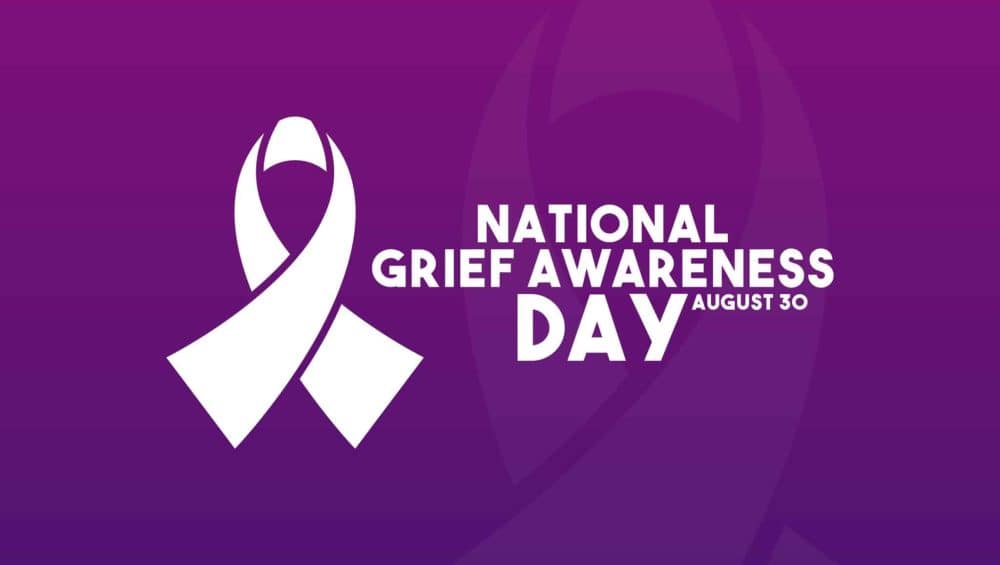
  • Honoring National Grief Awareness Day: Supporting Healing and Understanding

    Honoring National Grief Awareness Day: Supporting Healing and Understanding

    Every year on August 30th, we observe National Grief Awareness Day—a time to acknowledge the universal yet deeply personal journey of grief. Founded in 2014 by grief specialist and author Angie Cartwright, this day serves as a reminder that grief is a natural, valid response to loss, and that those who are grieving deserve compassion, understanding, and support.

    Understanding Grief

    Grief is not a one-size-fits-all experience. It can arise from the loss of a loved one, the end of a relationship, the passing of a pet, or other major life changes. It may affect people emotionally, physically, and spiritually. While some may find healing through sharing memories, others may need quiet reflection or professional guidance.

    National Grief Awareness Day encourages us to break down the stigma often surrounding grief. Too often, society pressures individuals to “move on” quickly, when in truth, grief has no timeline. Healing comes in its own way, and it’s important to honor that process.

    The Purpose of the Day

    The day is meant to:

    Encourage open conversations about loss and the grieving process.

    Offer support and empathy to those experiencing grief.

    Raise awareness of the importance of mental health resources for healing.

    Remind people they are not alone—millions walk the path of grief every day.

    How to Observe National Grief Awareness Day

    Reach Out to Someone Grieving: A simple call, message, or kind gesture can mean the world.

    Share Your Own Story: If you’ve experienced loss, opening up can help others feel less isolated.

    Educate Yourself: Learn about the stages of grief and resources available for those in need.

    Support Organizations: Many nonprofits provide counseling, support groups, and resources for grieving individuals.

    Practice Compassion: Sometimes, the most powerful thing you can do is listen without judgment.

    Why It Matters

    Loss is an inevitable part of life, but grief is often misunderstood. National Grief Awareness Day is a chance to recognize that grief is not weakness—it’s love, transformed. By supporting one another and fostering compassion, we can create a world where no one feels pressured to hide their pain or journey through loss alone.

    As we honor this day, let us remember: grief may never fully disappear, but with support, understanding, and time, healing is possible.

    A Father’s Guide to Surviving the Loss of a Child
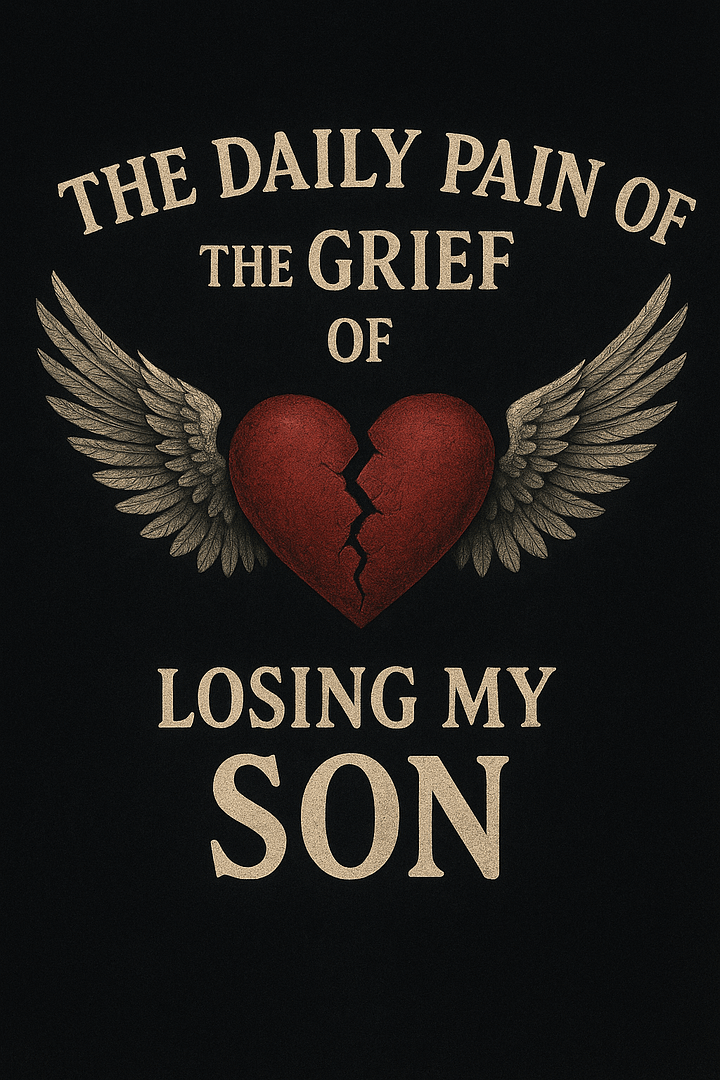
  • The Daily Pain of the Grief of Losing My Son

    The Daily Pain of the Grief of Losing My Son

    Grief is not a moment in time; it is a lifelong journey that changes you at your core. Losing my son was the most devastating event of my life, and no amount of preparation, advice, or comforting words could have ever softened the blow. The pain of this loss doesn’t fade away with the days, weeks, or even years—it simply becomes a part of who I am.

    Every morning, I wake with the weight of absence pressing down on me. There is no day that begins without the reminder that he should be here. The small, everyday things—the sound of laughter, a song on the radio, the way the light hits a photo—can pierce my heart with memories of what was and what will never be again.

    The grief is not just emotional; it’s physical. It tightens my chest, steals my breath, and drains my energy. It lingers in the silence of an empty room and echoes in the spaces where his presence used to fill the air. While people around me continue on with life as usual, I live each day with an invisible wound that never truly heals.

    There are moments when others expect me to be “better” or to have “moved on,” but grief is not something to get over—it is something I carry. It reshapes how I see the world, how I interact with others, and how I view myself. The pain of losing my son is not just about missing him in the past tense; it is about missing his future—the milestones, the laughter, the love, the life that will never unfold.

    Yet, within this daily pain, there is also love. My grief is the shadow of my love for my son, and that love will never die. It shows up in the tears I cry, the stories I tell, and the way I honor his memory. Some days, grief feels like a storm I cannot withstand; other days, it is a quiet ache in my soul. But always, it is there.

    If there is anything I have learned in this journey, it is that grief is a testimony to love. The daily pain is proof of the bond I will always share with my son. Though the world may see only the sorrow, I know that beneath it lies a love so deep that even death cannot erase it.

    A Father’s Guide to Surviving the Loss of a Child