Category: Health

  • What To Do If Someone Is Having Thoughts Of Suicide

    Discovering that someone you care about is having thoughts of suicide can be overwhelming and frightening. Knowing how to respond compassionately and effectively can make a significant difference. This article outlines practical steps to support someone experiencing suicidal thoughts, emphasizing empathy, safety, and professional help.

    1. Recognize the Warning Signs

    Being aware of the signs that someone may be contemplating suicide is critical. Common indicators include:

    Verbal Cues: Talking about wanting to die, feeling hopeless, or being a burden to others.

    Behavioral Changes: Withdrawing from social activities, giving away possessions, or engaging in risky behaviors.

    Emotional Signs: Expressing feelings of despair, guilt, or shame, or showing sudden mood swings.

    Physical Symptoms: Changes in sleep patterns, appetite, or energy levels.

    If you notice these signs, take them seriously and act promptly.

    2. Start a Conversation

    Approaching someone about their mental health can feel daunting, but an open, non-judgmental conversation can be lifesaving. Here’s how to start:

    Choose a Safe Space: Find a quiet, private place where they feel comfortable.

    Express Concern with Empathy: Use statements like, “I’ve noticed you seem really down lately, and I’m worried about you. Can we talk?”

    Listen Actively: Let them share their feelings without interrupting or offering quick solutions.

    Avoid Judgment: Refrain from saying things like “You have so much to live for” or “Just snap out of it,” as these can minimize their pain.

    Your goal is to make them feel heard and supported, not to “fix” their problems.

    3. Ask Directly About Suicidal Thoughts

    It’s a common myth that asking about suicide will plant the idea in someone’s mind. In reality, asking directly can open the door to honest dialogue. Try questions like:

    “Are you thinking about hurting yourself or ending your life?”

    “Have you been feeling like you don’t want to be here anymore?”

    Be calm and direct. If they confirm they’re having suicidal thoughts, stay with them and take their words seriously.

    4. Ensure Their Immediate Safety

    If the person is in immediate danger (e.g., they have a plan or access to means like weapons or pills), act quickly:

    Stay With Them: Do not leave them alone until help arrives.

    Remove Harmful Objects: If safe to do so, remove items like sharp objects, firearms, or medications from their vicinity.

    Contact Emergency Services: In the U.S., call 911 or the 988 Suicide & Crisis Lifeline. Internationally, reach out to local emergency services or crisis hotlines.

    5. Encourage Professional Help

    Professional support is essential for someone experiencing suicidal thoughts. You can help by:

    Suggesting Resources: Offer to help them find a therapist, counselor, or psychiatrist. Share resources like the 988 Suicide & Crisis Lifeline (U.S.) or local mental health services.

    Assisting with Appointments: Offer to make calls, schedule appointments, or accompany them to visits.

    Exploring Treatment Options: Encourage them to discuss therapy, medication, or other interventions with a professional.

    If they resist, gently reinforce that seeking help is a sign of strength, not weakness.

    6. Involve Trusted People

    If appropriate, involve trusted family members, friends, or community leaders who can provide additional support. Ensure the person is comfortable with others being informed, as trust is crucial. A support network can help them feel less isolated.

    7. Follow Up and Stay Connected

    Supporting someone with suicidal thoughts doesn’t end after one conversation. Check in regularly, even if it’s just a text or a quick call. Show ongoing care by:

    Asking how they’re doing and if they’ve connected with professional help.

    Inviting them to low-pressure activities, like grabbing coffee or watching a movie.

    Being patient, as recovery is a gradual process.

    8. Take Care of Yourself

    Supporting someone with suicidal thoughts can be emotionally taxing. To avoid burnout:

    Seek Support for Yourself: Talk to a trusted friend, family member, or therapist about your feelings.

    Set Boundaries: Offer support within your capacity without compromising your own mental health.

    Access Resources: Organizations like the National Alliance on Mental Illness (NAMI) offer guidance for supporters.

    Resources for Immediate Help

    U.S.: Call or text 988 (Suicide & Crisis Lifeline) or 911 for emergencies.

    International: Contact local crisis hotlines or emergency services.

    Online Support: Websites like nami.org or suicidepreventionlifeline.org provide resources and guidance.

    Conclusion

    Helping someone with suicidal thoughts requires compassion, patience, and action. By recognizing warning signs, starting open conversations, ensuring safety, and connecting them with professional help, you can play a vital role in their journey toward hope and recovery. Remember that you don’t have to do this alone—leverage resources and support networks to make a difference.
    Read More Health & Wellness

  • The Effects of Mental Health After Losing a Child

    The death of a child is an unimaginable tragedy, one that profoundly impacts the mental health of parents and families. This loss disrupts the natural order of life, leaving behind a complex web of grief, trauma, and emotional challenges that can persist for years. Understanding the mental health effects of such a loss is critical for those experiencing it and for those supporting them. This article explores the psychological, emotional, and social impacts of losing a child, as well as coping mechanisms and pathways toward healing.

    The Profound Grief of Losing a Child

    Grief after the death of a child is often described as uniquely intense and enduring. Unlike other forms of loss, the death of a child challenges a parent’s sense of identity, purpose, and future. Parents may experience:

    Acute Sorrow and Despair: The initial shock can lead to overwhelming sadness, with frequent crying spells, difficulty sleeping, and a sense of emptiness.

    Guilt and Self-Blame: Parents often question whether they could have done something to prevent the death, even when it was beyond their control. This guilt can become a persistent mental burden.

    Loss of Identity: Many parents define themselves through their role as caregivers. Losing a child can lead to a crisis of identity, leaving them feeling purposeless or disconnected.

    Research indicates that parental grief is often “complicated grief,” a prolonged and intense form of mourning that can last for years. A 2018 study in Psychological Medicine found that parents who lose a child are at a higher risk of developing prolonged grief disorder (PGD), characterized by persistent yearning, difficulty accepting the loss, and impaired daily functioning.

    Mental Health Disorders Associated with Child Loss

    The death of a child significantly increases the risk of various mental health conditions. These include:

    Depression: Parents may experience clinical depression, marked by persistent low mood, loss of interest in activities, and feelings of worthlessness. A 2020 study in The Lancet Psychiatry reported that bereaved parents have a 2-3 times higher risk of major depressive disorder compared to non-bereaved parents.

    Anxiety Disorders: The uncertainty and fear following a child’s death can trigger generalized anxiety, panic attacks, or post-traumatic stress disorder (PTSD). For example, parents who witnessed their child’s illness or sudden death may experience intrusive memories or flashbacks.

    PTSD: Particularly in cases of sudden or traumatic death (e.g., accidents, violence, or suicide), parents may develop PTSD. Symptoms include hypervigilance, avoidance of reminders, and emotional numbness.

    Substance Use Disorders: Some parents turn to alcohol or drugs as a coping mechanism, increasing the risk of addiction. A 2019 study in Addiction noted a correlation between parental bereavement and increased substance use, particularly in the first two years post-loss.

    Social and Relational Impacts

    The loss of a child doesn’t only affect the individual parent—it reverberates through families, marriages, and social circles. Common relational challenges include:

    Strained Marriages: Partners may grieve differently, leading to misunderstandings or feelings of isolation. A 2021 study in Family Relations found that while some couples grow closer after a child’s death, others face increased marital strain, with divorce rates slightly higher among bereaved parents.

    Isolation from Social Circles: Friends and family may struggle to offer meaningful support, sometimes avoiding the bereaved due to discomfort. Parents may also withdraw, feeling that others cannot understand their pain.

    Impact on Surviving Siblings: If there are other children in the family, parents may struggle to balance their grief with their surviving children’s needs. Siblings may also experience their own grief, guilt, or feelings of neglect, complicating family dynamics.

    Factors Influencing Mental Health Outcomes

    The mental health effects of losing a child vary depending on several factors:

    Cause of Death: Sudden or traumatic deaths (e.g., accidents, suicide) often lead to more severe mental health challenges than anticipated deaths (e.g., from prolonged illness). Suicide loss, in particular, is associated with higher rates of guilt and stigma.

    Age of the Child: The loss of a young child, teenager, or adult child each carries unique challenges. For example, losing a young child may shatter dreams of their future, while losing an adult child may involve the added grief of losing a close friend or confidant.

    Support Systems: Access to supportive family, friends, or professional help can mitigate mental health risks. Conversely, social isolation exacerbates negative outcomes.

    Pre-existing Mental Health Conditions: Parents with a history of depression, anxiety, or trauma are more vulnerable to severe mental health effects post-loss.

    Coping Mechanisms and Pathways to Healing

    While the pain of losing a child never fully disappears, there are ways to cope and find meaning over time. Some strategies include:

    Seeking Professional Help: Therapy, particularly grief counseling or cognitive-behavioral therapy (CBT), can help parents process their emotions and manage symptoms of depression or PTSD. Support groups for bereaved parents also provide a sense of community and shared understanding.

    Creating Rituals and Memorials: Honoring the child’s memory through rituals, such as lighting a candle on their birthday or creating a scholarship in their name, can provide comfort and a sense of connection.

    Self-Care: Engaging in physical activity, maintaining a balanced diet, and practicing mindfulness or meditation can help manage stress and improve mental resilience.

    Finding Meaning: Some parents find solace in advocacy, volunteering, or creative outlets. For example, parents who lost children to illness may fundraise for research, transforming their grief into action.

    A 2022 study in Death Studies highlighted the concept of “post-traumatic growth” in bereaved parents, where some individuals report increased personal strength, deeper relationships, or a renewed appreciation for life after loss. However, this growth often occurs alongside ongoing pain, not as a replacement for it.

    Supporting Bereaved Parents

    For those supporting grieving parents, sensitivity and patience are key. Practical ways to help include:

    Listening Without Judgment: Allow parents to share their feelings without offering clichés like “They’re in a better place” or “You’ll get over it.”

    Offering Specific Help: Instead of saying, “Let me know if you need anything,” offer concrete assistance, like cooking a meal or helping with household tasks.

    Acknowledging the Child: Mentioning the child’s name or sharing memories can validate the parent’s ongoing bond with their child.

    Conclusion

    The death of a child leaves an indelible mark on a parent’s mental health, often leading to profound grief, depression, anxiety, and relational challenges. While the journey through grief is deeply personal, support from professionals, loved ones, and community resources can help parents navigate their pain. Healing does not mean forgetting—it means finding ways to carry the love and memory of the child forward while rebuilding a life that honors their legacy. For those experiencing this loss, seeking help and connecting with others who understand can be vital steps toward resilience and hope.

    A Father’s Guide to Surviving the Loss of a Child

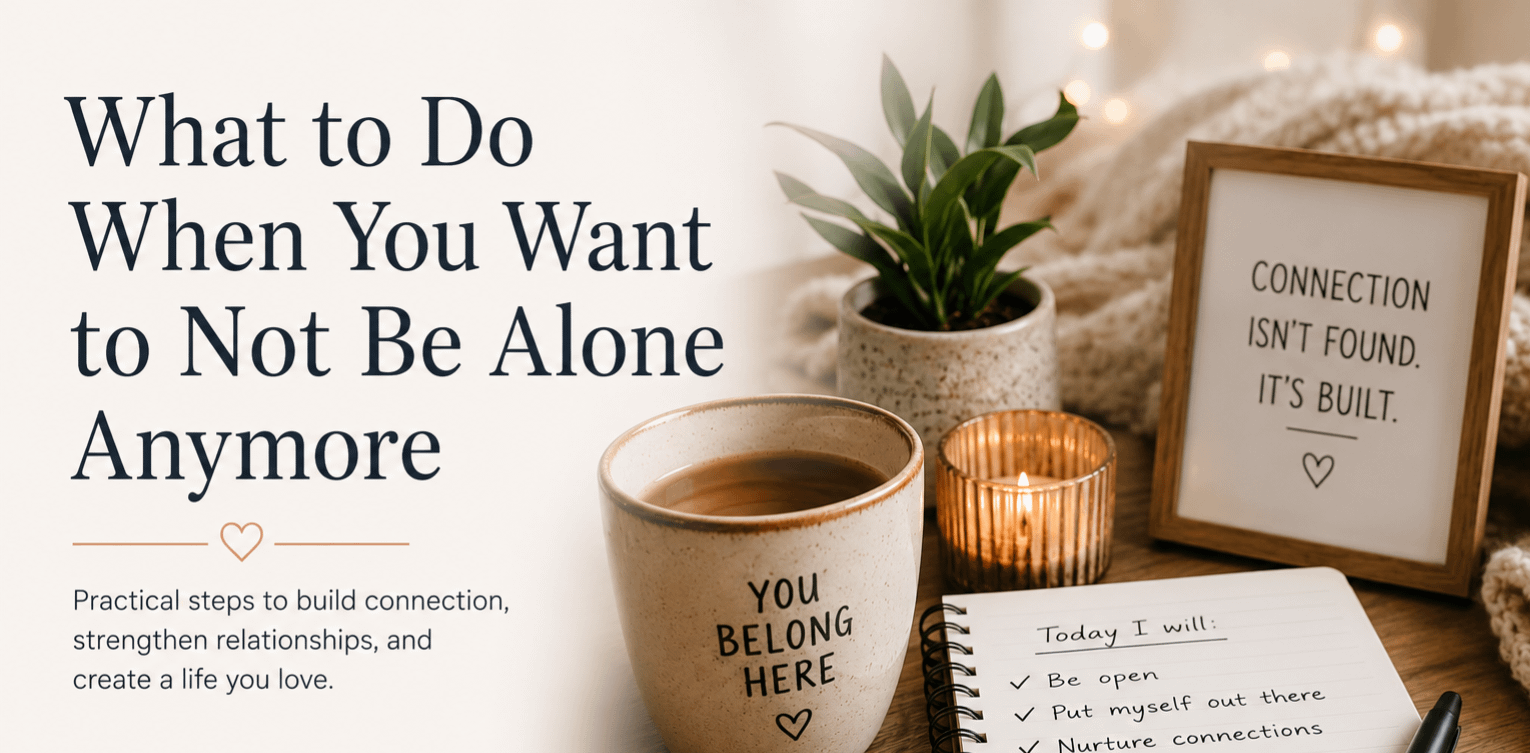
  • What To Do When You Want To Not Be Alone Anymore

    What To Do When You Want To Not Be Alone Anymore

    Feeling alone can be heavy, but it’s a feeling you can work through. Loneliness isn’t a permanent state—it’s a signal that you’re craving connection, and there are practical steps you can take to find it. This article explores ways to move past loneliness, build meaningful relationships, and rediscover a sense of belonging.

    1. Acknowledge Your Feelings

    The first step is to recognize and accept that you’re feeling lonely. It’s not a weakness; it’s a human experience. Naming the feeling can help you approach it with clarity. Try journaling or simply saying to yourself, “I’m feeling alone, and that’s okay. I can do something about it.” This self-compassion sets the stage for action.

    2. Start Small with Self-Connection

    Before seeking connection with others, reconnect with yourself. Loneliness can sometimes stem from feeling disconnected from your own interests or sense of purpose. Try these:

    Rediscover hobbies: Pick up an old passion or explore a new one, like painting, writing, or gardening.

    Practice self-care: Exercise, meditate, or cook a favorite meal. Small acts of care can boost your mood and confidence.

    Set personal goals: Work toward something meaningful, like learning a skill or completing a project. Progress builds a sense of accomplishment.

    3. Reach Out to Existing Connections

    You don’t need to start from scratch to find connection. Think about people already in your life—friends, family, or even acquaintances—who might welcome a conversation.

    Send a message: A simple “Hey, it’s been a while! How are you?” can reopen doors. Don’t overthink it; most people appreciate being remembered.

    Plan low-pressure meetups: Suggest a coffee, a walk, or a quick video call. Keep it casual to ease back into socializing.

    Be honest: If you feel comfortable, share that you’ve been feeling a bit isolated. Vulnerability can deepen bonds.

    4. Expand Your Social Circle

    If your current network feels limited, it’s time to meet new people. This can feel daunting, but there are approachable ways to start:

    Join local groups or classes: Look for book clubs, fitness classes, or hobby groups in your area. Shared interests make conversations easier.

    Volunteer: Helping at a community center, animal shelter, or charity event connects you with others while giving you purpose.

    Use online platforms: Apps like Meetup or Bumble BFF can help you find events or like-minded people nearby. Be cautious, but open to possibilities.

    5. Embrace Consistency Over Intensity

    Building relationships takes time. Instead of seeking instant deep connections, focus on consistent, small interactions. Show up regularly to a group or event, and familiarity will naturally foster closeness. A weekly game night or a recurring coffee date can turn acquaintances into friends.

    6. Be Open and Curious

    When meeting people, approach them with genuine interest. Ask questions, listen actively, and share a bit about yourself. Curiosity creates connection. Avoid judging others too quickly—someone who seems different might surprise you with shared values or experiences.

    7. Address Barriers to Connection

    Sometimes, loneliness persists because of internal or external barriers. Reflect on what might be holding you back:

    Social anxiety: If meeting people feels overwhelming, start with low-stakes settings or seek support from a therapist.

    Past hurts: If trust issues from previous relationships linger, consider journaling or counseling to process them.

    Time constraints: If you’re busy, prioritize even 10-15 minutes a day to connect, like texting a friend or joining an online community.

    8. Seek Professional Support if Needed

    If loneliness feels overwhelming or persistent, talking to a therapist or counselor can help. They can guide you through underlying issues like depression or low self-esteem and offer tools to build confidence in social settings. There’s no shame in seeking help—it’s a proactive step toward feeling better.

    9. Find Comfort in Solitude While Building Connection

    While you work on not being alone, learn to enjoy your own company. Solitude doesn’t have to mean loneliness. Listen to music, watch a favorite show, or take yourself on a solo outing to a museum or café. Embracing solitude can reduce the pressure to always be with others and make social moments feel more fulfilling.

    10. Stay Patient and Persistent

    Connection doesn’t happen overnight. Some attempts to reach out or meet people might not work out, and that’s okay. Keep showing up, stay open, and trust

    Conclusion

    Loneliness can feel like a heavy weight, but it’s not a life sentence. By starting small, reaching out, and staying open to new connections, you can build a life filled with meaningful relationships. Take one step today—send a text, join a group, or simply smile at someone new. Every small action moves you closer to not being alone anymore.

    Read More Health & Wellness

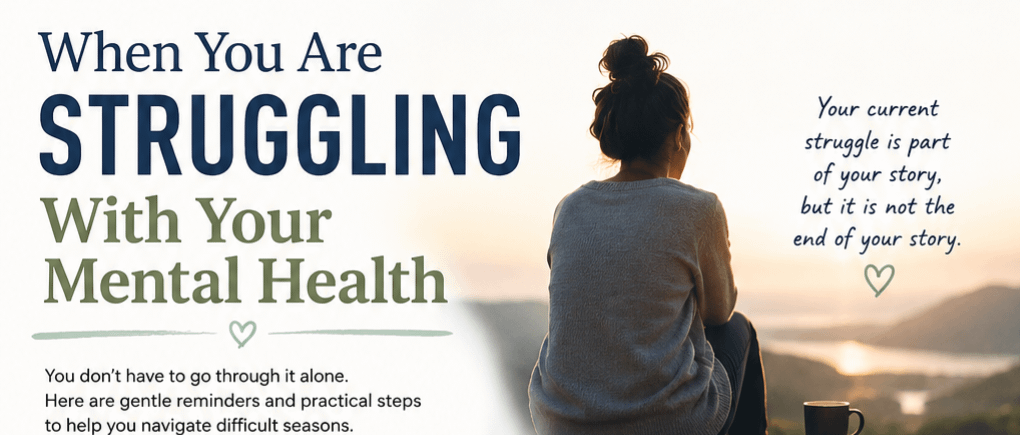
  • When You Are Struggling With Your Mental Health

    When You Are Struggling With Your Mental Health

    There are moments in life when simply making it through the day feels exhausting. You may smile for others, go to work, handle responsibilities, and appear fine on the outside while silently fighting battles no one can see. Mental health struggles often hide beneath the surface, making people feel isolated even when surrounded by others.

    If you are currently struggling with your mental health, the most important thing to know is this: you are not alone, and you are not weak.

    The Silent Weight Many People Carry

    Mental health challenges affect millions of people from every walk of life. They do not discriminate based on age, gender, income, faith, or success. Some people experience anxiety that keeps their minds racing day and night. Others battle depression that drains their energy and steals their motivation. Some feel overwhelmed by stress, grief, loneliness, or emotional exhaustion.

    What makes mental health struggles especially difficult is that they are often invisible. A broken bone can be seen on an X-ray. Emotional pain frequently goes unnoticed by everyone except the person experiencing it.

    Because of this, many people suffer in silence.

    Recognizing the Signs

    Mental health struggles can look different for everyone, but common signs include:

    • Constant feelings of sadness or hopelessness
    • Excessive worry or anxiety
    • Difficulty concentrating
    • Changes in sleeping habits
    • Loss of interest in activities once enjoyed
    • Increased irritability or anger
    • Feeling emotionally numb
    • Withdrawal from friends and family
    • Low energy and fatigue
    • Feeling overwhelmed by everyday tasks

    These symptoms can develop gradually or appear suddenly after a major life event such as the loss of a loved one, financial hardship, relationship problems, health issues, or traumatic experiences.

    It’s Okay to Admit You’re Not Okay

    One of the greatest obstacles to healing is the belief that we should always be strong. Society often encourages people to hide their struggles and push through their pain. Unfortunately, ignoring emotional wounds rarely makes them disappear.

    Strength is not pretending everything is fine.

    Strength is acknowledging when you are hurting and being willing to seek help.

    Everyone faces difficult seasons. Struggling does not mean you have failed. It means you are human.

    Give Yourself Grace

    When mental health becomes difficult, many people become their own harshest critics. They judge themselves for not being productive enough, happy enough, or strong enough.

    Instead of criticizing yourself, practice self-compassion.

    Ask yourself:

    • Would I speak this way to a friend who was struggling?
    • Am I expecting perfection from myself?
    • Have I given myself permission to rest and heal?

    Healing requires patience. Some days progress may be obvious. Other days simply getting out of bed may be your biggest accomplishment. Both deserve recognition.

    Small Steps Matter

    When you’re overwhelmed, thinking about fixing everything at once can make things worse. Instead, focus on small, manageable actions.

    You might:

    • Drink a glass of water.
    • Take a short walk outside.
    • Spend a few minutes in prayer or meditation.
    • Write your thoughts in a journal.
    • Call someone you trust.
    • Listen to uplifting music.
    • Take a shower and get dressed.

    These simple actions may seem insignificant, but they create momentum and remind you that progress often happens one step at a time.

    Don’t Isolate Yourself

    Mental health struggles often convince people to withdraw from others. While solitude can sometimes be helpful, prolonged isolation often deepens feelings of loneliness and hopelessness.

    Reach out to someone you trust.

    You don’t need to have all the answers. You don’t even need to explain everything perfectly. Simply telling someone, “I’m having a hard time right now,” can open the door to support and understanding.

    The people who care about you would rather listen than lose you.

    Seek Professional Support

    There is no shame in seeking professional help. Therapists, counselors, support groups, and mental health professionals are trained to help people navigate emotional challenges and develop healthy coping strategies.

    Just as you would see a doctor for a physical illness, it’s perfectly reasonable to seek treatment for emotional and mental health concerns. Professional support can provide guidance, tools, and hope when things feel overwhelming.

    Hold Onto Hope

    Mental health struggles can make it feel like things will never improve. In your darkest moments, hope may seem distant. Yet countless people who once felt completely overwhelmed have found healing, strength, and renewed purpose.

    Your current struggle is part of your story, but it is not the end of your story.

    There are better days ahead.

    There are people who care.

    There is help available.

    And there is hope, even when you cannot see it right now.

    Final Thoughts

    If you are struggling with your mental health today, be gentle with yourself. Take a deep breath. Focus on the next step instead of the entire journey. Allow yourself the same compassion you would offer someone you love.

    You are valuable.

    You are needed.

    You are worthy of support.

    Most importantly, remember that asking for help is not a sign of weakness—it is often the first step toward healing.

    If you are in immediate emotional distress or having thoughts of self-harm, contact the 988 Suicide & Crisis Lifeline by calling or texting 988. Confidential support is available 24 hours a day, seven days a week.

    Read More Health & Wellness

  • Men Need to Know It’s Okay to Talk About Mental Health

    Men Need to Know It’s Okay to Talk About Mental Health

    For generations, men have been taught a dangerous lesson: stay strong, keep your emotions to yourself, and never let anyone see you struggle. Many boys grow up hearing phrases like “man up,” “be tough,” “don’t cry,” or “handle it yourself.” While these messages may be intended to encourage resilience, they often create a culture where men feel ashamed to admit when they are hurting.

    The truth is simple: men experience emotional pain just like everyone else. They face anxiety, depression, grief, loneliness, stress, trauma, and heartbreak. Yet countless men suffer in silence because they fear being judged, misunderstood, or viewed as weak.

    It’s time to change that conversation.

    The Silent Battle Many Men Fight

    Mental health challenges do not discriminate. They affect men from every walk of life—fathers, sons, husbands, veterans, business owners, athletes, laborers, and professionals. On the outside, a man may appear successful and confident while privately fighting battles nobody can see.

    Many men become experts at hiding their pain.

    They go to work.

    They pay the bills.

    They take care of their families.

    They smile when asked how they’re doing.

    And when someone asks if everything is okay, they often respond with the same two words:

    “I’m fine.”

    But beneath those words may be overwhelming stress, grief, depression, fear, or emotional exhaustion.

    Research continues to show that many men are willing to discuss their mental health when they feel safe, supported, and free from judgment, yet societal expectations often discourage those conversations.

    Why Men Often Stay Silent

    Many men learn early in life that vulnerability carries consequences.

    Perhaps they were teased for crying.

    Perhaps they were told to toughen up.

    Perhaps they grew up believing that strength meant handling everything alone.

    As adults, these lessons can become deeply ingrained beliefs:

    • Asking for help is weakness.
    • Talking about emotions is uncomfortable.
    • Other people have bigger problems.
    • Nobody will understand anyway.
    • I should be able to fix this myself.

    These beliefs create emotional walls that become harder to break down over time.

    Unfortunately, silence doesn’t make pain disappear.

    It simply allows it to grow.

    The Cost of Carrying Everything Alone

    When mental health struggles go unaddressed, they often affect every area of life.

    Relationships may suffer.

    Sleep becomes difficult.

    Work performance declines.

    Physical health can deteriorate.

    Many men turn to unhealthy coping mechanisms such as excessive work, alcohol, isolation, anger, or emotional withdrawal.

    What starts as stress can slowly become burnout.

    What begins as sadness can develop into depression.

    What feels like loneliness can become overwhelming isolation.

    The longer emotional pain remains hidden, the heavier it becomes.

    Strength and Vulnerability Can Exist Together

    One of the biggest misconceptions about masculinity is that vulnerability and strength are opposites.

    They are not.

    In fact, some of the strongest moments in a man’s life involve vulnerability.

    It takes courage to admit you’re struggling.

    It takes courage to ask for help.

    It takes courage to tell a friend, “I’m not doing okay.”

    Real strength is not pretending everything is fine.

    Real strength is facing reality honestly.

    A man who talks about his mental health is not weak.

    He is brave enough to confront what many others try to avoid.

    Breaking the Stigma

    The stigma surrounding men’s mental health is slowly changing.

    More athletes, actors, military veterans, and public figures are openly discussing their experiences with depression, anxiety, grief, and therapy. These conversations are helping redefine what strength looks like.

    But cultural change doesn’t happen through celebrities alone.

    It happens in everyday conversations.

    It happens when a father tells his son it’s okay to cry.

    It happens when friends check in on one another.

    It happens when a husband tells his wife he’s overwhelmed.

    It happens when a grieving father admits that losing his child still hurts every day.

    Every honest conversation chips away at the stigma.

    Grief and Men’s Mental Health

    For many men, grief is one of the most misunderstood emotional experiences.

    Society often expects men to be the strong one during tragedy. They are expected to hold everything together for their family while suppressing their own pain.

    But grief doesn’t disappear because it’s hidden.

    Whether it’s the loss of a child, spouse, parent, sibling, or friend, grief affects men deeply.

    Many grieving fathers, in particular, suffer in silence because they feel responsible for supporting everyone else.

    The reality is that healing begins when grief is acknowledged rather than buried.

    Talking about loss does not make a man weak.

    It honors the love that still exists.

    How Men Can Begin Opening Up

    If you’re struggling, you don’t need to share your entire life story today.

    Start small.

    Talk to one trusted friend.

    Speak with a family member.

    Join a support group.

    Write your thoughts in a journal.

    Schedule a conversation with a counselor or therapist.

    One honest conversation can become the first step toward healing.

    You don’t have to have all the answers.

    You don’t have to explain everything perfectly.

    You simply have to begin.

    How We Can Support the Men in Our Lives

    If you know a man who may be struggling, don’t wait for him to ask for help.

    Reach out.

    Ask how he’s doing.

    Listen without immediately trying to fix the problem.

    Avoid judgment.

    Avoid telling him to “get over it.”

    Sometimes the most powerful thing you can do is simply sit beside someone and let them know they are not alone. Supportive conversations often work best when they occur naturally during shared activities rather than formal confrontations.

    A New Definition of Strength

    The old definition of masculinity told men to suffer silently.

    A healthier definition recognizes that courage includes honesty.

    Strong men cry.

    Strong men grieve.

    Strong men ask for help.

    Strong men talk about their mental health.

    Strong men heal.

    No man should feel ashamed for experiencing emotions that are part of being human.

    You are not weak because you struggle.

    You are not broken because you hurt.

    You are not less of a man because you need support.

    Your mental health matters.

    Your story matters.

    And your voice deserves to be heard.

    If you’re carrying a burden today, remember this:

    You don’t have to carry it alone.

    Read More Health & Wellness