Blog

  • Air Force Birthday: Honoring a Legacy of Service and Strength

    Air Force Birthday: Honoring a Legacy of Service and Strength

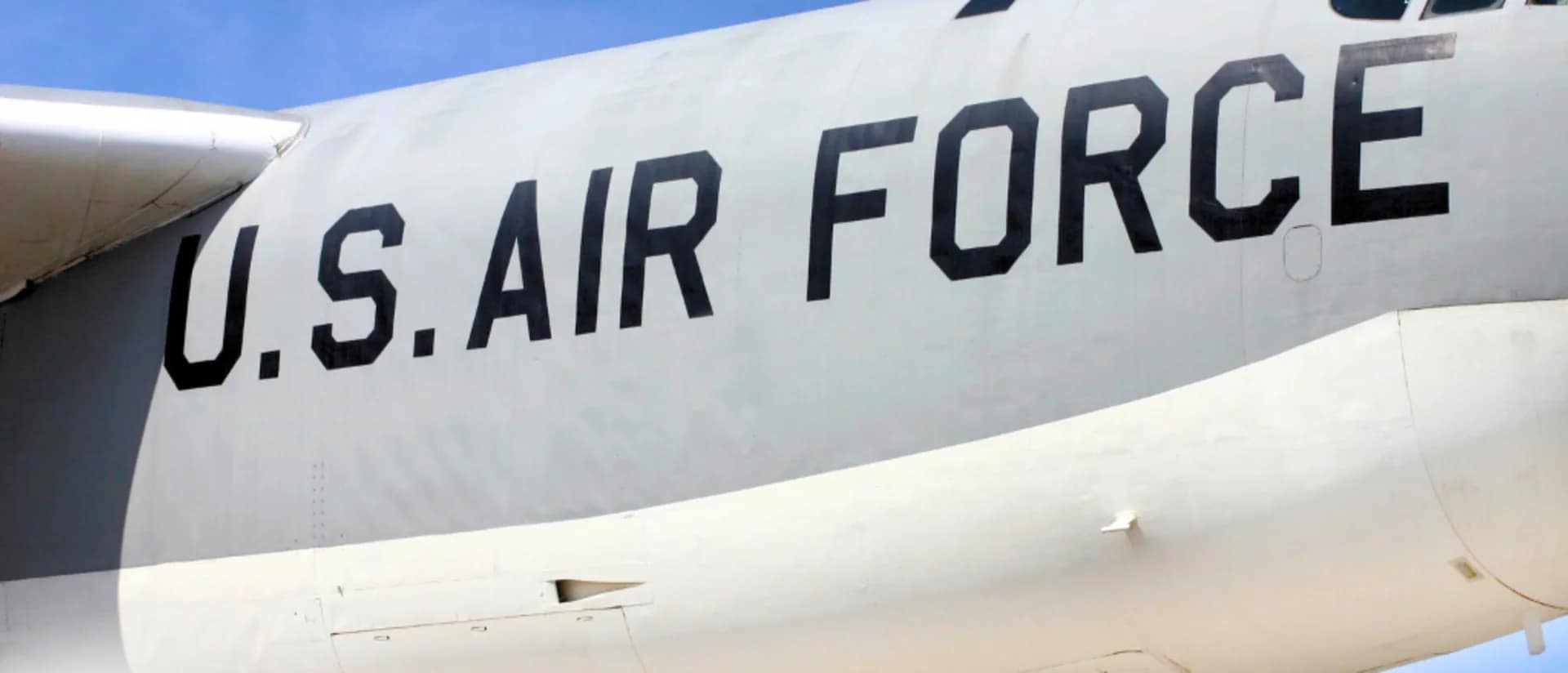
    Each year on September 18, the United States observes the Air Force Birthday, celebrating the establishment of the U.S. Air Force as an independent branch of the Armed Forces. While American air power traces its roots back to World War I and the U.S. Army Air Corps, it was on September 18, 1947, with the passage of the National Security Act, that the Air Force officially became a separate and equal branch of the military.

    A Proud History of Innovation

    From the earliest biplanes of the 20th century to today’s advanced stealth fighters, space operations, and unmanned aircraft, the Air Force has always been at the forefront of technology and strategy. Its history is marked by innovation, speed, and the courage of airmen who shaped the skies into a new frontier for defense.

    Beyond the Skies

    The Air Force’s mission has evolved beyond traditional air combat. Today, it plays a vital role in cybersecurity, space operations, intelligence, humanitarian aid, and disaster relief. Whether protecting U.S. airspace, delivering global airlift support, or advancing space exploration, the Air Force’s reach extends around the globe—and beyond it.

    Honoring the Airmen

    The Air Force Birthday is not just a celebration of milestones; it is a time to honor the men and women who have served and continue to serve. Airmen embody the Air Force core values: “Integrity First, Service Before Self, and Excellence in All We Do.” Their commitment ensures that the United States remains strong, agile, and ready to respond to challenges anywhere in the world.

    A Day of Reflection and Pride

    On this day, ceremonies, educational events, and gatherings across the nation remind Americans of the sacrifices and achievements of the Air Force community. Families of service members, veterans, and supporters alike use the occasion to reflect on the Air Force’s contributions to national security and global stability.

    Closing Thought

    The Air Force Birthday is more than a date on the calendar—it’s a celebration of courage, innovation, and unwavering dedication. From 1947 to today, the U.S. Air Force has continued to push the boundaries of what is possible, securing freedom in the skies and beyond.

    Read More Holidays & National Days
  • U.S. Constitution Signed: A Defining Moment in American History

    U.S. Constitution Signed: A Defining Moment in American History

    On September 17, 1787, in the Assembly Room of the Pennsylvania State House—now known as Independence Hall—thirty-nine delegates signed the United States Constitution, creating one of the most enduring governing documents in history. After months of debate, compromise, and careful drafting, the framers of the Constitution provided a blueprint for democracy that continues to guide the nation more than two centuries later.

    The Road to the Constitution

    Following independence, the United States operated under the Articles of Confederation, which had left the federal government too weak to effectively govern. Issues such as interstate disputes, economic instability, and the lack of centralized authority convinced many leaders that a stronger framework was essential. In May 1787, delegates from 12 states gathered in Philadelphia with the original intention of amending the Articles. Instead, they chose to draft an entirely new system of government.

    Debates and Compromises

    The Constitutional Convention was marked by passionate debate. Large and small states clashed over representation, leading to the Great Compromise, which established a bicameral legislature with proportional representation in the House of Representatives and equal representation in the Senate. The divisive issue of slavery also loomed over the proceedings, resulting in controversial compromises such as the Three-Fifths Compromise.

    Despite disagreements, the framers were united by a vision: creating a balanced government strong enough to unify the nation but restrained enough to protect individual liberty.

    The Signing

    On September 17, George Washington, who presided over the convention, joined 38 other delegates in signing the finished document. Not all delegates supported the final version—some refused to sign, citing concerns over the absence of a bill of rights and the balance of power between the states and federal government. Still, the signing marked the beginning of a new era. The Constitution would go on to be ratified by the states, officially taking effect in 1789.

    Legacy of the Constitution

    The U.S. Constitution established the principles of separation of powers, checks and balances, and federalism, laying the foundation for the nation’s democratic system. Over time, it has been amended to expand rights and freedoms, including the addition of the Bill of Rights in 1791. Today, it remains the oldest written national constitution still in use.

    The signing of the Constitution was not the end of the American experiment but the beginning of a living framework designed to adapt with the nation. It stands as a symbol of resilience, compromise, and the enduring pursuit of liberty and justice.

    Read More Holidays & National Days
  • CONSTITUTION DAY AND CITIZENSHIP DAY

    CONSTITUTION DAY AND CITIZENSHIP DAY

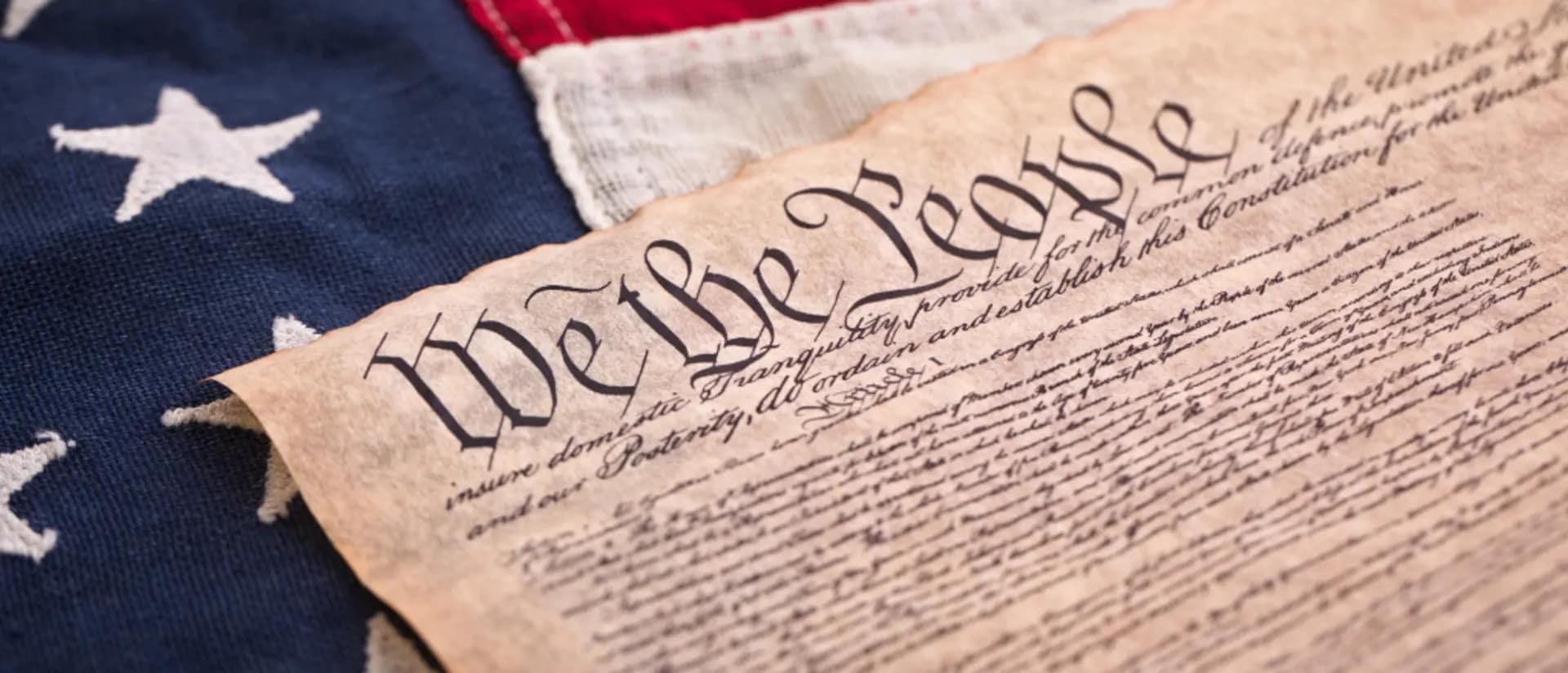
    Every year on September 17, Americans observe Constitution Day and Citizenship Day, a time to honor two cornerstones of our nation: the signing of the United States Constitution in 1787 and the responsibilities and privileges of being a U.S. citizen.

    The Origins of the Day

    The Constitution, drafted in Philadelphia, is the supreme law of the land and the framework of our democracy. To recognize its significance, Congress in 2004 designated September 17 as Constitution Day and Citizenship Day, merging two prior observances. The holiday not only commemorates the signing of the Constitution but also highlights the importance of active citizenship.

    Celebrating the Constitution

    Schools, government offices, and civic organizations across the country use this day to hold educational programs, readings, and discussions about the Constitution. From the Preamble to the Bill of Rights, citizens are encouraged to reflect on the values of liberty, justice, and equality that the document enshrines.

    Honoring Citizenship

    The day is also an opportunity to recognize those who have become citizens, whether by birth or naturalization. Many communities hold naturalization ceremonies, where immigrants officially take the Oath of Allegiance and join the American family. These events remind everyone of the ongoing story of immigration and the diversity that strengthens the nation.

    Why It Matters

    Constitution Day and Citizenship Day is more than a history lesson—it’s a reminder of civic duty. The Constitution grants freedoms, but it also calls for responsibility: voting, staying informed, engaging in dialogue, and protecting the rights of others. By celebrating this day, Americans reaffirm their commitment to a government “of the people, by the people, for the people.”

    A Day to Reflect and Participate

    Whether attending a ceremony, revisiting the text of the Constitution, or teaching children about democracy, this day encourages every citizen to play an active role in preserving the nation’s ideals. It’s both a celebration of America’s founding document and a call to action for the future.

    Read More Holidays & National Days

  • National Voter Registration Day: A Celebration of Democracy

    National Voter Registration Day: A Celebration of Democracy

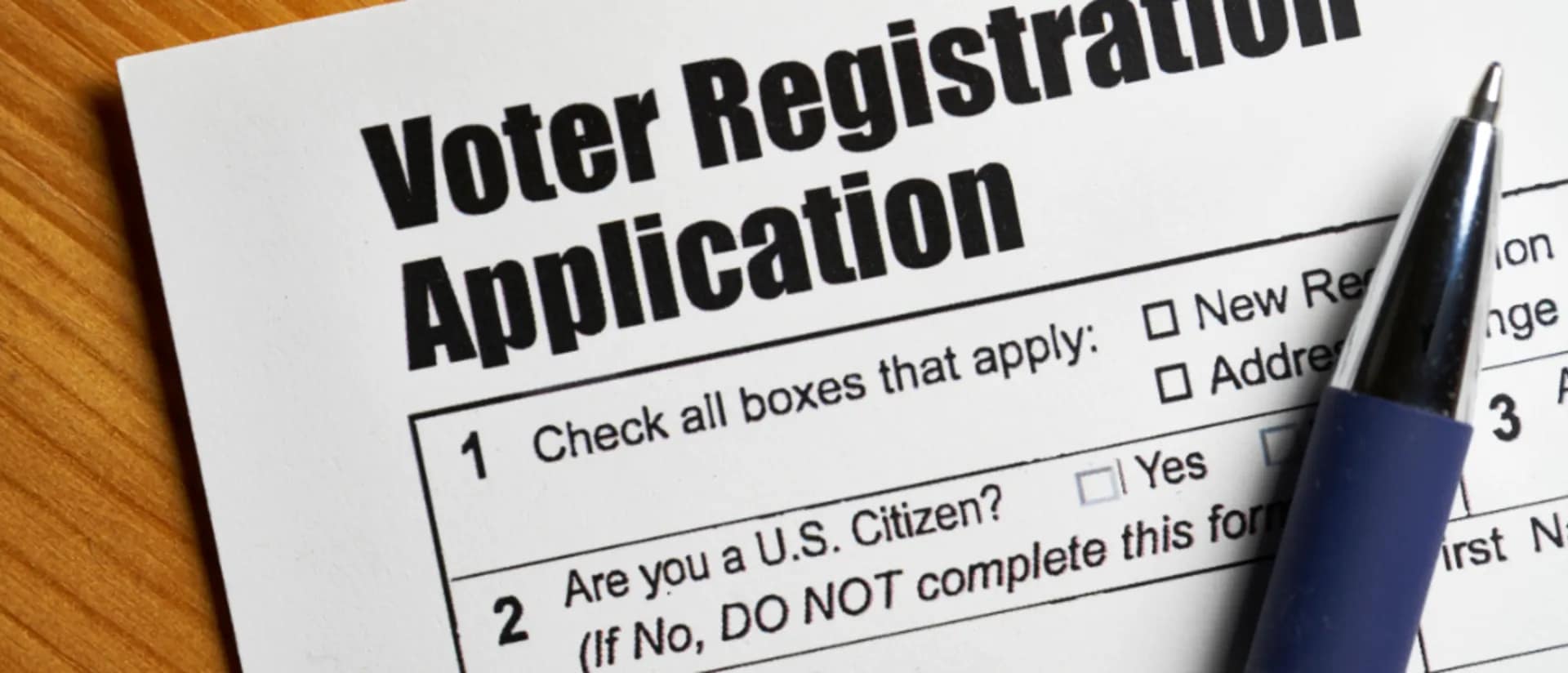
    Every year, on the fourth Tuesday of September, Americans across the country come together to observe National Voter Registration Day. First established in 2012, this nonpartisan civic holiday is dedicated to ensuring that every eligible citizen has the opportunity to register to vote, update their voter information, and make their voice heard in upcoming elections.

    Why It Matters

    Voting is one of the most fundamental rights in a democracy, yet millions of eligible voters remain unregistered or face challenges keeping their registration current due to changes in address, name, or eligibility status. National Voter Registration Day was created to bridge that gap, empowering citizens to take part in shaping their communities and their nation.

    A Nationwide Effort

    On this day, thousands of volunteers, community organizations, businesses, schools, and public officials join forces to reach potential voters. Registration drives pop up in libraries, campuses, churches, civic centers, and even online, making the process more accessible than ever. Social media campaigns also help spread awareness, encouraging friends and family to get registered and prepared for Election Day.

    The Power of Participation

    History has shown that voter registration efforts significantly impact turnout. When citizens are engaged and have easy access to registration resources, they are more likely to show up at the polls. National Voter Registration Day is not only about filling out forms—it’s about fostering civic engagement, strengthening democracy, and reminding people that their vote truly matters.

    How You Can Get Involved

    Check your status: Confirm that your voter registration is up to date.

    Register to vote: If you’re not registered, use official state resources or trusted nonpartisan sites to sign up.

    Spread the word: Share information with friends, coworkers, and family.

    Volunteer: Join local organizations hosting drives or events.

    A Call to Action

    National Voter Registration Day is more than a reminder—it’s a movement. It reflects the belief that democracy works best when everyone participates. Whether it’s your first time registering or simply updating your information, taking action today ensures your voice will be heard tomorrow.

    Read More Holidays & National Days

  • National Mayflower Day: Honoring the Voyage That Shaped a Nation

    National Mayflower Day: Honoring the Voyage That Shaped a Nation

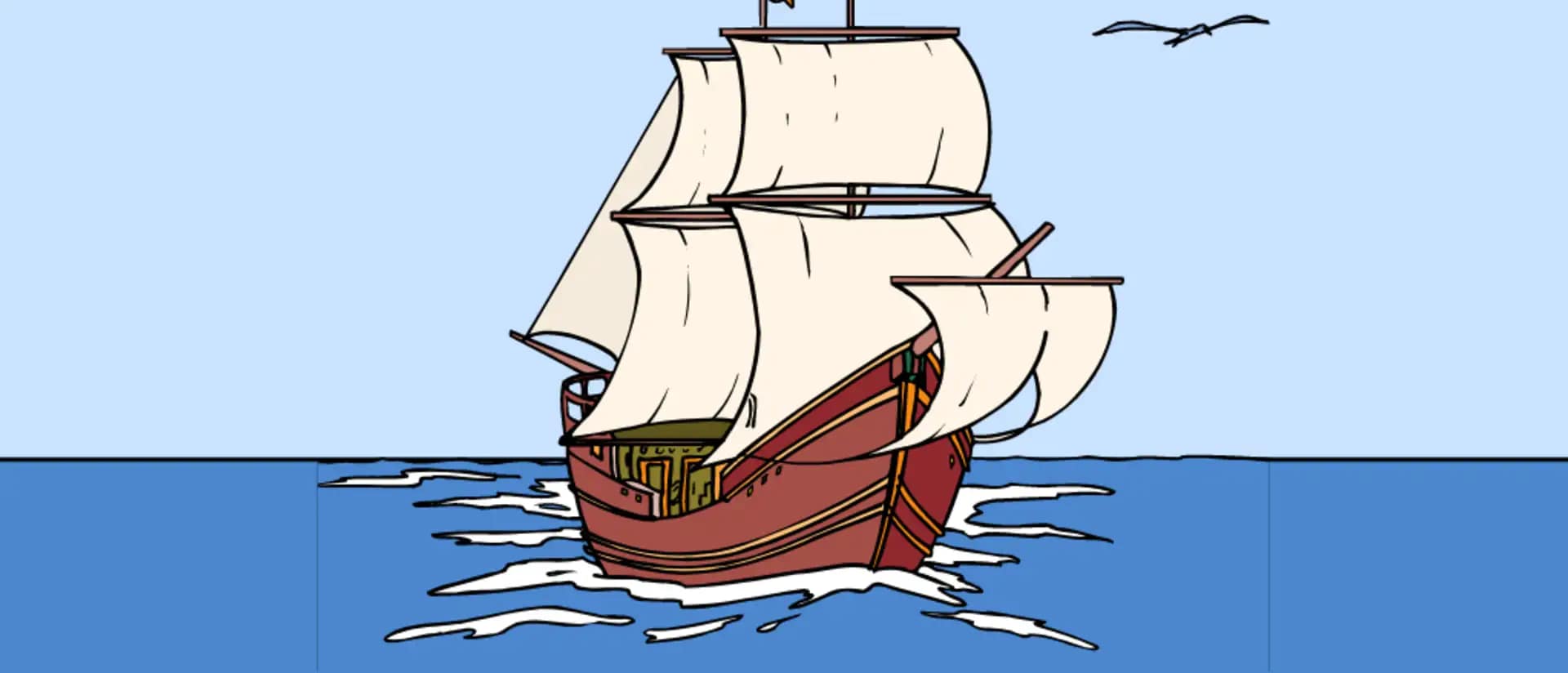
    Every year on September 16, Americans observe National Mayflower Day, a commemoration of one of the most iconic voyages in history. On this day in 1620, the Mayflower, a small merchant ship, set sail from Plymouth, England, carrying 102 passengers who would later become known as the Pilgrims. Their journey across the Atlantic marked the beginning of one of the most significant chapters in American history.

    The Voyage of Hope and Hardship

    The Mayflower’s journey was far from easy. Battling rough seas, cramped conditions, and dwindling supplies, the Pilgrims endured 66 days at sea before finally landing at Cape Cod in November of 1620. Although they had originally intended to reach the Virginia Colony, stormy weather forced them off course, leading them to establish a settlement in what is now Massachusetts.

    Despite immense hardship, including a brutal first winter where nearly half of the settlers perished, the Pilgrims persevered. With resilience and determination, they planted the seeds for what would later grow into the United States.

    The Mayflower Compact

    One of the most remarkable outcomes of this voyage was the Mayflower Compact, signed on November 11, 1620. This historic agreement established a framework for self-governance and cooperation among the settlers. It became a cornerstone of democratic principles in America, paving the way for the future ideals of liberty and self-rule.

    Why We Celebrate Mayflower Day

    National Mayflower Day is more than a remembrance of a voyage—it’s a reflection on the courage, faith, and determination of the Pilgrims. Their pursuit of religious freedom and a new life in an unfamiliar land is a story that continues to inspire generations.

    It’s also a time to reflect on the broader narrative of American history. While the Pilgrims’ story is central, it is also important to acknowledge the Native peoples who were already living on the land. Their interactions—sometimes cooperative, sometimes tragic—shaped the early years of settlement and remain a vital part of the story.

    How to Observe National Mayflower Day

    Learn the history: Explore books, documentaries, or museum exhibits about the Mayflower and the Pilgrims.

    Trace your roots: Many people in the U.S. can trace ancestry back to the original Mayflower passengers. Genealogy resources often highlight this special connection.

    Reflect on democracy: Take time to think about the Mayflower Compact and how its principles echo in today’s democratic society.

    Share the story: Educators and parents can use this day to teach children about perseverance, faith, and the importance of history.

    A Legacy That Endures

    The Mayflower voyage was not just a passage across the Atlantic—it was a leap of faith that forever altered the course of history. National Mayflower Day invites us to honor that journey, appreciate the struggles and triumphs of those early settlers, and reflect on how their legacy continues to influence the ideals of freedom, community, and resilience in America today.

    Read More Holidays & National Days
  • When the Pain of Losing Someone Crushes You

    When the Pain of Losing Someone Crushes You

    Grief is one of life’s heaviest burdens. When someone we love is suddenly gone, it can feel as though the ground has disappeared beneath us. The pain isn’t just emotional—it seeps into our bodies, our thoughts, and our daily lives. It can crush us with a weight we never imagined possible, leaving us struggling to breathe, to move, or to even believe that life can continue.

    The Weight of Loss

    Losing someone close feels like a piece of our own heart has been torn away. Simple things—like waking up in the morning, hearing a favorite song, or seeing a place tied to a memory—can become sharp reminders of the absence. The grief doesn’t follow a neat timeline. It can come in waves, sometimes crashing with full force, other times sitting quietly in the background, waiting to surface when least expected.

    Why It Hurts So Deeply

    The pain of losing someone is tied to love. We grieve because we cared, because that person was woven into our lives in ways big and small. Every inside joke, shared dream, and moment of comfort becomes part of the fabric of who we are. When they’re gone, it feels like parts of us are missing too. That is why the hurt feels so crushing—it’s not just the loss of a person, but of a relationship, a connection, a part of our story.

    Finding a Way Through the Darkness

    Though grief feels like it may never end, it is possible to find light again. This doesn’t mean forgetting or “moving on.” Instead, it means learning to carry the love differently. Here are a few ways people begin to navigate the unbearable weight of loss:

    Allow Yourself to Feel – Suppressing pain only makes it heavier. Giving yourself permission to cry, to be angry, or to feel numb is part of healing.

    Lean on Support – Family, friends, or grief support groups can remind you that you don’t have to face the crushing weight alone.

    Create Rituals of Remembrance – Lighting a candle, writing a letter, or keeping a tradition alive can turn grief into an ongoing bond with the one you’ve lost.

    Be Patient With Yourself – Healing is not linear. Some days you may feel stronger; other days the ache may return. Both are part of the journey.

    Carrying Love Forward

    The truth is, the pain of loss never fully disappears. But with time, the crushing weight becomes a little lighter to carry. We learn to live with it, to honor the memory of those we’ve lost, and to let their love continue shaping our lives. In the quiet moments, we may even feel them near—not in the way we wish, but in a way that still matters.

    Grief is the price of love, and though it can break us, it also reminds us of how deeply we were able to connect. Even when the pain feels unbearable, that love is still with us, carried forward in our hearts.

    A Father’s Guide to Surviving the Loss of a Child

  • National Double Cheeseburger Day – September 15

    National Double Cheeseburger Day – September 15

    Every year on September 15, burger lovers across the country come together to celebrate one of America’s favorite indulgences—National Double Cheeseburger Day. This delicious holiday is dedicated to the ultimate burger experience: two juicy patties, melted cheese, and all the fixings stacked high in one irresistible bite.

    The History of the Double Cheeseburger

    While the exact origins of the double cheeseburger are debated, the cheeseburger itself began rising in popularity in the 1920s and 1930s as diners experimented with adding cheese to hamburgers. The double version soon followed, offering an extra layer of flavor and heartiness. Over time, it became a staple on menus across America, from fast food chains to gourmet burger joints.

    Why We Celebrate

    The double cheeseburger is more than just a meal—it’s a cultural icon. It represents comfort food at its finest, bringing people together for backyard cookouts, late-night cravings, and weekend gatherings. Celebrating National Double Cheeseburger Day gives fans an excuse to enjoy their favorite version of this classic dish without guilt.

    How to Celebrate

    Fire Up the Grill: Make your own double cheeseburgers at home with fresh toppings and your choice of cheese.

    Try a Local Spot: Support local restaurants by ordering their signature double cheeseburger creation.

    Go Gourmet: Experiment with unique flavors like blue cheese, jalapeños, or specialty sauces.

    Share the Joy: Invite friends or family for a burger night and make it a fun food celebration.

    Fun Facts

    According to the Guinness World Records, the largest hamburger ever made weighed over 2,000 pounds.

    Cheeseburgers became a menu standard in America after World War II, coinciding with the rise of fast food chains.

    A classic double cheeseburger is estimated to pack anywhere from 700–1,000 calories, depending on size and toppings.

    Final Bite

    National Double Cheeseburger Day is more than just a food holiday—it’s a celebration of one of the most beloved comfort foods in America. Whether you like yours loaded with toppings, kept simple with just cheese and pickles, or taken to gourmet levels, today is the perfect excuse to sink your teeth into a double cheeseburger.

    Read More Holidays & National Days
  • National Sober Day: A Celebration of Clarity, Health, and New Beginnings

    National Sober Day: A Celebration of Clarity, Health, and New Beginnings

    Every year on September 14, people across the United States observe National Sober Day, a day dedicated to raising awareness about sobriety, encouraging those in recovery, and showing support for individuals who choose to live alcohol-free. Established to highlight the benefits of a sober lifestyle, the day offers an opportunity to reflect, reset, and celebrate life without substances.

    The Purpose of National Sober Day

    National Sober Day is about more than simply avoiding alcohol for one day—it’s about recognizing the strength of those on their recovery journey and encouraging healthy conversations around addiction. For many, sobriety is not just a personal choice, but a path toward healing, rebuilding relationships, and reclaiming control over life.

    This day also works to reduce the stigma that often surrounds addiction. By celebrating sobriety openly, it sends a powerful message: recovery is possible, and choosing to live sober is something to be proud of.

    Benefits of Living Sober

    Sobriety offers many physical, mental, and emotional benefits, including:

    Improved health – clearer thinking, better sleep, and more energy.

    Stronger relationships – being fully present with family, friends, and loved ones.

    Financial freedom – eliminating the costs of drinking or substance use.

    Personal growth – discovering new hobbies, passions, and ways to connect.

    For many, sobriety opens the door to a more fulfilling and purposeful life.

    How to Observe National Sober Day

    There are many ways to recognize and celebrate this meaningful day:

    Support someone in recovery – reach out with encouragement or simply listen.

    Attend or host a sober event – gatherings, game nights, or outdoor activities without alcohol.

    Share your story – if you’re comfortable, talk about your sober journey to inspire others.

    Educate yourself and others – learn more about addiction, recovery, and resources available.

    Make it personal – commit to a day, week, or longer of sobriety as a step toward healthier living.

    A Day of Hope and Empowerment

    National Sober Day reminds us that sobriety is not about what is given up, but about what is gained. It’s a day of hope, empowerment, and new beginnings. Whether you’re in recovery, supporting a loved one, or simply choosing to live substance-free, this day celebrates the courage it takes to embrace life with clarity and strength.

    Read More Holidays & National Days

  • Francis Scott Key Pens “The Star-Spangled Banner”

    Francis Scott Key Pens “The Star-Spangled Banner”

    On the morning of September 14, 1814, amid the smoke and thunder of the War of 1812, a young American lawyer named Francis Scott Key stood aboard a ship in Baltimore Harbor. What he witnessed would inspire him to write the words that became the most enduring anthem of the United States: “The Star-Spangled Banner.”

    The Battle of Baltimore

    The British Royal Navy had turned its might against the city of Baltimore following their invasion and burning of Washington, D.C. Just weeks earlier, the White House and the U.S. Capitol had gone up in flames. Now, the British sought to crush American resistance by bombarding Fort McHenry, the stronghold guarding Baltimore’s harbor.

    For 25 hours, from the evening of September 13 to the morning of September 14, 1814, the fort endured relentless shelling. Key, who had boarded a British vessel to negotiate the release of an American prisoner, found himself detained behind enemy lines during the attack. From his vantage point, he could only watch anxiously as bombs exploded over the fort and the night sky glowed red with fire.

    The Dawn’s Inspiration

    As dawn broke, Key strained his eyes toward Fort McHenry. Through the haze and smoke, he spotted a massive American flag—30 feet by 42 feet—still waving proudly above the ramparts. The sight stirred something profound within him. Against all odds, the defenders had withstood the British assault, and the flag symbolized both survival and triumph.

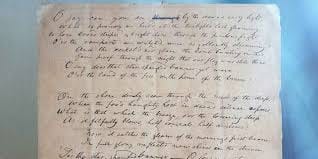
    Filled with emotion, Key took to pen and paper. He began jotting down lines that would become the poem, “The Defence of Fort M’Henry.” Its opening words captured the spirit of resilience:

    “O say can you see, by the dawn’s early light,
    What so proudly we hailed at the twilight’s last gleaming…”

    From Poem to Anthem

    Key’s poem quickly spread across Baltimore and was soon set to the melody of a popular British tune, “To Anacreon in Heaven.” Renamed “The Star-Spangled Banner,” the song resonated deeply with Americans, capturing the courage and determination of a young nation fighting to preserve its independence.

    In 1931, more than a century later, Congress officially designated “The Star-Spangled Banner” as the national anthem of the United States.

    A Legacy of Patriotism

    Francis Scott Key could not have foreseen the lasting power of his words that September morning. His spontaneous verses, born out of the terror and triumph of battle, became a symbol of unity, resilience, and national pride. Today, every time Americans stand and sing the anthem, they echo the spirit of that moment in 1814 when a flag over Fort McHenry signaled not defeat, but hope.

    Read More Holidays & National Days

  • International Chocolate Day: A Sweet Celebration

    International Chocolate Day: A Sweet Celebration

    Every year on September 13, chocolate lovers around the world unite to celebrate International Chocolate Day. This delightful day coincides with the birthday of Milton S. Hershey, the founder of the Hershey Chocolate Company, one of the most iconic names in chocolate history. From decadent desserts to simple candy bars, chocolate has been a universal symbol of comfort, indulgence, and joy for centuries.

    A Brief History of Chocolate

    Chocolate’s roots trace back over 3,000 years to ancient Mesoamerican civilizations like the Maya and Aztec. They valued cacao beans so highly that they were used as currency and brewed into a bitter, spiced drink. It wasn’t until chocolate reached Europe in the 16th century that sugar and milk were added, transforming it into the sweet treat we know today.

    Why We Love Chocolate

    Chocolate isn’t just delicious—it’s scientifically proven to boost mood. It stimulates the release of endorphins and contains antioxidants, which contribute to both happiness and health benefits when enjoyed in moderation. Whether it’s dark, milk, or white, chocolate has a special way of bringing comfort and sparking celebrations.

    Ways to Celebrate International Chocolate Day

    Indulge in your favorite treat: From truffles to brownies, today is the perfect excuse to satisfy your sweet tooth.

    Try something new: Explore exotic chocolates, like those infused with chili, sea salt, or fruit.

    Bake and share: Homemade chocolate desserts are a fun way to celebrate with family and friends.

    Learn the craft: Take a moment to appreciate chocolatiers and even try making your own creations at home.

    A Universal Treat

    From children receiving chocolate eggs during holidays to couples exchanging boxes on Valentine’s Day, chocolate transcends cultures and occasions. It has become more than just a sweet—it’s a symbol of love, comfort, and celebration.

    On this International Chocolate Day, take a bite, savor the flavor, and remember the rich history behind this timeless treat.

    Read More Holidays & National Days