Blog

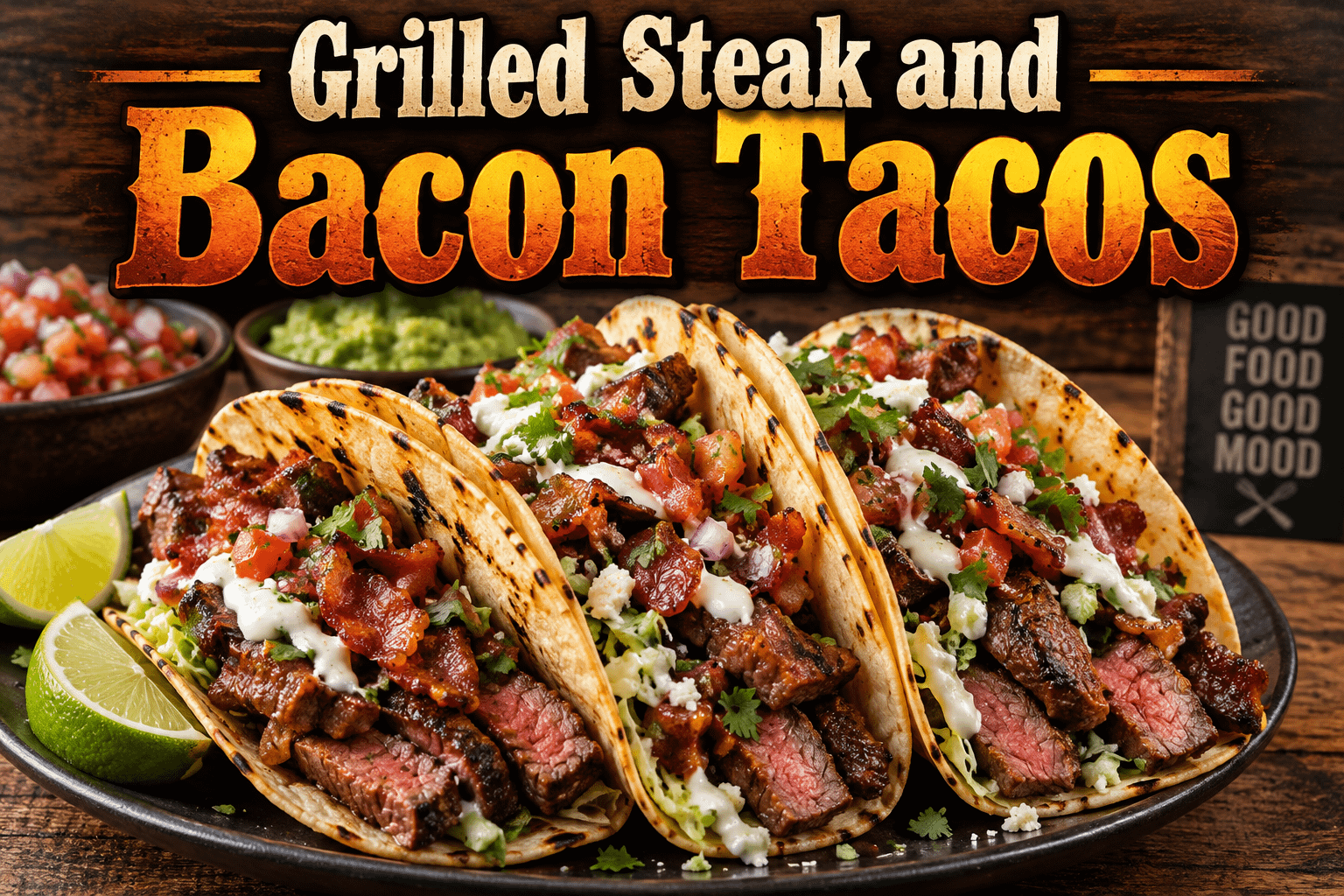
  • Recipe of the Day: Grilled Steak and Bacon Tacos

    Recipe of the Day: Grilled Steak and Bacon Tacos

    There are tacos—and then there are Grilled Steak and Bacon Tacos.

    Tender, juicy steak fresh from the grill, crispy smoky bacon, warm tortillas, melted cheese, fresh toppings, and a creamy sauce come together in a taco that is loaded with flavor. This is the kind of meal made for people who believe tacos should be hearty, messy, and worth every bite.

    Whether you’re firing up the grill for a weekend dinner, feeding friends during football season, or simply looking for something different for Taco Tuesday, these steak and bacon tacos deserve a place on the menu.

    Why Steak and Bacon Work So Well Together

    Steak already brings plenty of rich, beefy flavor to a taco. Adding bacon takes things in another direction.

    The bacon provides saltiness, smoke, and a crispy texture that contrasts perfectly with tender slices of grilled steak. Add the freshness of onion, cilantro, tomato, avocado, and lime, and you’ve got a taco with a little bit of everything.

    The secret is balance.

    You don’t want the bacon overpowering the steak. Think of it as another topping rather than the main ingredient. A little crispy bacon scattered over each taco gives you that smoky flavor without hiding everything else.

    Ingredients

    For the Steak

    • 1½ pounds flank steak, skirt steak, or sirloin
    • 2 tablespoons olive oil
    • Juice of 1 lime
    • 2 cloves garlic, minced
    • 1 teaspoon chili powder
    • 1 teaspoon smoked paprika
    • 1 teaspoon ground cumin
    • ½ teaspoon onion powder
    • ½ teaspoon garlic powder
    • ½ teaspoon salt
    • ½ teaspoon black pepper
    • ¼ teaspoon cayenne pepper, optional

    For the Bacon

    • 6–8 slices thick-cut bacon

    For the Tacos

    • 8–10 small flour or corn tortillas
    • 1 cup shredded Monterey Jack, pepper jack, or Mexican-blend cheese
    • 1 small white or red onion, finely diced
    • 1 large tomato, diced
    • 1 avocado, sliced or diced
    • ½ cup chopped fresh cilantro
    • 1 jalapeño, thinly sliced, optional
    • Lime wedges for serving

    For a Simple Creamy Taco Sauce

    • ½ cup sour cream
    • 2 tablespoons mayonnaise
    • Juice of ½ lime
    • ½ teaspoon garlic powder
    • ½ teaspoon chili powder
    • Pinch of salt

    Step 1: Marinate the Steak

    Place the steak in a shallow dish or resealable bag.

    Combine the olive oil, lime juice, garlic, chili powder, smoked paprika, cumin, onion powder, garlic powder, salt, black pepper, and cayenne.

    Rub the marinade thoroughly over the steak.

    Cover and refrigerate for at least 30 minutes. If you have more time, let it marinate for two to four hours for even more flavor.

    Before grilling, remove the steak from the refrigerator and allow it to sit at room temperature for around 20 minutes.

    Step 2: Cook the Bacon

    While the steak marinates, cook your bacon until crispy.

    You can prepare it in a skillet, oven, or even on the grill using a cast-iron pan.

    Transfer the cooked bacon to a paper towel-lined plate and allow it to cool slightly.

    Then chop or crumble it into bite-sized pieces.

    Try not to eat all the bacon before the tacos are ready. That’s probably the hardest part of this recipe.

    Step 3: Make the Creamy Sauce

    Combine the sour cream, mayonnaise, lime juice, garlic powder, chili powder, and salt in a small bowl.

    Mix until smooth.

    Taste the sauce and adjust the seasonings if necessary.

    For additional heat, mix in a little hot sauce or finely chopped jalapeño.

    Keep the sauce refrigerated until you’re ready to assemble the tacos.

    Step 4: Grill the Steak

    Preheat your grill to medium-high or high heat.

    Remove the steak from the marinade and allow any excess marinade to drip away.

    Place the steak directly over the heat.

    Depending on the cut and thickness, grill it for approximately 4–6 minutes per side, or until it reaches your preferred level of doneness.

    For food safety, USDA guidance calls for beef steaks to reach at least 145°F internally followed by a three-minute rest.

    Once the steak is finished, remove it from the grill and place it on a cutting board.

    Here’s an important step:

    Don’t slice it immediately.

    Allow the steak to rest for about 5–10 minutes. Resting helps keep those flavorful juices inside the meat instead of losing them all over the cutting board.

    After resting, slice the steak thinly against the grain.

    If the pieces are still too large for tacos, give them a rough chop.

    Step 5: Warm the Tortillas

    Don’t skip this step.

    Warm tortillas can completely change the finished taco.

    Place them directly on the grill for approximately 15–30 seconds per side. You want them warm, flexible, and slightly charred around the edges.

    You can also warm tortillas in a dry skillet over medium heat.

    Stack the finished tortillas inside a clean kitchen towel to keep them warm.

    Step 6: Build the Steak and Bacon Tacos

    Now comes the fun part.

    Start with a warm tortilla and add a generous portion of grilled steak.

    Sprinkle crispy bacon over the steak.

    Add shredded cheese while the meat is still warm so it begins melting.

    Then pile on your favorite toppings:

    Fresh onion.

    Tomato.

    Avocado.

    Cilantro.

    Jalapeños.

    Finish everything with a drizzle of creamy taco sauce and a squeeze of fresh lime.

    That’s one serious taco.

    Take Them to Another Level

    The basic recipe is already packed with flavor, but tacos are meant to be customized.

    Try adding grilled onions and peppers. Toss sliced bell peppers and onions onto the grill while you’re cooking the steak. Their sweetness and slight char work beautifully with the smoky bacon.

    You can also add grilled corn. Slice the kernels from a grilled ear of corn and sprinkle them over your tacos.

    For even more heat, add pickled jalapeños, serrano peppers, spicy salsa, or your favorite hot sauce.

    If you love cheese, place shredded cheese directly onto the tortilla while it’s warming in a skillet. Let the cheese melt before adding the steak and bacon.

    And if you want something fresh and creamy, homemade guacamole is difficult to beat.

    Steak Options

    You don’t have to use one specific cut of beef for this recipe.

    Skirt steak is one of the best taco options because it’s intensely flavorful and cooks quickly.

    Flank steak is leaner but works extremely well when marinated and sliced thinly against the grain.

    Sirloin is another good option if you want a thicker, tender steak.

    You could even use leftover grilled ribeye or New York strip.

    The important thing is slicing the meat thin enough that you can easily bite through it inside the tortilla.

    Nobody wants to take one bite and accidentally pull the entire piece of steak out of their taco.

    Corn or Flour Tortillas?

    That’s entirely up to you.

    Corn tortillas provide a more traditional flavor and pair especially well with steak, onion, cilantro, and lime.

    Flour tortillas are softer and can be easier to handle when you’re loading them with steak, bacon, cheese, avocado, and plenty of toppings.

    Try both and decide which one belongs on your plate.

    What to Serve With Grilled Steak and Bacon Tacos

    Turn these tacos into a complete meal with Mexican rice, cilantro-lime rice, refried beans, black beans, grilled corn, chips and salsa, guacamole, pico de gallo, or a simple avocado salad.

    If you’re serving a crowd, create a taco bar.

    Put the sliced steak and bacon in separate serving dishes and arrange bowls containing cheese, onions, cilantro, tomatoes, avocado, jalapeños, salsa, lime wedges, and sauces.

    Everyone can build their own tacos exactly how they like them.

    Don’t Forget the Lime

    It might seem like a small detail, but fresh lime makes a huge difference.

    Steak, bacon, cheese, and creamy sauce are all rich ingredients. A squeeze of lime introduces acidity and brightness that cuts through that richness.

    Give each taco a squeeze immediately before eating it.

    You’ll taste the difference.

    Leftovers

    If you happen to have leftovers, store the steak, bacon, toppings, sauce, and tortillas separately.

    The cooked steak and bacon can be refrigerated in airtight containers.

    When you’re ready for another round, gently reheat the steak in a skillet so you don’t overcook it. Warm the bacon separately until it becomes crispy again.

    Then rebuild your tacos with fresh toppings.

    You can also transform leftover steak and bacon into breakfast tacos the next morning. Add scrambled eggs, potatoes, cheese, and salsa for an entirely different meal.

    Recipe at a Glance

    Prep Time: 20 minutes, plus marinating
    Cook Time: Approximately 20 minutes
    Servings: 4
    Difficulty: Easy to Moderate

    Final Thoughts

    Grilled Steak and Bacon Tacos aren’t trying to be delicate.

    They’re smoky, meaty, cheesy, crispy, fresh, and packed with flavor.

    The grilled steak gives you the heart of the meal. The crispy bacon adds another layer of smoky goodness. Fresh onion, cilantro, avocado, tomato, and lime keep everything balanced, while the creamy taco sauce brings it all together.

    Make them for Taco Tuesday.

    Make them for game day.

    Make them during your next backyard barbecue.

    Or forget waiting for a special occasion and fire up the grill tonight.

    Because sometimes dinner doesn’t need to be complicated.

    Sometimes you just need warm tortillas, grilled steak, crispy bacon, and all your favorite toppings.

    What’s the one topping you absolutely have to have on your perfect steak taco?
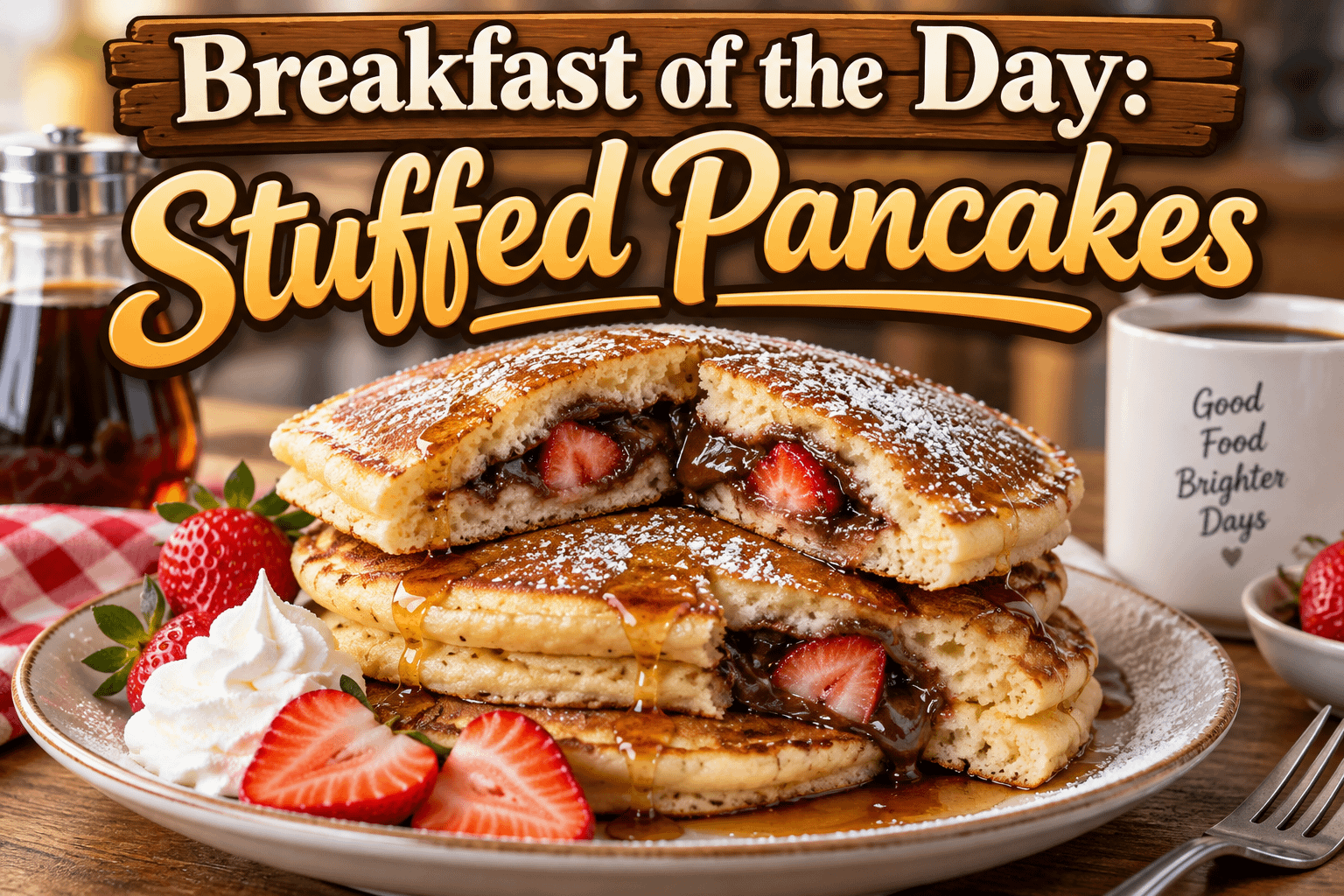
  • Breakfast of the Day: Stuffed Pancakes

    Breakfast of the Day: Stuffed Pancakes

    There is something special about waking up to the smell of pancakes cooking on the griddle. That warm, buttery aroma immediately makes breakfast feel a little more comforting. But what if you could take an ordinary stack of pancakes and make it even better?

    That is exactly what Stuffed Pancakes do.

    Instead of simply piling toppings onto pancakes after they are cooked, stuffed pancakes hide something delicious right inside. Cut into one and you might discover melted chocolate, warm berries, creamy peanut butter, sweetened cream cheese, bananas, or another favorite filling.

    They look like regular pancakes from the outside, but the first bite reveals the surprise.

    That makes Stuffed Pancakes our Breakfast of the Day.

    What Are Stuffed Pancakes?

    Stuffed pancakes are thick, fluffy pancakes cooked with a filling sealed between layers of pancake batter.

    The idea is wonderfully simple.

    Pour some batter onto a hot griddle, add a small amount of filling in the center, cover it with more batter, and cook until the pancake is golden brown on both sides.

    The result is a pancake with a warm center that gives every bite extra flavor.

    Best of all, you can customize them almost endlessly.

    Chocolate lover? Add chocolate or hazelnut spread.

    Fruit lover? Try strawberries, blueberries, bananas, peaches, or apples.

    Want something rich and creamy? Use a lightly sweetened cream cheese filling.

    You can even make savory stuffed pancakes with cheese, eggs, bacon, sausage, or vegetables.

    Homemade Stuffed Pancakes

    Prep Time: 10 minutes
    Cook Time: 15–20 minutes
    Servings: About 4

    Ingredients

    For the pancakes:

    • 2 cups all-purpose flour
    • 2 tablespoons granulated sugar
    • 1 tablespoon baking powder
    • 1/2 teaspoon salt
    • 2 large eggs
    • 1 3/4 cups milk
    • 4 tablespoons melted butter
    • 1 teaspoon vanilla extract
    • Butter or cooking spray for the griddle

    For the filling, choose one or combine a few:

    • Chocolate-hazelnut spread
    • Peanut butter
    • Sliced bananas
    • Chopped strawberries
    • Blueberries
    • Strawberry preserves
    • Raspberry preserves
    • Apple pie filling
    • Sweetened cream cheese
    • Chocolate chips

    For serving:

    • Maple syrup
    • Powdered sugar
    • Fresh fruit
    • Whipped cream
    • Butter

    How to Make Stuffed Pancakes

    1. Prepare the Batter

    In a large mixing bowl, combine the flour, sugar, baking powder, and salt.

    In another bowl, whisk together the eggs, milk, melted butter, and vanilla.

    Pour the wet ingredients into the dry ingredients and gently stir until combined.

    A few small lumps are perfectly fine. Avoid overmixing because it can make your pancakes tougher instead of light and fluffy.

    Allow the batter to rest for about five minutes while your griddle heats.

    2. Heat the Griddle

    Place a large skillet or griddle over medium to medium-low heat.

    Lightly coat the surface with butter or cooking spray.

    Stuffed pancakes are usually thicker than traditional pancakes, so slightly lower heat works well. This gives the center enough time to cook without burning the outside.

    3. Add the First Layer

    Pour roughly 1/4 cup of pancake batter onto the griddle.

    Allow it to spread slightly.

    Let it cook for about 30 seconds before adding your filling.

    4. Add Your Filling

    Place a small spoonful of your chosen filling in the center.

    The key word is small.

    It can be tempting to load the pancake with filling, but too much can leak out while cooking.

    Leave plenty of batter visible around the edges.

    5. Cover the Filling

    Carefully spoon another thin layer of pancake batter over the filling.

    Try to completely cover it.

    Once bubbles begin appearing around the surface and the bottom looks golden, carefully flip the pancake.

    Cook the other side until golden brown and the pancake is cooked through.

    Repeat with the remaining batter.

    Chocolate-Hazelnut Stuffed Pancakes

    This may be one of the easiest variations.

    Place a teaspoon or tablespoon of chocolate-hazelnut spread in the center of each pancake before covering it with more batter.

    As the pancake cooks, the filling becomes warm and creamy.

    Serve with strawberries, bananas, powdered sugar, or a small drizzle of chocolate sauce.

    Strawberry Cheesecake Stuffed Pancakes

    For something that feels more like breakfast and dessert combined, make a simple cheesecake-style filling.

    Mix softened cream cheese with a little powdered sugar and vanilla.

    Place a spoonful in the middle of your pancake along with finely chopped strawberries.

    Top the finished pancakes with fresh strawberries and powdered sugar.

    You can even add a small spoonful of strawberry preserves.

    Peanut Butter and Banana Stuffed Pancakes

    Peanut butter and banana are a classic combination that works beautifully inside pancakes.

    Add a small spoonful of peanut butter and two or three thin banana slices.

    Cook until golden.

    Serve with additional banana slices and maple syrup.

    For even more indulgence, toss in a few chocolate chips.

    Blueberry Cream Cheese Stuffed Pancakes

    Blueberries bring a fresh burst of sweetness while cream cheese adds richness.

    Place several blueberries and a teaspoon of sweetened cream cheese in the center.

    Fresh blueberries work especially well because they soften and release some of their juice while cooking.

    Top with additional blueberries and maple syrup.

    Apple Pie Stuffed Pancakes

    If you love fall breakfasts, this version is hard to beat.

    Dice apples and cook them in a skillet with a little butter, cinnamon, and brown sugar until tender.

    Allow the mixture to cool slightly before using it as your pancake filling.

    Stuff the pancakes with the cinnamon apples and serve with maple syrup.

    Add whipped cream for an especially decadent breakfast.

    Chocolate Chip Cookie Dough-Inspired Pancakes

    You don’t need actual raw cookie dough to capture the flavor.

    Combine softened cream cheese with brown sugar, vanilla, and mini chocolate chips.

    Use a small amount inside each pancake.

    When the pancake is cut open, you’ll find a sweet and creamy chocolate-chip center.

    Savory Stuffed Pancakes

    Stuffed pancakes don’t always have to be sweet.

    Leave most or all of the sugar out of your pancake batter and experiment with savory fillings.

    Try combinations such as:

    • Cheddar cheese and bacon
    • Sausage and cheese
    • Ham and Swiss
    • Scrambled egg and cheddar
    • Spinach and cheese
    • Mushroom and Swiss
    • Bacon, egg, and cheese

    A savory stuffed pancake can turn this recipe into an entire breakfast you can hold in your hand.

    The Secret to Perfect Stuffed Pancakes

    The biggest challenge is making sure the outside doesn’t burn before the inside cooks.

    Keep the heat around medium-low once the pan is hot.

    Another important trick is keeping the filling concentrated toward the center. If it reaches the edge, it can prevent the batter from sealing properly.

    You should also avoid making the pancakes enormous. Medium-sized pancakes are much easier to flip.

    And don’t press them down with your spatula.

    You want to preserve those fluffy layers surrounding the filling.

    Create a Stuffed Pancake Bar

    If you’re serving breakfast for your family or having friends over for brunch, turn stuffed pancakes into an activity.

    Prepare bowls containing several fillings, such as strawberries, bananas, blueberries, chocolate chips, peanut butter, cream cheese, preserves, and chocolate-hazelnut spread.

    Let everyone choose what they want inside their pancakes.

    You can also create a topping station with maple syrup, powdered sugar, whipped cream, fruit, chopped nuts, chocolate sauce, and caramel sauce.

    It turns an ordinary pancake breakfast into something memorable.

    Make Them for the Holidays

    Stuffed pancakes can also change with the seasons.

    For fall, try apple-cinnamon or pumpkin cream cheese.

    Around Christmas, experiment with cranberry cream cheese, cinnamon, chocolate peppermint, or gingerbread-inspired fillings.

    For Valentine’s Day, strawberries and chocolate make a perfect combination.

    During summer, use fresh berries, peaches, or other seasonal fruit.

    There is almost always a way to adapt stuffed pancakes to whatever season or celebration is coming up.

    Don’t Forget the Maple Syrup

    Even though the filling provides plenty of flavor, there is still something irresistible about warm maple syrup running over a stack of pancakes.

    Add a pat of butter to the top and let it slowly melt.

    Then drizzle over the syrup.

    Finish everything with fresh berries and powdered sugar, and suddenly breakfast looks like something you’d expect from a restaurant.

    Breakfast Should Be Fun Sometimes

    Not every breakfast needs to be complicated.

    Sometimes you simply take a familiar favorite and give it a small twist.

    Stuffed Pancakes accomplish exactly that.

    They are warm, fluffy, customizable, and filled with a surprise that you don’t discover until you take your first bite.

    Make chocolate-filled pancakes for the kids, strawberry cheesecake pancakes for brunch, peanut butter and banana pancakes when you want something comforting, or savory bacon-and-cheese pancakes when you’re craving something hearty.

    Once you understand the basic technique, the possibilities are almost endless.

    So heat up the griddle, mix up a batch of pancake batter, choose your favorite filling, and make breakfast a little more interesting today.

    If you could stuff a pancake with absolutely anything, what would you put inside yours?

  • Fried Scallops Day: Celebrating a Crispy, Golden Seafood Favorite

    Fried Scallops Day: Celebrating a Crispy, Golden Seafood Favorite

    Seafood lovers have plenty of reasons to celebrate throughout the year, but Fried Scallops Day gives us an especially delicious excuse to enjoy one of the ocean’s most tender treasures covered in a crispy, golden coating.

    Scallops are naturally sweet, delicate, and tender. When they are lightly breaded and fried until golden brown, something wonderful happens. The outside develops a satisfying crunch while the inside remains soft, juicy, and flavorful.

    Whether you enjoy them with tartar sauce, cocktail sauce, lemon wedges, French fries, coleslaw, or simply by themselves, fried scallops can turn an ordinary meal into something worth celebrating.

    What Are Scallops?

    Scallops are shellfish belonging to the mollusk family. They live inside distinctive fan-shaped shells and are harvested from oceans around the world.

    The portion commonly served as a scallop is primarily the adductor muscle, which the animal uses to open and close its shell.

    Two common varieties you’ll encounter are sea scallops and bay scallops.

    Sea scallops are generally larger and are often used for searing, grilling, baking, and frying. Bay scallops are considerably smaller and have a wonderfully sweet flavor. They work especially well in seafood casseroles, pasta dishes, chowders, and fried seafood platters.

    Fresh scallops should have a mild, clean aroma rather than an overpoweringly fishy smell.

    Why Fried Scallops Are So Good

    Scallops have a naturally delicate texture, so cooking them properly is important.

    Frying works particularly well because it creates a contrast between the crunchy exterior and tender center. A good coating should complement the scallop rather than overpower it.

    That means you don’t need an extremely thick layer of breading.

    The scallop should remain the star.

    Seasoned flour, breadcrumbs, cracker crumbs, cornmeal, or panko can all be used depending on the style you prefer.

    Panko breadcrumbs are particularly good when you want an especially crisp exterior.

    The Secret Is Not Overcooking Them

    One of the biggest mistakes people make with scallops is cooking them too long.

    Properly cooked scallops should be tender and succulent. When overcooked, they can quickly become tough or rubbery.

    Because cooking times vary with scallop size and frying method, it’s better to rely on doneness rather than a rigid timer. The coating should become golden and crisp while the scallop cooks through.

    For food safety, the USDA recommends cooking seafood to an internal temperature of 145°F.

    Homemade Fried Scallops

    You don’t have to visit a seafood restaurant to celebrate Fried Scallops Day. You can prepare a delicious batch at home.

    Ingredients

    • 1 pound large sea scallops
    • 1 cup all-purpose flour
    • 2 eggs
    • 1 tablespoon milk
    • 1½ cups panko breadcrumbs
    • 1 teaspoon garlic powder
    • 1 teaspoon paprika
    • ½ teaspoon onion powder
    • Salt and black pepper to taste
    • Cooking oil suitable for frying
    • Lemon wedges
    • Tartar or cocktail sauce for serving

    Directions

    Begin by gently patting the scallops dry with paper towels. Removing excess surface moisture helps the breading adhere and encourages better browning.

    Place the flour in one shallow bowl.

    In another bowl, whisk together the eggs and milk.

    In a third bowl, combine the panko breadcrumbs, garlic powder, paprika, onion powder, salt, and black pepper.

    Coat each scallop lightly in flour and shake away the excess. Dip it into the egg mixture and then coat it thoroughly with the seasoned breadcrumbs.

    Heat your frying oil to approximately 350°F.

    Carefully add the scallops in small batches. Avoid overcrowding the pan because adding too many at once can reduce the oil temperature and result in a greasy coating.

    Fry until the breading is golden brown and the scallops are cooked through.

    Transfer them to a rack or paper-towel-lined plate to drain briefly.

    Serve immediately with fresh lemon wedges and your favorite dipping sauce.

    Make a Classic Seafood Basket

    One of the best ways to enjoy fried scallops is as part of an old-fashioned seafood basket.

    Serve them alongside:

    • French fries
    • Hush puppies
    • Coleslaw
    • Onion rings
    • Fried shrimp
    • Fried fish
    • Corn on the cob
    • Tartar sauce
    • Cocktail sauce
    • Lemon wedges

    You could even create a seafood sampler with several different items and let everyone choose their favorites.

    Try Different Seasonings

    Traditional fried scallops are delicious, but there are plenty of ways to change the flavor.

    For a Cajun-inspired version, add Cajun or Creole seasoning to the breadcrumbs.

    For extra garlic flavor, increase the garlic powder and serve the scallops with garlic butter.

    Want some heat? Add cayenne pepper, chili powder, or crushed red pepper to the coating.

    You can also create an herb-forward version using parsley, oregano, thyme, or Italian seasoning.

    The relatively mild flavor of scallops makes them a great canvas for experimenting with seasonings.

    Don’t Forget the Dipping Sauce

    A great dipping sauce can make fried scallops even better.

    Tartar sauce remains one of the classics. Its creamy and tangy flavor works beautifully with crispy seafood.

    Cocktail sauce adds a sharper kick.

    You can also experiment with spicy mayonnaise, remoulade, garlic aioli, lemon-dill sauce, honey mustard, or a creamy Cajun sauce.

    Sometimes the simplest option is one of the best: squeeze fresh lemon juice over the hot scallops and enjoy.

    Fried Scallop Sandwiches

    Have leftover fried scallops?

    Turn them into sandwiches.

    Place warm fried scallops on a toasted roll with shredded lettuce, sliced tomato, pickles, and tartar sauce.

    You can also make a scallop po’boy-inspired sandwich by piling fried scallops onto French bread with lettuce, tomatoes, pickles, and remoulade.

    It’s messy, crispy, and delicious.

    Fried Scallop Tacos

    Another fun idea is transforming fried scallops into seafood tacos.

    Place chopped fried scallops inside warm tortillas and add shredded cabbage, pico de gallo, avocado, cilantro, and a spicy creamy sauce.

    Finish everything with fresh lime juice.

    The combination of crunchy scallops, crisp vegetables, and bright citrus flavors creates an entirely different meal from the traditional seafood basket.

    What to Serve With Fried Scallops

    You can keep your meal casual or make it more elegant.

    For a classic seafood dinner, serve fried scallops with French fries and coleslaw.

    For something lighter, pair them with a garden salad, roasted vegetables, or grilled asparagus.

    Rice pilaf, macaroni and cheese, potato salad, garlic potatoes, and seasoned vegetables also work nicely.

    And if you’re preparing several seafood dishes, fried scallops fit perfectly alongside shrimp, crab cakes, clams, calamari, or fish.

    Celebrate at a Local Seafood Restaurant

    Fried Scallops Day can also be a good reason to support a local seafood restaurant.

    Look for restaurants, fish markets, seafood shacks, and family-owned establishments serving fried scallops.

    Some places serve them individually, while others include scallops in combination platters with shrimp, fish, clams, or oysters.

    Trying a local version can also introduce you to different regional breading styles, seasonings, and sauces.

    A Simple Food Worth Celebrating

    Food celebrations don’t always have to involve complicated recipes or elaborate traditions.

    Sometimes they’re simply an opportunity to appreciate something delicious.

    That’s exactly what Fried Scallops Day can be.

    Scallops begin with a naturally sweet, delicate flavor. Add a light coating, season them well, fry them until beautifully golden, and you have an irresistible combination of crispy and tender textures.

    Enjoy them in a seafood basket.

    Pile them onto a sandwich.

    Turn them into tacos.

    Experiment with different dipping sauces.

    Or simply place a plate of freshly fried scallops on the table with lemon wedges and let everyone dig in.

    However you choose to celebrate, Fried Scallops Day is a great excuse to enjoy one of seafood’s crispy, golden pleasures.

    How do you like your fried scallops—served traditionally with tartar sauce and fries, dipped in cocktail sauce, or turned into a sandwich or seafood taco?

  • Guardian Angel Day: A Reminder That We Are Never Truly Alone

    Guardian Angel Day: A Reminder That We Are Never Truly Alone

    There are moments in life when we feel completely alone. We may be walking through grief, struggling with uncertainty, facing circumstances we never expected, or simply wondering how we are going to make it through another difficult day.

    Guardian Angel Day offers an opportunity to reflect on a comforting belief held by many Christians: God is always present, and His angels serve Him according to His purposes.

    Guardian angels have long represented protection, guidance, hope, and the reassuring reminder that there may be more happening around us than what our eyes can see. For people of faith, the day can become something deeper than a celebration of angels. It can be a reminder to trust God even when we cannot understand what He is doing.

    What Is Guardian Angel Day?

    Guardian Angel Day, traditionally observed on October 2 in the Roman Catholic calendar as the Memorial of the Holy Guardian Angels, focuses on the belief that angels watch over and assist God’s people.

    Throughout Scripture, angels appear as messengers and servants of God. They deliver important messages, provide protection, offer encouragement, and carry out God’s commands.

    Psalm 91:11 contains one of the best-known biblical references to angelic protection:

    “For he shall give his angels charge over thee, to keep thee in all thy ways.”

    The comforting message behind the verse is not that life will always be easy or that painful things will never happen. Instead, it reminds believers that God’s presence extends beyond what we can physically see.

    Angels Throughout the Bible

    Angels appear repeatedly throughout Scripture.

    An angel announced to Mary that she would give birth to Jesus. Angels proclaimed Christ’s birth to the shepherds. Angels ministered to Jesus after His temptation in the wilderness. An angel helped free Peter from prison.

    Hebrews 1:14 describes angels as “ministering spirits” sent to serve according to God’s purposes.

    These passages remind us that angels are not presented in Christianity as independent spiritual powers replacing God. Their role is always connected to Him.

    God remains the source of protection, hope, strength, and salvation.

    That distinction matters.

    Guardian Angel Day should ultimately point our hearts toward God rather than away from Him.

    A Comfort During Difficult Seasons

    The idea of being watched over can become especially meaningful during difficult seasons.

    There are days when life feels overwhelmingly heavy.

    You may be grieving someone you love.

    You may be facing financial difficulties.

    You may be struggling with loneliness.

    You may be worried about your children or family.

    You may be dealing with illness or uncertainty.

    You may simply be exhausted from carrying responsibilities that nobody else seems to notice.

    During those moments, faith reminds us that what we see is not necessarily the entirety of reality.

    You may feel alone without actually being abandoned.

    You may feel forgotten without actually being forgotten.

    You may feel as though nobody understands what you are carrying while God knows every detail of your heart.

    Guardian Angel Day can therefore become a reminder to keep trusting even when you cannot see the entire road ahead.

    When Protection Doesn’t Look Like We Expected

    Talking about guardian angels can become complicated when we have experienced tragedy.

    If angels protect people, we might wonder why accidents happen.

    Why do people become sick?

    Why do innocent people suffer?

    Why do we lose people we desperately love?

    These questions deserve compassion rather than simplistic answers.

    Christian faith does not promise that believers will escape every tragedy. Even faithful people throughout Scripture experienced suffering, persecution, illness, grief, and death.

    Faith does not mean nothing painful will happen.

    Sometimes faith means continuing to believe that God remains with us when something painful already has happened.

    There are mysteries we may never completely understand in this life.

    Guardian Angel Day doesn’t require us to pretend otherwise.

    Instead, it can remind us that suffering does not automatically mean God has disappeared.

    Guardian Angels and Grief

    For someone grieving the death of a loved one, conversations about angels can carry powerful emotions.

    People sometimes lovingly refer to someone who died as “my guardian angel.” It can be a comforting expression of continuing love and remembrance.

    From a traditional Christian theological perspective, however, human beings do not become angels after death. Angels and humans are understood as different parts of God’s creation.

    That doesn’t diminish the love we continue carrying for those who have died.

    The people we love remain deeply woven into our lives.

    Their words remain with us.

    Their lessons remain with us.

    Their laughter can still echo through our memories.

    Their influence can continue shaping who we become.

    And sometimes a memory arrives exactly when we desperately need it.

    A song plays.

    A photograph appears.

    Someone repeats a phrase they used to say.

    A familiar smell brings back a moment we thought we had forgotten.

    For a few seconds, the distance between yesterday and today seems smaller.

    Those moments can be precious without needing us to explain exactly why they happened.

    Sometimes it is enough simply to receive the comfort.

    The Angels We Meet in Everyday Life

    Guardian Angel Day can also encourage us to recognize the people God places in our lives.

    Sometimes help arrives through ordinary human beings.

    A friend calls when we are struggling.

    A stranger helps when our car breaks down.

    Someone brings food after a loss.

    A nurse sits beside someone frightened in a hospital.

    A neighbor checks on an elderly person living alone.

    A teacher refuses to give up on a struggling student.

    Someone notices the person sitting alone and chooses to sit beside them.

    We often call people like these “angels” because they appear during moments when kindness is desperately needed.

    They may not have wings.

    They may not even realize how much their actions mattered.

    But their compassion reminds us of something important:

    Sometimes we can become an answer to someone else’s prayer simply by choosing to care.

    Become Someone’s Source of Encouragement

    Guardian Angel Day doesn’t have to be only about wondering who might be watching over us.

    It can challenge us to ask another question:

    Who can I watch out for today?

    Look around.

    Someone you know may be fighting a battle they haven’t told anyone about.

    Send the message.

    Make the phone call.

    Check on the friend who has become unusually quiet.

    Visit someone who is lonely.

    Encourage someone who is struggling.

    Bring dinner to a family going through a difficult season.

    Tell someone you appreciate them.

    Forgive someone.

    Pray for someone.

    Listen without trying to fix everything.

    Small acts of kindness can carry enormous meaning.

    You may never know how badly someone needed the encouragement you gave them.

    Pray for Protection

    Guardian Angel Day is also an appropriate time for prayer.

    We cannot control everything that happens to the people we love.

    Parents eventually discover this painfully difficult truth.

    We can teach our children.

    We can protect them.

    We can warn them.

    We can guide them.

    But eventually there will be moments when they walk through doors we cannot follow.

    Faith teaches us to place what we cannot control into God’s hands.

    Pray for your children.

    Pray for your grandchildren.

    Pray for your spouse.

    Pray for your friends.

    Pray for people traveling.

    Pray for people working dangerous jobs.

    Pray for first responders.

    Pray for people serving far from home.

    Pray for anyone facing circumstances beyond their control.

    Sometimes prayer is what remains when we’ve done everything else we know how to do.

    And that doesn’t make prayer insignificant.

    Look Back at the Times You Made It Through

    Guardian Angel Day can also be a day of reflection.

    Think about your life.

    There may have been situations you don’t know how you survived.

    Perhaps something told you to slow down while driving.

    Maybe circumstances unexpectedly changed and later you realized the change protected you from something worse.

    Perhaps someone appeared at exactly the moment you needed help.

    Maybe you survived something that easily could have ended differently.

    Not every unexplained event needs to be labeled a miracle.

    But gratitude doesn’t require having every answer.

    You can simply say:

    Thank You, God, for bringing me this far.

    There were days you thought you couldn’t continue.

    Yet you did.

    There were nights when you didn’t know how morning would come.

    It came.

    There were moments when the weight seemed impossible to carry.

    Somehow, you’re still here.

    That alone can be worth reflecting upon.

    Trust What You Cannot See

    Much of faith involves trusting beyond what we can physically observe.

    We cannot always see how God is working.

    We cannot see tomorrow.

    We cannot understand every delay.

    We cannot explain every loss.

    We cannot predict every turn in the road.

    But we can keep walking.

    Guardian Angel Day represents that kind of trust.

    Maybe there are battles being fought that we know nothing about.

    Maybe there are dangers we never encountered because something changed our direction.

    Maybe some prayers were answered in ways we never recognized.

    And maybe some things will remain mysteries.

    Faith doesn’t always give us explanations.

    Sometimes it gives us enough strength to continue without them.

    A Prayer for Guardian Angel Day

    Heavenly Father,

    Thank You for Your love, mercy, protection, and presence.

    Thank You for watching over us during the moments we recognize and the moments we never see.

    Thank You for the angels who serve according to Your will and for the people You place in our lives who bring kindness, encouragement, and hope when we need it most.

    Please protect our families, children, friends, and loved ones.

    Guide our steps when we don’t know which direction to take.

    Give us wisdom when decisions are difficult.

    Give us courage when life becomes frightening.

    Give us strength when we feel exhausted.

    Comfort those who are grieving today.

    Sit beside those who feel alone.

    Bring hope to anyone who feels forgotten.

    And help us become instruments of Your love so that we might bring comfort to someone who desperately needs it.

    Above everything else, remind us that our ultimate hope rests in You.

    Amen.

    A Reminder for Guardian Angel Day

    Guardian Angel Day is ultimately a reminder of hope.

    Life can change unexpectedly.

    People we love can leave this world far sooner than we ever imagined.

    Plans can collapse.

    Relationships can change.

    Health can change.

    Circumstances can change overnight.

    But faith reminds us that even when everything around us changes, we do not have to walk through those changes completely alone.

    Today, take a moment to thank God for His presence.

    Remember the people who have protected, encouraged, and supported you.

    Pray for the people you love.

    Reach out to someone who may need encouragement.

    And when life feels uncertain, remember that you don’t have to understand everything happening around you to keep trusting God.

    Sometimes faith simply means taking the next step while believing you are not walking alone.

    Who has been like a guardian angel in your life—someone who appeared at exactly the right moment and helped you when you needed it most?

  • World Smile Day: The Simple Power of a Smile

    World Smile Day: The Simple Power of a Smile

    Sometimes the smallest gestures can have the biggest impact.

    A smile costs nothing. It takes only a moment. Yet it can brighten someone’s day, make a stranger feel noticed, encourage someone who is struggling, and remind the people around us that kindness still exists.

    That simple idea is at the heart of World Smile Day, celebrated each year on the first Friday in October.

    World Smile Day encourages people everywhere to do something simple but meaningful: perform an act of kindness and help another person smile.

    In a world where people are dealing with stress, grief, loneliness, financial difficulties, health problems, relationship struggles, and countless challenges we may never see, a little kindness can mean far more than we realize.

    The History of World Smile Day

    The story of World Smile Day is connected to one of the most recognizable symbols in the world: the yellow smiley face.

    Commercial artist Harvey Ball, from Worcester, Massachusetts, created the famous smiley face design in 1963. The simple yellow circle with black eyes and a curved smile quickly became widely recognized.

    Over time, Ball became concerned that the original meaning behind the smiley face was becoming lost through commercialization.

    He wanted people to remember what a smile represented: happiness, kindness, friendliness, and goodwill.

    That idea eventually inspired World Smile Day.

    The first World Smile Day was held in 1999, encouraging people to dedicate one day to smiles and acts of kindness regardless of where they lived or who they were.

    Its message remains wonderfully simple:

    Do an act of kindness. Help one person smile.

    Why Smiling Matters

    We sometimes underestimate the effect we can have on another person’s day.

    Think about walking into a store after having a difficult morning. Maybe you’re tired, frustrated, worried, or simply feeling down.

    Then someone looks at you and genuinely smiles.

    Nothing about your circumstances has necessarily changed, but for a brief moment, you experience a little human warmth.

    You were noticed.

    You were acknowledged.

    Someone treated you with kindness.

    Those little moments matter.

    We never completely know what another person is carrying.

    The cashier helping you may be worried about paying rent.

    The coworker who seems quiet may be struggling with something at home.

    The person sitting alone at a restaurant may be grieving someone they love.

    The stranger passing you on the sidewalk may have received terrible news earlier that morning.

    A smile cannot solve every problem.

    But sometimes it can remind someone that the world still contains kindness.

    A Smile Can Be an Act of Kindness

    World Smile Day isn’t really about walking around smiling all day.

    Its deeper purpose is kindness.

    A smile becomes meaningful when it represents genuine compassion toward another person.

    Maybe you hold the door open for someone carrying groceries.

    Maybe you buy coffee for the person behind you.

    Maybe you call a friend you haven’t spoken with recently.

    Maybe you tell someone you appreciate them.

    Maybe you compliment a stranger.

    Maybe you leave an encouraging comment on someone’s social media post.

    Maybe you help an elderly neighbor with something around the house.

    Maybe you simply ask someone:

    “How are you doing?”

    And then actually listen to the answer.

    Kindness doesn’t always require money, complicated plans, or huge gestures.

    Sometimes kindness is simply giving another human being your attention.

    Smile at the People Who Often Go Unnoticed

    One meaningful way to celebrate World Smile Day is to recognize people who are frequently overlooked.

    Smile and say hello to the person cleaning the building.

    Thank the delivery driver.

    Talk to the cashier.

    Acknowledge the maintenance worker.

    Thank the server who brings your meal.

    Smile at the person sitting alone.

    Tell a teacher that you appreciate what they do.

    Thank a nurse, caregiver, first responder, volunteer, or community worker.

    People want to feel seen.

    Sometimes a few sincere words can change someone’s entire day.

    Check on Someone Who Has Been Quiet

    World Smile Day can also be an opportunity to reach out to someone who may be struggling.

    Sometimes the people who need encouragement the most aren’t the ones asking for it.

    They may have become quieter.

    They may have stopped posting online.

    They may decline invitations.

    They may simply say, “I’m fine,” whenever someone asks how they’re doing.

    Send them a message.

    You don’t need to have the perfect words.

    Something as simple as:

    “I was thinking about you today and wanted to see how you’re doing.”

    can remind someone that they haven’t been forgotten.

    Remember Those Who Are Grieving

    World Smile Day can be complicated for people experiencing grief.

    There are days when smiling feels almost impossible.

    Someone who has lost a child, spouse, parent, sibling, friend, or another person they deeply loved may not feel like celebrating happiness.

    And that’s okay.

    World Smile Day shouldn’t become another occasion when people feel pressured to pretend they’re happy.

    Instead, it can become an opportunity for everyone else to show kindness toward people who are hurting.

    Sit with them.

    Listen to their stories.

    Say the name of the person they lost.

    Let them share memories.

    Bring them something to eat.

    Send them a message.

    Remind them that they don’t have to carry everything alone.

    Sometimes the most meaningful smile isn’t a huge expression of happiness.

    Sometimes it’s the small smile that appears when someone remembers a beautiful memory of the person they love.

    Your Smile Doesn’t Mean Your Life Is Perfect

    There is another important message worth remembering.

    Smiling doesn’t mean everything is okay.

    Some of the strongest people you’ll meet are carrying tremendous pain behind their smiles.

    They smile because they’re still trying.

    They smile because they don’t want their pain to define every moment.

    They smile because they are grateful for something good even while dealing with something difficult.

    Life can contain both pain and joy.

    You can miss someone terribly and still laugh at a funny memory.

    You can be struggling and still appreciate a beautiful sunset.

    You can have a difficult morning and experience a wonderful afternoon.

    You can be grieving and still smile.

    One emotion doesn’t erase the other.

    Make Someone Smile Today

    There are countless ways to celebrate World Smile Day.

    You could:

    • Give someone a genuine compliment.
    • Call a family member just to say hello.
    • Send an encouraging message to a friend.
    • Buy someone a cup of coffee.
    • Donate to a cause you care about.
    • Help someone with groceries.
    • Leave a generous tip.
    • Tell someone you’re proud of them.
    • Forgive someone for a small mistake.
    • Share a funny memory.
    • Volunteer in your community.
    • Thank someone who has helped you.
    • Sit with someone who feels lonely.
    • Tell someone you love them.

    None of these things require a special holiday.

    That’s actually one of the most important lessons behind World Smile Day.

    Kindness Shouldn’t Last Only One Day

    World Smile Day gives us a reminder, but kindness shouldn’t disappear when the day ends.

    Imagine what our communities would look like if people intentionally tried to make one person smile every day.

    One person.

    That’s it.

    You don’t have to change the entire world.

    Change one person’s moment.

    Then someone else can change another person’s moment.

    Kindness spreads through ordinary interactions.

    Someone receives encouragement and later encourages someone else.

    Someone receives generosity and eventually becomes generous toward another person.

    Someone feels noticed and begins noticing others.

    Small acts can travel much farther than we’ll ever know.

    Smile at Yourself Too

    While you’re thinking about making other people smile, don’t completely forget about yourself.

    Many people are incredibly compassionate toward everyone around them while being extremely hard on themselves.

    Give yourself some kindness too.

    Forgive yourself for mistakes you’ve made.

    Recognize how far you’ve come.

    Celebrate small victories.

    Rest when you need to.

    Do something you enjoy.

    Listen to your favorite music.

    Spend time outside.

    Watch something that makes you laugh.

    Remember a beautiful memory.

    Call someone who makes you happy.

    Life can become so serious that we sometimes forget we’re allowed to enjoy moments along the way.

    The Smile Someone Remembers

    You may never know how much your kindness means to someone.

    The stranger you smiled at may forget the moment five minutes later.

    Or they may remember it all day.

    The friend you text may simply respond, “Thanks.”

    But perhaps they desperately needed someone to check on them.

    The compliment you give someone may seem insignificant to you.

    They may remember it for years.

    That’s the remarkable thing about kindness.

    We don’t always get to see the results.

    We simply choose to give it anyway.

    Celebrate World Smile Day

    World Smile Day reminds us that making the world a little better doesn’t always require something extraordinary.

    Sometimes it begins with something incredibly simple.

    A smile.

    A kind word.

    A helping hand.

    A phone call.

    A compliment.

    A conversation.

    A moment of compassion.

    You may not be able to solve someone’s problems.

    You may not know what they’re going through.

    You may not have the perfect words.

    But you can still remind them that kindness exists.

    So on World Smile Day, find one person and give them a reason to smile.

    Then tomorrow, do it again.

    Because sometimes changing someone’s world begins with something as simple as showing them that they matter.

    Who can you make smile today?

  • History & Culture of the Day — October 2

    History & Culture of the Day — October 2

    October 2 is a date filled with moments that have influenced politics, entertainment, technology, exploration, and popular culture. Across different centuries, October 2 has witnessed the births of influential figures, groundbreaking television premieres, important political developments, and events that became part of the historical record.

    History is more than a collection of dates. Every day connects us with people who lived before us, decisions that changed societies, and cultural moments that continue to influence how we live today. October 2 provides plenty of examples.

    1780 — Major John André Is Executed During the American Revolution

    On October 2, 1780, British Army officer Major John André was executed as a spy during the American Revolutionary War.

    André had become closely connected to one of the most infamous episodes of the Revolution: American General Benedict Arnold’s attempt to turn over the strategic fortifications at West Point to the British.

    Arnold had once been celebrated for his military service to the American cause, but growing resentment and other factors eventually led him to secretly negotiate with the British. André served as an intermediary in the conspiracy.

    After meeting with Arnold, André was captured while attempting to return to British-controlled territory. Documents related to West Point were discovered in his possession.

    Arnold escaped to the British side, but André was tried by an American military board and convicted as a spy. He was hanged on October 2.

    The episode helped transform Benedict Arnold’s name into an enduring American synonym for betrayal, while André’s fate became one of the Revolution’s most remembered espionage stories.

    1835 — The Texas Revolution and the Battle of Gonzales

    October 2, 1835, is traditionally associated with the beginning of the Texas Revolution because of the Battle of Gonzales.

    Tensions had been increasing between Mexican authorities and settlers in Texas. Mexican officials sought the return of a small cannon that had previously been provided to settlers at Gonzales for protection.

    The settlers refused.

    Their challenge became associated with the famous phrase:

    “Come and Take It.”

    A confrontation followed between Texian settlers and Mexican soldiers. The battle itself was relatively small, but its symbolism became enormous.

    The conflict represented an open break between the Texian rebels and the Mexican government. Over the following months, the revolution expanded dramatically, eventually producing famous events including the Battle of the Alamo and the Battle of San Jacinto.

    The “Come and Take It” flag remains one of the best-known symbols connected with Texas history.

    1869 — Mahatma Gandhi Is Born

    Mohandas Karamchand Gandhi was born on October 2, 1869, in Porbandar, in what is now Gujarat, India.

    Known throughout the world as Mahatma Gandhi, he became one of history’s most influential advocates of nonviolent resistance.

    Gandhi developed and promoted the principle of satyagraha, a philosophy centered on nonviolent resistance and commitment to truth.

    His campaigns challenged British colonial rule in India while emphasizing civil disobedience rather than armed revolution.

    Among the most famous episodes associated with Gandhi was the Salt March of 1930, when he and his followers challenged Britain’s monopoly and taxation of salt.

    Gandhi’s methods eventually influenced civil-rights and social-justice movements far beyond India.

    Leaders including Martin Luther King Jr. studied Gandhi’s approach to nonviolent resistance while developing strategies during the American Civil Rights Movement.

    Because Gandhi was born on October 2, the United Nations later designated the date as the International Day of Non-Violence.

    It is an appropriate legacy for someone whose ideas about peaceful resistance influenced movements around the world.

    1890 — Groucho Marx Is Born

    October 2 also marks the birthday of one of America’s most recognizable comedians.

    Julius Henry “Groucho” Marx was born on October 2, 1890.

    Together with his brothers, Groucho became a major figure in American comedy. The Marx Brothers built their reputation in vaudeville before moving into Broadway productions and motion pictures.

    Groucho became instantly recognizable because of his exaggerated mustache, glasses, eyebrows, cigar, quick delivery, and relentless wordplay.

    Films including Duck Soup, Animal Crackers, Monkey Business, and A Night at the Opera helped establish the Marx Brothers as comedy legends.

    Groucho’s influence extended beyond movies.

    He later became the host of the radio and television game show You Bet Your Life, introducing his distinctive humor to another generation.

    His rapid-fire jokes, sarcasm, improvisation, and verbal comedy helped influence countless comedians who followed.

    1919 — President Woodrow Wilson Suffers a Severe Stroke

    On October 2, 1919, President Woodrow Wilson suffered a serious stroke.

    Wilson had recently been traveling around the United States attempting to build public support for the Treaty of Versailles and American participation in the League of Nations.

    His health deteriorated during the tour, and the stroke left him significantly impaired.

    The situation created an extraordinary constitutional problem.

    At the time, there was no clear modern procedure for determining presidential inability and transferring presidential powers temporarily because of a serious medical condition.

    Wilson remained president until the end of his term in 1921.

    Decades later, concerns surrounding presidential incapacity contributed to the development of the 25th Amendment, which was ratified in 1967 and established clearer procedures involving presidential succession and inability.

    1925 — John Logie Baird Demonstrates an Early Television System

    The development of television was not the work of a single inventor or a single breakthrough. Instead, numerous inventors contributed technologies that eventually produced modern television.

    One important pioneer was Scottish inventor John Logie Baird.

    On October 2, 1925, Baird successfully transmitted recognizable images using an experimental mechanical television system.

    His early system was primitive compared with today’s technology, but these experiments represented an important step in television’s development.

    Imagine experiencing something like this in the 1920s.

    For centuries, communication over long distances had primarily involved written messages or sound. Suddenly, inventors were demonstrating the possibility of transmitting moving images.

    Television would eventually become one of the most powerful cultural forces of the 20th century.

    News, entertainment, sports, advertising, politics, education, and popular culture would all be transformed by it.

    1950 — The Peanuts Comic Strip Debuts

    On October 2, 1950, newspaper readers were introduced to a comic strip that would become a global cultural phenomenon.

    Charles M. Schulz’s Peanuts made its syndicated newspaper debut.

    The strip featured characters who would eventually become cultural icons, including Charlie Brown, Snoopy, Lucy, Linus, Sally, Peppermint Patty, Woodstock, and others.

    What made Peanuts special was that beneath its simple artwork and childhood setting were surprisingly deep observations about life.

    Charlie Brown struggled with disappointment.

    Lucy offered questionable advice.

    Linus found comfort in his blanket.

    Snoopy escaped into an extraordinary imagination.

    The characters dealt with friendship, insecurity, failure, hope, loneliness, love, and perseverance.

    Over time, Peanuts expanded far beyond newspapers.

    Television specials such as A Charlie Brown Christmas and It’s the Great Pumpkin, Charlie Brown became traditions for generations of families.

    Snoopy became one of the world’s most recognizable fictional characters.

    The strip ultimately demonstrated how a few small cartoon panels could explore some very large human emotions.

    1959 — The Twilight Zone Premieres

    Imagine turning on your television on October 2, 1959, and hearing Rod Serling introduce viewers to another dimension.

    That evening, The Twilight Zone premiered on American television.

    The anthology series blended science fiction, fantasy, suspense, horror, and social commentary.

    But the show’s monsters, aliens, strange towns, and alternate realities were often only part of the story.

    Many episodes explored deeply human subjects such as prejudice, conformity, loneliness, fear, war, technology, greed, and the misuse of power.

    Rod Serling frequently used science fiction as a way to examine social issues that could be difficult to address directly on television at the time.

    The show’s twist endings became particularly famous.

    More than six decades later, people still use the phrase “Twilight Zone” to describe something strange, surreal, or difficult to explain.

    That alone demonstrates how deeply the program entered popular culture.

    1967 — Thurgood Marshall Becomes the First Black U.S. Supreme Court Justice

    On October 2, 1967, Thurgood Marshall was sworn in as an associate justice of the United States Supreme Court, becoming the first Black justice in the Court’s history.

    Long before joining the Supreme Court, Marshall had already played an enormously important role in American legal history.

    As an attorney for the NAACP Legal Defense and Educational Fund, he argued numerous civil-rights cases.

    His most famous legal victory came in Brown v. Board of Education, the landmark 1954 Supreme Court case in which the Court ruled that racial segregation in public schools violated the Constitution.

    President Lyndon B. Johnson nominated Marshall to the Supreme Court in 1967.

    Marshall served on the Court until 1991.

    His career connected two major chapters of American history: the legal struggle against segregation and the increasing representation of Black Americans within major national institutions.

    1985 — Rock Hudson Dies and America’s Understanding of AIDS Changes

    Actor Rock Hudson died on October 2, 1985, at age 59 from complications related to AIDS.

    Hudson had been one of Hollywood’s biggest stars during the 1950s and 1960s.

    His diagnosis became internationally significant because AIDS was still widely misunderstood and heavily stigmatized.

    During the early years of the AIDS epidemic, fear and misinformation were widespread. Many people had little understanding of how HIV was transmitted, and those affected often faced severe discrimination.

    Hudson’s illness brought unprecedented mainstream attention to the epidemic.

    His death became an important cultural moment in the history of HIV/AIDS awareness in the United States, helping push the crisis further into public conversation.

    The epidemic would ultimately claim hundreds of thousands of American lives and millions worldwide while inspiring enormous efforts in medical research, activism, education, and public health.

    1990 — German Reunification Is Hours Away

    October 2, 1990, was the final full day of a divided Germany.

    Following World War II, Germany had been separated into East Germany and West Germany. Berlin itself became one of the most visible symbols of the Cold War division between communist Eastern Europe and the democratic West.

    The Berlin Wall, constructed in 1961, physically divided the city.

    Then, in November 1989, the wall opened.

    Less than a year later, German reunification became reality.

    At midnight between October 2 and October 3, 1990, East Germany ceased to exist as a separate state and Germany was formally reunited.

    That makes October 2 an interesting historical threshold — the final day before one of the Cold War’s most visible divisions officially disappeared.

    October 2 and the Power of Culture

    One of the fascinating things about studying a single date is seeing how different kinds of history overlap.

    October 2 isn’t defined by one event.

    It includes revolution and political conflict.

    It includes civil rights.

    It includes technological innovation.

    It includes television, comics, comedy, international history, and social change.

    Consider the cultural range represented by just a few October 2 anniversaries.

    Gandhi’s philosophy influenced movements for nonviolent change around the world.

    Thurgood Marshall helped transform American constitutional law.

    Charles Schulz transformed newspaper comics.

    Rod Serling transformed television storytelling.

    Groucho Marx helped redefine comedy.

    John Logie Baird contributed to technology that eventually brought television into billions of homes.

    Each operated in a completely different field, yet all became part of the cultural history we inherited.

    Why Looking Back Still Matters

    History can sometimes seem distant because we already know what happened afterward.

    People living through these moments didn’t.

    When early television experiments were being conducted, nobody could fully predict streaming video, smartphones, or worldwide digital broadcasting.

    When Peanuts first appeared in newspapers, nobody knew Snoopy and Charlie Brown would still be recognized generations later.

    When The Twilight Zone premiered, nobody knew people would still be watching and discussing its episodes more than 60 years later.

    When the Berlin Wall divided Germany, generations grew up believing it might remain there indefinitely.

    History reminds us that people living through major events rarely know which moments future generations will consider important.

    We are living through tomorrow’s history right now.

    Final Thoughts

    October 2 connects some remarkably different stories.

    It takes us from the American Revolution and Texas Revolution to India’s independence movement, the American Civil Rights Movement, early television technology, classic comedy, newspaper comics, groundbreaking television, the AIDS epidemic, and the final hours before German reunification.

    Some events changed governments.

    Others changed technology.

    Others changed culture.

    And some changed the way people thought about one another.

    That is what makes exploring history one day at a time so interesting. A single date can open doors into centuries of human experience.

    October 2 reminds us that history isn’t simply about memorizing what happened.

    It is about understanding how people, ideas, inventions, struggles, creativity, and courage shaped the world that came afterward.

    Which October 2 moment do you think had the greatest lasting impact on history or culture?

  • This Day in American History – October 2

    This Day in American History – October 2

    October 2 has witnessed several important moments in American history. From a milestone at the United States Supreme Court to a presidential health crisis that raised questions about executive power, the events associated with this date reflect America’s continuing struggles with equality, leadership, public health, and social change.

    One of the most historically significant events occurred in 1967, when Thurgood Marshall took his seat on the U.S. Supreme Court, becoming the first African American justice in the Court’s history.

    But Marshall’s groundbreaking achievement is only one chapter in the story of October 2.

    1967 – Thurgood Marshall Joins the Supreme Court

    On October 2, 1967, Thurgood Marshall was sworn in as an associate justice of the United States Supreme Court.

    His appointment represented a major milestone in American history.

    Marshall had already spent much of his career fighting racial discrimination through the legal system. Born in Baltimore, Maryland, in 1908, he attended Lincoln University before earning his law degree from Howard University School of Law, where he graduated first in his class.

    Marshall became one of America’s most prominent civil rights attorneys. Working with the NAACP, he challenged segregation and discriminatory laws throughout the country.

    His most famous legal victory came before the Supreme Court itself.

    Marshall was the lead attorney in Brown v. Board of Education, the landmark 1954 case in which the Supreme Court unanimously ruled that racial segregation in public schools violated the Constitution.

    Years later, Marshall would return to the Supreme Court—not as an attorney arguing before the justices, but as one of the justices himself.

    President Lyndon B. Johnson nominated Marshall to the Court in 1967. After Senate confirmation, Marshall took the Constitutional Oath before October 2. During the Court’s October 2 session, the clerk administered the Judicial Oath, and Marshall took his place on the bench.

    He would serve on the Supreme Court for 24 years, retiring in 1991.

    Marshall’s October 2 swearing-in remains an important milestone in the long history of the American civil rights movement.

    1919 – President Woodrow Wilson Suffers a Devastating Stroke

    Another major event occurred on October 2, 1919.

    President Woodrow Wilson suffered a severe stroke that left him seriously impaired during the final portion of his presidency.

    Wilson had recently returned from an exhausting nationwide speaking tour. He had traveled thousands of miles attempting to build public support for the Treaty of Versailles and the League of Nations following World War I.

    The demanding schedule took a significant toll on his health.

    After becoming ill during the tour, Wilson returned to Washington. On October 2, his condition dramatically worsened when he suffered a major stroke. He survived, but the effects severely limited his ability to perform many of his presidential responsibilities.

    The full seriousness of Wilson’s condition was not immediately revealed to the American public.

    First Lady Edith Wilson carefully controlled access to her husband during his recovery and screened many of the documents and issues brought to the president. She later described her role as a “stewardship” rather than assuming presidential authority herself.

    The episode raised an important constitutional question:

    What happens when a president is alive but unable to fully perform the duties of the office?

    At the time, the Constitution did not provide the detailed procedures that exist today for dealing with presidential incapacity.

    Decades later, the ratification of the 25th Amendment in 1967 established clearer procedures concerning presidential disability and succession.

    Wilson remained president until Warren G. Harding took office in March 1921.

    1985 – Rock Hudson Dies From AIDS-Related Complications

    October 2 also became an important date in the history of America’s AIDS epidemic.

    On October 2, 1985, Hollywood actor Rock Hudson died at his Beverly Hills home at the age of 59 from complications related to AIDS.

    Hudson had been one of Hollywood’s most recognizable leading men, appearing in movies including Giant, Pillow Talk, and Magnificent Obsession.

    His AIDS diagnosis became public in July 1985.

    At the time, AIDS remained widely misunderstood, and people living with HIV/AIDS frequently encountered fear, misinformation, and discrimination.

    Because Hudson was such a famous public figure, news of his illness brought enormous attention to the epidemic. His death became another major moment in increasing public awareness of AIDS in the United States.

    His friend Elizabeth Taylor subsequently became one of the most visible celebrity advocates for AIDS research and fundraising.

    Hudson’s death illustrated how dramatically a single public event could change national awareness of a health crisis that had already claimed thousands of lives.

    A Date Connected to Civil Rights, Presidential Leadership, and Public Health

    Looking at these events together reveals something interesting about October 2.

    The date connects three very different chapters of American history.

    Woodrow Wilson’s stroke exposed uncertainty surrounding presidential incapacity and the transfer of executive authority.

    Thurgood Marshall’s arrival at the Supreme Court represented an extraordinary milestone in the nation’s continuing struggle over civil rights and equality.

    Rock Hudson’s death helped bring greater public attention to an epidemic that had been surrounded by fear, stigma, and misunderstanding.

    Each event forced Americans to confront difficult questions.

    Who can hold positions of power?

    What happens when the president cannot perform the duties of the office?

    How should society respond when a devastating disease affects communities that have been misunderstood or marginalized?

    History rarely provides simple answers, but it continually provides opportunities to examine how the country has changed.

    October 2, 1967: A Particularly Historic Moment

    Among the events associated with October 2, Thurgood Marshall’s Supreme Court swearing-in stands as one of the day’s defining American milestones.

    Marshall had spent years walking into courtrooms demanding that the promises contained in the Constitution apply equally to Americans who had historically been denied those protections.

    Then, on October 2, 1967, he walked into the nation’s highest court as a justice.

    The symbolism was extraordinary.

    A man who had fought segregation through the courts was now responsible for helping interpret the Constitution for the entire country.

    His career demonstrated how legal challenges, persistence, and constitutional arguments could help reshape American institutions.

    Why This Day in History Still Matters

    History becomes meaningful when we understand that today’s institutions were shaped by people and events that came before us.

    October 2 reminds us that American history is not simply a collection of famous dates.

    It is a continuing story of challenges, changes, disagreements, breakthroughs, tragedies, and progress.

    The presidential crisis of 1919 demonstrated weaknesses in America’s system for handling presidential incapacity.

    The swearing-in of Thurgood Marshall in 1967 demonstrated how dramatically institutions could change within a generation.

    The death of Rock Hudson in 1985 demonstrated how public awareness could shift when a national crisis suddenly became personal to millions of Americans.

    These events occurred decades apart, but each influenced conversations that continued long after October 2 had passed.

    Remembering October 2

    When we look back at October 2 in American history, we see a date connected with government, civil rights, constitutional questions, entertainment, and public health.

    In 1919, President Woodrow Wilson suffered a devastating stroke while serving in the White House.

    In 1967, Thurgood Marshall was sworn in as the first African American justice of the United States Supreme Court.

    In 1985, actor Rock Hudson died from AIDS-related complications, bringing even greater national attention to the AIDS epidemic.

    Different generations experienced each event differently, but all became part of the larger American story.

    History isn’t only about remembering what happened.

    It is about understanding how yesterday helped create the world we live in today.

    And on October 2, several moments occurred that left lasting marks on the United States.

    Which October 2 event do you think had the greatest long-term impact on American history?

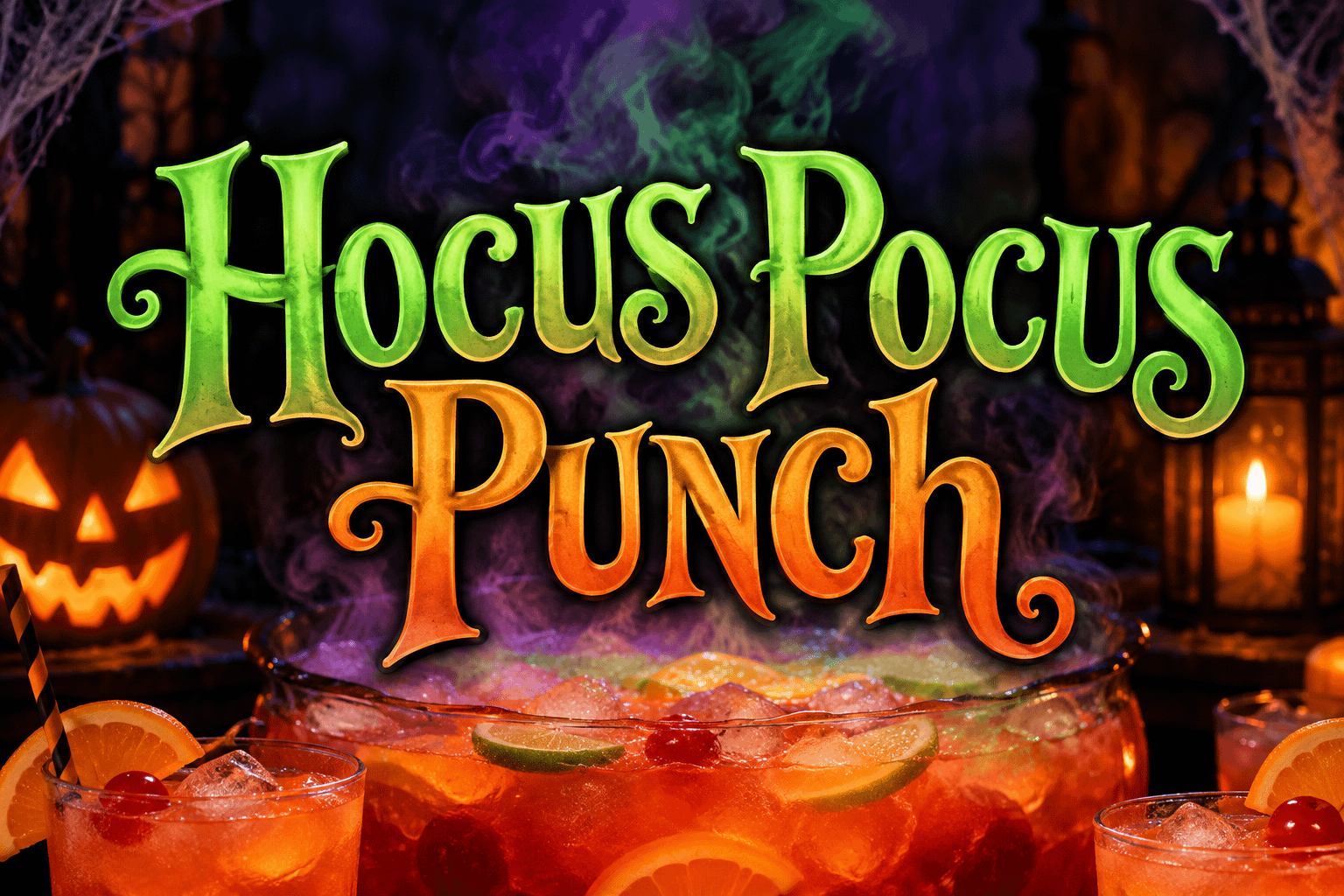
  • Mocktail of the Day: Hocus Pocus Punch

    Mocktail of the Day: Hocus Pocus Punch

    There is something about Halloween that brings out the kid in all of us. The decorations come out, pumpkins appear on porches, scary movies return to the television, and suddenly ordinary drinks deserve a little magic of their own.

    Today’s Mocktail of the Day is Hocus Pocus Punch, a colorful, fruity, fizzy drink created for Halloween parties, fall celebrations, family movie nights, or any occasion when you want something that looks like it came straight from a witch’s cauldron.

    Best of all, there is no alcohol required.

    Hocus Pocus Punch combines fruit juices, lime, and sparkling soda into a refreshing drink that is sweet, slightly tart, and wonderfully bubbly. Add a few Halloween garnishes and you can transform a simple punch into the centerpiece of your party.

    Whether you are serving children, adults who do not drink alcohol, designated drivers, or simply someone looking for a fun alternative, this is a mocktail everyone can enjoy.

    Hocus Pocus Punch

    Servings: 4–6
    Prep Time: About 10 minutes

    Ingredients

    • 2 cups pineapple juice
    • 2 cups orange juice
    • 1 cup cranberry juice
    • 2 tablespoons fresh lime juice
    • 2 cups lemon-lime soda or sparkling water
    • Ice
    • Orange slices for garnish
    • Lime slices for garnish
    • Maraschino cherries, optional
    • Gummy worms or other Halloween candy for decoration, optional

    How to Make Hocus Pocus Punch

    Fill a large pitcher or punch bowl about halfway with ice.

    Pour in the pineapple juice, orange juice, cranberry juice, and fresh lime juice. Stir everything together until the juices are completely combined.

    Just before serving, slowly pour in the lemon-lime soda.

    Give the punch one gentle stir. You do not want to stir too aggressively because you want to preserve as much carbonation as possible.

    Pour the punch into individual glasses filled with ice.

    Finish each glass with an orange or lime slice. For a more playful Halloween presentation, place a gummy worm over the rim of the glass.

    Then serve immediately and enjoy your magical creation.

    Why This Mocktail Works

    One of the best things about Hocus Pocus Punch is the balance between its flavors.

    Pineapple juice brings tropical sweetness, while orange juice provides a familiar citrus flavor. Cranberry juice contributes both tartness and a deeper reddish-orange color.

    Fresh lime juice keeps the drink from becoming overly sweet.

    Finally, lemon-lime soda provides the bubbles.

    The result is a punch that is refreshing enough to drink throughout an evening but still sweet and festive enough to feel like a Halloween treat.

    Turn It Into a Witch’s Cauldron

    Presentation can completely change the experience of a drink.

    Instead of serving Hocus Pocus Punch from an ordinary pitcher, pour it into a large black punch bowl or Halloween-style cauldron.

    Surround the serving area with plastic spiders, miniature pumpkins, battery-operated candles, fake cobwebs, or other Halloween decorations.

    You can even create handwritten labels such as:

    Witch’s Brew

    Hocus Pocus Potion

    Magic Elixir

    Cauldron Punch

    Sometimes the simplest decorations make the biggest difference.

    Make a Green Hocus Pocus Punch

    Want something that looks even more like a witch’s potion?

    Create a green variation.

    Replace the cranberry juice with additional pineapple juice and add a small amount of green food coloring. Start with only one or two drops, stir, and see how the color develops.

    A little food coloring goes a long way.

    You can also experiment with lime-flavored sparkling water or lemon-lime soda to reinforce the green theme.

    Serve the green punch in clear glasses so everyone can see its spooky color.

    Create a Purple Potion

    Purple is another perfect Halloween color.

    For a darker Hocus Pocus Punch, use grape juice as one of the primary ingredients.

    Try combining:

    • 2 cups grape juice
    • 2 cups cranberry juice
    • 1 cup pineapple juice
    • 2 tablespoons lime juice
    • 2 cups lemon-lime soda

    The combination creates a darker punch that looks especially dramatic when served in a black cauldron.

    Add lime wheels for a bright contrast.

    Give It a Spooky Garnish

    Halloween is one occasion when you can have a lot of fun with garnishes.

    Instead of stopping with an orange slice, decorate each glass with gummy worms, candy eyeballs, gummy spiders, cherries, orange wedges, lime wheels, or Halloween-themed drink picks.

    You could even freeze gummy candies inside ice cubes ahead of time.

    As the ice melts, the Halloween surprise slowly appears.

    If serving small children, choose garnishes appropriate for their age and avoid anything that could present a choking hazard.

    Try a Creepy Sugar Rim

    Another easy way to make Hocus Pocus Punch look special is to decorate the rim.

    Place a little lime juice on one plate and colored sugar on another.

    Dip the rim of the glass into the lime juice and then gently press it into the sugar.

    Purple, green, orange, or black decorating sugar works especially well for Halloween.

    Fill the decorated glass with ice before carefully pouring in your punch.

    You now have a drink that looks much more elaborate without requiring much additional work.

    Make It Less Sweet

    Not everyone enjoys an extremely sweet mocktail.

    Fortunately, Hocus Pocus Punch is easy to adjust.

    Instead of lemon-lime soda, use plain sparkling water.

    You can also use half sparkling water and half lemon-lime soda.

    Another option is to increase the fresh lime juice slightly.

    Taste the punch before serving and adjust it until you find the balance you prefer.

    That flexibility is one reason homemade mocktails are so enjoyable—you control the final flavor.

    Make It Ahead

    If you are preparing Hocus Pocus Punch for a party, you can do most of the work ahead of time.

    Combine the pineapple juice, orange juice, cranberry juice, and lime juice in a pitcher. Refrigerate the mixture until you are ready to serve.

    Prepare your garnishes separately.

    When your guests arrive, add ice and sparkling soda.

    Waiting until the end to add the carbonated ingredient helps keep the punch bubbly and refreshing.

    Make Individual Hocus Pocus Mocktails

    You do not need an entire punch bowl.

    For one serving, fill a tall glass with ice and combine approximately:

    • ⅓ cup pineapple juice
    • ⅓ cup orange juice
    • 2 tablespoons cranberry juice
    • 1 teaspoon lime juice
    • ⅓ cup lemon-lime soda

    Stir gently and garnish.

    The measurements do not have to be exact. Adjust the proportions according to your preferred sweetness and tartness.

    Perfect for a Hocus Pocus Movie Night

    This punch practically begs to be served during a Halloween movie marathon.

    Dim the lights, grab some blankets, prepare popcorn, set out Halloween candy, and pour everyone a Hocus Pocus Punch.

    You could create an entire snack table around the theme with caramel apples, popcorn balls, cookies, brownies, cupcakes, candy corn, pretzels, and pumpkin-shaped treats.

    The mocktail becomes part of the experience rather than simply another beverage.

    A Great Halloween Party Drink

    One challenge when hosting a party is finding drinks that appeal to many different people.

    A large punch solves that problem.

    Guests can serve themselves, the host does not have to prepare individual drinks all evening, and the recipe can easily be doubled or tripled for a larger gathering.

    For a big Halloween party, prepare several pitchers of the juice mixture in advance and keep them refrigerated.

    As the punch bowl gets low, refill it with another pitcher and fresh soda.

    Let Kids Create Their Own Potion

    If you are hosting a family Halloween party, turn mocktail making into an activity.

    Set up a small potion station with several juices and garnishes.

    You might include pineapple juice, orange juice, cranberry juice, grape juice, sparkling water, lemon-lime soda, lime wedges, orange slices, cherries, and Halloween candies.

    Let everyone create their own combination.

    Children can give their creations spooky names such as Monster Juice, Zombie Punch, Witch’s Potion, Vampire Brew, or Ghostly Fizz.

    The activity can become just as memorable as the drink itself.

    The Fun of Alcohol-Free Drinks

    Mocktails have become much more than simply leaving alcohol out of a cocktail.

    A good mocktail should feel like its own drink.

    It should have interesting flavors, an attractive presentation, and something that makes drinking it feel special.

    Hocus Pocus Punch accomplishes exactly that.

    It is colorful.

    It is bubbly.

    It is easy to customize.

    And most importantly, it gives everyone at the gathering something festive to enjoy.

    Nobody should feel as though their alcohol-free option was an afterthought.

    Final Sip

    Halloween is about imagination, and Hocus Pocus Punch gives you plenty of room to use yours.

    Keep the recipe simple for a family dinner, decorate every glass for a Halloween party, turn it green for a witch’s potion, make it purple for something mysterious, or build an entire mocktail station where guests create their own magical concoctions.

    There really is no single correct way to make it.

    Just combine something fruity, something tart, plenty of bubbles, and a little Halloween creativity.

    Then raise your glass and say the magic words:

    Hocus Pocus!

    Your Halloween punch is ready.

    What spooky garnish would you put on your Hocus Pocus Punch?

  • Shot of the Day: Disaster Cure

    Shot of the Day: Disaster Cure

    Some nights go exactly according to plan. Other nights are a complete disaster.

    Your plans fall apart. The food gets burned. Someone shows up late. Your favorite team loses. The party gets chaotic. You spill something on your shirt five minutes after arriving. By the end of the evening, all you can do is laugh and say, “Well, that was a disaster.”

    That is exactly the kind of night that inspired today’s Shot of the Day: Disaster Cure.

    Despite the dramatic name, this shot cannot actually cure life’s disasters. What it can do is give you a fun, sweet-and-tart drink to serve when you’re relaxing with friends and laughing about everything that went wrong.

    The Disaster Cure combines vodka, peach schnapps, cranberry juice, and a splash of lemon-lime soda for a colorful little shot that’s fruity, refreshing, and easy to make.

    The Disaster Cure Shot

    Ingredients

    • ½ ounce vodka
    • ½ ounce peach schnapps
    • ½ ounce cranberry juice
    • Small splash of lemon-lime soda
    • Ice
    • Optional: lime wedge or cherry for garnish

    How to Make It

    Fill a cocktail shaker with ice.

    Pour in the vodka, peach schnapps, and cranberry juice.

    Shake for about 10 seconds until everything is thoroughly chilled.

    Strain the mixture into a shot glass.

    Add a very small splash of lemon-lime soda over the top.

    If you want to dress it up, garnish the glass with a tiny lime wedge or serve it alongside a cherry.

    Then enjoy responsibly.

    What Does a Disaster Cure Taste Like?

    The Disaster Cure is designed to be approachable rather than overwhelmingly strong.

    Vodka provides the alcoholic base without contributing too much additional flavor. Peach schnapps brings sweetness and a noticeable peach character, while cranberry juice adds tartness and fruitiness.

    The final splash of lemon-lime soda gives the shot a little carbonation and citrus sweetness.

    The result is a drink that starts sweet and fruity before finishing with a slightly tart cranberry bite.

    If you enjoy fruity shots rather than straight liquor, this one is especially easy to appreciate.

    Why Call It the Disaster Cure?

    Sometimes the best drink names tell a story before you even take the first sip.

    “Disaster Cure” sounds like something you order after announcing:

    “You are not going to believe the day I just had.”

    Of course, alcohol doesn’t solve problems, and it shouldn’t be treated as a way to cope with serious stress or emotional pain. The name is simply meant to capture that humorous moment when a group of friends gets together after a chaotic day and laughs about how spectacularly everything went wrong.

    The real “cure” might actually be the conversation.

    It might be sitting around a table with people you care about.

    It might be realizing that the disaster you were furious about three hours ago has already become a funny story.

    The shot just gives the evening a memorable name.

    Make a Disaster Cure for a Party

    This recipe is easy to multiply when you’re entertaining.

    For six shots, combine:

    • 3 ounces vodka
    • 3 ounces peach schnapps
    • 3 ounces cranberry juice

    Shake everything with plenty of ice and divide it among six shot glasses.

    Add a small splash of lemon-lime soda to each glass immediately before serving.

    For larger gatherings, you can prepare the vodka, peach schnapps, and cranberry mixture ahead of time and keep it refrigerated. Wait until serving to add the soda so it stays carbonated.

    Just remember that sweet, fruity drinks can make the alcohol less noticeable. Measure each serving instead of continually topping off glasses.

    Give It a Sour Twist

    Want the Disaster Cure to have more bite?

    Replace the lemon-lime soda with a small amount of fresh lemon or lime juice.

    The citrus cuts through the sweetness of the peach schnapps and produces a noticeably sharper drink.

    Another option is using equal parts cranberry juice and lime juice. You’ll get a much tarter shot with less sweetness.

    Make It Sweeter

    If you’re serving people who prefer sweeter shots, there are several simple adjustments.

    Use cranberry juice cocktail instead of unsweetened cranberry juice. You can also increase the peach schnapps slightly while reducing the vodka.

    A splash of pineapple juice is another interesting addition.

    Peach, cranberry, and pineapple work surprisingly well together and create a tropical variation of the original Disaster Cure.

    Turn It Into a Cocktail

    Not everything needs to be served as a shot.

    The Disaster Cure can easily become a full-sized cocktail.

    Fill a rocks or highball glass with ice. Add:

    • 1½ ounces vodka
    • 1 ounce peach schnapps
    • 2 ounces cranberry juice
    • 2 ounces lemon-lime soda

    Stir gently and garnish with a lime wedge.

    The additional juice and soda create a lighter, slower-sipping version while maintaining the same basic flavor profile.

    Make a Non-Alcoholic Disaster Cure

    You can also create a zero-proof version so everyone has something fun to drink.

    Combine:

    • 1 ounce peach nectar
    • 1 ounce cranberry juice
    • ½ ounce fresh lime juice
    • 1 ounce lemon-lime soda

    Shake the peach nectar, cranberry juice, and lime juice with ice. Strain into a small glass and finish with soda.

    You still get the peach, cranberry, and citrus combination without the alcohol.

    For parties, offering both versions is an easy way to make the drink more inclusive.

    When to Serve the Disaster Cure

    The playful name makes this shot perfect for casual gatherings where creative drinks are part of the entertainment.

    Serve it at game nights, backyard parties, birthday celebrations, holiday gatherings, watch parties, or a night with friends.

    You could even create an entire drink menu around ridiculous situations.

    The Disaster Cure can be the drink reserved for the moment something inevitably goes wrong.

    Someone burns dinner?

    Disaster Cure.

    The television stops working five minutes before the game?

    Disaster Cure.

    The decorations fall off the wall?

    Definitely a Disaster Cure moment.

    Sometimes the imperfect parties are the ones everyone remembers.

    A Shot With a Sense of Humor

    Cocktails and shots don’t always need complicated histories or elaborate ingredients.

    Sometimes you simply want something that tastes good and has a name people will remember.

    The Disaster Cure delivers exactly that.

    Vodka keeps things simple. Peach schnapps provides sweetness. Cranberry adds tartness and color. Lemon-lime soda brings the refreshing finish.

    Four straightforward ingredients become a fun little party shot with plenty of personality.

    More importantly, the name reminds us of something that extends beyond the drink itself.

    Life doesn’t always cooperate with our plans.

    Sometimes the dinner burns.

    Sometimes the trip gets delayed.

    Sometimes the party becomes chaotic.

    Sometimes the entire day feels like one problem after another.

    When the problems aren’t serious, eventually you may reach the point where the only thing left to do is laugh about them.

    Gather your friends, tell the story, pour something everyone enjoys, and remember that today’s disaster might become tomorrow’s favorite story.

    What is the funniest harmless “disaster” you’ve ever experienced that you can laugh about now?

    Please enjoy alcoholic beverages responsibly. Never drink and drive, and only consume alcohol if you are of legal drinking age where you live.

  • Cocktail of the Day: Apple Cider Irish Mule

    Cocktail of the Day: Apple Cider Irish Mule

    When crisp air, changing leaves, and cozy evenings start calling your name, few flavors capture the feeling of the season quite like apple cider. Add smooth Irish whiskey, spicy ginger beer, and a splash of fresh lime, and you have a refreshing fall cocktail that is both comforting and surprisingly lively.

    Today’s Cocktail of the Day is the Apple Cider Irish Mule, a seasonal twist on the classic mule that combines the warmth of Irish whiskey with sweet apple cider and the unmistakable bite of ginger beer.

    It is simple enough to make at home but impressive enough to serve at a fall gathering, Halloween party, Thanksgiving celebration, football watch party, or relaxing evening around the fire.

    What Is an Apple Cider Irish Mule?

    The Apple Cider Irish Mule takes inspiration from the traditional Moscow Mule but replaces vodka with Irish whiskey and introduces apple cider for an autumn-inspired flavor.

    The combination works beautifully.

    Irish whiskey brings smoothness and subtle notes of vanilla, grain, oak, and caramel depending on the whiskey you choose. Apple cider contributes sweetness, fruitiness, and warm seasonal character. Ginger beer provides a spicy kick and carbonation, while lime juice adds enough acidity to keep the drink bright and balanced.

    The result is a cocktail that tastes unmistakably like fall without becoming overly sweet or heavy.

    Apple Cider Irish Mule Recipe

    Ingredients

    • 2 ounces Irish whiskey
    • 2 ounces apple cider
    • 1/2 ounce fresh lime juice
    • 3–4 ounces ginger beer
    • Ice
    • Apple slices for garnish
    • Lime wedge for garnish
    • Cinnamon stick for garnish, optional

    Instructions

    Fill a copper mug or cocktail glass generously with ice.

    Pour the Irish whiskey over the ice, followed by the apple cider and freshly squeezed lime juice.

    Top everything with chilled ginger beer.

    Give the cocktail a gentle stir to combine the ingredients without removing too much carbonation from the ginger beer.

    Garnish with a thin apple slice and lime wedge. For an extra touch of fall, add a cinnamon stick.

    Serve immediately and enjoy.

    Why Irish Whiskey Works So Well

    Changing the spirit can completely transform a mule.

    Vodka generally provides a neutral foundation, allowing ginger beer and lime to dominate. Irish whiskey brings considerably more personality.

    Its smooth character complements apples particularly well. Depending on the bottle, you may notice hints of vanilla, caramel, honey, spice, fruit, toasted grain, or oak.

    Those flavors naturally fit alongside apple cider.

    At the same time, Irish whiskey typically doesn’t overpower the ginger beer. Instead, you get several layers of flavor: apple first, warming whiskey underneath, spicy ginger cutting through the sweetness, and lime finishing everything with brightness.

    Choosing the Apple Cider

    Apple cider is one of the stars of this drink, so choosing a good one can make a noticeable difference.

    Look for a fresh, flavorful nonalcoholic apple cider rather than ordinary filtered apple juice. Traditional cider usually has a richer apple flavor and may contain some natural sediment.

    Give the container a gentle shake before pouring if recommended on the label.

    If your cider is especially sweet, increase the lime juice slightly or use a particularly spicy ginger beer. If your cider is tart, you might prefer a milder ginger beer.

    The goal isn’t perfect measurements as much as finding the balance you enjoy.

    Don’t Forget the Ginger Beer

    Ginger beer gives a mule its signature personality.

    Although ginger ale can technically be substituted, the finished cocktail won’t have quite the same character. Ginger beer generally delivers a stronger ginger flavor and sharper spicy finish.

    Pour it into the drink last and stir gently.

    You want to preserve those bubbles.

    The carbonation keeps what could otherwise become a fairly rich combination of whiskey and cider feeling refreshing.

    The Copper Mug Experience

    Do you absolutely need a copper mug?

    No.

    The Apple Cider Irish Mule tastes great from a rocks glass, highball glass, or whatever cocktail glass you have available.

    But there is something enjoyable about serving a mule in the traditional copper mug. It becomes extremely cold in your hand and gives the drink its recognizable presentation.

    If you’re entertaining guests, copper mugs filled with ice, cider, ginger beer, apple slices, and cinnamon sticks also create an instantly seasonal presentation.

    Give It a Cinnamon Twist

    Cinnamon and apples are natural partners.

    For a stronger fall flavor, lightly dust the apple garnish with ground cinnamon or place a cinnamon stick inside the drink.

    You can also create a cinnamon-sugar rim.

    Mix a little granulated sugar with ground cinnamon. Run a lime wedge around the rim of your glass, then gently dip the rim into the cinnamon-sugar mixture before preparing the cocktail.

    Just don’t overdo the cinnamon. The goal is to complement the whiskey, cider, and ginger rather than cover them.

    Make It a Little Spicier

    Want more kick?

    Choose a bold ginger beer and add a thin slice of fresh ginger.

    You can also muddle a small piece of ginger with the lime juice before adding the remaining ingredients.

    For another variation, add a very small pinch of ground cinnamon or nutmeg.

    Apple, ginger, whiskey, cinnamon, and nutmeg can create an incredibly aromatic fall cocktail when used in balance.

    Make It Less Sweet

    One advantage of making cocktails at home is having complete control over the flavor.

    If the Apple Cider Irish Mule tastes too sweet, reduce the cider slightly and add more ginger beer or fresh lime juice.

    For example, try:

    2 ounces Irish whiskey, 1 1/2 ounces apple cider, 3–4 ounces ginger beer, and 3/4 ounce fresh lime juice.

    Small adjustments can dramatically change the finished drink.

    Make It More Apple-Forward

    If you’re here specifically because you love apple cider, go in the opposite direction.

    Increase the cider to approximately 3 ounces while keeping the whiskey at 2 ounces.

    You could also garnish the drink with several thin apple slices instead of one.

    Just remember that additional cider adds sweetness, so an extra squeeze of lime can help maintain balance.

    A Great Cocktail for Fall Entertaining

    The Apple Cider Irish Mule fits naturally into autumn entertaining.

    Imagine a table filled with hearty appetizers, baked dishes, caramel desserts, apple treats, and several copper mugs packed with ice and garnished with bright apple slices.

    It works especially well for casual gatherings because you don’t need complicated bartending techniques.

    There is no shaker required.

    No elaborate syrup needs to be prepared.

    There aren’t ten different bottles involved.

    You simply build the cocktail over ice, stir, garnish, and serve.

    That makes it practical when you’re preparing several drinks for guests.

    Apple Cider Irish Mule Pitcher

    For a gathering, you can prepare most of the cocktail ahead of time.

    For approximately six servings, combine:

    • 12 ounces Irish whiskey
    • 12 ounces apple cider
    • 3 ounces fresh lime juice

    Keep the mixture refrigerated until you’re ready to serve.

    Fill individual mugs with ice and divide the mixture among them. Top each drink with fresh ginger beer immediately before serving.

    Adding the ginger beer at the last minute is important because you don’t want it sitting in the pitcher and losing its carbonation.

    Garnish each mug with apple and lime.

    Perfect Foods to Serve Alongside It

    Because this cocktail combines sweetness, acidity, spice, and whiskey, it works alongside many different foods.

    Try it with sharp cheddar and crackers, smoked meats, sausage bites, roasted nuts, pretzels, sliders, barbecue, chicken wings, pulled pork, baked brie, or a fall-inspired charcuterie board.

    It can also complement desserts featuring apples, caramel, cinnamon, pecans, or vanilla.

    Apple crisp alongside an Apple Cider Irish Mule can make an especially fitting autumn combination.

    Turn It Into a Mocktail

    The basic flavor combination also works without alcohol.

    Leave out the Irish whiskey and combine apple cider, fresh lime juice, and ginger beer over plenty of ice.

    For additional complexity, add a splash of sparkling water or a small amount of strongly brewed chilled black tea.

    Garnish exactly as you would the cocktail.

    You’ll still have the combination of sweet apple, spicy ginger, refreshing carbonation, and tart lime.

    A Cocktail That Feels Like Fall

    Some cocktails are made for hot summer afternoons. Others belong beside a fireplace when the temperature begins dropping.

    The Apple Cider Irish Mule definitely belongs to the second group.

    It takes familiar fall flavors and gives them a refreshing edge.

    The cider brings the orchard. The Irish whiskey provides warmth and depth. Ginger beer delivers spice and bubbles. Fresh lime cuts through everything with just enough tartness.

    Add a crisp apple slice and cinnamon stick, and you have a drink that looks every bit as inviting as it tastes.

    Best of all, you don’t need professional bartending equipment or difficult ingredients to make one.

    Just fill the mug with ice, pour, stir, garnish, and enjoy.

    Whether you’re celebrating the arrival of fall, hosting friends for dinner, watching football on a cool afternoon, or simply relaxing at home after a long day, the Apple Cider Irish Mule offers an easy way to put a seasonal spin on a classic cocktail.

    Would you enjoy your Apple Cider Irish Mule with extra ginger spice, extra apple cider, or a cinnamon-sugar rim?

    Enjoy responsibly. For adults of legal drinking age only.