
California street tacos have become a favorite among taco lovers because of their fresh ingredients, bold flavors, simple preparation, and strong connection to Mexican food traditions. From the bustling taco stands of Los Angeles to the neighborhood taquerias of San Diego and the Bay Area, these small but flavorful tacos represent an important part of California’s food culture.
But what exactly makes California street tacos different from regular tacos?
The biggest differences come down to tortilla size, ingredients, toppings, cooking methods, and the cultural influences behind each taco. California street tacos typically feature small corn tortillas, freshly grilled or slow-cooked meats, chopped onions, cilantro, salsa, and a squeeze of lime. Many American-style tacos, by comparison, feature larger tortillas, seasoned ground beef, shredded lettuce, cheese, tomatoes, and sour cream.
However, California street tacos are not an entirely separate invention. They are largely rooted in traditional Mexican street tacos, with regional influences that reflect California’s diverse communities.
Understanding these differences can help you appreciate what makes California street tacos special and recreate authentic taqueria-style flavors at home.
What Are California Street Tacos?
California street tacos are small, Mexican-style tacos commonly served at taco trucks, roadside stands, restaurants, and neighborhood taquerias throughout California.
They generally emphasize fresh ingredients, flavorful meat, and simple toppings rather than oversized portions or complicated combinations.
A typical California street taco includes:
-
Small corn tortillas
-
Carne asada, al pastor, carnitas, pollo asado, or another protein
-
Freshly chopped white onions
-
Chopped cilantro
-
Red or green salsa
-
Fresh lime wedges
Some versions also include sliced radishes, grilled onions, avocado, or pickled vegetables.
The goal is to allow the main protein and fresh ingredients to shine without overwhelming the taco.
Unlike many American-style tacos, California street tacos usually do not rely on shredded cheese, lettuce, or sour cream.
Instead, they focus on a balance of savory meat, fresh herbs, acidity, and heat.
What Is the Difference Between California Street Tacos and Regular Tacos?
The term regular tacos can mean different things depending on where you live. In the United States, it often refers to American-style tacos made with ground beef, cheese, lettuce, and crunchy shells.
California street tacos generally follow a more traditional Mexican approach.
| Feature | California Street Tacos | Typical American-Style Tacos |
|---|---|---|
| Tortillas | Small corn tortillas | Hard shells or larger flour tortillas |
| Meat | Grilled, roasted, or slow-cooked meats | Often seasoned ground beef |
| Toppings | Onion, cilantro, salsa, lime | Lettuce, cheese, tomato, sour cream |
| Size | Small, often handheld | Usually larger |
| Flavor | Meat-forward, fresh, smoky, tangy | Often rich, cheesy, and heavily seasoned |
| Serving style | Often ordered several at a time | Often served as individual larger tacos |
Neither style is automatically better. They simply represent different approaches to preparing and enjoying tacos.
Traditional Mexican tacos also vary widely, so these comparisons are generalizations rather than strict rules.
1. California Street Tacos Usually Use Smaller Tortillas
One of the most recognizable features of California street tacos is their size.
Most street tacos use corn tortillas approximately 4 to 5 inches in diameter.
These smaller tortillas make the tacos easy to hold, fold, and eat while standing or walking.
Because they are smaller, customers often order several tacos with different meats rather than one oversized taco.
Some taco stands use two corn tortillas per taco, particularly when serving juicy meats.
Double tortillas help prevent tearing and make it easier to hold the fillings.
However, not every California street taco uses two tortillas. A properly warmed, sturdy corn tortilla can work just as well.
Larger American-style tacos commonly use 6-inch or larger tortillas, depending on the recipe.
Why the smaller size matters: It creates a more balanced ratio of tortilla, meat, salsa, and fresh toppings in every bite.
2. California Street Tacos Focus on Freshly Prepared Meat
The meat is often the centerpiece of a California street taco.
Instead of relying primarily on seasoned ground beef, California taquerias frequently offer several grilled, roasted, braised, or slow-cooked proteins.
Carne Asada
Carne asada is one of the most popular street taco fillings in Southern California.
It typically consists of grilled beef seasoned with salt, spices, citrus, or a marinade.
The beef is cooked over high heat to develop a flavorful exterior before being chopped into small pieces.
Carne asada tacos are especially popular in San Diego and Los Angeles.
Al Pastor
Al pastor features marinated pork traditionally cooked on a vertical spit called a trompo.
The meat develops a savory, slightly sweet, and smoky flavor from its chile-based marinade and cooking method.
Some versions are served with pineapple, chopped onions, and cilantro.
Carnitas
Carnitas are made from pork slowly cooked until tender.
The meat is often finished with crispy edges, creating a combination of juicy and crunchy textures.
Carnitas tacos are especially delicious with salsa verde, onions, cilantro, and lime.
Pollo Asado
Pollo asado consists of marinated grilled chicken.
The chicken may be seasoned with citrus, garlic, chile, and other spices.
It offers a lighter alternative to beef or pork while still delivering plenty of flavor.
Birria
Birria tacos have become increasingly popular throughout California.
They are commonly made with slow-cooked beef or goat seasoned with dried chiles and spices.
Some California taquerias serve crispy, cheese-filled birria tacos alongside consommé for dipping.
These are a distinct variation rather than the standard format for all California street tacos.
3. California Street Tacos Use Simple, Fresh Toppings
Another major difference is the toppings.
California street tacos usually feature fewer toppings than American-style tacos.
The most common combination is chopped white onion, fresh cilantro, salsa, and lime.
Each ingredient serves a purpose.
White onions provide a crisp texture and sharp flavor that balances rich meats.
Cilantro adds freshness and a bright herbal taste.
Salsa contributes heat, acidity, and additional flavor.
Lime juice cuts through the richness of grilled or slow-cooked meat.
Together, these ingredients complement the protein without covering it up.
American-style tacos often include shredded lettuce, cheddar cheese, diced tomatoes, and sour cream.
Those ingredients can be delicious, but they create a different flavor and texture.
California street tacos are generally designed to highlight the meat rather than the toppings.
4. Corn Tortillas Are More Common Than Flour Tortillas
Corn tortillas are central to many California street tacos.
They offer a slightly earthy corn flavor that pairs particularly well with grilled beef, pork, and chicken.
Corn tortillas also have deep roots in Mexican culinary traditions.
Flour tortillas are common in parts of northern Mexico and are widely used in California, particularly for burritos and some regional taco styles.
However, small corn tortillas remain the standard choice at many California street taco stands.
Why Are Corn Tortillas Preferred?
Corn tortillas offer several advantages:
-
Their flavor complements smoky and savory meats.
-
Their smaller size makes them convenient for street-style servings.
-
They can be warmed quickly on a griddle.
-
They provide a traditional foundation for many Mexican taco styles.
For the best results, corn tortillas should be warmed before serving.
Cold tortillas are more likely to crack, while properly heated tortillas become soft and flexible.
A hot skillet or griddle can bring out their natural corn flavor.
5. California Street Tacos Reflect Regional Mexican Influences
California’s taco culture developed through generations of Mexican immigration, family traditions, neighborhood restaurants, and regional food influences.
Many of the tacos commonly associated with California originated in Mexico.
California taquerias have preserved and adapted these traditions while introducing additional regional combinations.
Southern California is particularly influenced by Baja California and northern Mexican food traditions.
Los Angeles is known for its diverse taco culture, including al pastor, carne asada, carnitas, and many other regional specialties.
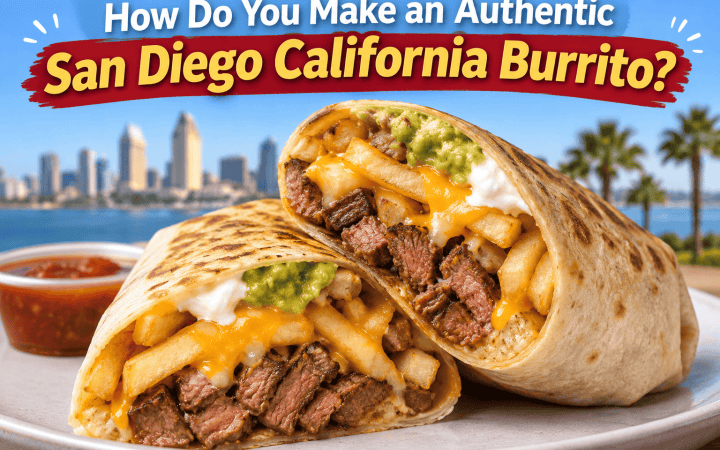
San Diego is famous for carne asada, fish tacos, and California burritos.
The San Francisco Bay Area has a long-established taqueria culture featuring grilled meats, carnitas, salsa, and freshly prepared tortillas.
These regional differences help explain why there is no single recipe that defines every California street taco.
6. California Street Tacos Often Have a Smoky, Grilled Flavor
One reason California street tacos taste so good is the cooking process.
Many taco stands prepare meat on flat-top grills, open-flame grills, or other high-heat cooking surfaces.
High heat helps create browning on the outside of the meat.
This browning develops complex savory flavors through the Maillard reaction.
Carne asada, in particular, benefits from a hot grill that produces charred edges while keeping the interior tender.
Freshly cooked meat also contributes to the appeal of street tacos.
When combined with warm tortillas, fresh onions, cilantro, and salsa, the result is a taco with contrasting temperatures, textures, and flavors.
Not all street taco meats are grilled, however. Carnitas, birria, and other fillings rely on different cooking techniques.
The common thread is careful preparation and flavorful protein.
7. California Street Tacos Are Usually Served Without Cheese
Many people associate tacos with shredded cheddar cheese.
However, traditional-style California street tacos frequently skip cheese entirely.
This allows the flavor of the meat, tortilla, and salsa to remain the focus.
Cheese is not forbidden in California tacos.
Some regional and modern variations include melted cheese, especially quesabirria tacos and tacos prepared with crispy cheese edges.
But if you order a classic carne asada street taco from a traditional-style taqueria, you will often receive meat, onions, cilantro, and salsa without shredded cheese.
That simplicity is part of the appeal.
8. Salsa Plays a Bigger Role in California Street Tacos
Salsa is more than an optional topping at many California taco stands.
It is an important part of the overall flavor.
Different salsas complement different meats.
Salsa Roja
A red salsa commonly made with tomatoes or tomatillos, dried or fresh red chiles, garlic, and seasonings.
It can range from mild to extremely spicy.
Salsa roja pairs particularly well with carne asada and carnitas.
Salsa Verde
A green salsa often made with tomatillos, green chiles, cilantro, and lime.
Its bright acidity works especially well with pork and chicken.
Avocado Salsa
A creamy green salsa made with avocado, chiles, lime, and other ingredients.
It adds richness while maintaining a fresh flavor.
Roasted Chile Salsa
Roasted peppers, tomatoes, or tomatillos create a smoky flavor that complements grilled meats.
Many California taquerias offer multiple salsa options, allowing customers to customize their tacos.
The salsa can significantly change the flavor of the finished taco.
9. California Street Tacos Are Designed to Be Eaten Fresh
Freshness is an important part of the street taco experience.
Street tacos taste best when the tortillas are warm, the meat is freshly prepared, and the toppings are added immediately before eating.
Allowing assembled tacos to sit too long can cause the tortillas to become soggy.
Fresh lime juice and salsa can also soften the tortillas over time.
For that reason, taco stands often assemble tacos shortly before serving.
If you are making street tacos at home, prepare the toppings and salsa ahead of time but wait until serving to assemble the tacos.
This helps preserve the best texture and flavor.
10. California Street Tacos Are Often Sold Individually
Unlike many restaurant taco plates that come with rice and beans, street tacos are frequently sold individually.
Customers can order two, three, four, or more tacos depending on their appetite.
This makes it easy to sample different meats and salsas.
For example, someone might order:
-
One carne asada taco
-
One al pastor taco
-
One carnitas taco
-
One pollo asado taco
This variety is part of what makes visiting California taco trucks and taquerias enjoyable.
Of course, many restaurants also offer taco combination plates with rice, beans, and other sides.
How Do You Make Authentic-Style California Street Tacos at Home?
Making California-style street tacos at home is easier than you might think.
The key is using quality ingredients, properly seasoned meat, warm corn tortillas, and fresh toppings.
Easy California Carne Asada Street Tacos Recipe
Prep time: 20 minutes | Marinating time: 30 minutes to 4 hours | Cook time: 10–15 minutes | Servings: 4 (approximately 12 small tacos)
Ingredients
For the carne asada:
-
1½ pounds flank steak or skirt steak
-
3 tablespoons fresh lime juice
-
2 tablespoons orange juice
-
2 tablespoons olive oil
-
3 cloves garlic, minced
-
1 teaspoon ground cumin
-
1 teaspoon chili powder
-
1 teaspoon kosher salt
-
½ teaspoon black pepper
For the tacos:
-
12 small corn tortillas
-
½ cup finely chopped white onion
-
½ cup chopped fresh cilantro
-
2 fresh limes, cut into wedges
-
½ cup salsa roja or salsa verde
-
Optional sliced radishes and grilled jalapeños
Instructions
Step 1: Prepare the marinade.
In a bowl, combine lime juice, orange juice, olive oil, garlic, cumin, chili powder, salt, and black pepper.
Mix until combined.
Step 2: Marinate the steak.
Place the steak in a shallow dish or resealable food-safe bag.
Pour the marinade over the meat and refrigerate for 30 minutes to 4 hours.
Avoid excessively long marinating times because the citrus can affect the texture of the meat.
Step 3: Preheat the grill.
Heat an outdoor grill or heavy skillet over medium-high to high heat.
Lightly oil the cooking surface if necessary.
Step 4: Cook the carne asada.
Remove the steak from the marinade and discard the used marinade.
Grill the steak for approximately 3 to 6 minutes per side, depending on thickness and desired doneness.
For food safety, USDA guidance recommends cooking whole cuts of beef to 145°F followed by a three-minute rest.
Step 5: Rest and chop the meat.
Allow the steak to rest before slicing.
Cut it against the grain into thin strips, then chop into small taco-sized pieces.
Step 6: Warm the tortillas.
Heat the corn tortillas in a dry skillet for approximately 20 to 30 seconds per side, or until warm and flexible.
Keep them wrapped in a clean towel until serving.
Step 7: Assemble the tacos.
Place a small portion of carne asada on each tortilla.
Top with chopped white onion, cilantro, and your favorite salsa.
Step 8: Serve immediately.
Add a squeeze of fresh lime juice and serve while warm.
For an authentic-style presentation, offer extra lime wedges, salsa, radishes, and grilled peppers on the side.
What Is the Secret to Making California Street Tacos Taste Like a Taco Truck?
The secret is not one particular seasoning or ingredient.
It is the combination of preparation techniques and fresh ingredients.
Use the Right Cut of Meat
Skirt steak and flank steak are excellent choices for carne asada because they develop flavorful browning and slice well against the grain.
Cook Over High Heat
A hot cooking surface creates the browned exterior associated with grilled street taco meats.
Avoid overcrowding the skillet, which can cause the meat to steam instead of sear.
Chop the Meat Into Small Pieces
Street taco meat is often chopped into bite-sized pieces so that each taco contains a balanced amount of protein.
Warm the Tortillas Properly
Warm tortillas taste better and are less likely to break.
Keep the Toppings Simple
Use fresh onions, cilantro, lime, and salsa rather than adding too many ingredients.
Serve Immediately
Street tacos are best enjoyed while the meat and tortillas are still warm.
These simple techniques can make homemade tacos taste much closer to those served at a neighborhood taqueria.
Are California Street Tacos the Same as Mexican Street Tacos?
California street tacos and Mexican street tacos share many similarities because California’s taco traditions are deeply connected to Mexican cuisine.
Both commonly feature small corn tortillas, flavorful meats, fresh onions, cilantro, salsa, and lime.
However, Mexican street tacos vary considerably by region.
Different areas of Mexico specialize in different meats, cooking methods, tortillas, and toppings.
California’s taco culture reflects many of these traditions, particularly those brought by Mexican communities from different regions.
California also has its own regional preferences and modern variations.
For example, San Diego’s strong connection to Baja California influences its fish taco culture, while Los Angeles has a wide variety of tacos associated with different Mexican regional traditions.
The most accurate way to describe California street tacos is as Mexican-rooted street tacos served within California’s distinctive food culture.
Are California Street Tacos Healthier Than Regular Tacos?
California street tacos can be a relatively balanced option, depending on the ingredients and portion sizes.
Small corn tortillas, grilled meat, onions, cilantro, and salsa can provide protein and flavor without requiring large amounts of cheese or creamy toppings.
However, the nutritional value depends on several factors.
These include the type of meat, cooking fat, tortilla size, sauces, and number of tacos eaten.
A grilled chicken street taco may contain less saturated fat than a taco made with a fatty cut of beef or pork.
Likewise, a taco topped with cheese and creamy sauces may contain more calories than a simpler version.
Corn tortillas are often smaller than flour tortillas, but portion size still matters.
California street tacos are not automatically healthier than every other taco style.
Choosing lean proteins, vegetables, moderate portions, and fresh salsa can make them part of a balanced meal.
What Are the Best Side Dishes for California Street Tacos?
Although street tacos can be enjoyed on their own, several side dishes pair well with them.
Mexican rice is a classic choice that complements grilled meats and spicy salsa.
Refried beans or whole pinto beans add protein and fiber.
Grilled street corn, commonly called elote, provides a sweet and savory contrast.
Other excellent side dishes include fresh guacamole, pickled red onions, grilled peppers, cucumber slices, and radishes.
For a lighter meal, serve tacos with a simple cabbage salad or fresh vegetables.
These sides help create a satisfying California-inspired taco dinner.
Frequently Asked Questions About California Street Tacos
Why Do California Street Tacos Have Two Tortillas?
Some street taco vendors use two corn tortillas to prevent tearing and help support juicy fillings. However, double tortillas are not required, and many taquerias serve tacos with just one.
What Kind of Meat Is Most Popular in California Street Tacos?
Carne asada, al pastor, carnitas, and pollo asado are among the most recognizable fillings. Popularity varies by region and taqueria.
Do California Street Tacos Have Cheese?
Traditional-style California street tacos often do not include cheese. However, modern variations such as quesabirria tacos frequently use melted cheese.
Are California Street Tacos Spicy?
They can be, but the level of heat usually depends on the marinade and salsa. Many tacos are mild until spicy salsa is added.
What Size Tortillas Are Used for California Street Tacos?
Most use small corn tortillas approximately 4 to 5 inches in diameter, although sizes vary by restaurant and recipe.
Can You Make California Street Tacos With Flour Tortillas?
Yes. Although corn tortillas are more traditional for many street taco styles, flour tortillas can also be used according to personal preference.
What Is the Difference Between California Street Tacos and Tex-Mex Tacos?
California street tacos commonly emphasize Mexican-style grilled or slow-cooked meats, corn tortillas, onion, cilantro, and salsa. American Tex-Mex tacos often feature seasoned ground beef, cheese, lettuce, and flour tortillas or crunchy shells. Both traditions include many variations.
Why Are California Street Tacos So Small?
Their small size makes them convenient to eat by hand and allows customers to order several different tacos in one meal.
Final Thoughts: What Makes California Street Tacos Special?
California street tacos stand out because of their simplicity, fresh ingredients, flavorful meats, and connection to Mexican culinary traditions.
While many American-style tacos feature larger tortillas, seasoned ground beef, shredded cheese, lettuce, and sour cream, California street tacos generally focus on small corn tortillas, grilled or slow-cooked meats, onions, cilantro, salsa, and lime.
Their appeal comes from the balance of flavors rather than the number of toppings.
The smoky richness of carne asada, the freshness of cilantro, the sharpness of onion, and the acidity of lime combine to create something delicious without unnecessary complexity.
From Los Angeles taco trucks to San Diego taquerias and Bay Area neighborhood restaurants, California street tacos represent a rich and diverse food tradition.
The biggest difference between California street tacos and typical American-style tacos is that California street tacos let the meat, tortilla, salsa, and fresh toppings do the talking.
And sometimes, the simplest tacos are the most memorable.

Leave a Reply