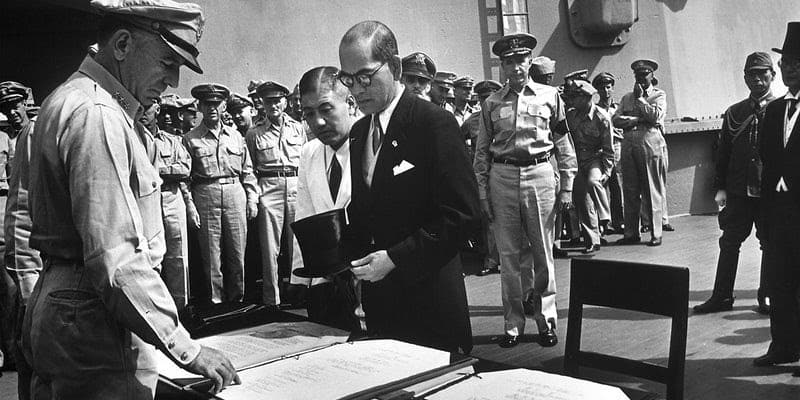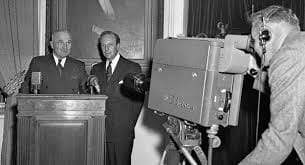
On September 4, 1951, President Harry S. Truman made history by delivering the first transcontinental television broadcast in the United States. Speaking from the Japanese Peace Treaty Conference in San Francisco, Truman’s address marked a turning point in both communications technology and political outreach, showcasing the growing power of television as a medium to connect leaders with citizens across the nation.
A Technological Milestone
The broadcast was made possible through the completion of the first coast-to-coast microwave relay system, a network of relay towers that could transmit live television signals across thousands of miles. Before this innovation, television programming was limited to regional audiences. The new system allowed the entire country to simultaneously witness live events, fundamentally transforming how information and entertainment were shared.
For the first time, Americans from New York to California could see and hear their president in real time, reinforcing the idea of a truly united nation in an era when television ownership was rapidly expanding. By 1951, more than 10 million U.S. households had televisions—a number that would only grow in the decade to come.
Truman’s Message
In his historic address, President Truman focused on peace and international cooperation. Speaking during the signing of the Treaty of San Francisco, which formally ended World War II hostilities between Japan and the Allied Powers, Truman emphasized America’s commitment to rebuilding nations and ensuring stability in the postwar world. His words were not just directed at the diplomats in San Francisco but at millions of citizens watching from their living rooms.
The broadcast demonstrated the growing role of television in politics. Just a few years earlier, presidents relied primarily on radio to reach the American public. Now, television was providing not only sound but also visuals—giving the American people the opportunity to see their leaders as well as hear them.
A Legacy of Communication
Truman’s broadcast opened the door for the modern age of political communication. Within a decade, televised presidential debates, press conferences, and national addresses would become standard. The milestone also underscored television’s growing influence in shaping public opinion, informing citizens, and bringing the nation together during pivotal moments in history.
Today, President Truman’s 1951 address stands as a reminder of how technological breakthroughs can change the way leaders engage with the people—and how television helped usher in a new era of instant, nationwide connection.
Read More Holidays & National Days