Author: Brett Murphy

  • National Childhood Obesity Awareness Month: Building Healthier Futures

    National Childhood Obesity Awareness Month: Building Healthier Futures

    Each September, the nation recognizes National Childhood Obesity Awareness Month, a time dedicated to shedding light on the growing health challenge of childhood obesity and encouraging families, schools, and communities to take action toward healthier lifestyles. Childhood obesity affects millions of children and adolescents in the United States and increases the risk of long-term health conditions such as diabetes, heart disease, and high blood pressure.

    Why Childhood Obesity Awareness Matters

    Childhood is a critical time for developing healthy habits. When children struggle with obesity, it impacts not only their physical health but also their emotional well-being and self-esteem. National Childhood Obesity Awareness Month brings attention to these issues while empowering families and communities with tools and resources to help children thrive.

    Understanding the Causes

    Childhood obesity is influenced by many factors, including:

    Dietary habits: High consumption of sugary drinks, fast food, and processed snacks.

    Physical inactivity: More time spent on screens and less time engaging in physical play.

    Environmental factors: Limited access to healthy foods or safe spaces for exercise.

    Genetics and family history: Biological predispositions can play a role, but lifestyle choices remain key.

    Steps Toward Prevention

    The good news is that childhood obesity is preventable. Families, schools, and communities can work together to build healthier environments. Some steps include:

    Encouraging daily physical activity—at least 60 minutes for children.

    Offering balanced meals and snacks rich in fruits, vegetables, whole grains, and lean proteins.

    Limiting screen time and promoting outdoor play.

    Educating children about nutrition and healthy lifestyle choices.

    Supporting parents and caregivers with resources to create positive habits at home.

    The Role of Schools and Communities

    Schools and local organizations play a vital role in shaping healthy habits. From providing nutritious school meals to incorporating physical activity into the daily routine, these efforts help children learn the value of wellness. Community programs and after-school activities also give families additional support and opportunities for healthy living.

    Building a Healthier Tomorrow

    National Childhood Obesity Awareness Month is not about blame—it’s about solutions, support, and collaboration. By encouraging healthy habits early in life, we can reduce the risk of chronic illness, boost confidence, and give children the opportunity to grow into strong, healthy adults.

    Together, families, educators, healthcare providers, and communities can take meaningful steps toward ending childhood obesity and building a brighter, healthier future for the next generation.

    Read More Holidays & National Days
  • National Recovery Month: Celebrating Hope, Healing, and Resilience

    National Recovery Month: Celebrating Hope, Healing, and Resilience

    Every September, communities across the United States observe National Recovery Month—a time dedicated to celebrating the strength of those in recovery from substance use and mental health disorders. Established in 1989, this national observance highlights the importance of treatment, support services, and community, while spreading the powerful message that recovery is possible.

    Why Recovery Month Matters

    Millions of individuals and families are affected by addiction and mental health challenges. While these struggles can be overwhelming, National Recovery Month shines a light on the reality that people do recover and go on to lead fulfilling, healthy, and meaningful lives.

    This observance seeks to:

    Honor individuals in recovery and their journeys.

    Recognize the professionals and organizations who provide care and support.

    Educate the public about effective treatment and recovery services.

    Reduce stigma by normalizing conversations around addiction and mental health.

    The Power of Recovery

    Recovery is not a single event, but a lifelong process. It looks different for every person, whether it involves therapy, peer support, medication-assisted treatment, faith, or a combination of resources. What unites all recovery stories is resilience, determination, and the courage to seek a healthier future.

    By sharing recovery stories, communities inspire hope for those who may be just beginning their journey or who are still struggling. Hearing that “you are not alone” can be a turning point for someone in need.

    How Communities Can Get Involved

    National Recovery Month encourages individuals, families, and organizations to participate in raising awareness and supporting those in recovery. Some ways to get involved include:

    Hosting or attending local recovery events, walks, or workshops.

    Sharing personal stories of recovery to inspire others.

    Promoting recovery resources on social media.

    Volunteering with local mental health or substance use organizations.

    Advocating for accessible and affordable treatment services.

    Support and Resources

    For anyone seeking help, support is always available. In the U.S., you can call the 988 Suicide & Crisis Lifeline or SAMHSA’s National Helpline at 1-800-662-HELP (4357), a free, confidential service that provides treatment referrals and information 24/7.

    A Month of Hope and Connection

    National Recovery Month is about more than awareness—it’s about hope, empowerment, and community. It celebrates the millions of Americans who are living proof that recovery is possible, while also reminding us that compassion, understanding, and support are vital in helping others begin their own journeys.

    When we come together to recognize recovery, we help break down barriers and build a culture where seeking help is seen as a sign of strength.

    Read More Holidays & National Days

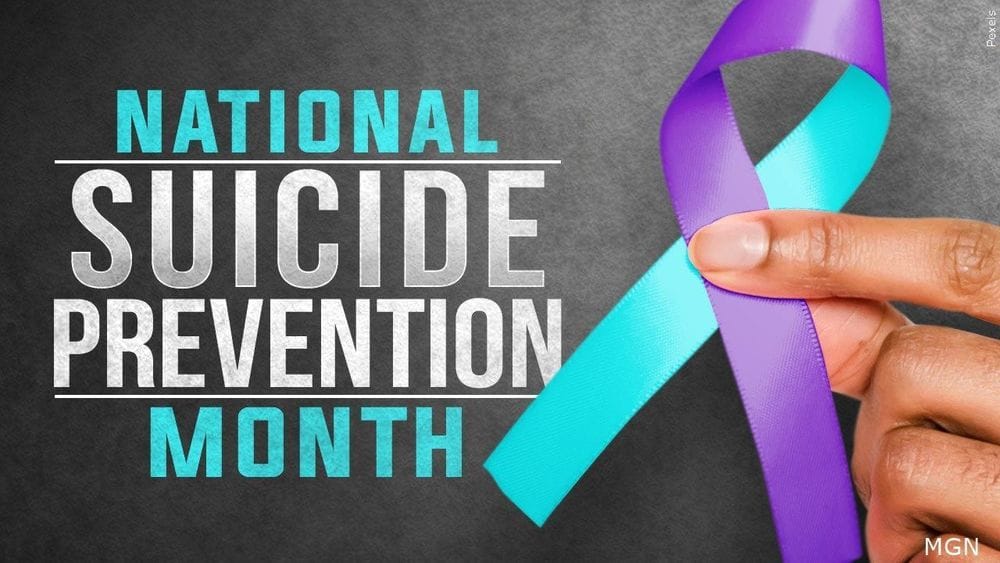
  • National Suicide Prevention Awareness Month: Shining a Light on Hope

    National Suicide Prevention Awareness Month: Shining a Light on Hope

    Every September, communities across the United States come together to observe National Suicide Prevention Awareness Month. This month-long initiative is dedicated to raising awareness about suicide, breaking the stigma surrounding mental health struggles, and reminding people that help is always available.

    Suicide is one of the leading causes of death worldwide, impacting people of all ages, backgrounds, and walks of life. Behind the statistics are families, friends, and communities forever changed by loss. While the topic can be difficult to talk about, open conversations are essential to preventing suicide and supporting those who may be struggling.

    Why Awareness Matters

    Stigma often keeps individuals from reaching out for help. National Suicide Prevention Awareness Month provides an opportunity to:

    Educate the public about warning signs and risk factors.

    Encourage those who are struggling to seek help without shame.

    Empower communities with resources to support friends, family, and coworkers.

    Honor those who have been lost while offering hope to those still fighting.

    Recognizing the Warning Signs

    Being able to identify the warning signs of suicide can save lives. Some signs may include:

    Talking about feeling hopeless, trapped, or being a burden.

    Withdrawing from friends, family, or activities.

    Sudden mood changes, including extreme sadness or calmness after turmoil.

    Giving away possessions or saying goodbye.

    If you notice these behaviors in someone you know, it’s important to reach out, listen without judgment, and encourage them to seek professional help.

    How to Make a Difference

    Everyone has a role to play in suicide prevention. You can make an impact by:

    Starting conversations about mental health in your community or workplace.

    Sharing resources and helplines on social media.

    Supporting organizations dedicated to mental health and suicide prevention.

    Checking in regularly with loved ones, even when they seem “fine.”

    Resources and Support

    If you or someone you know is struggling, remember you are not alone. In the U.S., you can dial or text 988, the Suicide & Crisis Lifeline, for free and confidential support 24/7.

    Additional resources include:

    The National Alliance on Mental Illness (NAMI)

    The American Foundation for Suicide Prevention (AFSP)

    Crisis Text Line: Text HELLO to 741741

    A Month of Remembrance and Hope

    National Suicide Prevention Awareness Month is not only about loss—it is also about hope. It reminds us that recovery is possible, that conversations matter, and that reaching out can save lives. By standing together, raising awareness, and supporting one another, we can help build a world where no one feels alone in their struggles.

    Read More Holidays & National Days

  • National Childhood Injury Prevention Week: Protecting Our Children, Preventing Harm

    National Childhood Injury Prevention Week: Protecting Our Children, Preventing Harm

    Every year, thousands of children are treated in emergency rooms for injuries that could have been prevented. From falls and burns to car accidents and sports-related incidents, childhood injuries are one of the leading causes of harm among young people. National Childhood Injury Prevention Week, observed each year during the first week of September, serves as a vital reminder for parents, caregivers, educators, and communities to take proactive steps to protect children and create safer environments.

    Why Childhood Injury Prevention Matters

    According to public health experts, accidental injuries remain one of the leading causes of death and disability among children. While children are naturally curious and active—qualities that are essential for healthy development—this same curiosity can also put them at risk. Preventing injuries not only saves lives but also reduces the long-term physical, emotional, and financial impact on families.

    Common Childhood Injuries

    Some of the most frequent injuries among children include:

    Falls – from playground equipment, bicycles, or stairs.

    Car accidents – often due to improper use of car seats, booster seats, or seat belts.

    Burns and scalds – from hot liquids, stoves, or household appliances.

    Drowning – a leading cause of death for children under five.

    Sports and recreational injuries – sprains, fractures, and concussions.

    Poisoning – from medications, cleaning products, or other household chemicals.

    Prevention Starts at Home

    While not all accidents can be avoided, many are preventable with awareness and precaution. Here are some key safety practices:

    Always use age-appropriate car seats and seat belts.

    Supervise children near water and teach them how to swim.

    Keep medications, cleaning supplies, and hazardous materials out of reach.

    Install safety gates, window guards, and secure heavy furniture.

    Encourage helmet use when biking, skating, or riding scooters.

    Teach children about fire safety and create a family escape plan.

    A Community Effort

    Injury prevention is not just a responsibility for parents—it requires the support of communities, schools, and policymakers. Local organizations often host safety fairs, workshops, and free car seat inspections during this week to spread awareness. Educators and healthcare providers also play a critical role in teaching safety skills and identifying potential risks.

    Building a Safer Future

    National Childhood Injury Prevention Week is more than just an observance—it’s a call to action. By taking steps to make our homes, schools, and communities safer, we can reduce preventable injuries and allow children to grow, play, and thrive without unnecessary risks.

    Protecting children today ensures a healthier, safer tomorrow.

    Read More Holidays & National Days
  • International Overdose Awareness Day: Breaking Stigma and Saving Lives

    International Overdose Awareness Day: Breaking Stigma and Saving Lives

    Every year on August 31, communities around the globe observe International Overdose Awareness Day (IOAD). This solemn yet vital day is dedicated to raising awareness about overdose, remembering those we have lost, and advocating for meaningful change to prevent future tragedies. It is the world’s largest annual campaign to end overdose, reduce stigma, and acknowledge the grief felt by families and friends.

    A Growing Global Crisis

    Overdose continues to be one of the most pressing public health crises of our time. From opioids to prescription medications to synthetic drugs, overdose deaths have risen sharply in recent years. According to public health organizations, millions of lives are impacted by addiction and overdose annually. Behind every statistic is a name, a face, and a story—reminding us that overdose does not discriminate. It affects people of all ages, backgrounds, and communities.

    More Than Numbers: Remembering Loved Ones

    International Overdose Awareness Day is not only about data—it’s about people. For many, the day is deeply personal, offering a chance to honor the memory of loved ones lost too soon. Vigils, memorial walks, and community gatherings are held across the world, creating a safe space for healing and reflection. By speaking their names and sharing their stories, families help ensure their loved ones are never forgotten.

    Breaking Down Stigma

    One of the campaign’s core missions is to challenge the stigma surrounding drug use and overdose. Too often, individuals and families suffer in silence due to shame or judgment. Stigma can prevent people from seeking help, limit access to treatment, and isolate those already struggling. International Overdose Awareness Day encourages open conversation, compassion, and understanding—because no one should feel ashamed of experiencing addiction or losing a loved one to overdose.

    Prevention and Support

    While remembering those lost, IOAD also emphasizes hope and action. Education about overdose risks, access to treatment, and availability of life-saving tools like naloxone (Narcan) are crucial in preventing deaths. Communities are encouraged to advocate for harm-reduction strategies, support recovery programs, and push for policy changes that prioritize health and human dignity.

    How to Get Involved

    Anyone can take part in International Overdose Awareness Day. Here are some ways to contribute:

    Wear a silver badge or purple wristband to show solidarity.

    Attend or host an event in your community.

    Share resources on overdose prevention and recovery services.

    Support loved ones who may be struggling with addiction.

    Honor those lost by telling their stories and keeping their memories alive.

    A Day of Remembrance and Hope

    International Overdose Awareness Day is more than just a date on the calendar—it’s a movement toward compassion, prevention, and change. By uniting in remembrance and action, we can break the silence, save lives, and support those who continue to live with the pain of overdose loss.

    On this day, we pause to reflect, to remember, and to renew our commitment: every life matters, and no one should face this battle alone.

    Read More Holidays & National Days

  • Celebrating National Eat Outside Day: A Breath of Fresh Air with Every Bite

    Celebrating National Eat Outside Day: A Breath of Fresh Air with Every Bite

    Every year on August 31st, people across the country are encouraged to step outdoors, savor a delicious meal, and embrace the joys of open-air dining in celebration of National Eat Outside Day. It’s a day that reminds us of the simple pleasure of combining good food with fresh air, sunshine, and the beauty of nature.

    A Day to Unplug and Reconnect

    In today’s busy, fast-paced world, mealtimes are often rushed or spent indoors in front of screens. National Eat Outside Day offers the perfect opportunity to slow down, unplug, and reconnect with the people around you. Whether it’s a family picnic at the park, lunch on a patio, or dinner under the stars, eating outdoors encourages relaxation and togetherness.

    Why Dining Outdoors Feels Special

    Boosts Your Mood – Fresh air and natural light are known to reduce stress and improve overall well-being.

    Enhances the Flavor Experience – Something about a gentle breeze, the warmth of the sun, or the sound of birds can make even simple foods taste better.

    Creates Lasting Memories – From backyard barbecues to beachside picnics, eating outside often becomes the highlight of a season.

    Fun Ways to Celebrate

    Host a Picnic – Pack a basket with sandwiches, fruits, and snacks, and head to your favorite park.

    Dine Al Fresco – Set up a cozy outdoor table with candles or string lights for a romantic evening meal.

    Fire Up the Grill – Nothing says outdoor dining like a summer barbecue with friends and family.

    Visit a Local Café or Restaurant Patio – Support small businesses while enjoying the seasonal atmosphere.

    A Tradition Worth Keeping

    While National Eat Outside Day comes just once a year, the idea behind it can be embraced anytime. As summer winds down, it’s the perfect reminder to enjoy the remaining warm days, take a break from indoor routines, and find joy in the simple act of dining under the sky.

    So today, grab your favorite meal, step outside, and make the world your dining room.

    Read More Holidays & National Days

  • Honoring National Grief Awareness Day: Supporting Healing and Understanding

    Honoring National Grief Awareness Day: Supporting Healing and Understanding

    Every year on August 30th, we observe National Grief Awareness Day—a time to acknowledge the universal yet deeply personal journey of grief. Founded in 2014 by grief specialist and author Angie Cartwright, this day serves as a reminder that grief is a natural, valid response to loss, and that those who are grieving deserve compassion, understanding, and support.

    Understanding Grief

    Grief is not a one-size-fits-all experience. It can arise from the loss of a loved one, the end of a relationship, the passing of a pet, or other major life changes. It may affect people emotionally, physically, and spiritually. While some may find healing through sharing memories, others may need quiet reflection or professional guidance.

    National Grief Awareness Day encourages us to break down the stigma often surrounding grief. Too often, society pressures individuals to “move on” quickly, when in truth, grief has no timeline. Healing comes in its own way, and it’s important to honor that process.

    The Purpose of the Day

    The day is meant to:

    Encourage open conversations about loss and the grieving process.

    Offer support and empathy to those experiencing grief.

    Raise awareness of the importance of mental health resources for healing.

    Remind people they are not alone—millions walk the path of grief every day.

    How to Observe National Grief Awareness Day

    Reach Out to Someone Grieving: A simple call, message, or kind gesture can mean the world.

    Share Your Own Story: If you’ve experienced loss, opening up can help others feel less isolated.

    Educate Yourself: Learn about the stages of grief and resources available for those in need.

    Support Organizations: Many nonprofits provide counseling, support groups, and resources for grieving individuals.

    Practice Compassion: Sometimes, the most powerful thing you can do is listen without judgment.

    Why It Matters

    Loss is an inevitable part of life, but grief is often misunderstood. National Grief Awareness Day is a chance to recognize that grief is not weakness—it’s love, transformed. By supporting one another and fostering compassion, we can create a world where no one feels pressured to hide their pain or journey through loss alone.

    As we honor this day, let us remember: grief may never fully disappear, but with support, understanding, and time, healing is possible.

    A Father’s Guide to Surviving the Loss of a Child

  • Celebrating National Beach Day: A Day for Sun, Sand, and Stewardship

    Celebrating National Beach Day: A Day for Sun, Sand, and Stewardship

    Every year on August 30th, people across the United States come together to celebrate National Beach Day. More than just an invitation to enjoy the ocean breeze and golden sands, this day highlights the importance of protecting and preserving our shorelines for generations to come.

    The Joy of the Beach

    Beaches have long been places of relaxation, recreation, and connection. Whether it’s a family picnic by the waves, building sandcastles with children, playing a spirited game of volleyball, or simply walking along the shoreline at sunset, beaches offer something for everyone. They provide not only a natural escape but also opportunities for physical activity and mental well-being.

    The Purpose Behind the Day

    National Beach Day isn’t just about fun in the sun—it’s also about awareness and conservation. Coastal ecosystems are fragile and face challenges such as pollution, erosion, plastic waste, and the impact of climate change. This day reminds us that while beaches give us joy, they also need our care and respect.

    The observance was established to encourage people to enjoy beaches responsibly while also taking action to protect them. Simple steps like cleaning up trash, using reef-safe sunscreen, and reducing single-use plastics can make a huge difference in preserving marine life and keeping beaches pristine.

    How to Celebrate National Beach Day

    Plan a Beach Outing: Gather family or friends and enjoy the beauty of your local beach.

    Clean Up the Shoreline: Take a few minutes to pick up litter, even if it’s not yours. Every bit helps.

    Support Conservation Efforts: Donate to or volunteer with organizations that work to protect oceans and coastlines.

    Share Awareness: Use your voice on social media to encourage others to celebrate responsibly and protect our beaches.

    Practice Eco-Friendly Habits: Bring reusable bottles, bags, and containers to reduce waste when visiting the beach.

    Why It Matters

    National Beach Day reminds us that our coastlines are not infinite resources. They’re living ecosystems that support countless species of marine life and provide vital benefits to our environment and communities. By enjoying beaches responsibly and doing our part to protect them, we ensure they remain places of beauty, wonder, and connection for years to come.

    So this National Beach Day, whether you’re dipping your toes in the ocean, soaking up the sun, or simply reflecting on the peace the shoreline brings, remember that every small effort helps keep our beaches alive and thriving.

    Read More Holidays & National Days

  • National College Colors Day

    National College Colors Day

    Every year, as the fall season begins and college campuses buzz with new energy, students, alumni, and fans alike unite to celebrate National College Colors Day. Observed annually on the Friday before Labor Day, this spirited tradition encourages people across the country to wear their favorite college’s colors and show pride in their alma mater or chosen team.

    The Meaning Behind the Day

    National College Colors Day is more than just about fashion—it’s about community, pride, and tradition. College life often represents formative years where friendships are made, knowledge is gained, and lifelong memories are created. Wearing school colors is a way of honoring those experiences and showing support for the institutions that help shape future leaders.

    Sports also play a big role in the day. For many fans, college athletics create a strong sense of loyalty that lasts long after graduation. Whether it’s football, basketball, or another sport, wearing your team’s colors is a powerful statement of unity and school spirit.

    How to Celebrate

    Wear Your Colors Proudly – Show up to work, school, or events decked out in your favorite college’s apparel.

    Host a Spirit Party – Gather friends and family, decorate in school colors, and enjoy a game-day style get-together.

    Share Online – Post photos on social media with hashtags like #CollegeColorsDay to join the nationwide celebration.

    Support Your School – Buy officially licensed merchandise, donate to scholarships, or cheer on your teams.

    A Tradition of Pride

    Started in 2004 by the Collegiate Licensing Company (CLC), National College Colors Day has grown into a nationwide event. It’s a fun and meaningful way for people to display loyalty not only to their sports teams but also to the values and traditions of their universities.

    So, whether you’re a proud alum, a current student, or simply a fan of college athletics, National College Colors Day is your chance to celebrate the pride, spirit, and energy that make college life unforgettable.

    Read More Holidays & National Days

  • NATIONAL THOUGHTFUL DAY

    NATIONAL THOUGHTFUL DAY

    Every year, National Thoughtful Day reminds us of the power of kindness, empathy, and compassion in our everyday lives. Celebrated on August 28, this special day is dedicated to encouraging people to take a step back from their busy routines and focus on being considerate toward others—and themselves.

    The Meaning of Thoughtfulness

    Thoughtfulness is more than just good manners. It’s about paying attention to the needs, feelings, and well-being of those around us. Simple actions like holding the door open, checking in on a friend, or offering a genuine compliment can brighten someone’s day in ways we may never fully realize. National Thoughtful Day emphasizes that even the smallest gestures can make a meaningful difference.

    Why This Day Matters

    In a fast-paced world filled with distractions, it’s easy to overlook the impact of kindness. National Thoughtful Day is a gentle reminder to pause and reflect on how our words and actions affect others. Taking the time to be mindful not only strengthens relationships but also fosters a sense of community and connectedness.

    Ways to Celebrate

    Reach Out: Call or text a loved one just to let them know you care.

    Show Gratitude: Write a thank-you note to someone who has made a positive impact in your life.

    Pay It Forward: Treat a stranger to a cup of coffee or perform another random act of kindness.

    Listen Deeply: Sometimes, the most thoughtful thing you can do is simply give someone your undivided attention.

    Be Kind to Yourself: Thoughtfulness also extends inward—practice self-care and give yourself the same compassion you show others.

    A Ripple Effect of Kindness

    The beauty of thoughtfulness is that it often inspires others to pass it along. One kind gesture can spark a chain reaction, creating a wave of positivity in families, workplaces, and communities. By embracing the spirit of National Thoughtful Day, we all play a role in making the world a little gentler, kinder, and more compassionate.

    ✨ On National Thoughtful Day, take a moment to reflect: How can I be more thoughtful today? The answer might be simpler—and more impactful—than you think.

    Read More Holidays & National Days