Author: Brett Murphy

  • Navigating The Pain Of Wanting Your Child Back

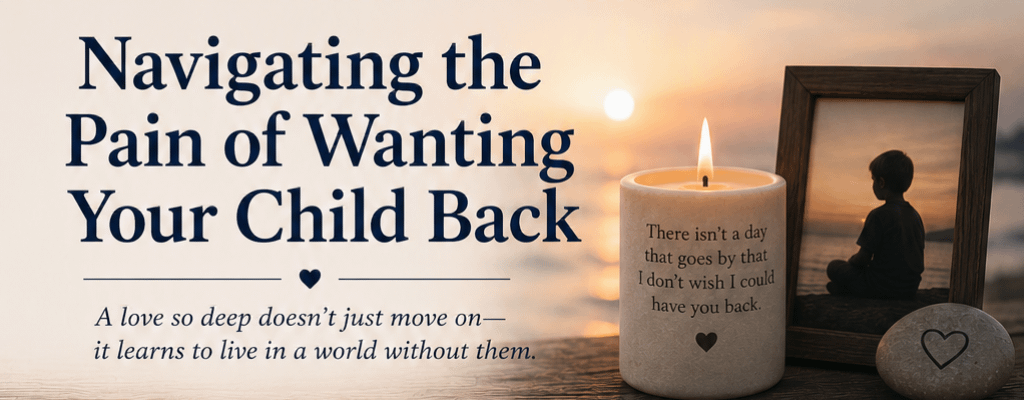
    Navigating The Pain Of Wanting Your Child Back

    The longing to reunite with a child—whether due to separation, custody disputes, estrangement, or other circumstances—can be one of the most profound and consuming pains a parent can endure. This ache is not just emotional but often physical, a visceral void that colors every aspect of life. Navigating this pain requires resilience, self-compassion, and practical strategies to cope while working toward reconnection or finding peace. This article explores the emotional landscape of this experience and offers guidance for parents yearning to have their child back in their lives.

    Understanding the Pain

    The desire to be reunited with your child often stems from a deep sense of loss. This grief can manifest in various ways:

    Emotional Turmoil: Feelings of sadness, anger, guilt, or shame may cycle unpredictably. You might question your worth as a parent or replay moments where you feel you failed.

    Physical Symptoms: Grief can cause sleeplessness, loss of appetite, or even chronic stress-related ailments like headaches or fatigue.

    Social Isolation: The pain can make it hard to engage with others, especially if they don’t understand your situation or offer unhelpful platitudes.

    Identity Crisis: Parenting is often central to one’s identity, and separation from a child can leave you feeling unmoored, questioning your purpose.

    Acknowledging these feelings without judgment is the first step. The pain is real, and it’s okay to feel it deeply. Suppressing it can lead to burnout or unhealthy coping mechanisms.

    Coping Strategies

    While the journey is deeply personal, there are ways to manage the pain and channel your energy constructively:

    1. Allow Yourself to Grieve

    Grief is not linear, and it doesn’t have a deadline. Permit yourself to feel the full spectrum of emotions—cry when you need to, write in a journal, or talk to a trusted friend. Naming your emotions can reduce their intensity and help you process them.

    2. Seek Professional Support

    A therapist or counselor specializing in grief, family dynamics, or trauma can provide a safe space to explore your feelings. They can also help you develop coping tools tailored to your situation. If therapy isn’t accessible, consider support groups for parents experiencing similar losses, either in-person or online.

    3. Focus on What You Can Control

    The uncertainty of reuniting with your child can feel paralyzing, but focusing on actionable steps can restore a sense of agency. This might include:

    Legal Action: If your separation involves custody issues, consult a family lawyer to understand your rights and options. Document everything and stay proactive in legal proceedings.

    Personal Growth: Work on becoming the best version of yourself—emotionally, physically, and mentally. This not only prepares you for potential reunification but also boosts your resilience.

    Communication: If contact is possible, maintain consistent, loving communication with your child, even if it’s one-sided for now. Letters, emails, or small gestures can keep the connection alive.

    4. Build a Support Network

    Surround yourself with people who validate your feelings and offer encouragement. This could be family, friends, or even online communities of parents in similar situations. Avoid those who minimize your pain or push unsolicited advice.

    5. Practice Self-Care

    The instinct to pour all your energy into “fixing” the situation can lead to neglect of your own well-being. Prioritize:

    Physical Health: Eat nourishing foods, exercise, and aim for restful sleep.

    Mindfulness: Practices like meditation, deep breathing, or yoga can help manage anxiety and ground you in the present.

    Hobbies: Engage in activities that bring joy or distraction, whether it’s gardening, painting, or reading.

    6. Reframe the Narrative

    While the pain is real, reframing your story can offer hope. Instead of focusing solely on the loss, consider the love that drives your longing. That love is a testament to your bond with your child, and it can fuel your determination to keep going. Visualize a future where reconnection is possible, even if the path is unclear now.

    Facing Common Challenges

    Dealing with Guilt and Shame

    Many parents internalize blame, believing they “caused” the separation. Reflect honestly on your role, but don’t let guilt define you. If mistakes were made, acknowledge them, seek forgiveness (from yourself and others), and focus on growth. Your child needs a parent who is healing, not one trapped in self-loathing.

    Handling Estrangement

    If your child is choosing distance, respect their boundaries while keeping the door open. Send occasional messages of love without pressure, and work on understanding their perspective. Patience is key—estrangement can shift over time as circumstances change.

    Navigating Co-Parenting Conflicts

    If a co-parent or ex-partner is involved, strive for civility, even when it’s hard. Avoid speaking negatively about them in front of your child, as this can backfire. Focus on creating a stable, loving environment whenever your child is with you.

    Coping with Uncertainty

    Not knowing when or if you’ll reunite can be torturous. Anchor yourself in routines and goals that give life structure. Faith, spirituality, or philosophy can also provide comfort, offering a broader perspective on suffering and hope.

    Moving Forward with Hope

    The pain of wanting your child back doesn’t vanish overnight, but it can become more bearable. Some parents find meaning in advocacy—sharing their story to help others or supporting causes related to family reunification. Others find solace in creating a legacy of love, like writing letters for their child to read in the future.

    Reconnection may not always look like you imagine. It might mean a gradual rebuilding of trust, a single conversation that heals old wounds, or even finding peace in loving your child from afar. Whatever the outcome, your love is a powerful force, and it matters.

    Resources

    Therapy and Support Groups: Look for local or online groups through organizations like the National Alliance on Mental Illness (NAMI) or Parents Anonymous.

    Legal Aid: Organizations like Legal Aid Societies offer free or low-cost help for custody issues.

    Books: Titles like The Grief Recovery Handbook by John W. James and Russell Friedman or When Parents Part by Penelope Leach can offer insights.

    Online Communities: Platforms like Reddit (e.g., r/Parenting or r/Estrangement) or specialized forums can connect you with others who understand.

    Navigating this pain is a marathon, not a sprint. Be gentle with yourself, celebrate small victories, and hold onto the truth that your love for your child is enduring, even in the face of separation. You are not alone, and there is hope for brighter days.

    A Father’s Guide to Surviving the Loss of a Child

  • The Effects of Mental Health After Losing a Child

    The Effects of Mental Health After Losing a Child

    Few experiences in life compare to the pain of losing a child. It is a heartbreak that changes every part of a parent’s life, leaving emotional wounds that often last forever. While the world may expect grief to fade with time, the reality is far different. The loss of a son or daughter can affect every aspect of a parent’s mental health, relationships, physical well-being, and outlook on life.

    There is no timeline for recovering from the death of a child because it is not something a parent simply “gets over.” Instead, parents learn to carry the weight of their loss while trying to rebuild a life forever changed.

    Understanding how child loss affects mental health can help grieving parents realize they are not alone, while also helping family members and friends better support someone facing one of life’s greatest tragedies.

    A Grief Unlike Any Other

    Every loss is painful, but the death of a child is often described as one of the most devastating experiences a person can endure. Parents naturally expect to protect their children and watch them grow into adulthood. When that future is suddenly taken away, it can feel as though life itself has lost its meaning.

    The grief that follows is often overwhelming. Many parents experience:

    • Deep emotional pain that comes in relentless waves.
    • Difficulty sleeping or sleeping too much.
    • Loss of appetite or emotional eating.
    • Trouble concentrating or remembering simple tasks.
    • Constant exhaustion despite getting rest.
    • A feeling that life has stopped while everyone else continues moving forward.

    Many bereaved parents describe feeling like they are simply surviving rather than truly living. Ordinary activities such as grocery shopping, attending family gatherings, or celebrating holidays can suddenly become emotionally exhausting.

    Unlike many other losses, child loss affects every future milestone. Birthdays, graduations, weddings, grandchildren, holidays, and family traditions become painful reminders of what should have been.

    The Heavy Burden of Guilt

    One of the most common emotional struggles after losing a child is guilt.

    Even when parents know intellectually that the death was beyond their control, their hearts often ask endless questions.

    “What if I had done something differently?”

    “Could I have prevented this?”

    “Did I miss something important?”

    “Was there one more thing I could have done?”

    These thoughts may continue for months or even years. Parents often replay conversations, decisions, medical appointments, or the final moments repeatedly in their minds, searching for answers that may never exist.

    This self-blame can become emotionally exhausting and may contribute to depression, anxiety, and prolonged grief.

    Learning to replace guilt with grace is one of the hardest parts of healing.

    Losing Part of Your Identity

    Parenthood becomes part of who we are. Our routines, dreams, priorities, and purpose often revolve around our children.

    When a child dies, many parents feel as though they have lost part of themselves.

    Questions such as these become common:

    • Who am I now?
    • What is my purpose?
    • How do I continue without my child?
    • Will I ever truly be happy again?

    This identity crisis can leave parents feeling disconnected from the world around them. Even joyful moments may feel incomplete because someone important is missing.

    Depression After Child Loss

    It is natural to feel sadness after losing a child, but grief can sometimes develop into clinical depression.

    Depression following child loss may include:

    • Persistent hopelessness.
    • Loss of motivation.
    • Difficulty getting out of bed.
    • Lack of interest in previously enjoyed activities.
    • Feelings of worthlessness.
    • Emotional numbness.
    • Thoughts that life has no purpose.

    For some parents, depression develops gradually after the initial shock begins to fade. Others experience it immediately following the loss.

    Seeking professional support does not mean your grief is weak. It means you are caring for your emotional health while carrying an incredibly heavy burden.

    Anxiety and Constant Fear

    Many grieving parents discover they no longer feel safe in the world.

    If tragedy could happen once, they begin wondering when it might happen again.

    Anxiety may appear as:

    • Constant worrying about loved ones.
    • Panic attacks.
    • Difficulty relaxing.
    • Fear whenever family members travel.
    • Obsessive checking on children or grandchildren.
    • Increased health anxiety.

    Simple phone calls or unexpected knocks at the door can suddenly trigger overwhelming fear.

    The mind becomes conditioned to expect more tragedy, making everyday life emotionally exhausting.

    Post-Traumatic Stress

    When a child’s death is sudden or traumatic, many parents develop symptoms similar to post-traumatic stress disorder (PTSD).

    Common symptoms include:

    • Flashbacks.
    • Nightmares.
    • Intrusive memories.
    • Avoidance of reminders.
    • Hypervigilance.
    • Emotional numbness.
    • Difficulty trusting that life is safe again.

    Parents who witnessed an accident, medical emergency, or other traumatic event often relive those moments repeatedly.

    Professional trauma therapy can help reduce these symptoms while allowing parents to process painful memories in healthier ways.

    The Physical Effects of Grief

    Mental health and physical health are deeply connected.

    After losing a child, parents commonly experience:

    • Chronic fatigue.
    • Headaches.
    • Digestive problems.
    • Muscle pain.
    • High blood pressure.
    • Lower immune function.
    • Weight gain or weight loss.

    Grief places tremendous stress on the body.

    This is why self-care is not selfish—it becomes necessary for survival.

    Even small habits such as walking, drinking water, eating regular meals, and maintaining medical appointments can make a significant difference over time.

    Relationships Can Change

    The death of a child affects every relationship.

    Marriage

    Couples often grieve differently.

    One parent may openly cry while the other becomes quiet.

    One may want to talk constantly while the other withdraws.

    Neither approach is wrong, but different grieving styles can create misunderstandings.

    Communication becomes more important than ever.

    Couples who allow each other to grieve differently often build stronger relationships despite unimaginable pain.

    Family and Friends

    Many grieving parents discover that their social circle changes after child loss.

    Some friends disappear because they feel uncomfortable.

    Others unintentionally say hurtful things such as:

    • “Everything happens for a reason.”
    • “At least you have other children.”
    • “They’re in a better place.”
    • “You need to move on.”

    Although usually well-intended, these statements often increase emotional pain.

    Sometimes the greatest gift someone can offer is simply being present and listening without trying to fix the grief.

    The Loneliness of Child Loss

    One of the least discussed aspects of bereavement is loneliness.

    Parents often feel isolated because very few people truly understand their pain.

    They may avoid social events because conversations feel meaningless.

    Holidays become difficult.

    Family celebrations become bittersweet.

    Even crowded rooms can feel incredibly lonely when the one person you want beside you is missing.

    Connecting with other bereaved parents through grief groups or online communities can provide comfort because they understand emotions that others often cannot.

    Different Factors Affect Recovery

    Every parent’s grief journey is unique.

    Mental health outcomes can be influenced by several factors, including:

    • The child’s age.
    • Whether the death was sudden or expected.
    • Previous mental health history.
    • Family support.
    • Financial stress.
    • Spiritual beliefs.
    • Access to counseling.

    There is no “correct” way to grieve.

    Comparison often creates unnecessary guilt.

    Healing looks different for every family.

    Healthy Ways to Cope

    Although grief never completely disappears, healthy coping strategies can reduce emotional suffering.

    Professional Counseling

    Grief counseling provides a safe place to process overwhelming emotions.

    Therapists experienced in traumatic grief can help parents work through depression, anxiety, PTSD, and complicated grief.

    Support Groups

    Meeting others who have experienced child loss often provides comfort that even loving friends cannot offer.

    Being understood reduces feelings of isolation.

    Honoring Your Child

    Many parents discover healing through remembrance.

    Examples include:

    • Creating scholarships.
    • Donating to charities.
    • Planting memorial gardens.
    • Celebrating birthdays.
    • Writing letters.
    • Sharing stories.
    • Creating photo albums.
    • Volunteering in their child’s memory.

    Keeping your child’s memory alive allows love to continue even after death.

    Taking Care of Yourself

    Grief drains emotional and physical energy.

    Simple habits such as walking, eating nutritious meals, sleeping consistently, praying, journaling, or spending time outdoors can gradually improve emotional resilience.

    Healing happens one small step at a time.

    Finding Purpose Again

    One of the greatest fears grieving parents face is believing they will never experience joy again.

    While life is never the same, purpose can slowly return.

    Some parents become advocates.

    Others mentor grieving families.

    Some write books, create foundations, volunteer, or simply become more compassionate toward others who are hurting.

    Purpose does not erase grief.

    Instead, it gives grief somewhere meaningful to go.

    Many parents find that helping others becomes one of the greatest ways to honor their child’s memory.

    How Friends and Family Can Help

    Supporting grieving parents is less about finding perfect words and more about offering consistent compassion.

    Helpful ways to support include:

    • Listen more than you speak.
    • Allow tears without trying to stop them.
    • Remember important anniversaries.
    • Speak the child’s name.
    • Offer practical help such as meals, errands, or childcare.
    • Continue checking in months and years later.

    Grief does not disappear after the funeral.

    In many ways, it becomes harder once everyone else returns to normal life.

    There Is Hope Without Forgetting

    Healing after losing a child does not mean forgetting your son or daughter.

    It does not mean the pain disappears.

    It does not mean replacing your child.

    Healing means learning how to carry unimaginable love alongside unimaginable loss.

    The sadness may always remain, but so will the love.

    Over time, many parents discover that they can smile again without feeling guilty, laugh without betraying their child, and build a meaningful future while continuing to honor the one they lost.

    That future will never look the way they imagined, but it can still be filled with purpose, compassion, faith, and love.

    Final Thoughts

    The effects of losing a child on mental health are profound and lifelong. Depression, anxiety, trauma, guilt, loneliness, and emotional exhaustion are all common responses to an unimaginable loss. Yet even in the darkest moments, hope remains possible.

    Healing is not about leaving your child behind—it is about carrying their memory with you in a way that allows love to continue shaping your life.

    If you are a grieving parent, know this: your feelings are valid, your grief is real, and you are not alone. There are others who understand this journey, and there is no shame in reaching out for support. One day, while the pain may still visit, it will no longer define every moment. Your child’s love will always remain part of who you are, and that love can become the strength that helps you continue moving forward, one day at a time.

    A Father’s Guide to Surviving the Loss of a Child

  • The Pain Never Goes Away, So I Help Others To Honor My Son

    The Pain Never Goes Away, So I Help Others To Honor My Son

    Losing a child is a pain that defies words, a wound that never fully heals. When my son passed away, the world seemed to stop. The laughter, the dreams, the future we envisioned together—all of it was gone in an instant. Yet, in the midst of that unbearable grief, I found a way to keep his spirit alive: by helping others. Every act of kindness, every moment of support I offer, is a tribute to my son’s memory—a way to honor the love, compassion, and light he brought into my life.

    A Life of Joy and Inspiration

    My son was a beacon of kindness. Even as a young boy, he had a way of making people feel seen and valued. Whether it was sharing his toys with a shy classmate or spending hours listening to his grandparents’ stories, he radiated empathy. He dreamed of making the world better, often talking about how he wanted to help people when he grew up. Those dreams were cut short, but they live on in me. Helping others feels like carrying forward the legacy he would have built himself.

    His life, though brief, taught me the power of small gestures. He showed me that a smile, a kind word, or a helping hand could change someone’s day—or even their life. Now, when I volunteer at a local shelter, donate to a cause he cared about, or simply listen to someone who’s struggling, I feel him with me. Each act is a way to say, “You’re still here. Your heart still matters.”

    Turning Grief into Purpose

    Grief can be paralyzing, but it can also be a catalyst. After my son’s passing, I faced a choice: let the pain consume me or find a way to transform it. I chose the latter, not because I’m stronger than anyone else, but because I wanted his life to mean something beyond his years. Helping others became my way of turning loss into purpose.

    I started small—offering meals to neighbors, supporting friends through their own hardships, or donating to charities in his name. Over time, these actions grew. I began helping anyone who needed help and helped with causes he loved. Each step felt like a conversation with him, a way to keep our bond alive. Through helping others, I found healing—not the kind that erases pain, but the kind that gives it meaning.

    A Ripple Effect of Love

    One of the most beautiful things about honoring my son through service is the ripple effect it creates. Every time I help someone, I’m not just touching their life—I’m spreading the love my son gave me. I’ve seen strangers become friends, communities come together, and moments of despair turn into hope. It’s as if his spirit is still at work, connecting people in ways I could never have imagined.

    Why It Matters

    Helping others in my son’s memory isn’t about erasing the grief or filling the void he left. It’s about making sure his life continues to have an impact. It’s about showing the world that love doesn’t end with loss—it grows, it transforms, it inspires. Every time I lend a hand, I’m keeping his values alive: compassion, generosity, and the belief that we’re all in this together.

    To anyone who’s lost someone they love, I want to say this: your pain is real, and it’s okay to feel it. But if you can find a way to channel that love into something positive, even something small, it can become a lifeline. For me, helping others is how I keep my son close. It’s how I make sure his light never fades.

    In every act of kindness, I hear his laughter. In every person I help, I see his smile. And in every step I take to make the world a little brighter, I feel his love guiding me forward. This is why I help others—not just for them, but for him, and for the part of me that will always be his father.

    A Father’s Guide to Surviving the Loss of a Child

  • Why Holidays Are Not The Same After Your Child Passes

    Why Holidays Are Not The Same After Your Child Passes

    Holidays, once filled with joy, anticipation, and togetherness, can become profoundly challenging after the loss of a child. The traditions, gatherings, and celebrations that used to spark warmth and connection often feel hollow, heavy, or even unbearable. This shift is a natural response to grief, as the absence of a beloved child reshapes the meaning of these occasions. Below, we explore why holidays feel so different after such a loss and offer gentle insights for navigating them.

    The Weight of Absence

    The most immediate and overwhelming change during holidays is the palpable absence of your child. Every moment—whether it’s decorating a Christmas tree, lighting a menorah, or gathering for Thanksgiving dinner—carries a void where your child’s presence once was. Their laughter, their quirks, their role in family rituals are no longer there, and this can make even the most festive occasions feel incomplete.

    For many parents, holidays amplify this loss because they are steeped in memories. A favorite holiday dish, a song, or a tradition your child loved can trigger waves of grief. These reminders, while cherished, can also be painful, as they highlight what has been lost. The contrast between past joy and present sorrow can make it hard to engage in celebrations that once felt effortless.

    Changed Family Dynamics

    The loss of a child reshapes family dynamics, and holidays often bring these changes into sharp focus. Siblings may struggle with their own grief, altering how they participate in festivities. Extended family members might not know how to approach the topic of loss, leading to awkward silences or unintentional insensitivity. Some families may feel pressure to “move on” or “keep things normal,” which can clash with a grieving parent’s need to honor their child’s memory.

    In some cases, parents may find themselves withdrawing from large gatherings, as the effort to appear “festive” feels overwhelming or inauthentic. Alternatively, others may feel isolated if family members avoid mentioning the child, fearing it will cause pain. These shifts can make holiday gatherings feel strained or disconnected, a stark contrast to the closeness they once fostered.

    The Pressure to Celebrate

    Society often expects holidays to be a time of joy, gratitude, and togetherness, but for grieving parents, these expectations can feel like a burden. The pressure to smile, host, or participate in traditions can clash with the reality of grief, which doesn’t pause for special occasions. Well-meaning friends or family may encourage you to “focus on the positive” or “make new memories,” but these suggestions can feel dismissive of the depth of your loss.

    This pressure can also come from within. Some parents feel guilt for not being able to “show up” for other family members or for not finding joy in moments that others cherish. Yet, grief is not linear, and the expectation to perform happiness can make holidays feel like a test of endurance rather than a time of celebration.

    Traditions Lose Their Meaning—or Gain New Ones

    Holiday traditions often revolve around family, and when a child is no longer there, these rituals can lose their purpose. Baking cookies, attending a holiday event, or exchanging gifts might feel empty without your child’s participation. For some, continuing these traditions can feel like a betrayal of their grief, while for others, abandoning them can feel like letting go of their child’s memory.

    However, some parents find solace in creating new traditions to honor their child. Lighting a candle, sharing stories, or making a donation in their name can weave their memory into the holiday in a way that feels meaningful. These acts don’t erase the pain, but they can offer a way to stay connected to your child while navigating the season.

    The Passage of Time Feels Different

    Holidays mark the passage of time, and after a child’s passing, each one can feel like a milestone of survival without them. The first holiday season is often the hardest, as every event is a “first” without your child. But even years later, holidays can stir a complex mix of emotions—grief for what was, longing for what might have been, and sometimes guilt for moments of joy that arise.

    This altered sense of time can also make it hard to relate to others’ excitement about the future. While the world moves forward with resolutions and plans, grieving parents may feel stuck in a moment that changed their lives forever. Holidays, with their focus on renewal and hope, can highlight this disconnect.

    Finding a New Way Forward

    While holidays may never feel the same, many parents find ways to navigate them that honor both their grief and their child’s memory. There is no “right” way to approach these occasions, but here are a few suggestions that may help:

    Acknowledge Your Feelings: Allow yourself to feel whatever arises—sadness, anger, or even fleeting moments of joy—without judgment. Grief is unique, and your experience is valid.

    Set Boundaries: It’s okay to say no to invitations or traditions that feel overwhelming. Communicate your needs to family and friends, whether that means smaller gatherings or skipping certain events.

    Honor Your Child: Find a way to include your child in the holiday, whether through a small ritual, a moment of reflection, or a charitable act in their name.

    Seek Support: Connect with others who understand your loss, whether through support groups, online communities, or trusted friends. Sharing your experience can ease the isolation.

    Be Gentle with Yourself: Release the pressure to “do” the holidays perfectly. Even small steps, like lighting a single candle or sharing a quiet meal, are enough.

    A Changed Landscape

    Holidays after the loss of a child are a journey through a changed emotional landscape. They may never hold the same carefree joy, but they can become a space to honor your child, reflect on their impact, and find moments of connection amid the pain. The process is deeply personal, and there is no timeline for when or if holidays will feel “easier.” What matters is giving yourself permission to grieve, to remember, and to find a path that feels authentic to you.

    In time, some parents find that holidays become a bittersweet blend of sorrow and love—a way to carry their child with them, even in their absence. Until then, know that your grief is a testament to the depth of your love, and that love endures through every season.

    A Father’s Guide to Surviving the Loss of a Child

  • Supporting Someone on National Bereaved Parents Day

    Supporting Someone on National Bereaved Parents Day

    National Bereaved Parents Day, observed annually on July 3 in the United States, is a time to honor and support parents who have experienced the profound loss of a child. This day acknowledges the enduring grief of bereaved parents and offers an opportunity for communities to show compassion and understanding. Supporting someone on this day requires sensitivity, patience, and a willingness to meet them where they are in their grief journey. Here are meaningful ways to provide support.

    Understand the Significance of the Day

    National Bereaved Parents Day can evoke a range of emotions for grieving parents, from deep sorrow to quiet reflection. For some, it’s a day to remember their child through rituals or shared stories; for others, it may intensify feelings of isolation or pain. Recognizing the weight of this day is the first step in offering meaningful support. Avoid assumptions about how someone “should” feel or act—grief is deeply personal and varies widely.

    Listen Without Judgment

    One of the most powerful ways to support a bereaved parent is to listen. Let them share memories, emotions, or even silence without feeling the need to fill the space with advice or platitudes. Phrases like “I’m here for you” or “I’m listening” can open the door to honest conversation. Avoid saying things like “They’re in a better place” or “You’ll move on,” as these can unintentionally minimize their pain. Instead, validate their feelings by acknowledging their loss: “I can’t imagine how hard this is for you.”

    Offer Specific Acts of Kindness

    General offers like “Let me know if you need anything” can feel overwhelming for someone in grief. Instead, provide specific, thoughtful gestures. For example:

    Bring a meal or organize a meal train to ease daily burdens.

    Offer to run errands, such as grocery shopping or picking up prescriptions.

    Help with a small task, like tending to their garden or walking their dog.

    Create a remembrance gesture, such as lighting a candle in their child’s honor or donating to a cause they cared about.

    On National Bereaved Parents Day, you might also ask if they’d like company to visit a memorial site or share a quiet moment together. Always respect their choice if they prefer solitude.

    Honor Their Child’s Memory

    Acknowledging the child who has passed can be deeply meaningful. Speak their name, share a memory (if appropriate), or ask the parent to tell you about them. You might say, “I’d love to hear about what made [child’s name] so special to you.” If they have a tradition to honor their child, such as releasing balloons or visiting a special place, offer to join or support them in preparing. These acts show that their child’s life continues to matter.

    Be Mindful of Triggers

    Certain gestures, while well-intentioned, can be painful. For instance, inviting a bereaved parent to a family-oriented event on this day might unintentionally highlight their loss. Similarly, avoid comparing their grief to other experiences or suggesting timelines for “healing.” If you’re unsure what might be triggering, gently ask, “What would feel most supportive for you today?”

    Support Beyond the Day

    Grief doesn’t end when National Bereaved Parents Day passes. Check in with them in the weeks and months that follow, as ongoing support can help combat the loneliness that often accompanies grief. A simple text like “Thinking of you and [child’s name] today” or an invitation for coffee can make a big difference. If they’re struggling, suggest resources like grief support groups, counseling, or organizations such as The Compassionate Friends, which specialize in supporting bereaved parents.

    Educate Yourself About Grief

    To better support a bereaved parent, take time to learn about grief. Books like The Grief Recovery Handbook by John W. James and Russell Friedman or websites like WhatsYourGrief.com offer insights into the complexities of loss. Understanding that grief can resurface unpredictably—especially on days like National Bereaved Parents Day—helps you approach the person with empathy and patience.

    Conclusion

    Supporting someone on National Bereaved Parents Day is about showing up with compassion, humility, and a willingness to honor their unique experience. Whether through a kind gesture, a listening ear, or a shared memory, your presence can offer comfort during a time of immense sorrow. By acknowledging their loss and keeping their child’s memory alive, you help them feel seen and supported—not just on this day, but in their ongoing journey of grief.

    A Father’s Guide to Surviving the Loss of a Child

  • Supporting Others Who Have Lost a Child

    Supporting Others Who Have Lost a Child

    Losing a child is an unimaginable tragedy, a grief so profound it reshapes lives. For those who wish to support grieving parents, friends, or family members, the task can feel daunting. How do you offer comfort when words seem inadequate? How do you help without intruding? This article offers practical, compassionate guidance on supporting those who have lost a child, drawing on empathy and understanding to help you navigate this delicate journey.

    Understanding the Grief

    Grief after the loss of a child is unique and enduring. It’s not a linear process with a clear endpoint but a complex, evolving experience. Parents may feel a range of emotions—anger, guilt, despair, or even moments of acceptance—sometimes all at once. They may question their purpose or struggle with daily routines. Recognizing that this grief is deeply personal and doesn’t follow a universal timeline is the first step in offering meaningful support.

    Avoid assumptions about how someone “should” grieve or when they should “move on.” Each person’s experience is shaped by their relationship with their child, the circumstances of the loss, and their personal coping mechanisms. Your role is not to fix their pain—because no one can—but to be a steady, compassionate presence.

    Practical Ways to Offer Support

    1. Listen Without Judgment

    One of the most powerful gifts you can give is your presence. Let the grieving person share their feelings, memories, or silence without feeling pressured to respond perfectly. Avoid clichés like “They’re in a better place” or “You’ll have another child.” These phrases, though well-intentioned, can feel dismissive. Instead, say something simple: “I’m here for you,” or “I don’t know what to say, but I care about you.”

    If they want to talk about their child, encourage it. Mentioning their child’s name or sharing a memory can be comforting, showing that their child is not forgotten. For example, “I remember how [child’s name] loved to laugh at those silly songs” can open a space for healing reminiscence.

    2. Offer Specific Help

    Grieving parents often feel overwhelmed by daily tasks. Rather than saying, “Let me know if you need anything,” offer concrete assistance. For example:

    “I’m bringing dinner over on Tuesday. Any preferences?”

    “Can I pick up groceries or run errands for you this week?”

    “I’d like to mow your lawn or tidy up. Is Saturday okay?”

    These specific offers reduce the burden on them to ask for help. Be mindful of their needs and preferences, and check in periodically, as their needs may change over time.

    3. Acknowledge Important Dates

    Birthdays, anniversaries, or holidays can be especially painful. A thoughtful gesture—like sending a card, texting a kind message, or visiting—shows you remember and care. For instance, “I’m thinking of you and [child’s name] on their birthday” can mean the world. If appropriate, ask if they’d like company or help planning a small memorial activity, like lighting a candle or planting a tree.

    4. Respect Their Space

    Some parents may crave solitude, while others seek connection. Follow their lead. If they decline invitations or seem distant, don’t take it personally. A gentle check-in, like a text saying, “No pressure to reply, just wanted you to know I’m thinking of you,” keeps the door open without pushing.

    5. Be Patient with Their Process

    Grief doesn’t have a deadline. Months or even years later, parents may still struggle. Avoid urging them to “move forward” or comparing their grief to others’. Instead, continue showing up—whether through a quick call, a shared coffee, or simply sitting together in silence. Your consistent presence signals that their loss matters, no matter how much time has passed.

    Supporting Through Actions, Not Just Words

    Small, thoughtful actions can speak louder than words. Here are some ideas:

    Create a memory keepsake: A photo album, a framed picture, or a custom ornament with their child’s name can be a cherished gift.

    Help with practical burdens: Offer to handle tasks like cleaning, childcare for other siblings, or managing paperwork.

    Donate or volunteer in their child’s name: If appropriate, contribute to a cause their child loved, like a local library or charity, and let the parents know.

    Avoiding Common Pitfalls

    Don’t compare losses: Saying, “I know how you feel because I lost my pet/parent” can unintentionally minimize their pain. Every loss is different.

    Avoid unsolicited advice: Suggestions like “You should try therapy” or “Keeping busy will help” can feel intrusive unless they ask for guidance.

    Don’t disappear after the initial period: The weeks after a loss are often filled with support, but loneliness can set in later. Check in months down the line.

    Encouraging Professional Support

    While your support is invaluable, some parents may benefit from professional help, like grief counseling or support groups. If they seem open to it, gently share resources. For example, “I came across a local group for parents who’ve lost children—would you like me to send you the details?” Organizations like Compassionate Friends or local hospices often offer specialized support.

    Taking Care of Yourself

    Supporting someone through such profound grief can be emotionally taxing. Set boundaries to protect your well-being, and seek support if you’re struggling. You can’t pour from an empty cup, and your ability to be there for them depends on your own resilience.

    A Lasting Commitment

    Supporting someone who has lost a child is not about grand gestures but about showing up consistently, listening deeply, and honoring their child’s memory. Your presence, patience, and empathy can help them navigate their grief, reminding them they’re not alone in their pain. By walking alongside them with compassion, you offer a lifeline through one of life’s darkest storms.

    A Father’s Guide to Surviving the Loss of a Child

  • How To Support Someone During National Bereaved Parents Month

    How To Support Someone During National Bereaved Parents Month

    National Bereaved Parents Month, observed every July, is a time to honor and support parents who have lost a child. The grief of losing a child is profound and lifelong, and offering meaningful support can make a significant difference. Here are practical and compassionate ways to support bereaved parents during this month and beyond.

    1. Acknowledge Their Loss

    Grief can feel isolating, especially when others avoid mentioning the loss. A simple, heartfelt acknowledgment can be powerful. Reach out with a message like, “I’m thinking of you and [child’s name] this month.” Mentioning their child’s name shows that their memory is still cherished. Avoid clichés like “They’re in a better place,” which can feel dismissive.

    2. Listen Without Judgment

    If a bereaved parent wants to talk, be present and listen. They may share memories, express anger, or cry—let them. Resist the urge to offer solutions or say, “I know how you feel,” unless you’ve experienced a similar loss. Instead, try, “I’m here for you. Do you want to share more?” Your role is to provide a safe space, not to fix their pain.

    3. Offer Specific Help

    Vague offers like “Let me know if you need anything” often go unanswered because grief can make it hard to ask for help. Instead, suggest concrete actions: “Can I bring you dinner on Thursday?” or “I’d like to mow your lawn this weekend—does that work?” Small gestures, like running errands or helping with household chores, can ease their burden.

    4. Honor Their Child’s Memory

    Acts that keep their child’s memory alive are deeply meaningful. You could light a candle in their child’s honor, donate to a cause they cared about, or share a positive memory. For example, “I remember how [child’s name] loved soccer—I made a donation to the local youth team in their honor.” These actions show that their child is not forgotten.

    5. Be Mindful of Triggers

    Certain events, like holidays or anniversaries, can intensify grief. National Bereaved Parents Month itself may bring up complex emotions. Ask gently if there’s anything they’d like to do or avoid during this time. For instance, “Would you like company on [child’s birthday], or would you prefer space?” Respect their needs without assuming.

    6. Support Their Grieving Process

    Grief doesn’t follow a timeline. Some parents may find comfort in support groups, while others prefer private reflection. Offer resources like local bereavement groups or online communities, but don’t push. You might say, “I came across a support group for bereaved parents—would you like me to share the details?” Let them guide how they want to cope.

    7. Check In Regularly

    Support often fades after the initial loss, but grief endures. National Bereaved Parents Month is a good reminder to reconnect. A text, call, or note saying, “I’m thinking of you and wanted to check in,” shows you care beyond the early days. Consistency matters more than grand gestures.

    8. Educate Yourself About Grief

    Understanding the complexities of grief can make you a better supporter. Read about parental bereavement or explore organizations like The Compassionate Friends or Bereaved Parents USA. This knowledge helps you approach conversations with empathy and avoid common missteps, like expecting them to “move on.”

    Final Thoughts

    Supporting a bereaved parent during National Bereaved Parents Month is about showing up with empathy, patience, and respect for their unique journey. Your presence, whether through a kind word, a thoughtful act, or simply listening, can provide comfort in a time of deep sorrow. Keep showing up—not just in July, but all year round.

    A Father’s Guide to Surviving the Loss of a Child

  • July is National Bereaved Parents Awareness Month

    July is National Bereaved Parents Awareness Month

    July is recognized annually as National Bereaved Parents Awareness Month, a time dedicated to honoring the profound grief of parents who have lost a child and raising awareness about the support they need to navigate this unimaginable loss. The death of a child is one of the most devastating experiences a parent can endure, defying the natural order of life and leaving a lasting impact on their emotional, physical, and mental well-being. This month serves as an opportunity to acknowledge their pain, foster understanding, and provide meaningful support to bereaved parents while keeping the memories of their children alive.

    Understanding the Grief of Bereaved Parents

    The loss of a child, regardless of age or circumstance, is a uniquely painful experience. As noted by bereaved parent and counselor Cinnamon Miller-Duncil, the grief can be all-consuming, with some days filled with anger or despair, yet hope can emerge through faith and community support. Parents often describe feeling isolated, as the depth of their sorrow is difficult for others to comprehend. Pareavor or the Sanskrit word vilomah, meaning “against the natural order,” is sometimes used to describe parents who outlive their children, capturing the unnatural and disorienting nature of this loss.

    Grief is complex and nonlinear, manifesting in varied ways. Bereaved parents may experience physical symptoms like fatigue, loss of appetite, or chest pain, alongside emotional challenges such as depression, guilt, or difficulty concentrating. Some may subconsciously search for their child in crowds or struggle with everyday tasks, while others may feel compelled to honor their child’s memory by wearing their clothes or sharing their stories., For many, the first year is particularly challenging, with anniversaries, birthdays, and holidays triggering intense waves of sorrow.

    Statistically, the scope of this loss is staggering: by age 70, 15% of American parents have lost a child, a number that underscores the widespread need for awareness and support. The emotional toll can lead to serious health complications, including depression, post-traumatic stress disorder, marital strain, and even premature death.,

    The Purpose of Bereaved Parents Awareness Month

    National Bereaved Parents Awareness Month, observed globally in July, aims to break the silence surrounding child loss and create a supportive environment for grieving parents. It serves multiple purposes:

    Raising Awareness: The month highlights the prevalence of child loss and the lifelong journey of grief, encouraging open conversations about a topic often considered taboo. As bereaved mother Adrienne Brown notes, “We WANT to talk about our children. That’s how we keep them alive.”

    Providing Support: It connects bereaved parents with resources, such as grief counseling, support groups, and peer mentorship programs, to help them cope. Organizations like Bereaved Parents of the USA, Share: Pregnancy and Infant Loss Support, and the COPE Foundation offer safe spaces for parents to share their experiences.,

    Educating Communities: The month educates family, friends, and communities on how to support bereaved parents effectively, fostering empathy and reducing the stigma around grief.

    Honoring Memories: It encourages parents to celebrate their child’s life by sharing stories, posting photos, or participating in commemorative events like the Walk to Remember or candle-lighting ceremonies, such as the one organized by A Child of Mine on National Bereaved Parents Day, July 3.,

    How to Support Bereaved Parents

    Supporting a bereaved parent requires sensitivity, patience, and action. Here are practical ways to offer meaningful support, drawn from insights shared by bereaved parents and experts:

    Say Their Child’s Name: Mentioning the child’s name shows that their memory is valued. As Jen McKay, a bereaved mother, emphasizes, sharing memories or asking about the child can foster healing.,

    Be Present: Simply being there—listening without judgment or sitting quietly—can be profoundly comforting. Avoid phrases like “I can’t imagine” or “They’re in a better place,” which may unintentionally minimize the parent’s pain. Instead, say, “I’m here for you” or “I’m so sorry for your loss.”,

    Offer Specific Help: Rather than saying, “Let me know if you need anything,” offer concrete assistance, such as, “I’ll bring dinner tomorrow” or “I can pick up your other kids from school.” Everyday tasks can feel overwhelming for grieving parents.,

    Acknowledge Milestones: Reach out on birthdays, anniversaries, or during holidays, which can be particularly painful. A simple message or gesture can show you remember.

    Encourage Professional Support: Gently suggest resources like grief counselors or support groups, especially if you notice signs of severe distress, such as suicidal thoughts. Kristine Nunn, a therapist, highlights the importance of seeking help when grief is compounded by other stressors.

    Respect Their Grief Journey: Understand that grief has no timeline. Some parents may find solace in faith, like Miller-Duncil, who finds comfort in her belief that she’ll reunite with her son, Liam. Others may need years to process their loss.,

    Commemorating Bereaved Parents Awareness Month

    Communities and individuals can participate in meaningful ways to honor bereaved parents and their children:

    Join Events: Participate in local events like the Walk to Remember, organized in some communities, or light a candle on National Bereaved Parents Day, July 3, at 7 p.m., as promoted by A Child of Mine with the theme “Together We Are Stronger.”,

    Share Stories: Post about bereaved parents or their children on social media using hashtags like #NationalBereavedParentsDay2025 or #TogetherWeAreStronger to raise awareness.

    Send Thoughtful Gestures: Organizations like A Child of Mine offer NBPD gift boxes with awareness ribbons and crocheted hearts to show support. Alternatively, send a card or a small token, like the wildflower seed paper butterflies distributed by Mass General for Children’s Pediatric Bereavement Program.

    Educate Yourself: Read books, listen to podcasts, or explore research on grief, such as the work of social workers Judith McCoyd and Erica Goldblatt Hyatt, to better understand the needs of bereaved parents.,

    Resources for Bereaved Parents

    Numerous organizations provide specialized support for parents grieving the loss of a child:

    Bereaved Parents of the USA: Offers a safe space for parents to connect with others who have experienced similar losses.

    Share: Pregnancy and Infant Loss Support: Supports parents who have lost a child through pregnancy loss, stillbirth, or early infancy.

    The COPE Foundation: Connects families who have lost a child, offering resources for parents and siblings.

    George Mark Children’s House: Provides compassionate care and bereavement support, including peer mentorship for grieving parents.

    Full Circle Grief and Loss Center: Offers individual and group support for those coping with loss, available through Hospice Savannah.

    Hand to Hold: Provides peer mentorship and resources for parents who have lost a child, particularly in the NICU.

    A Call to Action

    National Bereaved Parents Awareness Month is a reminder that grief does not end with a funeral; it is a lifelong journey that requires ongoing support. As Melanie, a bereaved parent and writer, poignantly states, “I’m absolutely convinced of the need for Bereaved Parents Month.” By listening, offering practical help, and honoring the memories of their children, we can show bereaved parents that they are not alone. This July, let’s come together to acknowledge their strength, share their stories, and build a community of compassion and understanding.

    For more information or to find support, visit organizations like Bereaved Parents of the USA, A Child of Mine, or Hand to Hold. If you or someone you know is struggling, reach out to a professional therapist or a local support group. Together, we can make a difference in the lives of bereaved parents.

    A Father’s Guide to Surviving the Loss of a Child

  • Why It Is Lonely After Your Child Passes

    Why It Is Lonely After Your Child Passes

    The loss of a child is an indescribable tragedy, a grief that reshapes every corner of a parent’s life. Beyond the overwhelming sorrow, one of the most profound and often unspoken challenges is the pervasive loneliness that follows. This loneliness is not just the absence of the child but a complex, isolating experience woven into the fabric of daily life, relationships, and identity. Here, we explore why this loneliness emerges and how it manifests after such a devastating loss.

    The Void of Their Presence

    A child’s presence fills a home with energy, routines, and purpose. From their laughter to their needs, they are a constant thread in a parent’s life. When they pass, the silence is deafening. The spaces they occupied— their room, their seat at the table, their toys or books— become stark reminders of their absence. Parents often describe feeling unmoored, as if the rhythm of their life has stopped. This void creates a loneliness that is physical, emotional, and existential, as the daily acts of caregiving and connection are no longer there to anchor them.

    The Shift in Identity

    For many parents, their identity is deeply tied to their role as a caregiver. When a child dies, this role is abruptly taken, leaving parents grappling with who they are without their child to nurture. This loss of identity can feel like losing a part of themselves, fostering a sense of disconnection from the world. The question “Who am I now?” echoes in quiet moments, deepening the isolation as parents navigate a new, unwanted reality without the person who defined so much of their purpose.

    The Isolation of Unique Grief

    Grief for a child is uniquely isolating because it defies societal norms and expectations. The natural order assumes parents outlive their children, so when this order is shattered, others often struggle to relate. Friends, family, or colleagues may offer sympathy but find it hard to understand the depth of the loss. Over time, their support may fade as they move on with their lives, while the parent’s grief remains raw. This discrepancy can leave parents feeling abandoned, as if their pain is too heavy for others to share or comprehend.

    Strained Relationships

    The loneliness is compounded by changes in relationships. Partners may grieve differently, leading to tension or distance as each navigates their pain. Friends may avoid contact, unsure of what to say or fearing they’ll cause more hurt. Social gatherings, once joyful, can become painful reminders of what’s missing, especially when others’ children are present. Parents may withdraw, feeling alienated by conversations that no longer resonate or by the unspoken pressure to “move on.” This withdrawal, while protective, deepens the sense of being alone in their sorrow.

    The Weight of Unseen Milestones

    Every missed milestone— birthdays, graduations, or holidays— is a fresh wound. These moments, which would have been shared with a child, are now solitary burdens. Parents may imagine what their child would have been like at each stage, a private act of love that no one else can fully join. This private grief, carried in silence, reinforces the loneliness, as the world continues while parents remain tethered to memories and unfulfilled dreams.

    The Stigma of Prolonged Grief

    Society often expects grief to follow a timeline, but the loss of a child defies such constraints. Parents may feel judged for grieving “too long” or “too intensely,” which can lead to self-isolation to avoid scrutiny. This stigma can make it harder to seek support, as parents fear being misunderstood or dismissed. The loneliness grows when they feel their grief is unwelcome or burdensome to others.

    Finding Connection Amid Loneliness

    While the loneliness after losing a child may never fully dissipate, there are ways to find solace. Support groups with other bereaved parents offer a space to share without judgment, where the unique pain is understood. Counseling can provide tools to navigate grief and identity shifts. Creative outlets, like writing or memorial projects, can honor the child’s memory while fostering a sense of purpose. Small, intentional connections— even a single understanding friend— can ease the isolation, reminding parents they are not entirely alone.

    A Loneliness That Carries Love

    The loneliness after a child’s passing is a testament to the depth of love. It is heavy, relentless, and deeply personal, but it also reflects the enduring bond between parent and child. While the world may feel distant, this loneliness is not a sign of weakness but a marker of a love that persists beyond loss. Acknowledging this loneliness, and seeking those who can sit with it, can be a step toward carrying the grief with a little less weight.

    A Father’s Guide to Surviving the Loss of a Child

  • Embracing Happiness Despite Fear

    Embracing Happiness Despite Fear

    Happiness is often portrayed as the ultimate goal, the state we all strive for. Yet, for some of us, the prospect of being truly happy can feel daunting, even terrifying. It’s not that I don’t want to be happy—deep down, I crave it like anyone else. But there’s a quiet fear that creeps in, whispering that happiness is fragile, fleeting, or even dangerous. This fear isn’t always easy to explain, but it’s real, and it shapes how I navigate life. Here’s why I’m scared to be happy.

    I have not cared about anything or anyone in a long time. Mostly because I have been broken and in pain for so long.

    10 years ago to this day, I had a family and was happy. Married for 15 years, my son was alive and I was the man who my son looked up too and wants me to be again. I loved with all my heart. I could trust very easily. There was no darkness in my life, heart or my soul.

    Then, a week and half later, everything came crashing down.

    July 3rd-4th 2015, my heart and soul got broken. I caught my wife, the love of my life, cheating on me. What really hurt, was she only met him because of her acting classes that I supported her in doing. I had put trust and faith into her and she broke it with ease.

    My heart and soul shattered. What was once full of love and trust, burned up in flames and a dark shadow casted in my heart and soul.

    We officially separated July 5th, 2015. Then 6 days later, I paid the ultimate price of sacrificing for love and family.

    On July 11, 2015, around 830 pm, I had a massive stroke. I woke up in the emergency room and was told by the doctor what had happened to me and that the next few hours was critical. What happened that night, I never thought would ever happen. My wife showed up and instead of showing compassion, she started a fight with me. The last thing I did what tell her to get out and as I watched her walk out, I had another massive stroke and flatlined for 2 minutes.

    Sometime on July 12th, 2015 I woke up in a private room in the hospital. I was not expected to wake up for days, weeks or months. The man that woke up was not the man who died. From the ashes of a once great man, a broken man had risen. A man with memories erased, empty of feelings, and a heart full of pain and darkness.

    I am here today because of my son. Paul was the one who took care of me. He would get up, make sure I took my medicine, cook breakfast, go to school, come home and make sure I had dinner and was taking care of myself. He did this for months until I could do it for myself. All that at the tender age of 15.

    Paul was the reason for me to rebuild my life. He needed his father to be here and to guide him. He needed me not just to lead by example, but to show him that when you fall, you get up and keep fighting. For him to see by actions that I loved him and he could come to me anytime when he needed anything.

    As long as Paul was alive and moving forward in life, was all the happiness I needed.

    The second time I died was Oct 25, 2021. That was the day my son Paul died from a car accident. Never in a million years did I ever think he would pass away at such a young age. He had his whole life ahead of you. My heart completely broke from his passing.

    Paul was a loving, caring, mature 21-year-old with an old soul. He cared about others and would help someone in any way he could. He would lead by example. Not once did he ever say look what I did, he would say Dad there was someone who needed help, and I helped them without letting others know so they wouldn’t be embarrassed. He would donate time, items, and other resources to help those in need.

    Paul had many dreams and aspirations. He was a computer whiz, gamer, an amazing cook, and caretaker of people. He was planning on going back to school to get a degree in business and computers.

    My son had every great quality that you could think of. He would own up to his mistakes and learn from them. He was compassionate, caring, loving, giving, empathic, honest, and the most courageous man I have ever known. He was the best son, grandson, cousin, nephew, and friend that you could ask for.

    He was the one who brought me back to life, back to having a heart and able to move forward in life. His passing shattered me into oblivion. I died with him.

    It has been 3 years and 8 months since my son passed. He has been my guardian angel and guiding me. Last year on the 3rd anniversary of his death, he told me that he wants the man that I once was, back. I am working on that not just for him, but for me.

    One of the biggest reasons happiness scares me is the dread of losing it. When things are going well—when life feels light and full of possibility—there’s a nagging voice in the back of my mind that says, “This won’t last.” I have been happy twice in life. And each time, I have died. Past experiences of joy being ripped away, whether through loss, betrayal, or unexpected hardship, have left me wary. It’s as if allowing myself to fully embrace happiness is tempting fate, inviting the universe to balance the scales with pain. So, I hold back, keeping one foot in the grave, one foot in life, afraid to let myself soar.

    For some, happiness is a familiar friend, a state they slip into with ease. For me, it’s more like a stranger. I’ve spent so much time navigating challenges, managing stress, or simply surviving that happiness feels foreign, almost unnatural. When it arrives, I don’t always know what to do with it. I question whether I deserve it or if I’m even doing it “right.” This unfamiliarity breeds discomfort, and instead of basking in the moment, I find myself waiting for the other shoe to drop, retreating to the safety of the known—my pain and struggles.

    Happiness for me comes with a hidden burden: the pain of the past that haunts and scares me. It has been so long that I have been happy. I feel the pressure to be happy, to prove to myself that I can and to not be afraid of trying. Admitting that happiness scares me feels like I am a failure. Society tells us to “choose happiness,” as if it’s a switch I can flip and keep on. But life isn’t that simple. The fear of disappointing myself and my son by slipping back into sadness or doubt makes me hesitant to embrace joy in the first place.

    There’s a raw vulnerability in being happy that can feel exposing. When I’m happy, my guard is down. I’m open, hopeful, and invested in the moment. But that openness leaves me defenseless against potential hurt. If I let myself love deeply, dream big, or believe in a brighter future, I’m risking heartbreak, disappointment, or rejection. It’s safer to stay guarded, to keep my expectations low and my heart shielded. Happiness, in its purest form, demands trust—trust in myself, in others, in life—and that’s a leap I’m often too scared to take.

    For me, happiness feels like a betrayal. If I’m happy while others are suffering—whether it’s a loved one, a community, or even strangers halfway across the world—it can feel selfish. How can I allow myself to smile when there’s so much pain out there? This guilt is especially heavy when I’ve experienced trauma or hardship. Happiness can feel like I’m dismissing my past, as if moving forward means erasing the struggles that shaped me. So, I cling to my pain, not because I want to, but because it feels like loyalty to my story.

    Despite these fears, I’m learning that happiness doesn’t have to be perfect or permanent to be worthwhile. It’s okay to feel joy in small doses, to let it wash over me without clinging to it or fearing its departure. I’m trying to reframe happiness as a moment, not a destination, and to see it as something I can visit without needing to own. It’s a slow process, unlearning the instincts that keep me guarded, but I’m starting to believe that I can be happy and still be me—flawed, cautious, and beautifully human.

    Being scared to be happy isn’t about rejecting joy; it’s about wrestling with the complexities of what it means to feel it. My fear is a reflection of my experiences, my doubts, and my hopes. And maybe, just maybe, acknowledging that fear is the first step toward letting happiness in—not as a constant state, but as a fleeting, precious guest I’m learning to welcome.

    A Father’s Guide to Surviving the Loss of a Child