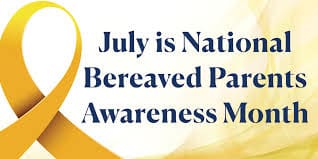
July is recognized annually as National Bereaved Parents Awareness Month, a time dedicated to honoring the profound grief of parents who have lost a child and raising awareness about the support they need to navigate this unimaginable loss. The death of a child is one of the most devastating experiences a parent can endure, defying the natural order of life and leaving a lasting impact on their emotional, physical, and mental well-being. This month serves as an opportunity to acknowledge their pain, foster understanding, and provide meaningful support to bereaved parents while keeping the memories of their children alive.
Understanding the Grief of Bereaved Parents
The loss of a child, regardless of age or circumstance, is a uniquely painful experience. As noted by bereaved parent and counselor Cinnamon Miller-Duncil, the grief can be all-consuming, with some days filled with anger or despair, yet hope can emerge through faith and community support. Parents often describe feeling isolated, as the depth of their sorrow is difficult for others to comprehend. Pareavor or the Sanskrit word vilomah, meaning “against the natural order,” is sometimes used to describe parents who outlive their children, capturing the unnatural and disorienting nature of this loss.
Grief is complex and nonlinear, manifesting in varied ways. Bereaved parents may experience physical symptoms like fatigue, loss of appetite, or chest pain, alongside emotional challenges such as depression, guilt, or difficulty concentrating. Some may subconsciously search for their child in crowds or struggle with everyday tasks, while others may feel compelled to honor their child’s memory by wearing their clothes or sharing their stories., For many, the first year is particularly challenging, with anniversaries, birthdays, and holidays triggering intense waves of sorrow.
Statistically, the scope of this loss is staggering: by age 70, 15% of American parents have lost a child, a number that underscores the widespread need for awareness and support. The emotional toll can lead to serious health complications, including depression, post-traumatic stress disorder, marital strain, and even premature death.,
The Purpose of Bereaved Parents Awareness Month
National Bereaved Parents Awareness Month, observed globally in July, aims to break the silence surrounding child loss and create a supportive environment for grieving parents. It serves multiple purposes:
Raising Awareness: The month highlights the prevalence of child loss and the lifelong journey of grief, encouraging open conversations about a topic often considered taboo. As bereaved mother Adrienne Brown notes, “We WANT to talk about our children. That’s how we keep them alive.”
Providing Support: It connects bereaved parents with resources, such as grief counseling, support groups, and peer mentorship programs, to help them cope. Organizations like Bereaved Parents of the USA, Share: Pregnancy and Infant Loss Support, and the COPE Foundation offer safe spaces for parents to share their experiences.,
Educating Communities: The month educates family, friends, and communities on how to support bereaved parents effectively, fostering empathy and reducing the stigma around grief.
Honoring Memories: It encourages parents to celebrate their child’s life by sharing stories, posting photos, or participating in commemorative events like the Walk to Remember or candle-lighting ceremonies, such as the one organized by A Child of Mine on National Bereaved Parents Day, July 3.,
How to Support Bereaved Parents
Supporting a bereaved parent requires sensitivity, patience, and action. Here are practical ways to offer meaningful support, drawn from insights shared by bereaved parents and experts:
Say Their Child’s Name: Mentioning the child’s name shows that their memory is valued. As Jen McKay, a bereaved mother, emphasizes, sharing memories or asking about the child can foster healing.,
Be Present: Simply being there—listening without judgment or sitting quietly—can be profoundly comforting. Avoid phrases like “I can’t imagine” or “They’re in a better place,” which may unintentionally minimize the parent’s pain. Instead, say, “I’m here for you” or “I’m so sorry for your loss.”,
Offer Specific Help: Rather than saying, “Let me know if you need anything,” offer concrete assistance, such as, “I’ll bring dinner tomorrow” or “I can pick up your other kids from school.” Everyday tasks can feel overwhelming for grieving parents.,
Acknowledge Milestones: Reach out on birthdays, anniversaries, or during holidays, which can be particularly painful. A simple message or gesture can show you remember.
Encourage Professional Support: Gently suggest resources like grief counselors or support groups, especially if you notice signs of severe distress, such as suicidal thoughts. Kristine Nunn, a therapist, highlights the importance of seeking help when grief is compounded by other stressors.
Respect Their Grief Journey: Understand that grief has no timeline. Some parents may find solace in faith, like Miller-Duncil, who finds comfort in her belief that she’ll reunite with her son, Liam. Others may need years to process their loss.,
Commemorating Bereaved Parents Awareness Month
Communities and individuals can participate in meaningful ways to honor bereaved parents and their children:
Join Events: Participate in local events like the Walk to Remember, organized in some communities, or light a candle on National Bereaved Parents Day, July 3, at 7 p.m., as promoted by A Child of Mine with the theme “Together We Are Stronger.”,
Share Stories: Post about bereaved parents or their children on social media using hashtags like #NationalBereavedParentsDay2025 or #TogetherWeAreStronger to raise awareness.
Send Thoughtful Gestures: Organizations like A Child of Mine offer NBPD gift boxes with awareness ribbons and crocheted hearts to show support. Alternatively, send a card or a small token, like the wildflower seed paper butterflies distributed by Mass General for Children’s Pediatric Bereavement Program.
Educate Yourself: Read books, listen to podcasts, or explore research on grief, such as the work of social workers Judith McCoyd and Erica Goldblatt Hyatt, to better understand the needs of bereaved parents.,
Resources for Bereaved Parents
Numerous organizations provide specialized support for parents grieving the loss of a child:
Bereaved Parents of the USA: Offers a safe space for parents to connect with others who have experienced similar losses.
Share: Pregnancy and Infant Loss Support: Supports parents who have lost a child through pregnancy loss, stillbirth, or early infancy.
The COPE Foundation: Connects families who have lost a child, offering resources for parents and siblings.
George Mark Children’s House: Provides compassionate care and bereavement support, including peer mentorship for grieving parents.
Full Circle Grief and Loss Center: Offers individual and group support for those coping with loss, available through Hospice Savannah.
Hand to Hold: Provides peer mentorship and resources for parents who have lost a child, particularly in the NICU.
A Call to Action
National Bereaved Parents Awareness Month is a reminder that grief does not end with a funeral; it is a lifelong journey that requires ongoing support. As Melanie, a bereaved parent and writer, poignantly states, “I’m absolutely convinced of the need for Bereaved Parents Month.” By listening, offering practical help, and honoring the memories of their children, we can show bereaved parents that they are not alone. This July, let’s come together to acknowledge their strength, share their stories, and build a community of compassion and understanding.
For more information or to find support, visit organizations like Bereaved Parents of the USA, A Child of Mine, or Hand to Hold. If you or someone you know is struggling, reach out to a professional therapist or a local support group. Together, we can make a difference in the lives of bereaved parents.
A Father’s Guide to Surviving the Loss of a Child
Leave a Reply