Author: Brett Murphy

  • Kennedy and Nixon Square Off in First Televised Presidential Debate

    Kennedy and Nixon Square Off in First Televised Presidential Debate

    On September 26, 1960, Americans witnessed a political turning point that forever changed the way campaigns were run. For the first time in history, a presidential debate was broadcast live on television, pitting Democratic Senator John F. Kennedy against Republican Vice President Richard Nixon. What unfolded that night in Chicago’s CBS studios was more than just a clash of policy ideas—it was a demonstration of the growing power of television to shape public perception.

    The debate reached an estimated 70 million viewers, a record-breaking audience at the time. Kennedy, youthful and confident, arrived tanned and well-prepared, exuding calmness under the studio lights. Nixon, recovering from a recent hospital stay and having refused professional makeup, appeared pale, tired, and visibly uncomfortable. On radio, listeners believed Nixon held his own, but on television, Kennedy’s poise and polished image resonated more strongly.

    The topics ranged from the Cold War and relations with the Soviet Union to domestic economic growth and civil rights. Kennedy pressed for stronger leadership, presenting himself as the energetic candidate ready to take America into a new decade. Nixon, with years of foreign policy experience, emphasized his background and close work with President Dwight D. Eisenhower, but his delivery lacked the vitality that Kennedy projected.

    In the aftermath, analysts noted that the debate underscored the growing influence of television as a political tool. Those who watched on TV overwhelmingly thought Kennedy had won, while radio listeners were more likely to give Nixon the edge. This contrast demonstrated how much appearance, presentation, and stage presence could matter in the television age.

    The Kennedy-Nixon debate not only shifted momentum in the 1960 election—helping propel Kennedy to a narrow victory—but also set the precedent for how modern presidential campaigns would be conducted. From that moment forward, candidates recognized that debates were no longer just about substance, but about style, image, and the ability to connect with Americans through the lens of a camera.

    Read More Holidays & National Days

  • National Food Service Workers Day: Honoring the Hands That Feed America

    National Food Service Workers Day: Honoring the Hands That Feed America

    Every year on September 25th, National Food Service Workers Day shines a light on the hardworking individuals who keep America fed. From the cooks and dishwashers in local diners to the baristas, servers, cafeteria staff, and food delivery drivers, this day recognizes the vital contributions of food service workers in our communities.

    The Unsung Heroes of Daily Life

    Food service is often fast-paced, demanding, and physically exhausting. Workers spend long hours on their feet, balancing customer service with strict health and safety standards. Despite the challenges, they bring people together—whether through a family dinner at a favorite restaurant, a quick coffee before work, or a nourishing meal served in a school or hospital cafeteria.

    More Than Just a Job

    For many, working in food service is more than a paycheck—it’s a craft, a passion, or a stepping stone toward future goals. It teaches resilience, teamwork, time management, and communication skills that extend far beyond the kitchen or dining room. For others, it’s a career of dedication, building relationships with regular customers and creating spaces of warmth and connection.

    Why Appreciation Matters

    Food service workers often face long shifts, unpredictable schedules, and difficult customers, yet they show up day after day with commitment and care. National Food Service Workers Day is an opportunity to express gratitude. A simple “thank you” to your server, tipping generously, or supporting local restaurants and cafes can go a long way.

    Celebrating the Day

    Dine out and say thanks – Visit your favorite restaurant and personally thank the staff.

    Support local food workers – Leave positive reviews, recommend local eateries, or participate in community initiatives that uplift food service staff.

    Show kindness – A smile, patience during busy rushes, and respect for their work costs nothing but means everything.

    A Lasting Impact

    Behind every meal served, there are hardworking hands making it possible. National Food Service Workers Day reminds us not to take that for granted. Whether it’s a quick snack or a five-course meal, the dedication of food service workers helps create the moments we share with family, friends, and community.

    Read More Holidays & National Days

  • The Bill of Rights Passes Congress

    The Bill of Rights Passes Congress

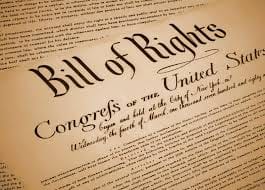
    On September 25, 1789, the United States Congress took a historic step in shaping the nation’s future by passing the Bill of Rights. These first ten amendments to the U.S. Constitution were designed to safeguard individual liberties and protect citizens from government overreach, ensuring that the newly formed nation would remain rooted in freedom and justice.

    The Bill of Rights was born out of compromise. During the Constitutional Convention, many delegates worried that the original Constitution lacked explicit protections for personal freedoms. Anti-Federalists, in particular, feared that without such guarantees, the federal government could grow too powerful and infringe on the rights of the people. Federalists, while initially hesitant, agreed that adding amendments would strengthen public trust in the new government.

    James Madison, often called the “Father of the Constitution,” took the lead in drafting these amendments. Drawing inspiration from earlier documents like the Magna Carta, the English Bill of Rights, and state constitutions, Madison compiled a set of protections that reflected the values and demands of the American people.

    The ten amendments that became known as the Bill of Rights guaranteed essential freedoms—such as freedom of speech, press, and religion—as well as protections like the right to bear arms, trial by jury, and safeguards against unreasonable searches and cruel punishments. Together, they became a cornerstone of American democracy.

    Though passed by Congress in 1789, the amendments still required ratification by the states. This process concluded on December 15, 1791, when Virginia became the final state needed to approve them. From that day forward, the Bill of Rights has stood as a shield for individual liberty, guiding courts, lawmakers, and citizens through more than two centuries of challenges and change.

    The passage of the Bill of Rights not only secured vital protections but also reinforced the principle that government derives its power from the consent of the governed. More than 230 years later, these amendments remain a defining feature of American identity—reminders that liberty, once won, must always be guarded.

    Read More Holidays & National Days

  • Rebuilding Your Life After Child Loss

    Rebuilding Your Life After Child Loss

    Losing a child is a heartbreak unlike any other. It is not something you ever “get over.” Instead, it’s a reality you learn to live with, one that reshapes every part of your life. In the aftermath, parents often wonder if it’s even possible to rebuild—if there’s a way to live again without the presence of their child. While the path is never easy, many parents slowly find ways to move forward while keeping the memory of their child alive.

    Accepting That Life Has Changed Forever

    The first step in rebuilding is accepting that life will never look the same. Grief is not a season with an end date—it’s a companion you carry. Some days it feels heavier than others, but acknowledging the permanence of this loss allows you to stop waiting for things to “go back to normal.” A new normal must be created.

    Giving Yourself Permission to Grieve

    Rebuilding doesn’t mean rushing into healing or pretending to be strong. It means allowing yourself to cry, to rage, to sit in silence. It means recognizing that grief has no timeline. Some days you may feel capable of engaging with life, while others you may only manage to get out of bed. Both are valid.

    Leaning on Support

    No one should walk through child loss alone. Support groups, therapists, close friends, or other grieving parents can offer understanding when the rest of the world cannot. Sharing your story with those who “get it” provides a sense of belonging in a time when you may feel isolated.

    Honoring Your Child’s Memory

    Part of rebuilding is finding ways to keep your child’s memory present in your life. This might mean creating a memorial space, celebrating their birthday, writing letters, or starting a tradition in their honor. By weaving their memory into your daily life, you continue to give their existence meaning.

    Rediscovering Purpose

    In time, many grieving parents find a new sense of purpose. Some turn to advocacy, volunteer work, or creative outlets. Others pour themselves into family, faith, or personal growth. Rebuilding doesn’t erase the loss; it reshapes your life in a way that honors both your pain and your resilience.

    Moving Forward With Love

    Rebuilding life after child loss does not mean leaving your child behind. Instead, it means carrying them with you in a way that allows you to keep living. The love you feel for your child never fades—it becomes the quiet force that carries you forward, helping you find light again in a world that once felt unbearably dark.

    A Father’s Guide to Surviving the Loss of a Child

  • Pickax and the Fight for Free Speech Online

    Pickax and the Fight for Free Speech Online

    Free speech online is under siege. The promise of the internet as a digital town square—where anyone could voice an opinion, share an idea, or challenge authority—has been steadily eroded by Big Tech companies deciding which voices are “acceptable” and which should be silenced. Platforms like X, Facebook, and Instagram once prided themselves on connecting people across borders and ideologies. Today, they act more like gatekeepers of thought, deleting posts, banning accounts, and burying perspectives that fall outside of the mainstream narrative.

    But free speech doesn’t die quietly. And in that void, platforms like Pickax have emerged to challenge the monopoly of control.

    Pickax: A Platform with a Mission

    Pickax brands itself as a free speech platform, and that’s not just marketing. Unlike its corporate competitors, Pickax is built around a simple philosophy: the internet should be a place where ideas compete openly, not where they’re strangled by vague “community standards” or faceless moderators.

    Its rules are clear and narrow—stop genuinely illegal activity, and otherwise let people speak. That means no arbitrary suspensions for offending the wrong person, no shadowbans designed to make your voice invisible, and no ever-changing guidelines that keep people guessing what’s allowed. On Pickax, the expectation is different: you own your voice.

    Why It Matters

    At first glance, free speech online might sound like a luxury. But in reality, it’s a cornerstone of democracy. A society that silences dissenting voices isn’t protecting its people—it’s protecting power. When mainstream platforms label inconvenient truths as “misinformation” or suppress discussion of controversial issues, they don’t eliminate bad ideas—they eliminate trust.

    History shows us where this path leads. From authoritarian regimes that restrict political dissent to governments that censor the press, the pattern is always the same: the erosion of free speech is the erosion of freedom itself. The internet was supposed to be different. Pickax insists that it still can be.

    User Control vs. Corporate Control

    One of Pickax’s most radical features is also its most common-sense idea: put control back in the hands of the user. If you don’t like what someone is saying, you can filter it out. If you want to avoid certain topics, you can customize your feed. The responsibility is yours—not a corporation’s.

    Contrast that with mainstream social media. Algorithms silently decide what you see, often with an eye toward maximizing outrage and advertising revenue. The result is not just censorship but manipulation. By curating your reality, Big Tech narrows the range of ideas you’re even exposed to. Pickax rejects that model entirely.

    The Bias Problem

    Let’s be honest: censorship on mainstream platforms isn’t neutral. Over the past decade, countless users have accused Big Tech of enforcing rules unevenly—clamping down harder on some political or cultural views than others. Posts are flagged, accounts are suspended, and dissenters are silenced under the guise of “safety” or “fact-checking.”

    Pickax challenges this double standard. By refusing to play referee in political debates, it leaves space for both sides to argue their case. In doing so, it reinforces a principle too often forgotten: the answer to speech you disagree with is more speech, not less.

    The Bigger Picture

    Free speech online isn’t just about protecting edgy jokes or controversial opinions. It’s about safeguarding the right to question authority, challenge corruption, and propose new ideas without fear of punishment. The internet was meant to amplify voices, not mute them.

    If only the “acceptable” viewpoints are allowed, then we don’t have debate—we have propaganda. And propaganda, no matter how well-packaged, is poison to a free society.

    Pickax is betting on a different future. A future where users shape their own experiences, where debates are messy but honest, and where the digital town square is open to everyone—not just those who toe the line.

    Why Pickax Matters Now

    The stakes couldn’t be higher. Across the globe, governments and corporations are tightening control over what can be said online. From content moderation boards to AI-driven censorship, the walls around free expression are closing in. For many, Pickax represents more than just an app—it’s a last stand for the principle that free speech is not negotiable.

    And while critics may sneer and dismiss it as a “haven for controversy,” that criticism only underscores why it matters. Free speech was never meant to protect the comfortable. It was meant to protect the disruptive, the dissenting, and the unpopular.

    A Final Word

    Pickax isn’t perfect. No platform is. But it represents a vision that is both radical and timeless: trust people to speak, and trust society to decide which ideas survive. The alternative is a world where a handful of unelected tech executives dictate the boundaries of public thought.

    The choice before us is simple. We can accept a future where speech is curated, managed, and censored into submission—or we can fight for platforms like Pickax that still believe in the messy, chaotic, beautiful freedom of open dialogue.

    For those of us who still believe in free speech, Pickax isn’t just another social platform. It’s a necessity.

    Read More Opportunities & Growth

  • Go With Your Gut Day: Trusting Your Instincts

    Go With Your Gut Day: Trusting Your Instincts

    Every year, Go With Your Gut Day serves as a reminder that sometimes, the best guide we have is already within us—our instincts. Life is filled with endless decisions, from the small everyday choices to the major turning points that shape our future. While research, logic, and planning are all important, there are moments when trusting your gut feeling can make all the difference.

    The Meaning of Going With Your Gut

    “Gut instinct” refers to that deep, intuitive sense we get about a situation—whether it’s a person, a choice, or an opportunity. Science shows that intuition often comes from the brain processing information faster than we consciously realize. In many cases, our gut instincts are based on patterns we’ve experienced before, even if we can’t explain them right away.

    Why It Matters

    Confidence in Decision-Making – Trusting your instincts can boost your self-assurance, helping you avoid second-guessing.

    Time-Saver – Not every choice needs days of analysis. Sometimes, your first instinct is the right one.

    Personal Alignment – Gut feelings often reflect your values, emotions, and what matters most to you.

    Ways to Celebrate Go With Your Gut Day

    Listen to Yourself – Today, try following your first instinct in small choices, like what to eat, how to spend your time, or which task to tackle first.

    Reflect on Past Moments – Think about times when trusting your gut led to a positive outcome.

    Quiet the Noise – Meditation, journaling, or simply taking a walk can help you tune into your inner voice.

    Encourage Others – Share the importance of trusting intuition with friends or coworkers. Sometimes, they just need a reminder to believe in themselves.

    Final Thought

    Go With Your Gut Day isn’t about ignoring logic or reason—it’s about remembering that intuition has its own wisdom. Trusting yourself is one of the most powerful steps toward growth, confidence, and authenticity.

    Read More Holidays & National Days

  • National Family Day: Celebrating the Bonds That Hold Us Together

    National Family Day: Celebrating the Bonds That Hold Us Together

    Every year, National Family Day reminds us to pause and appreciate the people who stand by our side through life’s ups and downs—our families. Whether connected by blood, marriage, or chosen bonds, family plays an essential role in shaping who we are, offering us love, guidance, and support.

    The Purpose of National Family Day

    National Family Day was created to encourage families to set aside time for one another, especially in today’s fast-paced world where busy schedules, work, and technology can easily pull us apart. The holiday emphasizes the importance of strengthening family connections and cherishing the moments we have together.

    Why Family Matters

    Family provides a foundation of love, trust, and belonging. It’s where traditions are passed down, values are taught, and lifelong memories are made. Research consistently shows that strong family relationships lead to better emotional well-being, greater resilience, and healthier communities.

    Ways to Celebrate National Family Day

    There’s no single way to celebrate—what matters most is spending time together. Here are a few simple and meaningful ideas:

    Share a family meal: Cook at home or enjoy dinner out, but focus on being present with one another.

    Reconnect with tradition: Share old family stories, flip through photo albums, or revisit cultural traditions.

    Do something fun together: Play games, go for a walk, have a movie night, or plan a family outing.

    Reach out to extended family: Call or video chat with relatives you don’t see often to let them know you care.

    Give back together: Volunteering as a family strengthens bonds while making a positive impact on the community.

    A Day That Lasts Beyond the Calendar

    While National Family Day serves as a special reminder, the values it highlights should extend beyond one day. Making time for family—whether daily, weekly, or even through small gestures—helps keep relationships strong and enduring.

    In the end, family is not just about who we live with, but about the love, loyalty, and support that connect us. National Family Day is a chance to honor that connection and remind ourselves that no matter how busy life gets, family always deserves a place at the center.

    Read More Holidays & National Days

  • Remembering and Honoring Charlie Kirk

    Remembering and Honoring Charlie Kirk

    On September 10, 2025, Charlie Kirk was assassinated during a speaking event at Utah Valley University. His death shocked many in American political life and prompted a wave of mourning, memorials, and calls to preserve whatever legacy his supporters believe he left behind.

    Life, Work, and Influence

    Charlie Kirk (b. October 14, 1993) was a prominent conservative activist, author, and media figure. He co-founded Turning Point USA in 2012 and built it into a major force among younger conservatives, known for its campus chapters and political engagement.

    His work touched on free speech, limited government, cultural issues, Christian faith, and mobilizing young people in conservative causes. Through various media—podcasts, speeches, social media—he became a polarizing but central figure in the MAGA movement and broader conservative activism.

    How Supporters Are Mourning & Honoring Him

    Since his death, supporters have honored Kirk in many ways:

    The board of Turning Point USA unanimously appointed his widow, Erika Kirk, as the new CEO and Chair of the Board. This was reportedly in line with his expressed wishes, meant to ensure continuity of his mission.

    A major memorial service is planned in Glendale, Arizona, with Trump, Vice President J.D. Vance, and other conservative figures attending.

    The U.S. Senate passed unanimously a resolution to designate October 14, 2025 (his birthday) as a National Day of Remembrance for Charlie Kirk.

    There have been vigils, prayer services, and moments of tribute across the country. Local communities have gathered to share memories, express grief, and reflect on what he meant to them.

    Voices of Support: What People Are Saying

    Here are some representative quotes and reflections by those who supported or admired him, capturing how many view his life and message:

    Erika Kirk, his widow, speaking at a vigil:

    “Charlie always said that, when he was gone, he wanted to be remembered for his courage and his faith.”
    “One of the final conversations that he had on this earth, my husband witnesses for his Lord and Savior Jesus Christ.”
    “Now, and for all eternity, he will stand at his savior’s side wearing the glorious crown of the martyr.”

    Andrew Kolvet, TPUSA staffer and producer of The Charlie Kirk Show:

    “It’s been said that the blood of the martyrs is the seeds of the church and we’re going to see great faith rise up across the country from this — I believe it — and in the world.”
    “My request is, if you want to honor Charlie too, it is Sunday … Go back to church. Open your Bible. Pray. That’s what he wanted.”

    Community voices at a vigil in Florida:

    “He just was an amazing man. He spoke nothing but the truth.”
    “He worked really hard, and he believed in his faith. And he sat there and said that God comes first with everything. And he brought me back to my faith in Christ.”

    Senator Marsha Blackburn reflected on his influence:

    “He was a champion for freedom. He was a role model for millions of young people across our country. And he was a devoted husband and father who loved his family more than anything.”
    “Charlie believed in hard work and smart work, so honor him by working hard, by working smart, by looking for those opportunities to be a leader…”

    The Challenges & Controversies in His Legacy

    It’s important to note that Charlie Kirk was not without controversy. Critics point to divisive rhetoric, polarizing statements, and accusations that some of his arguments exacerbated cultural conflicts. These are parts of his public record that many remember as well. A full remembrance considers both his influence and these criticisms.

    What His Supporters See as His Legacy

    From the perspective of his supporters, these are the main themes they want his legacy to carry forward:

    Faith & conviction: Many emphasize that his Christian faith was central to his life and that he wanted to be remembered for that.

    Youth engagement and leadership: They see him as someone who inspired young people to get involved politically, think critically, and not feel like bystanders.

    Freedom of speech and public debate: Supporters often recall how he engaged in debates, campus events, social media, trying to challenge what he saw as groupthink or ideological conformism.

    Perseverance in adversity: Many remember his willingness to take risks, to speak in hostile environments, to stand for beliefs even when they were contested.

    Ways People Are Honoring Him—What Comes Next

    Continuing his work: With Erika Kirk now leading Turning Point USA, there is an expressed intention to expand and sustain the organization, following the direction Charlie was laying out.

    Institutional recognition: The National Day of Remembrance, flags flown at half-staff, and gatherings across campuses emphasize formal public memory.

    Personal actions: Some supporters say they will honor him by deepening their own faith, becoming more engaged locally, advocating for conservative causes, or simply holding more civil, bold conversations—as many quote as part of his model.

    Reflections: What It Means to Remember

    Remembering someone like Charlie Kirk means wrestling with complexity. His life elicited strong support, and critics as well. Honoring him doesn’t necessarily mean agreement with everything he said or did, but it does involve appreciating:

    The power of belief and conviction in shaping public life

    The role of young people in political movements

    How faith, identity, and ideology interact in America today

    The risks associated with big public voices—how they can uplift, polarize, and sometimes become targets

    Conclusion

    Charlie Kirk’s death has stirred deep emotions among those who saw in him a leader, a defender of conservative values, and a fighter for faith. His supporters remember him as courageous, outspoken, and someone who inspired many young people to step forward rather than stay silent. As the country engages with this loss, the memorials, remembrances, and the conversations around his life will shape how future generations understand not only Kirk, but the times he lived in—and what kind of political culture is to follow.

    May the story of his life serve not just as a memory, but as an invitation: to reflect on what we believe, how we speak, and how we live with conviction—and compassion.

    Read More History & Culture

  • Wife Appreciation Day

    Wife Appreciation Day

    Every year, on the third Sunday in September, people around the world celebrate Wife Appreciation Day—a special occasion dedicated to honoring the women who stand beside their spouses through life’s ups and downs. While anniversaries often mark the milestones of a marriage, this day focuses entirely on recognizing the love, dedication, and countless contributions wives bring into a relationship and family.

    The Meaning Behind the Day

    Wife Appreciation Day is more than just flowers, cards, or a simple “thank you.” It’s about recognizing the unique role a wife plays—whether as a partner, a mother, a confidant, or a source of strength. Wives often pour themselves into caring for their families, balancing responsibilities, and providing support in ways that are sometimes overlooked. This day is a reminder to pause and show genuine gratitude.

    Ways to Celebrate

    Celebrating doesn’t have to be grand—it just has to be heartfelt. Here are a few meaningful ways to make the day special:

    Personal gestures: Write her a heartfelt letter, prepare her favorite meal, or plan a surprise outing.

    Quality time: Spend the day doing something she loves, whether it’s hiking, watching movies, or simply enjoying a quiet coffee together.

    Acts of kindness: Take care of the little things she usually handles, giving her space to relax and feel cared for.

    Gifts of appreciation: A bouquet, a piece of jewelry, or even something handmade can be a lasting reminder of your gratitude.

    Why It Matters

    Life gets busy, and sometimes appreciation goes unspoken. Wife Appreciation Day is an opportunity to reflect on the partnership, sacrifices, and love that wives bring into a marriage. It’s also a chance to strengthen bonds, nurture intimacy, and show that her presence is truly cherished.

    At its core, this day is about more than celebration—it’s about acknowledgment. It reminds couples that love should never be taken for granted and that appreciation, when expressed, has the power to deepen connection and joy in a marriage.

    Read More Holidays & National Days

  • PEPPERONI PIZZA DAY

    PEPPERONI PIZZA DAY

    Every year on September 20th, pizza lovers across the country unite to celebrate Pepperoni Pizza Day, a delicious holiday dedicated to America’s favorite pizza topping. Few foods are as universally loved as pizza, and when it comes to toppings, pepperoni has held the crown for decades.

    A Slice of History

    Pepperoni, which means “big pepper” in Italian, is an American creation inspired by traditional Italian cured meats. Immigrants in the early 20th century began experimenting with spiced, cured pork and beef to create the pepperoni we know today. By the 1950s, as pizza shops grew in popularity, pepperoni became the most popular topping—and it has never lost its spot at the top.

    Why We Love It

    Pepperoni brings a perfect balance of smoky, spicy, and savory flavors that blend seamlessly with melted cheese and tomato sauce. The edges curl up into crispy cups as they bake, adding texture and flavor to every bite. Whether enjoyed as a late-night snack, a family dinner, or at a game-day party, pepperoni pizza has a way of bringing people together.

    Fun Ways to Celebrate

    Order a slice from your favorite pizzeria and enjoy it hot out of the oven.

    Make your own pepperoni pizza at home with creative crusts, sauces, and cheese blends.

    Host a pizza party, letting everyone design their own mini pies with pepperoni and other toppings.

    Try something new like stuffed-crust pepperoni, double-layered pepperoni, or even pepperoni calzones.

    A Nationwide Favorite

    According to pizza industry reports, pepperoni tops more than 35% of all pizzas sold in the U.S. That’s billions of slices each year! It’s safe to say that when Americans think of pizza, pepperoni is often the first topping that comes to mind.

    So on Pepperoni Pizza Day, grab a slice (or two), share it with friends and family, and celebrate the classic topping that continues to win hearts one pizza at a time.

    Read More Holidays & National Days