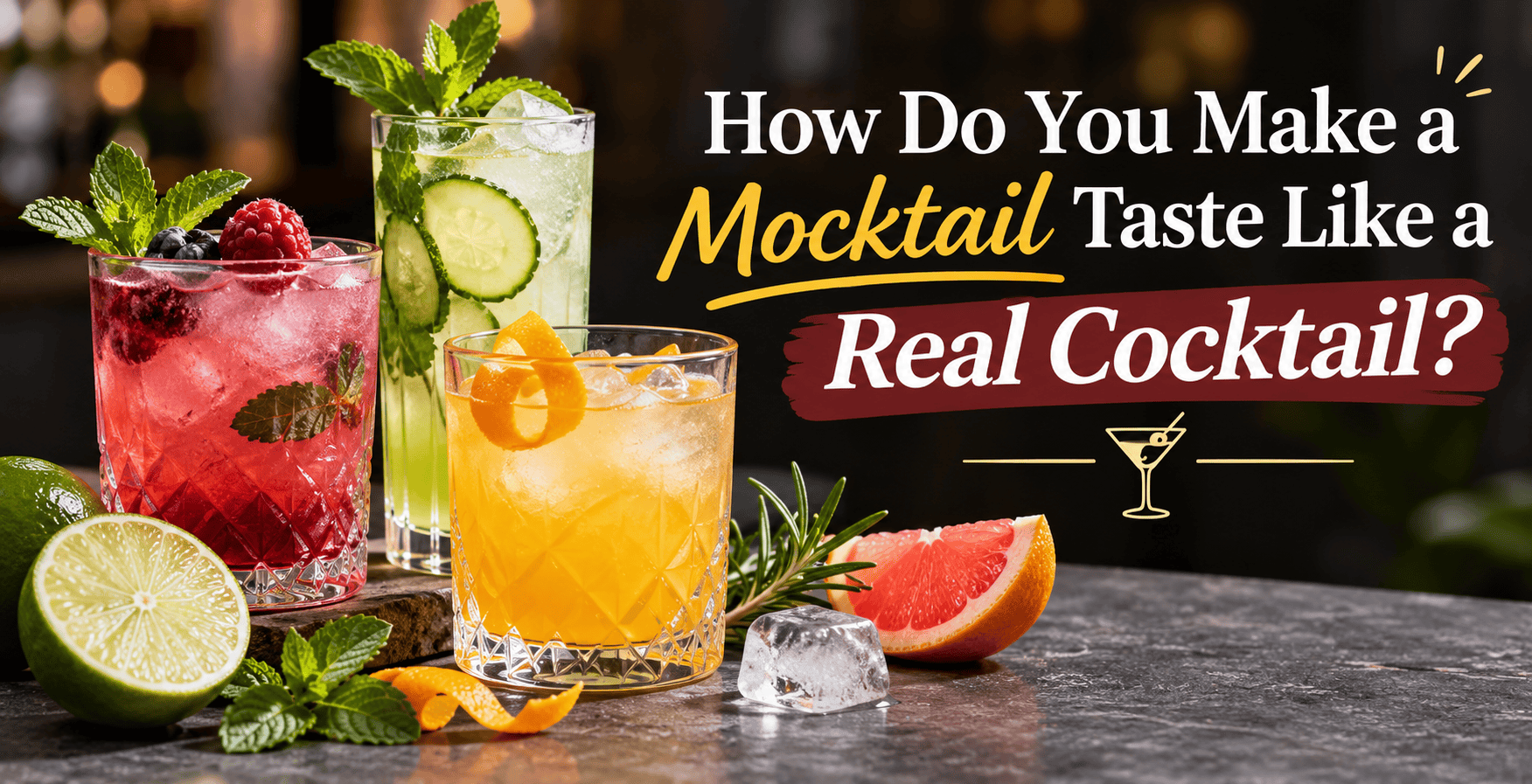
Mocktails have come a long way from simple combinations of fruit juice and soda. Today, alcohol-free drinks can offer the same sophisticated flavors, refreshing textures, beautiful presentation, and satisfying complexity as traditional cocktails. Whether you are avoiding alcohol, hosting a party, practicing moderation, or simply looking for something different, learning how to make a mocktail taste like a real cocktail can completely transform your drinking experience.
The secret to creating a convincing mocktail is not necessarily finding a substitute for alcohol. Instead, it is understanding what makes traditional cocktails enjoyable in the first place.
Great cocktails combine sweetness, acidity, bitterness, aroma, texture, temperature, and sometimes a subtle warming sensation. When these elements work together, they create a balanced drink that feels more sophisticated than ordinary juice or flavored sparkling water.
With the right ingredients and techniques, you can make delicious mocktails that deliver a cocktail-style experience without the alcohol.
What Makes a Mocktail Taste Like a Real Cocktail?
The biggest difference between an ordinary mocktail and a cocktail-inspired alcohol-free drink is flavor complexity.
Traditional cocktails often have several layers of flavor. A margarita combines tart lime, sweetness, citrus aroma, and the distinctive character of tequila. A mojito balances fresh mint, lime, sugar, and carbonation with the flavor of rum. An Old Fashioned brings together sweetness, bitterness, citrus oils, and whiskey’s rich flavor.
When alcohol is removed, some of those characteristics disappear.
However, you can recreate much of the overall experience by focusing on five essential elements:
-
Acidity: Fresh citrus juices and other tart ingredients provide brightness and balance.
-
Bitterness: Bitter flavors create depth and prevent drinks from tasting excessively sweet.
-
Sweetness: Syrups, fruit juices, and natural sweeteners soften sharp flavors.
-
Aroma: Herbs, spices, citrus peels, and botanical ingredients add complexity.
-
Texture: Carbonation, shaking, dilution, and other techniques create a satisfying mouthfeel.
A great mocktail should not taste like watered-down fruit juice. It should offer a balanced combination of flavors that makes every sip interesting.
1. Use Fresh Citrus Juice for Authentic Cocktail Flavor
One of the easiest ways to improve a mocktail is to use freshly squeezed citrus juice.
Fresh lime, lemon, grapefruit, and orange juices provide natural acidity that helps balance sweetness and create a more authentic cocktail experience.
Many traditional cocktails rely heavily on citrus.
For example:
-
Margaritas use lime juice.
-
Whiskey Sours use lemon juice.
-
Mojitos use lime juice.
-
Palomas use grapefruit and lime.
-
Daiquiris use lime juice.
Fresh citrus delivers a brighter flavor and often a more appealing aroma than bottled alternatives.
How Much Citrus Should You Use?
For most single-serving mocktails, start with:
-
¾ ounce fresh lemon or lime juice
-
½ to ¾ ounce simple syrup
-
2 to 4 ounces of an alcohol-free base or mixer
Adjust the ingredients according to your preferences.
If the drink tastes too sweet, add a little more citrus. If it tastes too sour, increase the sweetener slightly.
The goal is balance rather than overwhelming sweetness.
2. Add Bitterness to Create a More Sophisticated Mocktail
One reason many mocktails taste more like juice than cocktails is the absence of bitterness.
Alcoholic beverages often contain naturally bitter compounds that contribute to their distinctive flavor profiles.
Bitterness adds complexity and helps prevent drinks from tasting overly sweet.
Fortunately, several alcohol-free ingredients can provide this characteristic.
Best Bitter Ingredients for Mocktails
Tonic water: Offers a distinctive bitter flavor from quinine and works particularly well in gin-inspired mocktails.
Grapefruit juice: Provides natural bitterness alongside refreshing citrus acidity.
Unsweetened cranberry juice: Adds tartness and a slightly astringent quality.
Strong black tea: Introduces tannins that provide structure and a pleasantly dry finish.
Unsweetened herbal tea: Certain botanical blends offer earthy, bitter, or floral flavors.
Alcohol-free bitters: Products specifically labeled alcohol-free can introduce concentrated botanical flavors.
Not all cocktail bitters are alcohol-free. Traditional aromatic bitters often contain alcohol, even when used in small amounts. Check the label if you want a completely alcohol-free drink.
Adding just a small amount of bitterness can make a dramatic difference.
For example, combining grapefruit juice, rosemary syrup, and tonic water creates a drink with multiple flavor layers rather than a simple sweet citrus taste.
3. Use Herbs and Botanicals to Replace Alcohol’s Complexity
Many alcoholic spirits contain botanical ingredients that give them recognizable flavors.
Gin commonly features juniper, coriander, citrus peel, and other botanicals. Rum may offer notes of vanilla, caramel, and spice. Whiskey often contains oak, vanilla, and warming spice characteristics.
You can recreate aspects of these flavors with herbs, spices, and botanical infusions.
Best Herbs for Cocktail-Style Mocktails
Rosemary: Adds a pine-like, aromatic flavor that works beautifully with grapefruit and lemon.
Mint: Creates a refreshing sensation, especially in mojito-inspired drinks.
Basil: Introduces a slightly peppery, herbal character that pairs well with strawberries and citrus.
Thyme: Provides subtle earthy and floral notes.
Lavender: Adds a delicate floral aroma when used sparingly.
Sage: Creates a savory, slightly earthy flavor that works well with apple and citrus.
How to Use Herbs in Mocktails
You can introduce herbal flavors in several ways.
Gently muddle fresh herbs to release their aromatic oils without crushing them excessively.
Prepare herbal simple syrups by briefly steeping herbs in warm syrup.
Infuse herbs in cold water or tea for a lighter flavor.
You can also use fresh herb sprigs as garnishes.
A rosemary sprig in a grapefruit mocktail, for example, contributes aroma every time you lift the glass.
That aromatic experience makes the drink feel more sophisticated.
4. Use Alcohol-Free Spirits for a More Realistic Cocktail Experience
If your goal is to create a mocktail that closely resembles a traditional cocktail, alcohol-free spirits can be helpful.
These products are designed to imitate some of the flavor characteristics of gin, rum, whiskey, tequila, and other spirits.
Unlike ordinary fruit juice, many contain complex botanical ingredients, spices, and flavor compounds.
Popular Types of Alcohol-Free Spirits
Gin alternatives: Often feature juniper, citrus, herbs, and botanical flavors.
Rum alternatives: May include vanilla, caramel, molasses, and tropical spice notes.
Whiskey alternatives: Often emphasize oak, smoke, vanilla, and warming spices.
Tequila alternatives: May contain agave-inspired, earthy, peppery, or citrus characteristics.
Aperitif alternatives: Typically feature bitter citrus, herbs, and botanical flavors.
These products can make it easier to prepare familiar drinks such as alcohol-free margaritas, mojitos, gin and tonics, and Old Fashioneds.
However, not every product labeled nonalcoholic is necessarily 0.0% alcohol by volume. Some contain trace amounts, so check the label if complete alcohol avoidance is important.
Alcohol-free spirits also vary significantly in quality and flavor.
Experimenting with different styles can help you discover which products best match your preferences.
5. Create the Warming Sensation Associated With Alcohol
One characteristic that can be difficult to reproduce in mocktails is the warming sensation associated with alcohol.
Whiskey, rum, tequila, and other spirits can create a noticeable warmth in the mouth and throat.
Although alcohol-free ingredients cannot reproduce this sensation exactly, certain spices can create a similar impression.
Ingredients That Add Warmth
-
Fresh ginger
-
Ginger juice
-
Ginger beer
-
Black pepper
-
Cinnamon
-
Cloves
-
Cardamom
-
Chili peppers
Fresh ginger is particularly useful because it adds a sharp, warming bite without necessarily overwhelming the drink.
For example, adding a small amount of fresh ginger juice to an alcohol-free whiskey-style mocktail can introduce an extra layer of intensity.
Black pepper can also add a subtle spicy finish.
Start with very small quantities, especially when using chili peppers or concentrated ginger juice.
The goal is gentle warmth, not an unpleasant burning sensation.
6. Reduce Sweetness for a More Authentic Cocktail Taste
One of the most common mistakes when making mocktails is adding too much sugar.
Many traditional cocktails contain sweetness, but they also feature acidity, bitterness, and other flavors that create balance.
Mocktails made primarily with sweet fruit juice, flavored soda, and sugary syrups can taste more like punch than cocktails.
To create a more sophisticated drink, consider reducing the amount of sweetener.
Ways to Make Mocktails Less Sweet
Use unsweetened cranberry juice instead of cranberry juice cocktail.
Choose sparkling water rather than lemon-lime soda.
Add fresh citrus to balance fruit juice.
Use strong brewed tea to introduce dryness.
Replace some fruit juice with chilled water, soda water, or an alcohol-free botanical spirit.
You can also make a lighter simple syrup by adjusting how much you add to each drink.
Remember that a good mocktail does not need to be completely unsweetened.
It simply needs enough sweetness to complement the other ingredients without dominating them.
7. Use Tea to Add Depth and a Dry Finish
Tea is one of the most versatile ingredients for creating cocktail-style mocktails.
Different varieties offer distinct flavors, aromas, and textures.
Tea also contains tannins, which can create a slightly drying sensation in the mouth.
This characteristic can help make alcohol-free drinks feel more structured.
Best Teas for Mocktails
| Tea | Flavor profile | Best mocktail use |
|---|---|---|
| Black tea | Bold, tannic, slightly earthy | Whiskey-inspired drinks |
| Green tea | Fresh, grassy, lightly bitter | Gin-inspired drinks |
| Earl Grey | Citrus, bergamot, floral | Botanical mocktails |
| Rooibos | Earthy, naturally sweet, vanilla-like | Rum-inspired drinks |
| Hibiscus | Tart, floral, fruity | Margarita-inspired drinks |
| Chamomile | Gentle, floral, mellow | Light citrus mocktails |
For stronger flavor, brew the tea slightly more concentrated than you would for ordinary drinking.
Allow it to cool completely before mixing it with ice and other ingredients.
Avoid excessive steeping, which can create unpleasant bitterness.
Tea can be especially useful when you want a sophisticated mocktail without purchasing specialty alcohol-free spirits.
8. Use the Right Ice and Glassware
The experience of drinking a cocktail involves more than flavor.
Temperature, texture, appearance, and presentation all contribute to how enjoyable a drink feels.
Using proper cocktail glassware can make mocktails feel more like traditional mixed drinks.
Best Glasses for Mocktails
Rocks glass: Ideal for Old Fashioned-inspired mocktails and drinks served over large ice cubes.
Highball glass: Perfect for mojitos, gin-and-tonic alternatives, and sparkling mocktails.
Coupe glass: Excellent for elegant, shaken mocktails served without ice.
Martini glass: Works well for sophisticated, spirit-forward alcohol-free drinks.
Margarita glass: A fun option for citrus-based mocktails with salted rims.
Ice also makes a difference.
Large ice cubes melt more slowly than crushed ice under similar conditions, helping keep certain drinks cold without diluting them as quickly.
Crushed ice works particularly well for mojitos and tropical mocktails.
Always use clean, fresh-tasting ice.
9. Shake or Stir Your Mocktails Like a Bartender
Professional cocktail techniques can significantly improve the texture and flavor of mocktails.
Shaking, stirring, and straining are not simply decorative steps.
They influence temperature, dilution, and how ingredients combine.
When to Shake a Mocktail
Shake mocktails containing citrus juice, fruit purée, syrups, or other ingredients that need thorough mixing.
To shake a mocktail:
-
Add the ingredients to a cocktail shaker.
-
Fill the shaker with ice.
-
Shake vigorously for approximately 10 to 15 seconds.
-
Strain into a chilled glass.
-
Add garnish and serve immediately.
Shaking chills the drink, incorporates air, and produces a refreshing texture.
When to Stir a Mocktail
Stir drinks that primarily contain clear, spirit-style ingredients.
For example, an alcohol-free Old Fashioned can benefit from gentle stirring rather than vigorous shaking.
Stirring chills and dilutes the drink while maintaining a smoother appearance.
When to Add Carbonation
Add sparkling water, tonic water, or ginger beer after shaking.
Carbonated mixers should not be shaken in a sealed cocktail shaker because pressure can build up.
Gently stir after adding the sparkling ingredient to preserve the bubbles.
10. Add Garnishes That Enhance Flavor and Aroma
Garnishes are an important part of the cocktail experience.
A properly chosen garnish contributes aroma and sometimes flavor.
Best Mocktail Garnishes
-
Lemon twists
-
Lime wheels
-
Orange peels
-
Fresh mint
-
Rosemary sprigs
-
Basil leaves
-
Cucumber ribbons
-
Fresh berries
-
Cinnamon sticks
-
Grapefruit wedges
For a whiskey-inspired mocktail, try expressing the oils from an orange peel over the glass.
For a gin-inspired mocktail, use rosemary, cucumber, or grapefruit peel.
For a mojito-inspired mocktail, garnish with a fresh mint sprig.
These finishing touches make a mocktail more appealing while contributing to its overall flavor.
5 Easy Mocktail Recipes That Taste Like Real Cocktails
You do not need complicated ingredients or professional bartending experience to make delicious cocktail-style mocktails at home.
These five recipes use accessible ingredients and straightforward techniques.
Recipe 1: Alcohol-Free Old Fashioned Mocktail
Servings: 1 | Preparation: 5 minutes
This recipe uses black tea, maple syrup, and orange to create a rich, slightly bitter drink inspired by a traditional Old Fashioned.
Ingredients
-
3 ounces strong chilled black tea
-
½ ounce maple syrup
-
¼ ounce fresh orange juice
-
2 dashes alcohol-free aromatic bitters, optional
-
1 large ice cube
-
Orange peel for garnish
Instructions
-
Prepare strong black tea and allow it to cool completely.
-
Add the tea, maple syrup, orange juice, and optional alcohol-free bitters to a mixing glass.
-
Add ice and stir until chilled.
-
Strain into a rocks glass containing one large ice cube.
-
Express an orange peel over the drink and add it as a garnish.
Why it works: Black tea contributes tannins and a dry finish, maple syrup adds richness, and orange peel introduces aromatic oils.
Recipe 2: Classic Virgin Mojito
Servings: 1 | Preparation: 5 minutes
A virgin mojito is one of the easiest mocktails to make taste refreshing and cocktail-like.
Ingredients
-
8 fresh mint leaves
-
1 ounce fresh lime juice
-
¾ ounce simple syrup
-
3 ounces sparkling water
-
Crushed ice
-
Mint sprig and lime wheel for garnish
Instructions
-
Add mint leaves, lime juice, and simple syrup to a highball glass.
-
Gently muddle the mint to release its aroma.
-
Fill the glass with crushed ice.
-
Add sparkling water.
-
Stir gently to combine.
-
Garnish with fresh mint and a lime wheel.
Why it works: Fresh mint, lime acidity, and carbonation create a crisp, balanced drink without relying on excessive sweetness.
Recipe 3: Alcohol-Free Margarita Mocktail
Servings: 1 | Preparation: 5 minutes
This citrus-forward mocktail offers the tartness and refreshing character associated with a classic margarita.
Ingredients
-
1 ounce fresh lime juice
-
1 ounce fresh orange juice
-
½ ounce agave syrup
-
2 ounces chilled unsweetened green tea
-
1 ounce sparkling water
-
Ice
-
Salt for the glass rim
-
Lime wedge for garnish
Instructions
-
Rub a lime wedge around the rim of a glass.
-
Dip the rim into a small plate of salt.
-
Add lime juice, orange juice, agave syrup, and chilled green tea to a cocktail shaker.
-
Fill with ice and shake for approximately 10 seconds.
-
Strain into the prepared glass over fresh ice.
-
Top with sparkling water.
-
Garnish with a lime wedge.
Why it works: Lime provides sharp acidity, orange adds citrus complexity, and green tea contributes a slightly bitter finish.
Recipe 4: Botanical Gin and Tonic Mocktail
Servings: 1 | Preparation: 5 minutes
This refreshing mocktail emphasizes botanical aromas and tonic water’s distinctive bitterness.
Ingredients
-
2 ounces chilled unsweetened rosemary and juniper infusion, prepared using food-grade ingredients
-
4 ounces tonic water
-
½ ounce fresh lime juice
-
Ice
-
Cucumber slices
-
Rosemary sprig for garnish
Instructions
-
Prepare a mild rosemary and culinary juniper infusion, then chill completely. Use only juniper sold as food-grade for culinary use.
-
Fill a highball glass with ice.
-
Add the chilled botanical infusion and lime juice.
-
Pour in the tonic water.
-
Stir gently.
-
Garnish with cucumber slices and rosemary.
Why it works: Juniper and rosemary create botanical notes reminiscent of gin, while tonic water provides bitterness and carbonation.
Recipe 5: Spicy Ginger Whiskey Sour Mocktail
Servings: 1 | Preparation: 5 minutes
This alcohol-free drink combines tart lemon, warming ginger, and rich maple sweetness.
Ingredients
-
2 ounces strong chilled black tea
-
1 ounce fresh lemon juice
-
½ ounce maple syrup
-
½ ounce fresh ginger juice, or less to taste
-
Ice
-
Lemon peel for garnish
Instructions
-
Add chilled black tea, lemon juice, maple syrup, and ginger juice to a cocktail shaker.
-
Fill the shaker with ice.
-
Shake vigorously for approximately 10 to 15 seconds.
-
Strain into a rocks glass over fresh ice.
-
Garnish with lemon peel.
Why it works: Black tea provides structure, lemon adds sharp acidity, maple syrup contributes richness, and ginger creates a warming sensation.
What Is the Best Ingredient to Make a Mocktail Taste Like Alcohol?
There is no single ingredient that perfectly reproduces every alcoholic spirit.
However, several ingredients can help recreate specific cocktail characteristics.
| Desired cocktail characteristic | Best alcohol-free ingredient |
|---|---|
| Whiskey-like dryness | Strong black tea |
| Gin-like botanicals | Culinary juniper and rosemary |
| Rum-like richness | Molasses, vanilla, and caramel |
| Tequila-inspired earthiness | Alcohol-free agave-style spirit |
| Bitter aperitif flavor | Alcohol-free bitter aperitif |
| Alcohol-like warmth | Fresh ginger |
| Dry, structured finish | Unsweetened tea |
| Bright cocktail acidity | Fresh lemon or lime |
| Fizzy cocktail texture | Tonic or sparkling water |
For the closest overall resemblance to a particular spirit, a well-formulated alcohol-free spirit alternative may be the easiest option.
For homemade mocktails, however, tea, citrus, herbs, and ginger provide an excellent starting point.
Why Do Some Mocktails Taste Like Juice?
Mocktails often taste like juice because they contain too many sweet ingredients without enough contrasting flavors.
For example, combining pineapple juice, orange juice, grenadine, and lemon-lime soda produces a sweet, fruity drink.
It may taste delicious, but it lacks the bitterness, dryness, and complexity found in many traditional cocktails.
To make a mocktail taste more sophisticated, try replacing some of the sweet juice with unsweetened tea, tonic water, or sparkling water.
Adding fresh citrus and herbs can also help.
The objective is not to eliminate fruit juice entirely.
It is to create balance.
Can You Make a Mocktail Taste Like Whiskey Without Alcohol?
You can recreate some whiskey-inspired flavors without alcohol, although the result will not be identical to actual whiskey.
Whiskey commonly features notes of oak, vanilla, caramel, smoke, and spice.
To create a similar flavor profile, combine strong black tea with small amounts of maple syrup, vanilla, and orange peel.
A tiny pinch of cinnamon can add warmth.
For additional complexity, consider using an alcohol-free whiskey alternative formulated with oak-inspired and botanical flavors.
Serve the drink over a large ice cube in a rocks glass.
The combination of flavor, aroma, and presentation can create a satisfying whiskey-inspired experience.
Can You Make Mocktails Without Alcohol-Free Spirits?
Absolutely.
You do not need expensive alcohol-free spirits to create sophisticated mocktails.
Many excellent alcohol-free drinks rely on ordinary kitchen ingredients.
Fresh citrus, tea, herbs, spices, fruit, and sparkling water can produce balanced and interesting flavors.
For example, a combination of chilled Earl Grey tea, lemon juice, rosemary syrup, and sparkling water can create a refreshing botanical mocktail.
Similarly, black tea, ginger, maple syrup, and orange peel can produce a rich, warming drink inspired by whiskey cocktails.
The key is understanding how ingredients work together rather than depending on a particular product.
Common Mistakes to Avoid When Making Cocktail-Style Mocktails
Even simple mocktails can be improved by avoiding a few common mistakes.
Using Too Much Fruit Juice
Excessive fruit juice can overwhelm the drink with sweetness.
Use juice as one component rather than the entire foundation.
Skipping Fresh Citrus
Without sufficient acidity, mocktails may taste flat.
Fresh lemon and lime juice help brighten other flavors.
Ignoring Bitterness
A small amount of bitterness can make a drink feel more balanced and sophisticated.
Experiment with tonic water, grapefruit, or tea.
Adding Too Much Syrup
Start with less sweetener than you think you need.
You can always add more after tasting.
Using Warm Ingredients
Mocktails generally taste better when properly chilled.
Use cold mixers, fresh ice, and chilled glassware when appropriate.
Forgetting About Aroma
Herbs and citrus peels contribute significantly to the drinking experience.
A thoughtful garnish can elevate an otherwise simple mocktail.
Adding Too Many Ingredients
More ingredients do not automatically create a better drink.
A few carefully balanced flavors often produce better results than an overly complicated recipe.
Frequently Asked Questions
How Do You Make a Mocktail Taste Less Sweet?
Reduce sugary syrups and sweet fruit juices. Add fresh lemon or lime juice, unsweetened tea, tonic water, or sparkling water to create a more balanced flavor.
What Gives Mocktails a Cocktail-Like Bite?
Fresh ginger, ginger beer, black pepper, citrus acidity, and bitter ingredients can create a sharper, more intense flavor. These ingredients do not reproduce alcohol exactly, but they can make mocktails feel less like ordinary juice.
What Is the Best Alcohol-Free Substitute for Gin?
A quality alcohol-free gin alternative containing juniper and botanical flavors is often the closest substitute. Homemade rosemary and culinary juniper infusions can also provide gin-inspired characteristics.
Can You Use Regular Cocktail Bitters in Mocktails?
Many traditional cocktail bitters contain alcohol. If you want a completely alcohol-free mocktail, choose bitters specifically labeled 0.0% alcohol by volume and verify the ingredient information.
How Do You Make Mocktails Taste More Expensive?
Use fresh ingredients, balance sweetness and acidity, introduce botanical flavors, chill the drink properly, and serve it in appropriate glassware. Small details such as a citrus twist or fresh herb garnish can make a significant difference.
Are Mocktails Healthier Than Cocktails?
Mocktails eliminate or reduce alcohol exposure depending on the ingredients used, but they are not automatically low in sugar or calories. Some contain substantial amounts of juice, syrup, and sweetened mixers. Choosing unsweetened ingredients can help reduce added sugar.
What Is the Secret to a Perfect Mocktail?
The secret is balancing acidity, sweetness, bitterness, aroma, and texture. A mocktail should offer enough complexity to remain interesting from the first sip to the last.
Final Thoughts: How Do You Make a Mocktail Taste Like a Real Cocktail?
Making a mocktail taste like a real cocktail is about creating an experience rather than simply replacing alcohol.
The best mocktails combine fresh citrus, carefully measured sweetness, subtle bitterness, aromatic herbs, and satisfying textures.
Ingredients such as strong tea, ginger, tonic water, botanical infusions, and alcohol-free spirits can introduce flavors that make drinks more complex and enjoyable.
Professional techniques such as shaking, stirring, chilling, and garnishing also contribute to the final result.
Most importantly, remember that a great mocktail does not have to taste exactly like an alcoholic cocktail to be successful.
It simply needs to be delicious, balanced, refreshing, and satisfying.
Whether you are preparing a sophisticated alcohol-free Old Fashioned, a refreshing virgin mojito, or a citrus-forward margarita mocktail, the right combination of ingredients can turn an ordinary drink into something memorable.
The best mocktails are not merely cocktails without alcohol. They are carefully crafted drinks that deserve to be enjoyed in their own right.


Leave a Reply