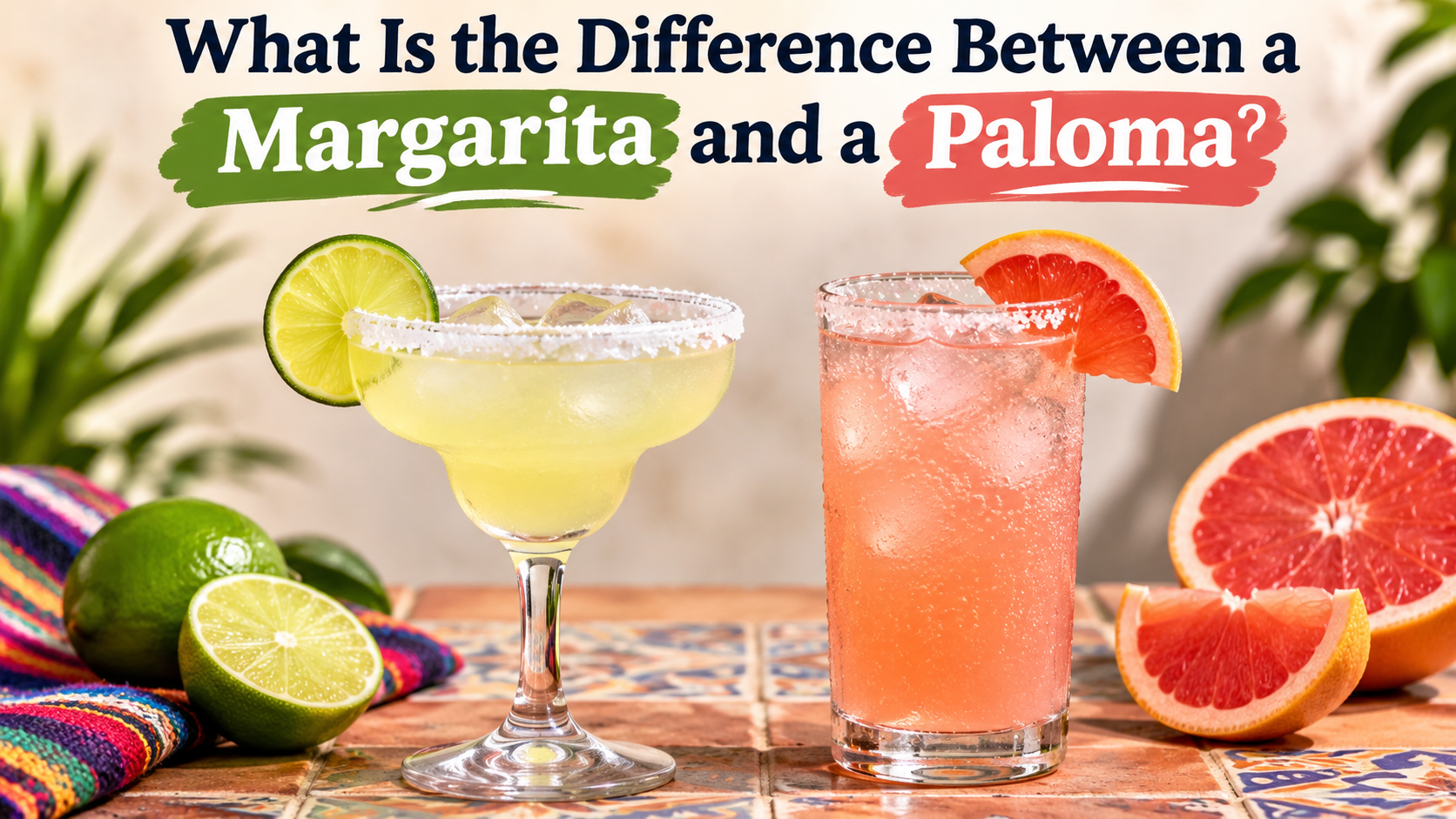
When it comes to refreshing tequila cocktails, two drinks consistently stand out: the Margarita and the Paloma. Both are popular Mexican cocktails that combine tequila with citrus flavors, but they offer distinctly different drinking experiences. While the Margarita is famous for its bold lime flavor and balanced sweet-and-sour taste, the Paloma is celebrated for its refreshing grapefruit flavor and sparkling finish.
If you have ever wondered what makes a Margarita different from a Paloma, the answer comes down to their ingredients, flavor profiles, preparation methods, and overall drinking experience.
Understanding these differences can help you decide which cocktail best suits your taste, whether you are hosting a summer barbecue, enjoying Mexican cuisine, or simply experimenting with tequila drinks at home.
What Is a Margarita?
A Margarita is a classic tequila-based cocktail traditionally made with tequila, fresh lime juice, and orange liqueur. It is one of the most recognizable cocktails in the world and is particularly popular in the United States and Mexico.
The traditional Margarita delivers a balanced combination of tart citrus, subtle sweetness, and the distinctive flavor of tequila.
Traditional Margarita Ingredients
A classic Margarita typically contains:
-
2 ounces blanco tequila
-
1 ounce fresh lime juice
-
1 ounce triple sec or Cointreau
-
Ice
-
Salt for the glass rim
-
Lime wedge for garnish
Some recipes include agave syrup or simple syrup to create a sweeter cocktail.
What Does a Margarita Taste Like?
A Margarita has a bright, tangy flavor dominated by fresh lime juice.
The orange liqueur provides sweetness and subtle orange notes, while tequila adds earthy, herbal, or peppery characteristics depending on the variety used.
A properly balanced Margarita should taste refreshing without being overwhelmingly sour or sweet.
The traditional version is usually shaken with ice and served straight up or over fresh ice. Frozen Margaritas are also popular, especially during warmer weather.
What Is a Paloma?
A Paloma is a refreshing Mexican tequila cocktail traditionally prepared with tequila and grapefruit soda, often accompanied by fresh lime juice.
The name “Paloma” means “dove” in Spanish.
Unlike the Margarita, which emphasizes lime and orange flavors, the Paloma highlights grapefruit’s distinctive combination of sweetness, tartness, and mild bitterness.
Its sparkling character makes it especially refreshing during hot weather.
Traditional Paloma Ingredients
A classic Paloma commonly includes:
-
2 ounces blanco tequila
-
4 ounces grapefruit soda
-
½ ounce fresh lime juice
-
Ice
-
Salt for the rim, optional
-
Grapefruit wedge for garnish
Some modern recipes replace grapefruit soda with fresh grapefruit juice, sparkling water, and agave syrup.
What Does a Paloma Taste Like?
A Paloma has a lighter, fruitier flavor than a traditional Margarita.
The grapefruit contributes a refreshing balance of sweetness, acidity, and gentle bitterness.
Carbonation from grapefruit soda creates a crisp, bubbly texture that distinguishes the Paloma from the typically noncarbonated Margarita.
The tequila remains noticeable, but the grapefruit flavors often make the cocktail feel especially refreshing.
Margarita vs. Paloma: What Are the Main Differences?
Although both cocktails use tequila and citrus, several characteristics distinguish them.
| Feature | Margarita | Paloma |
|---|---|---|
| Main alcohol | Tequila | Tequila |
| Primary citrus | Lime | Grapefruit |
| Sweetening ingredient | Orange liqueur | Grapefruit soda or sweetener |
| Carbonation | Usually none | Usually sparkling |
| Flavor | Tart, citrusy, balanced | Fruity, tangy, mildly bitter |
| Texture | Smooth | Light and bubbly |
| Preparation | Usually shaken | Usually built in the glass |
| Typical garnish | Lime wedge | Grapefruit wedge |
| Common serving style | Rocks, straight up, or frozen | Over ice in a tall glass |
The biggest difference is that a Margarita focuses on lime and orange flavors, while a Paloma emphasizes grapefruit and carbonation.
Both cocktails can be adjusted to suit individual preferences.
Which Cocktail Is Sweeter: Margarita or Paloma?
The sweetness of a Margarita or Paloma depends on the ingredients and proportions used.
A traditional Margarita often has a pronounced tart flavor because of its fresh lime juice. Orange liqueur adds sweetness, but the drink usually maintains a noticeable citrus bite.
A Paloma made with sweetened grapefruit soda may taste sweeter than a classic Margarita, especially when the soda contains a substantial amount of added sugar.
However, grapefruit naturally contains bitter compounds that can balance the sweetness.
How to Make a Margarita Sweeter
If you prefer a sweeter Margarita, consider adding a small amount of agave syrup.
You can also use a slightly sweeter orange liqueur or reduce the lime juice.
The goal is to enhance sweetness without completely covering the tequila and citrus flavors.
How to Make a Paloma Sweeter
For a sweeter Paloma, use a grapefruit soda with a sweeter flavor profile or add a little agave syrup.
Fresh grapefruit juice combined with sparkling water gives you greater control over the sweetness.
Start with a small amount of sweetener and adjust gradually.
Which Is Stronger: A Margarita or a Paloma?
A Margarita often tastes stronger than a Paloma, but actual alcohol content depends on the recipe.
Traditional Margaritas contain tequila and orange liqueur, both of which contribute alcohol.
Palomas usually contain tequila as their only alcoholic ingredient, with grapefruit soda providing most of the additional liquid.
For example, consider these two recipes.
Classic Margarita:
-
2 ounces tequila at 40% alcohol by volume
-
1 ounce triple sec at 30% alcohol by volume
-
1 ounce lime juice
This combination contains approximately 1.1 fluid ounces of pure alcohol before dilution from shaking.
Classic Paloma:
-
2 ounces tequila at 40% alcohol by volume
-
4 ounces grapefruit soda
-
½ ounce lime juice
This combination contains approximately 0.8 fluid ounces of pure alcohol before dilution.
In these examples, the Margarita contains more total alcohol.
However, recipes vary, and some orange liqueurs have different alcohol strengths. A Paloma with additional tequila could be stronger than a lightly prepared Margarita.
The Paloma’s carbonation and grapefruit flavor can also make its alcohol taste less noticeable, which does not necessarily mean it contains less alcohol.
How Do You Make a Classic Margarita at Home?
Making a traditional Margarita is relatively simple and requires only a few ingredients.
Classic Margarita Recipe
Preparation time: 5 minutes
Servings: 1 cocktail
Ingredients
-
2 ounces blanco tequila
-
1 ounce fresh lime juice
-
1 ounce triple sec
-
Ice
-
Coarse salt, optional
-
Lime wedge
Instructions
-
Rub a lime wedge around the rim of a cocktail glass.
-
Dip the rim into coarse salt if desired.
-
Fill a cocktail shaker with ice.
-
Add tequila, fresh lime juice, and triple sec.
-
Shake vigorously for approximately 10–15 seconds.
-
Strain into a prepared glass filled with fresh ice, or serve straight up in a chilled glass.
-
Garnish with a lime wedge.
Tips for Making a Better Margarita
Fresh lime juice makes a significant difference in the finished cocktail.
Bottled lime juice can sometimes taste flat or overly acidic.
Using a quality blanco tequila also helps preserve the cocktail’s fresh citrus character.
For a slightly sweeter Margarita, add ¼ ounce agave syrup and adjust to taste.
How Do You Make a Classic Paloma at Home?
The Paloma is one of the easiest tequila cocktails to prepare because it generally does not require a cocktail shaker.
Classic Paloma Recipe
Preparation time: 5 minutes
Servings: 1 cocktail
Ingredients
-
2 ounces blanco tequila
-
4 ounces grapefruit soda
-
½ ounce fresh lime juice
-
Ice
-
Pinch of salt, optional
-
Grapefruit wedge
Instructions
-
Fill a tall glass with ice.
-
Add tequila and fresh lime juice.
-
Add a small pinch of salt if desired.
-
Slowly pour grapefruit soda into the glass.
-
Stir gently to combine without losing too much carbonation.
-
Garnish with a grapefruit wedge.
Tips for Making a Better Paloma
Chill your grapefruit soda before preparing the cocktail.
Cold soda helps maintain carbonation and prevents excessive ice melting.
Fresh lime juice provides a brighter flavor, while a small pinch of salt can enhance the grapefruit’s sweetness and acidity.
Avoid stirring too aggressively because it can flatten the drink.
Can You Make a Paloma With Fresh Grapefruit Juice?
Yes. Fresh grapefruit juice is an excellent alternative to grapefruit soda.
Many modern Paloma recipes use fresh grapefruit juice to create a more natural citrus flavor and allow greater control over sweetness.
Fresh Grapefruit Paloma Recipe
Ingredients:
-
2 ounces blanco tequila
-
2 ounces fresh grapefruit juice
-
½ ounce fresh lime juice
-
½ ounce agave syrup
-
2 ounces sparkling water
-
Ice
-
Grapefruit wedge
Instructions:
-
Fill a tall glass with ice.
-
Add tequila, grapefruit juice, lime juice, and agave syrup.
-
Stir until combined.
-
Top with sparkling water.
-
Stir gently.
-
Garnish with fresh grapefruit.
This version offers a more pronounced grapefruit flavor and allows you to reduce or increase sweetness according to your preferences.
Pink or ruby red grapefruit generally produces a sweeter-tasting drink than many white grapefruit varieties.
What Type of Tequila Is Best for Margaritas and Palomas?
Both Margaritas and Palomas work well with blanco tequila, although reposado tequila can also create delicious variations.
Blanco Tequila
Blanco tequila is typically unaged or briefly rested.
It often has fresh agave, citrus, pepper, and herbal characteristics.
These flavors complement both lime and grapefruit, making blanco tequila a versatile choice.
Blanco is particularly popular in traditional Margaritas because its clean flavor works well with lime juice and orange liqueur.
Reposado Tequila
Reposado tequila is aged in oak for at least two months and less than one year.
It often develops notes of vanilla, caramel, and warm spice.
These flavors can create a richer Margarita or a more complex Paloma.
Reposado works particularly well when you want a smoother, oak-influenced flavor profile.
Which Should You Choose?
For a bright, refreshing cocktail, blanco tequila is an excellent starting point.
For a richer cocktail with subtle oak characteristics, try reposado.
Whichever style you choose, a tequila labeled 100% agave is generally a good option for achieving a clear agave flavor.
Is a Paloma Healthier Than a Margarita?
Neither cocktail is automatically healthier than the other.
The nutritional differences depend on alcohol content, portion size, added sugar, and the specific ingredients used.
A traditional Margarita contains alcohol from both tequila and orange liqueur, while a Paloma usually contains tequila and sweetened grapefruit soda.
Both can contain significant calories and sugar.
Approximate Calories
| Cocktail | Estimated calories |
|---|---|
| Classic Margarita | 200–300 |
| Classic Paloma with grapefruit soda | 170–250 |
| Fresh grapefruit Paloma with light sweetener | 150–220 |
These are broad estimates for typical homemade servings. Actual calories depend on ingredient brands, proportions, and alcohol content.
A large restaurant Margarita or oversized Paloma may contain considerably more calories.
How to Make Either Cocktail Lower in Sugar
For a Margarita, use fresh lime juice, tequila, and a modest amount of orange liqueur or sweetener.
For a Paloma, use fresh grapefruit juice, unsweetened sparkling water, and a small amount of agave syrup if needed.
Reducing added sugar can lower the calorie content, although alcohol itself still contributes calories.
Also, grapefruit can interact with certain medications, so people taking medications with grapefruit warnings should avoid grapefruit-based cocktails unless their healthcare professional confirms they are safe.
Which Cocktail Is Better for Summer?
Both cocktails are excellent warm-weather choices, but they provide different experiences.
A Margarita is ideal when you want a bold citrus cocktail with a strong lime presence.
It pairs particularly well with outdoor gatherings, Mexican-inspired meals, and casual celebrations.
A Paloma is often especially appealing during hot weather because of its carbonation and grapefruit flavor.
The sparkling soda creates a crisp finish that can feel lighter than a traditional Margarita.
For poolside gatherings, backyard barbecues, and afternoon entertaining, a Paloma can be a refreshing choice.
For taco nights, dinner parties, and occasions where you want a classic tequila cocktail, a Margarita is difficult to beat.
What Foods Pair Best With Margaritas and Palomas?
Food pairing is another area where these two cocktails offer different advantages.
Best Foods to Pair With a Margarita
The Margarita’s tart lime flavor works particularly well with rich, salty, and spicy foods.
Popular pairings include:
-
Chicken or beef tacos
-
Steak fajitas
-
Nachos with cheese
-
Guacamole and tortilla chips
-
Chicken enchiladas
-
Grilled shrimp
-
Spicy salsa
-
Quesadillas
The acidity of lime juice can help balance the richness of cheese, avocado, and grilled meats.
Best Foods to Pair With a Paloma
The Paloma’s grapefruit flavor and carbonation pair especially well with lighter dishes, seafood, and grilled foods.
Popular pairings include:
-
Fish tacos
-
Shrimp ceviche
-
Grilled chicken
-
Citrus-marinated fish
-
Fresh avocado salads
-
Grilled vegetables
-
Carnitas tacos
-
Spicy grilled shrimp
The grapefruit’s mild bitterness can complement smoky or savory flavors, while carbonation helps refresh the palate between bites.
Both drinks pair well with Mexican cuisine, so personal preference remains the deciding factor.
Can You Make a Margarita or Paloma Without Alcohol?
Yes. Both cocktails can be transformed into refreshing mocktails.
Nonalcoholic Margarita
Combine:
-
2 ounces fresh lime juice
-
1 ounce fresh orange juice
-
½ ounce agave syrup
-
2 ounces sparkling water
-
Ice
Shake the juices and agave with ice, strain into a glass, and top with sparkling water.
This creates a citrus-forward mocktail inspired by the traditional Margarita.
Nonalcoholic Paloma
Combine:
-
3 ounces grapefruit juice
-
½ ounce lime juice
-
½ ounce agave syrup
-
3 ounces sparkling water
-
Ice
Stir the grapefruit juice, lime juice, and agave together before topping with sparkling water.
Garnish with fresh grapefruit.
Both mocktails offer refreshing citrus flavors without tequila or orange liqueur.
Common Mistakes When Making Margaritas and Palomas
Even simple cocktails can turn out disappointing when ingredient proportions or preparation techniques are incorrect.
Using Too Much Sweetener
Excessive sugar can overpower the natural citrus flavors.
Start with the traditional recipe and add sweetener gradually.
Using Poor-Quality Citrus Juice
Freshly squeezed citrus juice usually produces a brighter and more balanced flavor than bottled alternatives.
This is especially noticeable in Margaritas.
Adding Too Much Ice Dilution
Shaking a Margarita excessively or allowing either cocktail to sit too long can dilute the flavors.
Use plenty of fresh, solid ice and serve promptly.
Overmixing a Paloma
Because Palomas usually contain carbonated soda, excessive stirring can reduce their fizz.
A gentle stir is generally sufficient.
Ignoring the Balance of Sweetness and Acidity
A good Margarita should balance tequila, lime, and orange liqueur.
A good Paloma should balance tequila, grapefruit, lime, and sweetness.
If either cocktail tastes too sour, add a small amount of sweetener.
If it tastes too sweet, a little additional citrus juice can help restore balance.
Frequently Asked Questions About Margaritas and Palomas
Is a Paloma Basically a Grapefruit Margarita?
Not exactly.
Although both cocktails contain tequila and citrus, a traditional Margarita uses lime juice and orange liqueur, while a Paloma uses grapefruit soda or grapefruit juice with sparkling water.
The Paloma is also typically carbonated, making its texture noticeably different.
Why Is a Paloma Called a Paloma?
Paloma is the Spanish word for dove.
The precise origin of the cocktail’s name is uncertain, and several explanations have circulated over the years.
Is a Margarita More Popular Than a Paloma?
The Margarita is internationally famous and particularly prominent on American cocktail menus.
The Paloma is also widely enjoyed in Mexico and has gained considerable international recognition.
Their relative popularity depends on the country, region, and drinking occasion.
Can You Use Mezcal Instead of Tequila?
Yes.
Mezcal can replace tequila in either cocktail.
Many mezcals offer smoky, earthy, or roasted flavors that complement lime and grapefruit.
A Mezcal Margarita delivers a more complex citrus cocktail, while a Mezcal Paloma combines grapefruit with smoky agave notes.
Does a Paloma Need a Salt Rim?
No.
A salt rim is optional for both cocktails.
Some Paloma recipes include a pinch of salt directly in the drink, while others use a salted glass rim.
Salt can enhance citrus flavors and help balance grapefruit bitterness.
Which Cocktail Is Easier to Make?
The Paloma is generally easier to prepare.
Most traditional Paloma recipes simply require combining tequila, lime juice, grapefruit soda, and ice in a glass.
A Margarita usually requires measuring several ingredients and shaking them with ice.
However, both drinks are beginner-friendly and can be prepared in approximately five minutes.
Can You Make Either Cocktail Ahead of Time?
Yes, with some adjustments.
For Margaritas, you can combine tequila, lime juice, and orange liqueur ahead of time and refrigerate the mixture.
Shake individual servings with ice when ready.
For Palomas, you can prepare the tequila, lime juice, and fresh grapefruit juice mixture ahead of time.
Add grapefruit soda or sparkling water immediately before serving to preserve carbonation.
Keep prepared mixtures refrigerated and avoid leaving fresh citrus ingredients at room temperature for extended periods.
Margarita vs. Paloma: Which One Should You Choose?
Choosing between a Margarita and a Paloma ultimately depends on your flavor preferences.
Choose a Margarita if you enjoy:
-
Bold lime flavors
-
A balanced sweet-and-sour cocktail
-
Orange citrus notes
-
Traditional shaken cocktails
-
Frozen or blended tequila drinks
Choose a Paloma if you enjoy:
-
Refreshing grapefruit flavors
-
Light carbonation
-
A combination of sweet, tart, and slightly bitter notes
-
Simple cocktails that require minimal preparation
-
Tall, sparkling drinks served over ice
If you enjoy tart cocktails with a strong citrus character, the Margarita may be your favorite.
If you prefer a fruitier, bubbly drink with a refreshing grapefruit finish, the Paloma may be the better choice.
Trying both side by side can be an enjoyable way to discover how different citrus ingredients change the character of tequila.
Final Thoughts: What Is the Difference Between a Margarita and a Paloma?
The main difference between a Margarita and a Paloma comes down to their citrus ingredients and preparation styles.
A Margarita traditionally combines tequila, fresh lime juice, and orange liqueur to create a bold, tangy cocktail with a smooth texture.
A Paloma combines tequila with grapefruit soda or grapefruit juice and sparkling water, creating a lighter, bubbly cocktail with a refreshing balance of sweetness, tartness, and mild bitterness.
Both drinks highlight the versatility of tequila, and neither is inherently better than the other.
Whether you prefer the unmistakable lime flavor of a classic Margarita or the sparkling grapefruit character of a Paloma, both cocktails offer delicious ways to enjoy traditional Mexican-inspired flavors.
The best choice is the one that matches your taste, your meal, and the occasion.


Leave a Reply