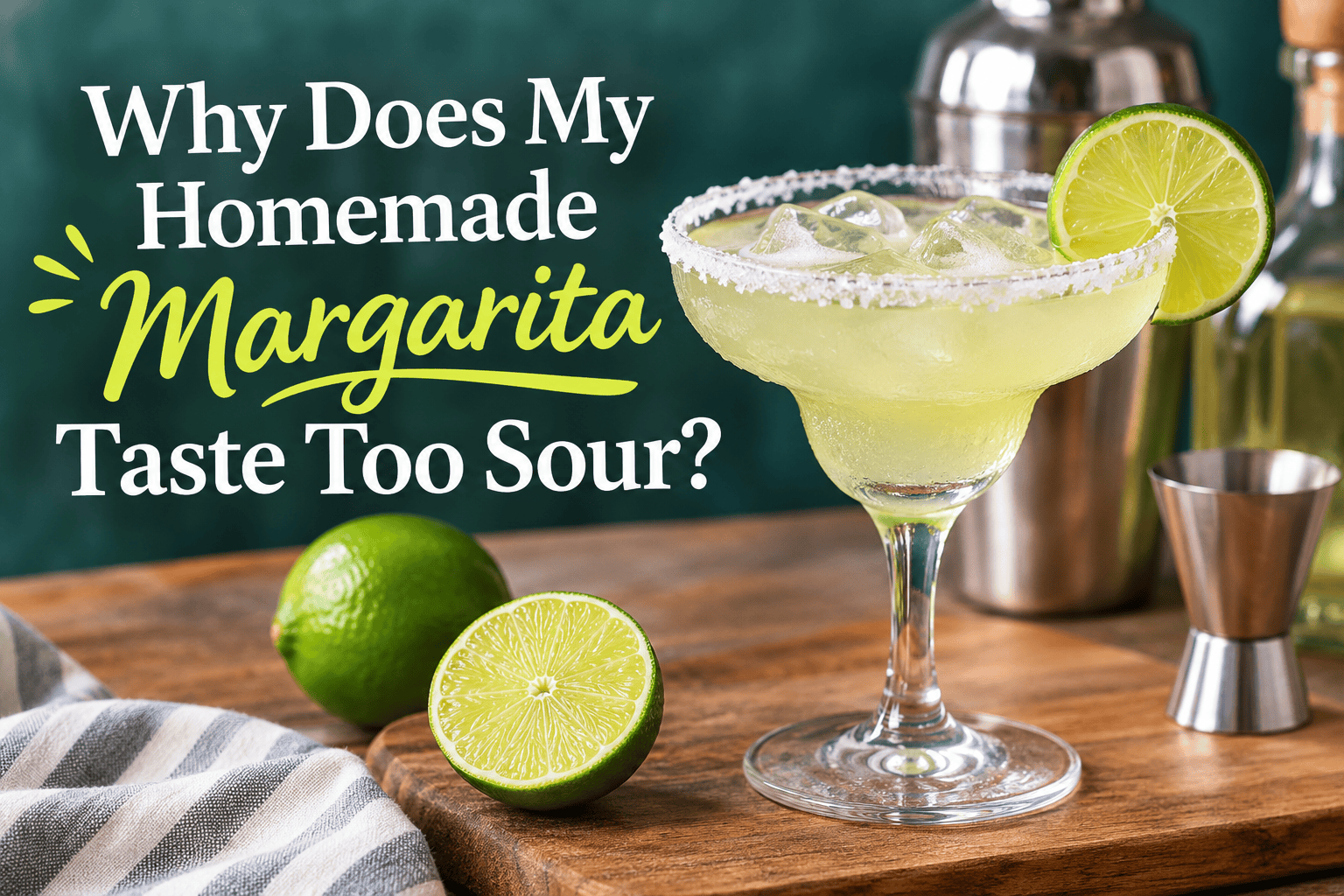
A homemade margarita should deliver the perfect balance of refreshing citrus, smooth tequila, subtle sweetness, and just enough tartness to make every sip enjoyable. However, if you have ever mixed a margarita at home only to discover that it tastes overwhelmingly sour, you are not alone.
One of the most common problems people experience when making homemade margaritas is adding too much lime juice or not including enough sweetness to balance the acidity. Even when you follow a recipe, differences in lime freshness, tequila selection, orange liqueur, and ingredient measurements can dramatically change the final flavor.
The good news is that a margarita that tastes too sour is usually easy to fix. By understanding what causes excessive tartness and learning how to adjust your ingredients, you can create a smooth, refreshing, and well-balanced margarita every time.
In this guide, we will explore why homemade margaritas taste too sour, how to correct the flavor, which ingredients make the biggest difference, and how to prevent common margarita-making mistakes.
What Makes a Homemade Margarita Taste Too Sour?
The primary reason homemade margaritas taste too sour is an imbalance between acidic and sweet ingredients.
Traditional margaritas contain three main components:
-
Tequila, which provides the alcoholic base and distinctive agave flavor.
-
Fresh lime juice, which delivers the signature citrus tartness.
-
Orange liqueur, which contributes sweetness, orange flavor, and additional complexity.
When these ingredients are properly balanced, they complement one another. However, when the lime juice overwhelms the other flavors, the margarita becomes excessively tart.
Several factors can contribute to this problem, including incorrect ingredient ratios, unusually acidic limes, insufficient sweetener, and certain tequila varieties.
Understanding these factors is the first step toward making better homemade margaritas.
1. You Are Using Too Much Lime Juice
Fresh lime juice is essential for making a traditional margarita, but adding too much is one of the easiest ways to ruin the balance.
Lime juice contains citric acid, which creates the sharp, tangy flavor associated with citrus fruits.
Although this acidity makes margaritas refreshing, excessive amounts can overpower the tequila and orange liqueur.
For example, a margarita containing two ounces of tequila and two ounces of lime juice may taste significantly more sour than one containing only one ounce of lime juice.
How to Fix It
Start with a balanced ingredient ratio:
-
2 ounces blanco tequila
-
1 ounce fresh lime juice
-
1 ounce orange liqueur
Shake the ingredients with ice and taste the margarita before serving.
If the drink still tastes too sour, reduce the lime juice slightly or add a small amount of sweetener.
Remember that lime juice should enhance the margarita rather than dominate it.
2. Your Limes Are More Acidic Than Expected
Not every lime tastes the same.
Some limes are exceptionally tart, while others have a slightly sweeter and more mellow flavor.
Factors that influence lime acidity and flavor include growing conditions, variety, ripeness, and storage.
This means that even when you follow the same margarita recipe every time, the finished drink may taste different depending on the limes you use.
How to Fix It
Taste a small amount of freshly squeezed lime juice before adding it to your margarita.
If the juice tastes particularly sharp, begin with slightly less than the recipe recommends.
You can always add more lime juice after mixing, but removing excess acidity is much more difficult.
Choose limes that feel heavy for their size and yield slightly when gently squeezed. These characteristics often indicate that the fruit contains plenty of juice, although they do not guarantee lower acidity.
3. You Are Not Adding Enough Sweetness
A margarita needs enough sweetness to balance the natural acidity of lime juice.
Traditional margaritas often rely on orange liqueur for sweetness, but the amount varies depending on the recipe and the liqueur.
Some homemade margarita recipes use very little orange liqueur or eliminate it entirely.
Without another sweetening ingredient, the result may taste overly sour.
How to Fix It
Try adding a small amount of one of the following ingredients:
-
Agave syrup
-
Simple syrup
-
Orange liqueur
-
Fresh orange juice
-
A small amount of honey syrup
Agave syrup is particularly popular because its flavor complements tequila.
Begin with approximately ¼ ounce of agave syrup, stir or shake thoroughly, and taste again.
Add more only if necessary.
The goal is not to make the margarita excessively sweet. Instead, you want enough sweetness to soften the sharpness of the lime.
4. You Are Using the Wrong Margarita Ingredient Ratios
One of the biggest mistakes when making homemade margaritas is measuring ingredients without considering their proportions.
A margarita is a balanced cocktail, and even small changes can influence its overall flavor.
For example, combining equal amounts of tequila, lime juice, and orange liqueur produces a different flavor profile than using twice as much tequila as either of the other ingredients.
Neither approach is automatically wrong, but some ratios produce a noticeably more tart cocktail.
What Is the Best Margarita Ratio?
A reliable starting point is the classic 2:1:1 ratio.
| Ingredient | Amount |
|---|---|
| Tequila | 2 ounces |
| Fresh lime juice | 1 ounce |
| Orange liqueur | 1 ounce |
| Agave syrup | Optional, ¼ ounce |
This combination creates a citrus-forward margarita with a balanced foundation.
For a sweeter margarita, add a small amount of agave syrup or slightly reduce the lime juice.
For a more tart margarita, increase the lime juice carefully.
The best ratio ultimately depends on your personal preferences.
5. Your Orange Liqueur Is Not Sweet Enough
Orange liqueur plays an important role in balancing a margarita.
However, different orange liqueurs have different sweetness levels, alcohol strengths, and flavor profiles.
Triple sec, Cointreau, and Grand Marnier are commonly used in margaritas, but they do not taste identical.
Some provide a brighter orange flavor, while others introduce richer or more complex notes.
Depending on the product, a particular orange liqueur may not provide enough sweetness to offset the lime juice in your recipe.
How to Fix It
If your margarita tastes too sour, try adding a little more orange liqueur or incorporating a small amount of agave syrup.
Keep in mind that adding orange liqueur also increases the alcohol content.
If you want additional sweetness without increasing the alcohol, agave syrup or simple syrup is usually the better choice.
6. You Are Using Bottled Lime Juice
Fresh lime juice generally produces a brighter and more natural citrus flavor than bottled alternatives.
Some bottled lime juices contain preservatives or undergo processing that can alter their flavor.
Depending on the product, bottled juice may taste harsher, more bitter, or less fresh than juice squeezed directly from a lime.
This can make a homemade margarita seem unpleasantly tart even when the ingredient measurements are correct.
How to Fix It
Use freshly squeezed lime juice whenever possible.
For the best results, squeeze the limes shortly before making your margarita.
If you must use bottled lime juice, choose a product made with 100% lime juice and taste it before mixing.
You may need to adjust the amount of sweetener to compensate for differences in flavor.
7. Your Margarita Is Too Concentrated
Sometimes a margarita tastes too sour because it has not been diluted enough.
When you shake a margarita with ice, the ice chills the drink and melts slightly.
This dilution is an important part of cocktail preparation because it softens intense flavors and helps the ingredients blend together.
If you simply combine tequila, lime juice, and orange liqueur without properly chilling and diluting them, the result may taste unusually sharp.
How to Fix It
Fill a cocktail shaker with ice and shake your margarita vigorously for approximately 10–15 seconds.
Strain the drink into a prepared glass.
If the margarita still tastes too intense, a small splash of cold water can soften the flavor.
However, avoid adding too much water because excessive dilution can make the drink taste weak.
8. Your Tequila Is Affecting the Flavor Balance
Tequila does not usually create the sourness in a margarita, but its flavor can influence how the acidity is perceived.
Blanco tequila typically offers fresh agave flavors, sometimes accompanied by peppery, herbal, or citrus-like notes.
Reposado tequila introduces additional flavors from barrel aging, which may include vanilla, oak, and subtle sweetness.
These differences can change how a margarita tastes when combined with lime juice.
A strongly peppery or earthy tequila may make an already tart margarita seem sharper.
How to Fix It
Experiment with different tequila styles to determine which one you prefer.
Blanco tequila is an excellent choice for a crisp, traditional margarita.
Reposado tequila may provide a smoother, richer flavor profile that some people enjoy with citrus.
Regardless of the tequila you choose, correcting the lime-to-sweetener ratio remains the most effective way to reduce excessive sourness.
How Do You Fix a Margarita That Is Already Too Sour?
If you have already made a margarita and it tastes too sour, you do not need to throw it away.
Several simple adjustments can improve the flavor.
Step 1: Add a Small Amount of Agave Syrup
Start with ¼ ounce of agave syrup.
Stir or shake the margarita again and taste it.
If necessary, add a little more.
Step 2: Add More Orange Liqueur
A small amount of orange liqueur can introduce additional sweetness and orange flavor.
However, remember that this adjustment also increases the alcohol content.
Step 3: Add a Splash of Orange Juice
Fresh orange juice can soften the sharpness of lime juice while contributing natural sweetness.
This creates a slightly fruitier margarita.
Step 4: Dilute the Margarita Slightly
If the drink tastes excessively concentrated, add a small splash of cold water.
Stir and taste before adding more.
Step 5: Adjust the Entire Recipe
If the margarita is extremely sour, it may be easier to make a second, less acidic mixture and combine the two.
This helps preserve the overall flavor balance without relying on excessive amounts of sugar.
The most important rule is to make small adjustments and taste between each one.
Adding too much sweetener at once can quickly turn an overly sour margarita into an overly sweet one.
What Is the Best Sweetener for a Sour Margarita?
Several sweeteners work well in homemade margaritas, but each produces a slightly different result.
| Sweetener | Flavor | Best Use |
|---|---|---|
| Agave syrup | Mild, smooth sweetness | Traditional-style margaritas |
| Simple syrup | Neutral sweetness | Easy flavor adjustments |
| Honey syrup | Floral, rich sweetness | Specialty margaritas |
| Orange juice | Fruity, citrus sweetness | Lighter, fruit-forward margaritas |
| Maple syrup | Rich, distinctive sweetness | Creative margarita variations |
Agave syrup is often a particularly good option because it blends naturally with tequila’s agave character.
Simple syrup is another excellent choice because it provides sweetness without significantly changing the cocktail’s flavor.
Honey should generally be diluted with warm water to create honey syrup before adding it to a cold margarita.
This helps it mix more evenly.
How to Make a Perfectly Balanced Homemade Margarita
If you want to avoid an overly sour margarita altogether, start with a dependable recipe and adjust it according to your taste.
Classic Balanced Margarita Recipe
PREP TIME: 5 MINUTES · SERVINGS: 1
Ingredients
-
2 ounces blanco tequila
-
1 ounce fresh lime juice
-
1 ounce orange liqueur
-
¼ ounce agave syrup, optional
-
Ice
-
Lime wedge for garnish
-
Coarse salt for the rim, optional
Instructions
-
If desired, rub a lime wedge around the rim of a margarita glass and dip the rim into coarse salt.
-
Fill a cocktail shaker with ice.
-
Add the tequila, fresh lime juice, and orange liqueur.
-
Add agave syrup if you prefer a slightly sweeter margarita.
-
Shake vigorously for approximately 10–15 seconds.
-
Strain into the prepared glass over fresh ice, or serve straight up.
-
Garnish with a fresh lime wedge.
-
Taste and adjust the sweetness or acidity if needed.
Why This Recipe Works
The tequila provides a strong foundation, while the lime juice delivers refreshing acidity.
Orange liqueur introduces citrus sweetness, and the optional agave syrup allows you to customize the balance.
Because the ingredients are measured carefully, it is easier to make consistent margaritas.
Can You Make a Margarita Less Sour Without Adding Sugar?
Yes. You can make a margarita taste less sour without adding sugar or another sweetener.
The easiest method is to reduce the amount of lime juice.
For example, if your recipe calls for one ounce of lime juice, try using ¾ ounce instead.
You can also experiment with a slightly different tequila or a small amount of additional water for dilution.
Another option is to add a splash of unsweetened sparkling water.
This creates a lighter margarita with less concentrated acidity, although it also changes the texture and overall strength of the drink.
Keep in mind that dilution does not chemically neutralize the lime juice. It simply reduces the concentration of acidic ingredients in each sip.
Does Adding Salt Make a Margarita Less Sour?
Salt can influence how we perceive flavors, which is one reason salted rims are so popular with margaritas.
A small amount of salt may help balance certain bitter or sharp flavors and enhance the overall drinking experience.
However, salt does not remove the acidity from lime juice.
If your margarita contains far too much lime juice, adding salt will not completely solve the problem.
For the best results, use salt as a finishing touch rather than a substitute for balancing the cocktail ingredients.
You can also salt only half the rim, allowing you to enjoy the margarita with or without salt.
Does Ice Help Reduce Margarita Sourness?
Ice can help a margarita taste smoother by chilling and diluting the drink.
As ice melts, it adds water, which reduces the concentration of the other ingredients.
However, there is a difference between proper dilution and allowing a margarita to become watery.
Shaking a margarita with ice generally produces a more balanced texture than simply letting the drink sit until the ice melts.
Crushed ice can also dilute a margarita more quickly than larger ice cubes because it has more exposed surface area.
For frozen margaritas, the amount of ice can significantly influence the finished flavor and consistency.
Why Does My Margarita Taste Sour and Bitter?
Sometimes a homemade margarita tastes both sour and bitter.
These flavors have different causes.
Sourness usually comes from acidic ingredients such as lime juice.
Bitterness may come from lime peel oils, excessive pith, certain tequila characteristics, or other cocktail ingredients.
If you squeeze limes too aggressively or crush lime peels into the drink, bitter compounds from the peel and pith may influence the flavor.
How to Prevent It
Use a citrus juicer that extracts the juice without excessively crushing the peel.
Avoid leaving large pieces of lime peel in the cocktail shaker unless the recipe specifically calls for them.
Use fresh ingredients and avoid over-muddling citrus.
If your margarita tastes both sour and bitter, adjusting the sweetener may help, but changing how you prepare the lime juice can be equally important.
Common Mistakes That Make Homemade Margaritas Too Sour
Even experienced home bartenders occasionally make mistakes when preparing margaritas.
Some of the most common include:
-
Adding too much lime juice: Excessive acidity overwhelms the other ingredients.
-
Skipping the sweetener: Some recipes need additional sweetness beyond orange liqueur.
-
Using inconsistent measurements: Eyeballing ingredients can produce unpredictable results.
-
Using bottled lime juice without tasting it: Bottled products can vary in flavor.
-
Not shaking with enough ice: Insufficient dilution can make the cocktail taste harsh.
-
Using an unbalanced recipe: Some margarita recipes intentionally emphasize tartness.
-
Making large batches without testing: A small imbalance becomes more noticeable when multiplied.
The simplest way to prevent these problems is to measure ingredients carefully and taste the finished cocktail before serving.
How Do You Make Margaritas Less Sour for a Party?
Preparing margaritas for a party requires extra attention because large batches are more difficult to adjust than individual drinks.
Start by making one margarita using your planned recipe.
Taste it and make any necessary changes before multiplying the ingredients.
For example, a batch serving eight people could begin with:
-
16 ounces tequila
-
8 ounces fresh lime juice
-
8 ounces orange liqueur
-
2 ounces agave syrup, optional
Mix thoroughly and chill.
If serving directly from a pitcher rather than shaking individual portions, add cold water gradually to approximate the dilution normally provided by shaking with ice.
Start with a few ounces, taste, and adjust as needed.
Avoid adding all the sweetener at once if you are unsure how sweet your guests prefer their margaritas.
You can also offer agave syrup separately so guests can customize their drinks.
Frequently Asked Questions
Why does my margarita taste like straight lime juice?
Your margarita probably contains too much lime juice compared with the tequila and orange liqueur. Reduce the lime juice or add a small amount of agave syrup to restore balance.
How much lime juice should I use in a margarita?
One ounce of fresh lime juice for every two ounces of tequila is a common starting point. You can reduce the lime juice to ¾ ounce if you prefer a less tart cocktail.
Will simple syrup fix a sour margarita?
Yes. Simple syrup can help balance excessive sourness by adding sweetness. Start with ¼ ounce, mix thoroughly, and adjust gradually.
Is agave syrup better than sugar for margaritas?
Agave syrup is a popular choice because it mixes easily and complements tequila’s flavor. However, simple syrup works equally well when you want a more neutral sweetness.
Why does my margarita taste sour even with triple sec?
Triple sec contributes sweetness, but it may not provide enough to balance the lime juice in your particular recipe. Different triple sec products also have different sweetness levels.
Can orange juice make a margarita less sour?
Yes. Orange juice adds natural sweetness and can soften the perceived tartness of lime juice. However, it will also make the margarita taste fruitier.
Should a margarita taste sour or sweet?
A traditional margarita should taste pleasantly tart with enough sweetness to balance the citrus. Neither sourness nor sweetness should completely overpower the other flavors.
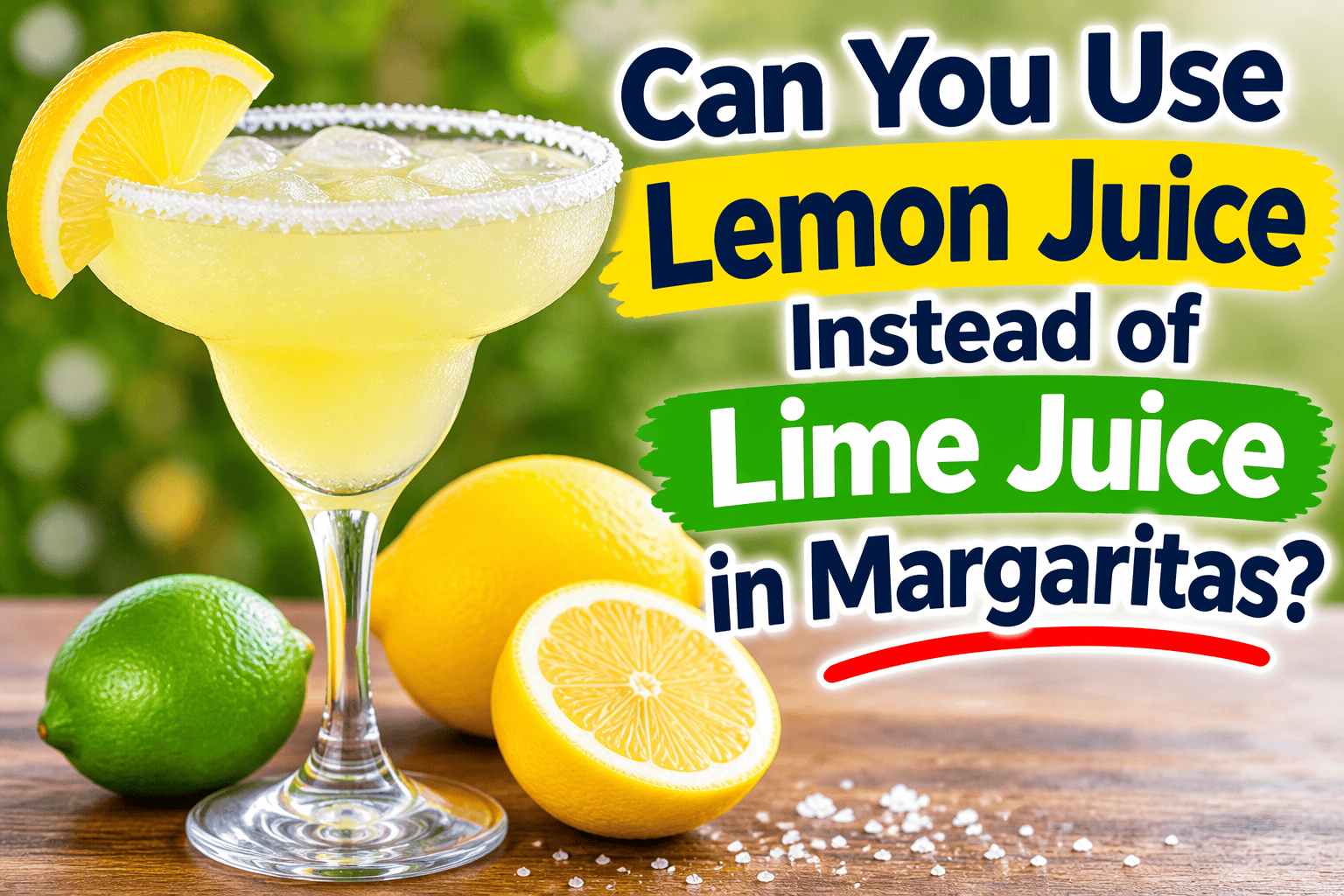
Can I use lemon juice instead of lime juice?
Yes, although the flavor will be different. Lemon juice is also acidic, so switching citrus fruits will not necessarily make the margarita less sour.
Why do restaurant margaritas sometimes taste sweeter?
Some restaurants use sweeter margarita mixes, additional sweeteners, or different ingredient ratios. Homemade margaritas made with fresh lime juice may taste noticeably more tart.
What is the quickest way to fix a sour margarita?
Add approximately ¼ ounce of agave syrup or simple syrup, stir or shake, and taste again. This is one of the fastest ways to correct an overly tart margarita.
Final Thoughts: How to Keep Your Homemade Margarita From Tasting Too Sour
A homemade margarita that tastes too sour is usually the result of an imbalance between lime juice, sweetness, and the other cocktail ingredients.
Fresh lime juice gives margaritas their refreshing character, but too much can easily overwhelm the tequila and orange liqueur.
Fortunately, correcting the problem is straightforward.
Start with a dependable 2:1:1 ratio of tequila, lime juice, and orange liqueur. Use fresh ingredients, measure carefully, shake with ice, and taste before serving.
If the margarita is too tart, add a small amount of agave syrup, reduce the lime juice in your next batch, or adjust the dilution.
Remember that the perfect margarita is not necessarily the sweetest or the strongest. It is the one where every ingredient works together to create a refreshing, enjoyable cocktail.
The secret to a great homemade margarita is balance. Once you understand how acidity, sweetness, and tequila interact, you can make margaritas that taste exactly the way you like them.


Leave a Reply