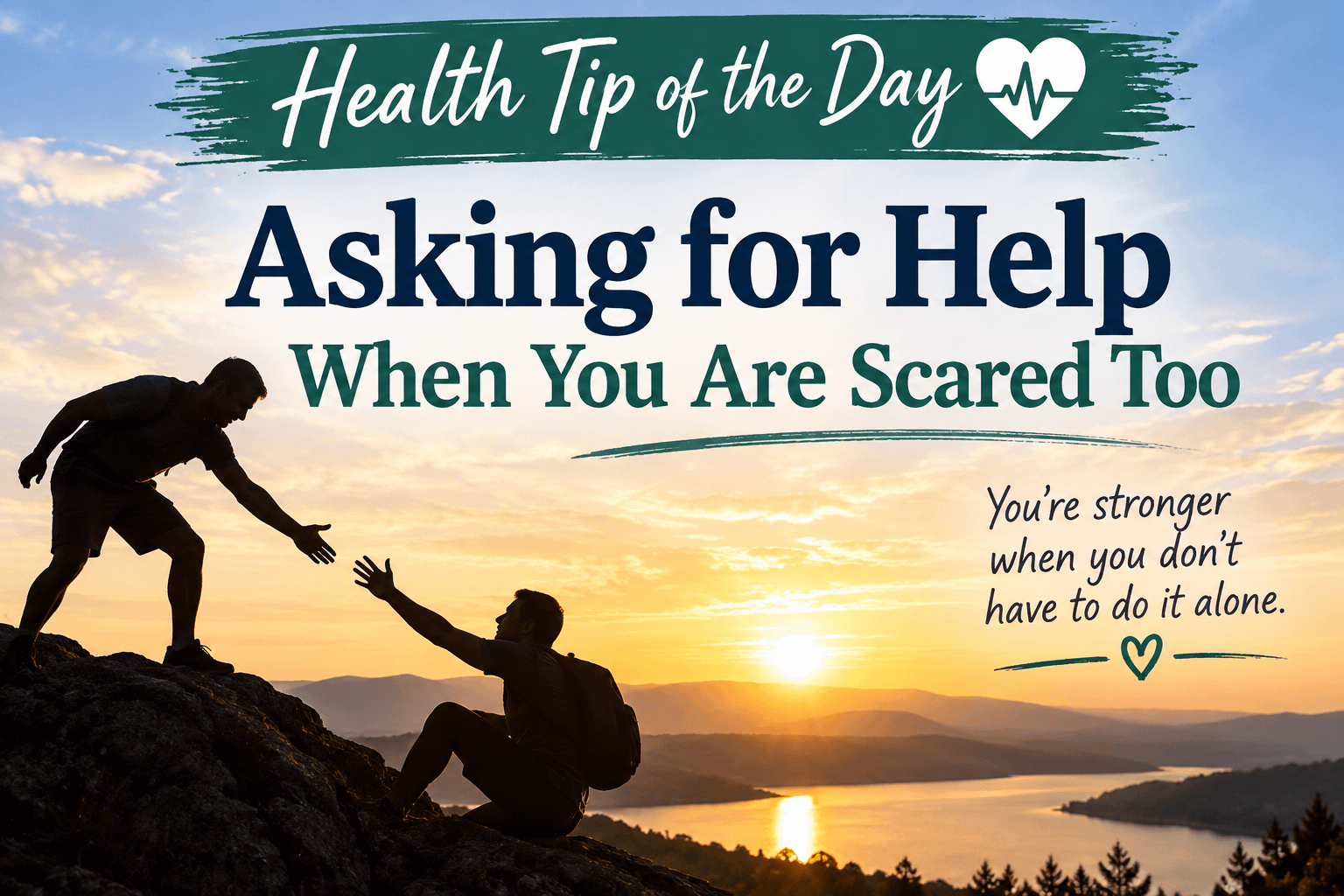
There are times in life when you know you need help, yet asking for it feels almost impossible.
You may be overwhelmed, exhausted, frightened, confused, or simply unsure what to do next. Part of you knows that talking to someone could help, but another part keeps telling you to stay quiet.
You might worry about being judged.
You might be afraid of becoming a burden.
You might not know how to explain what you are feeling.
You might be scared that people will not understand.
Or perhaps you have spent so much of your life handling things on your own that saying, “I need help,” feels like admitting defeat.
But asking for help is not defeat.
Sometimes it is one of the healthiest and most courageous decisions you can make.
You Don’t Have to Wait Until Things Become Unbearable
One mistake people often make is believing their situation has to become severe before they are “allowed” to ask for help.
They tell themselves:
“Other people have it worse.”
“I should be able to handle this.”
“Maybe it will go away.”
“I don’t want to bother anyone.”
“I’ll deal with it tomorrow.”
Days can become weeks, and weeks can become months while someone continues carrying something that was never meant to be carried alone.
You do not need to reach your breaking point before reaching out.
If something is affecting your ability to sleep, eat, concentrate, work, maintain relationships, take care of yourself, or enjoy your life, it deserves attention.
Even if you cannot explain exactly what is wrong, you can still ask someone to listen.
Why Asking for Help Can Feel So Scary
Fear around asking for help can come from many places.
Maybe you were raised to believe that strong people solve their own problems. Perhaps previous attempts to open up were dismissed or criticized. Maybe you have become the person everyone else depends on, so you are uncomfortable becoming the one who needs support.
Sometimes the fear is simply uncertainty.
What happens after I tell someone?
Will they look at me differently?
Will they think I am weak?
What if they don’t understand?
What if I become emotional?
Those questions can convince you that remaining silent is safer.
But silence does not always protect you. Sometimes silence simply gives pain, stress, fear, or uncertainty more room to grow.
Strength Doesn’t Mean Doing Everything Alone
We often misunderstand what strength looks like.
Strength is not always standing tall and pretending everything is fine.
Sometimes strength sounds like:
“I am struggling.”
“I don’t know what to do.”
“I need someone to talk to.”
“Can you stay with me for a little while?”
“I think I need professional help.”
“I am scared, and I don’t want to deal with this alone.”
Those sentences may feel vulnerable, but vulnerability and weakness are not the same thing.
It takes courage to tell another person what is happening inside you, especially when you do not know how they will respond.
Start With One Person
You don’t have to tell everyone what you are going through.
Start with one person you trust.
That might be a close friend, family member, doctor, therapist, counselor, pastor or faith leader, support-group member, teacher, coworker, or another trusted person.
You also don’t need to tell your entire story immediately.
You can begin with something simple:
“I’ve been having a difficult time lately, and I think I need someone to talk to.”
That single sentence can open the door.
You can decide how much more you want to share from there.
It’s Okay If You Don’t Know What to Say
Sometimes people know they need help but cannot find the words to explain why.
That’s okay.
You don’t need a perfectly organized explanation.
You can say:
“I don’t really know how to explain this.”
Or:
“Something hasn’t felt right lately.”
You might even say:
“I’m scared to talk about this, but I don’t think I should keep it to myself.”
Starting the conversation is often more important than saying everything perfectly.
If speaking face-to-face feels overwhelming, consider sending a text or writing down what you want to say first. Writing can give you time to organize your thoughts without feeling pressured to find the right words immediately.
Asking for Help With Physical Health Matters Too
Fear doesn’t only prevent people from discussing emotional health.
People sometimes avoid medical care because they are afraid of what they might discover.
You notice something unusual.
You experience persistent pain.
Something changes in your body.
A symptom keeps returning.
And instead of making an appointment, you think, “Maybe it’ll disappear.”
Fear of receiving bad news is understandable, but avoiding a health concern does not determine what that concern is.
If you have a new, persistent, worsening, or concerning symptom, contacting a qualified healthcare professional can help you understand what is happening and what should happen next.
And if symptoms seem severe or potentially life-threatening, seek emergency medical care rather than waiting.
You Are Allowed to Ask Questions
Healthcare appointments can also feel intimidating.
Remember that you are allowed to ask questions.
If you don’t understand something, say so.
If you’re nervous, tell the healthcare professional you’re nervous.
If you don’t understand a diagnosis, treatment, medication, test, or recommendation, ask them to explain it differently.
You might ask:
“What does this mean?”
“What are my options?”
“Why are you recommending this?”
“What should I watch for?”
“When should I seek additional care?”
“Could you explain that in simpler terms?”
Understanding your health can make frightening situations feel more manageable.
Emotional Health Deserves the Same Attention
People sometimes treat emotional pain differently from physical pain.
If your ankle were badly injured, you probably wouldn’t expect yourself to simply think your way out of it.
Yet when people experience prolonged anxiety, sadness, grief, emotional exhaustion, loneliness, fear, or other forms of distress, they sometimes expect themselves to “just get over it.”
Your emotional well-being matters too.
Talking with someone doesn’t mean that person has to solve everything.
Sometimes what you need most is someone willing to listen without judgment.
Other times, professional support may be appropriate.
Both are valid.
What If Someone Doesn’t Respond Well?
One of the hardest possibilities is finally gathering enough courage to ask for help and receiving a disappointing response.
Someone might minimize what you’re experiencing.
They might give unwanted advice.
They might change the subject.
They might simply not know how to respond.
That can hurt.
But one person’s inability to support you does not mean your need for support is unreasonable.
Try someone else.
Sometimes finding the right person requires more than one attempt.
You deserve to be taken seriously when something is affecting your health or well-being.
You Can Be Scared and Still Take the Next Step
Courage does not require the absence of fear.
You can be scared while making the phone call.
You can be nervous while scheduling the appointment.
You can have tears in your eyes while telling someone what is happening.
You can struggle to find the words.
You can even admit:
“I am terrified to ask for help.”
And then ask anyway.
You don’t have to solve everything today.
Your next step might simply be telling one trustworthy person that you’re having a hard time.
Then you can figure out the step after that.
Check on the People Who Always Say They’re Fine
There is another side to today’s health tip.
Sometimes the person who needs help isn’t you.
Pay attention to the people around you.
Someone can smile, laugh, work, help everyone else, post online, and appear completely normal while privately struggling.
Instead of only saying, “How are you?” try asking:
“How are you really doing?”
“You’ve seemed quieter lately. Is everything okay?”
“Do you want to talk?”
“Is there anything I can help you with?”
And if they open up, listen.
You don’t necessarily have to fix the situation.
Being present can matter more than having the perfect advice.
Make Asking for Help Normal
Imagine how different our communities would be if asking for help were treated as a normal part of taking care of ourselves.
We ask mechanics for help with cars.
We ask accountants for help with finances.
We ask teachers when we don’t understand something.
We ask coworkers for assistance with difficult tasks.
There should be no shame in asking someone for help when your body, mind, or life becomes difficult to manage.
Human beings need one another.
Sometimes you will be the person offering support.
Sometimes you will be the person receiving it.
Both roles are part of life.
Today’s Health Tip
If you know you need help but fear is keeping you silent, don’t pressure yourself to solve everything at once.
Choose one small step.
Send the message.
Make the call.
Schedule the appointment.
Tell someone you trust.
Write down what you’ve been feeling.
Ask the question you’ve been afraid to ask.
You don’t have to wait until you feel fearless.
You only need enough courage for the next step.
There may come a day when you look back and realize that the moment you finally said, “I need help,” wasn’t the moment you became weak.
It was the moment you decided you didn’t have to face everything alone.
Who is one person you could reach out to when life becomes too difficult to carry by yourself?
Leave a Reply